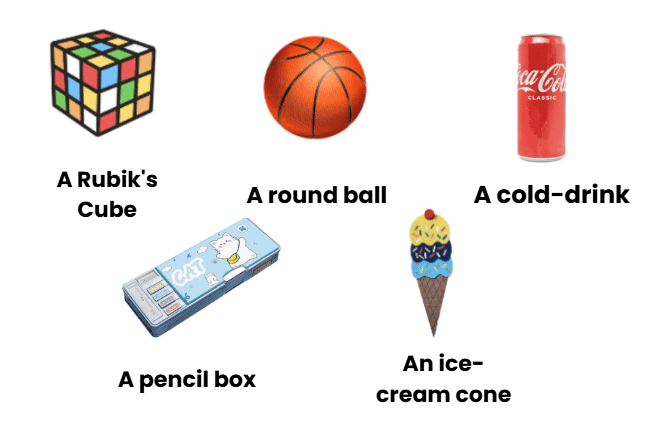
Have you ever looked at your toys, snacks, or even the things around your house and wondered, “What shape is that?“
Shapes are not just fun to look at—they are all around us, and some shapes are even 3D, meaning we can touch and hold them!
In this lesson, we’ll explore exciting shapes like cubes, cones, spheres, and cylinders. Let’s dive into the magical world of 3D shapes! We will take a look at how they are identified and what are the common shapes present around us.
What are 3D Shapes?
These are shapes you can feel and hold; they are not just flat like a drawing on paper. Here are some examples:
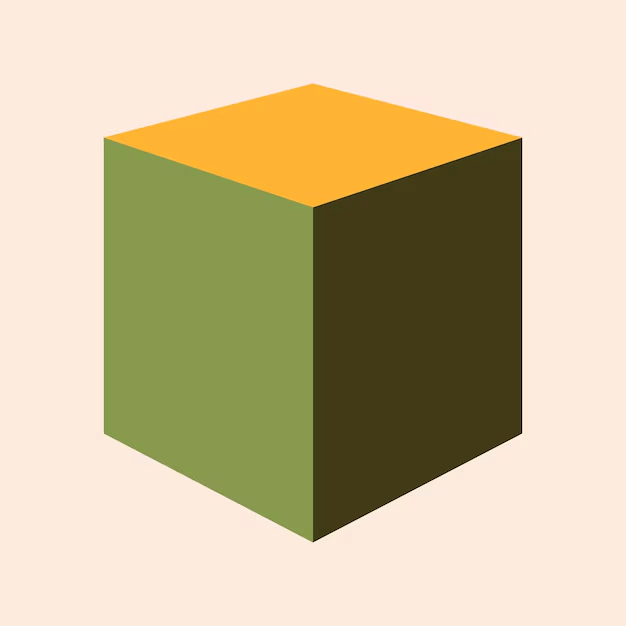
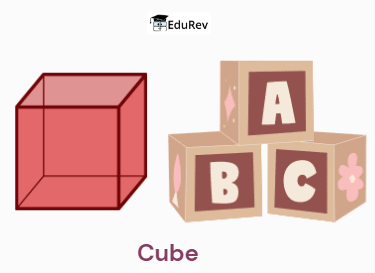
Cube: Think of a dice or a Rubik’s Cube. It’s a unique type of cuboid, like a solid box with six square sides.
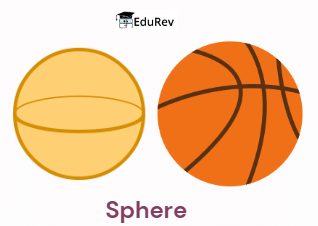
Sphere: Imagine a ball or an orange. It is entirely round, similar to a basketball.
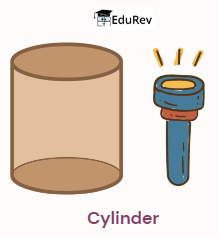
Cylinder: Picture a can of soda or a torch. It’s shaped like a tube with two circular ends.
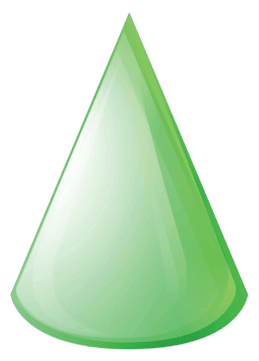
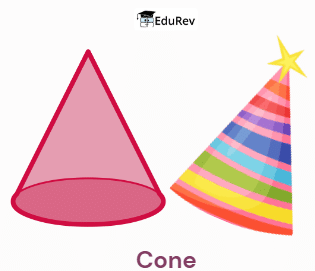
Cone: Think of an ice cream cone or a party hat. It resembles a triangle that narrows to a point.
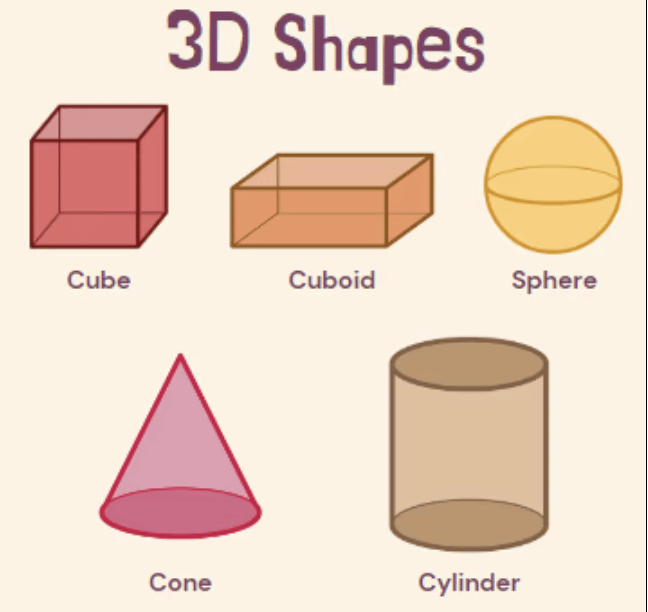
Let’s take a look at some 3D shapes:
Try yourself:
Which 3D shape can be compared to an ice cream cone or a party hat?
A.Cube
B.Sphere
C.Cylinder
D.Cone
View Solution
Now that we recognise the different 3D shapes, let’s explore more.Let’s Understand with a Story
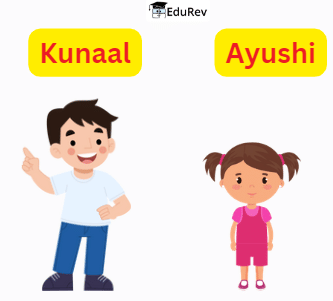
Once upon a time, there lived a curious boy named Kunaal. He had just learned all about different 3D shapes in his school, and he was excited to share the new things he learnt with his little sister, Ayushi. Kunaal knew that learning about shapes could be so much fun, especially when you can see them all around you.
One sunny afternoon, Kunaal called out to Ayushi, “Hey Ayushi, come with me! I want to show you something really cool.” Ayushi, always happy to learn from her big brother, quickly joined him.
Kunaal took Ayushi on a tour around their house. “Look, Ayushi,” Kunaal said with a smile, “see that box of building blocks? It’s shaped like a cube!”
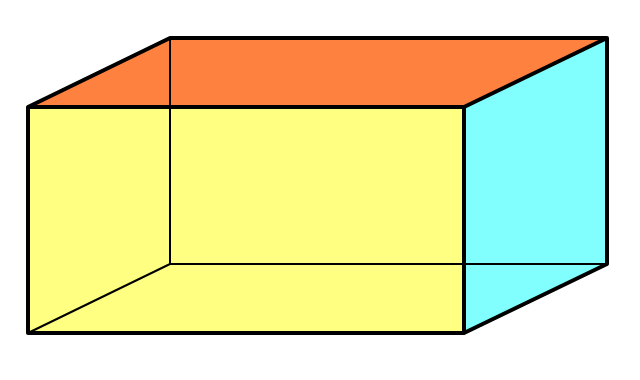
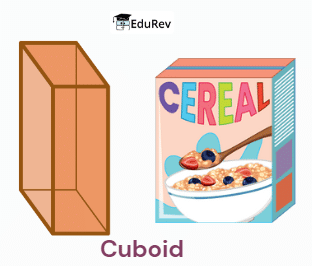
Next, they went to the kitchen, where Kunaal pointed at a cereal box. “This is a cuboid,” he explained. “It’s like a stretched-out cube with rectangular faces. See how it’s longer than it is wide?”
As they moved to the living room, Kunaal spotted a party hat from Ayushi’s recent birthday celebration. “Look at this cone,” he exclaimed. “It’s like a triangle that’s getting narrower as it goes up. Remember the ice cream cones we love?”
In the garden, Kunaal picked up a ball. “This is a sphere,” he said, rolling it in his hands. “It’s completely round, just like a basketball.”
Finally, they went to the garage, where Kunaal showed Ayushi a flashlight. “See this cylinder! It’s like a can of soda or a tube. It has two circular faces and a curved surface.”
Ayushi was amazed at how many shapes they could find right in their own home. “Thank you, Kunaal Bhaiya,” she said happily. “Now I understand 3D shapes, all thanks to you!”
Kunaal was happy and proud to have shared his knowledge with his sister. From that day on, whenever they played or explored, Ayushi would point out different shapes.
More About 3D Shapes
Shapes have different parts. Let’s explore them:
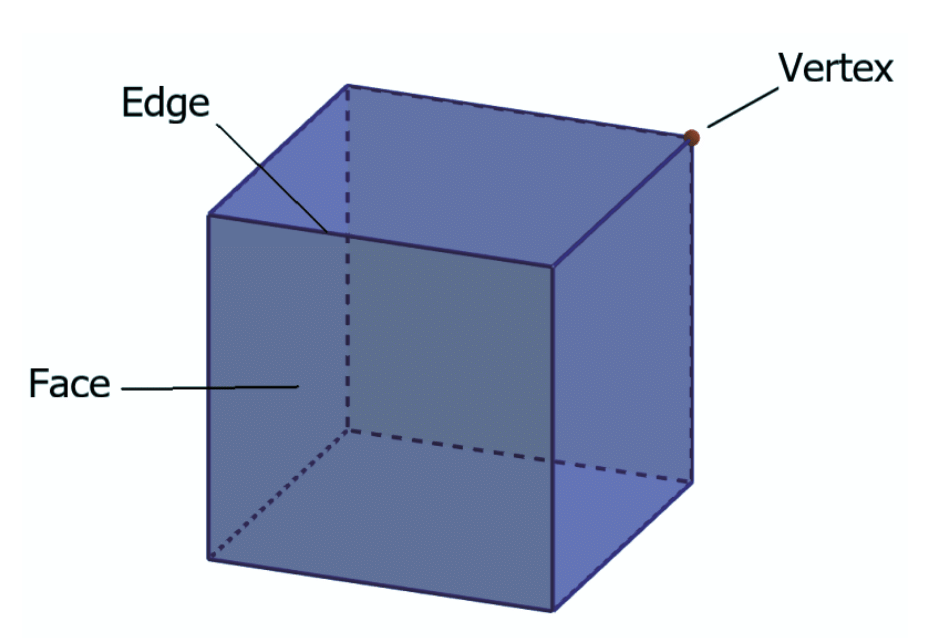
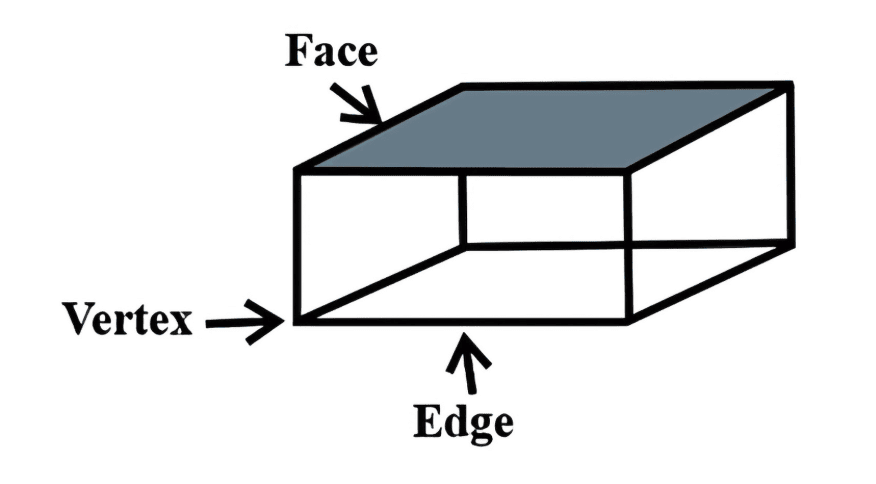
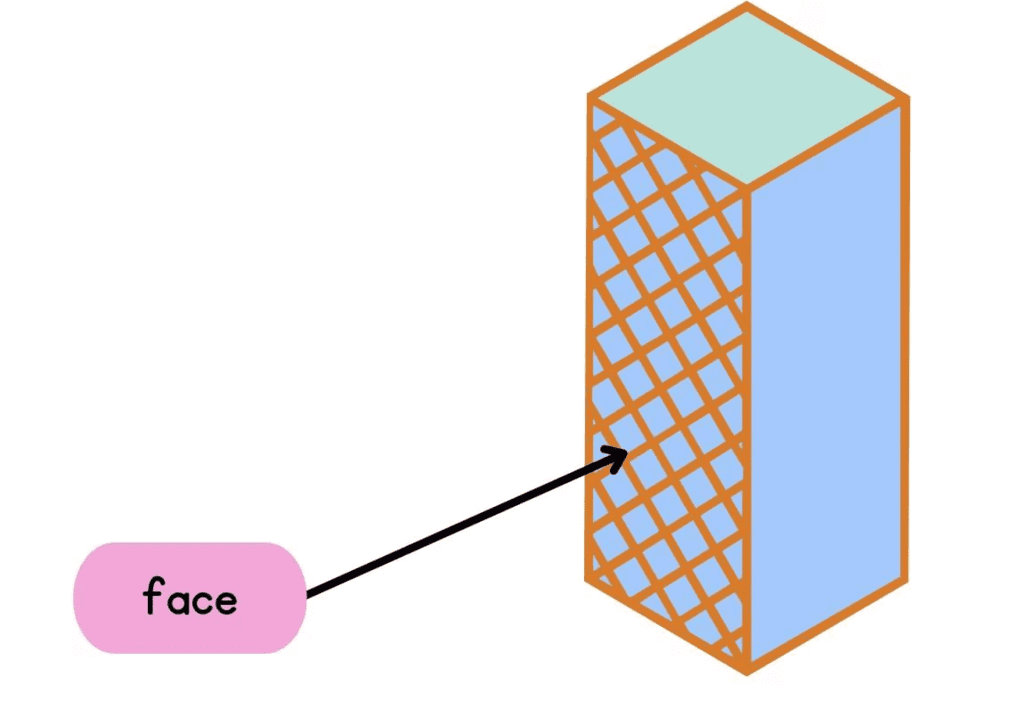
Face: In geometry, a face is a flat surface on a 3D shape. Think of it like the side of a box or a piece of paper. Faces are what you see when you look at a shape from different angles. For example, if you look at at a cuboid, each of its six sides is a face. Here we can take a look at face of a cuboid.
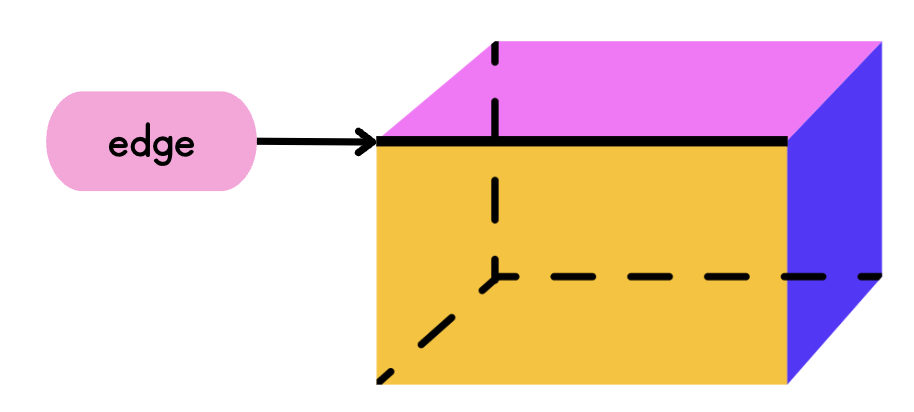
Edge: An edge is like a line where lines of two shapes meet. Imagine the edges of a cuboid—it’s the lines where the faces come together. Here we can take a look at edges of a cuboid (black line is the edge)
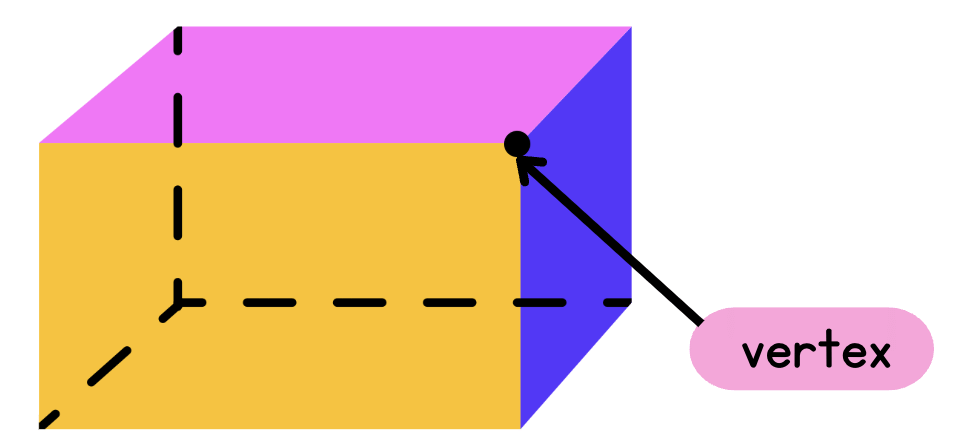
Corner (Vertex): A corner, also called a vertex, is a point where edges meet. It’s like the tip of a pyramid or the corner of a room. In a cube, each of its eight corners is where three edges meet. A vertex can also be defined as a point in space where two or more edges meet.Now we will study how shapes differ from each other.
Cube
Faces: A cube has 6 square faces.
Edges: A cube has 12 edges where two faces meet.
Corners (Vertices): A cube has 8 corners where three edges join.
Example: Dice (die) used in board games, rubik’s cube, sugar cubes, etc.
Cuboid
Faces: A cuboid has 6 faces, all of which are rectangles. If all sides are equal, it is specifically a cube, which is a special type of cuboid.
Edges: A cuboid has 12 edges, similar to a cube.
Corners (Vertices): A cuboid has 8 corners where three edges meet.
Examples: Pencil Box, match-stick box, etc.
Try yourself:
Which 3D shape has 6 square faces, 12 edges, and 8 corners?
A.Sphere
B.Cone
C.Cube
D.Cylinder
View SolutionCone
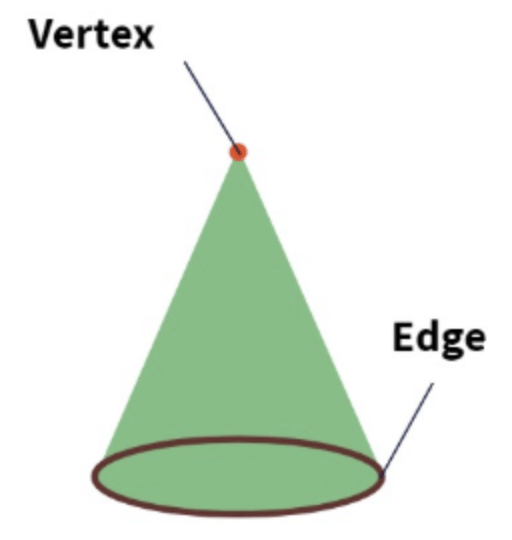
Faces: A cone has two faces—a circular base and a curved surface that comes to a point at the top.
Edges: It features one curved edge and one straight edge along the base.
Corners (Vertices): There is one vertex at the top of the cone.
Examples: Party hats, Ice-cream cones, etc.
Sphere
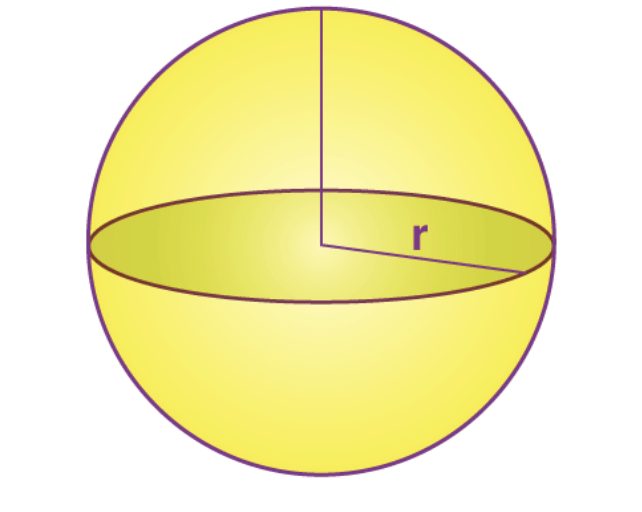
Definition: A sphere is a perfectly round three-dimensional shape where every point on its surface is the same distance from its centre.
Faces: A sphere has no flat faces.
Edges: There are no edges on a sphere as it is smooth all around.
Corners (Vertices): A sphere has no corners or vertices since it has no flat faces.
Examples: Balls, bubbles, etc.
Cylinder
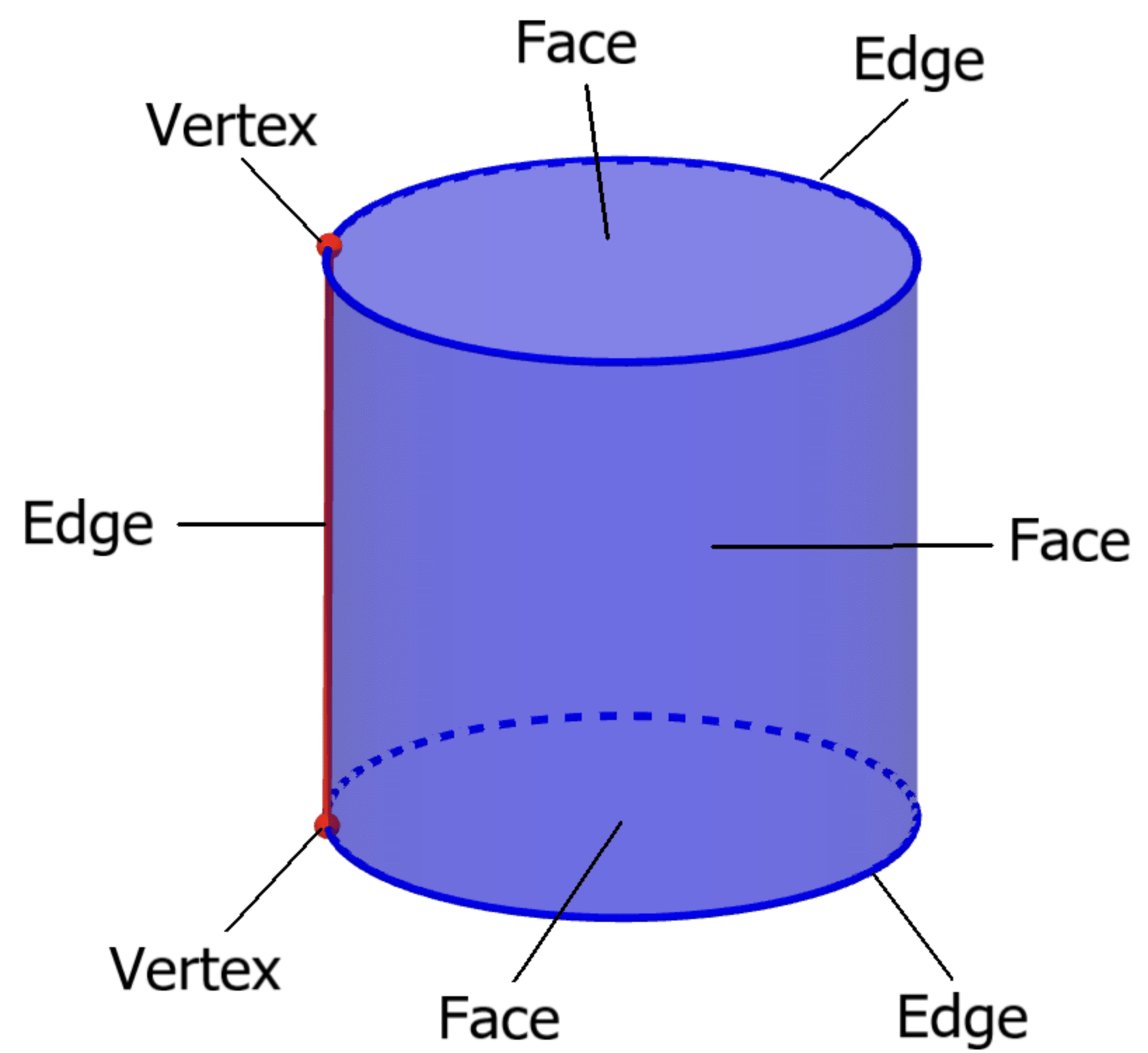
Faces: A cylinder has 2 circular faces and 1 curved surface.
Edges: A cylinder has 2 edges—one around the circular top and one around the circular bottom, plus 1 curved edge along the side.
Corners (Vertices): A cylinder has no corners (vertices).
Examples: Rollers, cans, gas cylinders,etc.
Let’s Practice!
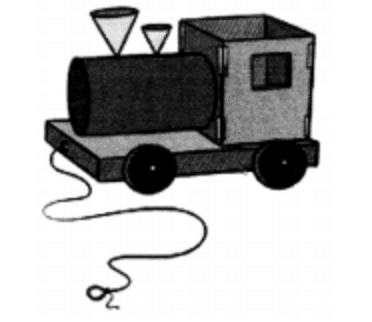
Ques: Milin went to a shop and bought a toy engine. Here’s his toy engine, count the shapes which are present in this toy-engine.


 Now we will study how shapes differ from each other.