Multiple Choice Questions (MCQs)
Q1: Which layer of the atmosphere is responsible for weather phenomena?
a) Stratosphere
b) Thermosphere
c) Troposphere
d) Mesosphere
Ans: c) Troposphere
Weather events like rain and wind occur in the troposphere, the lowest layer of the atmosphere.
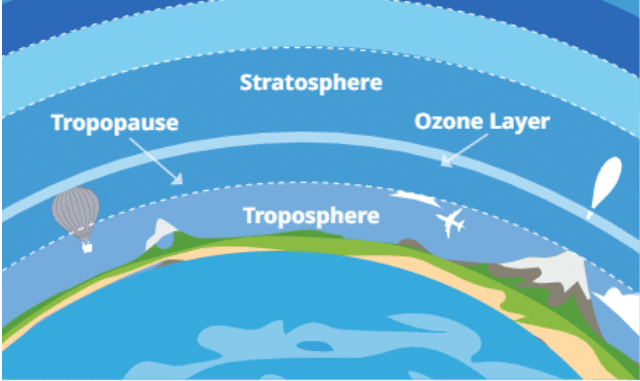
Troposphere
Q2: Which instrument is used to measure atmospheric pressure?
a) Thermometer
b) Barometer
c) Hygrometer
d) Anemometer
Ans: b) Barometer
A barometer measures air pressure, helping predict storms and depressions.
Q3: What is the unit of measurement for rainfall in a rain gauge?
a) Kilometers
b) Degrees
c) Millimeters
d) Millibars
Ans: c) Millimeters
Rainfall is measured by the depth of water collected, usually in millimeters.
Q4: Which weather condition is caused by low atmospheric pressure?
a) Snowfall
b) Depression
c) Fog
d) Lightning
Ans: b) Depression
Depressions are areas of low pressure that often lead to storms or cyclones.
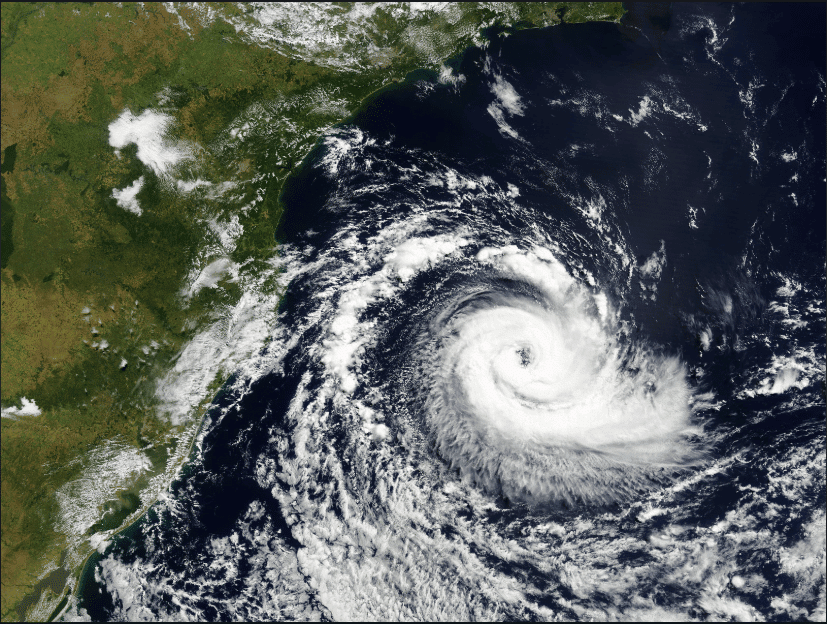
Cyclones
Q5: Which of the following instruments is used to measure humidity?
a) Hygrometer
b) Thermometer
c) Barometer
d) Wind Vane
Ans: a) Hygrometer
A hygrometer measures the amount of water vapor in the air.
Q6: What is used to measure wind speed?
a) Wind Vane
b) Barometer
c) Anemometer
d) Rain Gauge
Ans: c) Anemometer
An anemometer uses rotating cups to measure wind speed in km/h.
Q7: What is the normal atmospheric pressure at sea level?
a) 1000 mb
b) 650 mb
c) 1013 mb
d) 950 mb
Ans: c) 1013 mb
Standard atmospheric pressure at sea level is about 1013 millibars.
Q8: Which state has high humidity, making clothes dry slower?
a) Delhi
b) Jaipur
c) Kochi
d) Shimla
Ans: c) Kochi
Kochi, being coastal, has high humidity around 84%, slowing evaporation.
Q9: Which of the following best describes weather?
a) Monthly climate of a region
b) Permanent atmospheric condition
c) Short-term atmospheric condition
d) Long-term rainfall pattern
Ans: c) Short-term atmospheric condition
Weather refers to atmospheric conditions at a specific time and place.
Q10: Which department in India issues weather warnings?
a) IMD
b) WHO
c) NDRF
d) UNESCO
Ans: a) IMD
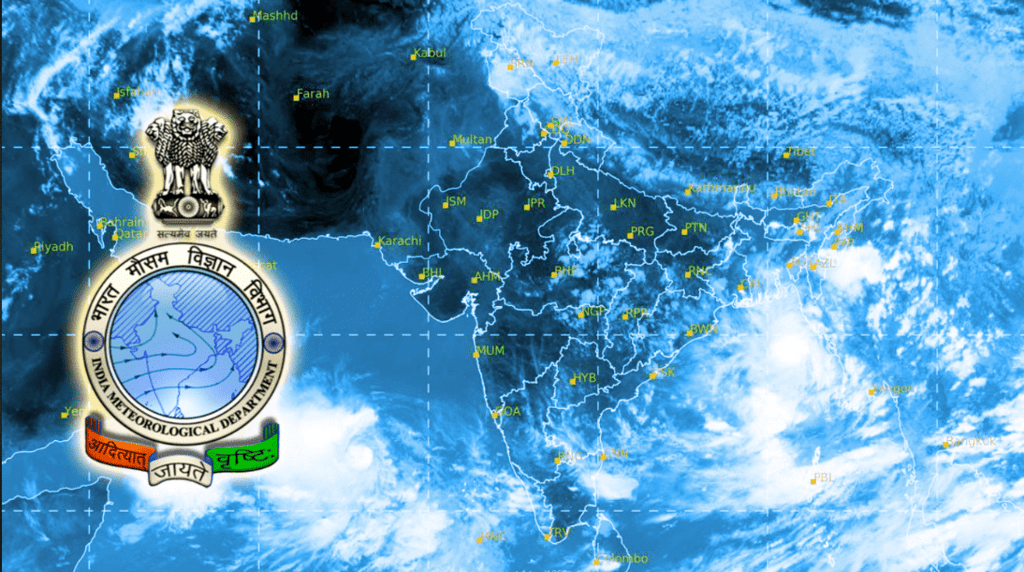
The India Meteorological Department (IMD) was set up in 1875 to predict weather and issue warnings.
Fill in the Blanks
Q1: The __________ is the lowest layer of the atmosphere where all weather happens.
Ans: Troposphere
Weather events occur in the troposphere, which is closest to Earth.
Q2: A __________ is used to measure temperature.
Ans: Thermometer
Thermometers show how hot or cold the air is.
Q3: A rain gauge measures __________ in millimeters.
Ans: Precipitation
Rainfall is measured by the rain gauge in terms of water depth.
Q4: __________ is the weight of air pressing down on the Earth’s surface.
Ans: Atmospheric Pressure
This pressure changes with height and is measured in millibars.
Q5: The __________ measures wind direction.
Ans: Wind Vane
A wind vane shows from which direction the wind is blowing.
Q6: The instrument used to measure wind speed is the __________.
Ans: Anemometer
Anemometers measure how fast the wind is blowing.
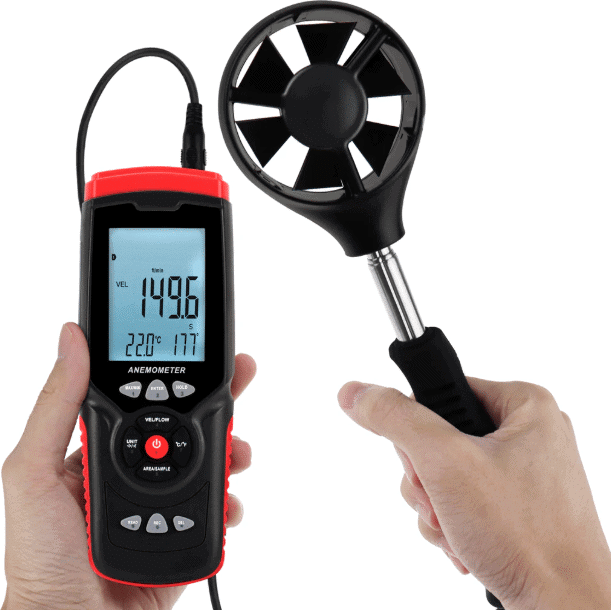
Aemometer
Q7: The __________ measures humidity in the air.
Ans: Hygrometer
Humidity is measured using a hygrometer, important for weather forecasts.
Q8: __________ stations combine instruments to measure all weather elements.
Ans: Weather
Weather stations record temperature, humidity, wind, rainfall, and pressure.
Q9: The mean daily temperature is calculated by adding maximum and minimum temperatures and dividing by __________.
Ans: Two
This gives the average temperature of the day.
Q10: High humidity __________ the rate of evaporation.
Ans: Decreases
When air is full of water vapor, evaporation slows down.
Very Short Answer Questions
Q1: What is the standard atmospheric pressure at sea level?
Ans: 1013 millibars.
Q2: Which tool is used to measure rainfall?
Ans: Rain gauge.
Q3: Name the instrument used to measure humidity.
Ans: Hygrometer.
Q4: In which Indian city was an AWS set up in 2023 at over 4800 meters?
Ans: Sikkim.
Q5: What does IMD stand for?
Ans: India Meteorological Department.
Short Answer Questions
Q1: Why are weather predictions important?
Ans: Weather predictions help people prepare for natural events like storms, droughts, or heat waves and ensure safety in fields like farming, aviation, and disaster management.
Q2: What does an anemometer do and how does it work?
Ans: An anemometer measures wind speed using rotating cups—the faster they spin, the stronger the wind.
Q3: How does atmospheric pressure affect mountaineers?
Ans: At high altitudes, pressure drops and oxygen becomes scarce, causing breathlessness for mountaineers and soldiers.
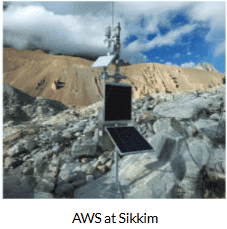
Q4: What is the role of AWS in weather monitoring?
Ans: An Automated Weather Station records weather data using sensors without human help, providing accurate information for forecasting and agriculture.
Q5: How is humidity measured and why is it important?
Ans: Humidity is measured with a hygrometer and is vital in weather forecasting, preserving materials in museums, and in industries.
Match the Following
(Match Column A with the correct option in Column B)
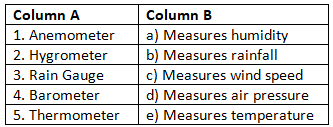
Ans: Matched Pairs and Explanations:
- 1 → C: Anemometers measure wind speed with spinning cups.
- 2 → A: Hygrometers are used to check humidity levels in the air.
- 3 → B: Rain gauges collect and measure rainfall in millimeters.
- 4 → D: Barometers record atmospheric pressure to forecast storms.
- 5 → E: Thermometers are used for measuring air temperature.