Multiple Choice Questions
Q.1.Cells were first discovered by _____.
(a) Chadwick
(b) Dalton
(c) Robert Hooke
(d) None of these
Q.2. Amoeba acquires its food through _____.
(a) Endocytosis
(b) Plasmolysis
(c) Cell organelles
(d) None of these
Q.3. _______ impart beautiful colors to flowers to attract insects for pollination.
(a) Centrosome
(b) Chromoplasts
(c) Plastids
(d) Vacuole
Q.4. Ribosomes carry out _____ synthesis.
(a) Protein
(b) Lipids
(c) Enzymes
(d) All of these
Fill in the blanks
(i) The movement of water through a selectively permeable membrane is called ______.
(ii) ___ is the basic structural and functional unit of life.
(iii) ____ is commonly called the physical basis of life.
(iv) Cell division for growth and repair is called ______.
(v) Transporting channel of the cell is______.
Crossword Puzzle
Q1:
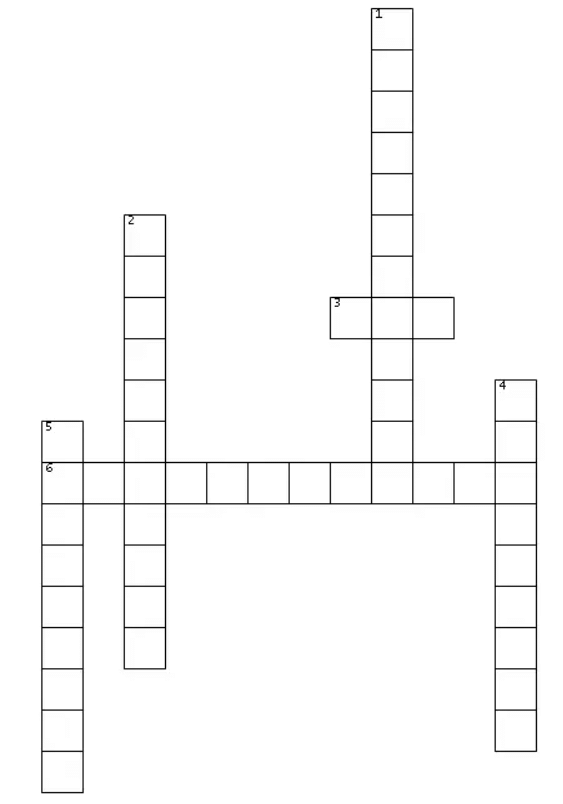
ACROSS
3. ___stands DeoxyriboNucleic Acid
6. These are important for photosynthesis in plants
DOWN
1. They are the powerhouses of the cell
2. Paramoecium is a ____________ organisms
4. It is a kind of waste disposal system of the cell
5. One of the biologists who presented the cell theory
Very Short Answer Questions
Q1: Where are proteins synthesized inside the cell?
Q2: Which organelle is known as the powerhouse of the cell? Why?
Q3: Why are lysosomes known as suicide bags?
Q4: If the organization of a cell is destroyed due to some physical or chemical influence, what will happen?
Q5: Where do lipids and proteins get synthesized?
Q6: What would happen if the plasma membrane breaks down?
Short Answer Questions
Q1: Who discovered cells in living organisms? Give an example of the unicellular organism.
Q2: Why is the cell called the structural and functional unit of life?
Q3: What is the function of plastids?
Q4: Why do mitochondria have a largely folded inner membrane?