Page No. 42
Think About It
Q1. What havoc has the super cyclone wreaked in the life of the people of Orissa?
Ans. The super cyclone was a highly destructive storm that washed away houses and destroyed hundreds of villages. It killed thousands of people and uprooted a large number of trees. There were dead bodies everywhere, leaving many people homeless; several children lost their parents and became orphans. This devastation continued for the next thirty-six hours, and the overall condition of the affected areas was extremely grim.
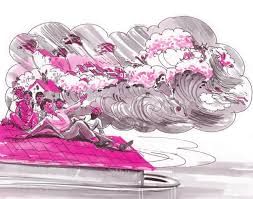
Weathering Storm in Ersama
Q2. How has Prashant, a teenager, been able to help the people of his village?
Ans. Prashant stepped forward as a young leader and organised both youths and elders to work together for relief. He and the group pressed the merchants to supply rice to people living in the shelters. He formed a team of youth volunteers who cleaned the shelters and tended to the wounds and fractures of those injured. Prashant then brought the orphaned children together, provided a polythene shelter for them and organised sports and activities to keep the children occupied and hopeful. He also helped mobilise women to look after the orphans while men secured food and other essentials for the shelter.
Q3. How have the people of the community helped one another? What role do the women of Kalikuda play during these days?
Ans.The people of the community joined hands and began relief work under Prashant’s initiative; they helped one another by sharing tasks and supporting those most in need. The women of Kalikuda took active part in the relief efforts: they worked in the food-for-work programme and looked after the orphaned children, providing care and comfort during a very difficult time.
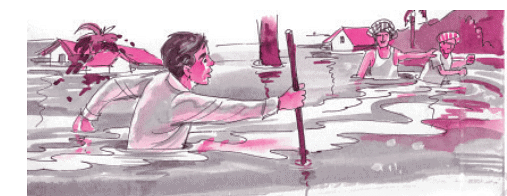
Q4. Why do Prashant and other volunteers resist the plan to set up institutions for orphans and widows? What alternatives do they consider?
Ans. Prashant and the volunteers opposed the idea of setting up institutional homes because they believed such institutions would deprive children of family love and leave widows to suffer stigma and loneliness. Instead, they considered placing orphans within their own community or with foster families, such as childless widows or relatives, so that the children could grow up with family care and the widows would remain integrated in social life.
Page No. 43
Q5. Do you think Prashant is a good leader? Do you think young people can get together to help people during natural calamities?
Ans. Yes, Prashant shows the qualities of a good leader. He takes initiative, has a clear vision, faces adverse circumstances courageously and motivates others by his energy and example. Young people possess great strength and enthusiasm, and when they come together they can provide effective help during natural calamities. Given responsibility, youth are capable of performing their duties with full spirit and making a real difference.