Introduction
Water is one of the most precious resources we have. Every living being – plants, animals, and humans depends on it to survive. In this chapter, we explore how people in India have found smart and creative ways to collect and store water, both in the past and present. From traditional methods in rural villages to modern rooftop tanks in cities, the chapter highlights how water conservation is deeply connected to culture, daily life, and our shared future. It reminds us that saving water is not just about technology – it’s also about wisdom, creativity, and care.
Detailed Summary
Water is very important for all living things. We need it to drink, grow food, stay clean, and do many daily activities. People have always found smart ways to save and store water, even before modern machines were invented. This chapter talks about how people in India have used traditional methods for water conservation for many years. It also shares how some special water storage systems were built in different parts of the country.
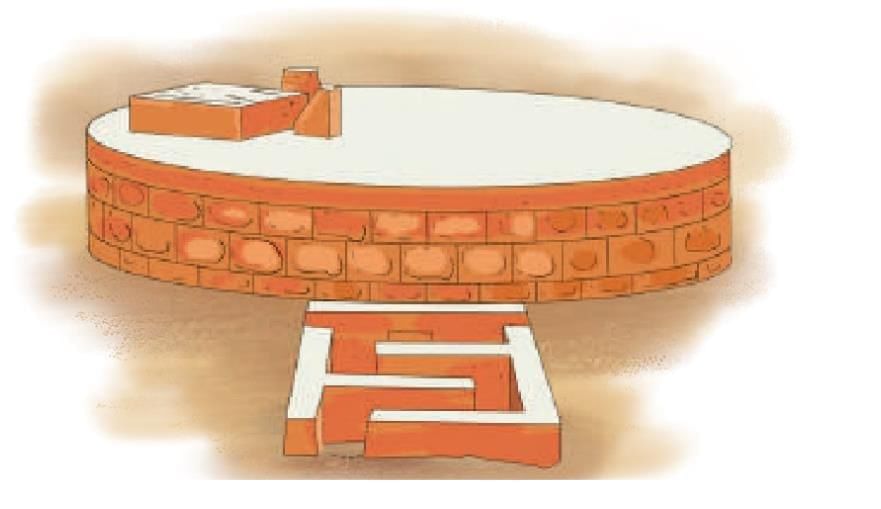
Long ago, people built big tanks and structures to store rainwater. These helped protect cities from floods and gave clean water to the people. In many parts of India, these old methods are still used today. For example, Tamil Nadu has Ooranis – ponds that collect rainwater for drinking and farming. In Kerala, Panam Keni wells never dry up, even during hot summers. In Rajasthan’s dry Thar desert, people use Tankas – underground tanks that store water for many months.
Today, people store water in big tanks placed on the rooftops of their houses. These are called overhead water tanks. In Punjab, these tanks are not just useful – they are also very creative! People build them in fun shapes like footballs, animals, flowers, and even aeroplanes. Sometimes, the tank shows something special about the family, like a farmer building a tractor-shaped tank. These designs make the villages look colourful and show people’s creativity.
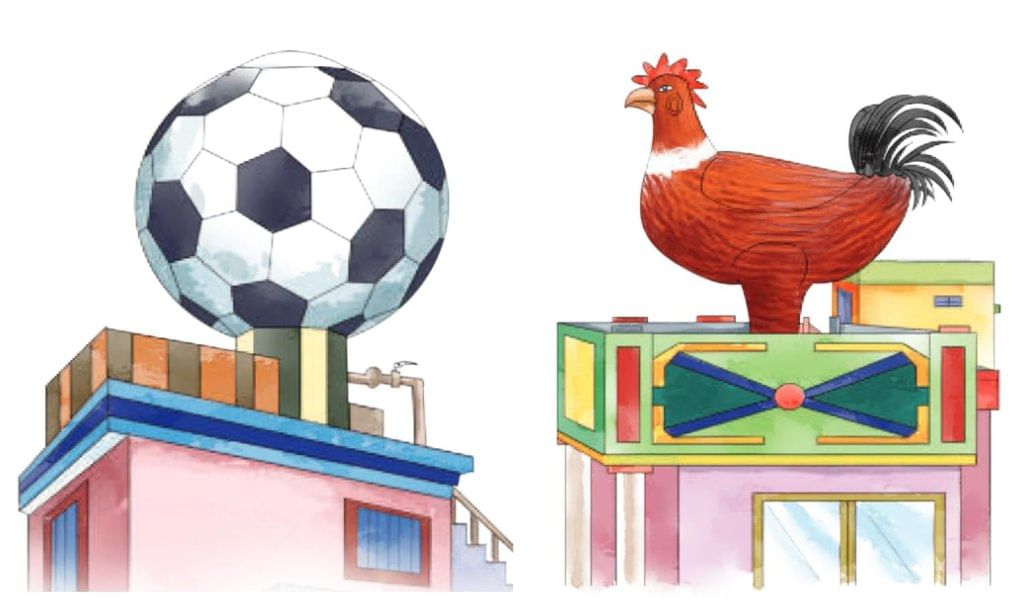
These tanks are made with cement and steel, and they are strong enough to hold a lot of water. They help people store water for daily use and also add beauty to their homes. This chapter teaches us that saving water is very important. As water becomes scarce in many places, we must learn to use it wisely. Traditional ways of saving water remind us to respect nature and use its resources carefully. Taking care of water means taking care of our future.
Q: Why is it important to save water according to the text?

Theme/Message
- The main theme of this chapter is the importance of water conservation and traditional water management practices.
- It highlights how different regions have unique ways of storing water that reflect their culture and needs.
- The chapter shows that water storage systems are essential for survival and community bonding.
- By learning from traditional methods, we can find new ways to manage water in our homes and communities.
- Creative designs in water tanks also remind us of the importance of culture and identity in our lives.
- Understanding how to store and use water can help us take care of our environment and ensure that we have enough water for the future.
Difficult Words
- Conservation: The careful use and protection of resources, such as water, to prevent waste.
- Storage: Keeping something in a place so it is safe and can be used later.
- Structures: Buildings or constructions that serve a specific purpose.
- Communities: Groups of people living in the same area who share common interests or goals.
- Traditional: Long-established customs or practices that are passed down through generations.
- Identity: The qualities and characteristics that make a person or group unique.
- Unique: Being the only one of its kind; unlike anything else.
- Reflect: To show or demonstrate something, often through actions or creations.
- Survival: The state of continuing to live or exist, especially in difficult conditions.