Q1: What is meant by ‘Sacredness’ in the context of geography?
Ans: Sacredness refers to places, journeys, or natural elements that are holy and respected in religious or spiritual beliefs.
Q2: How do pilgrimage sites contribute to the sacredness of land?
Ans: Pilgrimage sites, through religious journeys, help connect people and regions, making the entire land sacred.
Q3: What is the role of nature in sacred geography?
Ans: Nature, like rivers and mountains, is considered divine and is treated with reverence in sacred geography.
Q4: Name an important sacred site in India for Muslims.
Ans: Dargah Sharif in Ajmer, Rajasthan, is a sacred site for Muslims.
Q5: Which sacred site is important in Buddhism?
Ans: The Great Stūpa at Sanchi is an important sacred site for Buddhists.
Q6: What is the significance of the Mahabodhi Stūpa in Bodh Gaya?
Ans: The Mahabodhi Stūpa is where Buddha attained enlightenment, making it a major Buddhist pilgrimage site.
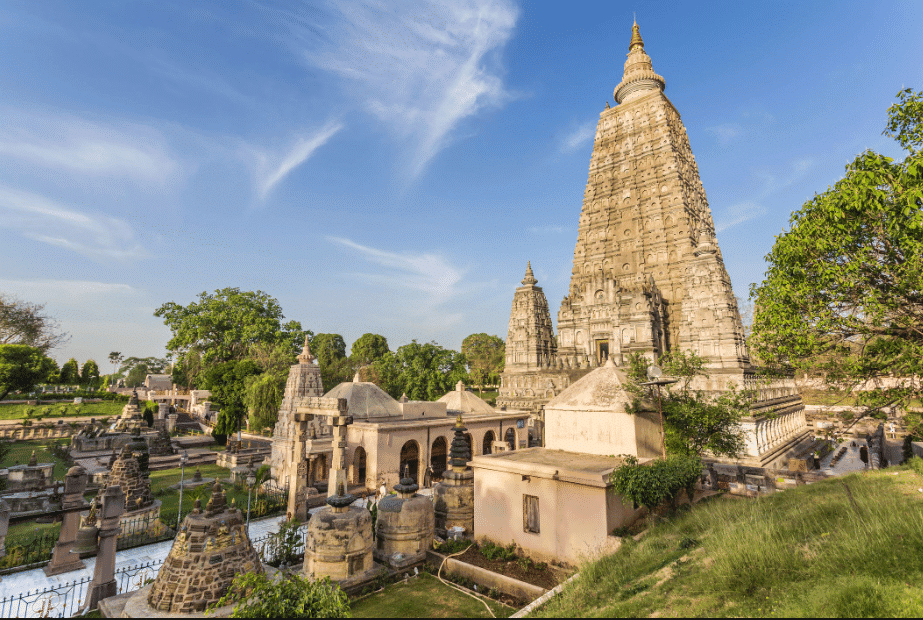
Mahabodhi Stupa
Q7: Which sacred site is important in Sikhism?
Ans: Akal Takht in Amritsar is a significant spiritual center in Sikhism.
Q8: What role do trees play in sacred geography?
Ans: Trees like the peepul are sacred in Hinduism, Buddhism, Sikhism, and Jainism, symbolizing spiritual importance.
Q9: What is the meaning of Tīrthayātrā?
Ans: Tīrthayātrā refers to a pilgrimage journey to sacred places in Indian traditions.
Q10: Name a sacred site associated with Jainism.
Ans: Mount Abu and Shatruñjaya hill in Gujarat are sacred in Jainism.
Q11: What is the significance of the Sabarimala temple in Kerala?
Ans: The Sabarimala temple is dedicated to Ayyappa and attracts over 10 million pilgrims annually.
Q12: What is the Char Dhām Yātrā?
Ans: The Char Dhām Yātrā is a pilgrimage to four sacred sites located in India’s north, south, east, and west.
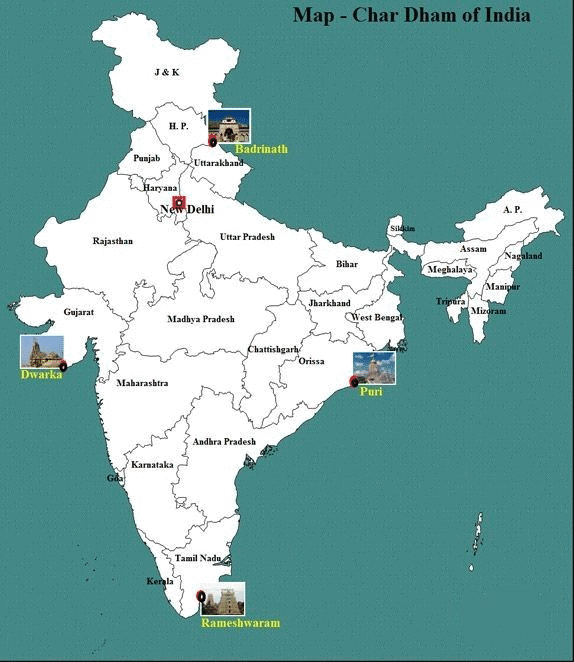
Char Dham Yatra
Q13: What are Jyotirlingas in Hinduism?
Ans: Jyotirlingas are 12 sacred shrines dedicated to Śhiva, considered highly sacred in Hinduism.
Q14: How are Shakti Pithas connected to Hindu beliefs?
Ans: Shakti Pithas are 51 sacred sites associated with the goddess Shakti, forming part of sacred geography in Hinduism.
Q15: What is the concept of Punyakshetra in sacred geography?
Ans: Punyakshetra refers to sacred spaces like rivers or mountains, considered holy due to their divine connection.
Q16: How is the river Ganga seen in Indian spirituality?
Ans: The river Ganga is worshipped as a goddess, symbolizing purity and spiritual significance in India.
Q17: What is the significance of the Kumbh Mela?
Ans: The Kumbh Mela is a major pilgrimage where millions gather to take a dip in sacred rivers, considered auspicious.
Q18: What is the Nadistuti Sūkta in the Rigveda?
Ans: The Nadistuti Sūkta is a hymn in the Rigveda that praises rivers, acknowledging their sacredness in Indian culture.
Q19: What are Sangams in sacred geography?
Ans: Sangams are the confluence points of rivers, considered especially holy and significant for pilgrimages.
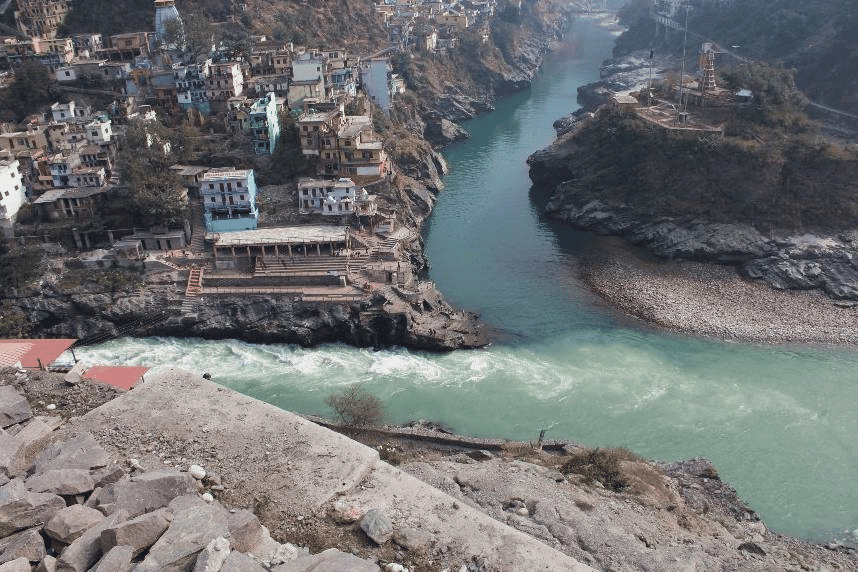
Sangam of Rivers
Q20: How does sacred geography encourage cultural exchange?
Ans: Sacred geography connects diverse regions through pilgrimage networks, promoting cultural exchange and shared values.
Q21: What are sacred groves, and why are they important?
Ans: Sacred groves are protected forests considered homes of deities, preserving biodiversity and natural resources.
Q22: How does sacred ecology help in environmental preservation?
Ans: Sacred ecology encourages the protection of nature by viewing it as divine, ensuring that forests, rivers, and mountains are preserved.
Q23: What is the role of the peepul tree in sacred geography?
Ans: The peepul tree is sacred in multiple religions and is linked to enlightenment, particularly in Buddhism.
Q24: How does sacred geography influence the preservation of nature?
Ans: Sacred geography fosters respect for nature, motivating people to protect rivers, mountains, and forests due to their divine significance.
Q25: What impact does pollution have on sacred sites in India?
Ans: Pollution at sacred sites like rivers and temples strains the connection between people and the land, damaging both the environment and spiritual values.