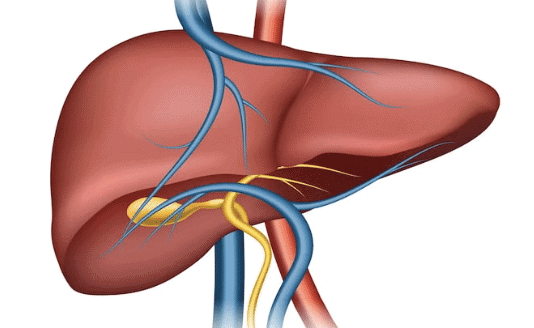
Q1: Name the largest gland in the human body.
Ans: Liver
Q2: Animal nutrition includes
a. Nutrient requirements
b. Mode of intake of food
c. Utilization of food in the body
d. All of the above.
Ans: All of the above
Q3: Define digestion.
Ans: The process of breaking down complex substances of food into simpler forms is called digestion.
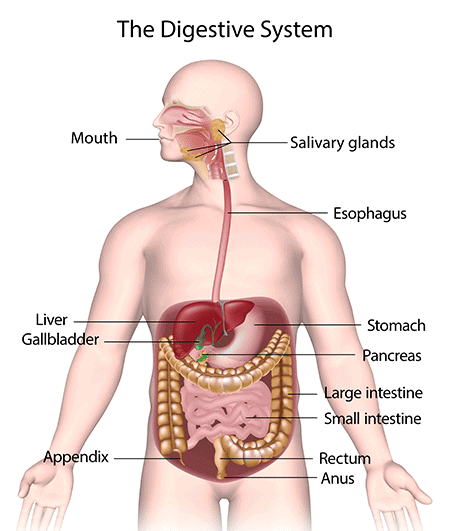
Q4: Name the parts of the alimentary canal.
Ans: Buccal cavity, oesophagus, stomach, small intestine, large intestine, rectum, and anus.
Q5: Name the glands that secrete digestive juice__________________.
Ans: Salivary gland, pancreas, and liver
Q6: The process of taking food into the body is called __________.
Ans: Ingestion
Q7: Name the different types of teeth.
Ans: Incisor, canine, premolar, and molar
Q8: The saliva breaks down starch into sugars. True/ False.
Ans: True
Q9: Name the mode of feeding of ants and mosquitoes.
Ans: The feeding mode of ants is Chewing (they use mandibles to bite and chew), and the mode of feeding of mosquitoes is sucking.
Q10: The tongue helps in mixing food with saliva. True/ False.
Ans: True.
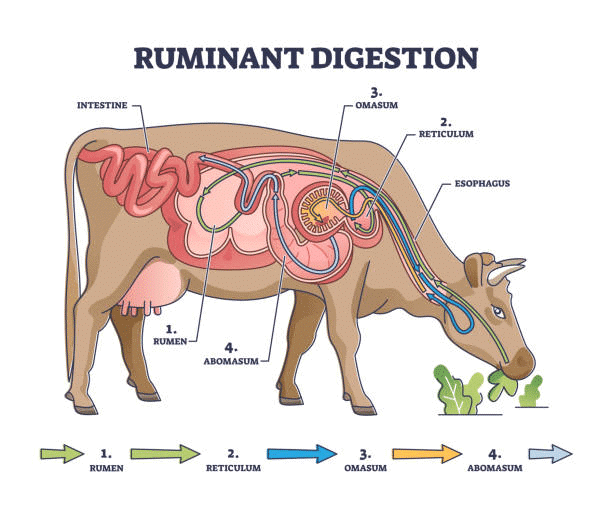
Q11: Name ruminants.
Ans: Grazing animals like cows, buffaloes, and deer.
Q12: Name the finger-like projection present in the inner wall of the small intestine.
Ans: Villi
Q13: Name the organ responsible for removing undigested and unabsorbed residues from the human body.
Ans: Anus
Q14: Bile juice is stored in a sac called__________________
Ans: Gall bladder
Q15: Bile is responsible for the digestion of
a. Fat
b. Protein
c. Vitamins
d. Both a and b
e. None of these
Ans: Fat
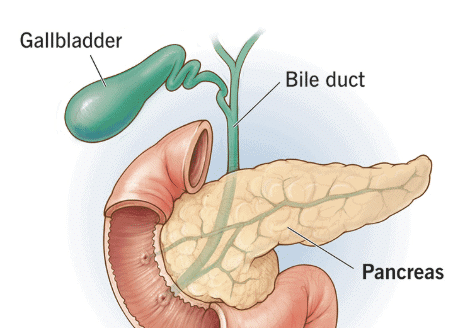
Q16: What is the location of the pancreas?
Ans: The Pancreas is located just below the stomach.
Q17: The pancreatic juice acts on
a. Carbohydrates
b. Fats
c. Proteins
d. All of the above
Ans: All of the above.
Q18: Name the end products of carbohydrates.
Ans: Simple sugars such as glucose
Q19: Define egestion.
Ans: The process of removal of faecal matter from the body through the anus is called egestion.
Q20: How is food pushed down from mouth to stomach?
Ans: Food is pushed down by the movement of the wall of the food pipe.
Q21: The digestion of cellulose takes place in ________________ present in all ruminants.
Ans: Rumen
Q22: Name the part of the digestive canal involved in the absorption of food.
Ans: Small intestine
Q23: Name the part of the digestive canal that kills bacteria.
Ans: Stomach
Q24: Name the part of the digestive canal involved in the formation of faeces.
Ans: Large intestine
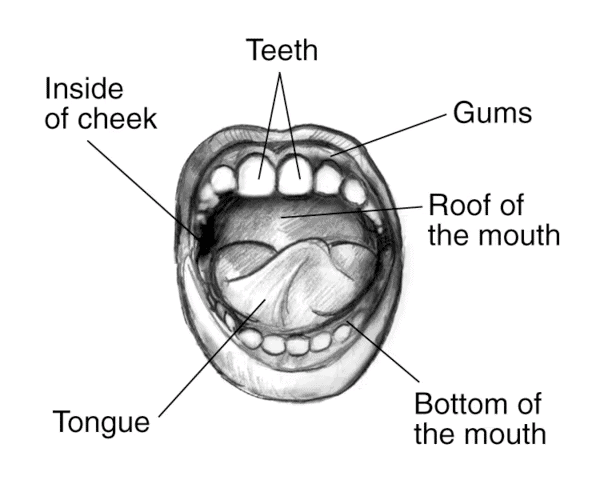
Q25: Name the part of the digestive canal involved in chewing food.
Ans: Mouth or Buccal cavity