Q1. What do scientists first do when they begin an investigation?
Answer: Scientists begin by asking clear “Why?” and “How?” questions.
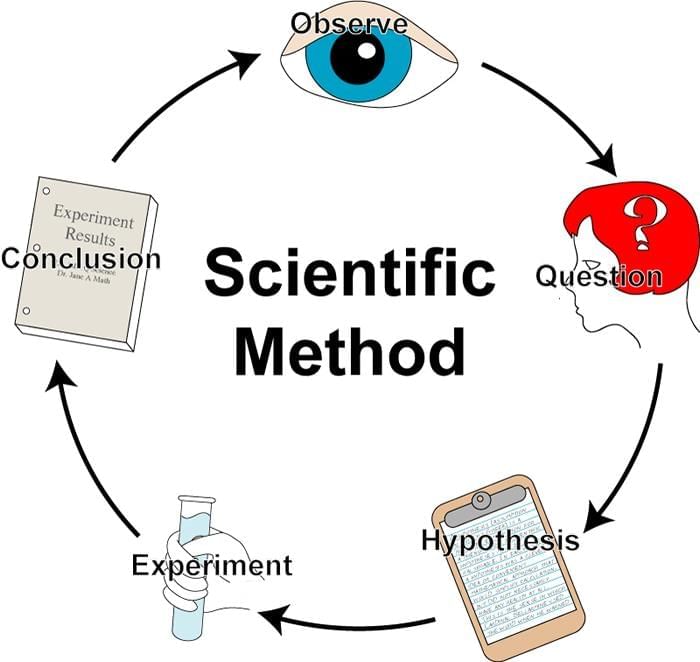
Q2. What does “systematic investigation” mean?
Answer: Systematic investigation means testing step-by-step while changing only one variable at a time.
Q3. What is a variable in an experiment?
Answer: A variable is something you can change, like temperature or size, to see its effect on the experiment.
Q4. Why is it important to control variables?
Answer: Controlling variables helps us know which change caused the result.
Q5. What should you always do after observing an experiment?
Answer: You should record your observations carefully after observing an experiment.
Q6. What do the “roots” symbolize in science learning?
Answer: Roots symbolize careful observation and building ideas on solid facts.
Q7. What does the “kite” symbolize in science learning?
Answer: The kite symbolizes creativity and imaginative thinking in exploration.
Q8. Why does curiosity matter in science?
Answer: Curiosity leads to questions that start investigations and discoveries.
Q9. What are microbes?
Answer: Microbes are tiny living organisms that we cannot see with our naked eye.
Q10. How do some microbes help us?
Answer: Some microbes help in digestion and making medicines and fermented foods.
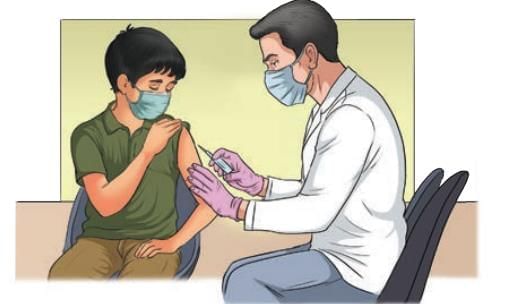
Q11. What does “prevention is better than cure” mean in health?
Answer: It means staying clean and vaccinated to avoid getting sick.
Q12. What is the role of the immune system?
Answer: The immune system protects our body by fighting germs and diseases.
Q13. What is the heating effect of electricity used for?
Answer: The heating effect is used in devices like heaters and electric irons.
Q14. What is the magnetic effect of electricity used for?
Answer: The magnetic effect is used to run electric motors and many machines.
Q15. What can a force do to an object?
Answer: A force can start, stop, speed up, slow down, or change the direction of an object.
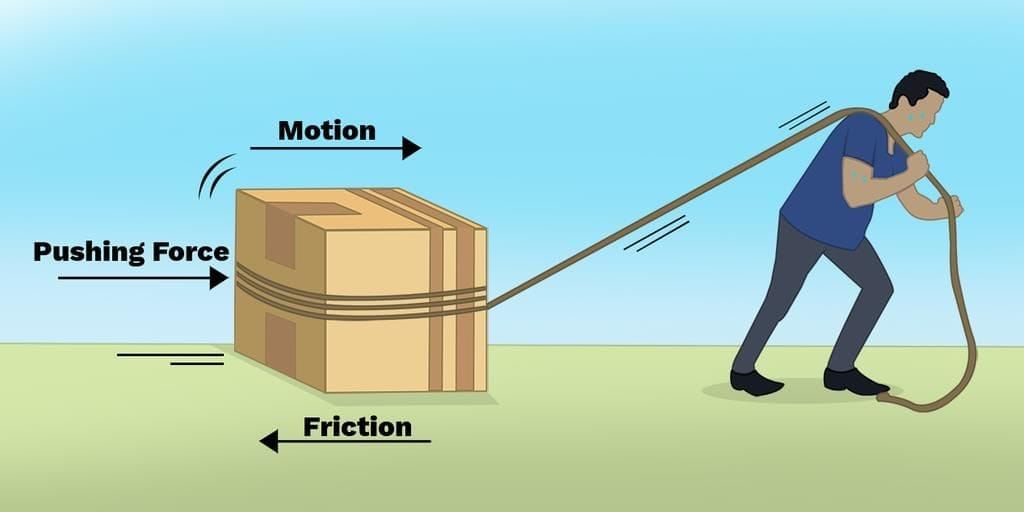
Q16. What is friction?
Answer: Friction is a force that resists motion and slows moving objects.
Q17. What is pressure?
Answer: Pressure is the force applied per unit area on a surface.
Q18. How are winds formed?
Answer: Winds are formed by differences in air pressure that move air from high to low pressure.
Q19. What are the three states of matter?
Answer: The three states of matter are solid, liquid, and gas.
Q20. What is an element?
Answer: An element is a pure substance made of only one kind of atom, like oxygen.
Q21. What is a solution?
Answer: A solution is a mixture where a solute dissolves evenly in a solvent.
Q22. How does light travel?
Answer: Light travels in straight lines and can reflect from mirrors or refract through lenses.
Q23. What causes the phases of the Moon?
Answer: The phases of the Moon are caused by the Moon’s changing positions relative to Earth and the Sun.
Q24. What is an ecosystem?
Answer: An ecosystem is a community where living things interact with each other and with nonliving things like air, water, and sunlight.