About the Poet
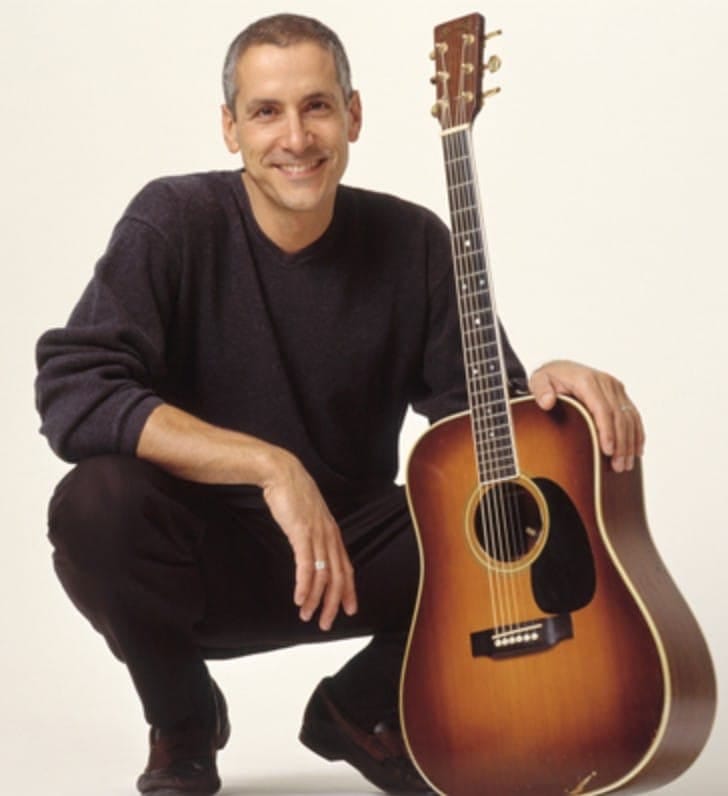
David Roth, an American singer-songwriter, is best known for his inspirational poem “Nine Gold Medals,” which is based on a true story from the 1976 Special Olympics. The poem captures a heart-touching moment when athletes with intellectual disabilities demonstrated extraordinary empathy and sportsmanship. Roth’s work often celebrates themes of kindness, inclusion, and human connection. Through simple yet powerful storytelling, he reminds readers that true victory lies not in winning alone but in lifting others up. His poem continues to inspire students and athletes worldwide to value compassion over competition.
Key Points of the Poem
- The poem is set at the Special Olympics, where athletes from across the country compete with months of training and high excitement.
- Nine determined athletes line up for the hundred-yard dash, but the smallest one stumbles and falls in anguish.
- Instead of continuing the race, the other eight runners stop, turn back, and help the fallen boy to his feet.
- All nine join hands and walk together to the finish line, turning the race into a symbol of unity.
- They are all awarded gold medals, receive a standing ovation, and the poem ends with beaming faces that say more than words ever will.
- The poem beautifully highlights the values of empathy, compassion, and true sportsmanship promoted by the Special Olympics.
Detailed Summary
Stanza 1
The athletes had come from all over the country
To run for the gold, for the silver, and bronze
Many weeks and months of training
All coming down to these games.
The poem begins by describing athletes who have come from different parts of the country to participate in a race. Their aim is to win gold, silver, or bronze medals after months of hard training and dedication. This stanza highlights their dreams, efforts, and determination. It sets the tone of competition and shows how much importance the athletes give to this event, as all their preparation now depends on this final race
Stanza 2
The spectators gathered around the old field
To cheer on all the young women and men
The final event of the day was approaching
Excitement was high to begin.
The scene shifts to the spectators who have gathered around the field to watch the event. They cheer enthusiastically for all the participants, creating an atmosphere full of excitement and energy. The final race of the day is about to begin, increasing the anticipation among the audience. This stanza builds up tension and excitement, showing how both athletes and spectators are eagerly waiting for the race to start.
Stanza 3
The blocks were all lined up for those who would use them
The hundred-yard dash and the race to be run
These were nine resolved athletes in the back of the starting line
Poised for the sound of the gun.
In this stanza, the focus is on the starting line where nine athletes stand ready for the race. The running blocks are arranged, and the athletes are fully prepared and concentrated. They are described as determined and focused, waiting for the sound of the pistol. This moment captures the seriousness and intensity before the race begins, highlighting their readiness and strong will to compete.
Stanza 4
The signal was given, the pistol exploded
And so did the runners all charging ahead
But the smallest among them, he stumbled and staggered
And fell to the asphalt instead.
The race begins with great excitement as the signal is given and the pistol fires, marking the start. All the runners immediately rush forward with energy and determination. However, the smallest athlete suddenly loses his balance, stumbles, and falls onto the hard track. This unexpected fall changes the mood from excitement to concern. It shows how even after preparation and effort, challenges can arise suddenly, highlighting the unpredictability of life and competition.
Stanza 5
He gave out a cry of frustration and anguish
His dreams and his efforts dashed in the dirt
But as sure as I’m standing here telling this story
The same goes for what next occurred.
After falling, the young athlete cries out in deep frustration and anguish, showing both physical pain and emotional disappointment. All his dreams and hard work seem ruined in that moment, as suggested by the phrase “dashed in the dirt.” This highlights how heartbreaking failure can feel after long effort. However, the last line creates suspense, as the narrator hints that something unexpected and important is about to happen next. It prepares the reader for a turning point in the story.
Stanza 6
The eight other runners pulled up on their heels
The ones who had trained for so long to compete
One by one they all turned round and went back to help him
And brought the young boy to his feet.
The eight other runners, who had been racing to win after months of hard training, suddenly stop when they see the fallen boy. Instead of continuing the race, they turn back one by one to help him. This shows their compassion and sportsmanship, as they choose kindness over competition. They lift the young boy and help him stand again, showing unity and support. This moment becomes the turning point of the poem, highlighting that helping others is more important than winning.
Stanza 7
Then all the nine runners joined hands and continued
The hundred-yard dash now reduced to a walk
And a banner above that said (Special Olympics)
Could not have been more on the mark.
After helping the fallen boy, all nine runners join hands and continue together, showing unity and kindness. The race, which was meant to be a fast sprint, is now reduced to a walk, symbolising that compassion is more important than speed or winning. The banner reading “Special Olympics” perfectly matches this moment, as it represents the true spirit of inclusion, empathy, and teamwork. Their action proves that the event is “special” not just because of the athletes, but because of their humanity and values
Stanza 8
That’s how the race ended, with nine gold medals
They came to the finish line holding hands still
And a standing ovation and nine beaming faces
Said more than these words ever will.
The race ends in an unusual but meaningful way, with all nine athletes crossing the finish line together and receiving gold medals. The spectators give them a standing ovation, deeply moved by their act. Their smiling faces express a powerful message that words cannot fully capture. This stanza concludes the poem by showing that humanity, kindness, and togetherness are more valuable than winning.
Theme/Message
Theme
The poem highlights the values of empathy, compassion, and true sportsmanship, placing them above individual victory. It reflects the spirit of the Special Olympics, where participation, inclusion, and humanity are more important than winning. Through the actions of the athletes, the poem shows that real success lies in helping others and standing together, not in defeating them. The moment when all runners stop to support the fallen boy symbolises unity and kindness. It also challenges the idea of competition by showing that moral victory is greater than physical achievement. Overall, the theme emphasises that true greatness is measured by one’s character and compassion, not by medals.
Message
- Helping someone in need is more important than personal success.
- True victory comes when we support and uplift others.
- The Special Olympics teaches that every participant is a winner when kindness and unity are shown.
- The line “nine gold medals” and “holding hands still” symbolises that collective joy and brotherhood are greater than any individual medal.
Literary Devices
- Alliteration – Repetition of initial sounds: “stumbled and staggered”
- Imagery – Visual (runners charging ahead, joining hands, standing ovation) and auditory (pistol exploded, cry of frustration).
- Symbolism – The “hundred-yard dash reduced to a walk” symbolises unity and compassion; nine gold medals symbolise shared victory.
- Repetition – “Nine” is repeated to emphasise collective achievement.
- Tone – Shifts from excitement and tension to warmth, empathy, and joy.
- Rhyme Scheme –The poem follows an ABCB rhyme scheme in most stanzas, where the 2nd and 4th lines rhyme, giving it a ballad-like, rhythmic quality.
Difficult Words
- Dashed in the dirt = destroyed
- Stumbled = step awkwardly, lose balance and almost fall
- Staggered = walk or move with difficulty
- Anguish = extreme pain or suffering
- Asphalt = a hard black substance used to make roads and paths
- Pulled up on their heels = stopped running suddenly
- Resolved = determined
- Poised = ready and waiting
- Beaming = smiling brightly