Multiple Choice Questions (MCQs)
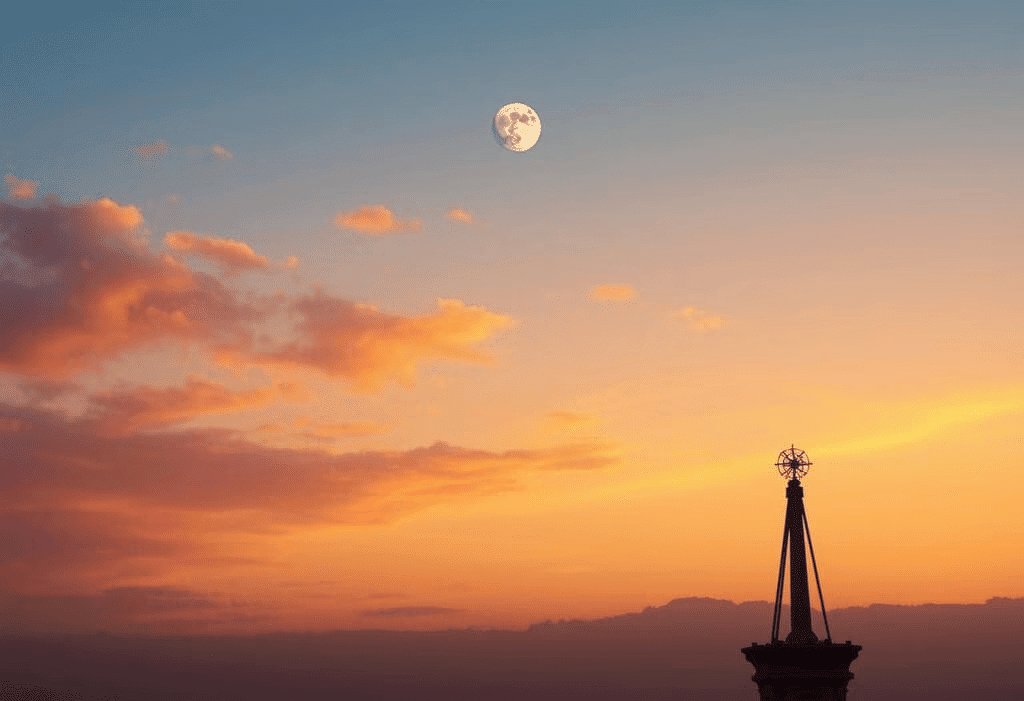
Q1: What color does the sky appear in the morning?
(a) Blue
(b) Orange and bright
(c) Red
(d) Dark
Q2: What is the full Moon called in the chapter?
(a) Amavasya
(b) Poornima
(c) Saptarshi
(d) Chandrayaan
Q3: What device did ancient people use to tell time based on shadows?
(a) Clock
(b) Sundial
(c) Telescope
(d) Calendar
Q4: When is Diwali celebrated?
(a) On the Full Moon
(b) On the New Moon
(c) When the Moon is a crescent
(d) On the first night of the Moon
Q5: What did India’s Chandrayaan mission aim to explore?
(a) Mars
(b) The Sun
(c) The Moon
(d) Venus
Fill in the Blanks
Q1: The Sun appears to move from ________ to ________ during the day.
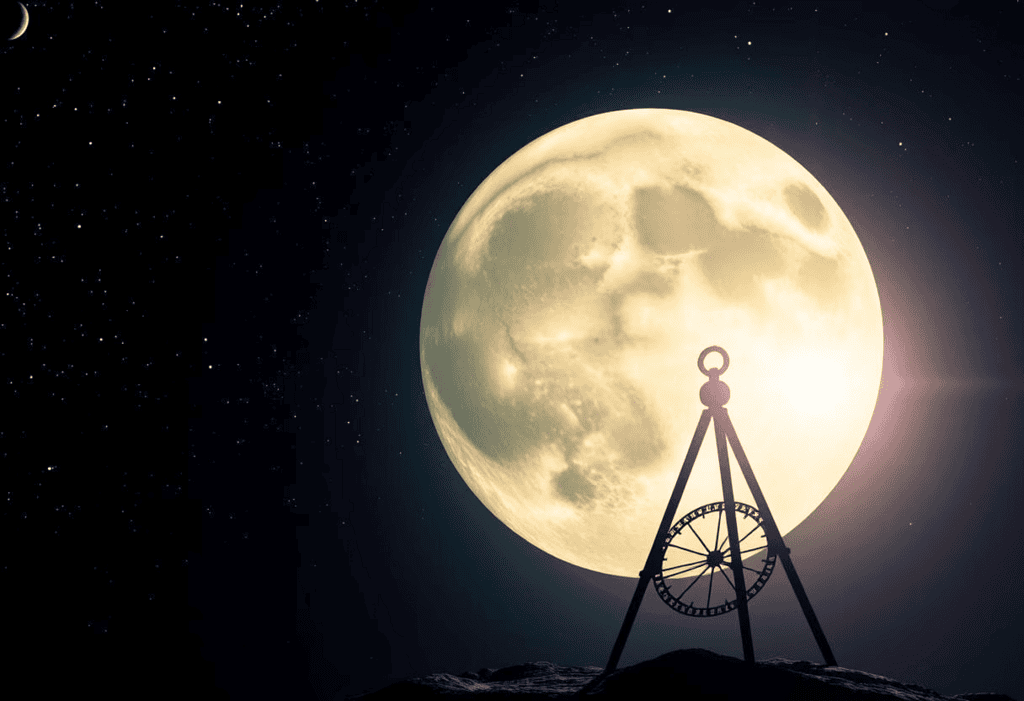
Q2: The ________ is the night when the Moon is completely full.
Q3: The ________ is the night when the Moon cannot be seen.
Q4: The ________ Lander of India’s Chandrayaan mission successfully landed on the Moon in 2023.
Q5: The Saptarshi is a group of ________ in Indian astronomy.
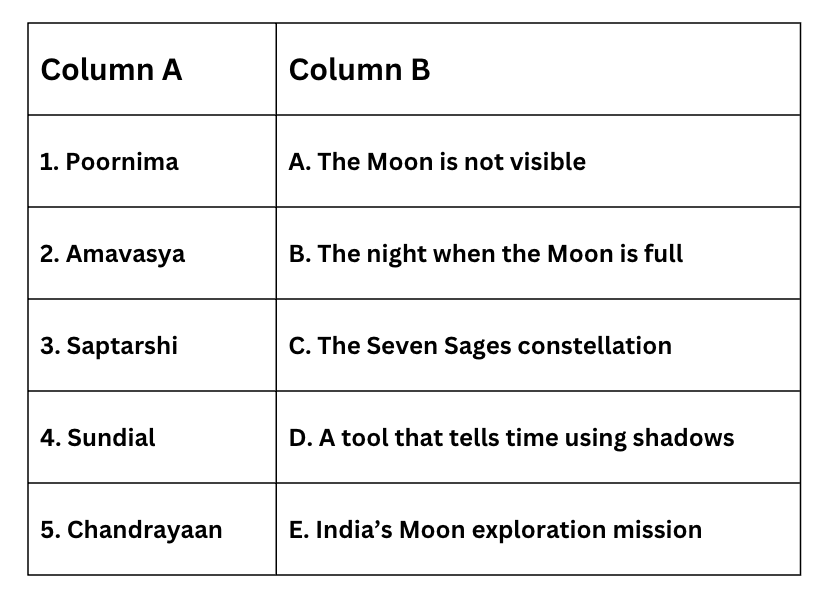
Match the Following
Short Question Answers
Q1: What happens to the sky’s color as the day progresses?
Q2: What is the significance of the Full Moon (Poornima) and the New Moon (Amavasya)?
Q3: How did ancient people use shadows to tell time?
Q4: What is the significance of the Chandrayaan mission?
Q5: How does studying the sky help us understand nature?
Vocabulary Activity – “Guess the Word”
Q1: The night when the Moon is completely full.
Q2: A tool used to tell time based on shadows.
Q3: A group of stars known as the Seven Sages in Indian astronomy.
Q4: The Moon is not visible during this phase.
Q5: India’s mission to explore the Moon.