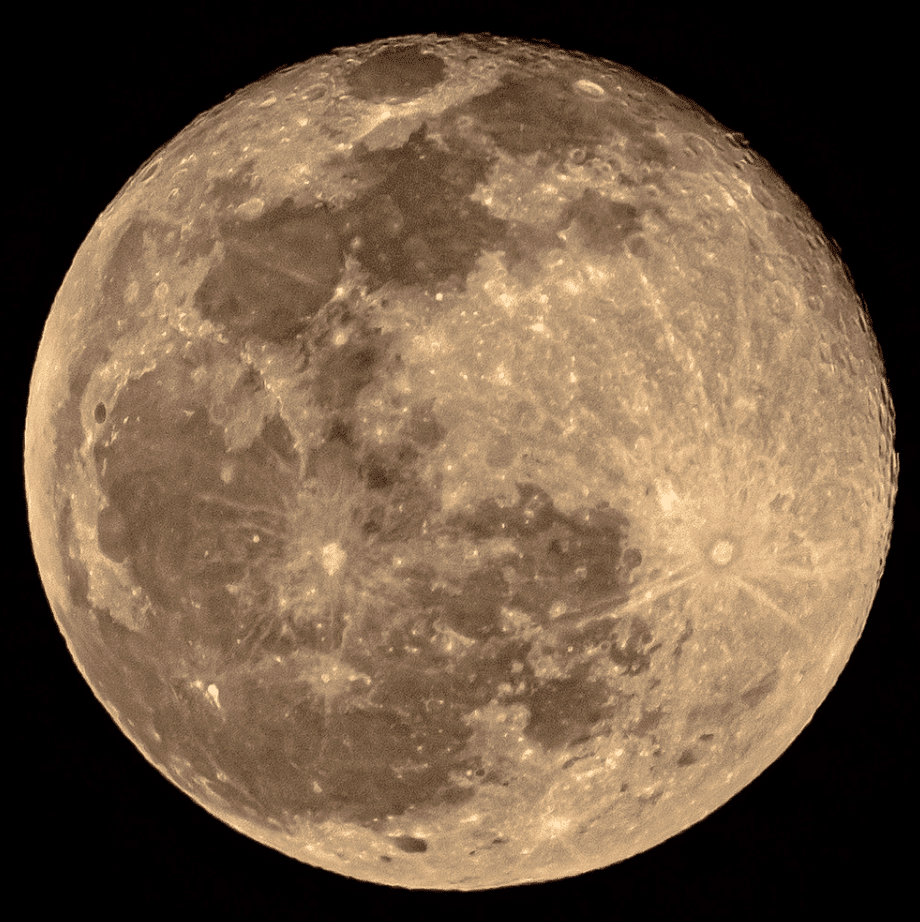
Answer: False Explanation: It reflects sunlight and does not emit its own light.
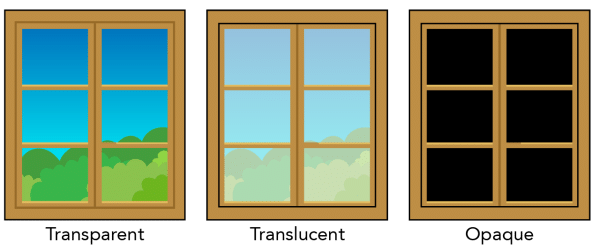
(b) Transparent materials allow no light to pass through.
Answer: False Explanation: Transparent materials allow almost all light to pass.
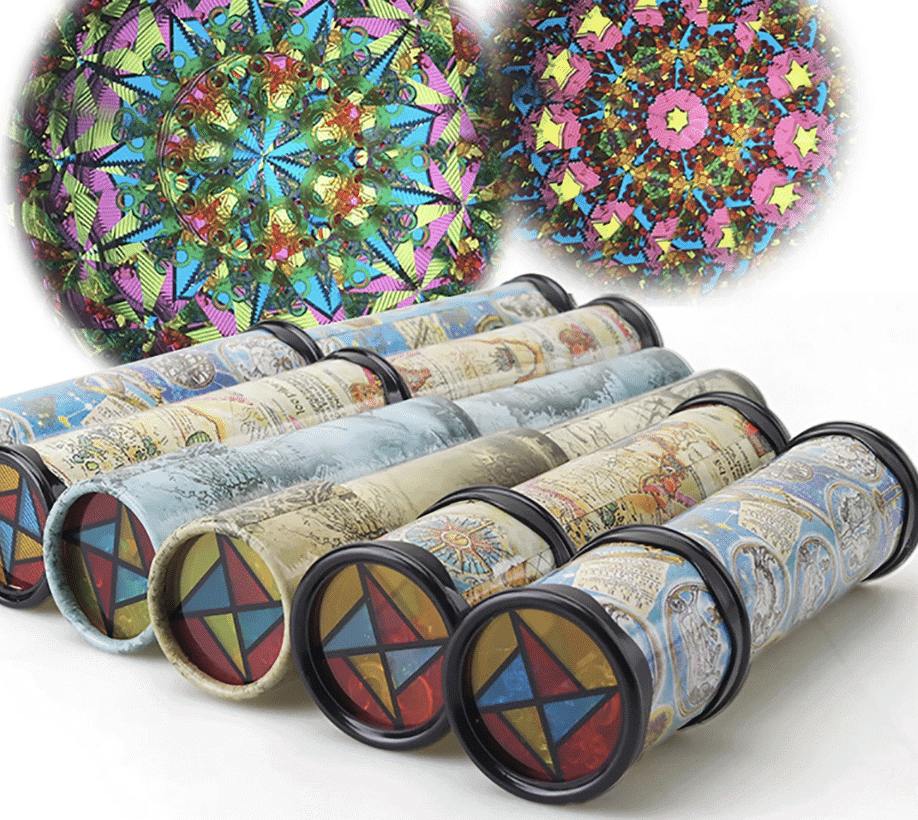
(c) A kaleidoscope forms changing symmetrical patterns using mirrors.
Answer: True Explanation: It uses reflections of colored objects.
(d) Light can travel through a bent pipe easily.
Answer: False Explanation: Light travels in a straight line, not through curves.
(e) A plane mirror forms a virtual image.
Answer: True Explanation: The image cannot be projected on a screen.
Fill in the blanks.
(a) Objects that emit their own light are called ___________.
Answer: Luminous objects Explanation: These include the Sun, fireflies, and electric bulbs.
(b) Light travels in a __________ line under normal conditions.
Answer: Straight Explanation: This is known as rectilinear propagation.
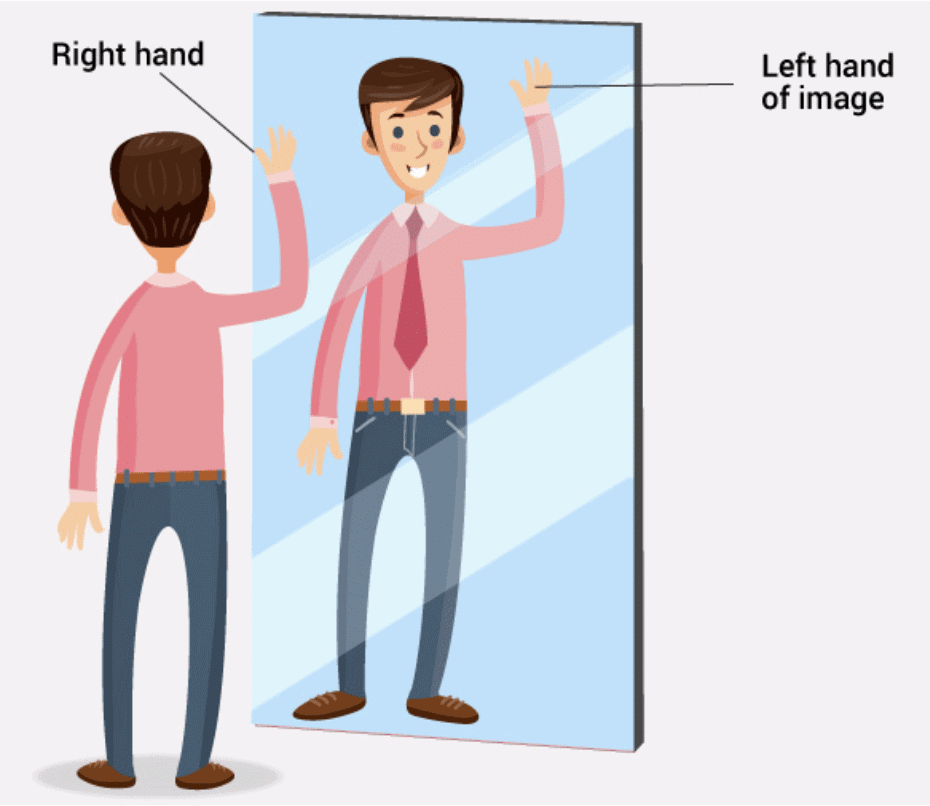
(c) An image formed by a plane mirror is laterally __________.
Answer: Inverted Explanation: Left appears as right in the mirror image.
(d) Opaque objects form the __________ shadows.
Answer: Darkest Explanation: They completely block light from passing through.
(e) A __________ camera forms an inverted image on a screen.
Answer: Pinhole Explanation: It uses a tiny hole to project an upside-down image.
Answer the Following Questions
Q.1. What is a luminous object?
An object that produces its own light.
Q.2. Give one example of a translucent material.
Tracing paper.
Q.3. What is the direction of light travel called?
Rectilinear propagation.
Q.4. Which device uses two mirrors to see over obstacles?
Periscope.
Q.5. What do we call the left-right reversal in a mirror image?
Lateral inversion.
Q.6. What happens when light falls on a polished or a shiny surface?
When light strikes a polished or shiny surface, it is primarily reflected. This reflection occurs due to the smoothness of the surface, which allows light to bounce back in a consistent direction.
The light does not scatter but reflects at the same angle it hits the surface.
Common examples of such surfaces include mirrors, stainless steel, and calm water.
This property is what makes these surfaces appear shiny and allows us to see reflections.
Q.7. What is reflection of light?
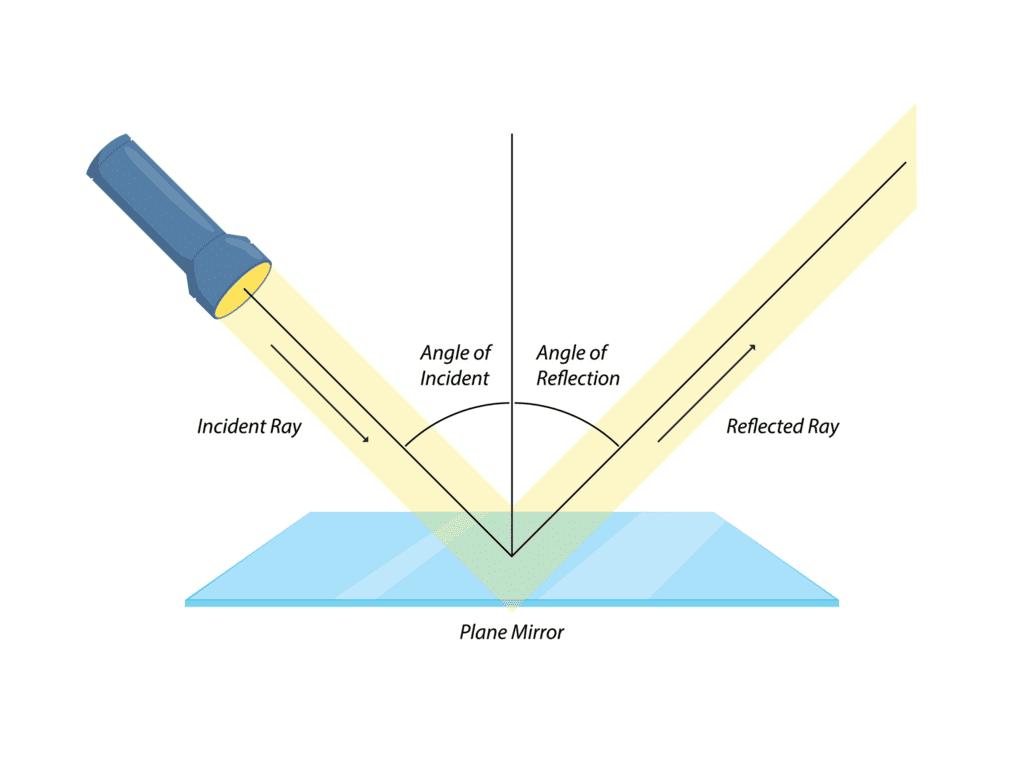
The reflection of light occurs when a light ray bounces back after hitting a surface. Key points include:
Light travels in straight lines.
When light strikes a smooth surface, it changes direction.
This change in direction is known as reflection.
Common reflective surfaces include mirrors and calm water.
Q.8. Why we are not able to see the candle flame through a bent pipe?
We cannot see the candle flame through a bent pipe due to the way light travels. Here are the key points:
Light travels in straight lines.
A bent pipe alters the path of light, preventing it from reaching our eyes.
Thus, the flame is not visible when viewed through the bent pipe.
Q.9. How can we change the path of light?
We can change the path of light by using any shiny or polished surface. Here are some examples:
A stainless steel plate can redirect light.
A steel spoon acts like a mirror.
The surface of water can also reflect light.
In essence, any shiny surface can alter the direction of light.
Q.10. What happens when light falls on a mirror?
A mirror changes the direction of light that hits it. This process is known as the reflection of light.
When light strikes a mirror, it bounces back.
This change in direction allows us to see our reflection.
Mirrors can be made from various shiny surfaces, including polished metals and glass.