Introduction

The “Building Blocks” chapter is all about learning the basics of music! It teaches us how to breathe properly to sing better and explains what sounds and musical notes are. We also learn about two special types of Indian music called Carnatic and Hindustani. The chapter shows us simple songs to practice and tells us why practicing every day is important to become good at music.Breathing for Singing
- Singing needs calm and steady breathing, like how a car needs a good engine to work well.
- If you run or jump, your breathing gets fast, and it’s hard to sing or hold a note.
- A breathing trick called box breathing helps you control your breath for singing and can make you feel calm when you’re upset.
- In box breathing, you breathe in for four counts (1, 2, 3, 4), hold for four counts, breathe out for four counts, and hold again for four counts. Do this 4–5 times.
Try yourself:What does box breathing help you do?A.Jump higherB.Sing louderC.Control your breathD.Run fasterView SolutionDo You Know? Where Indian Music Notes Came From
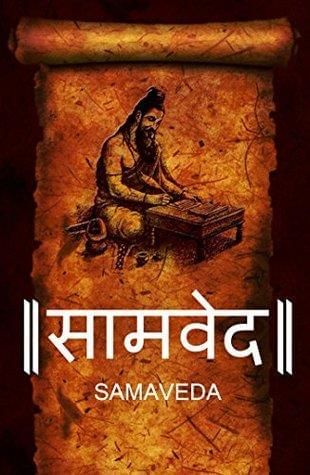
- The notes in Indian music started from an old book called the Samaveda, where people chanted special words.
- Long ago, they used three notes: Udatta (normal tone), Anudatta (low tone), and Svarita (high tone).
- These three notes slowly turned into the seven notes we use in Indian music today, called sapta swara.
What is Dhwani?
- Dhwani means sound, and we hear lots of sounds every day!
- We hear our friends talking, birds chirping, or noises from cars, buses, trains, and aeroplanes.
- These sounds help us know what’s happening around us.
What is Naada?
- Naada is a special kind of sound that is musical and nice to hear.
- Noisy sounds, like traffic or loud horns, are not musical, but sounds from instruments or singing voices are musical because they have a steady pattern.
- This pattern makes the sound pleasant and fun to listen to.

Try yourself:What kind of sounds are considered musical?A.Loud hornsB.Noisy soundsC.Traffic soundsD.Sounds from instrumentsView SolutionSargam/Swara Patterns
Sargam Pattern
- Singing sargam or swara patterns is a fun way to warm up your voice and get better at singing the right notes.
- These patterns help you practice different note combinations before singing songs.
Patterns in Art
- Patterns are not just in music but also in art, like in paintings or wall designs, where shapes repeat.
- In rangoli, a traditional art, people make pretty patterns with dots, lines, and curves to decorate floors and walls at home.
Carnatic Music
- Carnatic music is one of the two main kinds of Indian classical music, and we learn a bit more about it every year.
- Geethams are easy Carnatic songs that help kids practice singing.
Vara Vina (Geetham)
- Raga: Mohana (a type of tune)
- Tala: Rupaka (a rhythm pattern)
- Arohanam (going up notes): S R2 G3 P D2 Ś
- Avarohanam (going down notes): Ś D2 P G3 R2 S
Song Words and Notes:
- The song talks about playing the veena (a musical instrument) with soft hands and giving blessings.
- It has lines like “Vara veena mridu paani” (soft hands on the veena) and “Vanarchita phala daayaki” (gives what you wish for).
- It also praises music and devotion with words like “Sura nuta kala” (art loved by gods) and “Sara seejaa sana jana nee” (loved by everyone).
Padumanabha (Geetham)
- Raga: Malahari (another type of tune)
- Tala: Tishra Jathi Triputa Tala (a special rhythm)
- Composer: Purandara Dasa (a famous music maker)
- Arohanam (going up notes): S R1 M1 P D1 S
- Avarohanam (going down notes): S D1 P M3 G3 R1 S
Try yourself:What does the song ‘Vara Vina’ talk about?A.Traveling to new placesB.Cooking delicious foodC.Dancing in the rainD.Playing the veena with soft handsView SolutionHindustani Music

The second style of Indian music is Hindustani music. We learn it through Raag Khamaj and a Bandish (song).
Raag Khamaj
- Aroh (going up notes): S G M P D N Ś
- Avroh (going down notes): Ś N D P M G R S
- Pakad (main tune): N D, M P D, M G
Bandish: Namana Karu Mai Sada Guru Charana
- This Bandish has two parts:
- Sthayi – main part of the song
- Antara – second part, where the song grows
Why Practice is Important
- To become good in music, we must practice daily.
- Practice is called Riyaaz, Abhyaasa, or Saadhakam.
- Great singers practiced 6–8 hours every day from childhood.
- Regular practice makes singing easy and better.
Watching Classical Music Shows
- Going to a classical music show or watching one online helps you learn more about music.
- You can see the stage, the instruments, and learn the names of the songs, including their raga (tune) or tala (rhythm).
- Watching how musicians talk to each other and the audience teaches you about how music performances work.
Try yourself:What can you learn from watching a classical music show?A.Names of songsB.Cooking recipesC.Sports rulesD.Math formulasView SolutionConclusion
The “Building Blocks” chapter helps us understand the basics of music in a fun and easy way. We learned how to breathe properly to sing better, what sounds and musical notes are, and about the two main types of Indian music: Carnatic and Hindustani. By practicing simple songs like geethams and bandish, we can improve our singing. The chapter also shows us that practicing every day and watching music shows can make us better musicians. Keep practicing and enjoying music!