Introduction
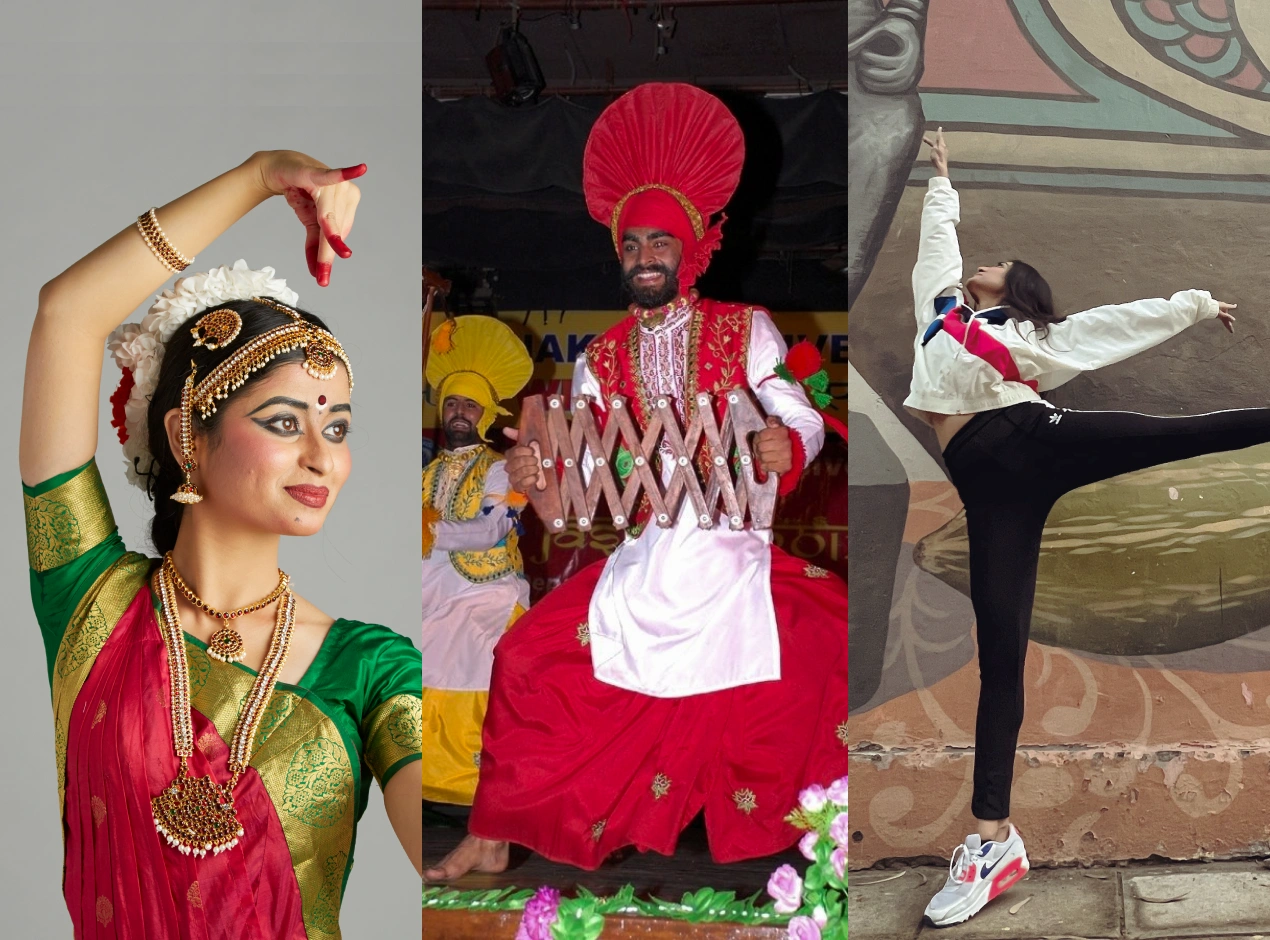
Everyday Actions in DanceThis chapter teaches us how our everyday actions are connected to dance. We learn how movement and stillness, hand gestures, arm movements, and even eyes and eyebrows are important in dance. Dance helps us express our emotions, use our body creatively, and enjoy the art form in our daily life.
Moving and Standing Still
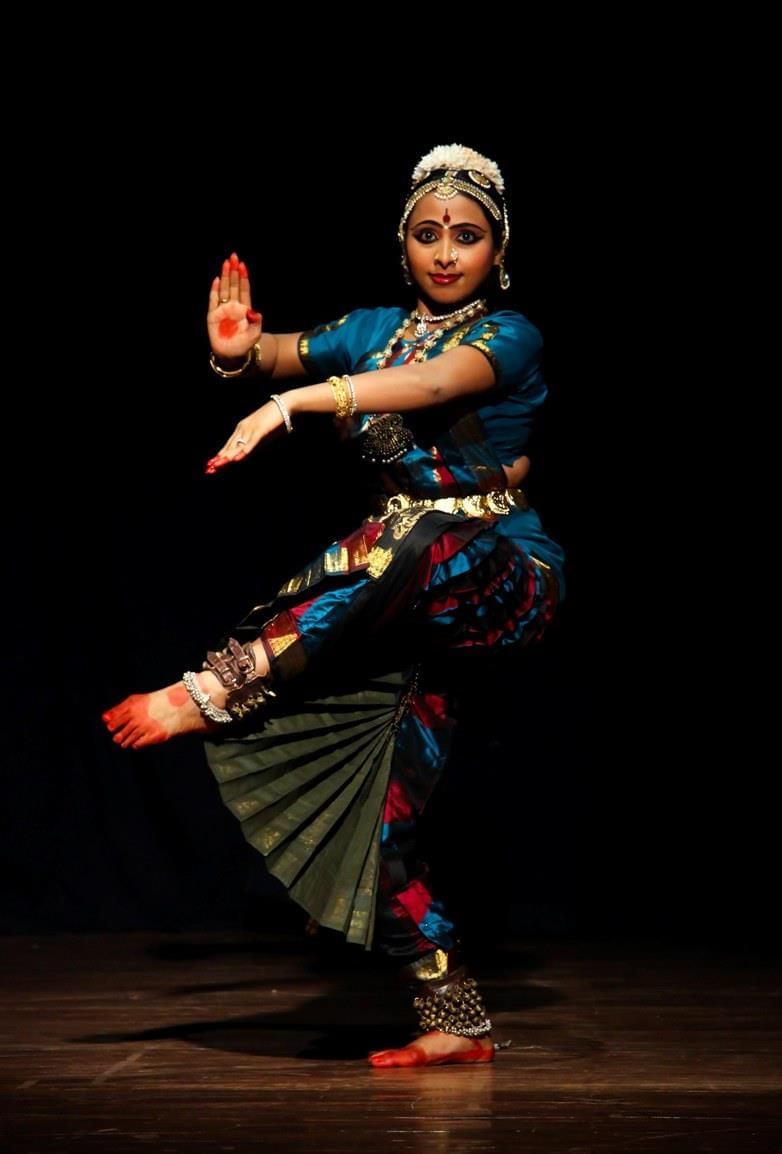
Moving & Standing Still
- In daily life, sometimes we move and sometimes we stay still.
- Dance also uses both movement and stillness together.
- We start from a still position, then move, and finally return to a still posture.
- This balance of movement and stillness makes dance expressive and beautiful.
Try yourself:
What does dance combine to be expressive?
- A.Light and shadow
- B.Music and sound
- C.Movement and stillness
- D.Movement and color
View SolutionHand Gestures
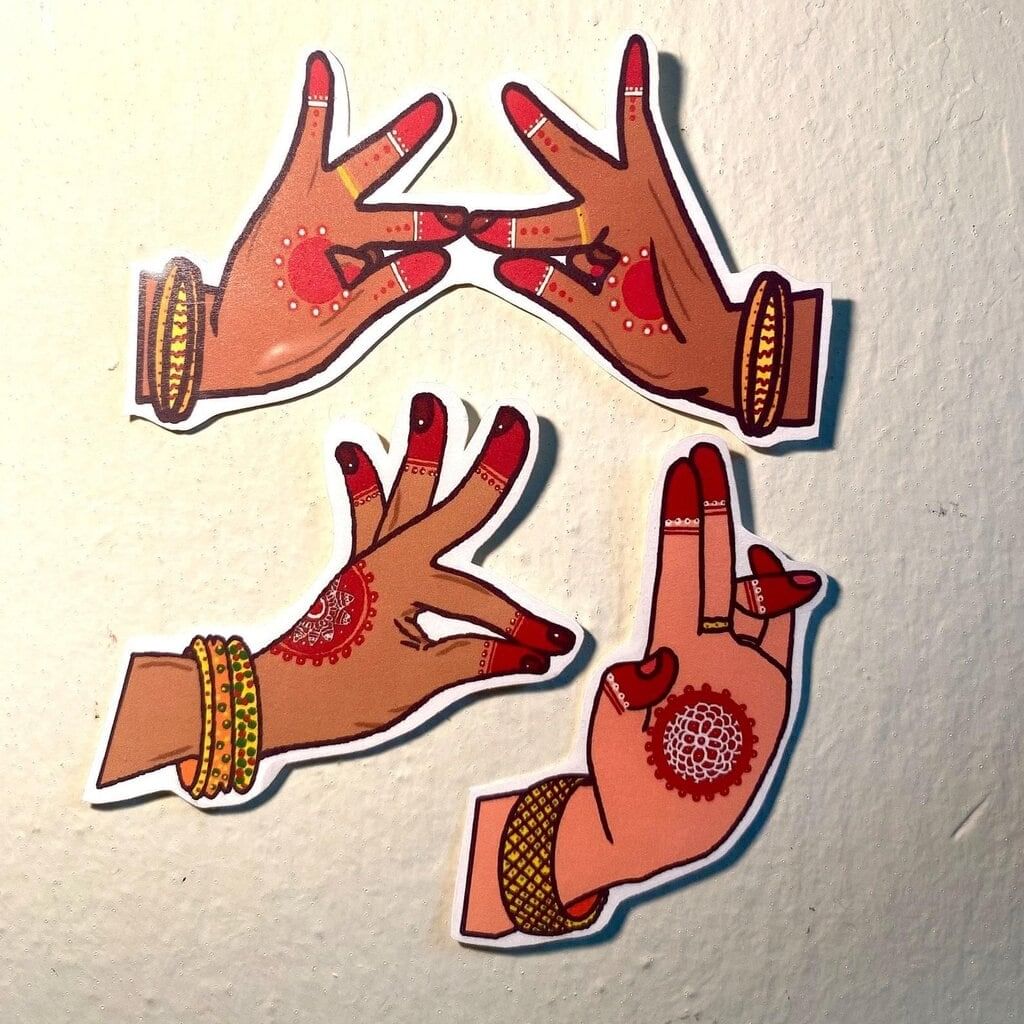
Hand Gestures in Dance
- Hand gestures are an important part of dance.
- They are used to show objects, ideas, emotions, and even animals.
- Some common hand gestures used in dance:
- Tripataka: used as a flag
- Kartarimukha: used as scissors
- Trishula: used to show a trident or the number three
- Katakamukha: used as wearing earrings
- Karkata: used as stretching the limbs
- Dola: used as standing in equal posture
- Utsanga: used as hugging
- Swastika: used as an alligator
- Hand gestures are powerful because they can tell a story without words.
- They can be used while dancing, playing, or even in daily life actions.
My Arms in Dance

Arms Activity during Dance
- Arms can move in many different directions in dance.
- Types of arm movements:
- Circular movement: move both arms in a big circle.
- Semi-circular movement: move one arm like writing the letter “C”.
- Horizontal movement: stretch arms sidewards in a curve or straight line.
- Diagonal movement: one arm up and one arm down in a slanting line.
- Vertical movement: move arms straight up and down.
- These movements create different shapes and patterns in dance.
- Students can also create their own special arm movements.
Eyes and Eyebrows
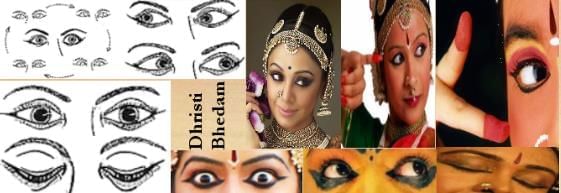
- Eyes and eyebrows are also very important in dance.
- They help to show emotions like happiness, sadness, surprise, or anger.
- Different eye movements:
- Parallel movement
- Horizontal movement
- Diagonal movement
- Circular movement
- Practicing eye movements also makes eye muscles strong.
- In dance, eyes are combined with arms and feet to make expressions more powerful.
Try yourself:
What is the main focus of the text?
- A.Nose and Lips
- B.Eyes and Eyebrows
- C.Ears and Cheeks
- D.Hair and Skin
View SolutionConclusionDance is not separate from life, it is part of our daily actions. Simple things like standing, moving, using hands, arms, eyes, and eyebrows are all part of dance. By practicing, we can express feelings, tell stories, and enjoy creativity through dance. Dance helps us to celebrate both movement and stillness in life.