Introduction
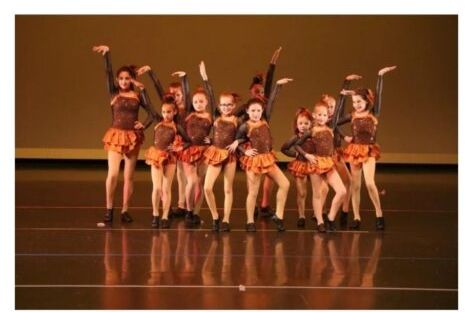
This chapter explains the importance of rhythm and tempo in dance. It teaches how rhythm keeps a steady beat and how tempo changes the speed of movements. It also shows how to combine arms, feet, jumps, and spins with rhythm and tempo to make dance more creative and joyful.
What is Rhythm?

- Rhythm means keeping a steady and constant beat.
- A steady rhythm helps us keep time in dance and music.
- In class, students practise dancing to a four-beat rhythm.
- Even when the music stops, rhythm can be continued by clapping, snapping, or stamping feet.
- Rhythm keeps movements regular and connected to the beat.
Try yourself:
What does rhythm help us keep in dance?
- A.A loud sound
- B.A high jump
- C.A fast pace
- D.A steady beat
View Solution.
What is Tempo?
- Tempo is the speed of rhythm.
- If rhythm is played faster, the tempo is fast. If it is played slower, the tempo is slow.
- For example:
- Walking slowly to eight beats shows slow tempo.
- Walking quickly to the same eight beats shows fast tempo.
- Tempo changes the energy and feeling of a dance.
Dance with Rhythm and Tempo
- Counting eight beats with claps or snaps sets the rhythm.
- Tempo 1: Move with normal steps to each beat, using known dance steps.
- Tempo 2: Double the steps – 16 quick steps in the same eight beats. This creates faster energy.
- Dancers must stay in sync with the beat while changing tempos.
- Music with four steady beats, like folk songs, can be used to practise slow and fast tempos.
Arms and Feet Together
- Dancers can combine arm movements with footwork to create sequences.
- Use Sa Re Ga Ma Pa Da Ni Sa as beats for movement practice.
- Tempo 1: Move arms in a circular motion up and down with the sargam.
- Tempo 2: Change the direction of arms with every four notes of the sargam to show variety.
- Combining arm and footwork makes the dance more expressive.
Try yourself:
What body parts are mentioned together in the text?
- A.Fingers and Hands
- B.Feet and Toes
- C.Arms and Feet
- D.Hands and Arms
View Solution. Jumps and Spins
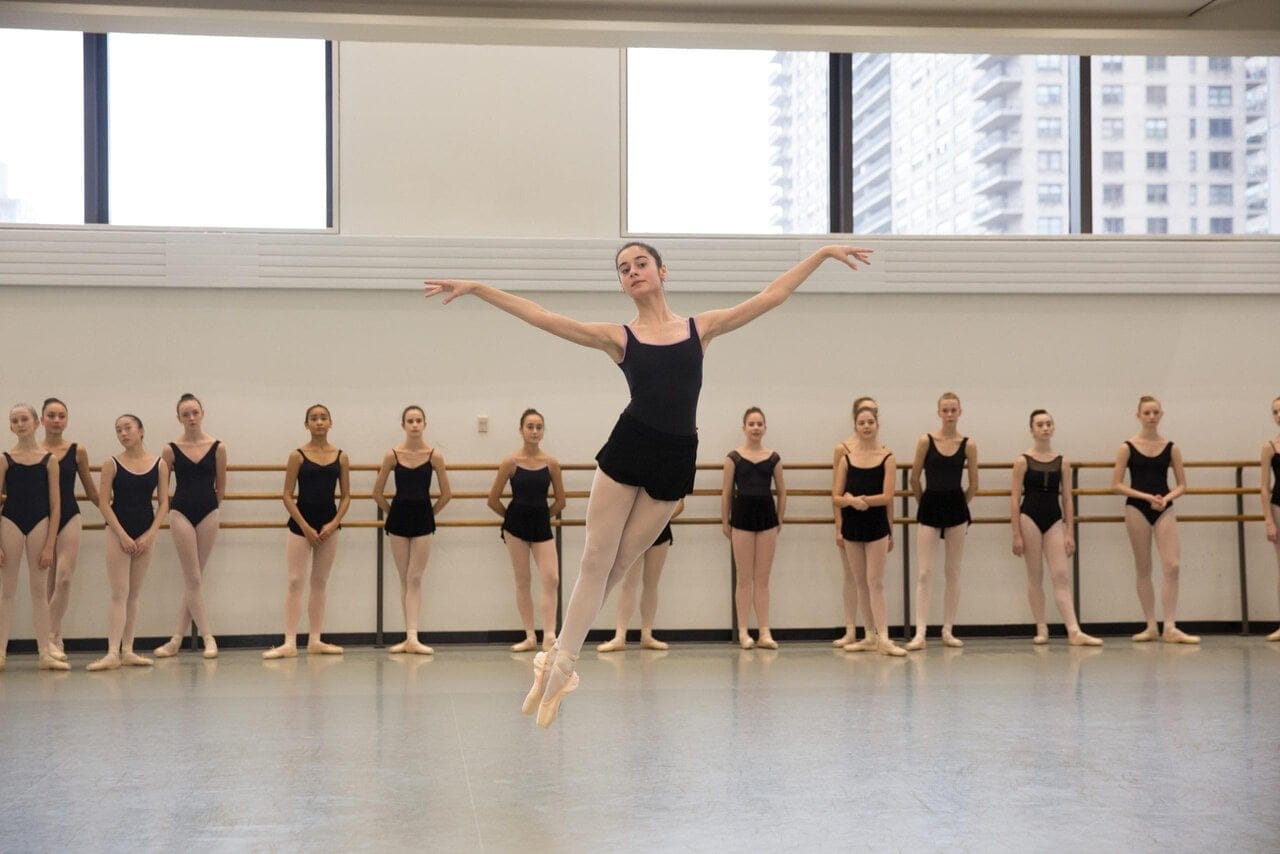
- Jumps and spins make dance lively and fun.
- Jumps are done on a four-beat rhythm using right and left legs in turns.
- Different combinations of jump, stamp, and cross steps can be tried in four beats.
- After jumps, spins can be added to the four-beat rhythm.
- Right and left leg spins are done in order to match the beats.
- Combining jumps and spins with rhythm improves balance and creativity.
Feet Combinations with Three Beats
- Dancers can also try movements in a three-beat pattern.
- Combination 1: Steps include cross, stamp, and stamp with right and left legs.
- Combination 2: Steps include heel front, stamp, and stamp with both legs in turns.
- Three-beat steps give variety to dance and help in learning different rhythmic patterns.
ConclusionRhythm and tempo are very important in dance. Rhythm gives us a steady beat, and tempo changes the speed of that beat. By learning how to dance with rhythm and tempo, we can make our movements lively and expressive. Using arms, feet, jumps, and spins along with different tempos makes dance creative and fun. Understanding rhythm and tempo helps us enjoy dance more and express our feelings through it.