Introduction
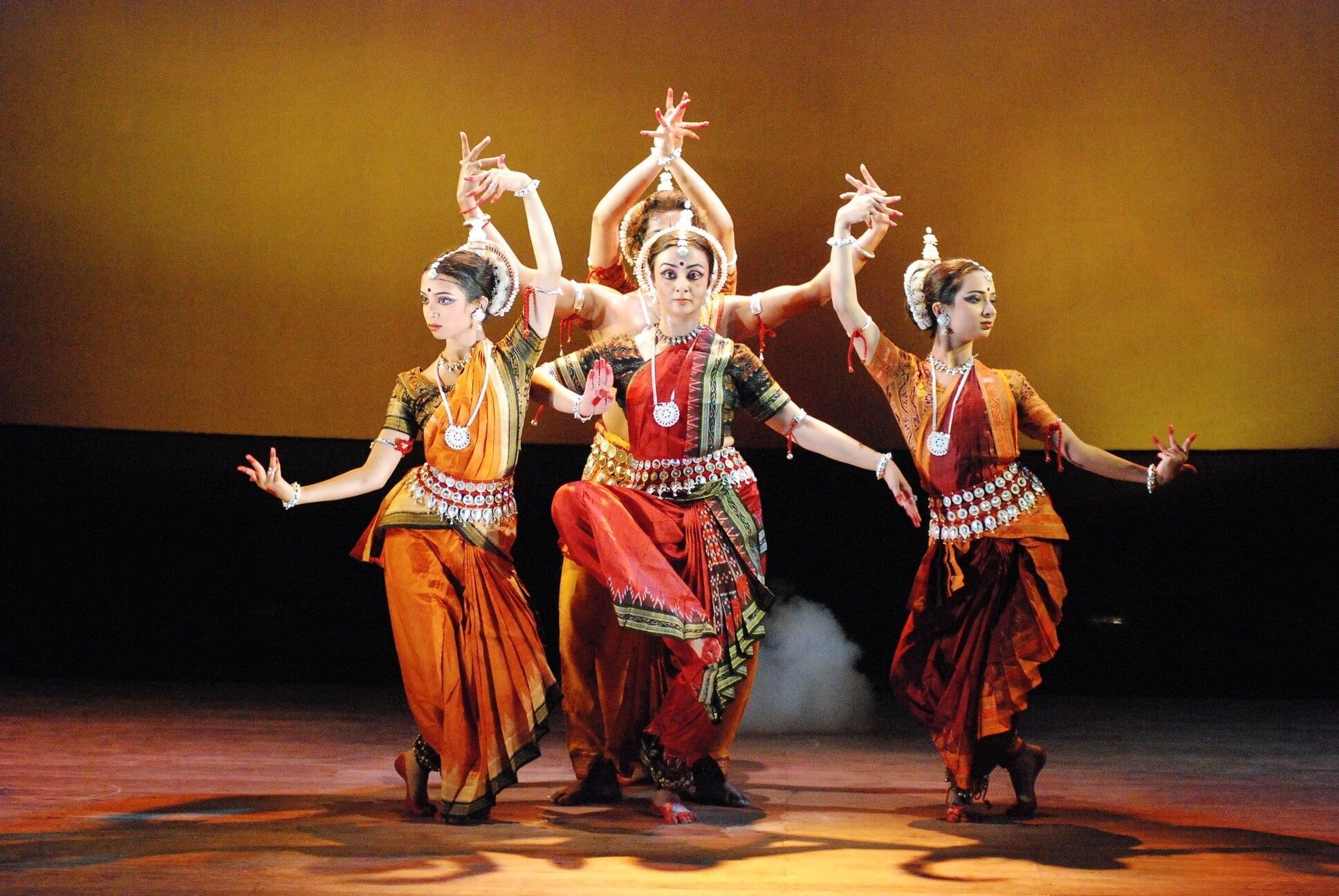
Folk DanceThis chapter helps us to understand and appreciate the folk dances of our own region and also those of neighbouring regions. Every region in India has its own unique dance that is performed during festivals, celebrations, and special occasions. By learning about these dances, we celebrate our culture and also respect the traditions of others. The chapter also shows how costumes, props, and instruments make each dance special and colourful.
Dance in My Region
- Every region has one or more folk dances that are connected to its culture and tradition.
- These dances are performed during festivals, harvest time, religious occasions, or celebrations.
- Each dance has special features like:
- Name of the dance
- Costume worn during performance
- Props used in the dance
- Occasion when it is performed
- Musical instruments that give rhythm and tune
Try yourself:
What do folk dances in a region often celebrate?
- A.School events
- B.Work meetings
- C.Daily chores
- D.Harvest time
View SolutionDances of Neighbouring Regions
- Neighbouring regions also have folk dances that are similar or different from our own.
- By learning about these dances, we understand the diversity of Indian culture.
- Dances can be compared based on:
- Name of the dance
- Costumes worn
- Main instruments used
- Props used during the dance
This comparison helps us see how each region keeps its own identity but also shares similarities with others.
Presenting Dances
- Students can present their own regional dance or a dance from a neighbouring region.
- Performances show the variety of movements, costumes, and music in India.
- Working together in groups helps in teamwork and collaboration.
ConclusionFolk dances are an important part of our heritage. They show the joy, beliefs, and traditions of the people. By learning both our own dance and the dances of our neighbours, we respect and celebrate unity in diversity. These dances bring happiness, connect communities, and remind us of the beauty of our nation’s culture.