IntroductionHave you ever watched raindrops sliding down your window? It’s like nature is painting its own picture! When it’s too rainy to go outside and draw, there’s still so much beauty to see — from tiny butterflies hiding under leaves to plants that climb and creep in the rain. In this chapter, we’ll discover how rain brings nature to life, and how small plants like climbers and creepers can teach us big things about growing strong and adding color to the world!
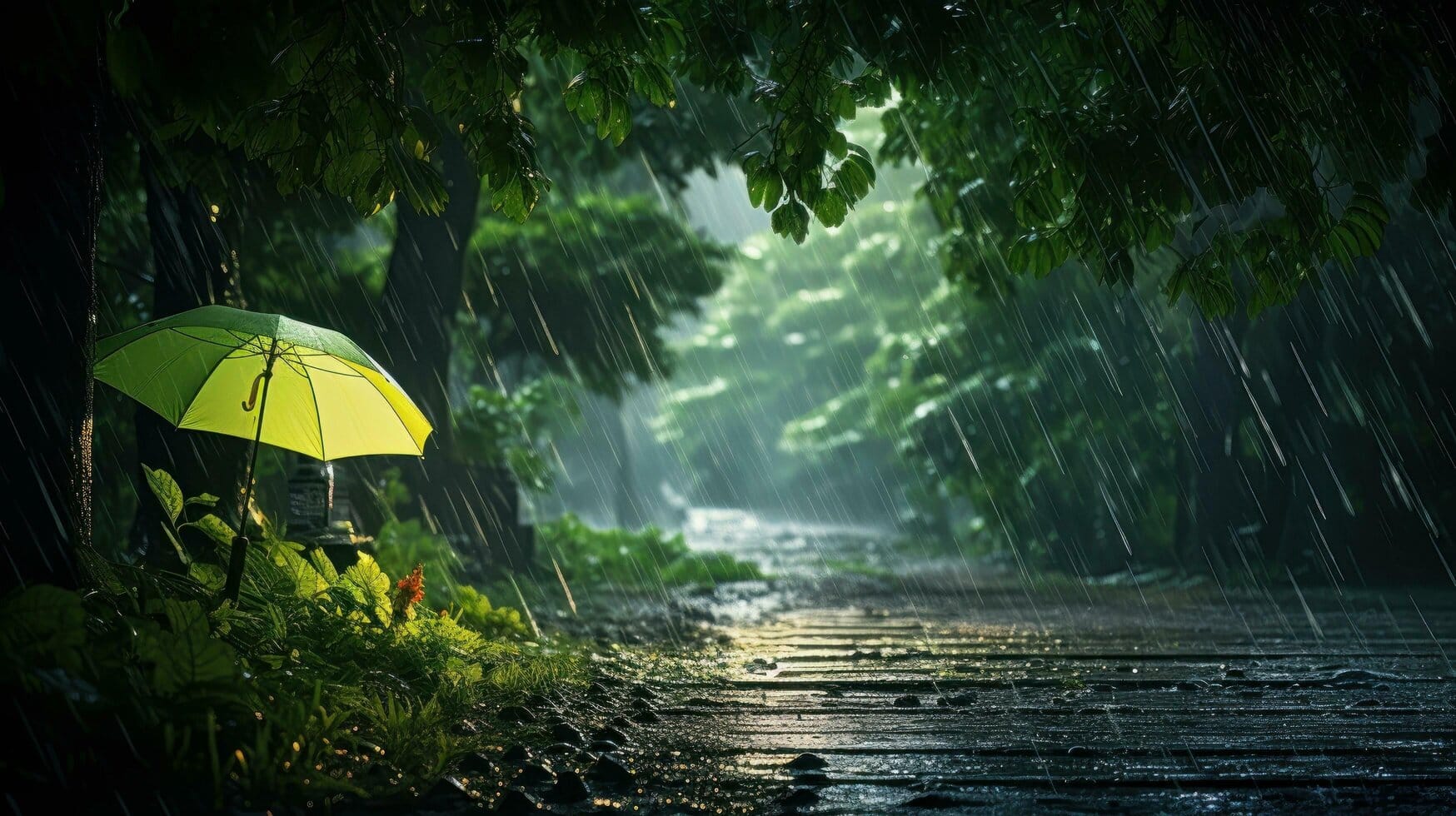
Rain brings freshness
Rain Brings FreshnessRain washes the earth, making everything look fresh and clean. It brings life to plants, helping them grow and thrive, just like a big drink of water for nature.
Tip: Watch raindrops on leaves to see how they refresh plants for your drawings.
Try yourself:
What does rain do for plants?
- A.Colors them blue
- B.Helps them grow
- C.Makes them dirty
- D.Dries them out
View SolutionClimbers and Creepers: Lessons of Growth and SupportClimbers and creepers are unique plants with thin, flexible stems that twist, curve, and spiral as they grow. They inspire artists to create beautiful designs in sculptures, paintings, textiles, and architecture. These plants teach us valuable life lessons:
- Gentleness: Climbers are soft and flexible, bending with the rain but never breaking, showing us how to adapt to challenges.
- Resilience: Even though they’re fragile and start in dark soil underground, they push through obstacles to grow tall and strong.
- Trust: They rely on nearby plants, trees, or poles for support, teaching us it’s okay to ask for help and trust others.
- Beauty and Nourishment: Climbers give us flowers, fruits, and vegetables, adding beauty and life to indoor and outdoor spaces.
Artistic Inspiration
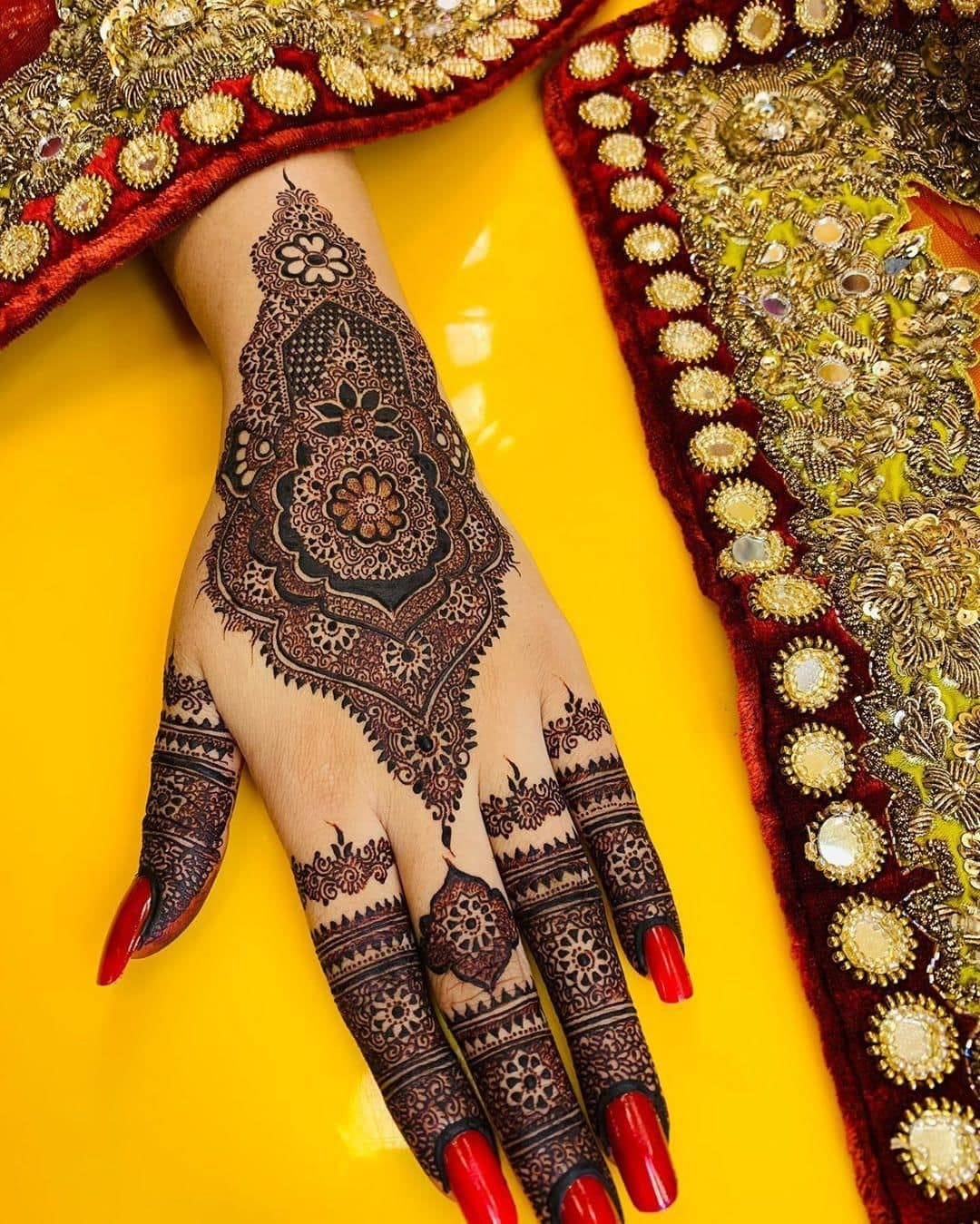
MehndiClimbers and creepers inspire art forms like mehndi, where henna paste creates intricate designs on hands and feet. When mehndi dries, it forms a low relief, where the design feels slightly raised compared to the skin, similar to techniques used in sculptures and carvings.
Tip: Start with basic loops for mehndi designs to mimic creepers’ patterns.
Color MagicColors are the heart of art, and the color wheel is a tool to understand them. Primary colors (red, blue, yellow) are the building blocks that can’t be made by mixing other colors. Mixing two primary colors creates secondary colors (orange, green, purple). Colors also carry feelings:
- Warm colors (red, yellow, orange) feel sunny and cozy, like a warm summer day.
- Cool colors (blue, green, purple) feel calm and soothing, like a cool evening breeze.
Tip: Mix two primary colors to discover new shades for your artwork.
Try yourself:
What are the primary colors?
- A.Pink, Brown, Cyan
- B.Black, White, Gray
- C.Green, Orange, Purple
- D.Red, Blue, Yellow
View SolutionComposing a SceneWhen artists create a picture, they organize space into three parts:
- Foreground: The closest part, with bright colors and clear details to grab attention.
- Middle ground: The area behind the main subject, adding depth with some details.
- Background: The farthest part, with lighter colors and fewer details to complete the scene.
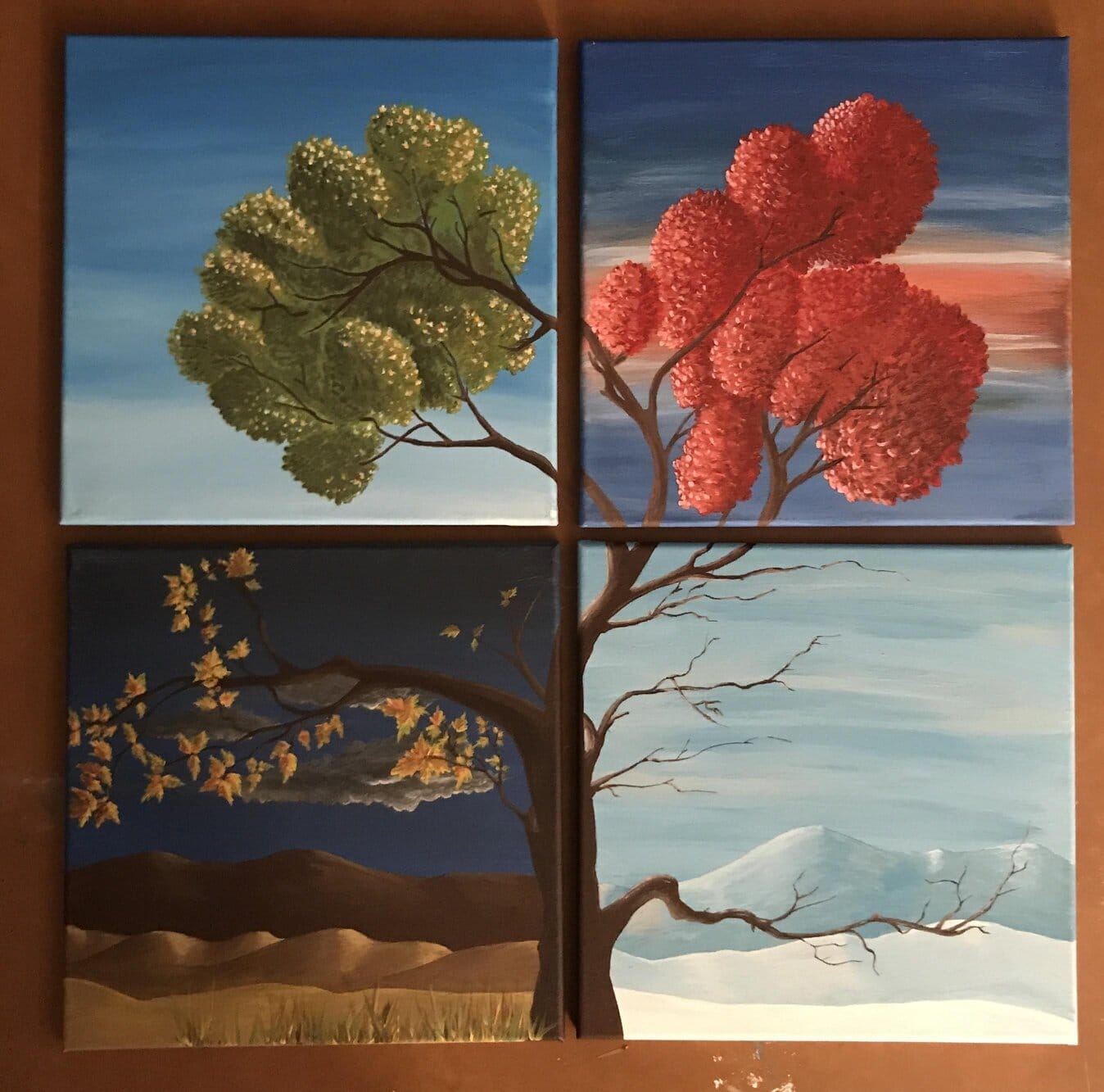
Colors of Time and SeasonsColors Reflects Time & SeasonColors can show the time of day or season. Bright reds and yellows might paint a sunny summer morning, while soft blues and purples hint at a chilly winter evening. Shadows also help show time—longer in the morning or evening, shorter at noon—adding clues to your artwork.
Tip: Use long shadows for morning or evening scenes to show time.
ConclusionThis chapter reveals how nature’s climbers, creepers, and rain teach us to be gentle, resilient, and trusting. Like these plants, we can grow through challenges, seek support, and add beauty to our world. Using tools like the color wheel and concepts like foreground and background, we can create art that captures the wonder of life!
Important Vocabulary
- Climbers and Creepers: Plants with thin, flexible stems that grow by twisting and climbing with support.
- Low Relief: A technique where designs are slightly raised, like in mehndi or sculptures.
- Primary Colors: Red, blue, and yellow—colors that can’t be made by mixing others.
- Secondary Colors: Orange, green, purple—made by mixing two primary colors.
- Warm Colors: Red, yellow, orange—colors that feel cozy and sunny.
- Cool Colors: Blue, green, purple—colors that feel calm and refreshing.
- Foreground: The closest part of a picture, with bold details.
- Middle Ground: The area behind the main subject, adding depth.
- Background: The farthest part of a picture, with light colors and fewer details.