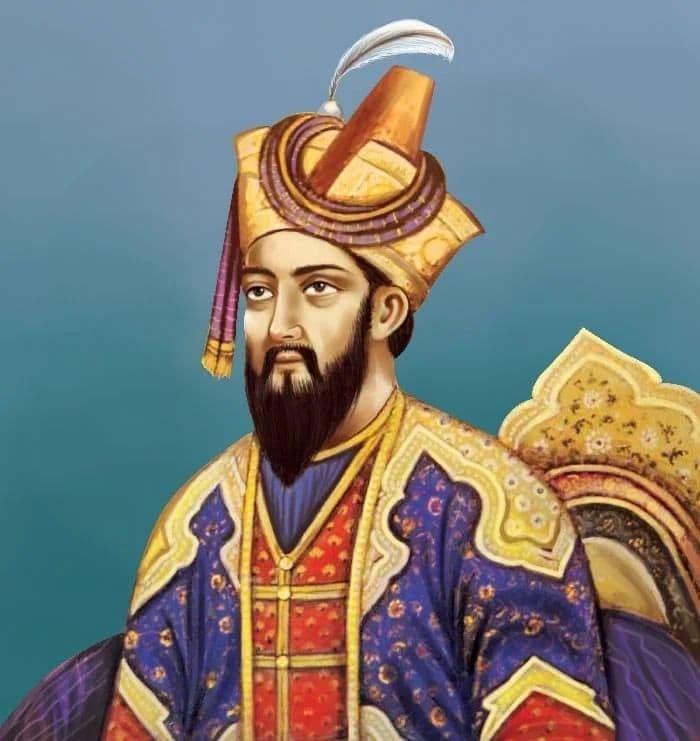
Ans: (b) Baburnama Baburnama is Babur’s autobiography revealing his thoughts and life.
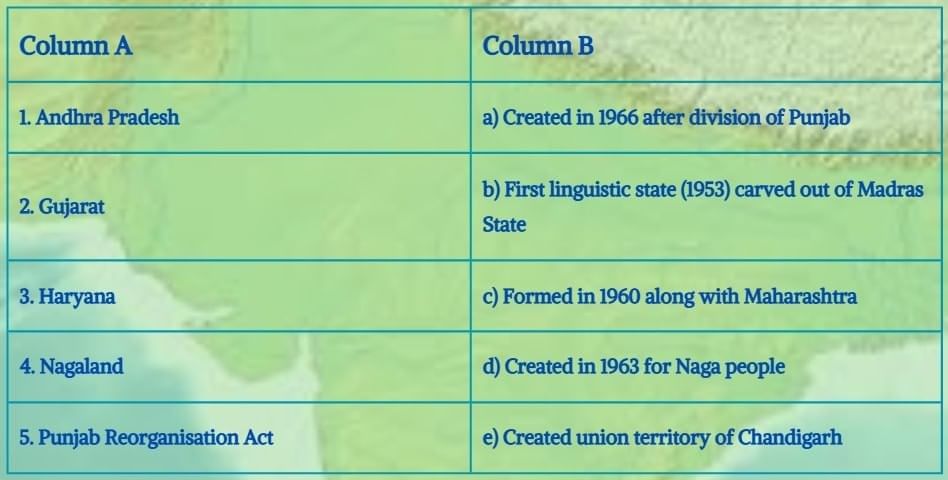
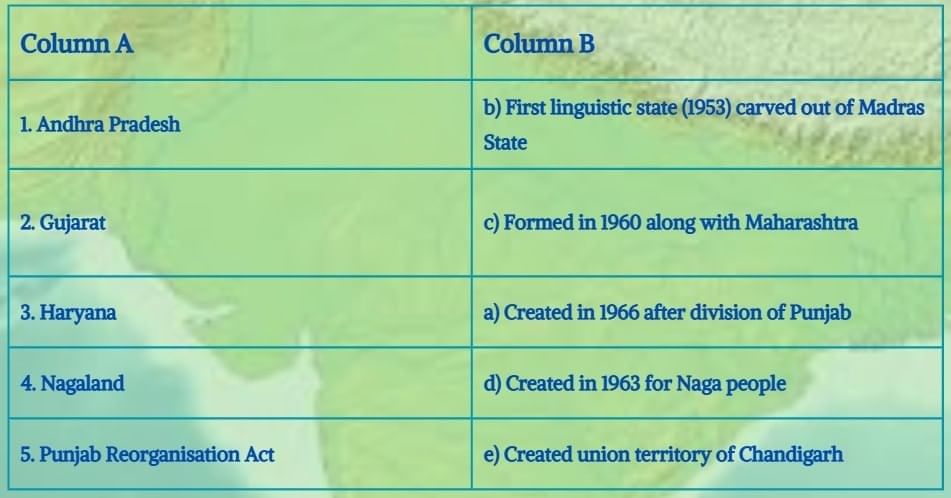
Match the Following
Ans:
True or False
Q1. The iqta system made administrative positions hereditary in the Delhi Sultanate. Ans: False
Iqta positions were not hereditary but were granted by the Sultan.
Q2. Timur’s invasion left Delhi devastated in the late 14th century. Ans: True
Timur’s invasion caused massive destruction and political chaos.
Q3. Krishnadevaraya was a great builder and patron of literature. Ans: True
He supported arts and authored the Telugu epic Āmuktamālyada.
Q4. Akbar started the jizya tax on non-Muslims. Ans: False
Akbar abolished the jizya tax during his reign.
Q5. Ahom warriors used their knowledge of terrain to defeat the Mughals at Saraighat. Ans: True
They used guerrilla tactics and terrain familiarity.
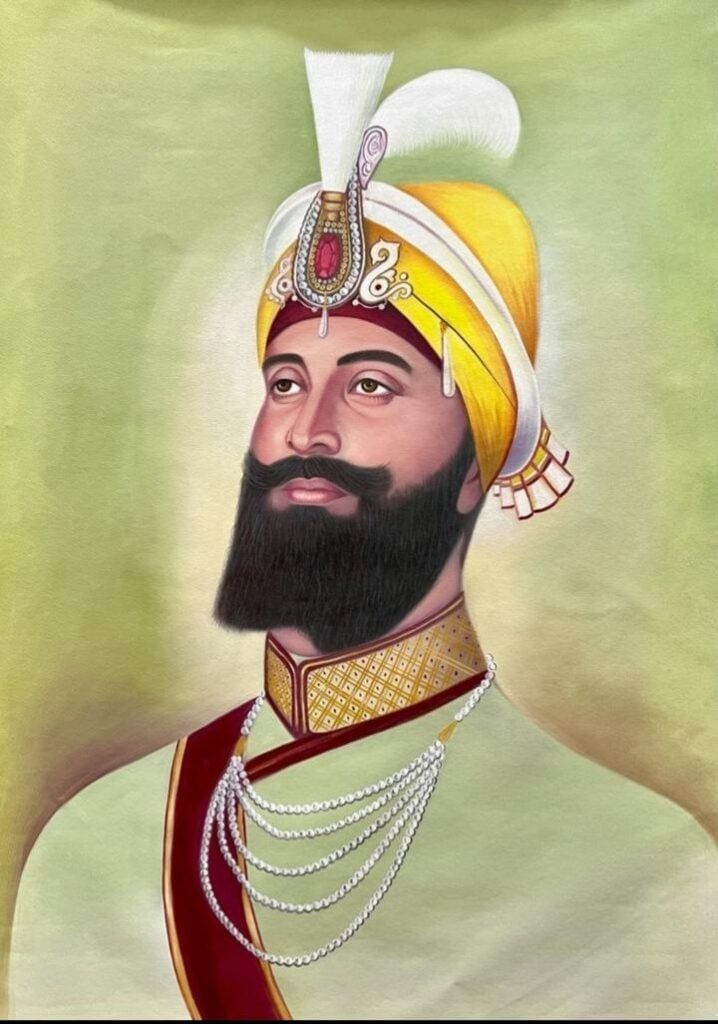
Q6. Guru Gobind Singh introduced the Khalsa for strengthening Sikh identity. Ans: True
The Khalsa was created in 1699 to unify Sikhs militarily and spiritually.
Fill in the Blanks
Q1. Prithviraj Chauhan was defeated in ________, establishing the Delhi Sultanate. Ans: 1192 CE
Q2. The Vijayanagara Empire was founded by two brothers, ________ and ________. Ans: Harihara and Bukka
Q3. The Rajput leader who resisted Akbar at the Battle of Haldighati was ________. Ans: Maharana Pratap
Q4. Babur’s army used ________ and ________ in the First Battle of Panipat. Ans: gunpowder and field artillery
Q5. Trade and ________ were economic strengths of medieval India. Ans: agriculture
Q6. Temples served as centers of ________, learning, and culture. Ans: economy
Q7. The Ahoms defeated the Mughals in the Battle of ________. Ans: Saraighat
Very Short Question Answers
Q1. What is meant by “medieval period” in Indian history? Ans: The period from 11th to 17th centuries marked by foreign invasions, new dynasties, and cultural blending.
Q2. Name any two dynasties of the Delhi Sultanate. Ans: Mamluks (Slave dynasty) and Khiljis.
Q3. Who was Timur and what was the impact of his invasion? Ans: A Turkic-Mongol conqueror whose 14th-century invasion devastated Delhi and caused political chaos.
Q4. Why did Muhammad bin Tughlaq shift his capital, and what happened as a result? Ans: To control the empire better, but the forced relocation caused hardship and was later reversed.
Q5. Mention one reason for the decline of the Vijayanagara Empire. Ans: Defeat at the Battle of Talikota in 1565 by a coalition of Deccan Sultanates.
Q6. What was the jizya tax? Ans: A tax levied on non-Muslim subjects under some sultans and Mughal rulers.
Q7. Name the founder of the Bahmani Sultanate. Ans: It was established by rebelling governors from the Delhi Sultanate, but leadership is associated with Ala-ud-Din Bahman Shah.
Q8. Who was Rani Durgavati and why is she remembered? Ans: Queen of the Gond kingdom who bravely resisted Mughal invasions and became a symbol of resistance.
Q9. What was a hundi? Ans: An ancient financial instrument for transferring money, similar to a written order of payment.
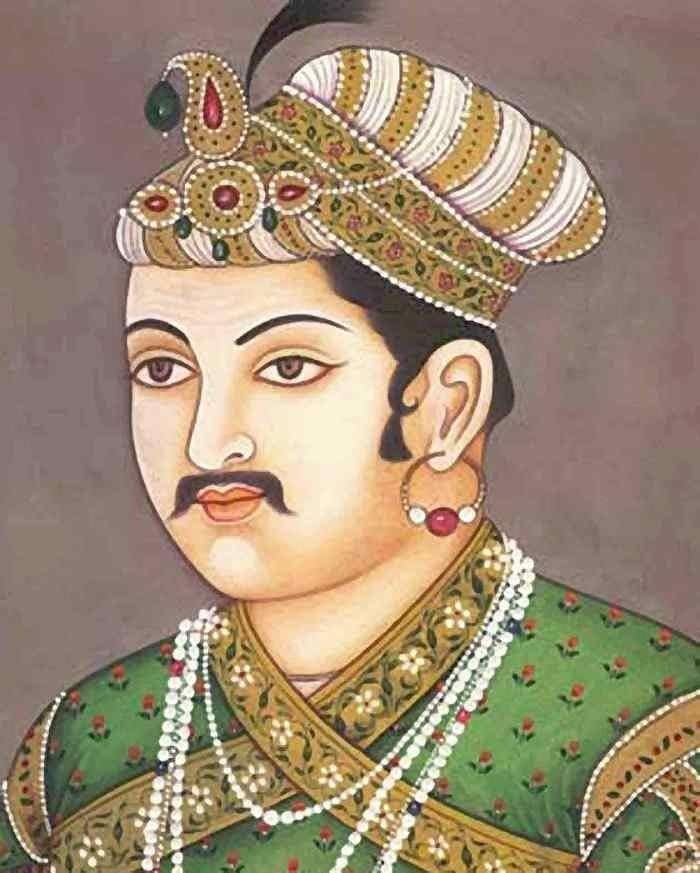
Q10. Mention one contribution of Akbar to literature and culture. Ans: He promoted translations of Sanskrit texts into Persian and supported arts and scholars.