Short Answer Questions
Q1. What are the three main dimensions of health and why must they be balanced?
Answer: The three dimensions are physical, mental, and social health, and balancing them helps the body work well, keeps the mind calm, and supports healthy relationships.
Q2. How did the student’s story show a link between screen time and health?
Answer: Too much screen time increased loneliness and stress, which led to headaches, weight loss, and poor sleep, showing how habits affect both mind and body.
Q3. How does Ayurveda suggest we maintain daily health?
Answer: Ayurveda recommends following a daily and seasonal routine, eating fresh food suited to your body type, and practicing yoga, cleanliness, and good sleep.
Q4. Why are clean surroundings important for health?
Answer: Clean surroundings reduce germs and vectors like flies and mosquitoes, improve air and water quality, and lower the risk of diseases.
Q5. What is the difference between symptoms and signs of illness?
Answer: Symptoms are what we feel, such as pain or tiredness, while signs are what others can observe or measure, like fever or a rash.
Q6. How do communicable diseases spread through air and water?
Answer: They spread when infected droplets are breathed in or when people eat or drink contaminated food and water containing pathogens.
Q7. What simple habits help prevent communicable diseases?
Answer: Washing hands with soap, covering your mouth when coughing, keeping food and water clean, and using mosquito nets help prevent infection.
Q8. What are non-communicable diseases and one key reason they are increasing?
Answer: Non-communicable diseases do not spread between people and are rising due to unhealthy lifestyles, such as poor diet and low physical activity.
Q9. How do vaccines protect both individuals and communities?
Answer: Vaccines train the immune system to fight specific germs and, when many people are vaccinated, they reduce disease spread, protecting those who are unvaccinated.
Q10. Why should antibiotics not be used for colds and flu?
Answer: Colds and flu are caused by viruses, and antibiotics only kill bacteria, so using them is useless and can promote antibiotic resistance.
Q11. What practices help prevent antibiotic resistance?
Answer: Only take antibiotics when prescribed, complete the full course, don’t use leftovers, and avoid buying them without a prescription.
Q12. How can lifestyle changes help prevent and manage NCDs?
Answer: Eating a balanced diet, exercising regularly, getting enough sleep, avoiding tobacco and alcohol, and managing stress help prevent and control NCDs.
Long Answer Questions
Q1. Explain how health includes physical, mental, and social well-being with examples from daily life.
Answer:
- Health means more than not being sick; it includes a strong body, a calm mind, and good relationships. Physical health is supported by balanced food, exercise, and sleep, like playing outdoors and eating fruits and vegetables.
- Mental health involves managing stress and screen time, such as taking breaks from phones and practicing deep breathing. Social health means having supportive friends and family, like spending time together and talking about feelings.
- When all three stay balanced, we work better, feel happier, and recover faster from problems.
Q2. Describe how lifestyle choices affect non-communicable diseases and suggest practical ways to reduce risk.
Answer:
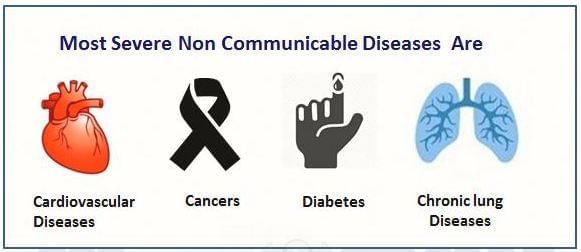
- Non-communicable diseases like diabetes, heart disease, and cancer are linked to habits such as poor diet, lack of exercise, smoking, and little sleep.
- Eating processed, sugary foods and sitting for long hours increases risk over time. We can lower risk by following a balanced diet, moving for at least 60 minutes a day, and sleeping 8–9 hours.
- Avoiding tobacco and alcohol and managing stress with yoga or meditation also help. Regular check-ups and early diagnosis make these conditions easier to manage.
Q3. Discuss how clean surroundings and community action prevent disease, using the Odisha example.
Answer:
- Clean surroundings reduce germs, insects, and pollution that cause many illnesses. In Bhadrak district, Odisha, a sanitation campaign encouraged families to build and use toilets, which reduced open defecation.
- As hygiene improved, cases of diarrhoea and infections fell, showing how community steps protect everyone. Proper waste disposal, safe water, and clean public spaces also cut disease spread. When communities act together, public health improves faster and stays better.
Q4. Compare communicable and non-communicable diseases in terms of causes, spread, and prevention.
Answer:
- Communicable diseases are caused by pathogens like bacteria and viruses and can spread through air, water, contact, or insects. Non-communicable diseases are not caused by germs, do not spread between people, and are linked to lifestyle, environment, or body functions.
- Communicable diseases are prevented by hygiene, safe food and water, masks in crowds, and mosquito control. Non-communicable diseases are prevented by healthy eating, exercise, enough sleep, and avoiding harmful substances. Both types benefit from awareness, early diagnosis, and proper treatment.
Q5. Explain how the immune system and vaccines protect us, with examples of acquired immunity.
Answer:
- The immune system is the body’s defense team that recognises and fights harmful germs. Vaccines train this system by safely showing it how to identify specific pathogens before we meet the real ones.
- After vaccination, the body remembers the germ and responds quickly, which is called acquired immunity. Examples include tetanus shots that protect against a bacterial toxin and childhood vaccines like polio and measles. When many people are vaccinated, diseases spread less, protecting the whole community.
Q6. Describe antibiotics, their correct use, and why antibiotic resistance is dangerous.
Answer:
- Antibiotics are medicines that kill bacteria and are used for illnesses like typhoid or tuberculosis. They do not work against viruses such as colds, flu, or COVID-19, so using them wrongly causes harm.
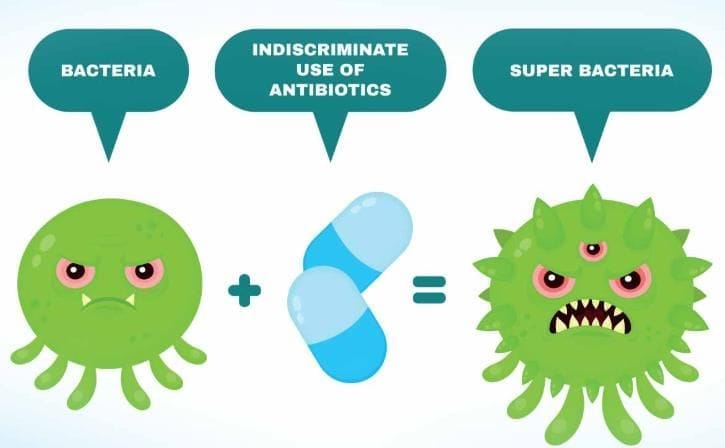
- If antibiotics are overused or not taken as prescribed, bacteria can change and become resistant. Resistant infections are harder to treat, can last longer, and may spread to others. To prevent this, take antibiotics only with a doctor’s advice and always finish the full course.
Q7. Explain the role of habits like diet, exercise, sleep, and screen time in maintaining overall health.
Answer:
- Healthy habits build strong bodies and minds and keep relationships positive. A balanced diet with fruits, vegetables, and whole grains gives energy and protects against disease.
- Daily exercise strengthens the heart, lungs, and muscles, while 8–9 hours of sleep helps the brain and body recover. Limiting screen time reduces eye strain, stress, and poor sleep, improving mood and focus. Together, these habits prevent illness and help us feel our best every day.
Q8. Describe how traditional systems like Ayurveda support wellness and how they can work with modern medicine.
Answer:
- Ayurveda promotes balance of body, mind, and environment through routines, seasonal habits, and food suited to your body type. Practices like yoga, pranayama, cleanliness, and restful sleep support daily wellness.
- These methods can help prevent illness, reduce stress, and improve digestion and immunity. For serious or advanced diseases, modern medicine provides tests, quick treatment, and life-saving care. Using safe traditional practices with modern medical advice gives a balanced approach to health.