Q1. Multiple Choice Questions (MCQs)
Instruction: Select the correct option for each question.
- According to WHO, health means:
a) Only absence of disease
b) Physical fitness only
c) Complete physical, mental, and social well-being
d) Ability to work hard - Which is a sign, not a symptom?
a) Pain
b) Tiredness
c) Dizziness
d) Fever - Which disease is non-communicable?
a) Typhoid
b) Dengue
c) Diabetes
d) Chickenpox 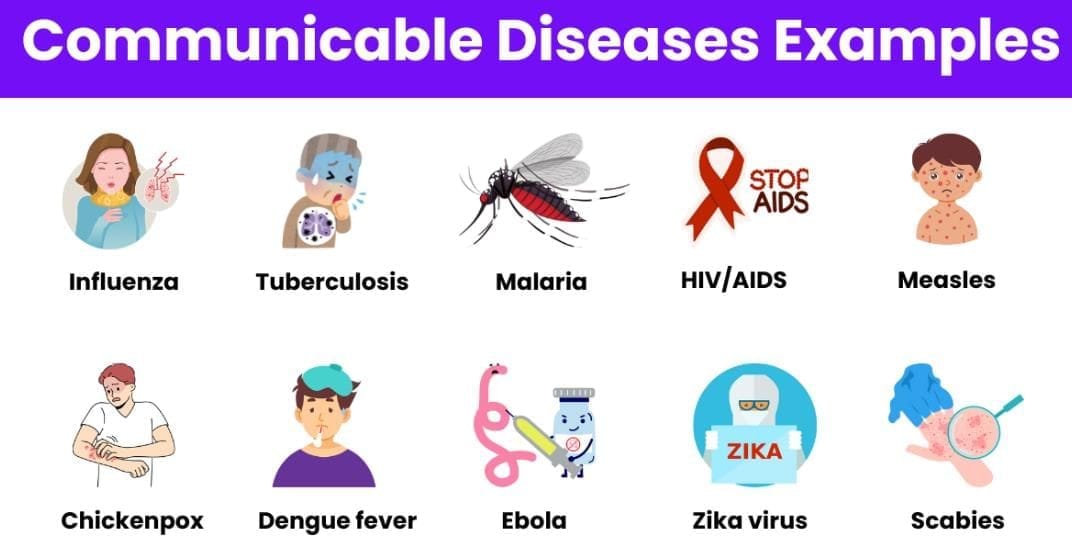 Which habit helps prevent communicable diseases?
a) Skipping breakfast
b) Sharing towels
c) Washing hands with soap
d) Sleeping very late- Which statement about antibiotics is correct?
a) They kill viruses like flu
b) They treat protozoan diseases
c) They kill bacteria
d) They are safe to take without prescription - Who discovered the first antibiotic, penicillin?
a) Edward Jenner
b) Alexander Fleming
c) Robert Koch
d) Louis Pasteur - Vaccines protect by:
a) Killing pathogens directly in the body
b) Teaching the immune system to recognize germs
c) Giving energy to white blood cells
d) Replacing antibiotics - Which factor commonly increases risk of NCDs?
a) Playing outdoors
b) Balanced diet
c) Longer lifespans and less physical activity
d) Handwashing - Which practice from Ayurveda supports holistic health?
a) Variolation
b) Dinacharya and ritucharya
c) Overuse of antibiotics
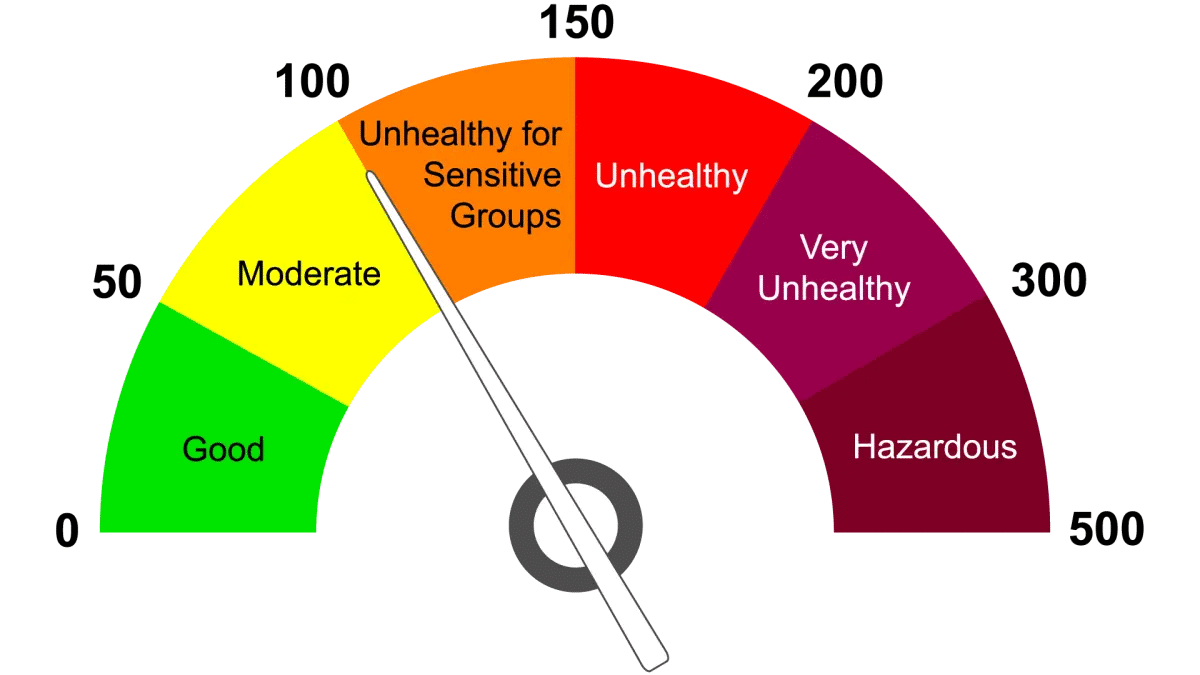
d) Skipping meals - AQI is used to measure:
a) Water purity
b) Body temperature
c) Air quality
d) Sleep quality
Q2. Fill in the Blanks
Instruction: Fill in the blanks with the correct word based on the chapter.
- Health includes physical, mental, and ______ well-being.
- Headache is a ______ experienced by the patient.
- A measurable change like a rash or swelling is called a ______.
- Diseases that spread from person to person are called ______ diseases.
- Diseases like cancer and asthma that do not spread are ______ diseases.
- The body’s ability to fight diseases is called ______.
- Using weakened or inactive germs to train the body’s defense is called a ______.
- Taking antibiotics without need can lead to antibiotic ______.
- Building and using toilets helps prevent diseases spread through contaminated ______.
- Practising ______, like deep breathing, supports mental health in Ayurveda.
Q3. Very Short Answer Questions
Instruction: Answer the following questions in one line.
- What does WHO say about health?
- Name one vector that spreads communicable diseases.
- What is the term for the body’s natural defense system?
- Which discovery led to modern antibiotics?
- What does AQI stand for?
Q4. Short Answer Questions
Instruction: Answer the following questions in 2–3 lines.
- How did screen time and loneliness affect student’s health?
- How do communicable diseases spread through air?
- Why should we finish a full course of antibiotics?
- How does community sanitation improve health?
- Why are relationships important for health?
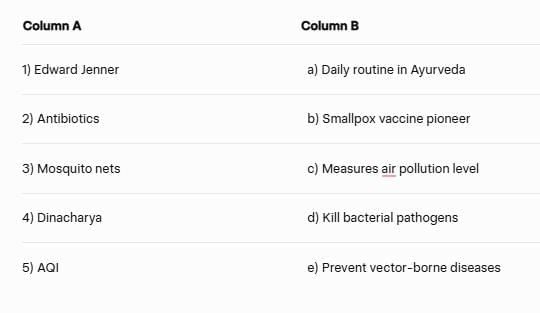
Q5. Match the Following
Instruction: Match Column A with the correct option in Column B.
Check the worksheet solutions here.