Introduction

Have you ever noticed how everyone around you has a special way of moving, talking, or smiling? From the way your friend laughs to the way a vegetable vendor waves, every person tells a story without words! In this chapter, we’ll dive into the magic of shadows, emojis, and storyboards to capture these stories. Get ready to observe people, create shadow creatures, and draw emotions to bring everyday moments to life through your art!
Observing People and Their StoriesEvery person has a unique style of walking, talking, laughing, and expressing emotions. These differences, like their gestures, facial expressions, or even their shadows, tell stories about who they are and how they feel.
Try yourself:
What do people’s unique styles tell us?
- A.Their feelings and stories
- B.Their favorite colors
- C.Their age
- D.Their hobbies
View SolutionShadows and Their MagicShadows are created when light is blocked by an object or person, forming a dark shape on a surface behind. Shadows can look different from the object or person casting them, depending on the light’s angle or position, like sunlight during the day or a streetlight at night.
Tip: Watch how shadows change shape under different lights to inspire your drawings.
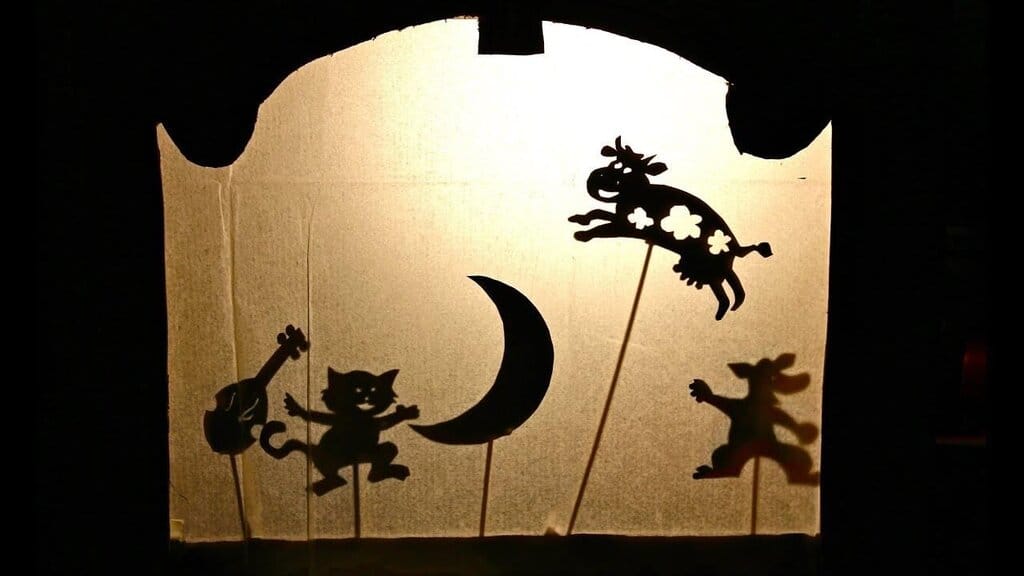
Shadow PuppetryShadow PuppetryShadow puppetry is an ancient art form practiced in states like Andhra Pradesh, Telangana, Odisha, Tamil Nadu, Kerala, Karnataka, and Maharashtra. Traditionally, puppets are made of leather, but modern ones use other materials. Light passes through these puppets, casting colorful shadows that move and tell stories.
Emoticons and Emojis
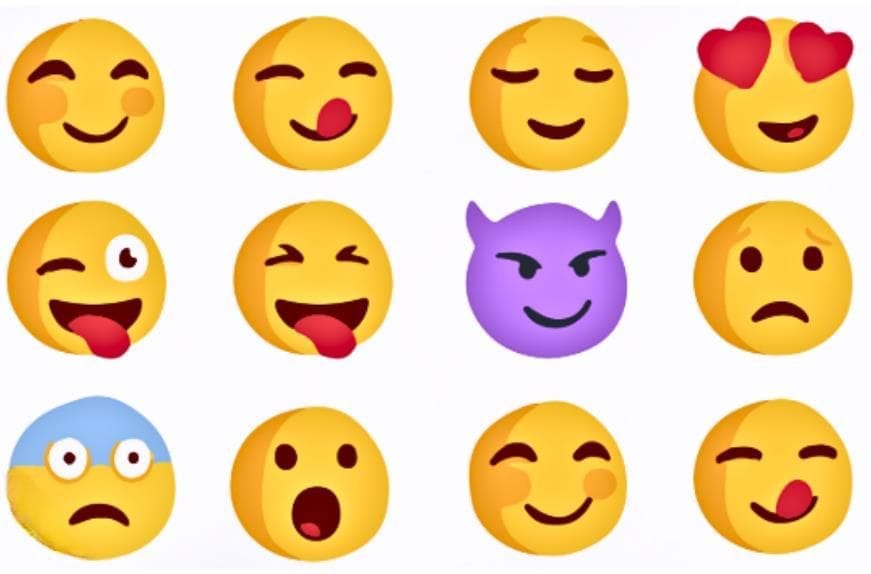
Imotions with Emojis
Emoticons are simple pictures made with punctuation symbols, like 🙂 for a smile or 🙁 for a sad face, showing emotions quickly. Emojis are more detailed versions used in online communication, capturing specific expressions or actions.
Try yourself:
What are small images used in text messages called?
- A.Stickers
- B.Emojis
- C.Memes
- D.GIFs
View SolutionStoryboardsA storyboard is like a comic, used to plan scenes for plays, animations, advertisements, or movies. It shows a sequence of moments, focusing on a person’s activities, body postures, facial expressions, and emotions, with each scene divided into foreground, middle ground, and background to add depth.
Tip: Plan your storyboard with a quick sketch to organize scenes clearly.
Expressing Emotions in Art
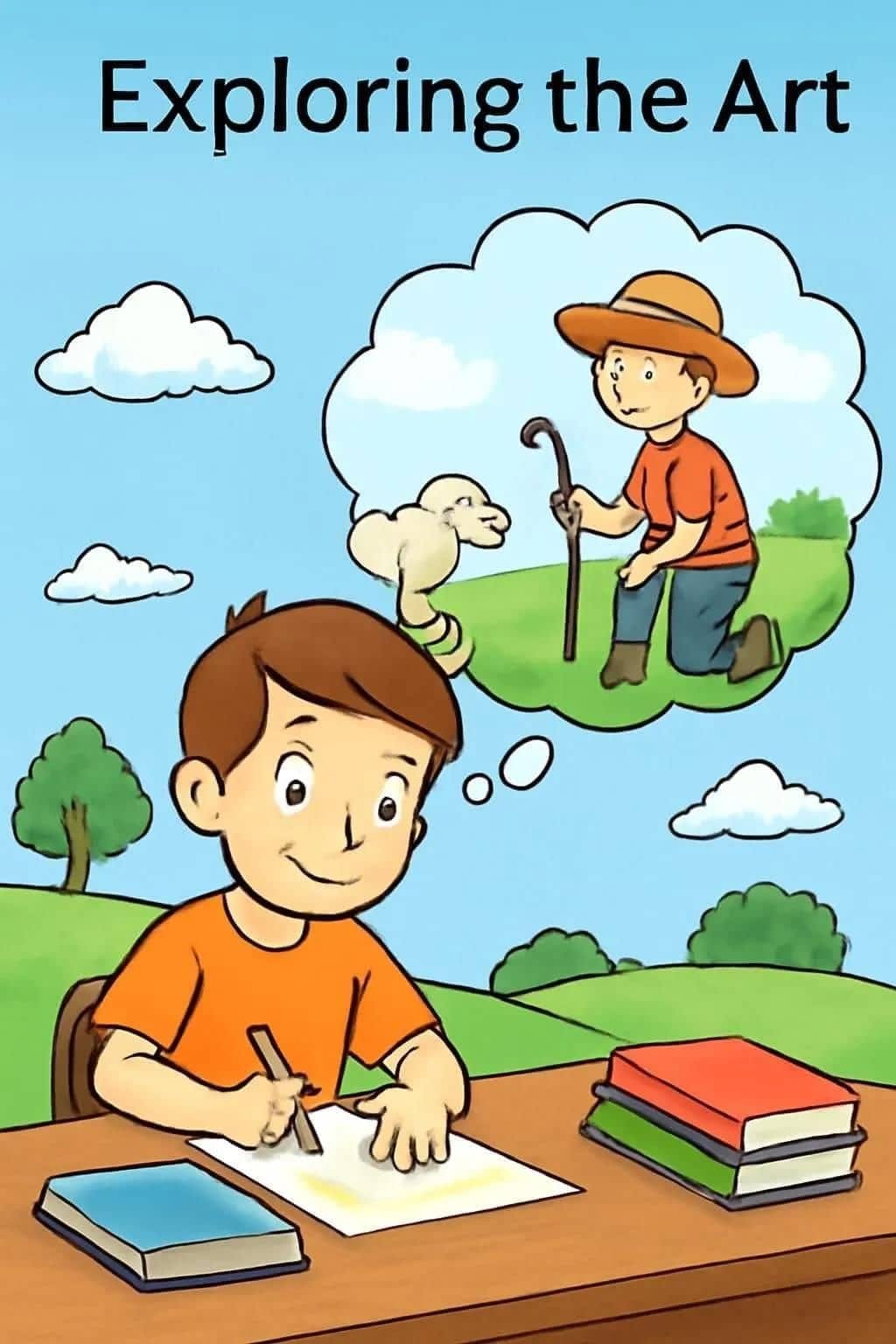
Art can capture emotions through facial expressions and body postures. For example, a slouched posture might show sadness, while a raised arm could show excitement. Daily activities, like waking up for school or playing with friends, bring out different emotions that can be shown in your artwork.
ConclusionThis chapter teaches us how to tell stories through art by observing people’s unique styles and emotions. Shadows, emojis, and storyboards help us capture the beauty of everyday moments. By paying attention to gestures, expressions, and the world around us, we can create artwork that brings stories to life!
Try yourself:
What is the main purpose of a conclusion?
- A.To summarize key points
- B.To ask questions
- C.To introduce new ideas
- D.To provide examples
View SolutionImportant Vocabulary
- Shadows: Dark shapes formed when light is blocked by an object or person.
- Shadow Puppetry: An ancient art where puppets cast colorful shadows to tell stories.
- Emoticons: Simple pictures made with punctuation to show emotions, like 🙂 or 🙁
- Emojis: Detailed icons used online to express specific emotions or actions.
- Storyboard: A sequence of drawings, like a comic, to plan scenes for stories or performances.
- Foreground: The closest part of a picture, with bold details.
- Middle Ground: The area behind the main subject, adding depth.
- Background: The farthest part of a picture, with lighter colors and fewer details.