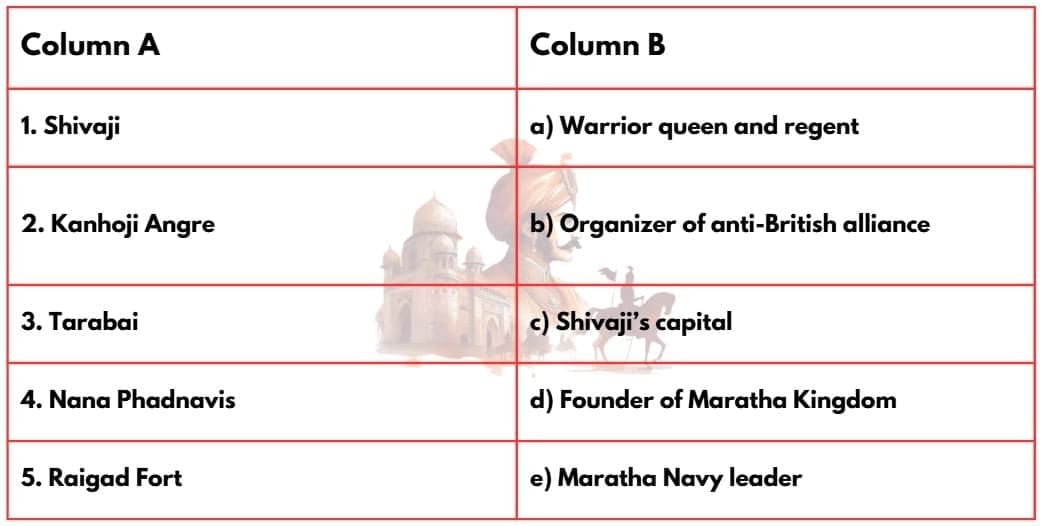
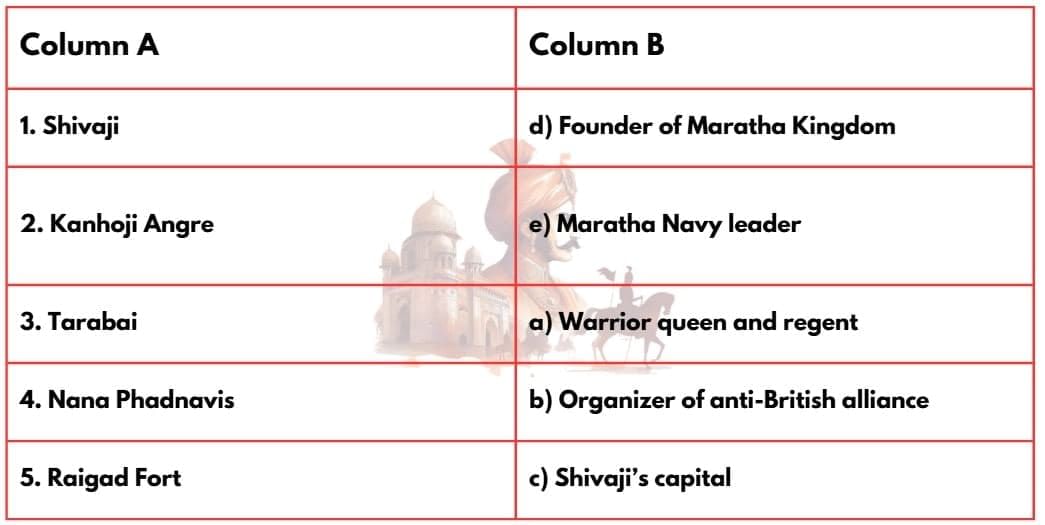
Q1. The Marathas primarily hail from which region? (a) Punjab (b) Maharashtra (c) Gujarat (d) Rajasthan
Ans: (b) Maharashtra The Marathas are originally from Maharashtra and speak Marathi.
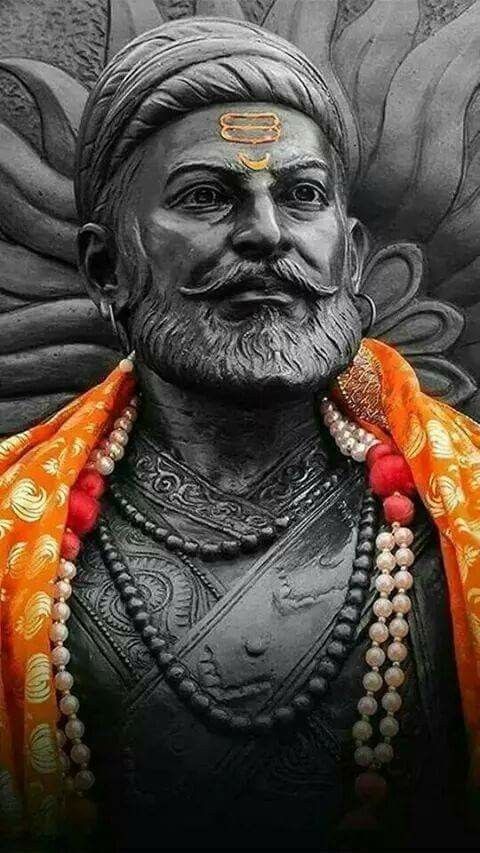
Q2. The Maratha leader who founded the kingdom and envisioned Swarajya was— (a) Sambhaji (b) Tarabai (c) Shivaji (d) Bajirao I
Ans: (c) Shivaji Shivaji established the Maratha kingdom and championed the concept of Swarajya (self-rule). Shivaji
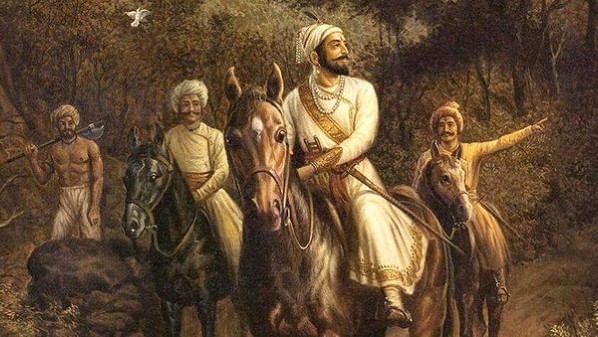
Q3. Which military tactic was Shivaji famous for? (a) Large-scale infantry battles (b) Naval warfare only (c) Guerrilla warfare (d) Siege warfare only
Ans: (c) Guerrilla warfare He used surprise attacks and swift raids to defeat larger and better-equipped armies. Guerrilla warfare
Q4. The council of ministers established by Shivaji was known as— (a) Peshwa (b) Ashta Pradhana Mandala (c) Diwan (d) Mansabdari
Ans: (b) Ashta Pradhana Mandala This was a council of eight ministers helping Shivaji in governance.
Q5. The Maratha tax called ‘chauth’ was approximately— (a) 10% (b) 15% (c) 25% (d) 50%
Ans: (c) 25% Chauth was a tax amounting to one-fourth of the revenue collected from territorial chieftains.
Q6. Who led the Maratha Navy in the 18th century, earning a reputation as a formidable admiral? (a) Kanhoji Angre (b) Sambhaji (c) Mahadji Shinde (d) Nana Phadnavis
Ans: (a) Kanhoji Angre He was the celebrated admiral known for his naval supremacy along the western coast.
Kanhoji Angre
Q7. Which queen led Maratha resistance after Rajaram’s death? (a) Ahilyabai Holkar (b) Tarabai (c) Jijabai (d) Rani Durgavati
Ans: (b) Tarabai Tarabai led the Maratha resistance against the Mughals during a challenging period.
Q8. The capital fort of Shivaji’s kingdom was— (a) Daulatabad (b) Raigad (c) Purandar (d) Pratapgad
Ans: (b) Raigad Raigad Fort served as the capital and coronation site of Shivaji.
Q9. Which Maratha ruler is credited for organizing the first pan-Indian anti-British alliance? (a) Nana Phadnavis (b) Bajirao I (c) Mahadji Shinde (d) Peshwa Balaji Bajirao
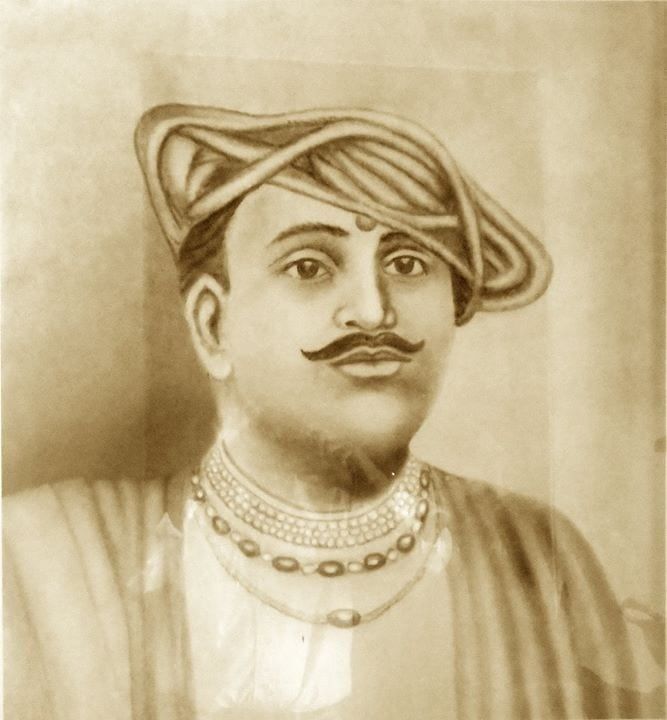
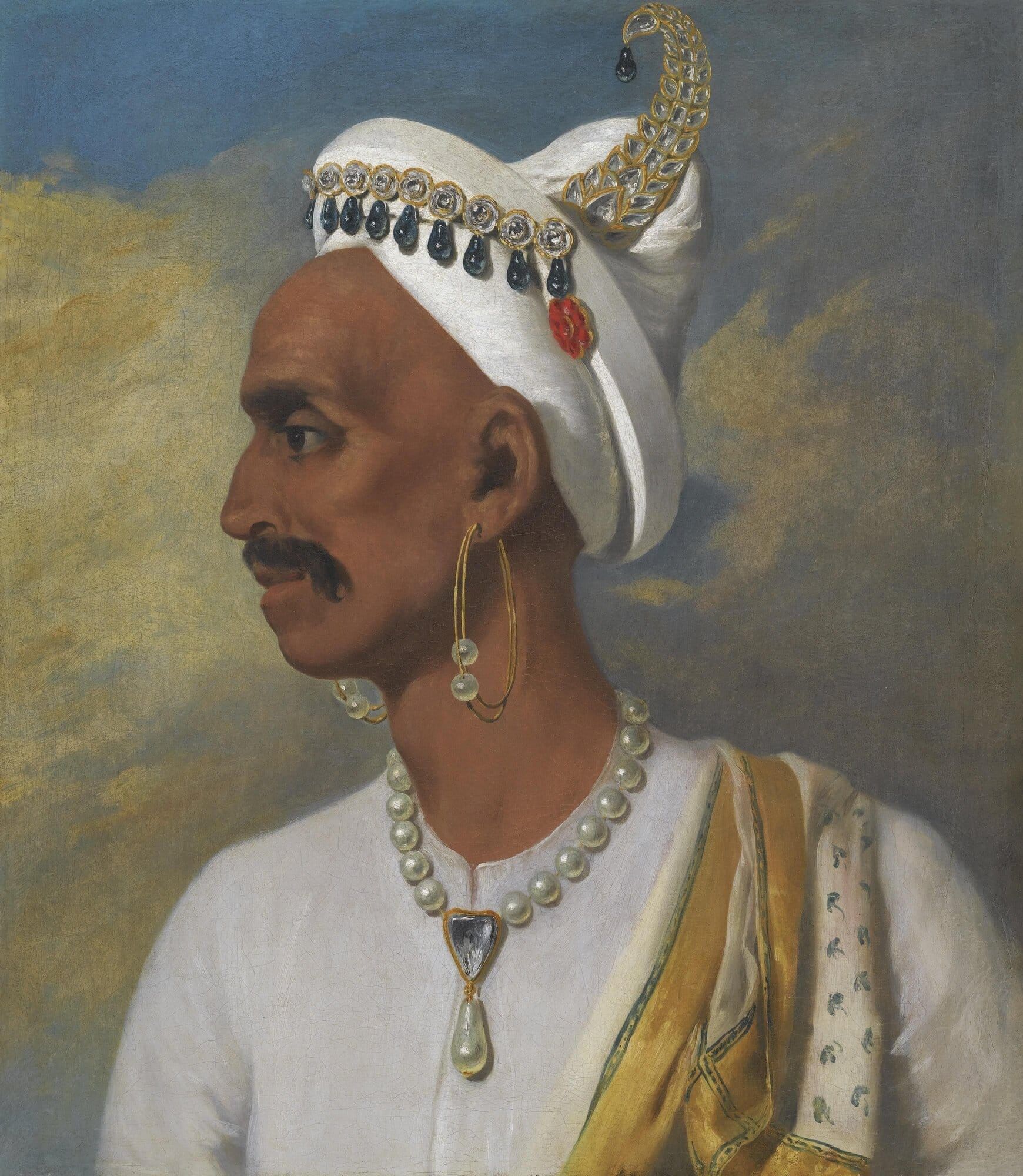
Ans: (a) Nana Phadnavis He united various Indian rulers against the British threat. Nana Phadnavis
Q10. The script primarily used by Marathas for correspondence was— (a) Devanagari (b) Modi (c) Persian (d) Kannada
Ans: (b) Modi Modi script, a cursive form of Devanagari, was used for administration and correspondence.
He introduced salaries to reduce hereditary power and increase loyalty.
Q2. The Maratha army included only infantry and cavalry, no navy. Ans: False
Shivaji built a strong navy to defend the coastal region.
Q3. Chauth was a tax levied only on territories directly ruled by Marathas. Ans: False
Chauth was collected from territories they protected but did not directly govern.
Q4. Ahilyabai Holkar was known for charitable works and temple restoration. Ans: True
She rebuilt key temples and supported public welfare.
Q5. The Marathas had modern ships that matched European technology. Ans: False
Their ships were less advanced, but clever tactics gave them an advantage.
Q6. Trade and infrastructure development were supported under Maratha rule. Ans: True
The Marathas promoted trade and built roads, bridges, and ferry networks.
Fill in the Blanks
Q1. The Maratha movement for self-rule is called ________. Ans: Swarajya
Q2. Shivaji’s council of eight ministers was called ________. Ans: Ashta Pradhana Mandala
Q3. The tax called ‘chauth’ amounted to ________ percent of revenue. Ans: 25
Q4. The famous Maratha naval commander was ________. Ans: Kanhoji Angre
Q5. The fort at which Shivaji was crowned is called ________. Ans: Raigad
Q6. The script used for Maratha official correspondence was called ________. Ans: Modi
Q7. The leader credited with uniting Indian powers against the British was ________. Ans: Nana Phadnavis
Very Short Question Answers
Q1. Who was Shivaji and why is he important? Ans: Shivaji was the founder of the Maratha kingdom, celebrated for establishing Swarajya and pioneering guerrilla warfare.
Q2. What was guerrilla warfare used by the Marathas? Ans: A tactic using swift surprise attacks and mobility to defeat stronger enemies.
Q3. What was the ‘chauth’ tax? Ans: A 25% tax imposed on territories protected by the Marathas.
Q4. How did the Marathas challenge European naval power? Ans: Through their navy led by Kanhoji Angre, who used tactical advantages on the coastline.
Q5. Name two cultural contributions of the Marathas. Ans: Revival of Marathi and Sanskrit literature and rebuilding of Hindu temples.
Q6. Who was Tarabai and what was her role? Ans: A warrior queen who led the Maratha resistance after the death of Rajaram.
Q7. Describe the Maratha administrative system under Shivaji. Ans: A centralized system with salaried officials and regular transfers to prevent accumulation of power.
Q8. What was Nana Phadnavis known for? Ans: Organizing a pan-Indian alliance to resist British expansion.
Q9. How did Marathas support trade and infrastructure? Ans: By maintaining roads, bridges, ferry networks, and facilitating maritime trade.
Q10. How did forts help the Marathas? Ans: Forts controlled strategic routes, acted as defense points, and ensured state resilience during conflicts.