Introduction. What if you could create a creature that’s part lion, part lotus, and part human, living in a world of your own imagination? In this chapter, we’ll unleash our creativity to invent amazing imaginary beings, like the Navagunjara with its nine animal parts! Get ready to mix and match features from people, animals, plants, and objects, and build a fantastic world for your creation to shine, complete with its own stories and shadows!
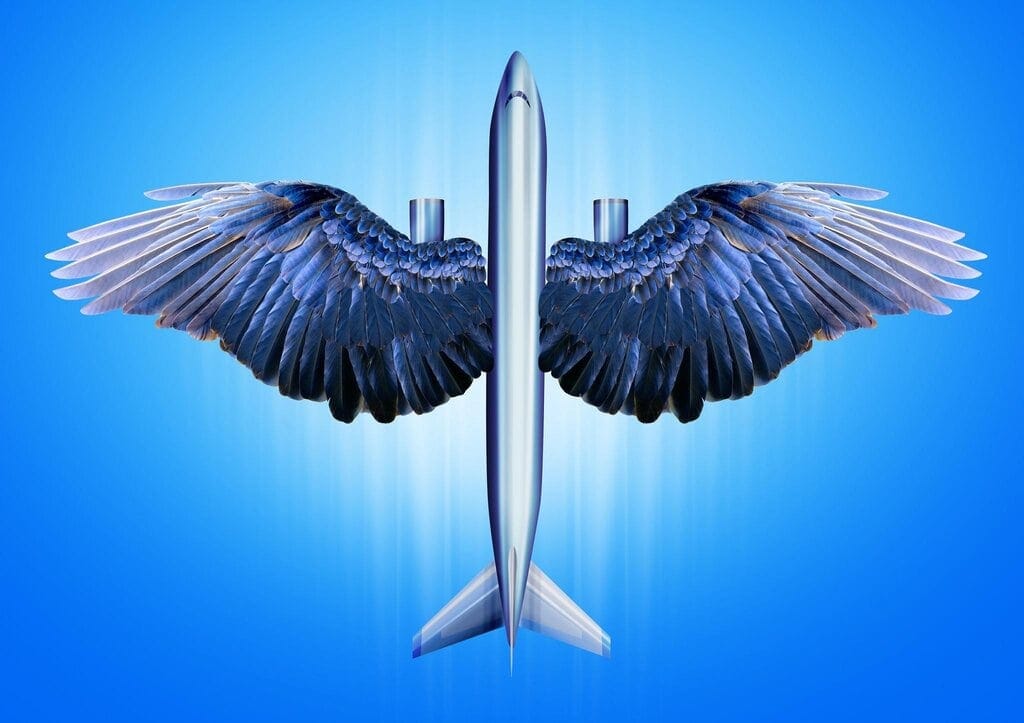
Power of imagination
Power of ImaginationOur imagination allows us to dream up things that don’t exist, like aeroplanes inspired by birds’ flight, scuba gear mimicking fish swimming, or weaving machines modeled after spiders’ webs. In art, this power lets us combine parts of different beings to create unique creatures, turning our wildest ideas into vibrant drawings and stories that spark wonder.
Navagunjara: A Mythical Being
Try yourself:
What does our imagination help us to create?
- A.Real objects
- B.Dreams and stories
- C.Factual reports
- D.Technical designs
View SolutionNavagunjara: A Mythical Being
In Indian art, the Navagunjara is a fascinating mythical creature with parts from nine animals, including a rooster’s crown, a peacock’s neck, a bull’s hump, a tiger’s leg, and a snake’s tail. It stands on three legs, with a human hand holding a lotus flower, symbolizing harmony and creativity. This creature, rooted in Indian mythology, inspires artists to weave stories filled with deep symbolic meanings, often representing unity and diversity.
Tip: Study Navagunjara’s parts to spark ideas for your own mythical creature.
Creating Imaginary Beings
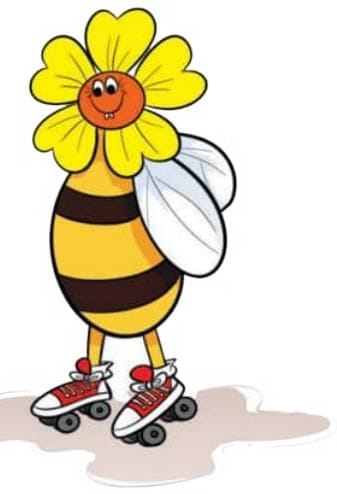
You can create your own ideal being by combining the best qualities of a person (like kindness), an animal (like a lion’s strength), a plant (like a lotus’s beauty), or an object (like a kite’s freedom). For example, you might design a creature with a human head, a Honeybee wearing Skates, and roots for feet, then add colorful clothes, sparkling ornaments, or quirky accessories like a starry crown to make it truly unique.
Building a World for Your Being
World of ImaginationEvery imaginary being needs a unique world to thrive, with geographical features like glowing rivers, floating islands, or crystal trees, and tools or spaces tailored to its needs, like a nest for flying or a burrow for resting. Consider its favorite food (maybe star-shaped fruits?), how it moves (slithering or hopping?), where it sleeps (in a cloud or underground?), or what shadows it casts to bring its habitat to life with vivid details.
Try yourself:
What is the main focus of the text?
- A.Learning about nature
- B.Understanding oneself
- C.Creating a new world
- D.Exploring technology
View SolutionStorytelling Through ArtImaginary beings are at the heart of stories that reveal their mysteries and symbolic meanings, often teaching lessons about courage, unity, or creativity. By creating and sharing stories about your creature—its adventures, personality, or role in its world—you can make your artwork more meaningful. For example, your creature might protect its magical forest or dance under a rainbow sky, inspiring others with its tale.
Tip: Write a short name for your being that reflects its special qualities.
ConclusionThis chapter shows how our imagination can craft extraordinary beings and worlds, inspired by mythical creatures like Navagunjara. By blending parts of animals, plants, humans, and objects, and designing unique habitats, we can tell captivating stories through art. Let your creativity run wild and bring your imaginary beings to life with colors, details, and stories that shine!
Important Vocabulary
- Imagination: The ability to visualize and create things that don’t exist.
- Navagunjara: A mythical creature in Indian art with parts of nine animals, like a rooster’s crown and a snake’s tail.
- Mythical Being: An imaginary creature made by combining features of different beings.
- Habitat: The environment or world where a creature lives, with features like rivers or trees.
- Symbolism: Using objects or beings to represent deeper meanings in stories or art.