About the Poet
Subramania Bharati, popularly known as Mahakavi Bharati or Bharathiyar, was born Chinnaswami Subramaniyan on 11 December 1882 in Ettayapuram, Tamil Nadu. He lost his mother at the age of five and his father at sixteen. A child prodigy proficient in Tamil, Sanskrit, English, and other languages, he was honoured with the title “Bharati” at the age of eleven. He married Chellamma and faced many personal challenges. Bharati pioneered modern Tamil poetry, worked as a journalist with Swadesamitran, and became a fiery freedom fighter and social reformer. Exiled in Pondicherry (1910–1919) for supporting armed resistance against British rule, he wrote inspiring patriotic poems and songs that ignited the independence movement. Despite poverty and hardship, he continued his literary work until his untimely death on 11 September 1921 in Madras after an accident with a temple elephant. His legacy as the father of modern Tamil literature and a national icon continues to inspire generations.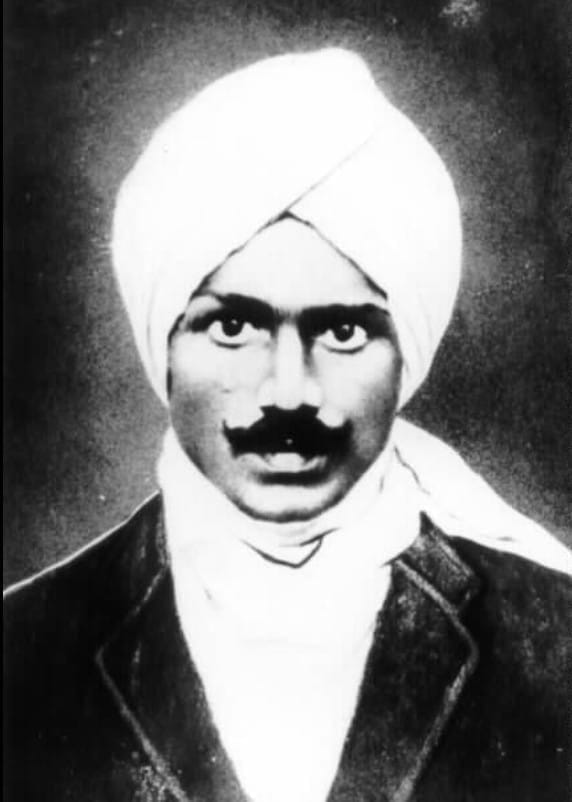
Key Points of the Poem
- In “Bharat Our Land,” the poet expresses deep pride in India’s natural wonders, spiritual treasures, and ancient glory through powerful symbols and rhetorical questions.
- He claims the mighty Himavant (Himalayas), generous Ganga, sacred Upanishads, and the “sunny golden land” as uniquely ours, declaring India has no equal on earth.
- The poem honours gallant warriors, wise sages, divine music, and all auspicious things that have enriched the land.
- It highlights India’s spiritual roots in Brahma-knowledge and the teachings of Buddha, emphasising the nation’s “hoary antiquity.”
- The repeated refrain “she’s peerless, let’s praise her!” creates a chant-like rhythm and calls for collective admiration and national pride.
Detailed Summary
The mighty Himavant is ours- there’s no equal anywhere on earth.
The generous Ganga is ours- which other river can match her grace?
The sacred Upanishads are ours- what scriptures else to name with them?
This sunny golden land is ours- she’s peerless, let’s praise her!
The poet proudly celebrates India’s natural beauty and spiritual heritage. He describes the Himalayas as mighty and unmatched, symbolizing strength and protection. The Ganga is called generous and graceful because it sustains life and holds deep religious importance. The Upanishads represent profound spiritual wisdom that has no equal in the world. By calling India a “sunny golden land,” the poet highlights its richness, prosperity, and cultural brilliance. Through rhetorical questions, he emphasizes that no other country can compare with India’s greatness and urges everyone to admire and praise it.
Gallant warriors have lived here, many a sage has sanctified this land.
The divinest music has been heard here, and here all auspicious things are found.
In this stanza, the poet praises India’s rich human and cultural heritage. He highlights the bravery of warriors who protected the nation with courage and sacrifice. At the same time, sages and saints made the land sacred through their wisdom and spiritual teachings. The reference to divine music shows India’s deep tradition of classical and devotional music, which uplifts the soul. The poet concludes that all auspicious and noble qualities—such as truth, knowledge, art, and spirituality—exist in India, making it a land of both moral greatness and cultural richness.
Here Brahma-knowledge has taken root, and the Buddha preached his dhamma here.
Of hoary antiquity is Bharat, she’s peerless, let’s praise her! …
The poet emphasizes India’s deep spiritual and philosophical roots. He says that Brahma-knowledge, or the understanding of ultimate truth, originated and flourished in this land. He also refers to Gautama Buddha, who spread his teachings of peace, compassion, and enlightenment in India. These references show India as the birthplace of great ideas that influenced the world. The phrase “hoary antiquity” highlights India’s ancient and glorious past. Despite its long history, the poet believes India remains unmatched and encourages people to take pride in and praise its timeless greatness.
MULTIPLE CHOICE QUESTION
Try yourself: What does the poet describe as ‘generous and graceful’?View Solution
Theme/Message
Theme
- The poem centres on deep patriotism and pride in India’s greatness and uniqueness.
- It highlights India’s unmatched natural beauty through symbols like the mighty Himalayas and the sacred river Ganga.
- It celebrates India’s rich spiritual and philosophical heritage, represented by the Upanishads, sages, and the teachings of Buddha.
- The poem reflects India’s ancient roots and long history, showing it as a land of “hoary antiquity.”
- It recognises the bravery and courage of warriors who have contributed to the nation’s strength and glory.
- The poet presents India as a land where knowledge, wisdom, music, and all auspicious things exist together harmoniously.
- It shows that India’s greatness lies not in one aspect but in a combination of nature, culture, history, and spirituality.
- The repeated idea that India is “peerless” reinforces the belief that no other country can match its richness and diversity.
- Overall, the theme emphasises admiration for India’s heritage and encourages a strong emotional connection with the nation.
Message
- The poem conveys that we should recognise and take pride in India’s rich heritage and achievements.
- It encourages people to admire and respect the country’s natural beauty, cultural richness, and spiritual depth.
- The repeated call to “praise her” inspires citizens to express love and gratitude towards the motherland.
- It suggests that understanding India’s greatness helps develop a sense of national identity and belonging.
- The poem motivates readers to value the contributions of sages, warriors, and thinkers who shaped the nation.
- It highlights the importance of preserving and honouring India’s traditions, knowledge, and cultural legacy.
- The idea of India being “peerless” encourages confidence and pride among its people.
- It promotes unity by reminding everyone that they share a common heritage and should celebrate it together.
- The poem also inspires future generations to uphold and protect the country’s glory.
- Overall, the message is that love, pride, and respect for the nation strengthen unity and help preserve its greatness.
Literary Devices
- Refrain – The line “she’s peerless, let’s praise her!” is repeated to create a powerful, chant-like effect and reinforce pride.
- Personification – The Ganga is called ‘generous,’ attributing a human quality to a river. The Himavant is called ‘mighty,’ giving it a human-like characteristic.
- Symbolism – Himavant (strength & permanence), Ganga (purity & generosity), Upanishads (spiritual legacy), warriors & sages (courage & wisdom), sunny golden land (richness & glory).
- Hyperbole – Extreme statements like “there’s no equal anywhere on earth” and “what scriptures else to name with them?” emphasise India’s superiority.
- Allusion – References to the Upanishads, Brahma-knowledge, and Buddha’s dhamma without direct explanation.
- Imagery – Vivid pictures of mountains, rivers, sages, and ancient wisdom appeal to the senses.
- Ode – The entire poem is a lyrical ode expressing deep admiration and reverence for India.
- Hyphens & Rhetorical Questions – Create deliberate pauses and emphasis, giving a measured, chant-like rhythm.
- Rhyme Scheme – Irregular with a musical flow created by repetition and refrain.
Difficult Words
Detailed Summary : Bharat Our Land
| Table of contents | |
| About the Poet | |
| Key Points of the Poem | |
| Detailed Summary | |
| Theme/Message |
About the Poet
Subramania Bharati, popularly known as Mahakavi Bharati or Bharathiyar, was born Chinnaswami Subramaniyan on 11 December 1882 in Ettayapuram, Tamil Nadu. He lost his mother at the age of five and his father at sixteen. A child prodigy proficient in Tamil, Sanskrit, English, and other languages, he was honoured with the title “Bharati” at the age of eleven. He married Chellamma and faced many personal challenges. Bharati pioneered modern Tamil poetry, worked as a journalist with Swadesamitran, and became a fiery freedom fighter and social reformer. Exiled in Pondicherry (1910–1919) for supporting armed resistance against British rule, he wrote inspiring patriotic poems and songs that ignited the independence movement. Despite poverty and hardship, he continued his literary work until his untimely death on 11 September 1921 in Madras after an accident with a temple elephant. His legacy as the father of modern Tamil literature and a national icon continues to inspire generations.
Key Points of the Poem
- In “Bharat Our Land,” the poet expresses deep pride in India’s natural wonders, spiritual treasures, and ancient glory through powerful symbols and rhetorical questions.
- He claims the mighty Himavant (Himalayas), generous Ganga, sacred Upanishads, and the “sunny golden land” as uniquely ours, declaring India has no equal on earth.
- The poem honours gallant warriors, wise sages, divine music, and all auspicious things that have enriched the land.
- It highlights India’s spiritual roots in Brahma-knowledge and the teachings of Buddha, emphasising the nation’s “hoary antiquity.”
- The repeated refrain “she’s peerless, let’s praise her!” creates a chant-like rhythm and calls for collective admiration and national pride.
Detailed Summary
The mighty Himavant is ours- there’s no equal anywhere on earth.
The generous Ganga is ours- which other river can match her grace?
The sacred Upanishads are ours- what scriptures else to name with them?
This sunny golden land is ours- she’s peerless, let’s praise her!
The poet proudly celebrates India’s natural beauty and spiritual heritage. He describes the Himalayas as mighty and unmatched, symbolizing strength and protection. The Ganga is called generous and graceful because it sustains life and holds deep religious importance. The Upanishads represent profound spiritual wisdom that has no equal in the world. By calling India a “sunny golden land,” the poet highlights its richness, prosperity, and cultural brilliance. Through rhetorical questions, he emphasizes that no other country can compare with India’s greatness and urges everyone to admire and praise it.
Gallant warriors have lived here, many a sage has sanctified this land.
The divinest music has been heard here, and here all auspicious things are found.
In this stanza, the poet praises India’s rich human and cultural heritage. He highlights the bravery of warriors who protected the nation with courage and sacrifice. At the same time, sages and saints made the land sacred through their wisdom and spiritual teachings. The reference to divine music shows India’s deep tradition of classical and devotional music, which uplifts the soul. The poet concludes that all auspicious and noble qualities—such as truth, knowledge, art, and spirituality—exist in India, making it a land of both moral greatness and cultural richness.
Here Brahma-knowledge has taken root, and the Buddha preached his dhamma here.
Of hoary antiquity is Bharat, she’s peerless, let’s praise her! …
The poet emphasizes India’s deep spiritual and philosophical roots. He says that Brahma-knowledge, or the understanding of ultimate truth, originated and flourished in this land. He also refers to Gautama Buddha, who spread his teachings of peace, compassion, and enlightenment in India. These references show India as the birthplace of great ideas that influenced the world. The phrase “hoary antiquity” highlights India’s ancient and glorious past. Despite its long history, the poet believes India remains unmatched and encourages people to take pride in and praise its timeless greatness.
MULTIPLE CHOICE QUESTION
Try yourself: What does the poet describe as ‘generous and graceful’?View Solution
Theme/Message
Theme
- The poem centres on deep patriotism and pride in India’s greatness and uniqueness.
- It highlights India’s unmatched natural beauty through symbols like the mighty Himalayas and the sacred river Ganga.
- It celebrates India’s rich spiritual and philosophical heritage, represented by the Upanishads, sages, and the teachings of Buddha.
- The poem reflects India’s ancient roots and long history, showing it as a land of “hoary antiquity.”
- It recognises the bravery and courage of warriors who have contributed to the nation’s strength and glory.
- The poet presents India as a land where knowledge, wisdom, music, and all auspicious things exist together harmoniously.
- It shows that India’s greatness lies not in one aspect but in a combination of nature, culture, history, and spirituality.
- The repeated idea that India is “peerless” reinforces the belief that no other country can match its richness and diversity.
- Overall, the theme emphasises admiration for India’s heritage and encourages a strong emotional connection with the nation.
Message
- The poem conveys that we should recognise and take pride in India’s rich heritage and achievements.
- It encourages people to admire and respect the country’s natural beauty, cultural richness, and spiritual depth.
- The repeated call to “praise her” inspires citizens to express love and gratitude towards the motherland.
- It suggests that understanding India’s greatness helps develop a sense of national identity and belonging.
- The poem motivates readers to value the contributions of sages, warriors, and thinkers who shaped the nation.
- It highlights the importance of preserving and honouring India’s traditions, knowledge, and cultural legacy.
- The idea of India being “peerless” encourages confidence and pride among its people.
- It promotes unity by reminding everyone that they share a common heritage and should celebrate it together.
- The poem also inspires future generations to uphold and protect the country’s glory.
- Overall, the message is that love, pride, and respect for the nation strengthen unity and help preserve its greatness.
Literary Devices
- Refrain – The line “she’s peerless, let’s praise her!” is repeated to create a powerful, chant-like effect and reinforce pride.
- Personification – The Ganga is called ‘generous,’ attributing a human quality to a river. The Himavant is called ‘mighty,’ giving it a human-like characteristic.
- Symbolism – Himavant (strength & permanence), Ganga (purity & generosity), Upanishads (spiritual legacy), warriors & sages (courage & wisdom), sunny golden land (richness & glory).
- Hyperbole – Extreme statements like “there’s no equal anywhere on earth” and “what scriptures else to name with them?” emphasise India’s superiority.
- Allusion – References to the Upanishads, Brahma-knowledge, and Buddha’s dhamma without direct explanation.
- Imagery – Vivid pictures of mountains, rivers, sages, and ancient wisdom appeal to the senses.
- Ode – The entire poem is a lyrical ode expressing deep admiration and reverence for India.
- Hyphens & Rhetorical Questions – Create deliberate pauses and emphasis, giving a measured, chant-like rhythm.
- Rhyme Scheme – Irregular with a musical flow created by repetition and refrain.
Difficult Words
Detailed Summary : Bharat Our Land
| Table of contents | |
| About the Poet | |
| Key Points of the Poem | |
| Detailed Summary | |
| Theme/Message |
About the Poet
Subramania Bharati, popularly known as Mahakavi Bharati or Bharathiyar, was born Chinnaswami Subramaniyan on 11 December 1882 in Ettayapuram, Tamil Nadu. He lost his mother at the age of five and his father at sixteen. A child prodigy proficient in Tamil, Sanskrit, English, and other languages, he was honoured with the title “Bharati” at the age of eleven. He married Chellamma and faced many personal challenges. Bharati pioneered modern Tamil poetry, worked as a journalist with Swadesamitran, and became a fiery freedom fighter and social reformer. Exiled in Pondicherry (1910–1919) for supporting armed resistance against British rule, he wrote inspiring patriotic poems and songs that ignited the independence movement. Despite poverty and hardship, he continued his literary work until his untimely death on 11 September 1921 in Madras after an accident with a temple elephant. His legacy as the father of modern Tamil literature and a national icon continues to inspire generations.
Key Points of the Poem
- In “Bharat Our Land,” the poet expresses deep pride in India’s natural wonders, spiritual treasures, and ancient glory through powerful symbols and rhetorical questions.
- He claims the mighty Himavant (Himalayas), generous Ganga, sacred Upanishads, and the “sunny golden land” as uniquely ours, declaring India has no equal on earth.
- The poem honours gallant warriors, wise sages, divine music, and all auspicious things that have enriched the land.
- It highlights India’s spiritual roots in Brahma-knowledge and the teachings of Buddha, emphasising the nation’s “hoary antiquity.”
- The repeated refrain “she’s peerless, let’s praise her!” creates a chant-like rhythm and calls for collective admiration and national pride.
Detailed Summary
The mighty Himavant is ours- there’s no equal anywhere on earth.
The generous Ganga is ours- which other river can match her grace?
The sacred Upanishads are ours- what scriptures else to name with them?
This sunny golden land is ours- she’s peerless, let’s praise her!
The poet proudly celebrates India’s natural beauty and spiritual heritage. He describes the Himalayas as mighty and unmatched, symbolizing strength and protection. The Ganga is called generous and graceful because it sustains life and holds deep religious importance. The Upanishads represent profound spiritual wisdom that has no equal in the world. By calling India a “sunny golden land,” the poet highlights its richness, prosperity, and cultural brilliance. Through rhetorical questions, he emphasizes that no other country can compare with India’s greatness and urges everyone to admire and praise it.
Gallant warriors have lived here, many a sage has sanctified this land.
The divinest music has been heard here, and here all auspicious things are found.
In this stanza, the poet praises India’s rich human and cultural heritage. He highlights the bravery of warriors who protected the nation with courage and sacrifice. At the same time, sages and saints made the land sacred through their wisdom and spiritual teachings. The reference to divine music shows India’s deep tradition of classical and devotional music, which uplifts the soul. The poet concludes that all auspicious and noble qualities—such as truth, knowledge, art, and spirituality—exist in India, making it a land of both moral greatness and cultural richness.
Here Brahma-knowledge has taken root, and the Buddha preached his dhamma here.
Of hoary antiquity is Bharat, she’s peerless, let’s praise her! …
The poet emphasizes India’s deep spiritual and philosophical roots. He says that Brahma-knowledge, or the understanding of ultimate truth, originated and flourished in this land. He also refers to Gautama Buddha, who spread his teachings of peace, compassion, and enlightenment in India. These references show India as the birthplace of great ideas that influenced the world. The phrase “hoary antiquity” highlights India’s ancient and glorious past. Despite its long history, the poet believes India remains unmatched and encourages people to take pride in and praise its timeless greatness.
MULTIPLE CHOICE QUESTION
Try yourself: What does the poet describe as ‘generous and graceful’?View Solution
Theme/Message
Theme
- The poem centres on deep patriotism and pride in India’s greatness and uniqueness.
- It highlights India’s unmatched natural beauty through symbols like the mighty Himalayas and the sacred river Ganga.
- It celebrates India’s rich spiritual and philosophical heritage, represented by the Upanishads, sages, and the teachings of Buddha.
- The poem reflects India’s ancient roots and long history, showing it as a land of “hoary antiquity.”
- It recognises the bravery and courage of warriors who have contributed to the nation’s strength and glory.
- The poet presents India as a land where knowledge, wisdom, music, and all auspicious things exist together harmoniously.
- It shows that India’s greatness lies not in one aspect but in a combination of nature, culture, history, and spirituality.
- The repeated idea that India is “peerless” reinforces the belief that no other country can match its richness and diversity.
- Overall, the theme emphasises admiration for India’s heritage and encourages a strong emotional connection with the nation.
Message
- The poem conveys that we should recognise and take pride in India’s rich heritage and achievements.
- It encourages people to admire and respect the country’s natural beauty, cultural richness, and spiritual depth.
- The repeated call to “praise her” inspires citizens to express love and gratitude towards the motherland.
- It suggests that understanding India’s greatness helps develop a sense of national identity and belonging.
- The poem motivates readers to value the contributions of sages, warriors, and thinkers who shaped the nation.
- It highlights the importance of preserving and honouring India’s traditions, knowledge, and cultural legacy.
- The idea of India being “peerless” encourages confidence and pride among its people.
- It promotes unity by reminding everyone that they share a common heritage and should celebrate it together.
- The poem also inspires future generations to uphold and protect the country’s glory.
- Overall, the message is that love, pride, and respect for the nation strengthen unity and help preserve its greatness.
Literary Devices
- Refrain – The line “she’s peerless, let’s praise her!” is repeated to create a powerful, chant-like effect and reinforce pride.
- Personification – The Ganga is called ‘generous,’ attributing a human quality to a river. The Himavant is called ‘mighty,’ giving it a human-like characteristic.
- Symbolism – Himavant (strength & permanence), Ganga (purity & generosity), Upanishads (spiritual legacy), warriors & sages (courage & wisdom), sunny golden land (richness & glory).
- Hyperbole – Extreme statements like “there’s no equal anywhere on earth” and “what scriptures else to name with them?” emphasise India’s superiority.
- Allusion – References to the Upanishads, Brahma-knowledge, and Buddha’s dhamma without direct explanation.
- Imagery – Vivid pictures of mountains, rivers, sages, and ancient wisdom appeal to the senses.
- Ode – The entire poem is a lyrical ode expressing deep admiration and reverence for India.
- Hyphens & Rhetorical Questions – Create deliberate pauses and emphasis, giving a measured, chant-like rhythm.
- Rhyme Scheme – Irregular with a musical flow created by repetition and refrain.
Difficult Words
Detailed Summary : Bharat Our Land
| Table of contents | |
| About the Poet | |
| Key Points of the Poem | |
| Detailed Summary | |
| Theme/Message |
About the Poet
Subramania Bharati, popularly known as Mahakavi Bharati or Bharathiyar, was born Chinnaswami Subramaniyan on 11 December 1882 in Ettayapuram, Tamil Nadu. He lost his mother at the age of five and his father at sixteen. A child prodigy proficient in Tamil, Sanskrit, English, and other languages, he was honoured with the title “Bharati” at the age of eleven. He married Chellamma and faced many personal challenges. Bharati pioneered modern Tamil poetry, worked as a journalist with Swadesamitran, and became a fiery freedom fighter and social reformer. Exiled in Pondicherry (1910–1919) for supporting armed resistance against British rule, he wrote inspiring patriotic poems and songs that ignited the independence movement. Despite poverty and hardship, he continued his literary work until his untimely death on 11 September 1921 in Madras after an accident with a temple elephant. His legacy as the father of modern Tamil literature and a national icon continues to inspire generations.
Key Points of the Poem
- In “Bharat Our Land,” the poet expresses deep pride in India’s natural wonders, spiritual treasures, and ancient glory through powerful symbols and rhetorical questions.
- He claims the mighty Himavant (Himalayas), generous Ganga, sacred Upanishads, and the “sunny golden land” as uniquely ours, declaring India has no equal on earth.
- The poem honours gallant warriors, wise sages, divine music, and all auspicious things that have enriched the land.
- It highlights India’s spiritual roots in Brahma-knowledge and the teachings of Buddha, emphasising the nation’s “hoary antiquity.”
- The repeated refrain “she’s peerless, let’s praise her!” creates a chant-like rhythm and calls for collective admiration and national pride.
Detailed Summary
The mighty Himavant is ours- there’s no equal anywhere on earth.
The generous Ganga is ours- which other river can match her grace?
The sacred Upanishads are ours- what scriptures else to name with them?
This sunny golden land is ours- she’s peerless, let’s praise her!
The poet proudly celebrates India’s natural beauty and spiritual heritage. He describes the Himalayas as mighty and unmatched, symbolizing strength and protection. The Ganga is called generous and graceful because it sustains life and holds deep religious importance. The Upanishads represent profound spiritual wisdom that has no equal in the world. By calling India a “sunny golden land,” the poet highlights its richness, prosperity, and cultural brilliance. Through rhetorical questions, he emphasizes that no other country can compare with India’s greatness and urges everyone to admire and praise it.
Gallant warriors have lived here, many a sage has sanctified this land.
The divinest music has been heard here, and here all auspicious things are found.
In this stanza, the poet praises India’s rich human and cultural heritage. He highlights the bravery of warriors who protected the nation with courage and sacrifice. At the same time, sages and saints made the land sacred through their wisdom and spiritual teachings. The reference to divine music shows India’s deep tradition of classical and devotional music, which uplifts the soul. The poet concludes that all auspicious and noble qualities—such as truth, knowledge, art, and spirituality—exist in India, making it a land of both moral greatness and cultural richness.
Here Brahma-knowledge has taken root, and the Buddha preached his dhamma here.
Of hoary antiquity is Bharat, she’s peerless, let’s praise her! …
The poet emphasizes India’s deep spiritual and philosophical roots. He says that Brahma-knowledge, or the understanding of ultimate truth, originated and flourished in this land. He also refers to Gautama Buddha, who spread his teachings of peace, compassion, and enlightenment in India. These references show India as the birthplace of great ideas that influenced the world. The phrase “hoary antiquity” highlights India’s ancient and glorious past. Despite its long history, the poet believes India remains unmatched and encourages people to take pride in and praise its timeless greatness.
MULTIPLE CHOICE QUESTION
Try yourself: What does the poet describe as ‘generous and graceful’?View Solution
Theme/Message
Theme
- The poem centres on deep patriotism and pride in India’s greatness and uniqueness.
- It highlights India’s unmatched natural beauty through symbols like the mighty Himalayas and the sacred river Ganga.
- It celebrates India’s rich spiritual and philosophical heritage, represented by the Upanishads, sages, and the teachings of Buddha.
- The poem reflects India’s ancient roots and long history, showing it as a land of “hoary antiquity.”
- It recognises the bravery and courage of warriors who have contributed to the nation’s strength and glory.
- The poet presents India as a land where knowledge, wisdom, music, and all auspicious things exist together harmoniously.
- It shows that India’s greatness lies not in one aspect but in a combination of nature, culture, history, and spirituality.
- The repeated idea that India is “peerless” reinforces the belief that no other country can match its richness and diversity.
- Overall, the theme emphasises admiration for India’s heritage and encourages a strong emotional connection with the nation.
Message
- The poem conveys that we should recognise and take pride in India’s rich heritage and achievements.
- It encourages people to admire and respect the country’s natural beauty, cultural richness, and spiritual depth.
- The repeated call to “praise her” inspires citizens to express love and gratitude towards the motherland.
- It suggests that understanding India’s greatness helps develop a sense of national identity and belonging.
- The poem motivates readers to value the contributions of sages, warriors, and thinkers who shaped the nation.
- It highlights the importance of preserving and honouring India’s traditions, knowledge, and cultural legacy.
- The idea of India being “peerless” encourages confidence and pride among its people.
- It promotes unity by reminding everyone that they share a common heritage and should celebrate it together.
- The poem also inspires future generations to uphold and protect the country’s glory.
- Overall, the message is that love, pride, and respect for the nation strengthen unity and help preserve its greatness.
Literary Devices
- Refrain – The line “she’s peerless, let’s praise her!” is repeated to create a powerful, chant-like effect and reinforce pride.
- Personification – The Ganga is called ‘generous,’ attributing a human quality to a river. The Himavant is called ‘mighty,’ giving it a human-like characteristic.
- Symbolism – Himavant (strength & permanence), Ganga (purity & generosity), Upanishads (spiritual legacy), warriors & sages (courage & wisdom), sunny golden land (richness & glory).
- Hyperbole – Extreme statements like “there’s no equal anywhere on earth” and “what scriptures else to name with them?” emphasise India’s superiority.
- Allusion – References to the Upanishads, Brahma-knowledge, and Buddha’s dhamma without direct explanation.
- Imagery – Vivid pictures of mountains, rivers, sages, and ancient wisdom appeal to the senses.
- Ode – The entire poem is a lyrical ode expressing deep admiration and reverence for India.
- Hyphens & Rhetorical Questions – Create deliberate pauses and emphasis, giving a measured, chant-like rhythm.
- Rhyme Scheme – Irregular with a musical flow created by repetition and refrain.
Difficult Words
- Himavant = the Himalayas (symbol of strength and permanence)
- Ganga = the holy river (symbol of purity and generosity)
- Upanishads = ancient Indian philosophical scriptures
- Peerless = without equal, unmatched
- Sanctified = blessed, purified, made holy
- Auspicious = favourable, fortunate, bringing good luck
- Hoary antiquity = very ancient times, time immemorial
- Brahma-knowledge = spiritual knowledge leading to self-realisation
- Dhamma = Buddha’s teachings of compassion, non-violence, and enlightenment.
- Divinest = most divine or sacred (superlative of divine)