Key Points of the Chapter
- This chapter celebrates India’s rich tradition of handmade pankhas (hand fans), tracing their origin from the word pankh (bird feather) to their use in ancient temples, royal courts, and daily life.
- It showcases the beautiful regional diversity of pankhas across states like Assam, Kerala, Uttar Pradesh, Rajasthan, Gujarat, West Bengal, Odisha, and Bihar, highlighting unique shapes, materials (palm leaf, moonj grass, sola, silk, zari, beads, leather, brass), and intricate designs.
- The chapter explains how pankhas evolved from functional cooling tools to decorative cultural artefacts that now provide livelihood to artisans, while facing the risk of fading due to modern technology.
- It stresses the urgent need to preserve this handicraft through appreciation, workshops, exhibitions, and celebrating the stories and artistry behind each pankha.
Detailed Summary
The chapter explains that the word pankha comes from “pankh,” meaning a bird’s feather. In ancient India, small fans called pankhi were used. Evidence of pankhi can be found in Buddhist wall paintings at Ajanta dating to the 2nd century CE, and also in embroidery work, sculptures, and carvings. Pankhas were used in temples to fan deities and in royal courts to serve kings. They varied in size, from very small to large ones that required effort to operate.
Over time, pankhas became important cultural and trade items. They were carried along trade routes and were valued for their beauty and uniqueness. Although their basic use was similar across India, different regions developed their own styles using local materials such as bamboo, cane, palm leaves, silk, brass, leather, and decorative beads. Each pankha reflected the culture and traditions of its region.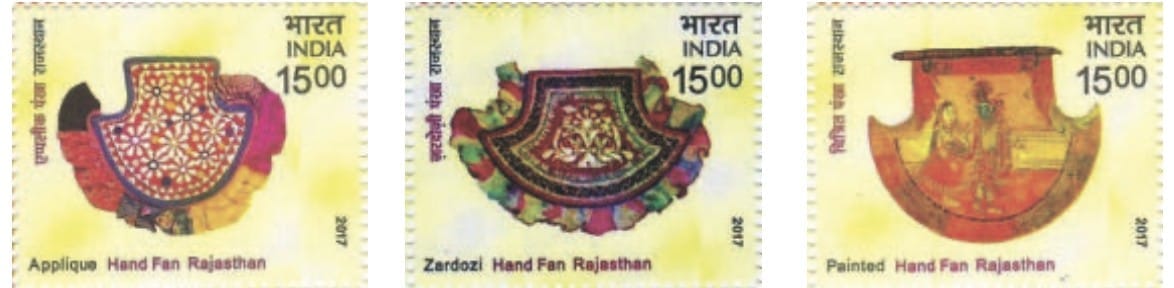
In Rajasthan, pankhas included appliqué fans made with stitched fabric pieces, zardozi fans decorated with gold thread, engraved brass temple fans, and painted cardboard fans offered to gods.Gujarat’s home-based women workers have played a key role in producing cotton fans with mirror work, bead-covered fans with silver handles, and hand-stitched leather fans from Kutch decorated with thread and wool.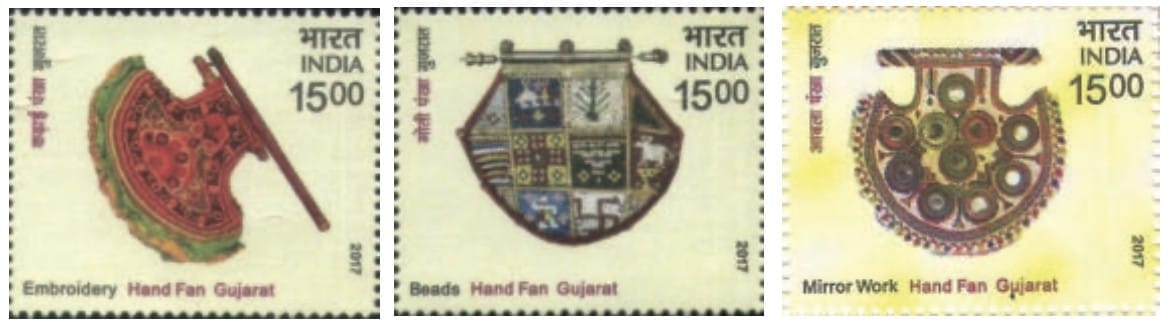
In West Bengal, artisans made delicate fans from sola (water grass) and palm leaf fans known as Tal Patar Pankha, commonly found in households. Uttar Pradesh is known for Phadh hand fans adorned with pure gold, silver zari, silk, and satin frills. Odisha and Bihar produce large palm leaf fans and sturdy bamboo fans. Tribal communities create pankhas using grass, metal, cane, palm leaves, and bamboo sticks, decorated with geometrical patterns and white ink on red backgrounds. Silk and brass are reserved for antique tribal pieces.
In modern times, pankhas are mostly used as decorative items rather than for daily use. With the advancement of technology, this traditional craft is at risk of declining. However, the increasing demand for creatively designed pankhas has helped artisans earn a livelihood. Promoting and appreciating this craft through workshops and exhibitions can help preserve it and keep the tradition alive.
Theme/Message
Theme
- The chapter highlights the importance of preserving India’s traditional crafts and cultural identity in the face of rapid modernisation. It shows how pankhas are not just simple objects but symbols of regional diversity, reflecting the geography, culture, materials, and artistic skills of different parts of the country. Each region’s unique design represents its heritage and traditions, making pankhas a meaningful link to India’s past. The chapter emphasises that these traditional crafts form an essential part of the nation’s cultural richness.
Message
- The chapter conveys that we must respect, value, and actively support traditional handicrafts like pankhas. It encourages us to appreciate the hard work and creativity of artisans and recognise their contribution to society. By promoting these crafts through exhibitions, workshops, and awareness, we can help artisans earn a sustainable livelihood. Preserving and passing on this knowledge to future generations is necessary to ensure that this beautiful and significant part of Indian culture does not fade away.
Difficult Words
- Indigenous – local; originating from a particular place
- Innovative – new and original in approach
- Industrious – hardworking
- Intricate – elaborate/detailed
- Invoked – brought out; caused to appear
- Initiatives – actions to improve a situation
- Exotic – unusual and exciting because foreign
- Appliqué – pieces of fabric sewn onto another cloth
- Zardozi – glittering gold thread embroidery
- Encrusted – covered or decorated thickly
- Sola – a type of water grass
- Perpetually – constantly
- Antiquity – the distant past
- Advent – arrival (of something new)
- Sustainable livelihood – a way of earning that can continue long-term
- Aesthetically pleasing – beautiful to look at
Let’s Revise
Q1. Why has the word “traditional” been used to describe pankhas?
Ans: Because they have been made in the same regions with the same materials and designs for generations, passing down cultural knowledge.
Q2. How does the title “Winds of Change” capture the essence of the chapter?
Ans: “Winds” refers to the fans that create breeze, while “Change” shows how pankhas have moved from everyday use to decorative items and now face the challenge of modern technology. The chapter urges us to bring positive change by preserving them.
Q3. What message does the chapter give about preserving traditional crafts?
Ans: Celebrating the craft, organising workshops, and appreciating artisans’ work will help pankhas survive and continue providing livelihood and cultural pride.