About the Poet
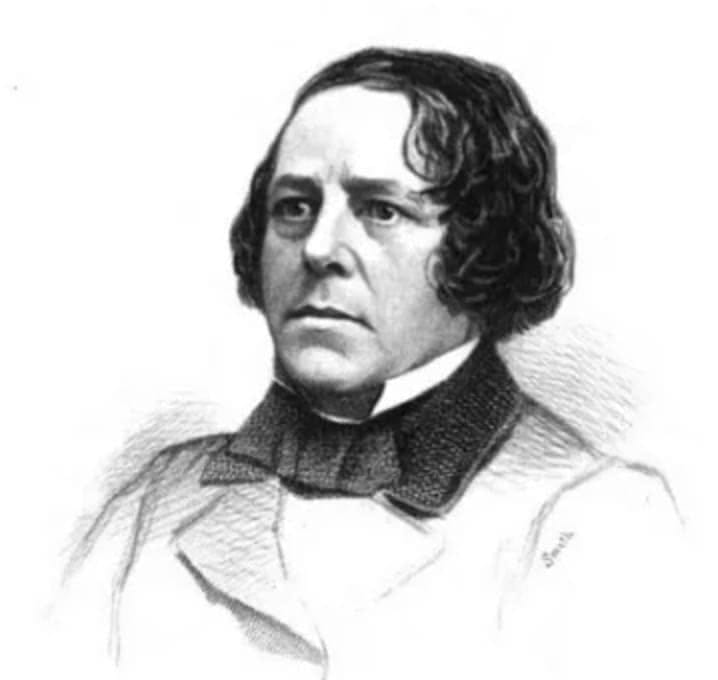
Charles Swain (1801–1874) was an English poet known for his lyrical and reflective poetry that often explored human emotions, morality, and everyday experiences. His works focus on simplicity and sincerity rather than elaborate expression. Swain believed that true feelings cannot always be expressed through words alone, a theme clearly reflected in the poem “Words.” His poetry highlights the limitations of language and emphasises the importance of genuine emotions over empty speech. Through vivid comparisons and thoughtful reflections, he conveys deep philosophical ideas in an accessible manner. His writings encourage readers to value meaningful communication and emotional honesty rather than superficial or excessive use of words.
Key Points of the Poem
- The poem highlights the limitations of words in expressing true emotions.
- Words are compared to summer birds (fleeting and impermanent) and weeds (abundant but useless) — two distinct images that highlight different dimensions of empty speech.
- The poet emphasises that a few sincere words are more valuable than many empty ones.
- It shows that emotional connection is more important than verbal expression.
- The poem criticises superficial communication and promotes meaningful speech.
Detailed Summary
If words could satisfy the heart,
The heart might find less care;
But words, like summer birds, depart,
And leave but empty air.
This stanza introduces the central idea that words alone cannot fully satisfy human emotions. The poet imagines a situation where words could truly comfort the heart, suggesting that life would be easier and less burdensome. However, he quickly contrasts this idea by comparing words to “summer birds” that fly away, leaving nothing behind. This simile emphasises the temporary and fleeting nature of words. Just like birds that disappear after a short while, words may sound pleasant but often fail to provide lasting comfort. The phrase “empty air” symbolises the hollowness left behind when words lack sincerity. Through this contrast, the poet establishes that emotional fulfilment requires more than mere verbal expression.
The heart, a pilgrim upon earth,
Finds often, when it needs,
That words are of as little worth
As just so many weeds.
In this stanza, the poet personifies the heart as a “pilgrim,” suggesting that life is a journey filled with struggles and emotional needs. During difficult moments, the heart seeks comfort and understanding, but often finds that words fail to provide meaningful support. The comparison of words to “weeds” highlights their lack of value and usefulness in times of need. Just as weeds grow abundantly but serve little purpose, empty words are plentiful but ineffective. This imagery reinforces the idea that not all words carry meaning or emotional depth. The stanza emphasises the disappointment one feels when words fail to meet emotional expectations, underscoring the gap between expression and true feeling.
A little said, and truly said,
Can deeper joy impart
Than hosts of words, which reach the head,
But never touch the heart.
This stanza conveys a powerful message about the value of sincerity over quantity. The poet argues that a few genuine and heartfelt words can bring greater happiness than a large number of superficial ones. The contrast between words that “reach the head” and those that “touch the heart” highlights the difference between intellectual understanding and emotional connection. Words that are merely logical or formal may be understood, but they lack emotional impact. In contrast, sincere words resonate deeply and create lasting joy. This stanza reinforces the idea that communication should focus on authenticity rather than verbosity, encouraging readers to prioritise meaningful expression.
The voice that wins its sunny way,
A lonely home to cheer,
Hath oft the fewest words to say;
But, oh! those few, how dear!
Here, the poet highlights the comforting power of simple, heartfelt communication. A voice that can “cheer” a lonely home does not rely on many words but uses a few meaningful ones. The phrase “sunny way” symbolises warmth, positivity, and emotional connection. The poet suggests that genuine care and affection are often expressed through simplicity rather than elaborate speech. The exclamation at the end reflects admiration for such meaningful words. This stanza emphasises that the value of words lies not in their quantity but in their ability to convey warmth and compassion, bringing comfort and happiness to others.
If words could satisfy the chest,
The world might hold a feast;
But words, when summoned to the test,
Oft satisfy the least!
In this stanza, the poet uses hyperbole to express that if words could truly satisfy human emotions, the whole world would celebrate joyfully. However, reality is quite the opposite—words often fail when they are most needed. The phrase “summoned to the test” suggests moments of emotional difficulty when words are expected to provide comfort or clarity. Yet, they frequently fall short. This highlights the inadequacy of words in addressing deep emotional needs. The stanza reinforces the poem’s central idea that words alone cannot fulfil human emotions, especially during critical moments.
Like plants that make a gaudy show,
All blossom to the root;
But whose poor nature cannot grow,
One particle of fruit!
The final stanza uses a striking simile to criticise superficial speech. Words are compared to plants that appear beautiful with flowers but fail to produce fruit. This imagery symbolises speech that looks impressive but lacks substance or meaningful outcome. The “gaudy show” represents attractive but empty language, while the absence of fruit signifies the lack of real value or impact. The poet concludes by emphasising that words without sincerity or purpose are ultimately useless. This stanza powerfully reinforces the idea that meaningful communication must go beyond appearance and should carry depth, truth, and emotional significance.
Theme/Message
Theme
The poem highlights the limitations and true value of words in human communication. It shows that words alone often fail to express deep emotions and may seem empty or meaningless when not spoken with sincerity. The poet compares words to things like “summer birds” that depart and “weeds” that have little worth, emphasising their fleeting and superficial nature . At the same time, the poem suggests that a few genuine and heartfelt words can have a powerful impact. It explores the contrast between quantity and quality of speech, stressing that true communication lies in emotional connection rather than mere words. Overall, the theme focuses on the importance of meaningful, sincere expression over empty talk.
Message
The poem conveys that words should be used thoughtfully and sincerely, as they often fail to express true emotions when used carelessly. It teaches that speaking too much without meaning is pointless, as such words are empty and ineffective. Instead, a few genuine and heartfelt words can create a deeper impact and truly connect with others. The poem reminds us that real communication comes from the heart, not just the tongue. It also warns against superficial or showy language that looks impressive but lacks substance. Overall, the message is that we should value quality over quantity in speech, and ensure that our words are meaningful, honest, and capable of touching others’ hearts.
Literary Devices
- Simile – “words, like summer birds, depart” compares words to fleeting birds.
- Metaphor & Personification– “heart, a pilgrim upon earth” gives the abstract heart a human identity, portraying it as a wandering soul seeking comfort on a difficult life journey.
- Symbolism – weeds (worthless words), fruit (meaningful outcome).
- Hyperbole – ‘the world might hold a feast’ exaggerates the imagined joy if words could truly fulfil emotional needs, making their actual inadequacy all the more striking by contrast.
- Imagery – vivid pictures of birds, weeds, and plants enhance understanding.
- Contrast – few meaningful words vs many empty words.
- Exclamation – expresses strong emotions and emphasis.
- Repetition – ‘words’ and ‘heart’ are repeated across stanzas to keep the central conflict between language and emotion at the forefront, reinforcing the poem’s core message.”
Difficult Words
- Pilgrim =a spiritual traveller on a long, difficult journey (here used to represent the heart’s emotional journey through the trials of life).
- Depart = to leave
- Gaudy = bright but showy or lacking good taste
- Weeds = unwanted plants (symbolising useless things)
- Impart = to give or convey
- Hosts = a large number
- Summoned = called upon
- Particle = a very small amount