Q1: Multiple choice questions
(i) Which one of the following industries uses bauxite as a raw material?
(a) Aluminium
(b) Cement
(c) Jute
(d) Steel
Ans: (a) Aluminium
Bauxite is the raw material, which is crushed to dissolve out alumina. Alumina is then sent to the site of aluminium smelter.
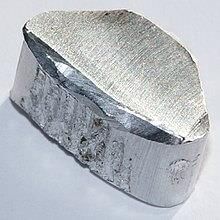
Aluminium
(ii) Which one of the following industries manufactures telephones, computer, etc?
(a) Steel
(b) Electronic
(c) Aluminium
(d) Information Technology
Ans: (b) Electronic
The electronics industry includes a broad range of products, such as transistor sets, televisions, telephones, cellular telecom equipment, telephone exchanges, radars, computers, and other devices needed for telecommunications.
Q2: Answer the following briefly in not more than 30 words.
(i) What is manufacturing?
(ii) What are basic industries? Give an example.
Ans:
(i) Production of goods in large quantities after processing from raw materials to more valuable products is called manufacturing. For example, paper is manufactured from wood.
(ii) Basic industries are those industries which supply their products or raw materials to manufacture other goods e.g., iron and steel and copper smelting, aluminium smelting industries.
Q3: Write the answers to the following questions in 120 words.
(i) How do industries pollute the environment?
Ans: Industries pollute the environment in four ways as given below:
(a) Air pollution:
- It is caused by sulphur dioxide and carbon monoxide.
- Smoke is emitted by chemical and paper factories, brick kilns and burning of fossil fuels in big and small factories.
(b) Water pollution:
- The industrial effluents are discharged into rivers and pollute the water.
- The major industries responsible for this are paper, pulp, chemical, textile, dyeing and petroleum refineries and tanneries.
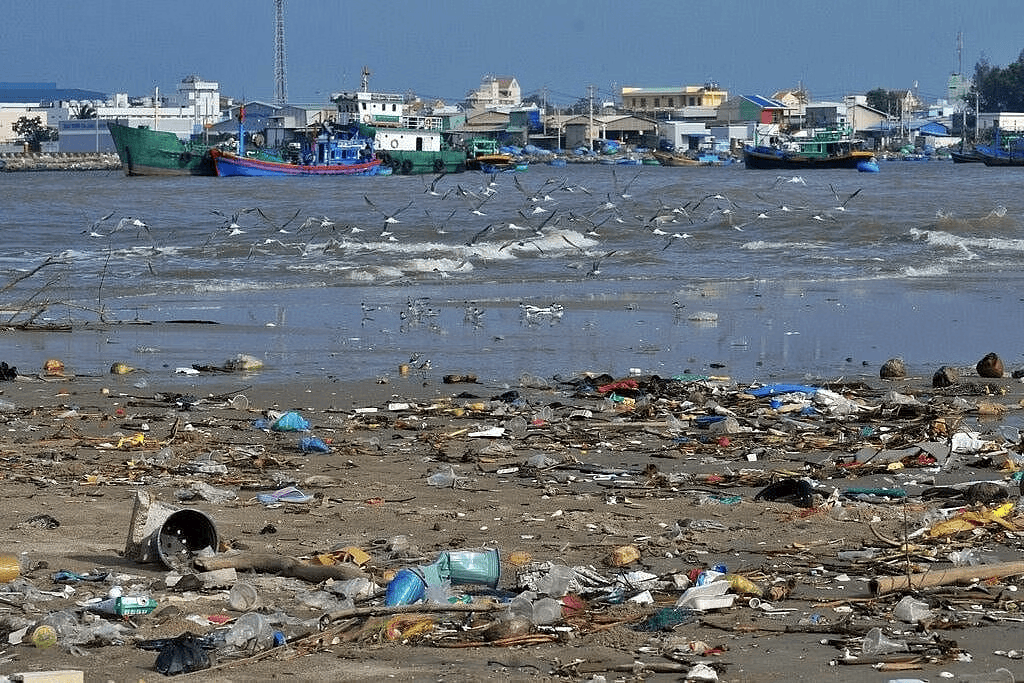
Water Pollution
(c) Thermal pollution:
- Thermal pollution of water occurs when hot water from factories and thermal plants is drained into the rivers and ponds before cooling.
(d) Noise pollution:
- Industrial and construction activities, machinery, factory equipment, generators, saws and other equipment make a lot of noise which have bad effects on human beings.
- It can cause hearing impairment, increased heart rate and blood pressure among other physiological effects.
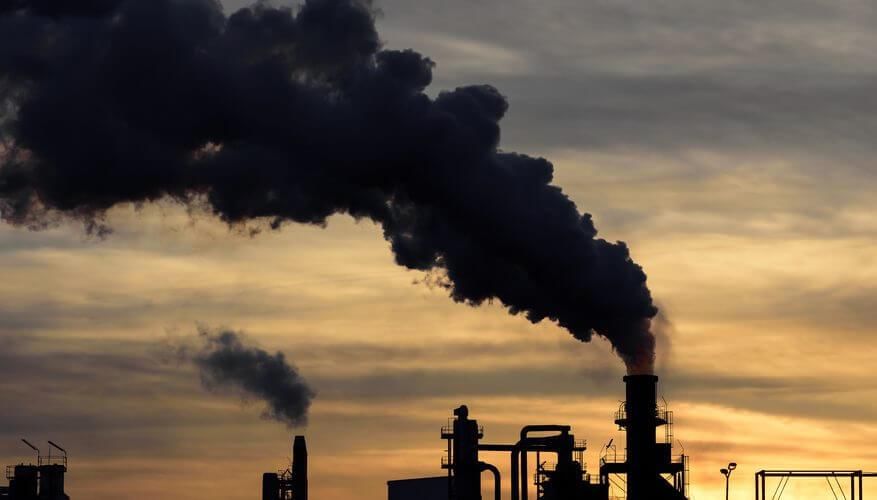
Industries Pollute the Environment
(ii) Discuss the steps to be taken to minimise environmental degradation by industry?
Ans: Steps to minimise environmental degradation:
- Minimising use of water for processing by reusing and recycling it in two or more successive stages.
Harvesting of rainwater to meet water requirements. - Treating hot water and effluents before releasing them in rivers and ponds.
1. Primary treatment is done by mechanical means, which includes processes like screening, grinding, flocculation, and sedimentation to remove large particles and solids.
2. Secondary treatment involves a biological process where microorganisms are used to break down organic matter and pollutants in the water.
3. Tertiary treatment uses a combination of biological, chemical, and physical processes to further purify the water, including recycling wastewater to make it suitable for reuse. - Particulate matter in the air can be reduced by fitting smokestacks to factories with electrostatic precipitators, fabric filters, scrubbers, and inertial separators.
- Smoke can be reduced by using oil or gas instead of coal in factories. Machinery and equipment can be used, and generators should be fitted with silencers.