Page No. 73
Think and Write
Q: If you had to organise a food festival in your school, which dishes would you like to include? Make a list.
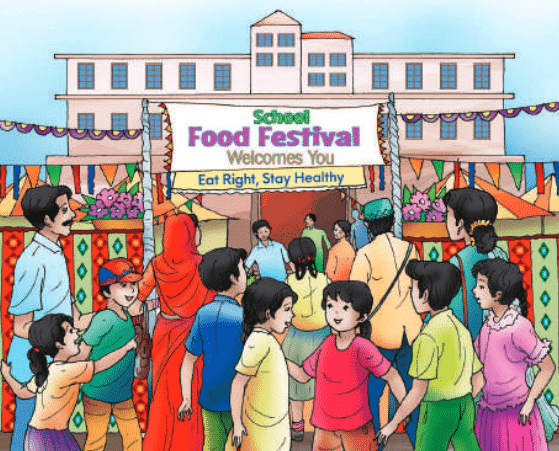
Ans: If I had to organise a food festival in my school, I would include these dishes:
- Idli and Sambhar
- Aloo Paratha with Curd
- Vegetable Pulao
- Chole-Bhature
- Fruit Salad
- Halwa
- Dhokla
- Lemon Rice
- Poha
- Roti with Paneer Sabzi
These dishes are tasty, healthy, and come from different parts of India!
Page No. 74
Write
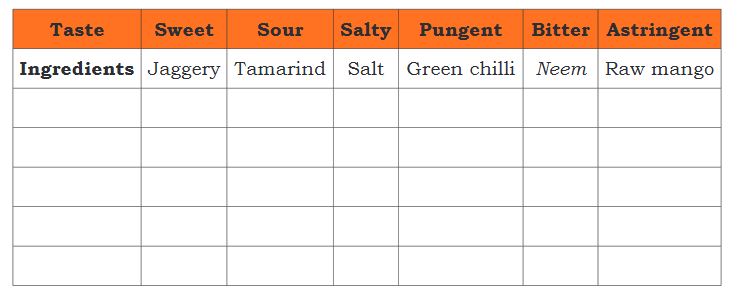
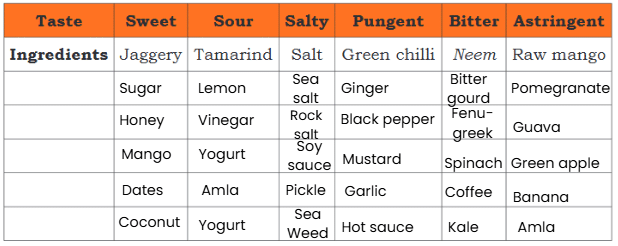
Q: Can you think of at least five ingredients or food items that match each of the tastes listed below? Write them down in the spaces provided.
Ans:
Discuss
Q: Discuss in small groups and identify the food items having at least three different tastes.
Ans: Here are some food items that have at least three different tastes:
1. Fruit Salad
- Tastes: Sweet, Sour, and Astringent
- For example, fruits like apples (sweet), oranges (sour), and pomegranate (astringent) can make a fruit salad with different tastes.
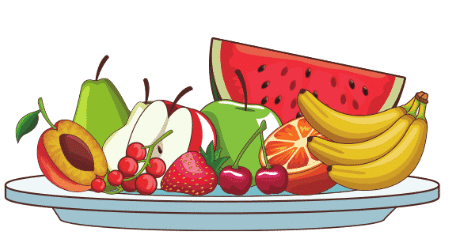
Fruit Salad
2. Chutney
- Tastes: Sweet, Sour, and Spicy
- Chutney made with tamarind (sour), jaggery (sweet), and green chilies (spicy) has all these tastes.
3. Sambhar
- Tastes: Salty, Spicy, and Sour
- Sambhar has a salty taste from salt, spicy taste from spices like chilli, and sour taste from tamarind.
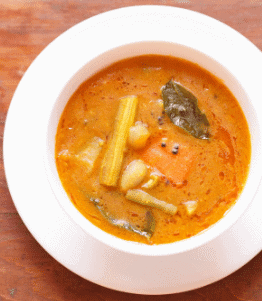
Sambhar
Page No. 75
Find out
Q: Find out more about a millet-based food prepared at your home.
Ans: Millet-based food is very healthy and full of nutrients. At my home, we prepare Jowar Roti using jowar flour (sorghum). It is soft and tasty. We eat it with vegetables or dal. It gives energy, helps in digestion, and is good for health.
Discuss
Q: Why do we need to eat different kinds of food items?
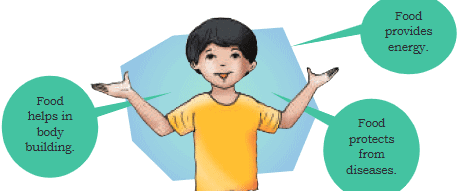
Ans: We need to eat different kinds of food because each food gives us different nutrients. Some give us energy, some help us grow, and some keep us healthy. No single food can give everything our body needs, so we must eat a variety of foods every day.
Page No. 77
Discuss
Q: What happens if we eat food from a single group of foods every day?
Ans: If we eat food from only one group, we may miss out on essential nutrients needed for our body to stay healthy. It is important to eat a variety of foods.
Page No. 78
Write
Q1: Can you name a few more junk food items?
Ans: Some more junk food items are:
- French fries
- Candies
- Ice cream
- Instant noodles
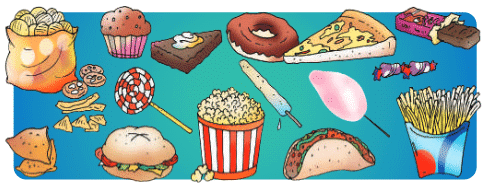
Junk Food
Q2: Why do you think we should avoid eating junk food?
Ans: We should avoid junk food because it has too much oil, sugar, or salt. Eating it often can make us unhealthy, cause stomach problems, or make us gain weight. Healthy home-cooked food is better for our body.
Q3: List the junk food items that you will avoid.
Ans: I will avoid these junk food items:
- Chips
- Soft drinks
- Burgers
- Pizza
Page No. 79
Activity 1
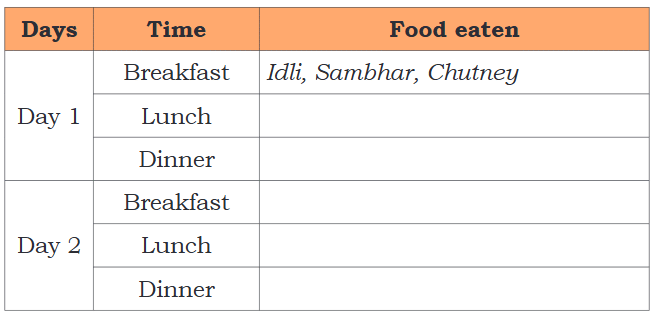
Make a Food Diary
1. Create a food diary of your daily routine for a week. Write down what you eat in a day for breakfast, lunch and dinner. An example is given. Expand the table for a week.
2. Encircle or Tick (✔) the food items that are healthy and put an ‘X’ mark for items which are not healthy.
3. Identify the food groups missing in your daily routine. Discuss with your parents how these items can be included in the daily routine.
Ans:
Food Diary – My Weekly Meal Record
DaysTimeFood EatenDay 1Breakfast✔ Idli, Sambhar, Chutney
Lunch✔ Roti, Dal, Sabzi
Dinner✔ Rice, Curd, VegetablesDay 2Breakfast✔ Poha and Milk
Lunch✔ Roti, Paneer, Salad
Dinner✔ Khichdi and CurdDay 3Breakfast❌ Maggi Noodles
Lunch✔ Rice, Dal, Bhindi
Dinner✔ Roti, Egg CurryDay 4Breakfast✔ Dalia with Fruits
Lunch✔ Paratha with Curd and Salad
Dinner✔ Vegetable PulaoDay 5Breakfast✔ Upma and Banana
Lunch✔ Roti, Rajma, Sabzi
Dinner✔ Rice, Dal, Mixed VegetablesDay 6Breakfast✔ Aloo Paratha and Curd
Lunch✔ Rice, Chole, Salad
Dinner❌ Pizza Slice and Cold DrinkDay 7Breakfast✔ Boiled Eggs and Toast
Lunch✔ Veg Biryani with Raita
Dinner✔ Dosa with Sambhar
After checking my food diary, I found that fruits and green leafy vegetables were missing on some days. I talked to my parents and we decided to include a fruit in breakfast every day and add salad or spinach to lunch or dinner. This will help make my meals more balanced and healthy.
Page No. 80Find out
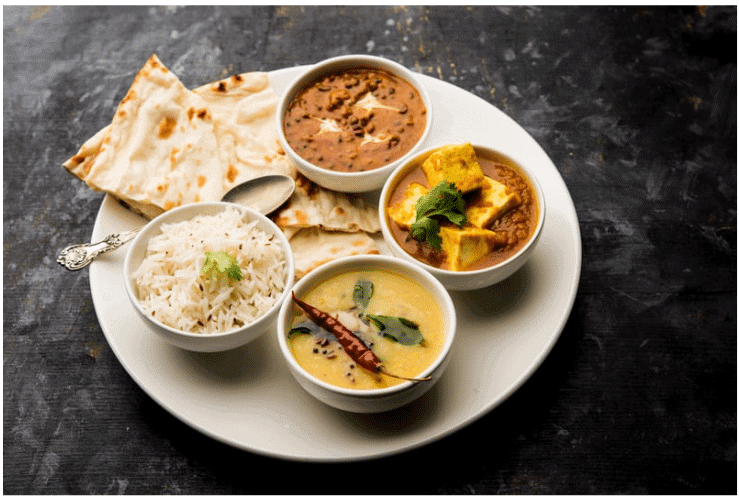
Q: Find out a ‘food thali’ from your region, and list its food items.
Ans: I live in North India, and a typical North Indian Thali includes:
North Indian Thali
- Roti or Paratha
- Rice
- Dal (like Dal Makhani)
- Sabzi (Paneer or Aloo)
- Curd or Raita
- Salad
- Pickle
- Gulab Jamun or Halwa
It is a tasty and balanced meal with all the important food groups.
Also, Here’s a list of food thalis from different regions of India along with their common food items,
1. South Indian Thali
- Rice
- Sambar
- Rasam
- Idli or Dosa
- Coconut Chutney
- Vegetable curry
- Curd
- Papad
- Payasam (sweet)
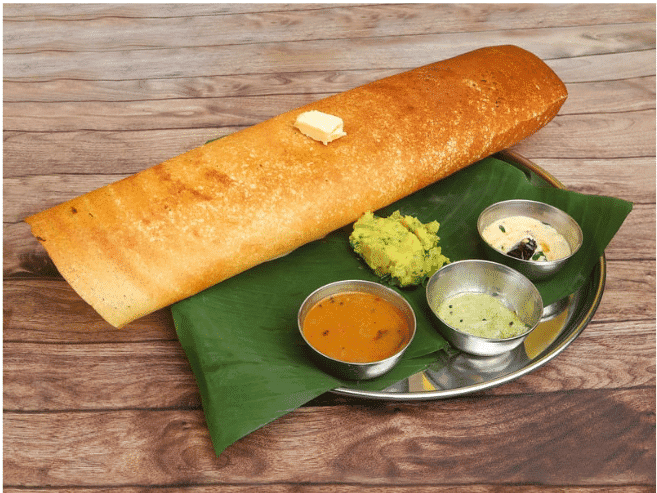
Dosa Sambar
2. West Indian Thali (Gujarat)
- Roti (called Rotli)
- Dal
- Rice
- Vegetable Sabzi
- Kadhi (curd-based curry)
- Pickle
- Papad
- Dhokla or Thepla
- Sweet (like Mohanthal)
3. East Indian Thali (West Bengal)
- Rice
- Dal (lentils)
- Aloo Bhaja (fried potato)
- Fish curry
- Mixed vegetables
- Chutney
- Rasgulla or Sandesh (sweet)
Page No. 81
Write
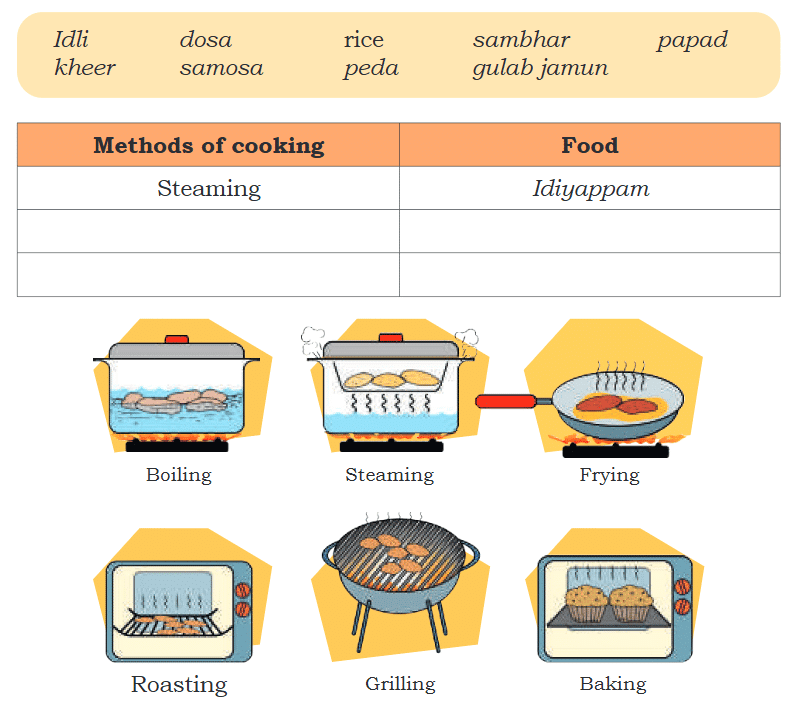
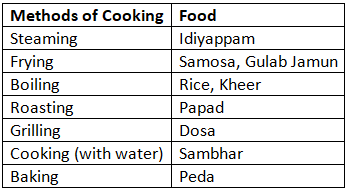
Q: Identify different methods used to cook the food items given in the list below. One example is given for you. You can take help from your family members and add more items to the list.
Ans:
Page No. 82Discuss
Q 1: Do you help in cooking at home?
Ans: Yes, I help in cooking at home. I help my parents by washing vegetables, mixing ingredients, or setting the table.
Q2: Do you think all family members should know how to cook? Why?
Ans: Yes, all family members should know how to cook. Cooking helps us eat healthy food, saves time, and makes us independent. It’s also fun to cook together!
Page No. 83 – 84Let us reflect
Q1: Hands-on activity—food collage
Materials: Old magazines, newspapers, scissors, glue, and a blank sheet of paper.
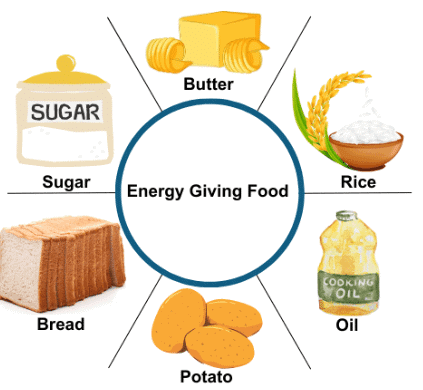
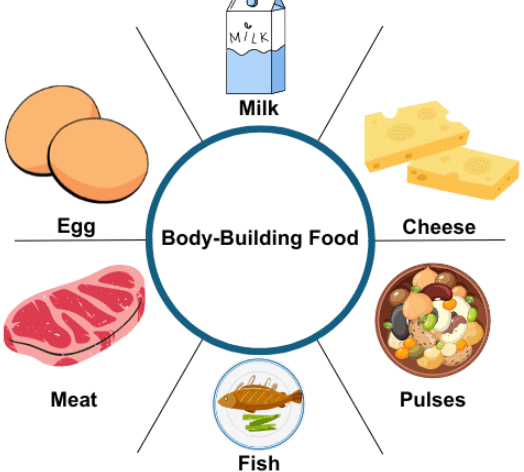
Cut out pictures of food items and create a collage with three sections: energy-giving foods, body-building foods, and protective foods.
Ans: Here is a food collage with three sections:
- Energy-giving foods (like rice, bread, and oil)
- Body-building foods (like milk, eggs, and pulses)
- Protective foods (like fruits and vegetables)
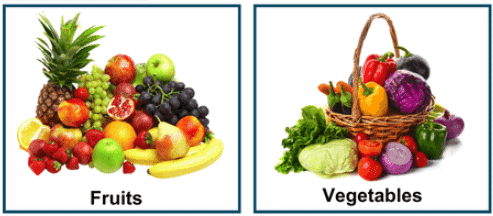 Protective Foods
Q2: Check the label
(a) At home, pick up any one packaged food item from your kitchen. Check the label and note down the expiry date, and also two main ingredients.
Ans: I picked up a packet of biscuits from the kitchen.
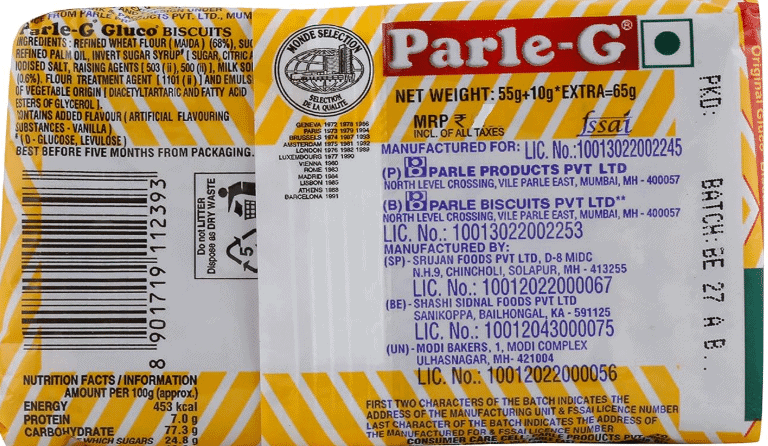
- Expiry Date: 15 October 2025
- Two Main Ingredients: Refined Wheat flour (Maida) and Sugar
(b) Why is it important to check labels before buying or eating packaged food items?
Ans: Checking labels is important because it tells us the expiry date, so we don’t eat spoiled food. It also shows the ingredients, so we can avoid unhealthy things like too much sugar or salt.
Q3: Organise a food festival
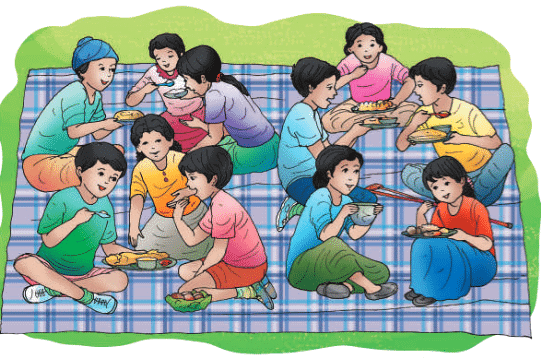
Students may bring home-made food and organise a food festival at school. Parents may be encouraged to participate in the food festival.
Ans: We organised a food festival at our school. All students brought home-made food like idli, poha, paratha, halwa, and fruits. We decorated our stalls and shared food with our friends. Many parents also joined and brought traditional dishes. It was fun to taste different foods and learn about healthy eating.
Q4: Find and circle
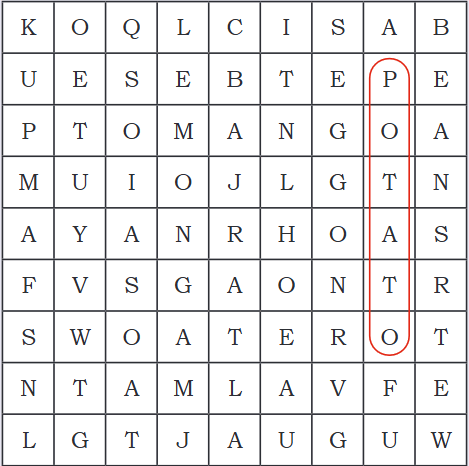
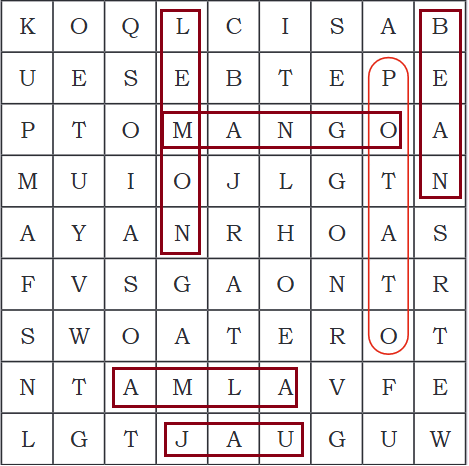
Circle the words related to food in the grid below. One example is given below.
Ans: