Chapter notes
IntroductionImagine you’re at home, maybe in your kitchen, surrounded by cups, bowls, and bottles. Have you ever wondered how much water each one can hold? That’s what we’re going to explore in “Filling and Lifting”! We’ll learn about measuring how much liquid containers can hold and how heavy things are. Let’s get ready for a fun learning adventure!
Let’s Understand With a Story
Once upon a time, in Maya’s house, there was a special milk party. Rita, Monu, and Niti gathered around the table, each with their own glass of juice.
- Rita’s glass was big and round, like a bright sun.
- Monu’s glass was medium-sized, like a glowing moon.
- Niti ‘s glass was small and cute, like a twinkling star.
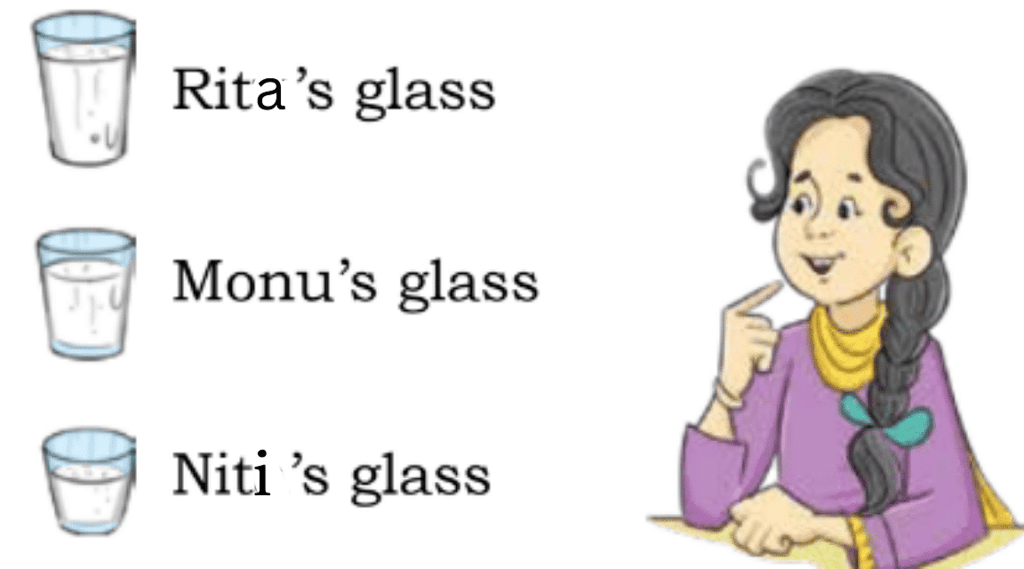
After finishing their milk, Rita’s clever sister had an idea. She poured the milk from each glass into three identical glasses. What a surprise! Even though the glasses looked the same, they didn’t all hold the same amount of milk!
- Rita’s big glass poured the most milk, Monu’s glass had a good amount of milk too, but Niti’s glass had the least amount of milk.
- Ritu smiled proudly, “I drink so much milk!” Monu grinned and said, “I drink more milk than you!” Niti laughed and said, “I drink milk in a big glass!”
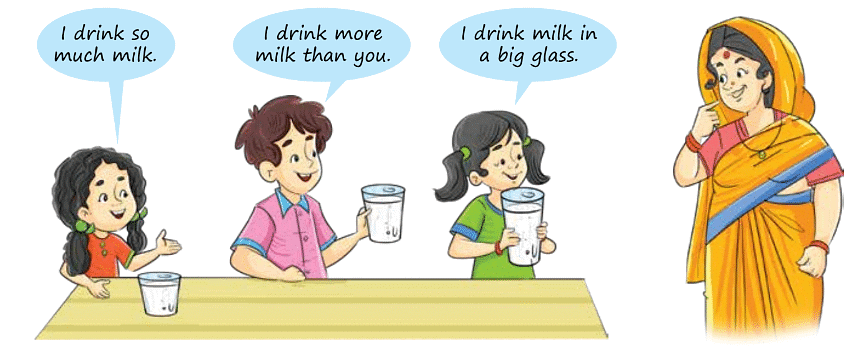
- And that’s how they found out who drank the most milk. It was a fun milk adventure they would always remember with laughter.
Measuring Capacity – “How much?”
- When we talk about how much liquid a container can hold, we call it its capacity.
- We measure capacity in two main ways: litres and millilitres.
Imagine you have a big bottle of juice.
The amount of juice it can hold is measured in litres, written as “L”. But if you look closely at a bottle of medicine or a juice box, you might see a number followed by “mL”. That stands for millilitres, which is a smaller unit of measurement.
- 1 litre is the same as 1000 millilitres! So, if you have a litre of juice, that’s like having 1000 tiny millilitres.
- To understand how small a millilitre is, think about a teaspoon. It can hold about 5 millilitres of liquid.
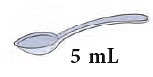
Teaspoon
And a tablespoon can hold about 10 millilitres!
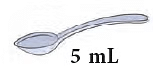
Tablespoon
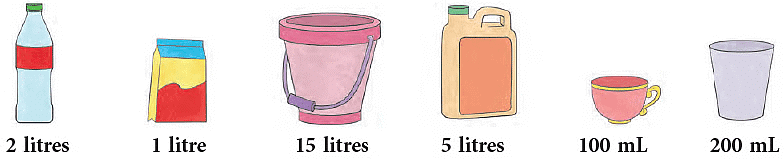
The standard-sized containers used for measuring liquids are shown.
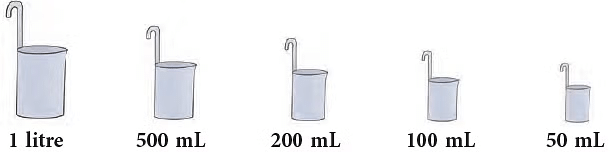
So, next time you see a jug marked with litres or a bottle with millilitres, you’ll know exactly how much liquid it can hold. It’s like solving a fun puzzle about liquids!
Understanding More Than and Less Than
To understand more than and less than in terms of volume or capacity, think about it like this:
- More than (>) means the first container can hold a larger amount of water compared to the second container.
- Less than (<) means the first container can hold a smaller amount of water compared to the second container.
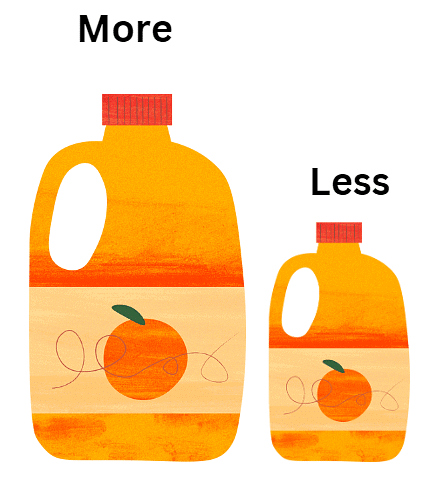
More Than
Imagine you have two containers, one labeled A and the other labeled B. Let’s say container A can hold 500 milliliters (ml) of water, and container B can hold 750 ml of water.
- If we say that container B can hold more water than container A, it means that the capacity of container B (750 ml) is greater than the capacity of container A (500 ml).
- In this case, we can write it as: 750>500or “750 milliliters is more than 500 milliliters.”
Less Than
Now, let’s reverse the situation. Suppose container A can hold 1 liter of water (1000 ml), and container B can hold 750 ml of water.
- If we say that container B can hold less water than container A, it means that the capacity of container B (750 ml) is smaller than the capacity of container A (1000 ml or 1 liter).
- In this case, we can write it as: 750<1000 or “750 milliliters is less than 1000 milliliters (1 liter).”
These concepts help us compare the capacity of different containers or quantities of liquid, which is important in many everyday activities like cooking, measuring drinks, or understanding the size of containers.
Measuring Weight – “Heavy or Light?”

Imagine Chintu holding three heavy textbooks, each weighing 1 kilogram, and a light pencil box weighing 500 grams. His hand with the textbooks goes lower because they’re heavier. This is how we can compare things like to see which is heavier or lighter.Long ago, people didn’t have fancy scales to measure the weights of things, like today. They used rocks or stones to measure weight! They added or took away rocks until things balanced 0.
But now, we have grams and kilograms.
- Grams, which is the standard unit of weight in the metric system, are for small things, like toys or fruit, and
- Kilograms are for big things, like people or bags of rice.
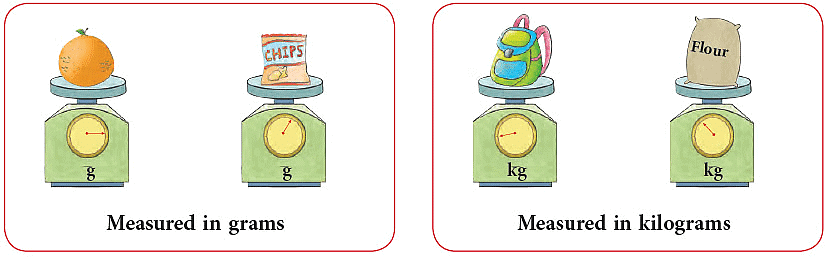
Please note that, 1 kilogram = 1000 grams.

Some standard weights are given as follows:-
Try yourself:
Which of the following items might weigh more or less than 1 kilogram?
- A.A small apple
- B.A bag of rice
- C.A pencil
- D.A small book
View Solution
Understanding “More Than” and “Less Than” in Weight
To understand more than and less than in terms of weight or mass, think about it like this:
- More than (>) means the first object has a higher weight compared to the second object.
- Less than (<) means the first object has a lower weight compared to the second object.
These concepts help us compare the weights of different objects, which is important in various activities like measuring ingredients in cooking, comparing the weight of items in a store, or understanding the capacity of different vehicles to carry weight.

More Than in Weight/Mass:
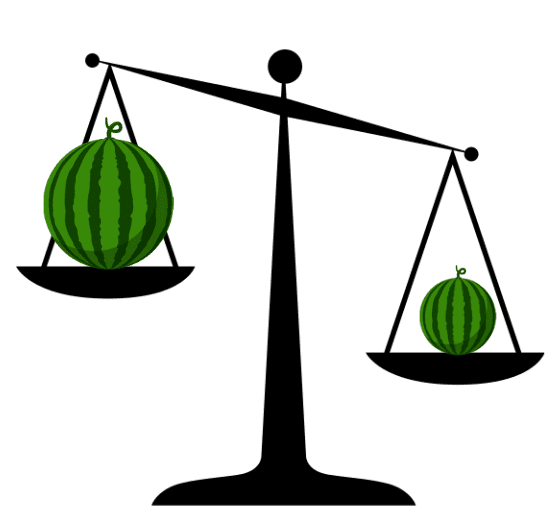
Imagine you have two Watermelon. Let’s say one watermelon weighs 500 grams, and other weighs 750 grams.
- If we say that second watermelon weighs more than first one, it means that the weight of second watermelon (750 grams) is greater than the weight of first watermelon (500 grams).
- In this case, we can write it as: 750>500 or “750 grams is more than 500 grams.“
Less Than in Weight/Mass:
Now, let’s reverse the situation. Suppose a watermelon weighs 1 kilogram (1000 grams), and a bag of rice weighs 750 grams.
- If we say that watermelon weighs less than Bag of rice , it means that the weight of watermelon (750 grams) is smaller than the weight of Bag of rice (1000 grams or 1 kilogram).
- In this case, we can write it as: 750<1000 or “750 grams is less than 1000 grams (1 kilogram)
Let’s Practice!
Question: Look at the picture and tick the appropriate word.
(a) The mug holds a litre/half litre water.
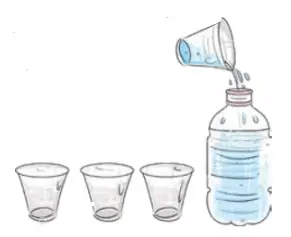
(b) The glass holds a litre/half litre/quarter litre of water. View Answer
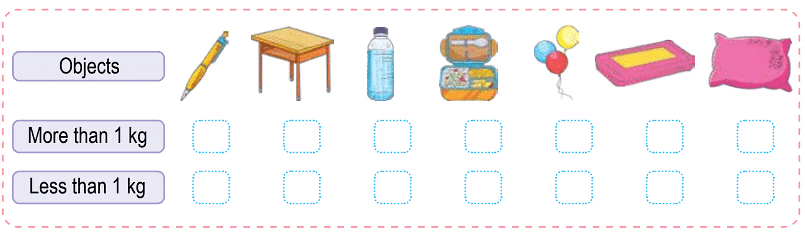
Question: Can you guess which of these things might weigh more or less than 1 kilogram? Put a check mark (✔️) in the right box. View Answer