Introduction
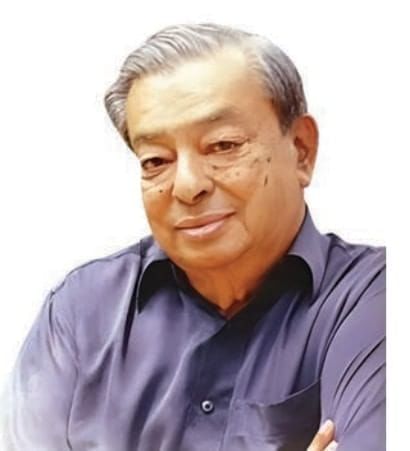
In the letter “To My Grandson,” Dr. Verghese Kurien—fondly known as the “Milkman of India” and the “Father of the White Revolution” in India writes to his young grandson, Siddharth. Through this heartfelt message, Kurien reflects on his life choices, his values, and the journey that led him to serve the farmers of India. He shares the importance of responsibility, hard work, and making meaningful contributions to society. This letter is more than a personal note—it is a guiding light meant to inspire not only his grandson but all young people to build a better future for India.
Key Points of the Story
- The letter is written by Dr. Verghese Kurien to his grandson Siddharth in 2005.
- He expresses how letters are more lasting and meaningful than phone conversations.
- Kurien explains his life choices and why he chose to serve India’s dairy farmers.
- He gave up attractive career options in the army, metallurgy, and foreign jobs to work in Anand, Gujarat.
- His wife supported his decision despite the hardships of village life.
- Kurien highlights the importance of values like integrity, honesty, responsibility, and service to others.
- He stresses the need to use one’s talents for the common good and help others every day.
- He explains that real failure is not trying your best, not a lack of success.
- Kurien shares life lessons about happiness, humility, and being content with what you have.
- He recalls a special moment when his grandson held his Padma Vibhushan medal, reminding him to earn his recognition through service.
- The letter ends with a beautiful wish: for Siddharth and his generation to be brave, wise, and generous, and to dedicate their lives to the greater good of the country and humanity.
Try yourself:
What did Kurien give up to work in Anand, Gujarat?
- A.A job in the army
- B.A foreign job
- C.A career in metallurgy
- D.All of the above
View Solution
Detailed Summary
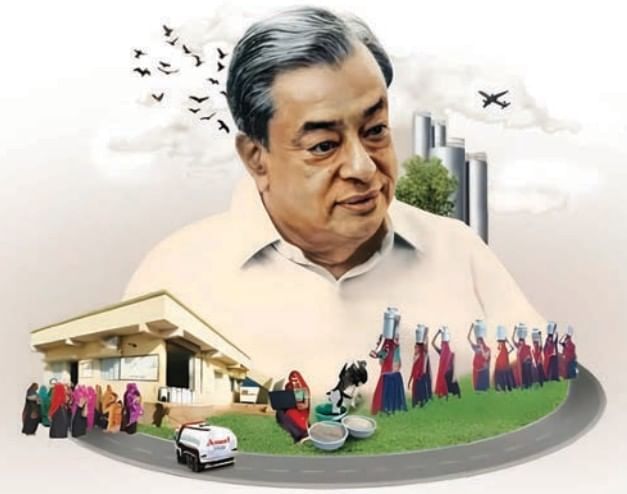
This story is a real letter written by Dr. Verghese Kurien, the man who helped make India the world’s largest milk producer. He wrote it in 2005 to his grandson, Siddharth, to share his life’s experiences, thoughts, and advice. The tone is warm and loving, and his goal is to pass on wisdom that his grandson might not understand fully now, but might treasure in the future.
At the beginning of the letter, Dr. Kurien explains why writing letters is special. In today’s world, people prefer talking on the phone or using instant messaging. But he says that writing is different; it stays with us. Years later, a letter can be read again and help people understand the past better. He hopes that one day Siddharth will read this letter again and understand why his grandfather chose a life of service to farmers.
Dr. Kurien explains that when he was young, India had just become independent. Many people were trying to build a new and better nation. He too wanted to help India grow stronger and become free from poverty and hunger. Even though he could have taken other careers like becoming a general in the army, a business leader, or even going to the USA for a good life, he chose to work with dairy farmers in Anand, Gujarat. He admits this was not his original plan, but it became the most meaningful path for him.
He also writes about his wife Siddharth’s grandmother, who stood by him even when life in Anand was hard. She gave him the strength to continue his work even in difficult times. He shares that whenever he was praised or given awards for his work, he always remembered that success was possible only because of the people who supported him.
Dr. Kurien strongly believed in values, especially honesty and integrity. He says that being honest with yourself makes it easier to be honest with others. He wants Siddharth to learn that life is a great opportunity, and it should not be wasted. We must take responsibility for our actions, use our talents wisely, and help others.
He explains that failure doesn’t mean you didn’t succeed; it means you didn’t try your best or didn’t do something good for others. He advises Siddharth to look for ways to help others every day. Whether it’s a friend who needs help, a teacher who needs a volunteer, or the community needing support, small acts matter.
He also reminds Siddharth that life isn’t always perfect. Sometimes, things go wrong, and that’s okay. People often think others are happier, but that’s not always true. Everyone has problems, even if they don’t show them. So we should be thankful for what we have instead of comparing ourselves to others.
Dr. Kurien shares a personal memory when Siddharth was young and attended the ceremony where he received the Padma Vibhushan (a top award from the Indian government). Siddharth wore the medal around his neck and asked if he could keep it. Kurien told him that yes, it belonged to him too, but he should aim to earn his reward through his own good work.
Finally, Dr. Kurien ends the letter with a beautiful message: If we are loving, strong, and kind and if we believe there’s enough happiness and success for everyone, then we will have lived a good life. He dedicates the letter not only to Siddharth but to all children of the next generation, hoping they will work hard for the betterment of India and all of humanity.
Theme/Message
- Service to the Nation: A meaningful life is one lived in service to others, especially for the good of the country and its people.
- Importance of Values: Integrity, responsibility, and honesty are the foundation of a good and successful life.
- Making the Right Choices: Choosing a path of service and hard work may not be glamorous, but it is deeply rewarding.
- True Success: Awards and medals are not the real success—contributing to the common good and trying your best is what really matters.
- Contentment and Perspective: Real happiness comes from within, not from comparing ourselves with others.
- Inspiration for the Next Generation: The youth must carry forward the ideals of hard work, courage, and kindness for a better world.
Try yourself:
What is a common theme in many stories?
- A.Food
- B.Weather
- C.Adventure
- D.Colors
View Solution
Difficult Words
- Fleeting: Something that lasts for a very short time.
- Treasure: To value or keep something as very special.
- Equitable: Fair and equal for everyone.
- Envisioned: Imagined or thought of for the future.
- Privileges: Special advantages or rights.
- Contributions: Something given or done to help a cause or group.
- Integrity: Being honest and having strong moral principles.
- Humility: Not thinking you are better than others; being modest.
- Common Good: Something that helps or benefits everyone.
- Cherish: To value or hold something dear.
- Adhered: Followed or stayed loyal to.
- Modestly: In a simple or humble way.
- Rejoice: To feel or show great happiness.
- Periphery: The edge or outside part of something.
- Luminary: A person who is very important or famous in a particular field.