Introduction
Welcome to Class 8 Science, where curiosity fuels exploration! This chapter invites you to become young scientists, asking “Why?” and “How?” about the world around you.
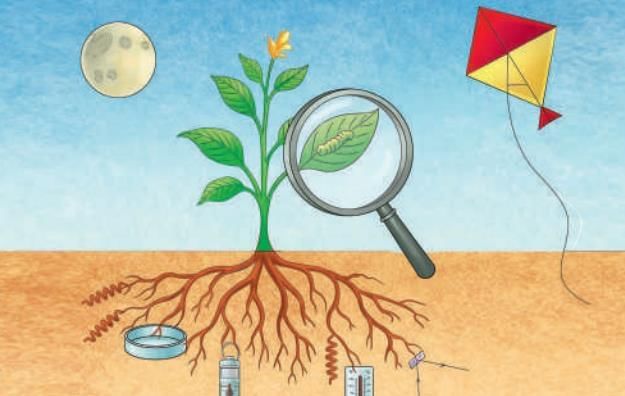
- From wondering why one side of a puri is thinner than the other to pondering if there are more stars in the galaxy than grains of sand on Earth, science begins with questions that spark investigation.
- Each chapter of Class 8 Science is designed to ignite your curiosity, with roots symbolizing grounded observation and kites representing unique ideas.
Curiosity: The Heart of Scientific Exploration
Science is like an adventure—whether we’re looking at tiny microbes in a drop of water or trying to understand the motions of big objects like the Moon and cyclones. It all begins with being curious: asking questions, exploring new ideas, and noticing patterns around us.

- Exploring the World: As young investigators, you’ll discover how science helps us make sense of both the things we can see (like the changing phases of the Moon) and the things we can’t (like the invisible life in a water drop). From wondering why a puri puffs up more on one side, to exploring why nature has so many different kinds of plants and animals—turn curiosity into real discoveries.

Phases of Moon
- Asking Questions: Every discovery in science starts with a question. “Why?” and “How?” are powerful words that kick off your scientific journey. When you wonder about simple things, you open up the door to deeper exploration and investigation.
- Systematic Investigation: Science is more than just wondering—it’s about investigating step-by-step. This means:
– Asking focused questions,
– Controlling variables in experiments (like adjusting the thickness of the dough for a puri)
– Observing carefully what happens,
– Recording your results, and
– Using what you observe to improve your understanding.
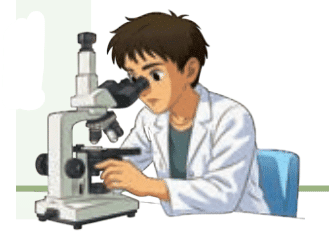
Roots and Kites: Just like the symbols in your book:
– The root at the bottom of the left page reminds us to stay connected—to build our ideas on careful observations and solid facts.
– The kite at the top of the right page encourages our curiosity to take flight, to be creative and daring in our explorations.- Hidden Patterns: Some lines and patterns at the bottom of the pages even carry hidden scientific ideas—making sure science stays both fun and meaningful!
Try yourself:
What do you need to start a scientific journey?
- A.Reading books
- B.Following rules
- C.Asking questions
- D.Writing notes
View SolutionJourney Through Science
This year, we’ll explore a range of topics, connecting small-scale observations to global challenges, using curiosity and investigation as our guides.
1. Exploring the Investigative World of Science
- Science is a journey of curiosity: ask “Why?” and “How?” about everything.
- Good science uses both careful observation (roots) and imaginative thinking (kites).
- Questions, experiments, and patterns lead to discoveries about our world.
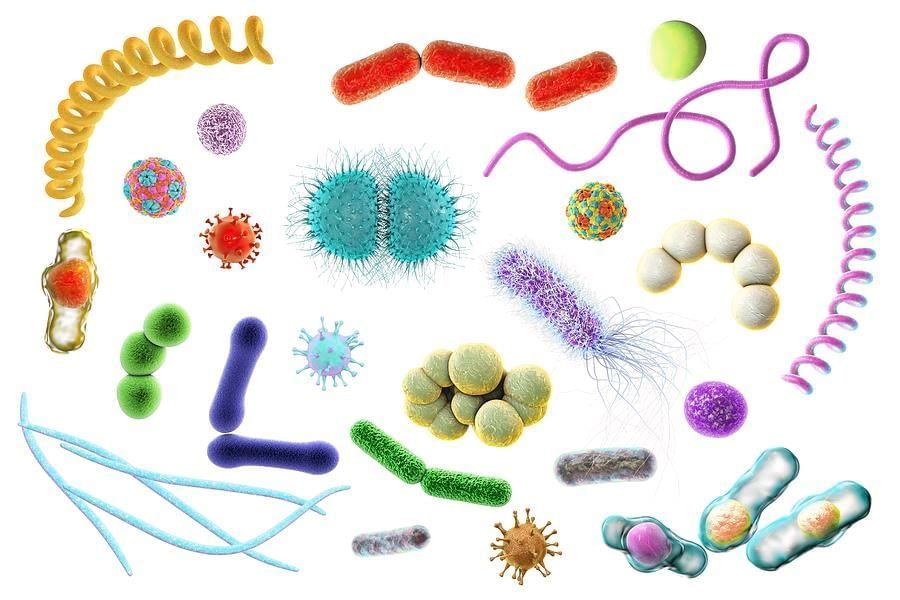
2. The Invisible Living World: Beyond Our Naked Eye
- In a drop of water, countless microbes live—some helpful, some harmful.
- Microbes help in digestion and medicine-making; others cause disease.
- Discovering the invisible world explains food spoilage, fermentation, and infections.
Try yourself:
What do microbes in a drop of water do?
- A.They help in digestion.
- B.They cause disease.
- C.They absorb sunlight.
- D.They create food spoilage.
View Solution
3. Health: The Ultimate Treasure
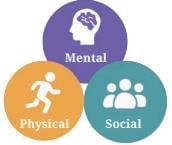
Aspects of Health
- Health means complete physical, mental, and social well-being.
- Good food, hygiene, exercise, and healthy habits keep us well.
- The immune system defends us; vaccines and medicines help fight disease.
- Prevention is better than cure—cleanliness and vaccination are key.
4. Electricity: Magnetic and Heating Effects

- Electricity has both heating and magnetic effects.
- We use the heating effect for warmth (like in heaters), and the magnetic effect to run motors and machines.
- Understanding electric circuits is the basis of much modern technology.
5. Exploring Forces

- Forces can make objects start, stop, speed up, slow down, or change direction.
- Gravity pulls objects towards Earth, friction slows motion, and applied forces move objects.
- Everyday activities (walking, throwing, cycling) all depend on forces.
6. Pressure, Winds, Storms, and Cyclones

- Pressure is force spread over an area; it moves air and water.
- Air pressure differences create winds, breezes, and, when extreme, storms and cyclones.
- Weather events affect people, farming, and safety; understanding them helps us prepare better.
7. Particulate Nature of Matter

- All matter is made of tiny particles.
- Particles are tightly packed in solids, loosely arranged in liquids, and move freely in gases.
- Changes in state (solid, liquid, gas) depend on how these particles move or are arranged.
8. Nature of Matter: Elements, Compounds, and Mixtures
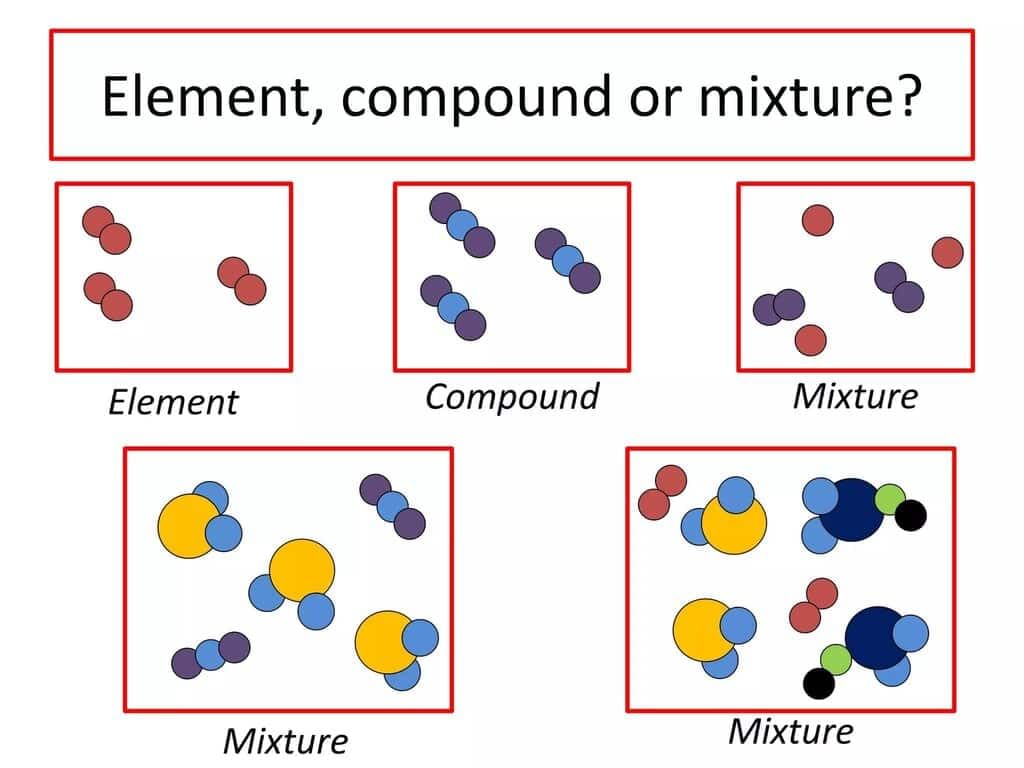
- Elements are pure substances (like oxygen, iron).
- Compounds are two or more elements chemically joined (like water).
- Mixtures are physical blends (like air or salt water) that can be separated.
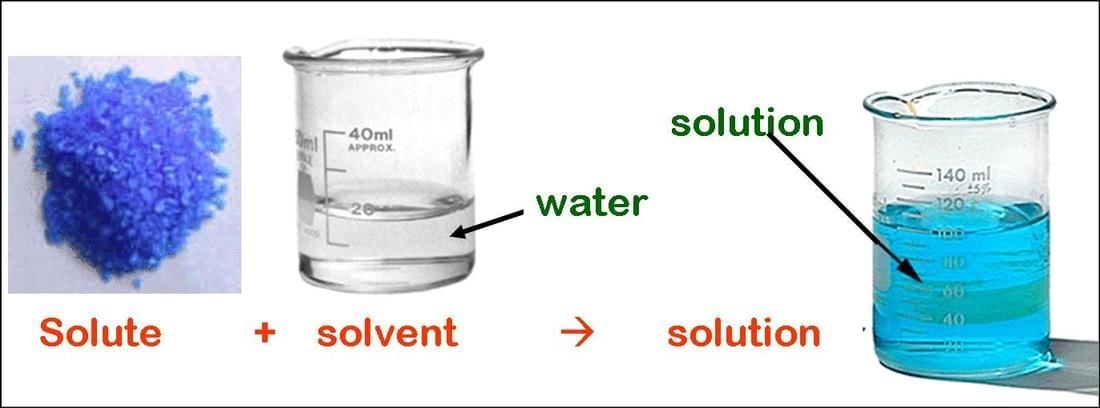
9. The Amazing World of Solutes, Solvents, and Solutions
- A solution is a mix where one substance dissolves into another (sugar in tea).
- The substance that dissolves is the solute; the one doing the dissolving is the solvent.
- Understanding solutions helps explain things in daily life, like sweetened drinks or salty water.
10. Light: Mirrors and Lenses

- Light travels in straight lines and can reflect (bounce off mirrors) or refract (bend through lenses).
- Images in shiny surfaces, and the way lenses correct our vision, are all about light behavior.
- Reflected and refracted light helps us see objects, mirrors, and use cameras or eyeglasses.
11. Keeping Time with the Skies

- The apparent movement of the Sun and Moon helps measure days, months, and years.
- Phases of the Moon create lunar calendars.
- Eclipses occur when shadows are cast by the Moon or Earth blocking sunlight.
12. How Nature Works in Harmony

- All living things are connected, forming ecosystems.
- Plants, animals, water, air, and sunlight interact to support life.
- Simple changes in one part of an ecosystem can affect the whole system.
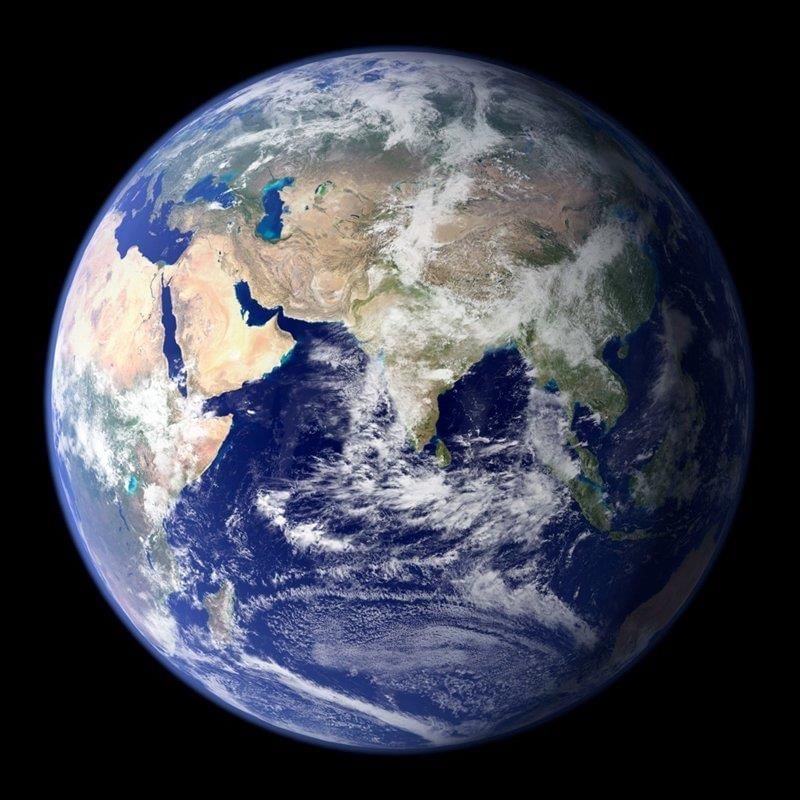
13. Our Home: Earth, a Unique Life Sustaining Planet
- Earth’s distance from the Sun and its atmosphere make it suitable for life.
- Human activities can change Earth’s climate and harm its balance.
- Science helps us recognize planet-wide challenges and work towards their solutions.
Investigating Everyday Phenomena
Science starts with being curious and asking questions like: Why does a puri puff up? Why is one side thinner? You don’t need a lab—your kitchen is a great place to observe and experiment.
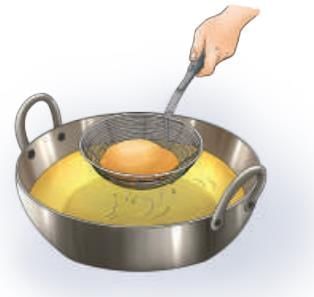
Step 1: Ask a scientific question
E.g., What changes how a puri puffs up when fried?
Step 2: Identify things you can change (variables):
- Thickness of the dough
- Size of the puri
- Type of flour (atta, maida, etc.)
- Temperature of the oil
- How you put the puri into the oil (dropped straight or slid in)
Step 3: Decide what to observe or measure:
- Does the puri puff up (yes or no)?
- How long does it take to puff?
- Does the thickness affect puffing?
Step 4: Change only one thing at a time so you know what causes the difference.
(For example, test different oil temperatures but keep dough thickness the same.)
Step 5: Write down what you see (Does the oil splatter? Does it smoke? What smells do you notice?)
Step 6: Ask new questions based on what you observe.
Example: Does fresh dough puff better than stored dough? What if there’s a hole in the puri?
This step-by-step way of experimenting is called systematic investigation.
Remember, science is about being curious and carefully observing even simple things around you, like a puffing puri!
Key Points to Remember
- Science begins with curiosity, asking simple questions like “Why?” and “How?” about the world around us.
- Science is an ongoing journey: every answer leads to new questions, making our understanding evolve and grow deeper.
- In Grade 8, you learn not just facts, but how to investigate—by asking focused questions, doing simple experiments, observing carefully, and explaining results.
- You can become a young scientist by observing everyday phenomena—from why a puri puffs up in hot oil, to studying changes in Earth’s climate.
- Scientific investigation balances careful observation (like roots keeping us grounded) and creative thinking (like a kite soaring to new heights).
- The hidden world of microbes affects our health—some microbes help us, others cause disease.
- Staying healthy depends on nutritious food, exercise, medicines, and vaccines.
- Electricity’s heating and magnetic effects help in many daily tasks.
- Forces cause objects to change speed, direction, or stop.
- Pressure affects air movement, leading to breezes, winds, and cyclones.
- Everything is made of tiny particles — solids have fixed particles, gases have freely moving particles.
- Materials are classified as elements, compounds, and mixtures, helping us understand the nature around us.
- Light behaves in interesting ways—it reflects and bends, helping us see objects and understand vision.
- The phases of the Moon and movements of celestial bodies help humans keep time and create calendars.
- Life on Earth is interconnected; ecosystems depend on balanced relationships among living things and their environment.
- Earth has unique conditions making life possible, but human activities are causing climate changes that threaten this balance.
- Scientific methods—observing, measuring, experimenting—are vital tools to understand and address these challenges.
- Always remember: science isn’t just for classrooms or labs; your ordinary surroundings and everyday questions are starting points for discovery!