Page No. 76-78
Write
Q1. What special events or activities take place at your school on the occasion of Republic Day?
Answer: On Republic Day, our school organises flag hoisting, singing of the National Anthem, cultural programs, and sometimes a parade or dance performances.
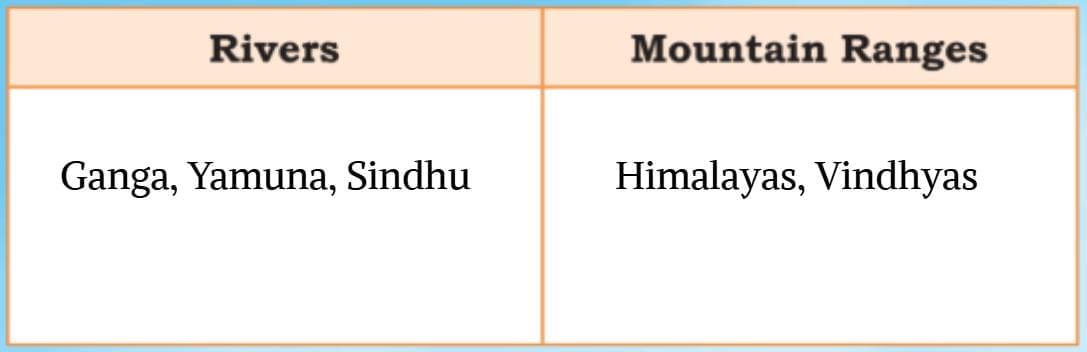
Q2. Can you name some rivers and mountain ranges mentioned in the National Anthem?
Q3. On Republic Day, which activities would you like to participate in?
Answer: I would like to participate in singing the National Anthem, take part in cultural programs, and watch the parade.
Q4. Have you ever watched the Republic Day parade in Delhi on television? What did you like the most about it?
Answer: Yes, I have watched the parade. I liked the colourful tableaux from different states and the fighter jets flying in the sky the most.
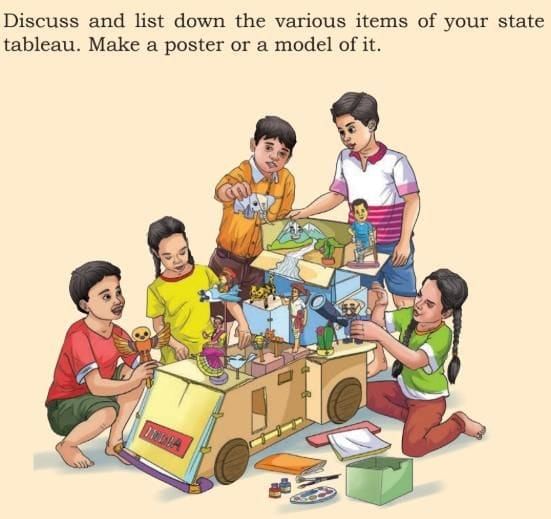
Activity 1
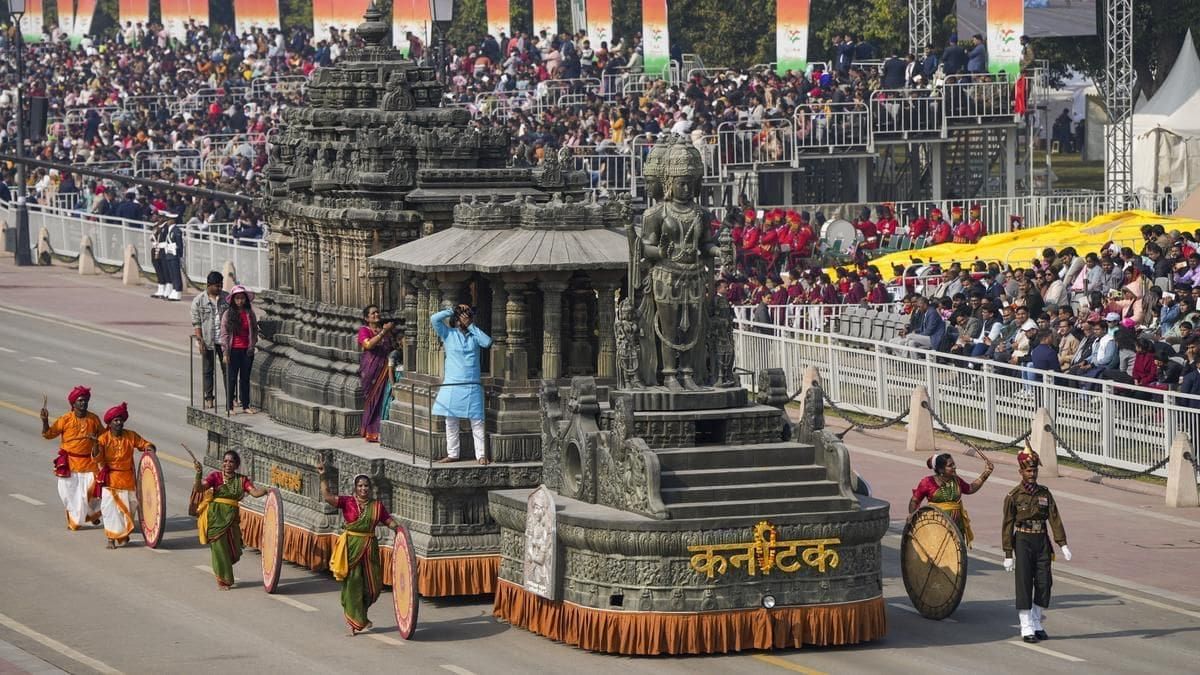
Answer: Karnataka Tableau – Republic Day 2025
- Theme: “Lakkundi – The Cradle of Stone Craft”
- Focus: Showcased the architectural brilliance of Lakkundi, a historic town in Gadag district
- Front Display: Statue of Chaturmukha Brahma from Brahma Jinalaya, Karnataka’s oldest Jain temple
- Main Structures: Replicas of
- Kashi Vishweshwara Temple
- Nanneshwara Temple
- Purpose: Highlight Karnataka’s ancient stone carving traditions and religious harmony
- National Theme 2025: Swarnim Bharat – Virasat aur Vikas (Golden India – Heritage and Development)
- Important Clarification: The Viral image showing Tipu Sultan was from 2014, not 2025
Page No. 79
Write
Q1. What events take place at your school on Independence Day?
Answer: On Independence Day, we hoist the flag, sing patriotic songs, remember freedom fighters, and enjoy cultural programs.
Activity 2
Q. Write down five rules that are followed at your school. If you were to make one new rule, what would it be?
Answer: Rules followed by my school:
- Be punctual.
- Wear a school uniform.
- Keep the school clean.
- Respect teachers and classmates.
- No bullying.
New Rule: Everyone must help in planting trees around the school.
Page No. 80
Activity3
Page 82
Activity 4
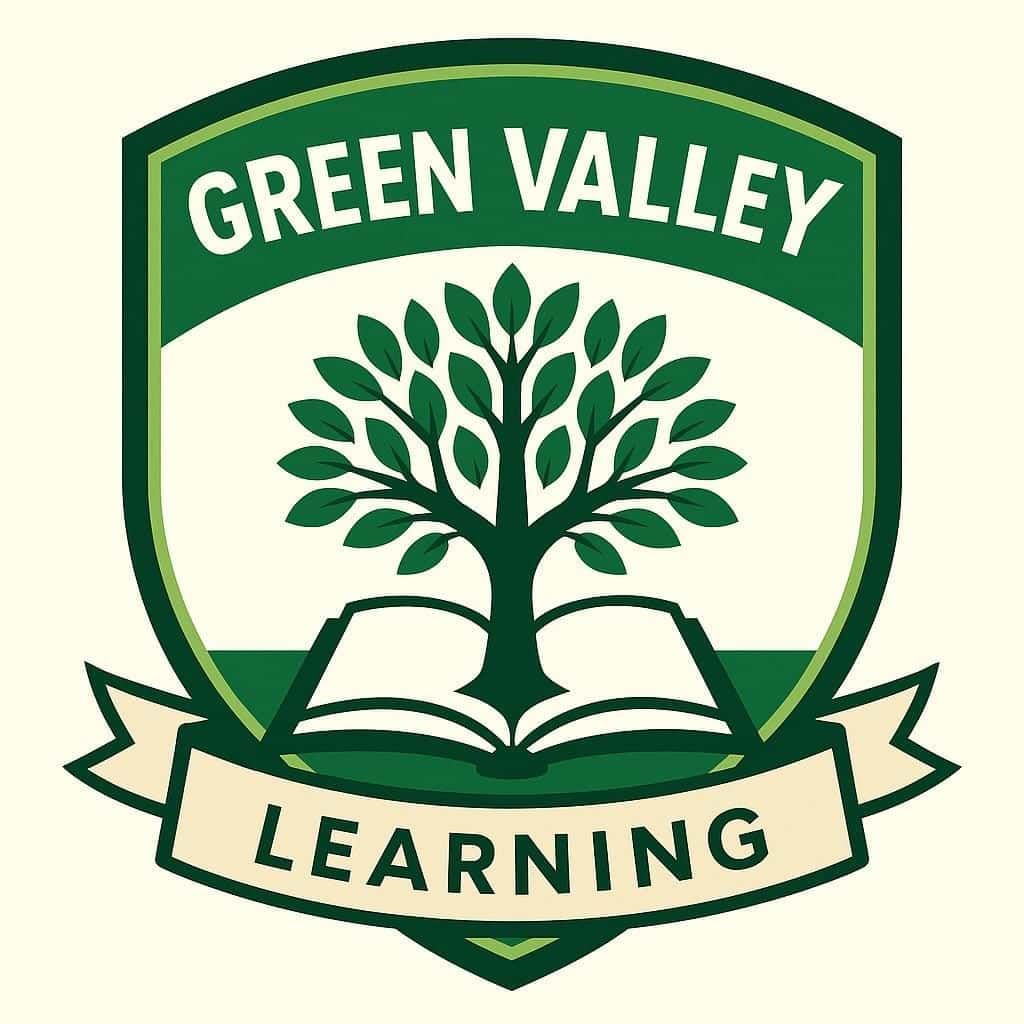
- The school emblem of Green Valley Learning likely holds important meanings related to education and growth.
- The tree with vibrant green leaves symbolises growth, nature, and vitality, suggesting a caring environment for learning.
- The open book placed under the tree represents knowledge, education, and the quest for wisdom.
- The green colour used in the emblem emphasises ideas of renewal, harmony, and environmental awareness.
- The name Green Valley, along with Learning on the ribbon, suggests a complete approach to education.
- This combination may highlight a connection to nature or a valley setting, promoting a supportive and enriching learning community.
Page No. 83
Write:
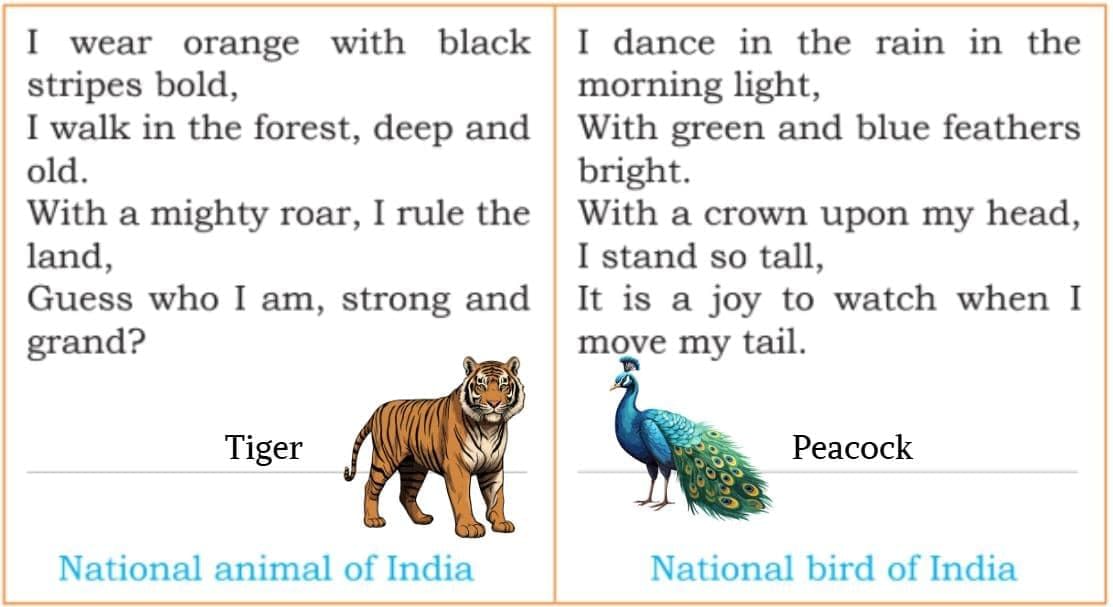
Discuss
Q. If you were to choose a national fruit, which would it be and why?
Answer: Mango, because it is sweet, popular, and grown in many parts of India.
Find out
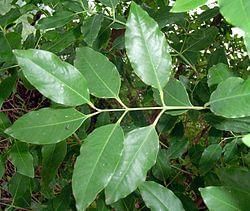
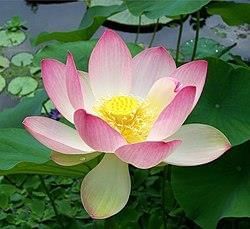
Q. State symbols vary. Find your state’s symbols with the teacher.
For Example, Karnataka State
The state animal is the Indian elephant
The state bird is the Indian roller The state tree is sandalwood (Santalum album)The state flower is the lotus
Page No. 84
Activity 5
Q1. List the languages spoken in your class.
Answer: (Example) Hindi, Tamil, Telugu, Marathi, Bengali.
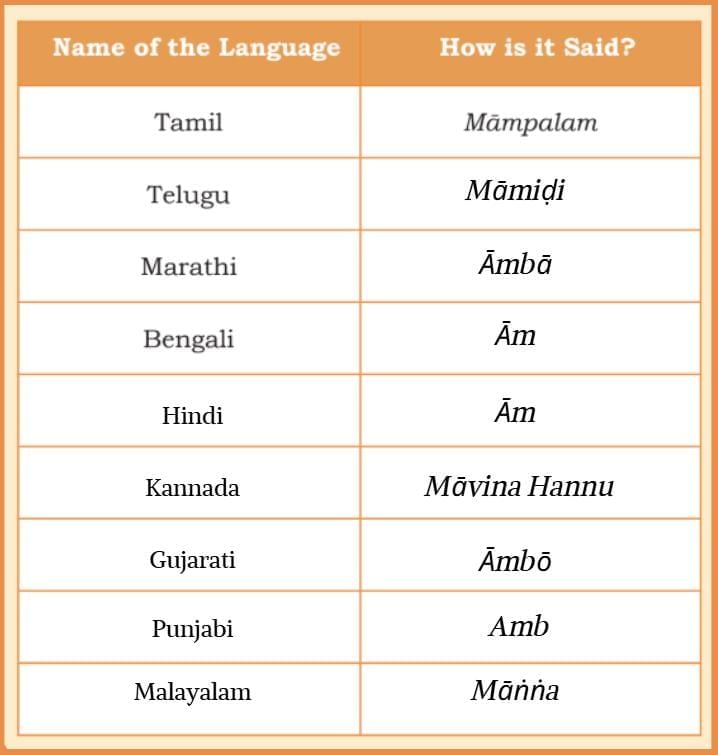
Q2. Pick a word like “mango” and learn how it is said in these languages.
Page No. 87
Activity 6
Part 1: Make a Traditional Headgear Using a Dupatta or Scarf
What you need:
- A dupatta, scarf, or long cloth
- A few friends or classmates
- A mirror (optional)
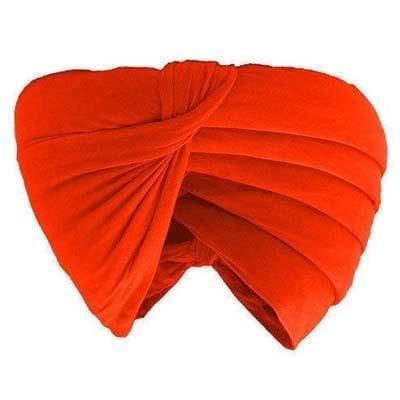
Steps: 1. Sit in small groups with your classmates.
2. Take turns helping each other wrap the dupatta or scarf around the head like a traditional turban or headgear.
3. Try styles from different regions—like: Rajasthani pagdi, Sikh turban, South Indian cloth wrap
Part 2: Create a Headgear or Cap Using Waste Materials
What you need:
- Old newspapers or magazines
- Cardboard pieces (like from a cereal box)
- Glue or tape
- Scissors (with an adult’s help)
- Waste cloth, buttons, bottle caps, or old decorations
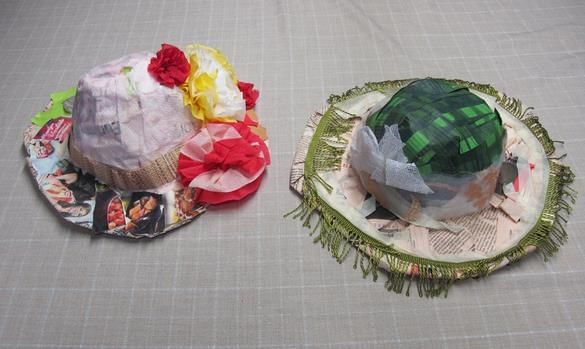
Steps: 1. Cut cardboard into a circle or cap shape for the base.
2. Use a newspaper to wrap or cover the cap.
3. Decorate with waste materials like: Old fabric pieces, Bottle caps as buttons, Beads or buttons for style
4. Add a paper flower or small flag for fun!
Page No. 89
Activity 7
Write
Q1. Traditional Indian musical instruments that you know.
Answer: Tabla, Sitar, Mridangam, Shehnai, Dholak.
Q2. Make a musical instrument using local materials. (Creative task)
Answer: Creating a musical instrument from locally available materials is a fun and creative project! Here’s a simple idea to make a homemade drum using common household items:
Materials:
- An empty tin can (e.g., a coffee or biscuit tin) or a sturdy plastic container
- A balloon or a thin plastic sheet
- Rubber bands or string
- A wooden spoon or stick (for a drumstick)
Steps:
- Prepare the Base: Ensure the tin can or container is clean and dry. Remove any sharp edges.
- Create the Drumhead: Cut the balloon or plastic sheet to fit over the open end of the can. Stretch it tightly across the top to act as the drumhead.
- Secure It: Use rubber bands or string to hold the balloon/plastic in place around the edges of the can, ensuring it’s taut.
- Test It: Use the wooden spoon or stick to gently tap the drumhead. Adjust the tightness if the sound isn’t satisfactory.
Tips:
- The sound will vary based on the material and tightness of the drumhead. Experiment with different containers or plastic thicknesses.
- Decorate your drum with paint or markers for a personal touch!
Page No. 91-93
Let us reflect
1. If you could learn one more Indian language, which one would you select and why?
Answer: I would like to learn Tamil because it is one of the oldest languages in India and has beautiful stories and poems. Learning Tamil can help me understand a different culture and talk to many people.
2. Which monuments do you see in different currency notes? Make a table.
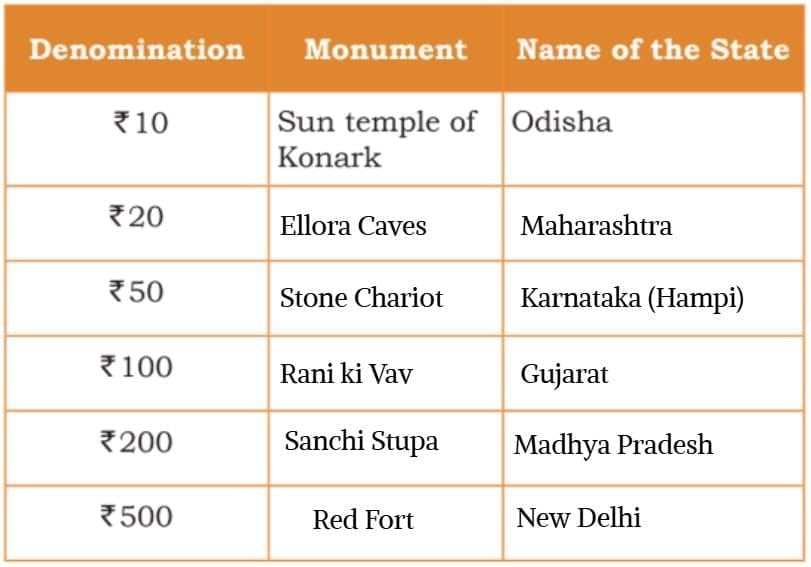
Note: Students are encouraged to verify and fill in the details for ₹50, ₹100, and ₹200 based on their observations or guidance from their teacher.
3. Identify the currency symbol of India among these: € $ P₹ ¥ £
Answer: The Indian currency symbol is ₹ (Rupee sign). Others are €, $, ¥ (Yen, Japan/China), £ (Pound, UK).
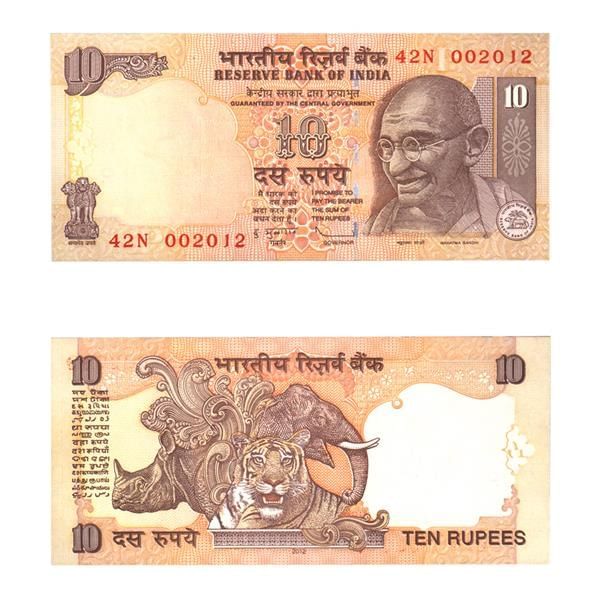
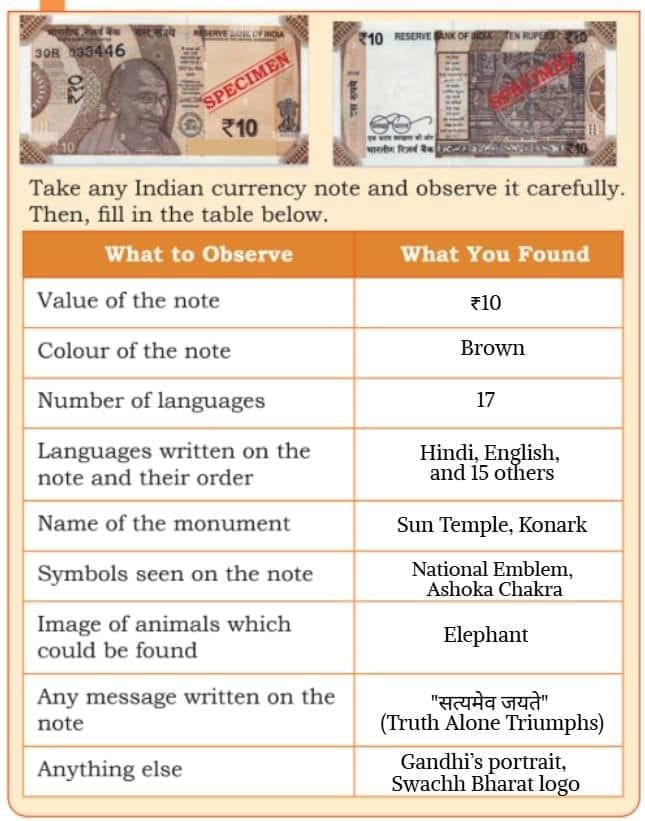
4. Which animals do you see on a ₹10 note?
Answer: On the new ₹10 note, there is no animal. However, the old one has a Tiger and an elephant, along with some more.
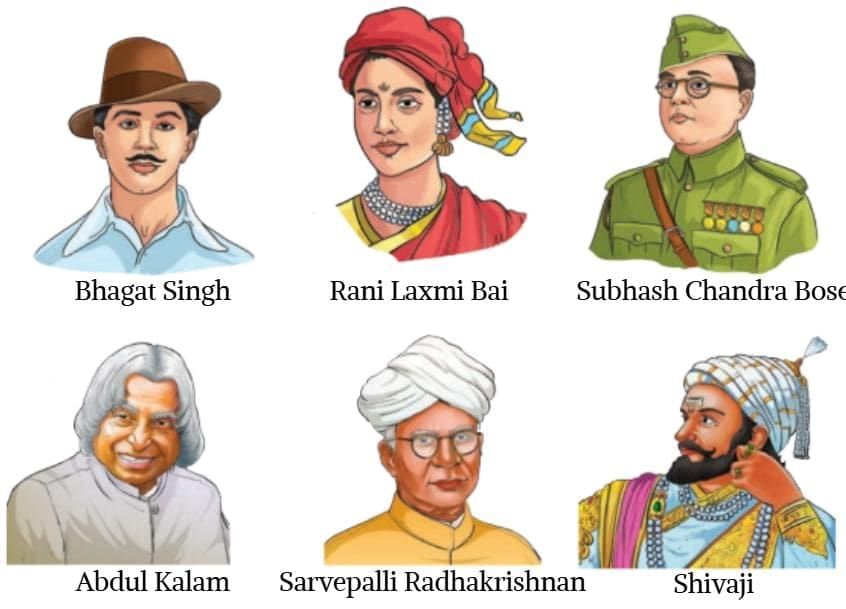
5. You must have seen pictures of a few great people of India in your school or other places. Identify their names and write a few lines about their contributions.
Answer:
- Mahatma Gandhi: He led India’s freedom struggle peacefully and taught us the importance of non-violence.
- Dr. B.R. Ambedkar: He helped write India’s Constitution.
- Other famous people could be Rabindranath Tagore, Jawaharlal Nehru, and others, with their respective contributions.
6. Group activity: Find out from your elders about people who have contributed to the nation from your locality or state, and share what you learnt in the classroom.
Answer: Students may ask elders about local heroes, freedom fighters, or people who did great work for society. Then, share their names and stories with the class.
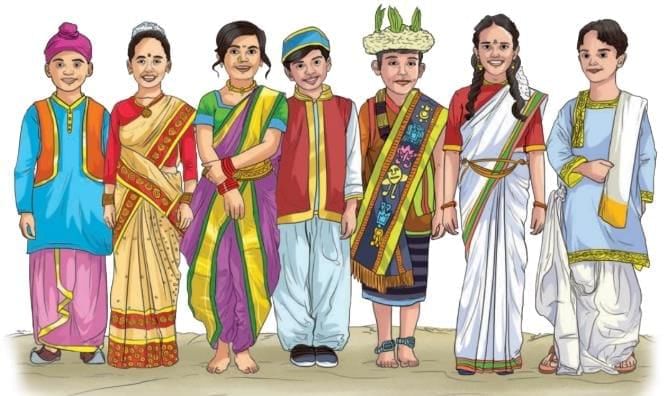
7. Project: Cultural Fair
Celebrate the vibrant diversity of India, where every state tells its own colourful story.
- Divide the class into groups and assign each group a different state.
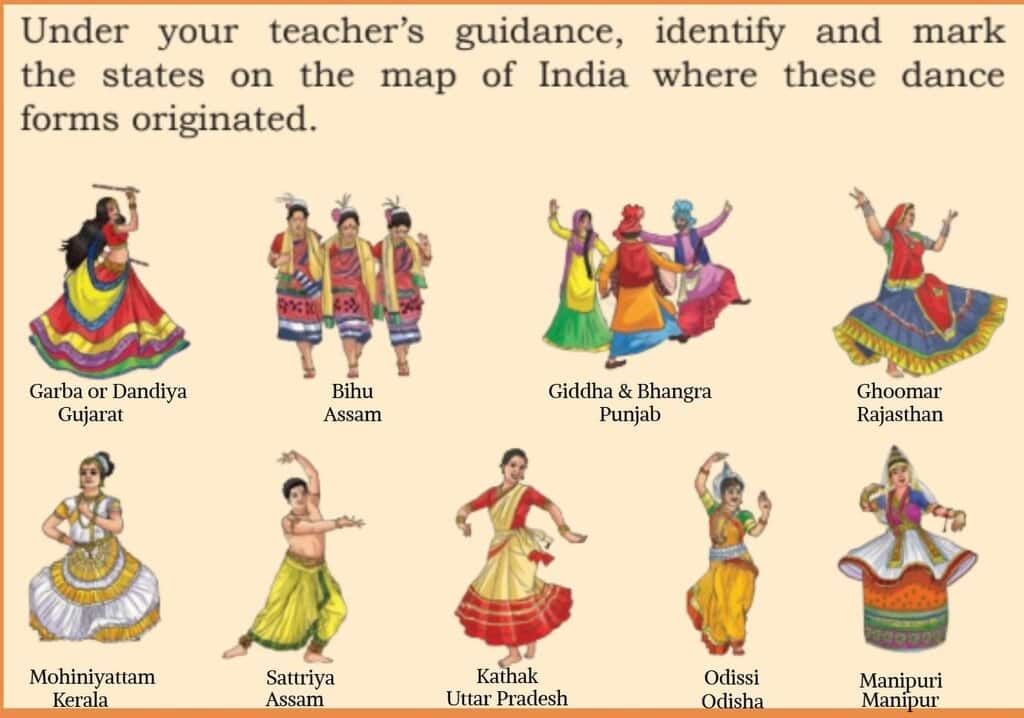
- Each group explores its state’s traditional dress, food, festivals, language, dance, and music.
- Prepare posters or models and set up booths at a cultural fair.
- After the fair, discuss the unique features and common values found in each state.
Answer: Cultural Fair Project – Step-by-Step Guide
Step 1: Get into Groups
Your teacher will divide the class into small groups. Each group will be assigned a different Indian state.
Step 2: Learn About Your State
With your group, gather information about the state. Find out:
- Traditional dress
- Popular food
- Famous festivals
- Languages spoken
- Dance or music forms
- Any interesting facts
Step 3: Make Your Poster or Chart
Create a poster or chart to show what you’ve learned. You can draw pictures, use printed photos, or cutouts from magazines.
Step 4: Prepare Your Booth
Decorate your booth using your poster, models, cloth pieces, and items related to your state (use waste or recycled materials if possible).
Step 5: Practice Your Script
Decide who will talk about which topic. Prepare a short speech about your state so you can tell visitors at your booth.
Step 6: Visit Other Booths
Once your booth is ready, take turns visiting other groups’ booths. Ask questions and learn about the other states.
Step 7: Circle Time Discussion
After the fair, sit together as a class and discuss:
- What was unique about each state?
- What similarities or common values did you find?
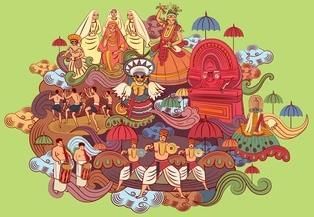
Sample State Booth: Kerala – God’s Own Country
Draw or stick a map of Kerala. Mark cities like Kochi, Munnar, and Thiruvananthapuram.
Traditional Dress (Draw or paste photos of traditional clothes.)
– Men: Mundu
– Women: Kasavu Saree
Popular Food
– Idiyappam
– Appam with Stew
– Sadya (a traditional meal served on a banana leaf)
Festivals
– Onam
– Vishu
(Decorate with a flower rangoli design called Pookalam.)
Language
– Malayalam
Dance and Music
– Kathakali
– Mohiniyattam
(Paste pictures or draw masks and musical instruments.)
Sample Script (for you to say at your booth)
Namaste! Welcome to our Kerala booth!
Kerala is a beautiful state in the south of India. It is called “God’s Own Country” because of its greenery and backwaters.
People here wear traditional white and gold clothes and speak Malayalam.
One of the biggest festivals is Onam, where people make flower rangolis and eat a big meal called Sadya.
The famous dance of Kerala is Kathakali, with colorful makeup and costumes.
Kerala is also known for its spices, coconut trees, and boats.
Thank you for visiting our booth!