Introduction
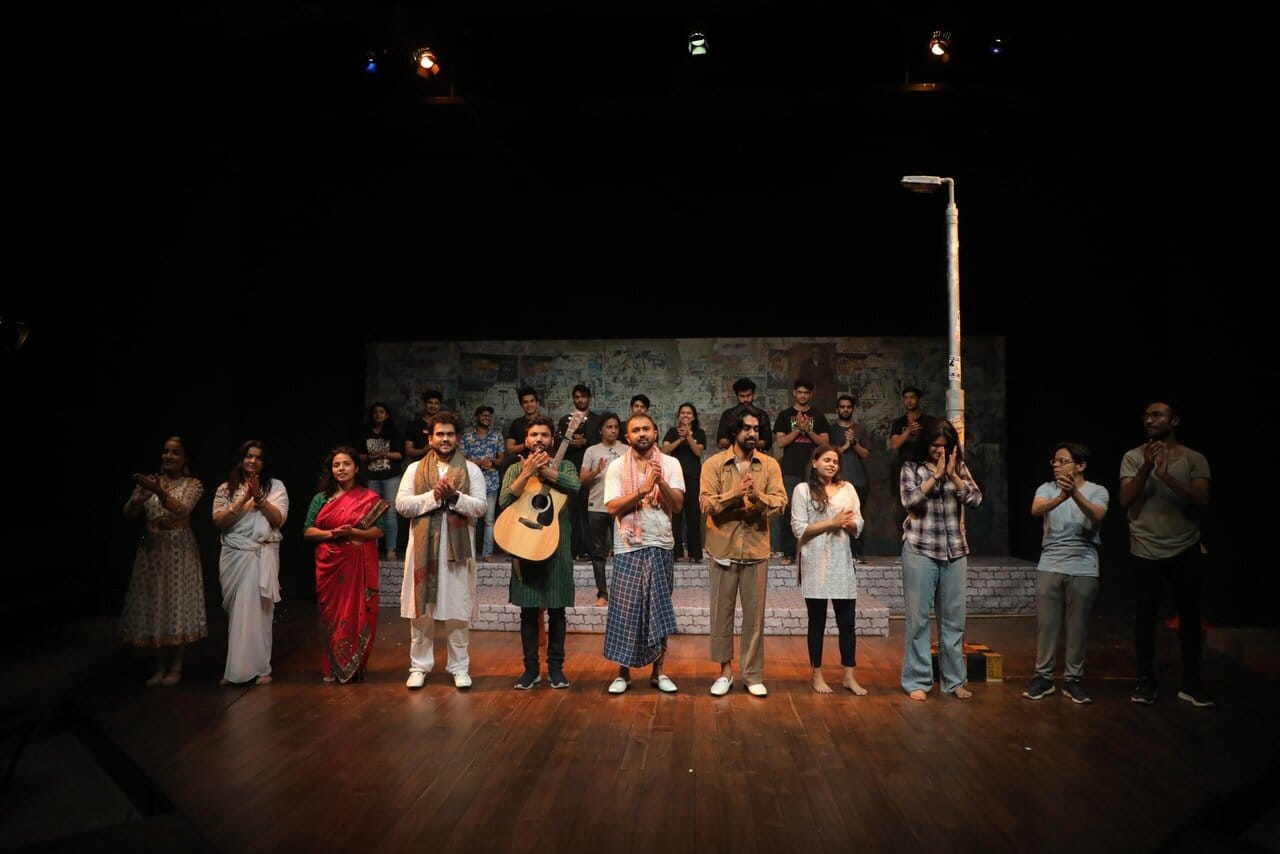
Theatre View
As young theatre artists, whether you like writing scripts, designing costumes, or acting, watching plays and live performances is very important. By observing others perform, you can learn a lot about how to make your own plays better. This chapter explains why watching different kinds of performances helps you understand technical aspects like props, make-up, and music, as well as learn about cultures, traditions, and historical heroes. It also introduces you to some exciting folk theatre traditions from different parts of India that you can watch when they happen in your town.
Importance of Watching Plays
- Watching plays and live performances helps you learn new things, no matter what part of theatre you like, such as script writing, costume designing, or acting.
- You can learn how others plan their technical aspects, like set props, make-up, costumes, music, and acting.
- Performances teach you about different cultures, traditions, and historical heroes.
- By watching others, you can improve your own planning and performing skills for your plays.
Try yourself:
What can you learn by watching plays?
- A.Mathematical formulas
- B.Sports techniques
- C.New cooking recipes
- D.Different cultures
View SolutionFolk Theatre Traditions Across IndiaEast India
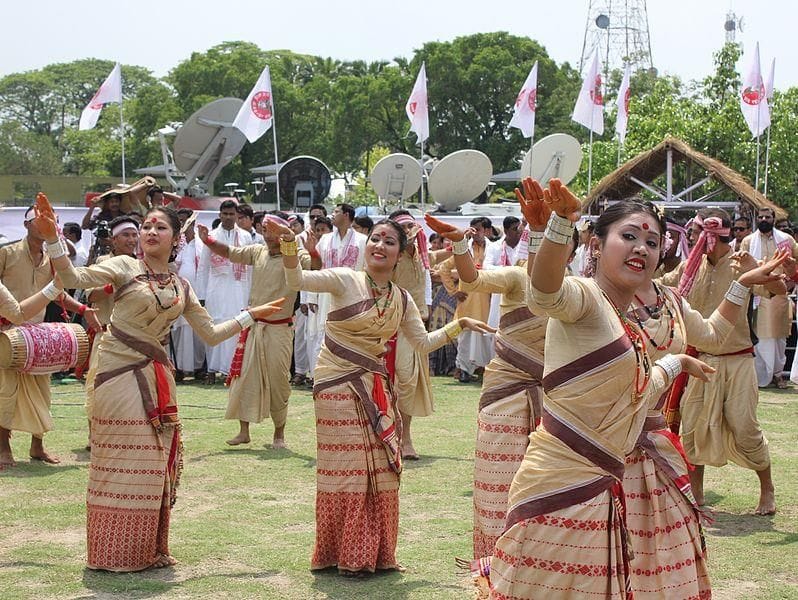
- Jatra (West Bengal, Odisha, Assam): A traveling theatre with exciting stories and live music.
- Ankia Naat (Assam): Short devotional plays with dance and music.
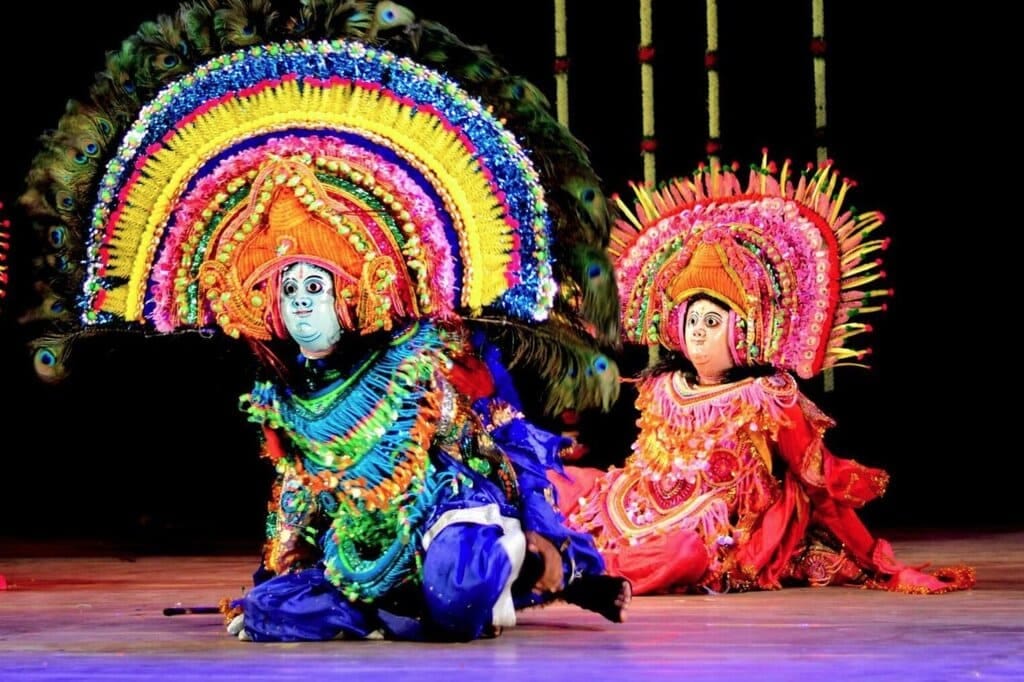
- Chhau (Odisha, Jharkhand, West Bengal): A semi-classical performance with martial arts and storytelling.
Central India
- Nacha (Chhattisgarh): Focuses on dance and funny stories.
- Maach (Madhya Pradesh): Musical theatre performed during festivals, with historical and religious themes.
North India
- Nautanki (Uttar Pradesh): A mix of storytelling, music, and dance, performed on temporary stages.
- Swang (Haryana, Western Uttar Pradesh): Uses mimicry, dialogue, humor, and singing in performances.
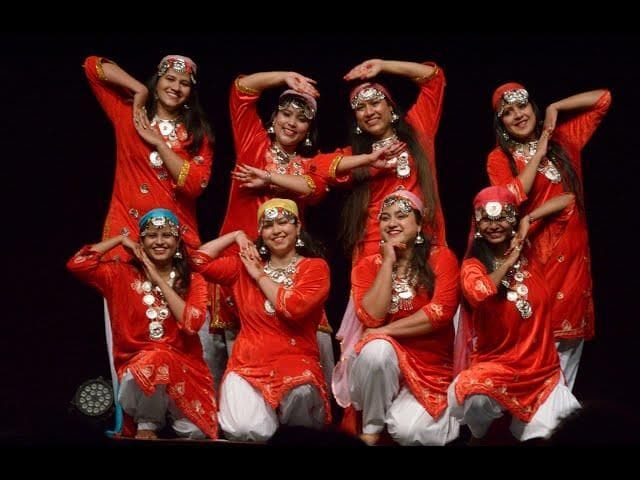
- Bhand Pather (Kashmir): Plays by the Bhand community, using dance, drama, and mime.
West India
- Bhavai (Gujarat): Dramatic shows in open-air spaces that show social issues.
- Tamasha (Maharashtra): Combines singing, dancing, and humor, known for Lavani dance.
- Garba Theatre (Gujarat): Dance-based performances during Navratri, sometimes with dramatized stories.
South India
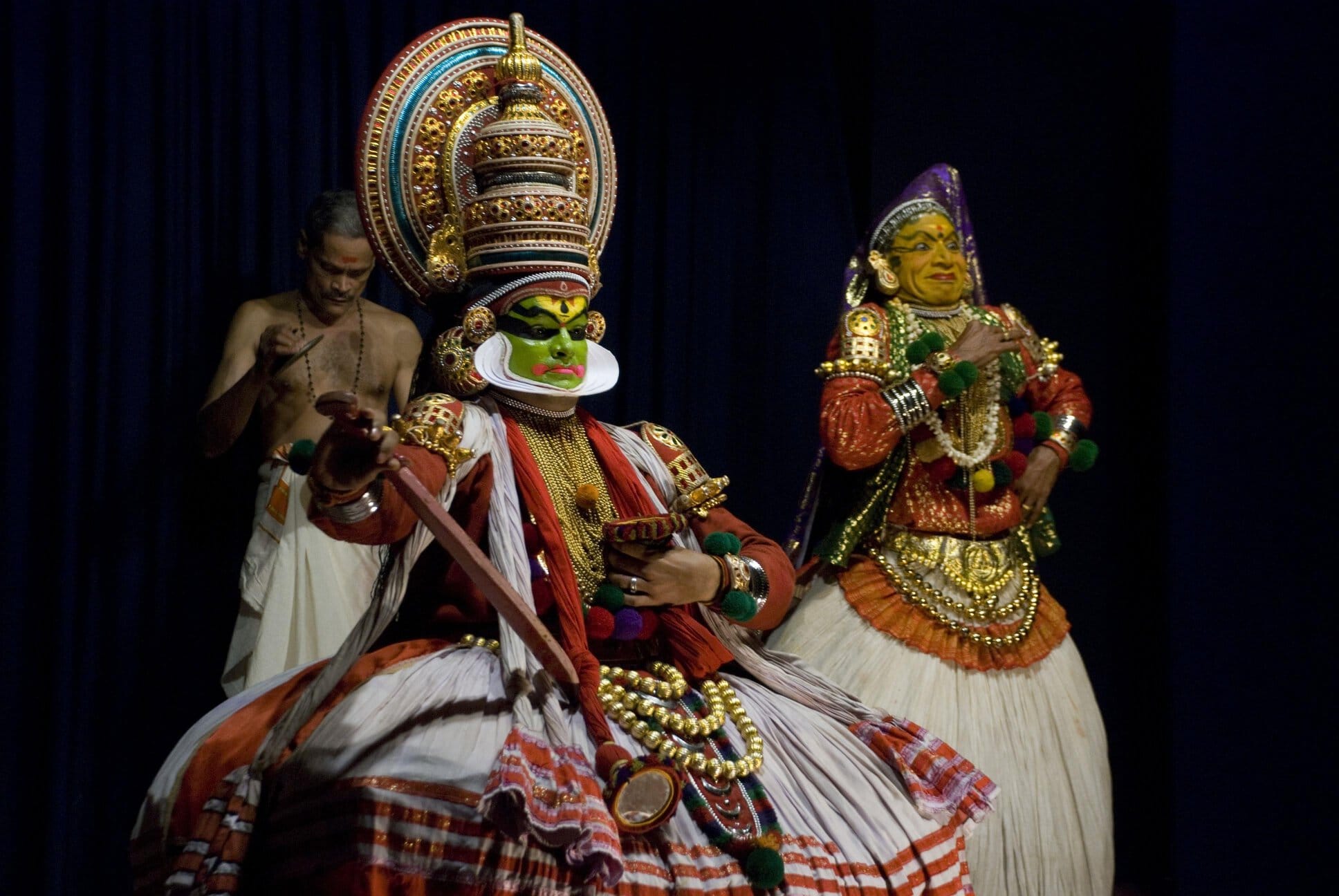
- Yakshagana (Karnataka): A mix of classical music, dialogue, and dance, based on epic stories.
- Therukoothu (Tamil Nadu): Street plays that use storytelling and dance.
- Koodiyattam (Kerala): An ancient Sanskrit theatre form performed in temples with stylized acting.
ConclusionWatching plays is a great way for theatre artists to learn and grow. By observing different performances, you can improve your skills in script writing, acting, and technical aspects like props and costumes. You also get to explore India’s rich folk theatre traditions, like Jatra, Yakshagana, and Nautanki, which teach you about different cultures and stories. This chapter encourages you to watch these performances whenever they happen in your town to make your own plays more exciting and meaningful.