Introduction. This chapter teaches us how dance can be used to show emotions and tell stories. Every person feels different emotions in daily life like joy, sadness, anger, or fear. Dance gives us a way to express these feelings through gestures, movements, eyes, and expressions. It also shows us how to use props, imagination, and even our five senses to narrate stories and create performances.
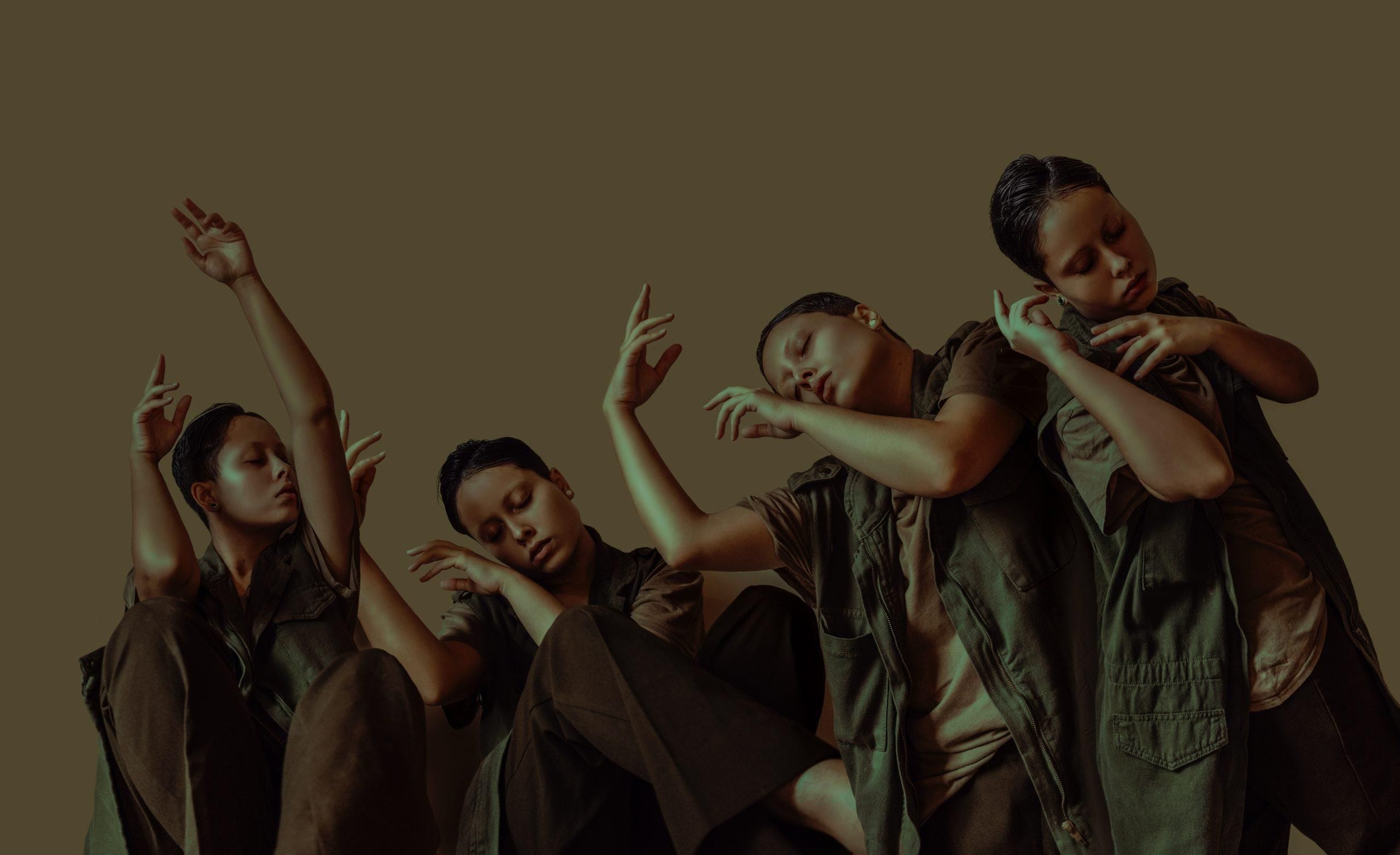
Dance Expresses Emotions and Narrates Stories
Emotions in Dance
- We experience many emotions in different situations – sometimes happy, sometimes sad or angry.
- Dance allows us to show these emotions clearly to others.
- Through body movements and gestures, dancers can make the audience feel what they are showing.
Try yourself:
What do dancers use to express their emotions?
- A.Colors
- B.Instruments
- C.Words
- D.Body movements
View SolutionEyes and Eyebrows in Emotions
- Eyes are often called the mirror of our feelings.
- By moving eyes and eyebrows in different ways, we can show many emotions:
- Anger – eyes expand, shown with the suchi hasta hand gesture to say “go away.”
- Joy – eyes twinkle, shown while holding flowers with the pushpaputa hasta.
- Sadness – eyes contract, shown with the utsanga hasta as if wanting comfort.
- Hiding something – eyes look to the corner, shown with the samputa hasta.
Opposite Emotions
- In dance, we can also show two opposite emotions together.
- For example:
- Bravery and fear
- Happiness and anger
This makes the dance more expressive and helps in storytelling.
Props in Dance
- Props make dances more creative and colourful.
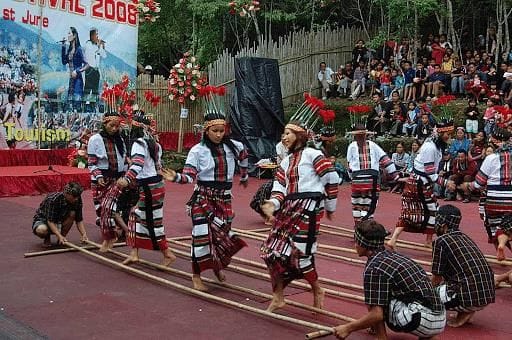
Cheraw Dance
- Examples of props:
- Sticks in Garba dance from Gujarat.
- Bamboo poles in Cheraw dance from Mizoram.
- A dupatta used as a peacock feather.
- Rubber bands used like dancing puppets.
Try yourself:
What are props used for in dance?
- A.To change the lights
- B.To play music
- C.To enhance the performance
- D.To help with costumes
View SolutionImaginary Props
- Dancers also use imaginary props to show actions.
- Example: showing a ball without having one.
- In Mohiniattam (Panthattam) and Manipuri (Kanduk Khel), dancers show playing with an imaginary ball.
- Stories like Krishna playing with friends can be expressed using these props.
Five Senses in Dance
- We use our five senses in daily life: seeing, hearing, smelling, tasting, and feeling.
- These senses can be shown in dance by matching them with movements and expressions.
- For example:
- Eyes and hands can show what we see.
- Gestures and ear movements can show what we hear.
- Nose movements can show what we smell.
- Mouth actions can show what we taste.
- Body and hand movements can show what we feel.
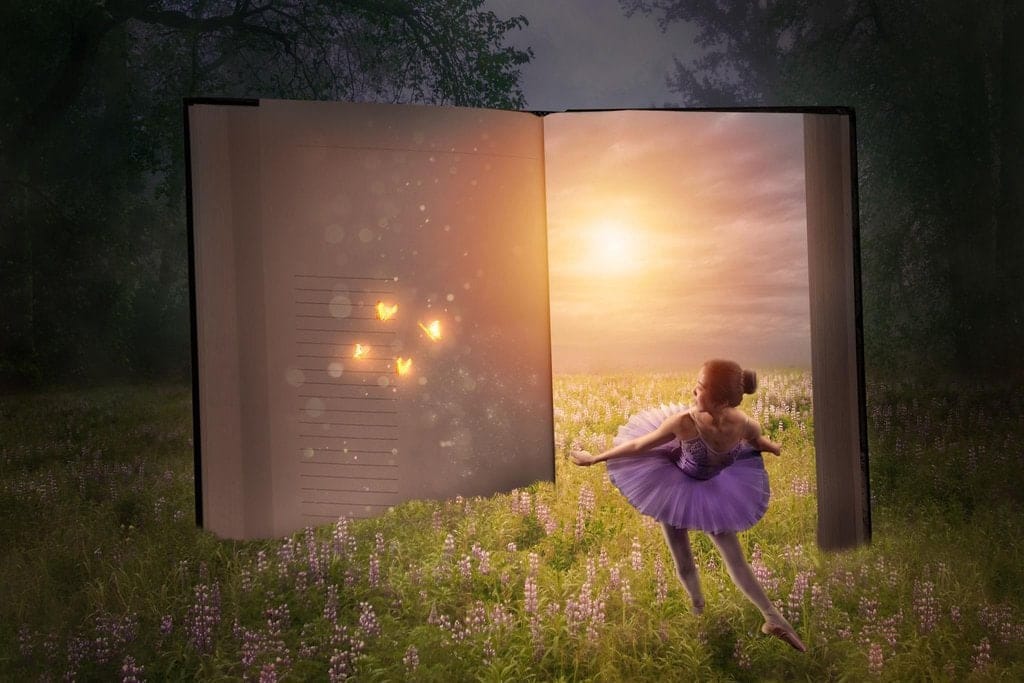
Storytelling Through Dance
- Dance can be used to tell a complete story.
- We can use emotions, eye movements, hand gestures, jumps, spins, and steps to narrate the story.
- Music, beats, or songs can be added to make the story more lively.
Try yourself:
What does storytelling through dance involve?
- A.Using words
- B.Expressing emotions
- C.Drawing pictures
- D.Playing music
View SolutionConclusionDance is not only about steps but also about feelings and stories. By using eyes, gestures, props, imagination, and the five senses, dancers can express many emotions. This makes the audience understand the story and connect with the performance. Dance becomes a powerful way of showing what we feel and sharing stories with others.