Q1: What is a government?
Ans: A government is a system that manages a country, making rules and providing services.
Q2: What are the functions of a government?
Ans: A government ensures law and order, protects citizens, and provides services like education and healthcare.
Q3: What is democracy?
Ans: Democracy is a form of government where the people have the power to choose their leaders through voting.

Democracy
Q4: Who are the people involved in a government?
Ans: The people involved in a government include elected representatives, officials, and citizens who follow the laws.
Q5: What is a monarchy?
Ans: A monarchy is a form of government where a king or queen holds power, often passed down through family.
Q6: What does ‘democracy’ mean?
Ans: Democracy means “rule by the people,” where citizens have a say in the government through voting.
Q7: What is the primary function of a democracy?
Ans: The primary function of a democracy is to ensure that the people have a voice in governance through elections.
Q8: What are the main parts of a government?
Ans: The main parts of a government are the legislature, executive, and judiciary.
Q9: What is a legislative function?
Ans: The legislative function involves making laws that govern a country.
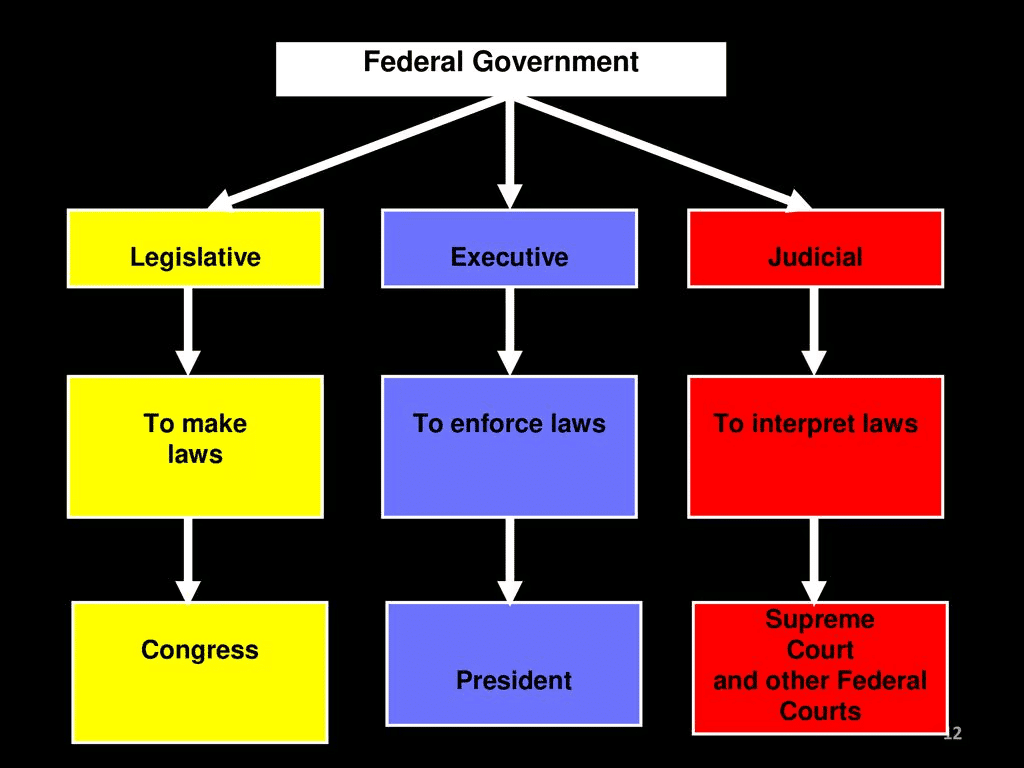
Parts of a government
Q10: What is the executive function?
Ans: The executive function is responsible for carrying out laws and managing day-to-day governance.
Q11: What is the judicial function?
Ans: The judicial function ensures that laws are followed and resolves disputes.
Q12: What is the difference between democracy and monarchy?
Ans: In a democracy, people elect leaders, while in a monarchy, leadership is passed down through a royal family.
Q13: What does ‘separation of power’ mean?
Ans: Separation of power means dividing government into different branches, each with its own duties to prevent concentration of power.
Q14: What is universal adult franchise?
Ans: Universal adult franchise means that every adult citizen has the right to vote.
Q15: What are the fundamental rights in a democracy?
Ans: Fundamental rights include equality, freedom of speech, and protection from exploitation.
Q16: What is representative democracy?
Ans: Representative democracy is when people elect representatives to govern on their behalf.
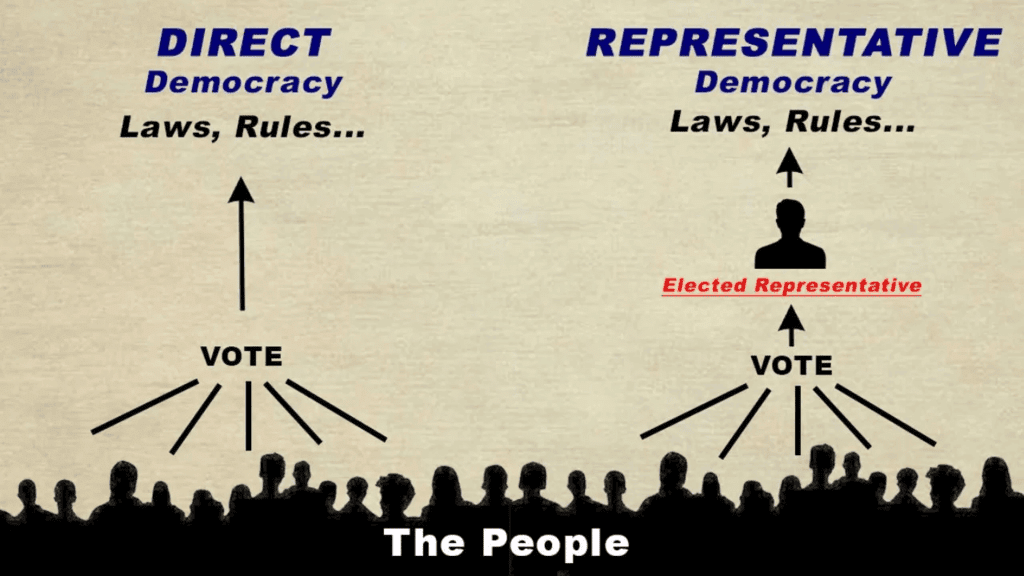
Difference: Direct and Representative Democracy
Q17: What is a parliamentary democracy?
Ans: A parliamentary democracy is when the executive is part of the legislature and depends on its support.
Q18: What is a presidential democracy?
Ans: A presidential democracy is when the president is elected separately and works independently from the legislature.
Q19: What is a dictatorship?
Ans: A dictatorship is a form of government where one person has absolute power, not bound by laws.
Q20: What is an oligarchy?
Ans: An oligarchy is a form of government where a small, powerful group makes decisions for the country.
Q21: How do governments differ?
Ans: Governments differ in who holds power, how it is passed on, and how decisions are made.
Q22: What is the role of the judiciary?
Ans: The judiciary ensures that laws are followed and settles disputes.
Q23: What is the significance of the constitution?
Ans: The constitution is a document that defines the fundamental laws and structures of a country.
Q24: What does accountability mean in governance?
Ans: Accountability means the government is responsible for its actions and decisions and answers to the people.
Q25: How does democracy affect the people?
Ans: Democracy ensures people have a voice in government and influences their rights and freedoms.