Glossary and Important Information
- Council of Ministers: A group of ministers who are collectively responsible to the Lok Sabha.
- Cabinet: A group of senior ministers who manage key ministries. It is the main part of the Council of Ministers and often meets to make important decisions for the entire Council.
- Impeachment: A special procedure in Parliament to prosecute or remove the President and Judges for breaking the Constitution.
- Money Bills: Bills that deal with financial matters such as taxes, income, spending, and grants.
- Lok Sabha: The lower house of the Indian Parliament, made up of elected representatives of the people.
- Rajya Sabha: The upper house of Parliament that represents the interests of states and Union Territories.
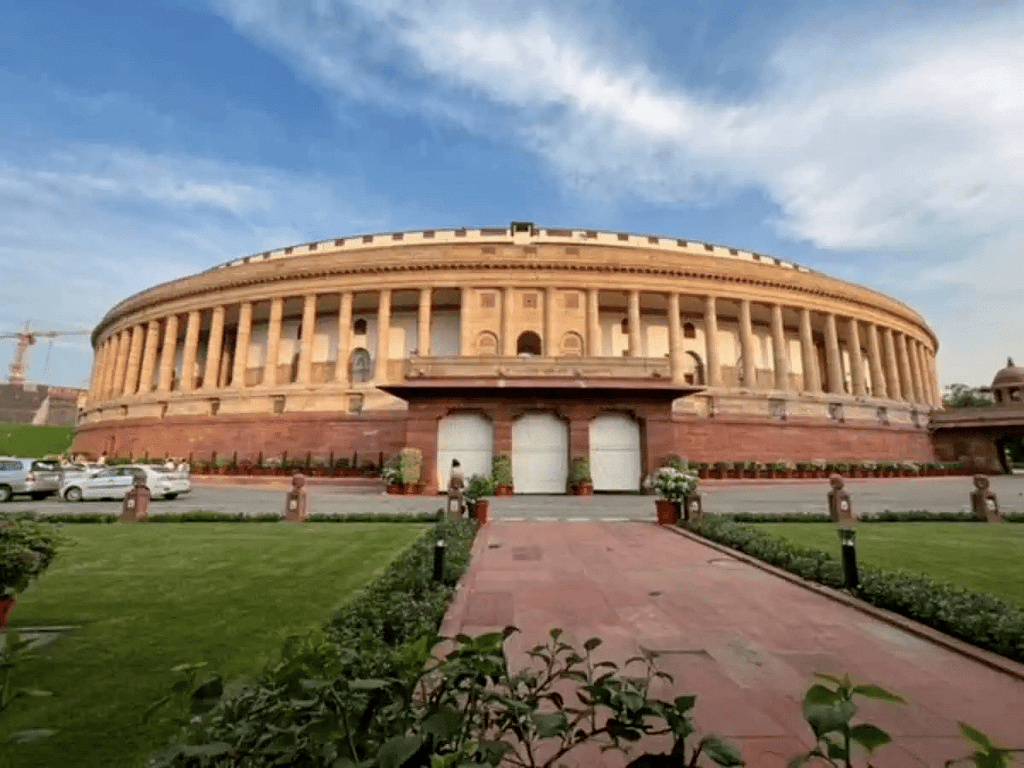
- Speaker: The presiding officer of the Lok Sabha, responsible for ensuring smooth conduct of its business.
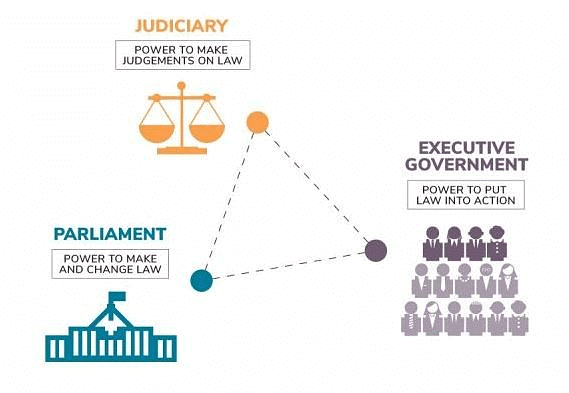
- Executive: The part of government that puts laws into action. It consists of people with the authority to create major policies, make decisions, and implement them according to the Constitution and laws.
- Legislative: The part of government that creates laws and monitors the executive branch.
- Judiciary: The system that administers justice and resolves legal disputes. All courts in the country are part of the judiciary.
- Criminal Cases: Cases involving breaking criminal laws, such as murder, theft, and assault.
- Independence of the Judiciary: The Constitution ensures that the judiciary operates independently from the executive to avoid bias in favour of the government.
- Coalition Government: A government formed when multiple political parties come together to rule, usually when no single party has a majority.
- Government: The organisation responsible for managing a country, state, or community, exercising authority over various aspects of public life.
- Office Memorandum: A communication from an authority stating the government’s policy or decision.
- Political Institutions: Formal structures like government bodies and political parties that regulate political processes and hold authority in society.
- Reservation: A policy aimed at offering special opportunities to disadvantaged groups, often through quotas in education and employment.
- State: A political entity with a defined territory, organised government, and the ability to make domestic and foreign policies. The state remains constant, even if government leaders change. The terms country, nation, and state are often used interchangeably.
- Legislative Assembly: A governing body that is responsible for making laws in a specific region.
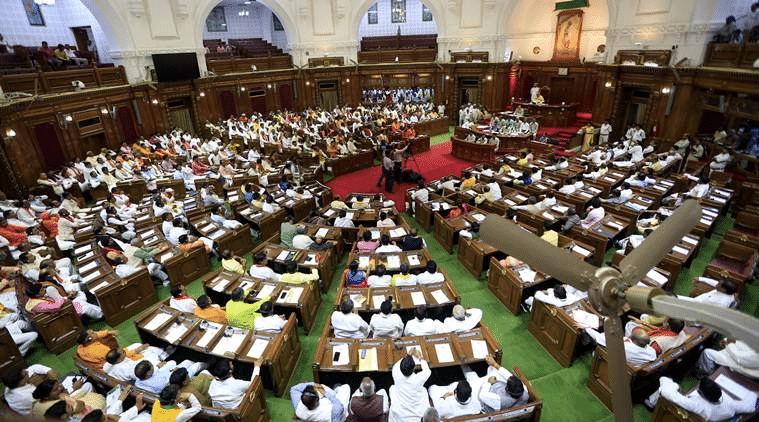
- Parliament: The highest legislative body in a country, made up of elected representatives who create laws and oversee the government.
- Political Executive: The branch of government that implements laws and policies, led by elected officials like the president or prime minister.
- Public Interest Litigation: Legal action taken in the interest of the public, aimed at addressing social justice, human rights, or welfare issues.