Short Answer Questions
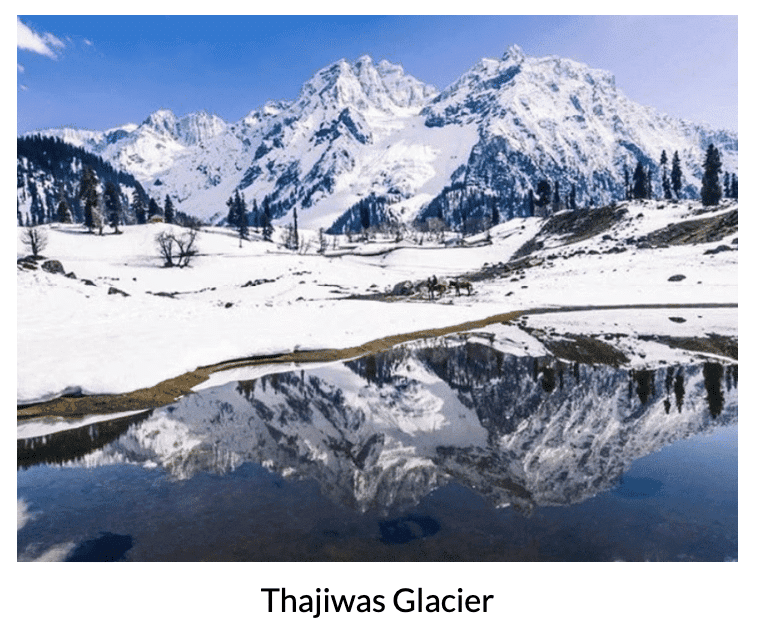
Q1: What does Shaana notice about the snow in Kashmir?
Ans: Shaana notices that there is less snow at the Thajiwas Glacier in Kashmir compared to the previous year. She describes the beautiful white and blue glaciers but points out the reduced snowfall, indicating her awareness of environmental changes while enjoying the cold and snowball fights with her parents.
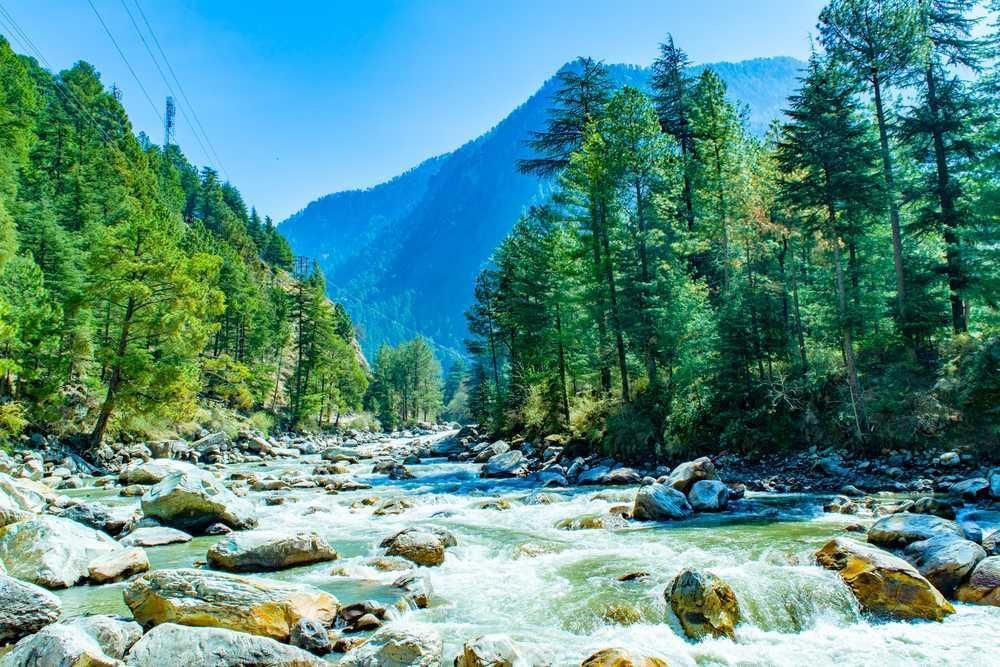
Q2: What sounds does Shaana hear in Himachal Pradesh?
Ans: In Himachal Pradesh, Shaana hears the morning songs of colourful birds chirping around her cabin, creating a joyful atmosphere. At night, she hears growling sounds, which her mother jokingly says are her father snoring, adding a playful element to the mountain surroundings and sparking Shaana’s imagination.
Q3: Why does Shaana call Arunachal Pradesh her favourite stop?
Ans: Shaana calls Arunachal Pradesh her favourite stop because she loves the thick forest and the treehouse she stays in, and she is excited about the chance to see red pandas. Her enthusiasm for the region’s natural beauty and wildlife reflects her growing love for nature and adventure.
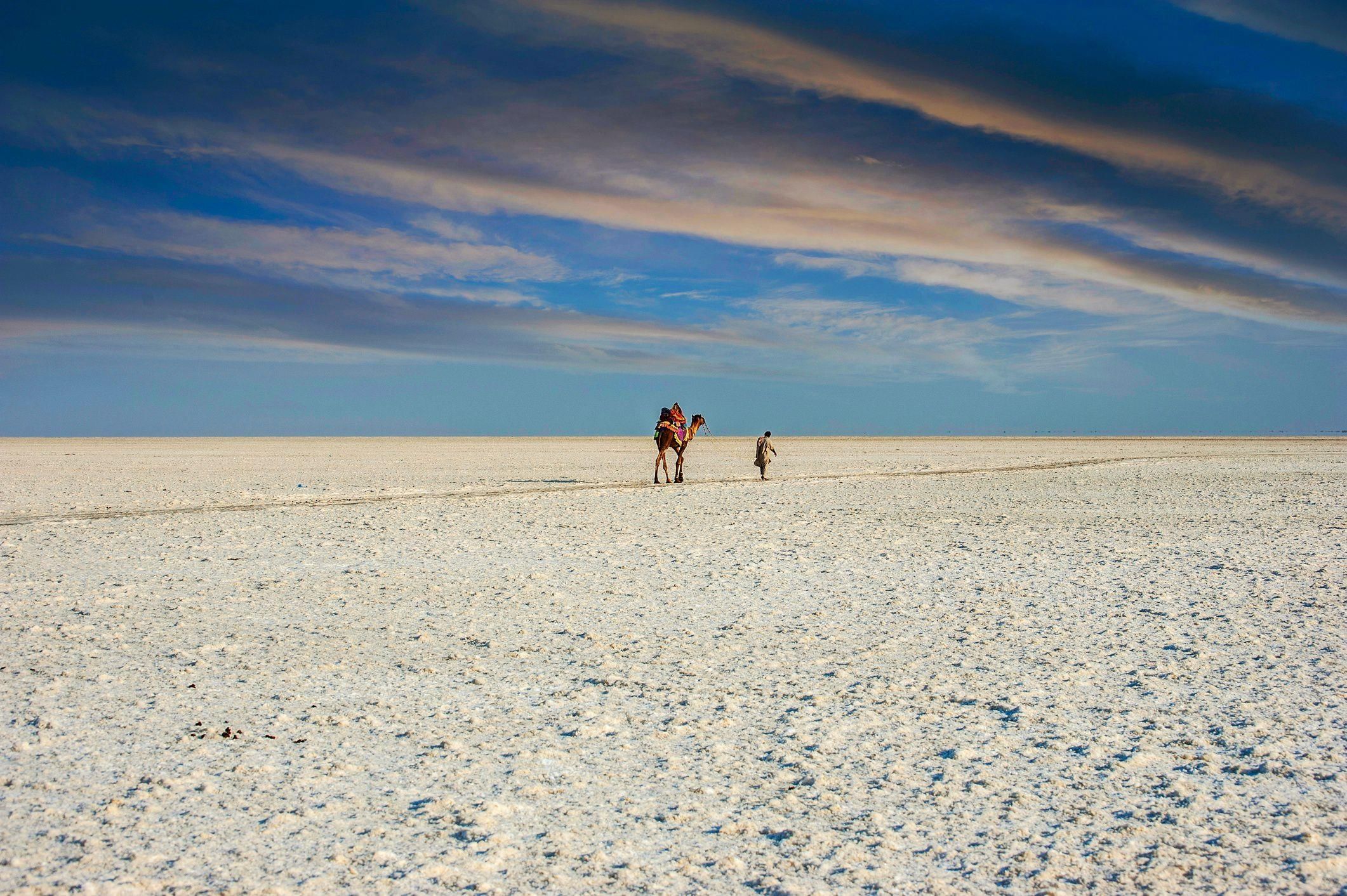
Q4: What makes the Rann of Kutch different from Kashmir?
Ans: The Rann of Kutch in Gujarat is hot, dry, and sandy, contrasting sharply with the cold, snowy glaciers of Kashmir. While Kashmir requires multiple layers of clothing due to its biting cold, the Rann of Kutch’s desert-like climate highlights India’s diverse weather and landscapes, as experienced by Shaana.
Rann of KutchQ5: How does Shaana feel about tunnels in Goa?
Ans: In Goa, Shaana feels confident riding a train through many tunnels, a contrast to her earlier fear of them. She now enjoys watching the view of plateaus and hills from the train window, reflecting her personal growth and newfound comfort with adventurous experiences during her journey.
Long Answer Questions
Q1: How does Shaana’s visit to the Thajiwas Glacier in Kashmir reflect her curiosity and awareness of environmental changes?
Ans: Shaana’s visit to the Thajiwas Glacier in Kashmir highlights her curiosity as she describes the white and blue glaciers and enjoys the snowy fun, like watching her parents throw snowballs. Despite her hands shaking from the cold because she forgot her gloves, she is still eager to explore. She also observes that there is less snow than last year, showing her awareness of possible environmental changes, like climate change. This blend of curiosity and observation connects to the story’s message about appreciating India’s diverse landscapes and being open to new experiences. Shaana’s postcard from Kashmir captures her sense of wonder and growing understanding, making her journey both exciting and thoughtful, inspiring readers to be mindful of their surroundings.
Q2: What role does Shaana’s imagination play during her stay in Himachal Pradesh, and how does it enhance her experience?
Ans: Shaana’s time in Himachal Pradesh shows how her imagination makes her trip more fun and exciting. Staying in a cabin surrounded by mountains, she enjoys the morning sounds of colourful birds, which bring her happiness. When she hears strange noises at night, her mother jokingly says it’s her father snoring, which leads Shaana to imagine meeting a bear and giving it a hug. This creative thinking turns ordinary moments, like hearing sounds at night, into exciting adventures. Shaana’s ability to make stories from her surroundings highlights the theme of curiosity and openness to new experiences. Through her postcards, she encourages her friends to see the world with her imaginative perspective, showing how embracing creativity can help us appreciate new places and experiences more fully.
Himachal PradeshQ3: How does Shaana’s experience in the Sundarbans show her mixed feelings of excitement and nervousness?
Ans: Shaana’s time in the Sundarbans highlights her mix of excitement and nervousness as she explores the unique environment. She is fascinated by the mangrove trees growing in seawater, and her enthusiasm grows as she boats through the wetlands. Seeing crocodiles and a snake adds to her excitement but also makes her nervous, as these creatures can be intimidating. Her mother’s mention of frequent flooding brings up concerns about the area’s environmental challenges, adding to Shaana’s awareness of the region’s vulnerability. This blend of awe and caution reflects Shaana’s ability to embrace adventure while understanding the complexities of the world around her. Her postcards capture these mixed feelings, reinforcing the moral of the story: it’s important to stay open to new experiences, balance curiosity with caution, and appreciate the beauty and fragility of diverse landscapes like the Sundarbans.
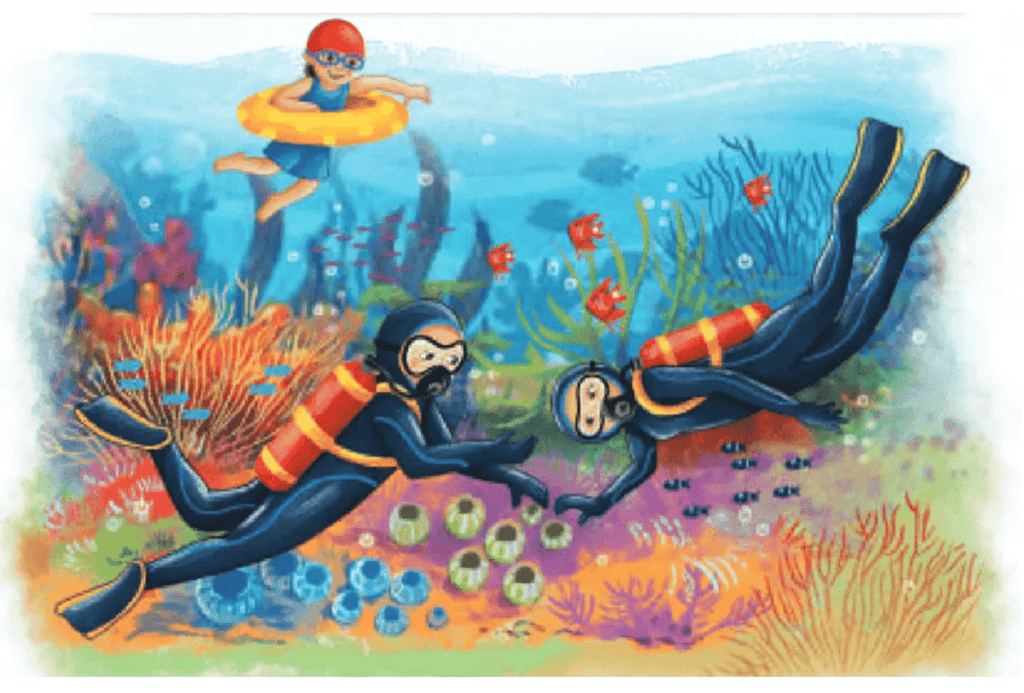
Q4: How does Shaana’s journey in Goa reflect her personal growth, and why is it significant to the story?
Ans: Shaana’s journey in Goa reflects her personal growth through her newfound confidence in facing tunnels, which she once feared, and her excitement about exploring new landscapes, marking a significant moment in the story. Riding a train through many tunnels and plateaus, Shaana no longer feels scared but watches the views of hills and flatlands with enthusiasm, dreaming of touring them with her friends. This shift from fear to confidence highlights her growing comfort with adventurous experiences, developed through her travels across India’s diverse regions. Her ability to enjoy the journey and imagine future adventures shows a maturing perspective, blending her playful spirit with a bolder outlook. This moment in Goa is significant because it underscores the story’s theme of personal development through exploration, illustrating how exposure to new places can build resilience and excitement. Shaana’s postcards from Goa, filled with pride and aspiration, reinforce the moral that curiosity and openness to new experiences foster growth, inspiring readers to embrace challenges and find joy in their own journeys of self-discovery.
Q5: What lessons about appreciating India’s diversity can we learn from Shaana’s travel experiences?
Ans: Shaana’s travel experiences teach valuable lessons about appreciating India’s diversity by showcasing the country’s varied landscapes, climates, and wildlife through her curious and open-hearted perspective. From the snowy glaciers of Kashmir to the hot, sandy Rann of Kutch, the dense forests of Arunachal Pradesh, the mangrove wetlands of the Sundarbans, and the coastal beaches of Chennai, Shaana’s journey highlights India’s rich geographic tapestry. Her excitement about seeing red pandas, rafting on the Narmada River, or watching fish in Goa reflects her appreciation for the unique wildlife and activities each region offers. Her observations, like noting less snow in Kashmir or her mother’s concern about Sundarbans flooding, show an awareness of environmental diversity and challenges, deepening her understanding. By sharing these experiences through postcards, Shaana fosters connection with her friends, embodying the story’s moral of valuing and sharing India’s beauty. Her growth from fear of tunnels to confidence in Goa further emphasises how embracing diverse experiences builds appreciation and personal strength. Shaana’s story inspires readers to explore, respect, and celebrate the multifaceted beauty of their country with curiosity and wonder.