Map: Kathmandu
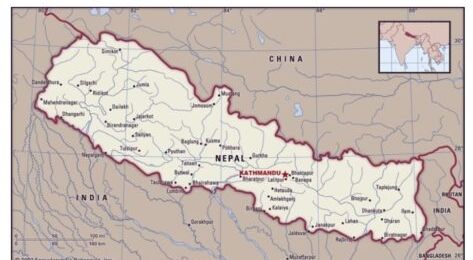
Key Points of the Chapter “Kathmandu”
- Visit to Pashupatinath Temple: The temple is filled with chaos, where devotees jostle for attention. Only Hindus are allowed entry, and a group of Westerners is denied access.
- Scenes at Bagmati River: The river near the temple is both a site of daily life (washing and bathing) and death (a cremation), symbolizing the cycle of life.
- Visit to Baudhnath Stupa: In contrast to Pashupatinath, Baudhnath is peaceful and quiet, surrounded by shops run by Tibetan immigrants.
- Experience in Kathmandu: The city is crowded, noisy, and bustling with activity, with vendors selling various goods in the busy streets.
- Reflection on Flute Seller: The narrator is captivated by the sound of the flute, reflecting on its universality and the connection it creates between people.
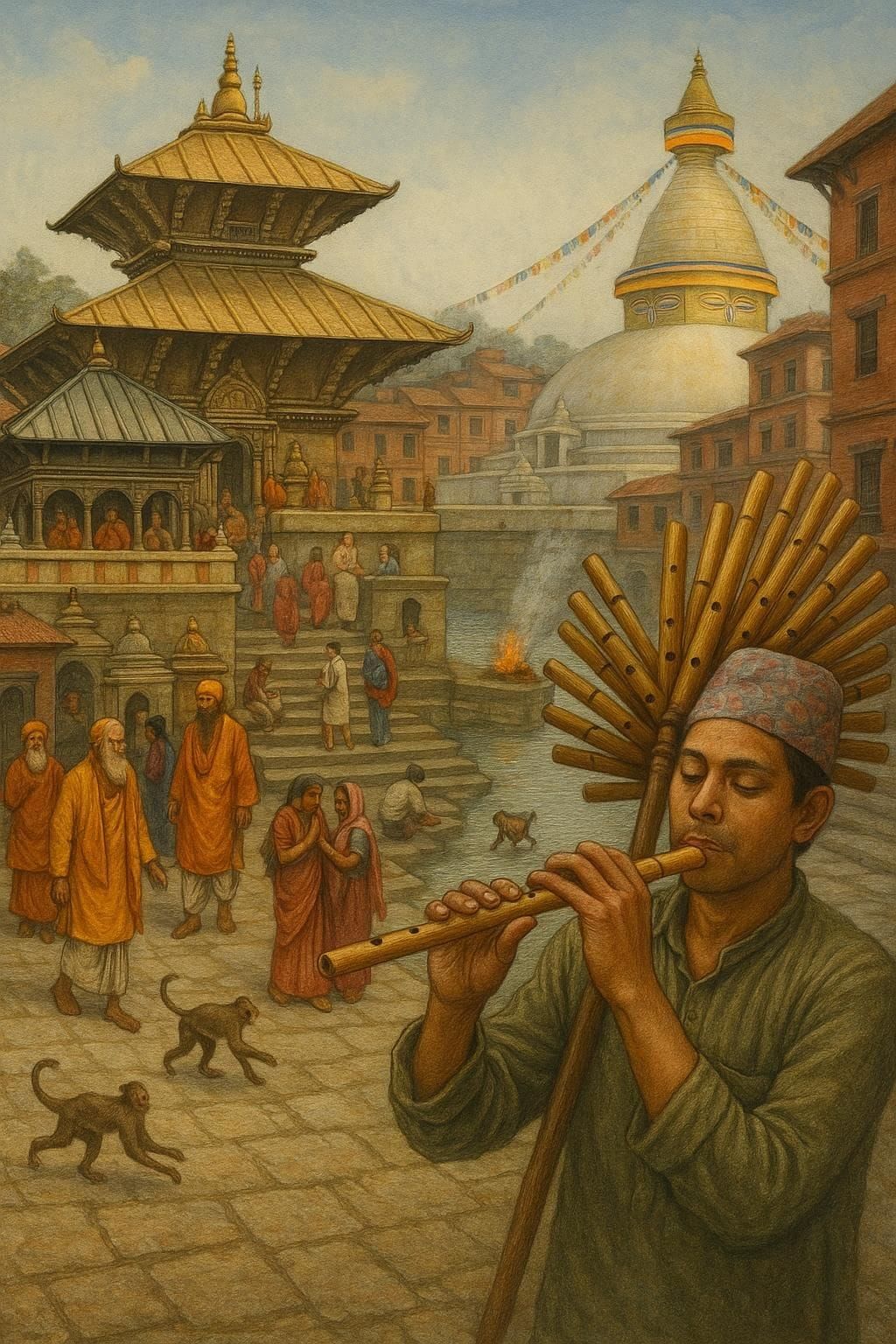
Flute Seller
Detailed Summary
- Introduction to Kathmandu and Religious Sites: In this chapter, Vikram Seth narrates his experience during a visit to Kathmandu, the capital city of Nepal. The story revolves around his visits to two of the most famous religious sites in the city—the Pashupatinath Temple (Hindu) and the Baudhnath Stupa (Buddhist).
- The Chaos at Pashupatinath Temple: The Pashupatinath Temple is full of noise and activity. Priests, hawkers, devotees, tourists, and animals like cows, monkeys, pigeons, and dogs crowd the temple grounds. Worshippers jostle and push to get blessings from the priests. Only Hindus can enter the main shrine, which causes tension when a group of Westerners in saffron robes tries to enter but is stopped by the temple guards.
Pashupatinath Temple
- Scenes at Bagmati River: A memorable moment happens when two monkeys start fighting near the temple, causing a commotion as one runs toward the holy Bagmati River. By the river, life and death exist side by side—while a body is being cremated, washerwomen are washing clothes, and children are playing in the water. The river stands for both life and spiritual cleansing. Seth sees people throwing old offerings into the river, adding a mysterious feeling. There is also a half-submerged shrine believed to hold a goddess. A legend says that when it fully comes out of the water, the dark age (Kaliyug) will end.
- The Serenity of Baudhnath Stupa: Baudhnath Stupa is calm and peaceful, very different from the noisy Pashupatinath Temple. This Buddhist shrine has a huge white dome and is surrounded by small shops selling Tibetan items like felt bags, prints, and silver jewelry, mostly run by Tibetan immigrants. The stupa’s quiet and serene atmosphere is a refreshing change from the busy streets of Kathmandu.
Baudhnath Stupa
- The Bustling Streets of Kathmandu: Kathmandu is a city full of contrasts—busy, lively, and noisy. The streets blend modern and traditional life, with fruit sellers, flute sellers, postcard vendors, and shops offering Western goods like cosmetics and chocolates. The hustle and bustle is brought to life by the sounds of blaring film music, honking horns, and ringing bicycle bells.
- Reflection on the Flute Seller: The narrator decides to return home, feeling homesick. He buys a ticket from Nepal Airlines for a flight to Delhi and spends his remaining time wandering the streets. Near his hotel, he meets a flute seller with dozens of bamboo flutes tied to a pole. The flute seller plays calm, soothing tunes that rise above the city’s noise. The narrator is touched by the music and stays to listen, reflecting on how the flute is a universal instrument found in many cultures, symbolizing shared human experiences beyond cultural differences.
Try yourself:
What is the atmosphere like at Baudhnath Stupa?
- A.Dark and mysterious
- B.Noisy and chaotic
- C.Calm and peaceful
- D.Crowded and tense
View SolutionTheme of the Story
The chapter highlights the contrasts between chaos and serenity in religious and cultural spaces, as well as the universality of human experiences. Through his observations, the narrator reflects on the shared aspects of life and death, spirituality, and the power of music to connect people across cultures. The chaos at Pashupatinath and the peace at Baudhnath represent the diverse spiritual experiences that coexist in Kathmandu. The flute, a recurring motif, symbolizes unity and the common thread of humanity that transcends borders and beliefs.
Difficult Words
- Proclaims: To announce publicly or officially.
- Febrile confusion: A state of hurried activity and chaos.
- Submerged: Covered or hidden underwater.
- Haven: A place of safety or refuge.
- Brazier: An open stove used for grilling or cooking food.
- Nauseating: Something that causes a feeling of sickness or disgust.
- Offhanded: Casual or uninterested.