Introduction
Introduction
Storytelling is one of the oldest and most powerful forms of communication. Across cultures and generations, stories have been used to entertain, teach lessons, preserve history, and express emotions. Whether passed down orally or written in books, stories connect people by sharing experiences, values, and imagination.
From ancient myths to modern science fiction, stories come in countless forms. Each type introduces readers to different worlds, ideas, and characters, helping them explore unfamiliar cultures, question societal norms, or simply enjoy a well-told tale. Understanding the different kinds of stories—and how they are crafted—can deepen our appreciation for literature and strengthen our own writing skills.
There are various kinds of stories, such as folktales, legends, myths, fairy tales, short stories, epics, historical fiction, fantasy novels, science fiction books, crime novels, and autobiographies. Each type may have its own subgenres with distinct characteristics. For instance, a short story can be either fiction or non-fiction, and its length is not always the most important factor.Different Types of Stories
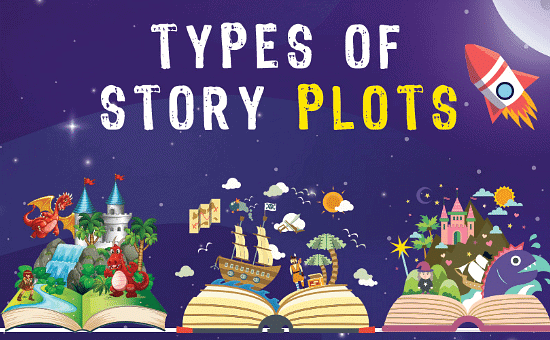
- Fairy Tales: These are traditional stories involving magical creatures, enchanted lands, and often a moral lesson. They usually begin with “Once upon a time” and end happily.
Example: Cinderella, Snow White - Legends: Legends are stories rooted in historical events or characters, often exaggerated over time. They may include supernatural elements.
Example: Robin Hood, King Arthur - Myths: Myths are ancient stories that explain natural events, cultural beliefs, or the origins of the world. They often involve gods, goddesses, or heroes.
Example: Greek mythology—The Myth of Hercules - Epics: Epics are long, detailed stories—often written in poetic form—that describe the heroic deeds of a character or a nation’s past.
Example: The Ramayana, The Odyssey - Historical Fiction: These are stories set in the past that include real events or people, but also involve fictional characters and plots.
Example: A novel set during World War II with made-up characters - Science Fiction (Sci-Fi): Sci-fi stories are based on imagined future technologies, space exploration, time travel, or alien life. They explore the effects of science on society.
Example: Star Wars, The Martian - Crime or Detective Fiction: These stories involve solving a mystery or crime. A detective or investigator uncovers clues and catches the criminal.
Example: Sherlock Holmes series - Autobiographies and Biographies: These are true stories about a person’s life. Autobiographies are written by the person themselves, while biographies are written by someone else.
- Comic Books and Graphic Novels: These use a combination of text and visuals to tell stories, often involving superheroes, fantasy, or real-life issues.
Try yourself:
What are fairy tales usually about?
- A.Real historical events
- B.Magical creatures and moral lessons
- C.Future technologies
- D.Solving mysteries
View SolutionElements of Story Writing
- Setting: The setting of a story refers to the time and place in which the events occur. This includes the geographical location, the time period (whether in the past, present, or future), and the cultural and social context of the characters. A well-crafted setting engages all five senses—sight, smell, taste, touch, and sound—to effectively immerse the reader in the story’s world.
- Characters: Characters are the heart of a story. They can be humans, animals, or any entity endowed with human-like qualities. The focus of the story may be on one or multiple main characters, depending on the author’s choice. Readers experience the narrative through the perspectives of these characters.
- Plot: The plot is the organised sequence of events that constitute the story, serving as its backbone. It underpins the actions and developments of the characters.
The plot is typically divided into five parts:
Exposition: Introduces the characters, setting, and the primary conflict.
Rising Action: Details the events that stem from the main conflict.
Climax: Represents the peak of tension and drama in the story.
Falling Action: Describes the diminishing conflict as the story nears its conclusion.
Resolution: Resolves the conflict and addresses any remaining issues. - Conflict: Conflict is the struggle between opposing forces in a story, forming the core around which the plot revolves. It can be external, arising from outside forces, or internal, occurring within a character’s mind.
- Theme: The theme is the central idea or underlying message of the story, conveying what the author intends to teach or express. It often reflects the lesson or insight that the reader gains from the narrative. Understanding the broader message the author conveys may require readers to interpret the actions and thoughts of the characters.
Mastering the Art of Story Writing

- Storytelling is for Everyone: Storytelling is a skill that everyone possesses, even if some are naturally better at it. We tell stories every day when we share experiences, talk about others, describe movies, or repeat jokes. With a little thought and preparation, anyone can tell a story effectively.
- Structure of a Story: Like any piece of writing, a story has a clear structure with a beginning, middle, and end. It draws you in, takes you through the plot, and leaves you satisfied at the end.
- Importance of the Beginning: The beginning of a story is crucial as it grabs the reader’s attention and sets the scene and mood. While starting at the very beginning is common, jumping into the action can also be effective if the timeline is clear.
- Narration of Action:. story is essentially a narration of events, usually presented in the order they occur, with one event logically following another.
- Clusters of Events: Events in a story often fall into clusters, each with unity in time, place, and action. Each cluster should be presented in its own paragraph, focusing on a specific part of the story.
- Setting the Background: The background of a story is essential and is usually established at the beginning through vivid descriptions of the setting, season, and time. This helps readers immerse themselves in the story’s atmosphere.
- Characters:. story revolves around characters, showing their actions, feelings, and words. Characters should be realistic, with unique traits that set them apart, making them relatable to readers.
- Quoting Characters: While a storyteller usually paraphrases what characters say, using their actual words occasionally can make the narrative more lively and engaging.
- Natural and Definite Ending:. story must have a clear and natural ending, providing closure to the reader. An abrupt ending can leave the reader confused or dissatisfied, so the conclusion should tie up the narrative like the final knot on a garland of flowers.
Try yourself:
What does the beginning of a story do?
- A.Ends the story
- B.Sets the scene
- C.Lists events
- D.Describes characters
View Solution