Square Numbers1. Understanding Squares
- Definition: Area of a square = Side × Side.
- Examples: 1² = 1, 2² = 4, 3² = 9, 4² = 16.
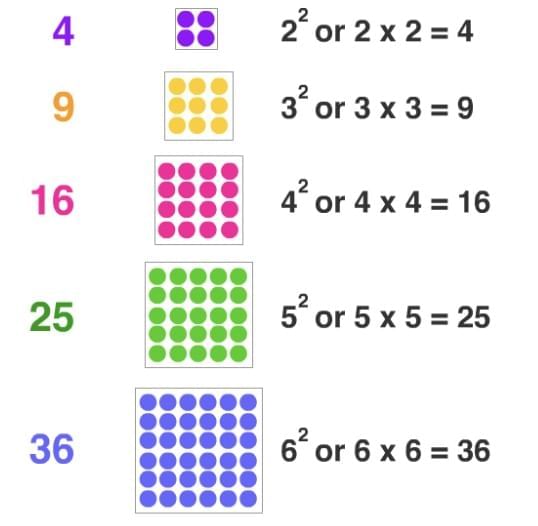 Squares of natural numbers = perfect squares.
2. Notation
- Square of n = n² (“n squared”).
- Example: 2² = 4, 3² = 9.
Square of Fractions and Decimal Numbers
Fractions/decimals can also be squared: (2.5)² = 6.25.
1. Square of Fractions
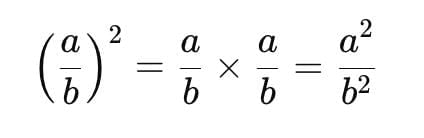
The square of a fraction means multiplying the fraction by itself:
Steps to Square a Fraction
Step 1: Square the numerator – multiply the top number by itself.
Step 2: Square the denominator – multiply the bottom number by itself.
Step 3: Simplify if possible.
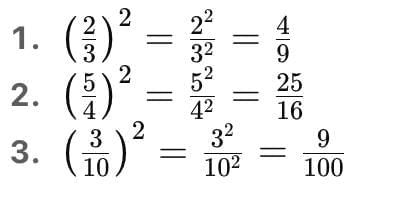
Examples
2. Square of Decimal Numbers
The square of a number is obtained by multiplying the number by itself.
Steps to Square a Decimal Number
Step 1: Ignore the decimal point
- Treat the decimal number as a whole number (remove the decimal point temporarily).
Step 2: Square the number
- Multiply the whole number by itself.
Step 3: Place the decimal
- Count the total number of decimal places in the original number.
- In the square, place the decimal point so that the number of decimal places is twice the original.
Examples
A) 0.3²
- Ignore decimal and square → 3² = 9
- Original decimal places = 1 → Square decimal places = 2
- Answer → 0.09
B) 1.2²
- Ignore decimal and square → 12² = 144
- Original decimal places = 1 → Square decimal places = 2
- Answer → 1.44
3. Patterns and Properties of Perfect Squares
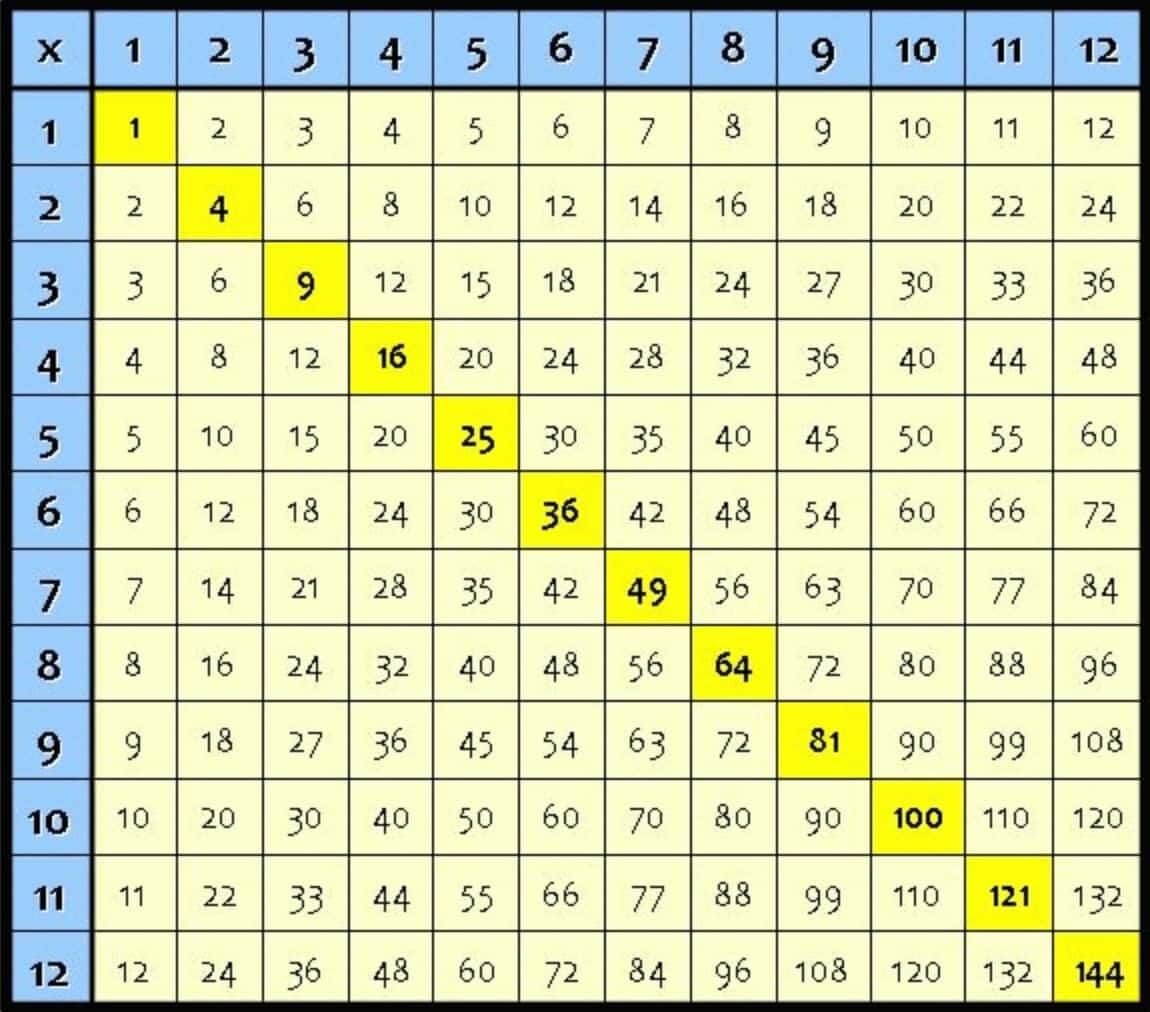
(a) Units Digit Rule
- A square ends only in: 0, 1, 4, 5, 6, 9.
- Never ends in: 2, 3, 7, 8.
- Example: 16, 25, 49 are squares; but 23, 47 are not.
(b) Digits Pattern
- Numbers ending in 1 or 9 → square ends in 1.
- Numbers ending in 4 or 6 → square ends in 6.
- Example: 19² = 361 (ends in 1).
(c) Zeros Rule
- If number ends in n zeros, square ends in 2n zeros.
- Example: 100² = 10,000 (2 zeros → 4 zeros).
(d) Parity (Even/Odd)
- Square of even number = even.
- Square of odd number = odd.
- Example: 12² = 144 (even), 25² = 625 (odd).
(e) Odd Number Differences
Difference of consecutive squares = odd number.
- 2² – 1² = 3, 3² – 2² = 5, 4² – 3² = 7.
Sum of first n odd numbers = n².
(f) Perfect Square Test (Subtraction Rule)
- Subtract consecutive odd numbers from n.
- If result becomes 0 → number is a perfect square.
- Example: 25 – 1 – 3 – 5 – 7 – 9 = 0 → 25 is a square.
(g) Finding Next Square
- (n+1)² = n² + (2n+1).
- Example: 35² = 1225 → 36² = 1225 + 71 = 1296.
(h) Numbers Between Squares
- Between n² and (n+1)² → always 2n numbers.
- Example: Between 4² = 16 and 5² = 25 → 8 numbers.
(i) Triangular Numbers Relation
- Triangular numbers: 1, 3, 6, 10, 15, …
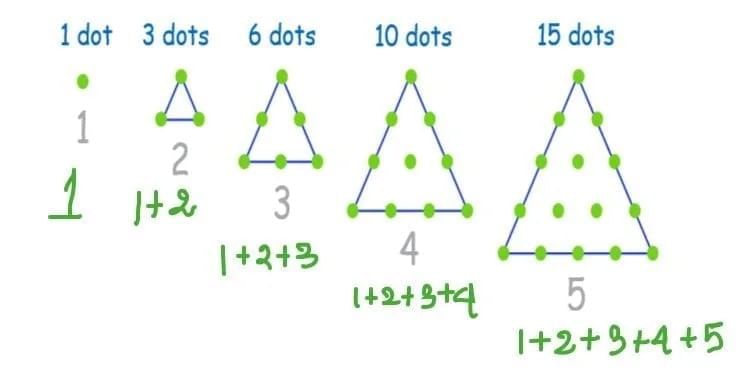 Sum of two consecutive triangular numbers = perfect square.
Square Roots
Definition
- If y = x², then x = √y.
- Every square root has ± values, but usually positive root is used.
- Example: √49 = ±7.
Methods to Check/Find Square Roots
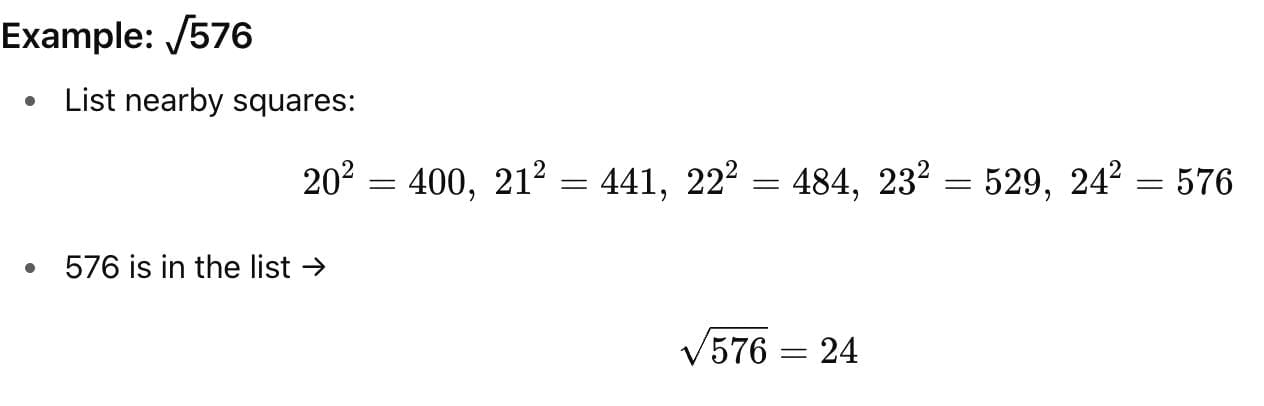 Listing Squares → compare with nearby perfect squares.
List squares of natural numbers:
1² = 1, 2² = 4, 3² = 9, 4² = 16, …
Compare the given number with the list of squares.
If it matches a square → the square root is the corresponding number.
Quick Tip:
If the number is not a perfect square, it lies between the squares of two numbers → √n is between those two numbers.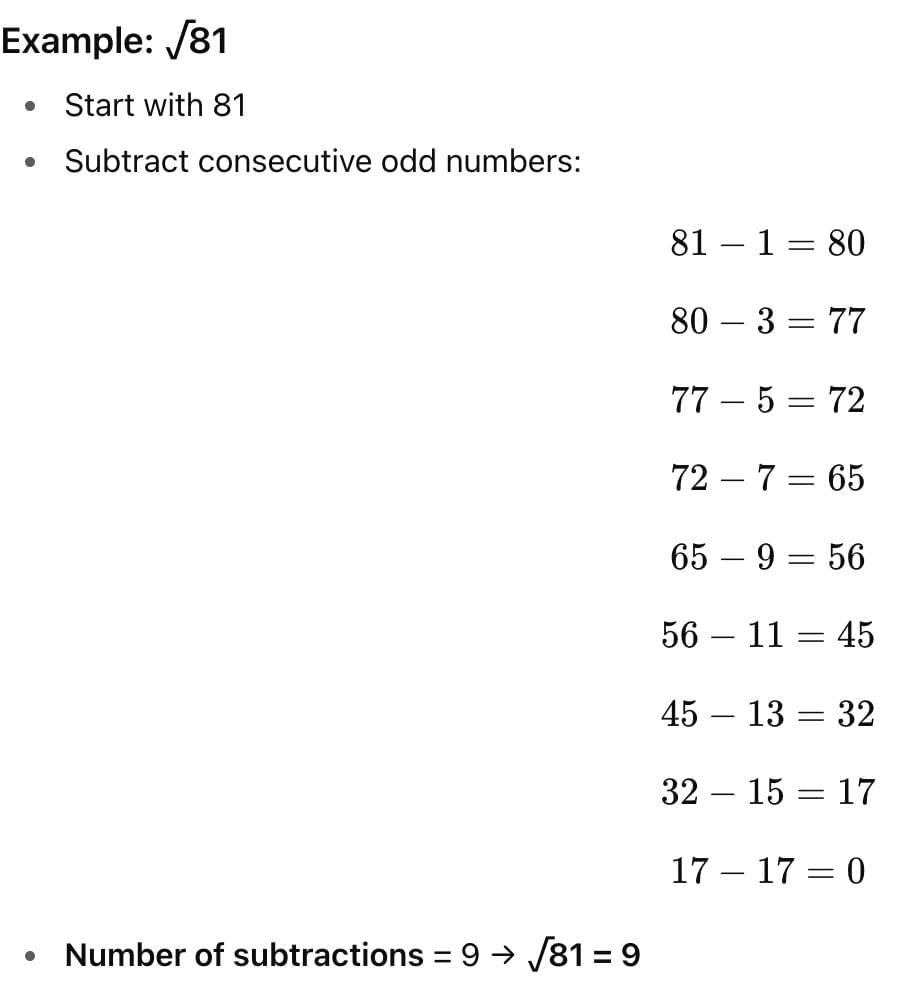 Successive Subtraction of Odd Numbers → subtract until 0.
– Start with the given number.
– Subtract 1, 3, 5, 7, 9… successively (odd numbers in order).
– Count how many subtractions you can do until the result becomes 0.
– The number of subtractions = the square root.Quick Tip:- This method works only for perfect squares.
- The sequence of odd numbers always starts from 1.
- Prime Factorisation → group factors in pairs.
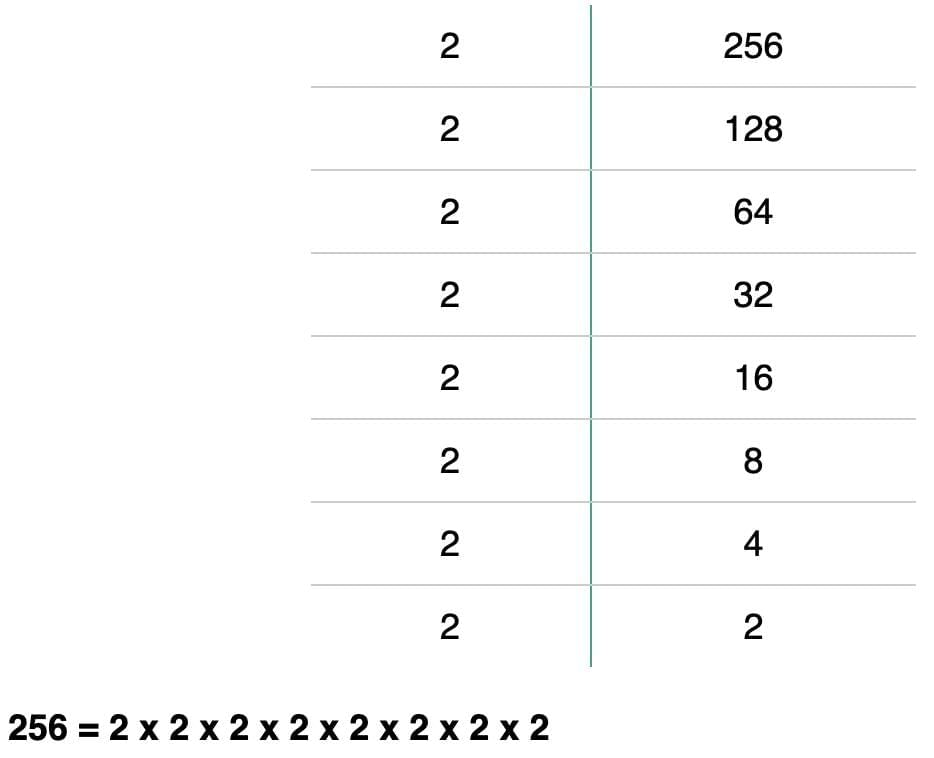 Example: 256 = 2⁸
→ √256 = 2⁴ = 16.
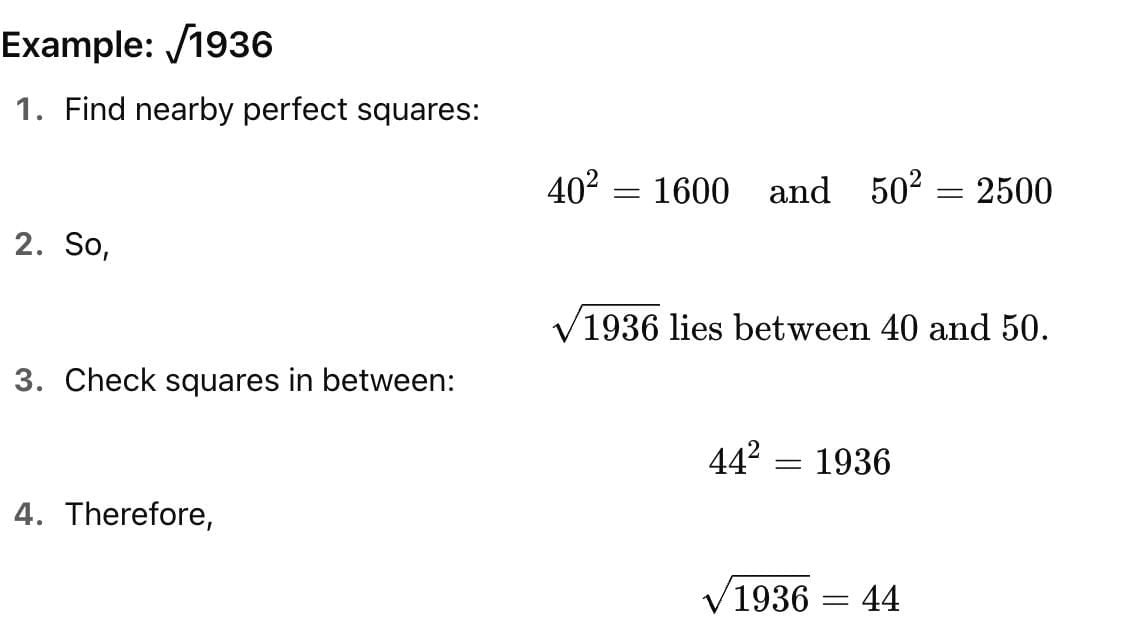 Estimation → use nearby perfect squares.
– Identify perfect squares closest to the given number – one smaller, one larger.
– Conclude that the square root lies between the roots of these perfect squares.
– Refine by checking multiples to find the exact root (if it is a perfect square).
Quick Tip:- For numbers not perfect squares, this method gives a good approximate value.
- Works well with decimal approximations too.
For Non-Perfect Squares
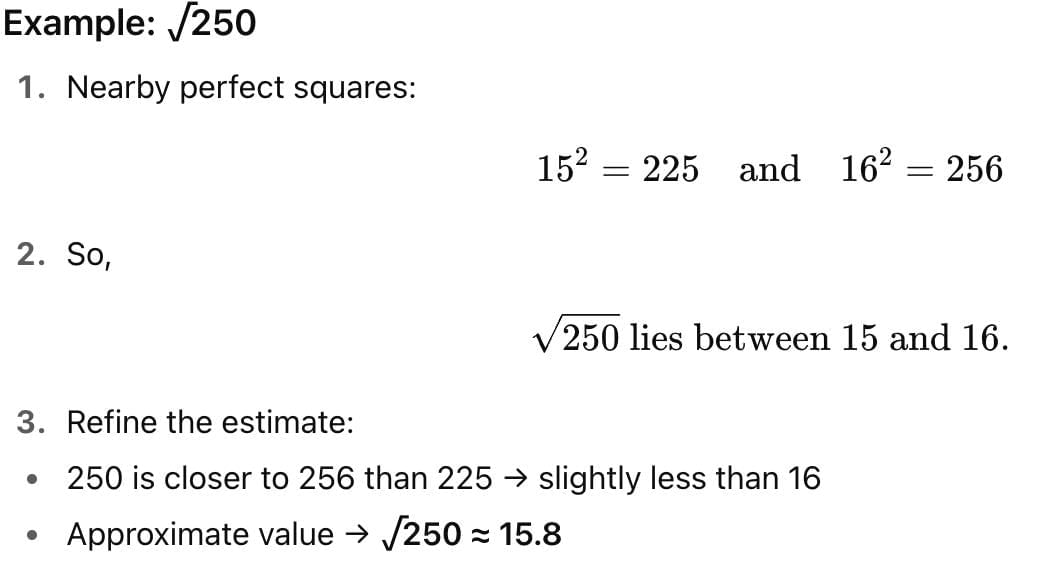
When a number is not a perfect square, its square root can be estimated by comparing it with nearby perfect squares.
Steps:
- Identify the perfect squares just below and above the number.
- Conclude that the square root lies between the roots of these perfect squares.
- Refine the estimate using linear approximation or trial and error.
Quick Tip:
- This method gives a quick approximation.
- For more precision, use long division or a calculator.
Cubic Numbers
Definition and Notation
- Cube = n³ = n × n × n.
- Represents volume of cube of side n.
- Examples: 2³ = 8, 3³ = 27, 4³ = 64.
Properties
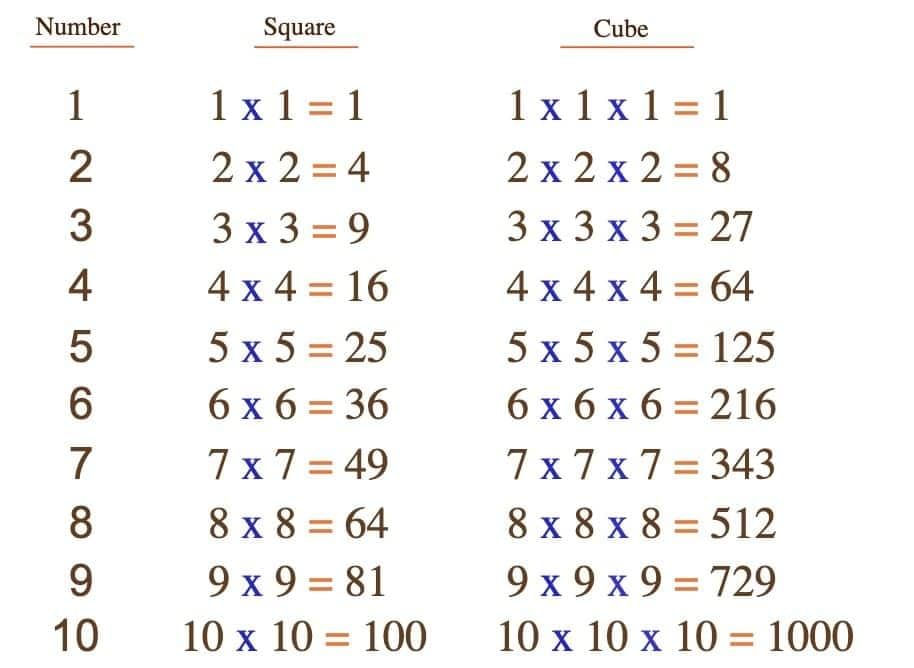 Cubes grow faster than squares.
- Possible last digits of cubes → any digit (0–9).
Relation with Odd Numbers
- n³ = sum of n consecutive odd numbers.
- Example: 4³ = 13+15+17+19 = 64.
Taxicab Numbers
- First discovered by Ramanujan (famous Hardy–Ramanujan number).
- 1729 = 1³+12³ = 9³+10³.
- Smallest number expressible as sum of two cubes in two ways.
 Other examples: 4104, 13832.
Cube Roots
Definition
- If y = x³ → x = ³√y.
- Example: ³√8 = 2.
Finding Cube Roots (Prime Factorisation)
- Group factors into triplets.
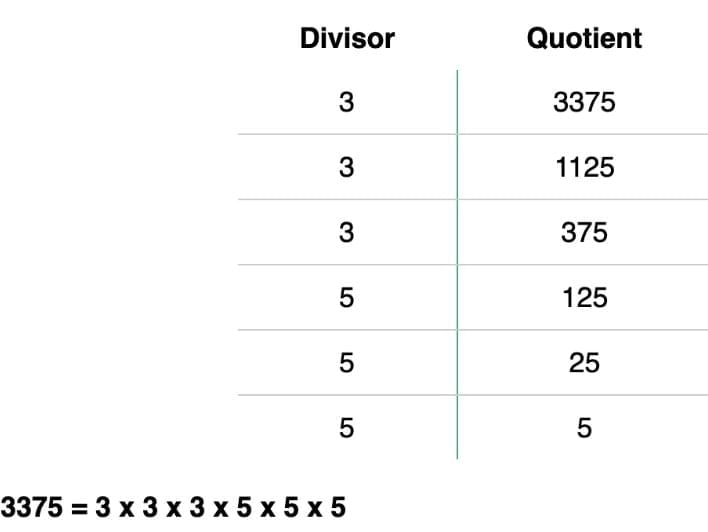 Example: 3375 = (3×3×3)(5×5×5) → ³√3375 = 15.
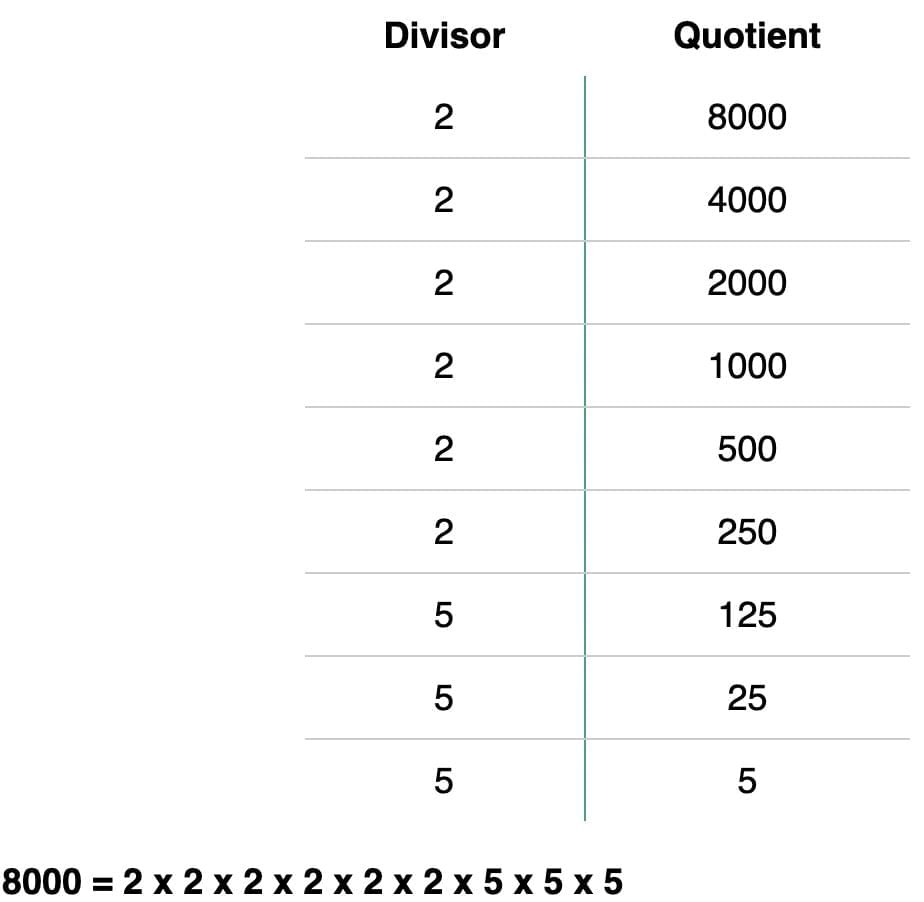 Example: ³√8000 = 20.8000 = (2×2×2) (2×2×2) (5×5×5)= 2×2×2 = 20.
Successive Differences of Powers
When we list powers of natural numbers in order and calculate the successive differences, a pattern appears:
- For squares (n²) → the second differences are constant.
- For cubes (n³) → the third differences are constant.
- General Rule: For nth powers, the differences become constant at the nth level.
1. Squares (n²)
Numbers:
1, 4, 9, 16, 25
First differences:
3, 5, 7, 9
Second differences:
2, 2, 2 (constant)
2. Cubes (n³)
Numbers:
1, 8, 27, 64, 125
First differences:
7, 19, 37, 61
Second differences:
12, 18, 24
Third differences:
6, 6 (constant)
General Rule
- For numbers to the power 1 (linear) → first differences constant
- For squares → second differences constant
- For cubes → third differences constant
- For nth powers → constant differences appear at nth level