Q1: What do we mean by waste?
Ans: Waste is anything that we throw away because it is no longer useful to us.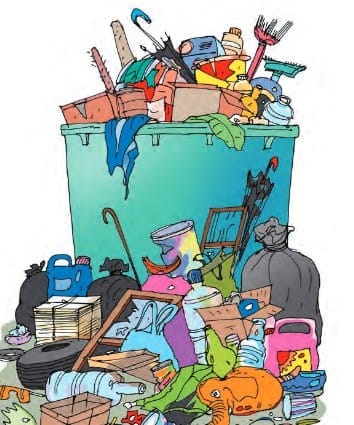
Q2: Name two things that become waste in our homes every day.
Ans: Vegetable peels and plastic wrappers become waste every day.
Q3: What happens if waste is thrown on roads or open places?
Ans: Waste thrown in open places makes the area dirty, smelly, and can spread diseases.
Q4: How can waste harm animals and birds?
Ans: Animals and birds may eat plastic waste, which can make them sick or even cause death.
Q5: What does the word “Reduce” mean in waste management?
Ans: Reduce means using fewer things so that less waste is created.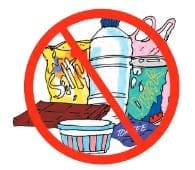
Q6: Give one example of how you can reduce waste in daily life.
Ans: I can reduce waste by carrying a cloth bag instead of using plastic bags.
Q7: What does “Reuse” mean?
Ans: Reuse means using things again instead of throwing them away.
Q8: Give one example of reusing something at home.
Ans: Old notebooks can be reused for rough work.
Q9: What is meant by recycling?
Ans: Recycling means using waste materials to make new useful things.
Q10: Why should we separate waste before throwing it away?
Ans: Separating waste makes it easier to manage and keeps our surroundings clean.
Q11: What kind of waste is put in the green dustbin?
Ans: Wet waste like food scraps, fruit peels, and leaves is put in the green dustbin.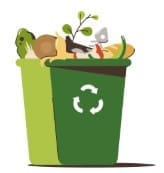
Q12: What kind of waste is put in the blue dustbin?
Ans: Dry waste like plastic, paper, glass, and metal is put in the blue dustbin.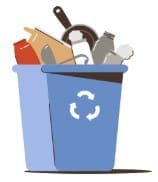
Q13: Why should sharp objects be thrown carefully?
Ans: Sharp objects should be thrown carefully because they can injure people who collect waste.
Q14: How can children help keep their school or neighbourhood clean?
Ans: Children can help by not littering, using dustbins, and spreading awareness about cleanliness.
Q15: How does managing waste properly help our future?
Ans: Managing waste properly keeps the environment clean and helps us live a healthy life in the future.