Introduction
Have you ever stepped outside and felt the warm sun on your face or heard raindrops tapping on your window? Weather is what’s happening in the air around us at any moment. It can be hot or cold, sunny or rainy, windy or calm.
Weather changes every day. One morning might be bright and warm, while the next could be cloudy and cool. But what makes the weather change?
Let’s begin and discover the fascinating world of weather.
Weather
Weather is how the air around us feels at a certain time and place. It tells us if it is sunny, rainy, windy, or snowy outside. Many things affect the weather, such as:
- The Sun: It heats the Earth, changing how warm or cold it feels.
- Air Movement: Moving air can make the weather cooler or warmer.
- Temperature and Pressure: These changes bring different weather types.
Weather can also change with the different seasons.
Types of Weather
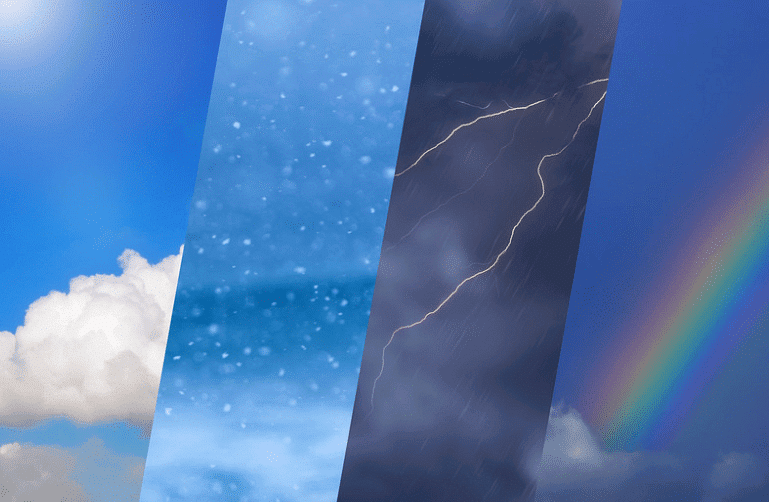
- Sunny: Clear skies with bright sunlight, making it warm.
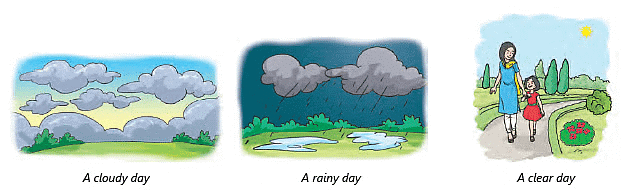
- Cloudy: Lots of clouds in the sky, making it cool and grey.
- Rainy: Water falls from the sky as raindrops, making everything wet.
- Snowy: Snowflakes fall from the sky, covering the ground in white.
- Stormy: Strong winds, heavy rain, thunder, and lightning make the weather wild.
Each weather type brings its own special feel!
Try yourself:What is weather?
- A.Weather is what’s happening in the atmosphere at a particular time and place.
- B.The atmospheric conditions including sunny, rainy, windy, or snowy.
- C.The process of precipitation falling from the sky.
- D.The intense weather conditions with strong winds, heavy rain, thunder, and lightning.
 | Get additional INR 200 off today with EDUREV200 coupon. |
Factors Affecting Weather
Weather is shaped by many factors, including:
- The Sun: The sun’s heat creates warm and cool areas, changing the weather.
- Air Pressure: When air is heavy (high pressure), the weather is clear. When air is light (low pressure), we get clouds and rain.
- Temperature: Warm air goes up, and cool air comes down. This movement changes the weather.
- Humidity (Moisture in the Air): More moisture means clouds and rain. Less moisture means dry weather.
- Wind: Wind moves heat and moisture, changing the weather in different places.
- Mountains and Land: High mountains block wind and rain, changing local weather.
- Oceans and Seas: Oceans carry warm or cool water, which affects nearby places.
- Seasons: The Earth tilts and moves around the sun, creating different seasons.
These things work together to make the weather we see every day!
Try yourself:
What is the primary source of heat for Earth?
- A.Wind
- B.Sun
- C.Temperature
- D.Humidity
Weather Affects Our Ways of Living
- Clothing: We wear light clothes in summer and warm clothes in winter.
- Activities: We play outside in summer but stay warm indoors in winter.
- Bathing: We take more showers in summer and fewer in winter.
- Homes: Houses in rainy places have sloping roofs so water can run off.
- Farming: Rice grows in rainy areas, while wheat grows in dry places.
- Animals: Some animals sleep all winter (hibernate) or move to warmer places (migrate).
- Plants: Weather decides when flowers bloom and crops grow.
Weather shapes how we live every day!
Water Cycle In Nature
The water cycle happens in nature through the following steps:
- The Sun heats up water in lakes, rivers, seas, and oceans, turning it into steam (water vapour).
- The water vapour rises into the sky.
- As it moves up, the vapour meets cool air.
- The water vapour cools down and turns into tiny droplets, forming clouds.
- When the clouds get too heavy and can’t hold the water, it falls as rain.
- The rain fills up lakes, rivers, seas, and oceans, and the cycle starts again.
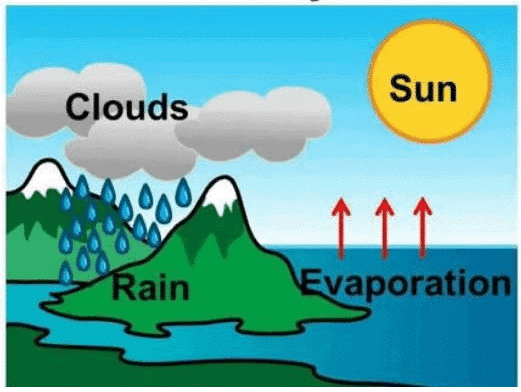
This is how water moves around our planet, constantly changing forms!
Try yourself:
How does weather affect our clothing choices?
- A.It influences the type of fabric we choose.
- B.It determines the color of our clothes.
- C.It affects the style of our clothing.
- D.It has no impact on our clothing choices.
| Also read: Worksheet: Weather and Seasons |
Seasons
Seasons are different times of the year, each with its own weather, temperature, daylight, and nature. There are five main seasons:
1.Spring:
- The weather gets warmer.
- Days get longer as the sun rises earlier and sets later.
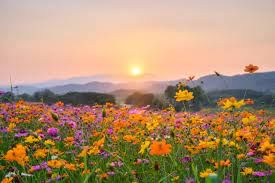
- We enjoy spending time outside, with flowers blooming and more daylight.
- Rain showers are common, so we may need an umbrella.
- Baby animals are born, and birds start building nests.
Spring brings new life and fresh beginnings!
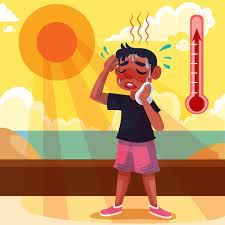
2. Summer:
- The weather is hot and sunny.
- Days are long, with the sun rising early and setting late.
- People enjoy spending time outdoors, swimming, playing, and soaking up the sun.
- We protect ourselves from the heat by using sunscreen and staying hydrated.
- Wearing light clothes and hats helps keep us cool.
- Ice cream and cold drinks are the perfect treats to stay refreshed!
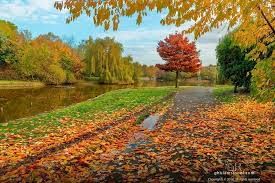
3. Autumn (Fall):
- The days get cooler.
- The days get shorter, with the sun rising later and setting earlier.
- Trees change color, and leaves fall.
- We wear more clothes to stay warm.
- We harvest fruits like apples and pumpkins.
- We get ready for winter by raking leaves and storing firewood.
Try yourself:
What is the characteristic of spring?
- A.The days are very hot.
- B.The days are getting longer.
- C.The days are getting cooler.
- D.The days are short.
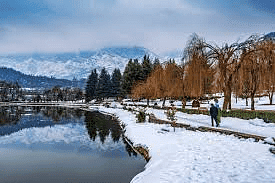
4. Winter:
- The days are very cold.
- The days are short because the sun rises late and sets early.
- We spend more time inside, keeping warm with blankets and hot cocoa.
- We wear thick coats, hats, and gloves when we go outside.
- Sometimes it snows, and we can build snowmen and go sledding.
- We celebrate holidays like Christmas and Hanukkah with family and friends.
| Also read: Worksheet: Weather and Seasons |
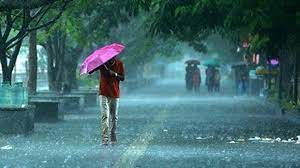
5. Monsoon
- It is also called the rainy season because it rains in almost every part of India.
- Monsoon helps farmers grow crops.
- Winds blow, and the clouds turn dark and grey.
- Some areas get flooded due to heavy rain, causing damage to crops and homes.
- People use umbrellas and raincoats to protect themselves from the rain.
Conclusion
Weather is a big part of our daily lives. It changes how we dress, what we do, and even how plants and animals live. Seasons bring different types of weather, and the water cycle keeps nature balanced. Whether it’s a hot summer day or a rainy monsoon afternoon, the weather makes the world exciting!