Q1: Analyze how Wells employs humour, rhyme, and exaggerated traits to not only entertain, but also educate readers about various wild animals. Explain. (Answer in 40-50 words) (3 Marks)
Ans: Carolyn Wells uses humour, rhyme, and exaggeration to make learning about wild animals entertaining. She humorously describes dangerous traits, like the lion’s deadly roar or the bear’s “hug,” using a rhythmic pattern and playful exaggeration. This combination amuses readers while helping them remember each animal’s distinctive features.
Q2: Mention two points of difference between a Bengal tiger and an Asiatic lion. (Answer in 40-50 words) (3 Marks)
Ans: The Asiatic Lion has a tawny (yellowish-brown) colour and is known for its loud, terrifying roar that can make one feel like dying. In contrast, the Bengal Tiger has black stripes on a yellow background and is humorously described as identifying itself by eating you.
Q3: Why is the term ‘bear hug’ ironical? (Answer in 40-50 words) (3 Marks)
Ans: The term ‘bear hug’ is ironical because, while a hug usually means affection or warmth, a bear’s hug is deadly and crushing. Carolyn Wells humorously uses this contrast to create irony—what sounds like a loving gesture actually represents the bear’s dangerous attack in the poem.
Q4: Every creature possesses a unique characteristic that defines it, and this trait is closely linked to its nature. This concept is beautifully illustrated in the poem “How to Tell Wild Animals.” Elucidate. (Answer in 30-40 words) (3 Marks)
Ans: In the poem, Carolyn Wells highlights each animal’s unique trait—like the lion’s roar, tiger’s stripes, leopard’s leaps, or chameleon’s camouflage. These features humorously reflect their natural instincts, teaching readers to recognise animals through their distinct behaviours and appearances.
Q5: What distinguishes the portrayal of the tiger in the poem ‘A Tiger in the Zoo’ from the depiction of the tiger in the poem ‘How to Tell Wild Animals’? (Answer in about 100-120 words) (6 Marks)
Ans: In “A Tiger in the Zoo,” the tiger is portrayed as a powerful yet helpless creature, confined behind bars, pacing restlessly in his cage. The poet highlights his suppressed strength and loss of freedom, evoking sympathy for the animal’s suffering in captivity. The tone is serious and reflective, drawing attention to the cruelty of human domination over nature.
In contrast, in “How to Tell Wild Animals,” Carolyn Wells presents the tiger with humour and exaggeration. The Bengal Tiger is depicted as a majestic, noble beast with black stripes on a yellow coat, humorously recognised if it “eats you.” Here, the tiger symbolises wild strength and danger, but the tone remains light-hearted and comical, turning fear into amusement.
Previous Year Questions 2024
Q1: Read the given extracts and answer the questions: The true Chameleon is small A lizard sort of thing; He hasn’t any ears at all, And not a single wing, If there is nothing on the tree, ‘Tis the Chameleon you see. (How To Tell Wild Animals)
(i) Fill in the blank with one word: When the speaker says “If there is nothing on the tree, ‘Tis the Chameleon you see”, he refers to _____ as characteristic trait of a true Chameleon.
Ans: When the speaker says, “A lizard sort of thing,” he means that a Chameleon is similar in appearance to a lizard. This comparison helps to describe the Chameleon’s physical form in a simple and relatable way.
(iii) Which of the following best describes the speaker’s disposition while describing the Chameleon? (a) indifferent (b) playful (c) dismissive (d) respectful
Ans: (b) playful The tone of the poem is light-hearted and humorous, evident in the whimsical descriptions and rhyming structure. The speaker’s playful disposition makes the poem engaging and fun.
(iv) Comment on the poet’s use of language in these lines. Answer in about 40 words.
Ans: The poet’s use of language in these lines is playful and light-hearted. By describing the Chameleon in simple, whimsical terms and using rhymes, the poet makes the description engaging and memorable. This approach captures the reader’s imagination while effectively conveying the Chameleon’s distinctive traits, such as its ability to camouflage.
Get additional INR 200 off today with EDUREV200 coupon.
Previous Year Questions 2023
Q2:Read the following extract and answer the questions that follow: (2023) Or if some time when roaming round, A noble wild beast greets you, With black stripes on a yellow ground, Just notice if he eats you. This simple rule may help you learn The Bengal Tiger to discern.
(i) Who is the ‘noble wild beast’ in the above lines? (a) zebra (b) Asian Tiger (c) Asian Lion (d) Bengal Tiger
Ans: (d) The phrase “black stripes on a yellow ground” clearly describes the Bengal Tiger.
(ii) Complete the sentence appropriately.
It is clear that ‘Alliteration’(repetition of beginning sounds in words) is the poetic devise used for “roaming round’ because_____ . (Clue : explain how alliteration applies here)
Ans: True The description in the extract is meant to help the reader recognize the Royal Bengal Tiger.
(iv) In the given lines, what effect does the poet create? ‘Just notice if he eats you. This simple rule may help you learn The Bengal Tiger to discern.’ (a) irony (b) terror (c) sympathy (d) criticism
Ans: (b) The line “Just notice if he eats you” adds an element of humor mixed with terror, as the poet wryly hints at the danger of encountering a tiger.
(v) Which word in the extract tells you that you have recognised the ‘noble beast’? (a) rule (b) discern (c) roaming (d) notice
Ans: (b) The word “discern” means to recognize or identify, suggesting that you have successfully identified the Bengal Tiger.
Q3: Read the extract given below and answer the questions that follow: (CBSE 2023) Though to distinguish beasts of prey A novice might nonplus, The crocodiles you always may Tell from the Hyena thus: Hyenas come with merry smiles; But if they weep they’re crocodiles. (A) Select the appropriate option to complete the sentence, according to the extract: Crocodilescanbeidentifiedbytheir_____. (a) tears (b) attitude (c) smiles (d) attacks
Ans: the weeping of crocodiles while swallowing its prey and laughter of hyenas while attacking its prey.
(E) The post uses ‘A novice might nonplus” instead of the novice might get confused. How does this usage impact the poem? (a) adds an incorrect option. (b) it is associated with beasts. (c) it rhymes and adds humour. (d) it simplifies the meaning.
Ans: The poet uses the terms ‘noble’ and ‘wild’ for the tiger to create a sense of humour and contradiction. The word ‘noble’ reflects the tiger’s status as a royal animal of Bengal, while also highlighting its fierce nature, as it does not treat its prey with humility. Thus, it is truly a wild creature.
Q5: Read the following extract and answer the questions that follow: (AI 2019) If ever you should go by chance To jungles in the east; And if there should to you advance A large and tawny beast, If he roars at you as you’re dyin’ You’ll know it is the Asian Lion-
Ans: The poet advises that you can identify an Asian Lion when it roars at you, especially when you’re in a dangerous situation. On the other hand, the Bengal tiger is a wild beast of noble appearance. It has black stripes scattered all over his yellow skin. The tiger never gives you a chance to escape if by chance you come in front of him.
Q1: Read the following extract and answer the questions: (5 Marks) “He felt certain that his wings would never support him, so he bent his head and ran away back to the little hole under the ledge where he slept at night. Even when each of his brothers and his little sister, whose wings were far shorter than his own, ran to the brink, flapped their wings, and flew away, he failed to muster up courage to take that plunge which appeared to him so desperate. His father and mother had come around calling to him shrilly, upbraiding him, threatening to let him starve on his ledge unless he flew away. But for the life of him he could not move.”
(i) State any one inference about the parents of the baby seagull from the given statement: “His father and mother had come around calling to him shrilly, upbraiding him, threatening to let him starve on his ledge unless he flew away.” (1 Mark)
Ans: The parents of the baby seagull were strict yet caring, as they wanted him to overcome his fear and learn to fly. Their scolding and threats were meant to encourage him to be independent.
(ii) Where did the little seagull sleep at night? (1 Mark)
Ans: The little seagull slept in a small hole under the ledge at night.
(iii) Which factors contributed to the young seagull’s reluctance to fly despite the encouragement and threats from his parents? Elaborate in about 40 words, with reference to the extract. (2 Marks)
Ans: The young seagull was reluctant to fly because he lacked confidence in his wings and feared that they would not support him. Even though his parents and siblings encouraged and threatened him, his fear of falling and dying kept him from attempting his first flight.
(iv) Which phrase or word would correctly substitute ‘muster up‘ in the given sentence from the extract? (1 Mark) “He failed to ‘muster up‘ courage to take that plunge which appeared to him so desperate.” (a) review (b) resolve (c) distribute (d) gather
Ans: The mother seagull used a clever strategy to make her young one fly. She tempted him with a piece of fish, bringing it close to him but not feeding him. Driven by hunger, the young seagull jumped to reach the food and, in doing so, fell into the air—only to discover that he could fly instinctively.
Q3: Read the following extract and answer the questions: (5 Marks) “The moon was coming up in the east, behind me, and stars were shining in the clear sky above me. There wasn’t a cloud in the sky. I was happy to be alone high up above the sleeping countryside. I was flying my old Dakota aeroplane over France back to England. I was dreaming of my holiday and looking forward to being with my family. I looked at my watch: one thirty in the morning.”
(i) What time of the day is the above extract set in? (1 Mark) (a) dawn (b) afternoon (c) night (d) dusk
Ans: The line shows that the writer was a family-loving and affectionate person, eagerly waiting to meet his family after his flight.
(iii) Fill in the blank with the correct word from the brackets. The use of the phrase “clear sky” adds to a sense of _____________ (favourable/flavourful) weather conditions. (1 Mark)
(iv) How does the serene atmosphere described by the narrator contribute to the mood and anticipation of his journey back to England? Elaborate in about 40 words, with reference to the extract. (2 Marks)
Ans: The calm night sky, shining stars, and peaceful countryside create a serene and joyful atmosphere. This peaceful setting reflects the pilot’s happiness and excitement as he dreams of his holiday and looks forward to spending time with his loved ones in England.
Q4: The young seagull’s fear of flying and reluctance to leave his ledge contribute to the development of the theme of independence and courage in the story. Justify. (Answer in 40-50 words) (3 Marks)
Ans: The young seagull’s fear of flying highlights his lack of confidence and dependence on his family. However, when hunger forces him to take the plunge, he discovers his strength and learns to fly. This moment of realization symbolizes the courage and independence that come from overcoming one’s fears.
Q5: Read the given extracts and answer the questions: That was twenty-four hours ago. Since then nobody had come near him. The day before, all day long, he had watched his parents flying about with his brothers and sister, perfecting them in the art of flight, teaching them how to skim the waves and how to dive for fish. He had, in fact, seen his elder brother catch his first herring and devour it, standing on a rock, while his parents circled around raising a proud cackle and all the morning the whole family had walked about on the big plateau midway down the opposite cliff taunting him for his cowardice.
(i) Fill in the blank with the correct word from the bracket: The use of the phrase ‘proud cackle’ adds to a sense of _________ (noise/pride) in the extract. (1 Mark)
Ans: The parents teach their young to be independent by encouraging them to fly and catch their own food, even leaving the hesitant one alone without food to make him attempt his first flight.
(iii) Describe the contrasting reactions of the parents to their children giving reasons. (2 Marks)
Ans: The parents feel proud and joyful watching their other chicks fly and catch fish, expressing delight through a proud cackle. In contrast, they are disappointed and frustrated with the young seagull’s cowardice, taunting and urging him to overcome his fear.
(iv) The word ‘devour’ in the above extract most nearly means: (1 Mark) (a) scared (b) gobbled (c) preserved (d) cooled
Q6: “He was not falling headlong now. He was soaring gradually downwards and outwards, he was no longer afraid.” Describe the young seagull’s feelings, emotions, and experiences, just before this moment. (Answer in about 40-50 words) (3 marks)
Ans: Just before this moment, the young seagull was filled with terrible fear and panic as he fell into the open air, believing he would die. But soon, his instinct took over, and his wings spread out naturally. The fear vanished, replaced by excitement, joy, and confidence as he realized he could fly.
Q7: Why was the seagull afraid to fly? Why was the young seagull alone? (Answer in about 40-50 words) (3 marks)
Ans: The seagull was afraid to fly because he doubted the strength of his wings and feared he would fall into the sea. His lack of confidence made him hesitate to take the leap. As a result, while his siblings learned to fly, he was left alone on the ledge, too scared to join them.
Q8: Motivation influences our willingness to overcome challenges and eventually succeed. How does the young seagull in Two Stories About Flying demonstrate this? Discuss. (Answer in about 40-50 words) (3 marks)
Ans: The young seagull demonstrates how motivation can conquer fear. When left hungry and alone, his desperation for food becomes stronger than his fear of flying. This hunger motivates him to leap off the ledge, and in that moment, he discovers his ability to fly—proving that necessity and motivation lead to success.
Q9: Compare and contrast the role of faith between the young Seagull from ‘Two Stories About Flying’ and Lencho from ‘A Letter to God’. (Answer in about 100-120 words) (6 marks)
Ans: Both the young seagull from “Two Stories About Flying” and Lencho from “A Letter to God” display faith, but in different ways. The young seagull’s faith is in himself and his instincts, which he discovers only after overcoming fear. Initially, he doubts his wings, but hunger drives him to take the leap. Once he spreads his wings and flies, his faith in his own ability gives him confidence and freedom.
Lencho, on the other hand, shows faith in God. After his crops are destroyed by hail, he believes firmly that God will help him and writes a letter asking for money. His unshakable trust in divine help contrasts with the seagull’s self-discovered confidence, yet both teach that faith—whether in oneself or a higher power—leads to strength and hope.
Q10: Self-doubt and fear often act as barriers to success. On the other hand, curiosity leads to learning new things. Justify the statement citing instances from ‘His First Flight’ and ‘Madam Rides the Bus’. (Answer in about 100-120 words) (6 marks)
Ans: In “His First Flight,” the young seagull’s self-doubt and fear stop him from flying. He believes his wings are too weak and refuses to take the plunge despite his family’s encouragement. However, when hunger pushes him to act, he overcomes his fear, learns to fly, and experiences freedom through courage.
Similarly, in “Madam Rides the Bus,”Valli’s curiosity drives her to explore the world beyond her home. Her eagerness to experience a bus ride leads her to plan and save money carefully. Through this experience, she gains new understanding and maturity about life and death.
Thus, while self-doubt limits growth, curiosity and courage open the path to learning and self-discovery, as shown by both characters.
Get additional INR 200 off today with EDUREV200 coupon.
Previous Year Questions 2024
Q1: You have been asked to present an evaluation of the approaches of both, the Baby Seagull and the Pilot who was lost in the clouds, towards achieving their dreams of conquering the skies. (CBSE 2024) Write this presentation draft including your insights, comparing the approaches of both. You may begin this way: One acknowledges that both, the Seagull and the Pilot, wanted to _______ however, ___________ (Reference: Two Stories About Flying)
Ans: One acknowledges that both the Seagull and the Pilot wanted to conquer the skies, yet their approaches were quite different. Hunger and survival were the baby seagull’s primary motivators to overcome fear and take the first flight. The seagull was desperately looking for food, so it had to take a risk despite its initial hesitation and fear. On the other hand, the pilot faced a different challenge in the form of a storm when he realised that he had gotten lost. He decided to put his trust in a mysterious black aeroplane and follow it like a child. We can learn courage and tenacity from both stories. The pilot took a leap of faith to follow the unknown black aeroplane in the face of difficulty, whereas the seagull flew out of instinctual need.
Q2: Briefly bring out the contrast between the young seagull’s initial attempts to fly and his first successful flight. (CBSE 2024)
Ans: The young seagull lacks courage and fears that his wings will not be able to support him. He watches his siblings soar and dive but he is unable to overcome the fear. The family abandons him and it is only when he is starving from hunger that the sight of fish in his mother’s beak excites him and he takes the first flight. He is initially terrified but realizes that he is able to fly and then flies confidently.
Q3: Flying is a natural act in birds. Then why was the young seagull ‘exhausted by the strange exercise’? Justify the given statement with reference to baby seagull’s fear. (CBSE 2024)
Ans: The young seagull was a coward. He lacked courage and feared that he would fall and hit the ground. The wings might not be strong enough to bear his weight. Thus, he was not able to fly.
Q4: Valli was sensitive, but at the same time, she was fearless and quite determined. Think of another character from your text book, who displayed similar character traits. Compare and contrast the lives of Valli and the other character, that you have chosen from the text of Two Stories about Flying. You may begin this way. The characters who are fearless and determined from two texts are Valli and _______. (Reference : Madam Rides a Bus & Two Stories about Flying) (CBSE 2024)
Ans: The characters who are fearless and determined from two texts are Valli and the pilot. Valli is a young girl but she is quiet fearless. She fulfils her desire of going on a bus ride all by herself. She is not afraid of meeting strangers or going on a trip that is new to her. She is determined to fulfil her desire through her own means. She saves pocket money by resisting temptations and thus, buys the bus tickets. She asks discreet questions from the passengers to know the bus route and timings. She decides the trip timing suitable to her according to the period when her mother takes a nap. She avoids talking to strangers in the bus and dislikes being treated like a child. She guards herself against the friendly bus conductor and refuses his offer of buying her a cold drink. All these qualities assist Valli in fulfilling her desire successfully. The pilot is also determined to reach home and have an English breakfast with his family. Thus he does not think twice and flies straight into the storm clouds. He gets alarmed when the compass and radar stop working but still, he remains fearless. The mysterious black aeroplane is his mind’s product and his mind only guides him towards the runway. Both these characters highlight the importance of self-belief, determination and fearlessness in the face of dangerous situations.
Also read: Practice Questions: Two Stories about Flying
Previous Year Questions 2023
Q5: “I’ll take the risk.” What is the risk? Why does the narrator take it? (2023)
Ans: The risk the narrator takes is flying through a huge storm with almost zero visibility. The narrator takes this risk because he is keen to reach his home, spend his holiday with his family, and have an English breakfast.
Q6: Describe the young seagull’s first flight. (2023)
Ans: As the young seagull dived from the ledge, he initially felt terrified and started falling outwards and downwards. However, his wings spread outwards, and he began to soar and fly. The young seagull’s fear transformed into confidence and amusement as he realized he could fly.
Q7: Read the extract given below and attempt the questions that follow: (2023)
Inside the clouds, everything was suddenly black. It was impossible to see anything outside the aeroplane. The old aeroplane jumped and twisted in the air. I looked at the compass. I couldn’t believe my eyes the compass was turning round and round and round. It was dead. It would not work. The other instruments were suddenly dead, too. I tried the radio, “Paris Control? Paris Control? Can you hear me?” There was no answer. The radio was dead too. I had no radio, no compass, and I could not see where I was. I was lost in the storm.
(i) As soon as the pilot was inside the cloud____ (a) his ears got blocked (b) he choked with fear (c) his vision was obstructed (d) he was jumping up and down
Ans: Radio was dead The passage clearly states, “The radio was dead too.”
(iv) Select the option that correctly captures the application of the word ‘twisted’ as used in the extract. (a) Ragini twisted Raghav’s wrist. (b) Ragini twisted the story to suit the occasion. (c) Ragini did not appreciate Raghav’s twisted bent of mind. (d) Ragini matched the swimmer as he twisted twice in the air before diving into the water.
Ans: The story of the young seagull is a very good example showing how fear can hold you as a prisoner. The seagull is a bird. It is meant to fly. Without flying, it cannot survive. But the young seagull is so scared that it doesn’t want to fly.
Also read: Practice Questions: Two Stories about Flying
Previous Year Questions 2021
Q9: The young seagull was alone on the ledge as: (Term I, 2021-22) (a) his brothers had flown away. (b) he was afraid to fly. (c) the sea was very deep beneath him. (d) his mother had not yet fed him.
Ans: The mother seagull used the trick of leaving her young one on the cliff without food, creating a situation where hunger forced the young seagull to fly.
Q11: What did the young seagull experience when he dived at the fish in his mother’s beak? (2021 C)
Ans: When the young seagull dived at the fish in his mother’s beak, he initially felt terrified, falling downwards and outwards. However, this fear lasted only briefly as he started flying and soaring. His fear transformed into confidence, making the experience transformative.
Q12: The purpose of the treatment, given to the young seagull by his parents, was t o ______ (a) teach him a lesson about the importance of food. (b) inculcate obedience towards them. (c) let him overcome his fear. (d) improve his relationship with his siblings. (Term 1, 2021-22)
Q13: ‘He had in fact seen his older brother catch his first herring and devour it.’ How did ‘he’ feel? (1) Angry (2) Greedy (3) Jealous (4) Hungry (a) (1) and (2) (b) (2) and (3) (c) (3) and (4) (d) (4) and (1) (CBSE Term-1 2021)
Ans: (c) The character felt both jealous of his brother’s ability to catch food and hungry seeing the act of devouring the fish. These emotions are conveyed in the context of the story, where the younger sibling observes his brother’s success with mixed feelings.
Q14: The Black Aeroplane is a/an ______ story. (a) ghost (b) adventure (c) mystery (d) true (CBSE Term-1 2021)
Ans: (c) “The Black Aeroplane” is considered a mystery story, as it revolves around the unexplained and mysterious appearance of a black aeroplane that guides the narrator through the storm and then vanishes without a trace.
Q1: Read the following extract and answer the questions: “He stalks in his vivid stripes The few steps of his cage, On pads of velvet quiet, In his quiet rage. He should be lurking in shadow, Sliding through long grass” (i) Identify and name any one figure of speech in the above extract. (2 Marks)
Ans: The figure of speech used here is Oxymoron — “quiet rage”. It combines two opposite ideas — quiet and rage — to express the tiger’s suppressed anger while being confined in the cage.
(ii) Fill in the blank with one word. The tiger’s stalking on ‘pads of velvet’ suggests a movement that is ______. (1 Mark)
(The phrase “pads of velvet quiet” shows the noiseless, smooth movement of the tiger.)
(iii) Based on the given lines from the poem, which words would best describe the feelings of the tiger? (1 Mark) (a) Calm and content (b) Both subdued and angry (c) Both frustrated and happy (d) Both angry and famished
(The tiger is full of rage but remains quiet and helpless in the cage.)
(iv) Select the option that applies the same rhyme scheme as the first four lines of the given extract. (1 Mark) (A) The people along the sand All turn and look one way They turn their back on the land They look at the sea all day (B) Along the sand, the people All turn and look one way They turn back on the sand They look at the sea all day (C) The people along the sand Look one way and all turn Their backs on the land They look at the sea all day (D) The people along the sand They turn their back on the land They look one way At the sea all day.
The people along the sand / All turn and look one way / They turn their back on the land / They look at the sea all day. (Rhyme scheme: ABAB, same as the given extract — “stripes/cage/quiet/rage.”)
Q2: Why does the tiger in the zoo ignore the visitors? (Answer in 40-50 words) (3 Marks)
Ans: The tiger in the zoo ignores the visitors because he feels helpless and trapped behind the bars of his cage. His strength and freedom are confined, and he knows he cannot attack or frighten anyone. Instead of showing aggression, he quietly walks inside the cage, suppressing his anger and frustration.
Q3: How does the poem show that the tiger had lost its natural instinct? (Answer in about 30-40 words, 3 marks)
Ans: The poem shows that the tiger has lost its natural instinct because, instead of hunting or roaming freely in the jungle, he now walks silently inside his cage. His wild strength and ferocity are suppressed, and he has become helpless and subdued in captivity.
Q4: Draw a comparison between the tiger in the zoo and in the forest. (Answer in about 30-40 words, 3 marks)
Ans: The tiger in the zoo is imprisoned, helpless, and full of silent anger as he walks within the narrow limits of his cage. In contrast, the tiger in the forest is free, powerful, and majestic — lurking in the shadows, hunting deer, and roaming fearlessly in his natural habitat.
Q5: The tiger in the zoo is denied its natural habitat. Describe its behaviour and routine as a captive in the concrete cell. (Answer in about 40-50 words, 3 marks)
Ans: In the zoo, the tiger lives a dull and confined life inside a concrete cell. He moves silently up and down the limited space of his cage, suppressing his anger and strength. He ignores the visitors, listens to the patrolling sounds at night, and stares helplessly at the shining stars, longing for freedom.
Q6: Explore the contrasting images of the tiger in ‘A Tiger in the Zoo’ and the tiger in ‘How to Tell Wild Animals’. (Answer in 100-120 words) (6 Marks)
Ans: In ‘A Tiger in the Zoo’, the tiger is shown as a helpless and confined creature. Leslie Norris presents the tiger as majestic yet powerless, pacing silently in a small cage. His strength and rage are suppressed, and he feels trapped and frustrated, yearning for freedom. The poem highlights the cruelty of captivity and evokes sympathy for the animal.
In contrast, in ‘How to Tell Wild Animals’ by Carolyn Wells, the tiger is portrayed as fierce, powerful, and free in its natural habitat. The poet humorously describes how one can identify wild animals, and the tiger is shown as a symbol of terror that leaps upon its prey. Thus, one poem shows the tiger’s captivity and helplessness, while the other shows its freedom and ferocity.
Q7: The inherent instinct for freedom is a fundamental trait in all living creatures. Justify this statement with reference to ‘Mijbil the Otter’ and ‘A Tiger in the Zoo’. (100-120 words) (6 marks)
Ans: Both ‘Mijbil the Otter’ and ‘A Tiger in the Zoo’ highlight the deep desire for freedom found in all living beings. In ‘Mijbil the Otter’, Mij initially struggles when confined indoors but becomes joyful and lively once he experiences the open water, his natural habitat. His playful and curious nature blossoms only when he is free. Similarly, in ‘A Tiger in the Zoo’, the tiger is depicted as restless and frustrated in his cage, his strength and spirit subdued by captivity. The poet contrasts this with the tiger’s true life in the wild, where he roams proudly and hunts freely. Both works show that freedom brings life and happiness, while captivity causes pain and helplessness.
Get additional INR 200 off today with EDUREV200 coupon.
Previous Year Questions 2024
Q1. Read the extract given below and answer the questions that follow: [2024]
He stalks in his vivid stripes The few steps of his cage, On pads of velvet quiet, In his quiet rage. He should be lurking in the shadows, Sliding through long grass Near the water pole Where plump deer pass. He should be snarling around houses. At the jungle’s edge, Baring his white fangs, his claws, Terrorising the village!
(i) State any one point of contrast between the tiger in the zoo and its natural habitat.
Ans. He is confined in the zoo, whereas he experiences freedom in the jungle.
(ii) When the speaker suggests that the tiger should be “Snarling around houses at the jungle’s edge”, What does he insinuate about the tiger’s natural behaviour and habitat?
Ans. The poet talks about the tiger in the zoo, locked in a small cage. It walks quietly in the tiny space and doesn’t roar. Its soft paws, like velvet, make no noise as it moves.
(iv) Which phrase would correctly substitute ‘quiet rage’ in the given sentence from the extract?
Ans. The word ‘stalks’ suggests walking with majesty, reflecting the tiger’s natural elegance and strength. In contrast, ‘the few steps of the cage’ highlight the tiger’s restricted movement and lack of freedom.
(ii) Which of the following best describes the tiger’s feelings in the context?
Ans. The poet describes the tiger’s bright stripes and its quiet movement in a small cage. Unable to roar or show its strength, the tiger walks silently on its soft, velvety paws, reflecting its sadness and helplessness in confinement.
(iv) Which word in the stanza means the same as ‘clear and bright’?
Ans. The word “vivid” in the stanza means ‘clear and bright’ and is used to describe the tiger’s stripes.
Also read: 4-Days Study Plan: Poem – A Tiger in the Zoo
Previous Year Questions 2023
Q3: Read the following extract and answer the questions that follow: (2023)
He hears the last voice at night. The patrolling cars, And stares with his brilliant eyes At the brilliant stars. He stalks in his vivid stripes A few steps of his cage.
(i) Whose is the last voice heard by the tiger? (a) police jeep (b) patrolling cars (c) watchmen (d) roar of lion
Ans: (b) The tiger hears the sound of patrolling cars at night, which is the last voice it hears before solitude takes over.
(ii) Complete the sentence appropriately It is clear that ‘Repetition’ is the poetic device used for ’his brilliant eyes at the brilliant stars’ because ___ (Clue: explain how repetition applies here)
Ans: because there is a repetition of word ‘brilliant’. The word “brilliant” is repeated to emphasize the contrast between the tiger’s vivid eyes and the distant stars.
(iii) The main contrasting ideas in this extract are (a) tiger and deer (b) cruelty and sympathy (c) confinement and freedom (d) master and slave
Ans: true The act of staring at the stars symbolizes the tiger’s longing for freedom and a life beyond the bars of its cage.
Q4: Read the following extract given below and answer the questions that follow: (2023) He stalks in his vivid stripes The few steps of his cage, On pads of velvet quiet, In his quiet rage. He should be lurking in the shadows, Sliding through long grass Near the water hole Where plump deer pass.
(i) ‘Quiet rage’ refers to the tiger’s ______. (a) helplessness (b) has has not been able to hunt (c) his prey has not come to the water hole (d) he is not free
Ans: he is waiting for his prey The tiger is depicted as lurking in the shadows near a water hole, where it waits quietly for its prey, such as deer, to pass by.
(iii) Complete the sentence appropriately. It is clear that metaphor is the poetic device used for ‘pads of velvet’ because___ (clue – explain how metaphor applies here).
Ans: softness of the velvet is used to describe the softness of tiger’s feet. The term “pads of velvet” is a metaphor, comparing the softness of the tiger’s paws to velvet, emphasizing their quiet and gentle touch.
(iv) Find a word from the extract that means – to walk with measured, stiff or haughty strides: (a) steps (b) lurking (c) pads (d) stalk
Ans: True The extract describes the tiger as lurking in the shadows near a water hole, implying it is waiting stealthily for prey, such as deer, to approach.
Q5: Read the following extract given below and answer the questions that follow: (Term I, 2021-22) He stalks in his vivid stripes The few steps of his cage, On pads of velvet quiet, In his quiet rage. He should be lurking in the shadows, Sliding through long grass Near the water hole Where plump deer pass. I. How does the tiger show his helplessness? (a) Through his beautiful stripes (b) Through his brief walk (c) Through his controlled anger (d) By walking quietly
Ans: (c) The phrase “quiet rage” reflects the tiger’s controlled anger, showing his helplessness as he cannot express his full power due to confinement.
II. Study the following statements : (i) Even in the zoo the tiger has retained his majesty. (ii) He is walking softly in the cage as he is looking for his prey. Choose the correct option : (a) (i) is right and (ii) is wrong. (b) (ii) is right and (i) is wrong. (c) (i) and (ii) are both right. (d) (i) and (ii) are both wrong.
Ans: (a) Statement (i) is correct because the tiger maintains his majestic appearance even in captivity, while statement (ii) is incorrect as the tiger is not looking for prey in the zoo.
III. Looking at the caged tiger we : (a) admire his majestic looks. (b) get scared of him. (c) feel sympathetic towards him. (d) feel safe that he is caged.
Ans: (c) Observing the tiger’s confinement evokes sympathy for his loss of freedom and natural habitat.
IV. The tiger in the zoo does not have to hunt for his food : (a) so he feels happy. (b) yet he is angry. (c) so he feels secure. (d) yet he feels lonely.
Ans: The tiger terrorises the villagers by baring his big white fangs and revealing his sharp claws. He makes terrifying snarls while moving around the houses of the villagers that are situated at the edge of the forest. His mighty presence and roars scare the villagers.
Q1: Mandela in his speech says, “The policy of apartheid created a deep and lasting wound in my country and my people.” Explain the significance of the word “wound” as used by Mandela. (Answer in 40-50 words) (3 Marks)
Ans: The word “wound” signifies the deep pain, suffering and emotional hurt caused by the cruel policy of apartheid in South Africa. It refers not only to the physical hardships but also to the psychological and social damage done to generations of people who were oppressed and denied equality and dignity.
Q2: Why does the author use the phrase “that drove a law-abiding citizen to become a criminal” to describe Mandela? (Answer in 40-50 words) (3 Marks)
Ans: Mandela uses the phrase “that drove a law-abiding citizen to become a criminal” to show how his desire for his people’s freedom forced him to break unjust laws. He had to oppose the apartheid system through resistance, even though it made him a criminal in the eyes of the oppressive government.
Q3: How did Mandela learn the meaning of courage? (Answer in 40-50 words) (3 Marks)
Ans: Mandela learned the meaning of courage from his comrades in the struggle. He saw men and women risk their lives and face torture without breaking. From them, he realised that courage is not the absence of fear, but the triumph over it — overcoming fear for a just cause.
Q4: The transition from the apartheid system in South Africa to a new era of equality reflects broader historical trends in the struggle for human rights and social justice. Elaborate. (Answer in 40-50 words) (3 Marks)
Ans: The end of apartheid in South Africa marked a major step in the global struggle for human rights and social justice. It showed that oppression and racial domination could be defeated through courage, sacrifice, and unity. Mandela’s leadership symbolised the triumph of equality, dignity, and democratic values for all people.
Q5: Why, according to Mandela, was it important to learn to hate? (Answer in 40-50 words) (3 Marks)
Ans: According to Mandela, people are not born hating others because of their colour or background — they learn to hate. Therefore, if they can learn hatred, they can also be taught to love, as love comes more naturally to the human heart than its opposite.
Q6: Why did Mandela feel that liberation was important for both, the oppressor and the oppressed? (Answer in 40-50 words) (3 Marks)
Ans: Mandela felt that both the oppressor and the oppressed needed liberation because oppression dehumanises everyone. The oppressed lose freedom and dignity, while the oppressor becomes a prisoner of hatred and prejudice. True freedom, Mandela believed, means freeing both sides — ending injustice and restoring humanity to all.
Q7: How did Nelson Mandela’s understanding of freedom change over the course of time? (Answer in 30-40 words) (3 Marks)
Ans: Mandela’s understanding of freedom evolved from wanting personal freedom as a child and student to realising that his freedom was meaningless without the freedom of his people. He came to see freedom as the right to live with dignity and equality.
Q8: Why does Nelson Mandela feel very strongly about ‘an extraordinary human disaster’? (Answer in 30-40 words) (3 Marks)
Ans: Nelson Mandela calls apartheid “an extraordinary human disaster” because it caused immense suffering, injustice, and division among South Africans. It denied basic rights to the majority and destroyed humanity’s moral values, leaving a deep and lasting wound on the nation.
Q9: What effect does the experience as described in the lines below have on the speaker? “Time and again, I have seen men and women risk their lives for an idea.” (1 Mark)
Ans: The experience inspired Mandela and taught him the true meaning of courage — that brave people are those who face fear and overcome it for a noble cause, even at the risk of their own lives.
Q10: Select one inference about the idea of courage from the given context: “I learned that courage was not the absence of fear, but the triumph over it.” (1 Mark) (a) being fearless (b) absence of fear (c) feeding your fears (d) ability to overcome fear
Mandela believed that a truly brave person is not one who feels no fear, but one who conquers fear and stands firm despite it.
Q11: According to the author, what does true courage entail? How does this perspective differ from a common misconception about courage? (Answer in about 40 words) (2 Marks)
Ans: According to Mandela, true courage means facing and overcoming fear, not the absence of it. The common misconception is that brave people never feel afraid, but Mandela learned that real bravery lies in conquering fear for a just and noble cause.
Q12: Fill in the blank with the correct phrase from the bracket in the context of the given extract: Men stood up to torture showing strength and resilience that is __________ (impossible to understand / seeped in reality). (1 Mark)
Ans: Men stood up to torture showing strength and resilience that is impossible to understand.
Q13: In ‘The Ball Poem’, Berryman explores the themes of loss, growing up, and transformation. Mandela also experienced loss of freedom and suffering along with his countrymen during his growing years on the basis of his race and colour. Compare and contrast the commonality of themes in both the texts. (Answer in 100-120 words) (6 Marks)
Ans: Both “The Ball Poem” and “Nelson Mandela: Long Walk to Freedom” deal with the themes of loss, learning, and transformation. In The Ball Poem, the boy loses his ball — a symbol of his childhood innocence — and learns the painful but essential lesson of accepting loss as part of life. Similarly, Mandela experiences the loss of freedom under apartheid and witnesses his people’s suffering. Yet, from this pain, he grows stronger, wiser, and more determined to fight for justice. Both texts show that true maturity comes through suffering — the boy learns personal responsibility, while Mandela learns the value of freedom, courage, and humanity. Loss, in both cases, becomes the foundation of growth and transformation.
Q14: Comment on the reactions and feelings of Lencho and Nelson Mandela when they faced challenges in their lives. (Answer in 100-120 words) (6 Marks)
Ans: Both Lencho in “A Letter to God” and Nelson Mandela in “Long Walk to Freedom” faced great challenges but responded with strong faith and determination. Lencho’s crops were destroyed by a hailstorm, yet he showed unshaken faith in God, believing that help would come. His trust, though simple and naive, reflected hope in goodness. Mandela, on the other hand, faced years of oppression, imprisonment, and injustice under apartheid. Instead of losing heart, he showed courage, forgiveness, and resilience, leading his nation to freedom without hatred. While Lencho’s faith was spiritual and personal, Mandela’s was social and moral — both believed deeply in hope and human goodness even in the face of suffering.
Q15: Both ‘Nelson Mandela: Long Walk to Freedom’ by Nelson Mandela and ‘The Trees’ by Adrienne Rich explore themes of transformation, liberation, and the power to change. Examine the commonality of themes in both the works. (Answer in 100-120 words) (6 Marks)
Ans: Both “Nelson Mandela: Long Walk to Freedom” and “The Trees” explore the themes of transformation, liberation, and the struggle for freedom. In Mandela’s text, the people of South Africa fight to end apartheid and gain equality after years of oppression. Their journey from bondage to freedom symbolises national rebirth and human dignity. Similarly, in Adrienne Rich’s poem, trees breaking free from the confines of a house represent nature’s and women’s liberation from restriction and control. Both works celebrate the power of resilience and the unstoppable desire for freedom. Mandela’s liberation is social and political, while Rich’s is symbolic and personal — yet both affirm that freedom and change are natural, powerful forces of life.
Previous Year Questions 2024
Q1: Read the extract given below and answer the questions that follow: (CBSE 2024) We have, at last, achieved our political emancipation. We pledge ourselves to liberate all our people from the continuing bondage of poverty, deprivation, suffering, gender and other discrimination. Never, never, and never again shall it be that this beautiful land will again experience the oppression of one by another. The sun shall never set on so glorious a human achievement. Let freedom reign. God bless Africa! (A) State any one inference about Nelson Mandela from the given context: “We have, at last, achieved our political emancipation.” (B) State True or False: When Mandela says, “God bless Africa”, he intends to mean well-being and welfare of only black people in South Africa. (C) “Nelson Mandela’s speech is full of optimism.” Elaborate in about 40 words with reference to the extract. (D) Which phrase would correctly substitute ‘so glorious’, in the given sentence from the extract? “The sun shall never set on so glorious a human achievement.”
(A) One inference about Nelson Mandela from the given context “We have, at last, achieved our political emancipation” leads one to believe that Nelson Mandela was a leader dedicated to bringing political freedom and liberation to all South Africans. He was known for his strength of spirit, integrity, honour, and leadership (B)False. When Nelson Mandela says, “God bless Africa,” he does not only mean the welfare and well-being of South Africa’s black population. Instead, he is wishing for an abundance of wealth, harmony, and peace for the whole country of South Africa. (C) Nelson Mandela’s speech is full of optimism as he expresses hope for a future free from oppression. He envisions a united Africa where all people can thrive, highlighting the importance of freedom for everyone. (D) The phrase that could correctly substitute “so glorious” in the given sentence would be “such magnificent.”
Q2: Read the extract given below and answer the questions that follow: On the day of the inauguration, I was overwhelmed with a sense of history. In the first decade of the 20th century a few years after the bitter Anglo-Boer war and before my own birth, the white skinned people of South Africa patched up their differences and created a system of racial domination against the dark-skinned people of their own land. The structure they created formed the basis of one of the harshest, most inhumane societies the world has ever known. Now, in the last decade of the twentieth century, and my own eighth decade as a man, that system has been overturned forever and replaced by one that recognised the rights and freedoms of all peoples, regardless of the colour of their skin. (CBSE 2024)
(i) Explain the feelings of the narrator when he said ; “I was overwhelmed with a sense of history.”
Ans: His mind was full of the happenings of the past, the struggle that they went through to make the day a reality.
(ii) The system of racial domination has been replaced by a system that: (a) confirms the education of the Blacks. (b) recognises the rights and freedoms of all people. (c) recollects the bitter experiences. (d) focuses on the personality development.
Ans: A Harsh and inhumane society had been created.
(iv) Which phrase would correctly substitute ‘patched up’ in the given sentence from the extract: “….the white skinned people of South Africa patched up their differences…”
Q3: Read the extract given below and answer the questions that follow: Tenth May dawned bright and clear. For the past few days, I had been pleasantly besieged by dignitaries and world leaders who were coming to pay their respects before the inauguration. The inauguration would be the largest gathering ever of international leaders on South African soil. The ceremonies took place in the lovely sandstone amphitheatre formed by the Union buildings in Pretoria. For decades this had been the seat of white supremacy, and now it was the site of rainbow gathering of different colours and nations for the installation of South Africa’s first democratic non-racial government. (Nelson Mandela — Long Walk to Freedom) (CBSE 2024)
(i) What do you infer from the following statement? “The inauguration would be the largest gathering ever of international leaders on South African Soil.”
Ans: Before that day of inauguration, South Africa was being ruled by the Whites and the Black population was subjected to a system of discrimination called Apartheid. The entire world had delinked itself from the country. But on that day, as a mark of solidarity with the people, world leaders had arrived in South Africa for the ceremony. Thus, there was a shift from the white supremacy to a gathering of rainbow colours.
(iii) Which phrase would correctly substitute ‘pleasantly besieged’ in the given sentence from that extract?
Q4: Nelson Mandela in his inauguration speech says, “We, who were outlaws not so long ago, have today been given the rare privilege to be host to the nations of the world on our own soil.” What is the significance of this statement with reference to the political system that prevailed before this? (CBSE 2024)
Ans: Earlier, the White supremacy in South Africa had founded a system of supremacy and people like Mandela who fought for the freedom of the masses were considered outlaws and were punished. However, with the end of that system, now a democratic government was being set up and thus, these freedom fighters were now considered as the harbingers of this freedom. Thus, now these so called outlaws became the frontrunners of the nation who were hosting the world leaders on the occasion of the swearing-in ceremony.
Q5: In the chapter ‘A Baker from Goa’ the narrator talks about his childhood in Goa and his fond memories. In about 120 words write a presentation draft comparing the childhood of the narrator in ‘A Baker from Goa’ to that of Nelson Mandela. You may begin this way: Childhood memories remind us of the days gone by….. Reference : A Baker from Goa and Nelson Mandela : Long Walk (CBSE 2024)
Ans: Childhood memories remind us of the days gone by. The author of the story A Baker from Goa reminisces the good old days when he lived in Goa. He elaborates ablout the lazy mornings when they would meet the baker who visited twice a day to sell baked goods. The kids would look for the favourite bread bangles, eat them without brushing their teeth. The entire story is filled with nostalgia where we get to know the importance of a baker in Goan households. The baker was like a friend, companion and guide to the narrator. He also throws light on the significance of baked items in Goan culture which makes the baker an essential part of the community. Thus, the narrator shares sweet memories of his childhood. Nelson Mandela’s childhood was also full of freedom. He was free to do whatever he wished for. Like run in the fields, swim in the stream, roast mealies under the night sky and ride the bulls. He also has sweet memories of his childhood when he enjoyed the freedom to do follow his heart. All he was expected was to obey his father and follow the rules of his tribe. Thus, we notice that both of them are nostalgic about their childhood. They miss the good old days when they had a carefree life.
Q6: A desire is more personal whereas a vision has broader connotations. You have been asked to present an analysis of Valli’s desire and Mandela’s vision and how they are respectively fulfilled. Write this presentation draft including your insights, in about 120 words, comparing the approaches of both Valli and Mandela. You may begin like this : One acknowledges that both, Valli and Mandela however, (Reference — Nelson Mandela — A Long Walk to Freedom & Madam Rides a Bus) (CBSE 2024)
Ans: One acknowledges that both Valli and Mandela were able to achieve their goals. Valli had a desire to go on a bus ride. Being a mature girl, Valli left no stone unturned to undergo a successful outing. The readers are in awe of her wisdom, gracefulness and intelligence which helped her gather all information about the trip, make the necessary arrangements for the bus ride and also, make a safe bus journey and return home securely. Thus, she was able to fulfil her dream. Nelson Mandela envisioned a free populace in his country. He wanted justice and equality for the people of the nation. His vision was beyond personal desires and he felt pain for all the countrymen. He struggled for a long period of almost thirty years in order to end racial discrimination and set up the first democratic government in the country. His persistence is an inspiration for us. The readers get to know that the real diamonds of the country are the numerous freedom fighters whose struggle finally made the country free. Thus, we see that both the characters display strong qualities that helped them in their endeavours. A strong character is the foundation of success.
Get additional INR 200 off today with EDUREV200 coupon.
Previous Year Questions 2023
Q2: Mandela said, “People must learn to hate, and if they can learn to hate, they can be taught to love.” Discuss. (2023)
Ans: When Mandela said “People must learn to hate, and if they can learn to hate, they can be taught to love,” he is making an observation that people don’t start hating other people the moment they are born, they learn to hate others as they go by. People are born without prejudice, it is our conditioning that teaches us to discriminate. Mandela is hopeful that if people can be taught to hate so can they be taught to love. He expresses his confidence that behaving lovingly comes naturally to humans, and so it will be easier for them to love one another. He derived his confidence from his experiences in prison. He was treated harshly in prison and faced much torture, but even during those dark times, he would find one of the guards pitying him. It taught him that even oppressors have a heart and can change if given a chance.
Q3:‘No one is born hating another person because of the color of his skin, or his background or his religion’. Do you agree? Elaborate on the basis of the chapter “Nelson Mandela – Long Walk to Freedom”. (2023)
Ans: Nelson Mandela believes that freedom is indivisible. He also says that no one is born hating another person because of the color of his skin, or his background, or his religion. People must learn to hate, and if they can learn to hate, they can be taught to love, for love comes more naturally to the human heart than its opposite. Even in the grimmest times in prison, when his comrades and he were pushed to their limits, he would see a glimmer of humanity in one of the guards, perhaps just for a second, but it was enough to reassure him and keep him going. Man’s goodness is a flame that can be hidden but never extinguished.
Previous Year Questions 2021
Q4: ‘and now it was a gathering of different colours’. (Term I, 2021-22) What does the author mean by the underlined phrase? (a) A multi-coloured rainbow in the sky (b) Decoration of different colours (c) Leaders of different nations gathered there (d) African people wearing different colours
The phrase “a gathering of different colours” refers to the gathering of dignitaries and leaders from various nations, symbolizing unity and support for South Africa’s freedom from apartheid. Thus, the correct answer is (c) Leaders of different nations gathered there.
Q5: ‘In life, every man has twin obligations’, (Nelson Mandela). The ‘twin obligations’ are: (a) first to his community and the second to his country. (b) first to his family and the second to his country. (c) first to his country and the second to his parents. (d) first to his community and the second to his family. (CBSE Term-1 2021)
Ans: (b) Mandela speaks about the “twin obligations” that every man has. According to him, these are: (i) The obligation to his family, to take care of and provide for them. (ii) The obligation to his country, to work towards the freedom and welfare of his people. Thus, the correct answer is (b) first to his family and the second to his country.
Also read: Practice Questions: Nelson Mandela – Long Walk to Freedom
Previous Year Questions 2020
Q6:What did Nelson Mandela remember on the day of the inaugural ceremony? (2020)
Ans: On the day of the inaugural ceremony, Nelson Mandela was overwhelmed with a sense of history. He remembered the birth of their Apartheid, its effect on his people and their long fight for freedom, the racial discrimination dark-skinned people suffered on their own land. He also remembered the freedom fighters who suffered and sacrificed their lives for freedom. Then he remembered how the system had been over-turned forever and ever and replaced by one that recognised the right and freedom of all people, regardless of the colour of their skin.
Q7:What does Mandela refer to as ‘so glorious a human achievement’? (2020 C)
Ans: Nelson Mandela refers to the achievement of equality and the end of apartheid, which allowed a black person like himself to become the President of South Africa, as “so glorious a human achievement.” This reflects his belief in the triumph of justice, human dignity, and the ability of people to overcome deep divisions to build a fairer society.
Q8:Which two obligations, according to Nelson Mandela, does every man have in life? How could a man not fulfill these obligations in a country like South Africa? (2019 C)
Ans: In this lesson, Nelson Mandela talks about two obligations that are there in every man’s life. The first obligation is towards the family, parents, his wife, and children. The second obligation is towards his community and his parents. Mandela says that a man is free to do one’s duties only when he has his freedom. A person of color in South Africa was oppressed and not allowed or free to perform his obligations and was punished if he tried to do that. The author says that he never thought of these things before as a child, but after he grew up and began to think about it, he fought for the people and their freedom to perform their personal and social duties.
Previous Year Questions 2012
Q9: What did Mandela realize about his brothers and sisters? (CBSE 2012)
Ans: When Mandela grew up, he realised that brothers and sisters of his race had no liberty in their own country due to colour of their skin. He later decided to fight for freedom and dignity of people of his community.
Also read: Practice Questions: Nelson Mandela – Long Walk to Freedom
Previous Year Questions 2011
Q10: What did Mandela think for oppressor and oppressed?(CBSE 2011)
Ans: Mandela always thought that both the oppressor and the oppressed are robbed of their humanity. The oppressor is a prisoner of hatred who is locked behind the bars of prejudice and narrow-mindedness while the oppressed has no freedom. So, both of them need to be liberated.
Q1: Read the following extract and answer the questions: “Some say the world will end in fire Some say in ice. From what I’ve tasted of desire I hold with those who favour fire.” (i) The speaker offers evidence to support his preference for one theory over the other. Mention the evidence. (1 Mark)
Ans: The poet’s evidence is based on his own experience with desire. He has “tasted” its burning and destructive power and therefore agrees with those who believe the world will end in fire.
(ii) What is the prediction of the poet about how the world will come to an end? Answer in about 40 words. (2 Marks)
Ans: The poet predicts that the world will end either in fire or in ice. Fire symbolizes human desires like greed and passion, while ice symbolizes hatred and indifference. He believes both emotions are powerful enough to destroy the world if they grow uncontrolled.
(iii) “Fire” and “Ice” are used in the poem as (1 Mark) (a) similes (b) metaphors (c) repetition (d) oxymorons
Ans: The overall mood of the extract is reflective and cautionary. The poet thoughtfully considers how intense human emotions, like desire and hatred, can lead to destruction.
Q2: Robert Frost’s view of nature changes when he talks about it positively in Dust of Snow, but negatively inFire and Ice. Justify the statement. (Answer in about 100-120 words) (6 Marks)
Ans: In “Dust of Snow,” Robert Frost presents nature as a positive and healing force. The simple act of a crow shaking snow on the poet changes his mood and saves the rest of his day. Nature, here, brings hope, joy, and transformation.
In contrast, in “Fire and Ice,” Frost uses elements of nature—fire and ice—as symbols of human destruction. Fire represents uncontrolled desire and greed, while ice stands for hatred and indifference. Both are portrayed as capable of bringing an end to the world.
Thus, Frost’s view of nature shifts from being restorative and comforting in Dust of Snow to destructive and symbolic of human emotions in Fire and Ice. This shows his deep understanding of the dual nature of existence.
Previous Year Questions 2024
Q1: How does the poet use ‘fire’ and ‘ice’ to convey the central idea of the poem?
Ans: The poet uses ‘fire’ and ‘ice’ as metaphors to depict how uncontrolled desires and hatred can lead to the world’s destruction.He suggests that both emotions have the potential to destroy the world.
Q2: What is the message of the poem ‘Fire and Ice’?
Ans: The poem conveys that both unbridled passions (‘fire’) and cold indifference or hatred (‘ice’) have the potential to destroy the world, highlighting the destructive power of human emotions.
Get additional INR 200 off today with EDUREV200 coupon.
Previous Year Questions 2023
Q3: Discuss how extreme behaviors can hasten the end of the world with reference to ‘Fire and Ice’.
Ans: The poem illustrates that extreme emotions like desire and hatred can lead to catastrophic outcomes. ‘Fire’ represents burning desires that can consume and destroy, while ‘ice’ symbolizes cold hatred that can freeze and obliterate. Both extremes are detrimental and can lead to the world’s end.
Q4: Analyze the use of symbolism in Robert Frost’s ‘Fire and Ice’.
Ans: In the poem, Frost employs ‘fire’ and ‘ice’ as symbols to represent human emotions. ‘Fire’ stands for intense desires and passions, which can lead to conflicts and destruction. ‘Ice’ signifies hatred and indifference, capable of causing isolation and demise. Through these symbols, Frost emphasizes that both emotions, if unchecked, can have catastrophic consequences.
Also read: Extract Based Questions: Fire and Ice
Previous Year Questions 2022
Q5: Explain why the poet personally holds the conviction that the world will primarily end in fire? (2022-23)
Ans: According to the poet, humans’ never-ending desires and ever-increasing hatred would be enough to bring destruction to the world. In the poem, the fire represents desire. Like fire, desire spreads quickly and overpowers a person’s sane thinking and whole life. The poet personally holds the conviction that the world will primarily end in fire as he was a victim of the fiery aspect of desire. He had experienced its destructive effects in life by his own confession (from what I’ve tasted ….)
Previous Year Questions 2021
Q6: Which word from the poem, Fire and Ice will complete the following? (Term I, 2021-22) Cruelty : Fire : : Insensitivity : ______ (a) Ice (b) Hate (c) Desire (d) Destruction
Ans: (a) In the poem, Fire symbolizes emotions such as desire and cruelty, while Ice represents insensitivity and hatred.
Q7: Which option correctly replaces the underlined phrase in the given line from Fire and Ice? ‘I hold with those who favour fire.’ (a) am as experienced as (b) strongly disagree with (c) have the same opinion as (d) habitually avoid (Term I, 2021-22)
Ans: (c) have the same opinion as The phrase “I hold with those” means “I have the same opinion as those” who believe in the destructive power of fire, making (c) the correct replacement.
Ans: In the poem, ice stands for hatred and emotional coldness. The poet believes that this indifference is powerful enough to bring destruction. Just like fire, ice can lead to the end of the world through emotional numbness and a lack of empathy.
Extract Based Questions Test: Fire & Ice
Previous Year Questions 2014
Q9: To say that for destruction, ice is also great for the poet, what does ice stand for? How is it sufficienttobringdestruction? (Answer the following questions in 40-50 words) (CBSE 2014)
Ans: The poem “Fire and Ice” explores the potential ways the world might come to an end, using powerful symbolism to convey its message. In the poem, fire symbolizes intense human desires such as lust, greed, and passion. On the other hand, ice represents coldness, hatred, and emotional indifference. The poet suggests that the world could meet its demise either through the destructive force of unchecked greed and desire (fire) or through the apathy and hatred that lead to emotional detachment (ice). By using these contrasting symbols, the poem effectively highlights how both extremes of human emotion have the potential to bring about destruction, whether through overwhelming intensity or complete emotional numbness.
Ans: The poem “Dust of Snow” by Robert Frost highlights the healing power of nature and its ability to lift human spirits through simple, everyday moments. A small incident—the fall of snow from a hemlock tree—changes the poet’s gloomy mood, showing how nature’s simplicity can bring positivity and joy.
Q2: What happened to the poet when a dust of snow fell on him? (Answer in 40-50 words) (3 Marks)
Ans: When the dust of snow fell on the poet from the hemlock tree, it instantly changed his mood. He had been feeling sad and regretful, but the gentle fall of snow made him feel refreshed and cheerful. The incident saved his day from being wasted in gloom and negativity.
Q4: Read the following extract and answer the questions:
“The way a crow Shook down on me The dust of snow From a hemlock tree Has given my heart A change of mood”
(i) Fill the blank to complete the sentence. Shaking down of dust of snow gave the speaker a change of heart by ____ (1 Mark)
Ans: Shaking down of dust of snow gave the speaker a change of heart by lifting his mood and making him feel cheerful instead of sad.
(ii) How does the interaction between the natural elements (crow, snow, hemlock tree) contribute to the speaker’s emotional transformation in the poem? (Answer in about 40 words) (2 Marks)
Ans: The crow, hemlock tree, and snow—though often seen as symbols of gloom—become sources of positivity and healing. The falling snow from the dark tree unexpectedly refreshes the poet’s mood, showing how even simple elements of nature can transform sadness into joy.
(iv) ‘Dust of Snow’ is referred to as: (1 Mark) (a) mist (b) dust of branches (c) snow residue (d) snowflakes
(iv) Select the option that applies the same rhyme scheme as the lines of the given extract. (1 Mark) (A) Sitting by the pond Waving my wand Awaiting my dearest I looked above and beyond Awaiting my love A sudden sound, fluttered the dove The crackle stopped, as so did my heart (B) Sitting by the pond Holding tight to my bond I looked above and beyond Awaiting my love I heard her come, a sudden sound The crackle stopped, as so did my heart (C) I sat beside the pond with her Awaiting for her to come I looked above and beyond Awaiting my love A sudden sound, I turned back The crackle stopped, as so did my heart (D) Sitting by the pond Awaiting my love I looked above and beyond A sudden scream, I looked around Then a shadow fell and there was no sound The crackle stopped, as so did my heart
(v) The crow and the hemlock tree represent ___________. (1 Mark) 1. sorrow 2. elation 3. hope 4. anxiety 5. enthusiasm (A) 1 only (B) 2, 3, and 5 (C) 4 only (D) 1, 4, and 5
Q5: In the poem Dust of Snow, the ‘hemlock tree’ and the ‘crow’ hold specific meanings. Elaborate on how these symbols are utilized within the context of the poem. (Answer in about 30-40 words) (3 Marks)
Ans: In the poem, the crow and the hemlock tree—both symbols of sorrow and negativity—are used to show that even unpleasant elements of nature can bring positive change. Their unexpected action lifts the poet’s mood, symbolizing hope and transformation from gloom to joy.
Q6: Robert Frost’s view of nature changes when he talks about it positively in Dust of Snow, but negatively in Fire and Ice. Justify the statement. (Answer in about 100-120 words) (6 Marks)
Ans: In “Dust of Snow,” Robert Frost presents nature as a healer and a source of joy. A simple, natural incident—the fall of snow from a hemlock tree—changes the poet’s mood, showing nature’s power to uplift the human spirit and transform sadness into positivity. The crow and hemlock, though associated with negativity, bring a refreshing and hopeful message, revealing that even dark elements of nature can bring happiness.
In contrast, in “Fire and Ice,” Frost uses natural forces destructively, symbolizing human emotions like desire and hatred that can lead to the world’s end. While “Dust of Snow” celebrates nature’s healing influence, “Fire and Ice” warns of its destructive potential, showing the poet’s balanced view of nature’s dual power—both restorative and ruinous.
Q7: Dust of Snow highlights the poet’s positive attitude towards nature. Comment on how Robert Frost presents the power of nature in his poem. (Answer in about 40-50 words) (3 Marks)
Ans: In “Dust of Snow,” Robert Frost shows the transformative power of nature. A simple act of snow falling from a hemlock tree changes the poet’s gloomy mood into joy. This small, natural event reflects how nature can heal, refresh, and positively influence human emotions, even in unexpected ways.
Q8: Examine the role of Nature in the poems Dust of Snow and Fog. (Answer in about 100-120 words) (6 Marks)
Ans: In “Dust of Snow,” Robert Frost presents nature as a gentle healer that can uplift human spirits. A small incident—the fall of snow from a hemlock tree, caused by a crow—changes the poet’s gloomy mood into cheerfulness. The poem shows that even simple moments in nature can bring peace and positivity, saving the poet’s day from regret.
In contrast, in “Fog” by Carl Sandburg, nature is portrayed as mysterious and silent. The fog arrives quietly, “on little cat feet,” covering the city and harbor, then moves on. While Frost’s nature heals and inspires, Sandburg’s nature observes and conceals, symbolizing the quiet, unpredictable presence of the natural world. Both poems show nature’s power to affect human perception and emotion in different ways.
Get additional INR 200 off today with EDUREV200 coupon.
Previous Year Questions 2021
Q1: “The dust of snow From a hemlock tree.” (Term I, 2021-22 ) The dust of snow has made the poet: (a) appreciative of nature. (b) thoughtful. (c) happy. (d) cold.
Ans: (c) happy The falling of dust-like snow on the poet changes his mood from despair to happiness, making him feel lighter and more cheerful.
Q2: In the poem Dust of Snow, which negative symbols have been used to create a positive effect? (Term I, 2021-22 ) (a) hemlock tree; crow (b) crow; snow (c) snow; hemlock tree (d) crow; dust
Ans: (a) hemlock tree; crow The hemlock tree (associated with poison) and the crow (often considered an ominous bird) are generally negative symbols, but Frost uses them in the poem to create a positive shift in the poet’s mood.
Q3: “Has given my heart A change of mood” What is the poet’s mood now ? (a) Appreciative of nature (b) Thoughtful (c) Happy (d) Cool (CBSE Term-1 2021)
Ans: The poem’s message lies in the transformative power of nature’s small moments. The crow’s action serves as a metaphor for the unexpected ways in which beauty can enter our lives. It demonstrates how even seemingly insignificant natural events can have a significant impact on our feelings and viewpoints.
Ans: In the poem “Dust of Snow,” the poet observed nature through a simple yet impactive encounter. He saw a crow shaking down the dust of snow from a hemlock tree. This observation led him to realise nature’s transformative power as this small moment saved a part of his day
Q1: Read the following extract and answer the questions: (5 Marks) “Not a leaf remained on the trees. The corn was totally destroyed. The flowers were gone from the plants. Lencho’s soul was filled with sadness. When the storm had passed, he stood in the middle of the field and said to his sons, ‘A plague of locusts would have left more than this. The hail has left nothing. This year we will have no corn.’ ‘That night was a sorrowful one. All our work, for nothing.’ ‘There’s no one who can help us.’ ‘We’ll all go hungry this year.'”
(i) Why were there no leaves left on the trees? (1 Mark) (a) The locusts ate them up. (b) An earthquake had occurred. (c) There was a hailstorm. (d) The animals grazed on them.
Ans: (c) There was a hailstorm. A severe hailstorm struck the valley and destroyed everything — trees, flowers, and corn — leaving no leaf on the trees.
(ii) Fill in the blank with the correct word from the brackets. Lencho felt __________ (jubilant/devastated) when he saw his destroyed corn fields. (1 Mark)
Ans: Lencho felt devastated when he saw his destroyed corn fields.
(iii) When Lencho says, “All our work, for nothing,” what does he refer to? Explain in about 40 words. (2 Marks)
Hide Answer Ans: When Lencho says, “All our work, for nothing,” he means that all the hard work his family had done in the fields throughout the year was wasted. The hailstorm had completely destroyed their corn crop, leaving them with no harvest and no food for the year.
Q2: Why would Lencho have preferred a plague of locusts to a hailstorm? (1 Mark)
Ans: Lencho would have preferred a plague of locusts to a hailstorm because, in his view, locusts would have left something behind, but the hailstorm destroyed everything — not a single plant or leaf remained in his fields.
Q3: Analyse and evaluate the role of faith in ‘A Letter to God’ and ‘The Sermon at Benares’. (Answer in 100-120 words) (6 Marks)
Ans: In “A Letter to God,” faith plays a central role. Lencho’s deep trust in God makes him believe that divine help will come after the hailstorm destroys his crops. His unwavering faith moves the postmaster and his colleagues to act kindly and send him money, showing how faith can inspire goodness in others.
In “The Sermon at Benares,” faith is shown through the Buddha’s teachings. He encourages Kisa Gotami to have faith in the truth of life — that death is inevitable and suffering can end only through understanding and acceptance.
Thus, while Lencho’s faith is simple and personal, Buddha’s faith is spiritual and based on wisdom; both highlight how faith gives strength in times of loss and despair.
Q4: Comment on the reactions and feelings of Lencho and Nelson Mandela when they faced challenges in their lives. (Answer in 100-120 words) (6 Marks)
Ans: Lencho and Nelson Mandela both faced great challenges but reacted with strong belief and determination. When the hailstorm destroyed Lencho’s crops, he did not lose hope. Instead, he turned to God with complete faith, believing divine help would come. His trust showed his innocence and deep spiritual strength.
Similarly, Nelson Mandela faced years of struggle and imprisonment during the fight against apartheid. Yet, he responded with courage, patience, and forgiveness rather than hatred. His belief in equality and freedom gave him the strength to endure hardships and lead his nation towards peace.
Both Lencho and Mandela reveal that faith and resilience can help people overcome even the hardest situations in life.
Q5: In what manner did Lencho’s cornfield suffer damage? Did he hold any expectations of receiving assistance? (Answer in about 30-40 words) (3 Marks)
Ans: Lencho’s cornfield was completely destroyed by a severe hailstorm that struck the valley, leaving no leaf or flower on the plants. Yes, he expected help from God, believing firmly that divine assistance would save his family from hunger.
Q6: Analyse the similarities and differences between the young seagull from “Two Stories about Flying” and Lencho from “A Letter to God”, and provide a rationale for the significant role faith plays in challenging and adverse situations in life. (100-120 words) (6 Marks)
Ans: Both the young seagull in “Two Stories about Flying” and Lencho in “A Letter to God” face fear and adversity but overcome it through faith and courage. The young seagull is afraid to fly, doubting his ability, but his faith in his instincts and his family’s encouragement help him take flight. Similarly, Lencho’s faith in God remains unshaken even after the hailstorm destroys his crops. His belief gives him strength and hope when everything seems lost.
However, while the seagull’s faith is in himself and nature, Lencho’s faith is in divine power. Both show that faith — whether in God or in oneself — gives confidence, endurance, and hope during life’s most difficult times.
Q7: What were the problems that made Lencho write a letter to God? (Answer in about 30-40 words) (3 Marks)
Ans: Lencho wrote a letter to God because a terrible hailstorm had completely destroyed his cornfield, leaving his family with nothing to eat or sell. In deep distress, he turned to God for help, asking for a hundred pesos to survive.
Q8: Why did Lencho not trust the post office employees? (Answer in about 30-40 words) (3 Marks)
Ans: Lencho did not trust the post office employees because when he received only seventy pesos instead of the hundred he had asked God for, he believed that the remaining money had been stolen by them. He called them “a bunch of crooks.”
Q9: Faith is like a ray of hope in a distressful situation. Discuss A Letter to God with reference to Lencho’s unflinching faith in God. (Answer in about 40-50 words) (3 Marks)
Ans: In “A Letter to God,” Lencho’s unshakable faith in God becomes his only source of hope after the hailstorm destroys his crops. He firmly believes that God will help him and writes a letter asking for money. His faith gives him strength and comfort in a time of despair.
Previous Year Questions 2024
Q1: What idea does the Postmaster come up with? What did he do to stick to his resolution? (2 Marks) (CBSE 2024)
Ans: The postmaster wants to retain the farmer’s faith in God. Thus he decides to send him the money. However, he cannot arrange the money by himself and so, he collects it from colleagues in the post office. He puts the collected amount of 70 Pesos in an envelope and waits for Lencho’s visit.
Q2. Explain the irony in the chapter, “A Letter to God”. (2 Marks) (CBSE 2024)
Ans: Lencho’s blind faith in God is ironical because he loses practicality. Lencho thinks that actually God has sent him the money to help him which is not possible. Also, Lencho is so innocent that he doubts the integrity of the staff of the post office as the envelope carries only seventy pesos against the hundred pesos that he had asked for.
Q3. How far would you agree that one’s positivity can bring in a spark of brightness even in adverse circumstances? (2 Marks) (CBSE 2024)
Ans: Being positive can undoubtedly bring a spark of brightness even in difficult times. It was Lencho’s positive attitude and faith in God which gave him hope despite having lost everything. Lencho still gathered courage to write a letter to God seeking his help so that he could feed the family and sow his field.
Q4: Grief or sadness is an emotion natural to all types of loss or significant change. You have been asked to present an analysis of the approaches of Lencho and Kisa Gotami in dealing with their respective losses. Write this presentation draft including your insights, and comparing the approaches of both. You may begin like this : One acknowledges that Lencho had unwavering faith in God whereas Kisa Gotami in her grief, believed that her son ………..however ……… . (Reference — A Letter to God and The Sermon at Benares) (3 Marks) (CBSE 2024)
Ans: One acknowledges that Lencho had unwavering faith in God, whereas Kisa Gotami in her grief believed that her son could be brought back to life, however, finally, she realized the ultimate truth of life. Both Lencho and Kisa experience loss and grief but their loses are of different kinds. The loss of crop faced by Lencho can be made good with financial help. However, Kisa’s loss is the loss of her son which is irreparable. We also see that Lencho’s positive attitude and faith in God gave him courage. Despite not having any food for the entire year, he believed that God would help them and so, he wrote a letter to God for help. This shows him to be impractical because no one writes a letter to God seeking help, on the other hand, prayer is the mode to communicate with God. Lencho’s blind faith makes him overlook the help extended by the post office workers who act like messengers of God. He thinks that God has sent him the money. Kisa Gotami is unable to bear her son’s untimely demise and carries the lifeless body looking for a cure to bring it back to life. However, when she is not able to find a household that has not lost a beloved, she realizes the truth behind humans being mortals and finds herself to be selfish in her love for her child. Thus, she accepts death as the truth of life. Both approaches, though different in their methods and outcomes, highlight the complex and multifaceted nature of human response to loss.
Get additional INR 200 off today with EDUREV200 coupon.
Previous Year Questions 2023
Q5: The postmaster had mixed emotions while opening the letter. Explain. (3 Marks) (2023)
Ans: When the postmaster opened the letter, he initially burst into laughter but quickly became serious. He admired the writer’s unwavering faith in God and wished he could possess such faith. However, he also realized that the writer had asked for money in the letter, which prompted the postmaster to collect funds and send a reply on behalf of God.
Q6: Why did the night after the rains turn sorrowful for Lencho? (3 Marks) (2023)
Ans: The night after the rains turned sorrowful for Lencho because the hailstorm had destroyed everything, leaving nothing for him to feed his family. The crops, plants, and trees were ruined, causing great distress and sadness for Lencho.
Q7: Who read the letter sent by Lencho? What did he do then? (3 Marks) (CBSE 2023)
Ans: The post master read the letter sent by Lencho. In the letter, Lencho had asked for help from God. After looking at the immense faith that Lencho had in God, the post master tried collecting the money for Lencho to help him and keep his faith in God intact.
Also read: Short & Long Questions: A Letter to God
Previous Year Questions 2021
Q8: What is ironic about the post office staff helping Lencho? (2021 C)
Ans: The irony lies in the fact that Lencho, a simple and hardworking man with blind faith, doubted the post office staff who were actually trying to help him. The staff collected seventy pesos and sent it to Lencho, but he accused them of being a bunch of crooks because he did not receive the full amount.
Q9: With a satisfied expression, he regarded the field of ripe corn with its flowers, draped in a curtain of rain. But suddenly a strong wind began to blow and along with the rain, very large hailstones began to fall. These truly did resemble new silver coins. (2021C) (i) Who is ‘he’? (ii) What satisfied him? (iii) What is ironic about ‘silver coins’? (iv) How did the ‘silver coins’ affect the cornfield? (v) ‘draped in a curtain of rain’ – Which part of speech is ‘draped’?
Ans: (i) ‘He’ refers to Lencho. (ii) Lencho was satisfied with the sight of his field of ripe corn, with its flowers, being nourished by the rain. (iii) The irony lies in the fact that the hailstones, which resembled silver coins, caused great destruction and devastation to the cornfield. (iv) The hailstones, resembling silver coins, damaged the cornfield by covering it entirely and destroying all the crops. (v) ‘Draped’ is a verb in this context.
Q10: Read the passage given below and answer the questions that follow: (Term I, 2021-22) All through the night, Lencho thought only of his one hope: the help of God, whose eyes, as he had been instructed, see everything, even what is deep in one’s conscience. Lencho was an ox of a man, working like an animal in the fields, but still he knew how to write. The following Sunday, at daybreak, he began to write a letter which he himself would carry to town and place in the mail. It was nothing less than a letter to God. I. Study the following statements: (i) Lencho decided to write a letter to God (ii) All through the night he thought of his only one hope. Choose the correct option: (a) (i) is the cause and (ii) is the effect. (b) (ii) is the cause of (i). (c) (ii) preceded (i). (d) Both (i) and (ii) happened at the same time.
Ans: (b) Lencho thought of his only hope (the help of God) throughout the night, which led him to decide to write the letter.
II. ‘Lencho was an ox of a man’ means: (a) He was very hard-working. (b) He owned an ox. (c) He ploughed his field with an ox. (d) His ox could work like a man.
Ans: (a) The phrase suggests that Lencho was as strong and diligent as an ox, working tirelessly in the fields.
III. ‘But still he knew how to write’ implies that: (a) Lencho could write as he was a farmer. (b) Ordinarily, a farmer did not know how to write. (c) All farmers knew how to write. (d) A farmer cannot know how to write.
Ans: (b) This suggests that it was uncommon for farmers like Lencho to know how to write.
IV. Why did he write the letter on Sunday? (a) Sunday is a holy day for the Christians. (b) God listens to people only on Sunday. (c) Lencho was busy rest of the week. (d) The Post office would open on Monday.
Ans: Lencho’s cornfield was destroyed by a heavy hailstorm accompanied by rain and strong wind. The hailstones covered his field, leaving no trees or crops. Unfortunately, Lencho had no hope of help.
Q12: Did the letter reach God? Why did the postmaster send a reply to Lencho? (2020)
Ans: No, the letter did not reach God. The postman found the letter addressed to God and decided to take it to the postmaster. The postmaster, wanting to preserve Lencho’s faith in God, decided to help him. He sent a reply to Lencho, along with seventy pesos, signed as ‘God’, in order to maintain the man’s faith.
Q13: What were Lencho’s feelings when the hail stopped? (2020)
Ans: When the hail stopped, Lencho’s feelings were filled with sadness. He stood in the middle of his field and expressed his sorrow to his sons, saying that even a plague of locusts would have left more than the hail had. He realized that there would be no corn yield that year.
Q14: Why did Lencho’s happy mood change into concern? (2020)
Ans: Lencho’s happy mood changed into concern when the rain turned into a hailstorm. The hailstones destroyed his crops, plants, and trees completely. Seeing the devastation, Lencho became concerned about the future and the well-being of his family.
Also read: Short & Long Questions: A Letter to God
Previous Year Questions 2015
Q15: Describe Lencho’s qualities in light of his faith in God. Do you have faith in God like Lencho? Was Lencho’s reaction towards the post office employees right? (Answer the following question in 100-120 words) (CBSE 2015)
Ans: Lencho was a destitute peasant whose crops were totally destroyed due to the heavy hailstorm. He had to suffer a huge loss due to it. He was petrified of the fact that he and his family would have to spend the entire year hungry as they had nothing to survive on. In the moment of despair, his only ray of hope was God. He believed that God would help him in this plight. He had firm faith in God and believed that God would not let him and his family die of hunger. Yes, I do have a strong belief in God like Lencho. I believe that God is the only one who never disappoints a person at the time of predicament. Lencho’s reaction towards the post office employees was not right. He suspected them of being ‘crooks’ who had stolen the money but in fact, it were the post office employees only who had helped Lencho by donating their share of money for him.
Ans: Consumers have Right to seek redressal against ; unfair trade practices and exploitation. If damage is done to the consumer, he or she has the right to get compensation depending on the degree of damage. One should go to the District forum if the claim of compensation amount is below 20 lakh with in thirty days of the dissatisfying event. One should go to the State i Commission if the compensation claim is between 20 lakh to one crore and to the National Commission if the claim is for more than one crore. For example, Ravi had bought a SUV, from a car dealer with 1 year warranty. While driving it he found that it had no feature of SUV and its feature are all that of ordinary car. He filed a case in a district level consumer court in New Delhi as the car dealer agency did not respond to his repeated appeal for compensation and the claim amount was less than 20 lakh. The court verified his document. The court gave verdict i in his favour and awarded full compensation to him and framed charges against the car company for selling false j product.
Q3: Highlight any three rights of consumers. [Al 2019]
Right to be informed: Consumers have the right to be informed about the particulars of goods and services they purchase. This includes information about the quality, quantity, price, ingredients, and any potential risks associated with the product. If the product proves to be defective or does not meet the advertised specifications, consumers can complain and seek compensation or replacement.
Right to choose: Consumers have the right to choose a product or service according to their needs and preferences. They should not be coerced or forced into purchasing something they do not want. For example, if a gas supply dealer insists on selling a stove along with a new connection, the consumer can legally appeal against this practice.
Right to seek redressal: Consumers have the right to seek redressal against unfair trade practices and exploitation. If a consumer suffers any damage or loss due to such practices, they have the right to seek compensation based on the degree of damage. Consumer courts or forums have been established to provide redressal to aggrieved consumers. These quasi-judicial bodies hear and resolve consumer complaints.
Previous Year Questions 2018
Q4: How can consumer awareness be spread among consumers to avoid exploitation in the market place ? Explain any three ways. [CBSE 2018]
Ans:(i) The government can spread awareness through posters about the legal process which people can use. (ii) The government can spread awareness through advertisement on television channels. (iii) Consumers must be told to complain and ask for compensation or replacement if the product is found to be defective in any manner. (iv) They must know about their rights i.e., Right to choose, Right to information, Right to seek redressal etc. They must exercise their right without any fear. If necessary the consumers must appeal in the consumer court for redressal of their grievances.
Q5: Create an advertisement for an online Consumer Awareness campaign to help consumers know their rights and save themselves from exploitation. [CBSE Sample Paper 2018]
Ans: An advertisement for an online Consumer Awareness campaign to help consumers know their rights and save themselves from exploitation is given below :
Get additional INR 200 off today with EDUREV200 coupon.
Previous Year Questions 2017
Q6:Give an example of violation of consumer’s right to choose. [AI 2017]
Ans: Any consumer who buys goods or receives a service has the right to choose whether to buy the goods or the service. As an example, sometimes cooking gas supply dealers insist that you have to buy the stove from them when you take a new connection. Here one’s right to choose another stove from another shop is being violated.
Q7:How is the maximum retail price printed on packets beneficial for you? [AI 2017]
Ans: Suppose I want to buy toothpaste and selects a particular brand but the shop owner says that he will sell the toothpaste only if I buy a toothbrush also; such proposal violates my right to choose. This is because if I do not need a toothbrush I am forced to buy it because I need toothpaste.
Q9:If you want to extract information about the functions of any government department, which right would you exercise? [Delhi 2017]
Ans: Consumers have the right to seek redressal against unfair trade practices and exploitation. If any damage is done to a consumer, she has the right to get compensation. Example: Mahesh had sent a money order to his village for his daughter’s marriage. The money did not reach his daughter at the time when she needed it nor did it reach months later. So, Mahesh filed a case in the district level consumer court and utilized the right to seek redressal.
Also watch: Audio Notes: Consumer Rights
Previous Year Questions 2016
Q11:If any damage is done to a consumer by a trader, under which consumer right one can move to consumer court to get compensation? [Al 2016]
Q12:Suppose you have to buy a packed bottle for drinking water in your journey. Which logo will you like to see to be sure about its quality? [Delhi 2016]
Q13:If you are not interested to buy a brush with toothpaste but the shopkeeper denied to sell toothpaste only. In this case which consumer right is being violated by the seller? [Foreign 2016]
Ans: COPRA stands for Consumer Protection Act. It came into effect in the year 1986.
Q18: If you are not interested to buy a brush with toothpaste but shopkeeper denied to sell toothpaste only. In this case which consumer right is being violated by the seller ? [CBSE 2016]
Ans: Rules and regulations are required in the market place due to the following reasons: (i) The consumers are exploited by the shopkeepers and traders in different ways such as less weight or measurement, more price, adulterated and defective goods. (ii) In case of a complaint, the shopkeeper or trader tries to avoid any responsibility and shifts all responsibility onto the buyer. (iii) Big companies (MNCs) with huge wealth manipulate the market in their favour. (iv) At times false information is passed on through the media, and other sources to attract consumers. For example, a company for years sold powder milk for babies all over the world as the most scientific product claiming this to be better than mother’s milk. It took years of struggle before the company was forced to accept that it had been making false claims. (v) A long battle was fought with the cigarette manufacturers to accept that their product (cigarette smoking) could cause cancer.
Q21: What type of duties should a consumer keep in mind under consumer awareness? Explain. [2016]
Ans: Rules and regulations are required in the market place due to the following reasons: (i) The consumers are exploited by the shopkeepers and traders in different ways such as less weight or measurement, more price, adulterated and defective goods. (ii) In case of a complaint, the shopkeeper or trader tries to avoid any responsibility and shifts all responsibility onto the buyer. (iii) Big companies (MNCs) with huge wealth manipulate the market in their favour. (iv) At times false information is passed on through the media, and other sources to attract consumers. For example, a company for years sold powder milk for babies all over the world as the most scientific product claiming this to be better than mother’s milk. It took years of struggle before the company was forced to accept that it had been making false claims. (v) A long battle was fought with the cigarette manufacturers to accept that their product (cigarette smoking) could cause cancer.
Q25: Explain with an example the impact of the Right to Information (R.T.I.). [2015]
In October 2005, the Government of India enacted the Right to Information Act (R.T.I.), which grants citizens access to information regarding the functioning of various government departments.
With the R.T.I., affected citizens can monitor the progress of government schemes and policies.
The R.T.I. creates pressure on government officials to deliver results within a specific timeframe.
It has helped in curbing corruption.
The R.T.I. can also expose flaws in the selection process for government jobs.
Also watch: Audio Notes: Consumer Rights
Previous Year Questions 2014
Q26: Explain with an example how one can exercise the “Right to Choose.” [2014]
Ans: The consumer has the right to choose, which ensures satisfactory quality, service, and fair pricing. Here is an example:
Any consumer, regardless of age, gender, or the nature of service, has the right to choose whether to continue receiving a service.
For instance, if a shop owner insists that you can only buy toothpaste if you also purchase a toothbrush, and you are not interested in buying the brush, your right to choose is denied. Similarly, gas supply dealers may force you to buy a stove from them when you apply for a new connection, leaving you with no choice.
In such cases, consumers can seek recourse through the Consumer Court under the Consumer Protection Act (COPRA) passed in 1986.
Ans: Liberalisation in the 1990s removed many restrictions on foreign trade and foreign investment, allowing imports/exports to flow more freely and enabling foreign companies to set up factories and offices in India. This increased foreign investment and trade, brought MNCs into India, raised competition and helped integrate Indian production and markets with the world — thereby promoting globalisation.
Q2: Two statements are given below. Read both the statements carefully and choose the correct option: (1 Mark) Statement I: Rapid improvement in technology has been one major factor to stimulate the globalisation process. Statement II: This has made much faster delivery of goods across long distances possible at lower costs. (a) Both statements I and II are correct and statement II is the correct explanation of statement I. (b) Both statements I and II are correct, but statement II is not the correct explanation of statement I. (c) Statement I is correct, but statement II is incorrect. (d) Statement I is incorrect, but statement II is correct.
Ans: (a) Both statements I and II are correct and statement II is the correct explanation of statement I.
Both statements are correct, and statement II correctly explains statement I — rapid improvements in technology, especially in transportation, have enabled faster and cheaper delivery of goods across long distances, which has stimulated the process of globalisation.
Q3: Two statements are given below. Read both the statements carefully and choose the correct option: (1 Mark) Statement I: Information and communication technology stimulate the process of globalisation. Statement II: It is used to contact each other, receive information instantly and communicate with remote areas. (a) Both statements I and II are correct and statement II is the correct explanation of statement I. (b) Both statements I and II are correct, but statement II is not the correct explanation of statement I. (c) Statement I is correct, but statement II is incorrect. (d) Statement I is incorrect, but statement II is correct.
Ans: (a) Both statements I and II are correct and statement II is the correct explanation of statement I.
Both statements are correct, and statement II correctly explains statement I — information and communication technology (like telecommunication, computers, and the Internet) enables instant contact and information exchange worldwide, which helps in spreading globalisation.
Q4: “Globalisation is the process of rapid integration and interconnection between countries.” Explain the statement with examples. (2 Marks)
Ans: Globalisation means growing interconnection and integration among countries through trade, investment, and information exchange.
Goods and services produced in one country are now sold in many others, linking national economies.
For example, Indian garments are exported to the USA, and foreign companies like Ford Motors and Coca-Cola operate in India, showing how production and markets are connected across the world.
Thus, globalisation has created a world where countries are economically and technologically interdependent.
Q5: Choose the correct option to fill in the blank: The process of removing barriers on foreign trade and investment by the government is known as ____________ (1 Mark) (a) Import Tax, (b) Export Tax, (c) Liberalisation, (d) Industrialisation.
Liberalisation refers to the process of removing or reducing government-imposed restrictions or barriers on foreign trade and investment, allowing goods and services to move more freely between countries.
Q6: What changes did the Government of India make in its economic policies in the beginning of 1991? Explain. (2 Marks)
Ans: In 1991, the Government of India introduced major economic reforms by removing barriers on foreign trade and foreign investment. This meant that goods could be imported and exported more freely, and foreign companies were allowed to set up factories and offices in India. These policy changes — known as liberalisation — aimed to make Indian producers more competitive globally and improve efficiency and quality through increased competition.
Q7: Explain any two benefits of globalisation. (2 Marks)
Increased Choice for Consumers: Globalisation has brought many foreign goods and brands into Indian markets, giving consumers a wider range of products with better quality at competitive prices.
Growth of Investment and Employment: Many multinational companies (MNCs) have invested in India, creating new industries and job opportunities, especially in sectors like IT, automobiles, and services.
Q8: The growth of digital technology has greatly influenced globalization. Which of the following is its main benefit? (1 Mark) (a) Increased Communication Cost, (b) Limited Access to Information, (c) Enhanced Connectivity, (d) Slower Transaction Speed.
Digital technology — including the Internet, mobile phones, and computers — has greatly enhanced global connectivity, allowing instant communication, faster exchange of information, and smoother coordination of production and trade across countries, thus boosting globalisation.
Q9: How did the trade policy implemented in 1991 stimulate the globalization in India? Explain with example. (3 Marks)
Ans: The trade policy of 1991 stimulated globalisation in India by introducing liberalisation — removing barriers on foreign trade and foreign investment.
Removal of Trade Barriers: The government reduced import taxes and allowed easier export and import of goods. This encouraged competition and integration with the world market.
Attracting Foreign Investment: Foreign companies were allowed to set up factories and offices in India, leading to an increase in foreign investment and technology inflow.
Example: Companies like Ford Motors and Cargill Foods invested in India — Ford set up a large automobile plant near Chennai, while Cargill took over Parakh Foods — showing how foreign investment linked Indian production with global markets.
Thus, the 1991 trade reforms made India an active participant in the global economy.
Q10: Two Statements are given below. Read both the statements and choose the correct option: (1 Mark) Statement I: In recent times technology in the areas of computer and internet has been changing rapidly. Statement II: Internet allows us to send instant electronic mail (e-mail) and talk (voice-mail) across the world at negligible costs. (a) Only I is false but II is true. (b) Only I is true but II is false. (c) Both I and II are true but II is not the correct explanation of I. (d) Both I and II are true and II is the correct explanation of I.
Ans: (d) Both I and II are true and II is the correct explanation of I.
Both statements are correct — technology in computers and the Internet has advanced rapidly, and this has enabled instant, low-cost global communication through e-mail and voice-mail, which explains how such technological progress supports globalisation.
Q11: Explain the contribution of foreign trade as an important factor of globalization. (2 Marks)
Ans:Foreign trade plays a key role in promoting globalisation by connecting markets across countries.
It allows producers to sell their goods not only in their own country but also in markets abroad, expanding business opportunities.
It provides consumers with a wider variety of goods from different countries at competitive prices.
For example, the entry of Chinese toys into Indian markets gave buyers more choices at lower prices, showing how foreign trade integrates markets and promotes globalisation.
Q12: Read the following statements for stimulating the process of globalization and choose the correct options: (1 Mark) I. Government reduces trade barriers. II. Government reduces competition among producers. III. Government reduces import and export taxes. IV. Government removes restrictions on foreign investment. (a) Only I, II, and III are correct. (b) Only II, III, and IV are correct. (c) Only I, III, and IV are correct. (d) Only I, II, and IV are correct.
Globalisation is stimulated when the government reduces trade barriers, lowers import and export taxes, and removes restrictions on foreign investment — all of which encourage freer flow of goods, services, and capital. Reducing competition among producers, however, goes against globalisation.
Q13: How did information and communication technology promote the process of globalization? Explain. (2 Marks)
Ans:Information and Communication Technology (ICT) has promoted globalisation by making communication and information exchange instant, efficient, and low-cost.
Instant Communication: Telecommunication, computers, and the Internet allow companies to coordinate production and services across countries in real time.
Example: A magazine designed in Delhi can be sent instantly to London for printing, or customer care services can be handled from India — showing how ICT connects businesses globally and supports globalisation.
Previous Year Questions 2024
Q1: Examine the transformations observed in India’s trade since 1991. (CBSE 2024)
Ans: Indian markets have been transformed since 1991 in the following ways:
Wider choice: Consumers now enjoy a greater variety of goods and services.
Access to global brands: The latest models of digital cameras, mobile phones, and televisions from leading manufacturers are readily available. For example, new automobile models are frequently seen on Indian roads.
Explosion of brands: There is a significant increase in brands across various products, including shirts, televisions, and processed fruit juices.
Global trade: Producers from any country can sell their products globally, linking markets through trade. Examples include online shopping platforms like Amazon and Flipkart.
Liberalisation: Enterprises now have the freedom to choose what goods to import or export, with the government imposing far fewer restrictions than before.
Q2: Examine the factors that have enabled globalization in India. (CBSE 2024)
Ans: The factors that have enabled globalisation in India include:
Information Technology (IT): IT has significantly boosted service production.
Technological Improvements: Over the past 50 years, advancements in technology, such as the use of containers for transportation, have reduced costs and increased market reach.
Transportation Advances: Rapid improvements in transportation have made long-distance shipping cheaper and faster.
Government Policies: The Indian government has removed previous trade barriers, facilitating easier import and export of goods and services.
Previous Year Questions 2023
Q3: Which one of the following is a major benefit to an MNC when it works on joint production with a local company? (2023) (a) MNC shares its latest technology with the local company. (b) MNC decides all parameters and prices of the product. (c) MNC shares its institutional policy with local company. (d) MNC built good and familial relations with the local company
Ans: (a) When a multinational corporation (MNC) works on joint production with a local company, a major benefit is that the MNC shares its latest technology with the local company. This helps improve the local company’s production processes and quality, making it more competitive. Therefore, option (a) is the correct answer, while the other options do not highlight the key advantage of technology transfer.
Q4:Explain any five steps taken by the developing countries to attract Foreign investment. (2023)
The government has established Special Economic Zones (SEZs) that provide excellent facilities such as electricity, water, and transport.
Companies operating in SEZs benefit from tax exemptions for the first five years.
Labour laws have been made more flexible, allowing companies to hire workers without long-term job security during busy periods.
Various legal concessions are offered to encourage foreign companies to invest.
Efforts are made to improve infrastructure and services to create a more attractive investment environment.
Q5: Why did the Indian government liberalize trade regulations in 1991? (CBSE 2023) (a) Government wanted foreign exchange equivalent to Indian Currency. (b) Government wanted maintain good relations with Western Countries. (c) Government wanted Indian producers to compete in the World Market. (d) Government wanted to provide socio-economic justice to all.
The Indian government liberalized trade regulations in 1991 to help Indian producers compete in the global market. By reducing restrictions on imports and exports, it aimed to enhance the efficiency and competitiveness of Indian industries, enabling them to thrive in international trade. Therefore, option (c) is the correct answer, while the other options do not directly address the main goal of liberalization.
Q6: How is information technology connected with globalization? (CBSE 2023)
Ans:Information technology has significantly accelerated the process of globalisation. It has transformed how people interact and communicate worldwide. Key points include:
People can connect instantly with anyone, anywhere in the world.
Most transactions, except for the physical movement of goods, can be conducted online.
Without information technology, globalisation would have progressed much more slowly.
Communication of essential information would have taken longer, delaying integration among countries.
Q7:‘Liberalization of foreign trade involves policy framework at National and International level’. Explain the statement. (2023)
Ans: Liberalisation of foreign trade refers to the removal of government restrictions on trade. This process involves a policy framework at both national and international levels. Key points include:
Policy Changes in India: In 1991, India made significant policy changes to enhance competition among domestic producers, aiming to improve quality.
Removal of Barriers: Restrictions on foreign trade and investment were largely lifted, supported by influential international organisations.
Ease of Trade: This liberalisation allowed for easier import and export of goods, enabling foreign companies to establish factories and offices in India.
Reduced Restrictions: The government now imposes fewer restrictions compared to the past, indicating a more liberal trade environment.
Q8:Explain the rapid transformation in the communication sector in modern times. (2023)
Ans: In recent times, technology in the telecommunications, computer, and internet fields has been changing rapidly. Telecommunication facilities such as telegraph, telephone (including mobile phones), etc., are used to contact one another around the world, access information instantly, and communicate from remote areas. Information and communication technology has played a major role in spreading out the production of services across countries. For example, a news magazine published for London readers can be designed and printed in Delhi, with the text of the magazine sent through the internet to the Delhi office.
Get additional INR 200 off today with EDUREV200 coupon.
Previous Year Questions 2022
Q9:Examine the steps taken by the Central and State governments to attract foreign companies to invest in India. (Term-II, 2021-22)
Ans: The Central and State governments have taken several measures to attract foreign companies to invest in India. Some of these steps include:
Simplification of rules and regulations: The government has simplified the procedures and regulations related to foreign direct investment (FDI) in order to create a more business-friendly environment. This includes streamlining the approval process and reducing bureaucratic red tape.
Incentives and benefits: The government offers various incentives and benefits to foreign companies, such as tax exemptions, subsidies, and financial assistance. These incentives are aimed at attracting investment and promoting economic growth.
Infrastructure development: The government has focused on developing world-class infrastructure, including transportation, communication, and industrial facilities. This infrastructure development provides a conducive environment for foreign companies to set up their operations.
Skill development and training: The government has prioritized skill development and training programs to enhance the employability of the workforce. This ensures that foreign companies have access to a skilled and qualified pool of talent.
Sector-specific policies: The government has formulated sector-specific policies to attract foreign investment in key industries such as manufacturing, services, and technology. These policies provide clarity and guidance to foreign companies interested in investing in these sectors.
Overall, the Central and State governments have been proactive in creating a favorable investment climate to attract foreign companies to invest in India.
Q10: “Technology is the vital force in the modern form of globalisation”. Explain the statement with suitable examples. (Term-II,2021-22)
Ans: Globalisation and technology are closely linked. The movement of people, goods, and ideas is accelerated by advancements in transport and communication. In turn, technological development benefits from the diversity of ideas and the larger scale that globalisation provides. Key points about the role of technology in globalisation include:
Revolutionised economy: Technology has transformed the global economy and is now a critical competitive strategy.
New markets: Globalisation has opened up new markets, while information technologies support these emerging opportunities.
Overcoming barriers: Technology helps address major challenges in globalisation, such as trade barriers, ethical standards, transportation costs, and delays in information exchange.
Collaboration: It enables software experts to collaborate over networks with companies worldwide.
Transport advancements: Improvements in transportation technology allow for faster and cheaper delivery of goods over long distances.
For example, the use of containers has significantly reduced port handling costs and increased the speed of exports. Additionally, the falling costs of air transport have enabled greater volumes of goods to be shipped by airlines.
Q11: “Globalisation is the process of rapid integration between countries”. Examine the statements. (Term-ll, 2021-22 C)
Ans: Globalisation refers to the integration of a country’s economy with those of other nations, allowing for the free flow of trade, capital, and movement of people across borders. Historically, foreign trade has been a key channel connecting countries. This integration occurs when goods from one country are traded in another, thereby linking their markets.
Key points include:
Trade routes, established in ancient times, connected regions like Asia to the rest of the world.
These routes facilitated not just the movement of goods, but also the exchange of ideas and cultures.
Trading companies, such as the East India Company, were drawn to regions like India due to trading interests.
Consumers benefit from a wider variety of goods, leading to more choices.
As trade opens up, the prices of similar goods in different markets tend to equalise. Producers in different countries compete with each other, regardless of the distance between them. Thus, foreign trade leads to:
Market integration across countries.
Increased competition among producers.
A greater selection of goods for consumers.
In summary, foreign trade plays a crucial role in connecting and integrating markets globally.
Q12: Examine the debate that took place in the World Trade Organisation for the developing countries. (Term-11,2021-22)
Ans: The impact of globalisation has varied significantly across different groups. Here are some key points:
Beneficiaries: Wealthy consumers and skilled producers have gained from globalisation, enjoying greater choice, improved quality, and lower prices.
Challenges for Small Producers: Many small producers and workers have faced difficulties due to increased competition.
Job Security: Globalisation has led to less job security for workers, as employers prefer flexible hiring practices.
Resource Exploitation: Developed countries often source cheap materials from underdeveloped nations, then sell expensive finished goods back to them.
MNC Investments: Multinational corporations (MNCs) have invested heavily in India, particularly in sectors like electronics and services, creating new jobs.
In summary, while globalisation has created opportunities for some, it has also resulted in significant challenges for others, highlighting the uneven nature of its impact.
Previous Year Questions 2020
Q14: Choose the correct statement about factors regarding globalisation in India: (I) Improvement in transportation technology. (II) Liberalisation of foreign trade and foreign investment. (III) Favourable rules of WTO towards India in comparison to developed countries. Choose the correct options from the codes given below: (2020) (a) I and II only (b) I and III only (c) II and III only (d) III only
Ans: (a) The correct answer is (a) I and II only. Factors contributing to globalization in India include improvements in transportation technology, which make it easier to move goods, and the liberalization of foreign trade and investment, which allows more foreign businesses to operate in India. However, the rules of the WTO do not necessarily favor India over developed countries, so option III is not correct.
Q15: Read the sources given below and answer the questions that follow: (2020) Source A : Production across countries Until the middle of the twentieth century, production was largely organised within countries. What crossed the boundaries of these countries were raw material, food stuff and finished products. Colonies such as India exported raw materials and food stuff and imported finished goods. Trade was the main channel connecting distant countries. This was before large companies called multinational corporations (MNCs) emerged on the scene. Source B : Foreign trade and integration of markets Foreign trade creates an opportunity for the producers to reach beyond the domestic markets, i.e., markets of their own countries. Producers can sell their produce not only in markets located within the country but can also compete in markets located in other countries of the world. Similarly, for the buyers, import of goods produced in another country is one way of expanding the choice of goods beyond what is domestically produced. Source C : Impact of globalisation in India Globalisation and greater competition among producers – both local and foreign producers – has been of advantage to consumers, particularly the well-off sections in the urban areas. There is greater choice before these consumers v/ho now enjoy improved quality and lower prices for several products. As a result, these people today, enjoy much higher standards of living than v/as possible earlier. Source A : Production across countries (i) How are MNCs a major force in connecting the countries of the world? Source B : Foreign trade and integration of markets (ii) How does foreign trade become a main channel in connecting countries? Source C : Impact of globalisation in India (iii) How is globalisation beneficial for consumers?
Ans: (i) Countries like India exports raw material, food stuff and finished products through multinational companies to the other countries. Hence, MNCs a major force in connecting the countries of the world. (ii) Foreign trade creates an opportunity for the producers to reach beyond the domestic markets, i.e., foreign countries. (iii) For consumers there is a greater choice than before who enjoy improved quality and lower priced for several product
Also read: Mind Map: Globalisation & the Indian Economy
Previous Year Questions 2019
Q16: State any one example of ‘Trade Barrier’. (AI 2019)
Ans: Globalisation refers to the increasing interaction between people and companies worldwide, driven by advancements in transportation and communication technology. To ensure that globalisation is fair, it is essential to focus on the following factors:
Proper implementation of labour laws to protect workers’ rights.
Support for small businesses to help them compete against larger corporations.
Application of trade barriers when necessary to protect emerging sectors.
Collaboration with other countries to challenge the dominance of developed nations and negotiate fair rules with the WTO.
Q18: Analyse the impact of globalisation on Multi-national Corporations (MNCs) in India. (AI 2019)
Ans: Technology has significantly stimulated the globalisation process through various advancements:
Transport technology: Improvements have enabled faster and cheaper delivery of goods over long distances.
Containerisation: Goods are transported in containers, reducing port handling costs and speeding up exports.
Air transport: The cost of air freight has decreased, allowing for larger volumes of goods to be transported quickly.
Information and communication technology: Innovations in this area, such as the Internet and mobile communication, facilitate instant contact and transactions.
Previous Year Questions 2018
Q20: How have our markets been transformed in recent years? Explain with examples. Or What changes have taken place in the markets during the last twenty years or so? (CBSE 2018)
Ans: Foreign trade integrates the markets in different countries:
Opportunities for Producers: Producers can expand their reach beyond domestic markets.
Global Sales: They can sell products not only in their own country but also in various international markets.
Competition: Producers face competition from other countries, enhancing their efficiency.
Consumer Choice: Buyers gain access to a wider variety of goods from around the world, allowing them to choose according to their needs.
Increased Collaboration: Producers from different countries may form joint ventures, such as AIG’s partnership in India’s insurance sector.
Market Integration: Producers in different countries compete closely, even if separated by vast distances.
Thus, foreign trade effectively connects and integrates markets across nations.
Q22: The impact of globalisation has not been uniform.” Discuss with the help of examples. Or Discuss the impact of globalisation on India. (CBSE 2018)
Ans: (a)Positive impact: (i) It has resulted in more choices for consumers to get various products of better quality and at lower prices. (ii) It has improved the standard of living. (iii) With the investments by the MNCs new jobs have been created in the developing countries. (iv) New technology has been introduced. (v) Large companies have become multi-national companies such as Infosys. (b) Negative impact: (i) Creation of special economic zones has disrupted the lives of the people who have been displaced. (ii) Flexibility in labour laws has worsened the condition of workers who may be appointed temporarily. (iii) Small producers are unable to compete with MNCs. Thus, several units have been shut down rendering many workers jobless.
Ans: Multinational companies (MNCs) often establish their offices and factories in regions where they can access resources at lower costs. This strategy helps them to:
Acquire land, labour, and raw materials at cheaper rates.
Enhance their competitiveness in the global market.
Increase their profitability by minimising production costs.
Q24: Differentiate between investment and foreign investment. (AI 2016)
Ans: Investment by any person or entity is the money spent for buying building, land or other assets with a motive to earn a profit in future by selling it or in any other fashion. Foreign investment is any investment made by a foreign business entity such as a MNC, or an individual or a foreign government in India for buying assets with the motive to earn a profit from it.
Q25: Due to which reason the latest models of different items are available within our reach? (Foreign 2016)
Ans:Globalisation has made the latest models of various items easily accessible to consumers. Key reasons include:
Improved technology: Advances in technology allow for quicker production and distribution.
Liberalisation: Relaxation of trade restrictions has increased the variety of products available.
Global markets: Consumers can now access goods from around the world.
As a result, we now enjoy a wider selection of products than ever before.
Q26: Barriers on foreign trade and investment were removed to a large extent in India since 1991.” Justify the statement. (CBSE 2016) Or Why had the Indian government put barriers to foreign trade and foreign investments after independence? (CBSE 2016)
Ans: (A) (i) The government had put restrictions on the import of goods to protect domestic producers from foreign competition. (ii) The government allowed imports of only essential items such as machinery, fertilisers and petroleum. These restrictions helped to attain technological capability within the country. (B) (i) Starting around 1991, the government wished to remove the barriers because India had attained technological capability. (ii) The government decided that the time had come for Indian producers to compete with producers around the globe. (iii) It felt that competition would improve the performance of producers within the country. (iv) There would be an unrestricted exchange of capital, technology and experience between India and other countries of the world.
Q27: “Information and communication technology has played a major role in spreading out production of services across countries.” Justify the statement with examples. (CBSE 2016)
Ans: (i)Telecommunication facilities – telegraph, mobile phones, fax – are used to contact one another around the world and to communicate from remote areas. (ii) This has been facilitated by satellite communication devices. (iii) Computers have now entered almost every field of activity. (iv) Internet allows us to send instant electronic mail (e-mail) and talk (voice mail) across the world at negligible costs. (v) IT has played a major role in spreading out the production of services across countries. For example, for a magazine published for London readers different work is done as follows: (a) Designing in Delhi. (b) Orders how to design from London. (c) Designing done on the computer. (d) After printing sent to London by air. (e) Payment through e-banking.
Previous Year Questions 2015
Q28: How are MNCs controlling and spreading their productions across the world? Explain. (CBSE 2015)
Ans:(i) MNCs set up production jointly with local companies. (ii) MNCs buy up local companies to expand production. (iii) MNCs in developed countries place orders for production with small producers of developing countries for various products such as garments, footwear etc. The MNCs sell these products under their brand name. MNCs determine price, quality, delivery and other conditions for these producers.
Q29: Explain the role of technology in stimulating globalisation process. (CBSE 2015)
Ans: Multinational Corporations (MNCs)control production in several ways:
Factory Location: They establish factories near markets to access skilled and unskilled labour at lower costs, along with other necessary resources.
Local Partnerships: MNCs collaborate with local companies to enhance production capabilities.
Acquisition: They often buy local firms, allowing them to expand and modernise production using advanced technology and capital.
Outsourcing: Large MNCs place orders with small producers, selling these products under their own brand names globally.
Previous Year Questions 2012
Q32: How are MNCs spreading their production across countries? Explain with an example. Multinational Corporations (MNCs) are spreading their production in different ways. Some of them are: (CBSE 2012)
Ans: Multinational Corporations (MNCs) are expanding their production across countries in several ways:
By buying local companies and, then expanding production. For example, Cargill Foods, a very large American MNC, purchased small Indian company, Parakh foods. Cargill Foods is, now, the largest producer of edible oil in India with a capacity making 5 million pouches daily.
By placing orders for production with small producers. Garments, footwears, sports items are examples where production is carried out by small producers for large MNCs around the world.
By producing jointly with some of the local companies. It benefits the local company in two ways.
A MNC can provide money for additional investments.
A MNC can bring latest technology for production.
For example, Ford Motors set up a large plant near Chennai, in collaboration with Mahindra and Mahindra, a major Indian manufacturer of jeeps and trucks.
Q1: Why does it become difficult for farmers in rural areas to take loans from government banks? Read the following reasons and choose the most appropriate option: (1 Mark ) (CBSE 2025) I. Lack of collateral II. Complicated procedure III. Higher cost of borrowing IV. Lack of awareness Options: (a) Only I, II and III are correct. (b) Only II, III and IV are correct. (c) Only I, II and IV are correct. (d) Only I, III and IV are correct.
Ans: (c)Farmers in rural areas often face difficulty taking loans from banks due to lack of collateral, complicated procedures, and lack of awareness. The higher cost of borrowing is associated with informal lenders, not government banks.
Q2: Which of the following groups in urban India depend on informal sources to meet their credit needs? (1 Mark ) (CBSE 2025) (a) Poor households (b) Households with few assets (c) Both poor households and households with few assets (d) Both well-off households and households with few assets
In urban areas, 54% of loans taken by poor households come from informal sources, while households with few assets also depend largely on them due to lack of collateral and access to formal banks.
Q3: Read the given source and answer the questions that follow : Loans From Cooperatives Besides banks, the other major source of cheap credit in rural areas are the cooperative societies (or cooperatives). Members of a cooperative pool their resources for cooperation in certain areas. There are several types of cooperatives possible such as farmers cooperatives, weavers cooperatives, industrial workers cooperatives, etc. Krishak Cooperative functions in a village not very far away from Sonpur. It has 2300 farmers as members. It accepts deposits from its members. With these deposits as collateral, the Cooperative has obtained a large loan from the bank. These funds are used to provide loans to members. Once these loans are repaid, another round of lending can take place. Krishak Cooperative provides loans for the purchase of agricultural implements, loans for cultivation and agricultural trade, fishery loans, loans for construction of houses and for a variety of other expenses. (4 Marks ) (CBSE 2025)
(a) Cooperative societies come under which source of credit? (1 Mark)
Ans: Cooperative societies provide loans to members at low interest rates for purposes like cultivation, purchase of implements, trade, fisheries, and housing. This reduces dependence on moneylenders, ensures timely and affordable credit, and helps farmers increase their income through better production and investment opportunities.
Q4: Arrange the following sources of credit in the most to least order to meet the credit requirement of rural households in India and choose the correct option: (1 Mark) I. Government, II. Cooperative Banks and Societies, III. Moneylenders, IV. Relatives and friends. (a) III, II, I, IV, (b) III, II, IV, I, (c) I, III, II, IV, (d) I, III, IV, II.
Moneylenders provide the largest share of credit after commercial banks in rural areas, followed by cooperative banks and societies, then relatives and friends, while the government provides the least direct credit.
Q5: Read the given source and answer the questions that follow: (4 Marks)
Arun’s Story Arun supervises the work of one farm labourer. Arun has seven acres of land. He is one of the few persons in Sonpur to receive bank loan for cultivation. The interest rate on the loan is 8.5 per cent per annum, and can be repaid anytime in the next three years. Arun plans to repay the loan after harvest by selling a part of the crop. He then intends to store the rest of the potatoes in a cold storage and apply for a fresh loan from the bank against the cold storage receipt. The bank offers this facility to farmers who have taken crop loan from them.
Arun’s Story case-based questions: (i) Under which source does Arun’s loan come? (1 Mark)
The interest rate is low, reducing his cost of borrowing.
It allows him to repay after harvest and even use his produce stored in cold storage as collateral for a fresh loan, helping him increase his income and investment capacity.
Q6: “Reserve Bank of India plays a crucial role in regulating the Indian banks.” Justify the statement. (3 Marks)
Ans:Reserve Bank of India plays a crucial role in regulating the Indian banks:
Supervises functioning of banks: The RBI monitors all formal sources of credit and ensures that banks follow proper rules and guidelines.
Maintains cash balance: It ensures that banks keep a minimum cash reserve out of the deposits they receive.
Checks fair lending: The RBI ensures that banks give loans not only to profit-making businesses but also to small cultivators, small borrowers, and small-scale industries.
Collects information: Banks are required to submit reports to the RBI on how much they lend, to whom, and at what interest rate.
This supervision helps in maintaining stability, fairness, and trust in the banking system.
Q7: Explain any three functions of money as a medium of exchange. (3 Marks)
Facilitates exchange of goods and services: Money acts as an intermediate in the exchange process, making it easy to buy and sell goods or services without the need for barter.
Eliminates double coincidence of wants: In a barter system, both parties must want what the other offers. Money removes this problem, as it can be exchanged for any commodity or service.
Widely accepted means of payment: Money, authorised by the government (like the rupee in India), is legally accepted for all transactions, ensuring smooth trade and settlement.
Q8: Examine the importance of bank deposits. (3 Marks)
Safe place to keep money: Depositing money in banks keeps people’s savings safe from theft or loss.
Earns interest: Banks pay interest on deposits, allowing people to earn an income on their savings.
Provides liquidity and convenience: People can withdraw money whenever needed, as deposits can be used for payments through cheques or digital transactions.
Thus, bank deposits help people manage their money securely while contributing to the flow of funds in the economy.
Q9: Read the following sources of loan carefully and choose the correct option related to formal sources of credit: (1 Mark) (i) Commercial Bank, (ii) Landlords, (iii) Government, (iv) Money Lender. (a) (i) and (iii) are correct. (b) (ii) and (iv) are correct. (c) (i) and (ii) are correct. (d) (ii) and (iii) are correct.
Formal sources of credit include commercial banks and the government, as they are regulated by the Reserve Bank of India and follow legal procedures and fair lending practices.
Q10: Imagine you are a part of a ‘Self Help Group’ (SHG). Explain the working system of the Self Help Group (SHG) to the new member. (5 Marks)
Formation and Members: A typical SHG consists of 15–20 members, usually from the same neighbourhood, often women, who come together to save regularly.
Regular Savings: Each member contributes a small amount (Rs 25–Rs 100 or more) every month. These savings are pooled to create a common fund for the group.
Internal Lending: Members can take small loans from this fund to meet their needs. The group charges low interest compared to moneylenders.
Bank Linkage: After saving regularly for one or two years, the SHG becomes eligible to take a bank loan. The loan is sanctioned in the name of the group, not individuals.
Decision-Making and Repayment: The group collectively decides the purpose, amount, and interest rate for loans. Members ensure timely repayment, and any default is followed up by the group.
Empowerment and Social Role: SHGs help members become financially self-reliant and provide a platform to discuss and act on social issues like health, nutrition, and domestic violence.
Thus, SHGs promote savings, provide affordable credit, and empower rural women socially and economically.
Q11: Imagine that you are the Village Development Officer of a village. Explain the usefulness of formal sources of credit for the farmers. (5 Marks)
Ans:Usefulness of Formal Sources of Credit for Farmers:
Low Rate of Interest: Formal sources such as banks and cooperatives provide loans at reasonable and fixed interest rates, reducing the burden of repayment for farmers compared to moneylenders.
Fair and Regulated System: These institutions are supervised by the Reserve Bank of India (RBI), ensuring that lending practices are fair, transparent, and free from exploitation.
Availability of Different Types of Loans: Farmers can take loans for cultivation, purchase of agricultural tools, irrigation, livestock, or housing, which helps in improving productivity and income.
Encourages Economic Growth: By providing cheap and timely credit, formal sources help farmers invest more in modern farming methods, leading to higher production and income.
Reduces Dependence on Informal Lenders: Access to formal credit reduces farmers’ reliance on moneylenders who charge very high interest rates and often trap them in debt.
Hence, formal sources of credit are essential for ensuring fair, affordable, and productive borrowing, leading to overall rural and agricultural development.
Q12: Analyse the role of credit in rural economy. (5 Marks)
Supports Agricultural Activities: Credit helps farmers meet expenses for seeds, fertilisers, irrigation, pesticides, and equipment during cultivation when they have no income until harvest.
Encourages Production and Development: By providing funds at the right time, credit enables farmers to expand production, improve techniques, and increase productivity, contributing to rural growth.
Promotes Self-Employment: Small farmers, artisans, and rural workers use credit to start small businesses or self-employment activities, helping them earn a steady livelihood.
Improves Living Standards: Affordable and timely credit allows rural families to meet social and emergency needs like education, health, and housing without falling into debt traps.
Reduces Dependence on Moneylenders: Access to formal and cooperative credit protects poor farmers from high-interest informal loans and exploitation, leading to greater economic stability in villages.
Thus, credit plays a vital role in the growth, self-reliance, and development of the rural economy.
Q13: Analyse the differences between formal and informal sectors of credit. (5 Marks)
Ans: Differences between Formal and Informal Sectors of Credit:
Conclusion: Formal credit is cheaper, safer, and promotes development, while informal credit often increases debt burden and inequality in rural and urban areas.
Q14: Analyse the role of banks in the economy of the country. (5 Marks)
Mobilisation of Savings: Banks encourage people to deposit their savings by offering a safe place and paying interest. These savings become a major source of funds in the economy.
Providing Loans and Credit: Banks use a major portion of deposits to give loans to individuals and businesses for productive activities such as farming, trade, industry, and services.
Acting as Financial Intermediaries: Banks mediate between depositors and borrowers — taking money from those with surplus funds and lending it to those who need funds, thus maintaining the flow of money in the economy.
Facilitating Payments and Settlements: Through cheques, demand deposits, ATM cards, and digital transactions, banks make payments easy, safe, and efficient without the use of cash.
Promoting Economic Development: By ensuring cheap and timely credit, banks help in expanding production, generating employment, and improving living standards, contributing to overall national development.
Thus, banks play a vital role in maintaining financial stability and promoting growth and development in the country’s economy.
Q15: Analyse the role of Self Help Groups in the development of rural areas in India. (5 Marks)
Ans:Role of Self Help Groups (SHGs) in the Development of Rural Areas in India:
Provides Access to Credit: SHGs enable poor people, especially women, to get small loans at reasonable interest rates without collateral, helping them meet daily needs and start income-generating activities.
Promotes Savings Habit: Members save regularly and pool their money, which builds a habit of financial discipline and collective responsibility in rural communities.
Encourages Self-Employment: Loans from SHGs are used for small businesses, agriculture, livestock, handicrafts, or trade, promoting self-employment and reducing dependence on moneylenders.
Empowers Women: Most SHG members are women. By managing finances and participating in decision-making, they become financially and socially empowered.
Strengthens Community Development: Regular meetings help members discuss and act on social issues like health, education, nutrition, and domestic violence, contributing to overall rural development.
Thus, SHGs play a crucial role in reducing poverty, empowering women, and promoting sustainable rural growth in India.
Q16: Shyamal is a small farmer. Shyamal has got his ‘Kisan Card’ made. He needs a loan to grow new crops. Which of the following means will be easy and beneficial for this? (1 Mark) (a) Cooperative Bank, (b) Agricultural Traders, (c) Relatives, (d) Friends.
Cooperative banks provide cheap and easy credit to farmers with simple procedures and low interest rates. This makes them the most beneficial and reliable option for small farmers like Shyamal.
Q17: The problem of ‘Double Coincidence of Wants’ can be solved by which of the following? (1 Mark) (a) By increasing the circulation of currency, (b) By expanding the scope of markets, (c) By creating awareness amongst people, (d) By registering the buyer and seller.
Money acts as a medium of exchange and removes the need for double coincidence of wants that existed in the barter system. The wider use and circulation of money make transactions simple and convenient.
Q18: Distinguish between formal and informal sources of credit in India with example. (3 Marks)
Ans:Distinction between Formal and Informal Sources of Credit: Example: A bank loan is a formal source of credit, whereas borrowing from a moneylender is an informal source.
Q19: Why are formal sources more beneficial than informal sources of credit in India? Explain by giving any three arguments. (3 Marks)
Ans: Formal sources are more beneficial than informal sources of credit because:
Low Rate of Interest: Formal sources such as banks and cooperatives charge reasonable and fixed interest rates, reducing the burden on borrowers.
Regulated and Fair System: They are supervised by the Reserve Bank of India (RBI), ensuring fair lending practices and protection against exploitation.
Encourages Development: Cheap and timely loans from formal sources help people invest in farming, small industries, and trade, leading to higher income and economic growth.
Q20: Explain the role of credit in the economic development of the country with example. (3 Marks)
Ans: Role of Credit in the Economic Development of the Country:
Promotes Production and Investment: Credit provides funds to farmers, traders, and entrepreneurs to start or expand productive activities, increasing overall output and income.
Generates Employment: When people use credit to set up small businesses or industries, it creates job opportunities and improves living standards.
Encourages Self-Reliance: Availability of affordable and timely credit helps individuals and small producers become financially independent and contribute to national growth.
Example: Salim, the shoe manufacturer, used credit to complete production on time and earn profit — showing how credit can play a positive role in development.
Q21: Rama is a farmer. She needs a loan for agriculture work. Which of the following sources of loan will be beneficial for Rama? Choose the most appropriate option: (1 Mark) I. Bank, II. Agricultural Trader, III. Self-Help Group, IV. Government. (a) Only I, III, and IV are correct. (b) Only I, II, and III are correct. (c) Only II, III, and IV are correct. (d) Only I, II, and IV are correct.
Banks, Self-Help Groups, and the Government provide formal and low-interest loans that are fair and beneficial for farmers like Rama. Agricultural traders, on the other hand, often charge high interest rates and impose unfavourable terms, making them less beneficial.
Q22: Two statements are given below. They are Assertion (A) and Reason (R). (1 Mark) Assertion (A): Rupees is accepted as medium of exchange in India. Reason (R): The World Bank legalises the use of rupee as a medium of payment in India. (a) Both (A) and (R) are correct and (R) is the correct explanation of (A). (b) Both (A) and (R) are correct, but (R) is not the correct explanation of (A). (c) (A) is correct, but (R) is incorrect. (d) (A) is incorrect, but (R) is correct.
Rupee is accepted as a medium of exchange in India because it is authorised by the Government of India and issued by the Reserve Bank of India, not by the World Bank.
Previous Year Questions 2024
Q1: Read the image of the cheque. Identify the cheque number from the given options: (1 Mark ) (CBSE 2024) (a) 362255 (b) 110002078 (c) 000313 (d) 16137926023
Ans: (a) The cheque number is a unique identifier for a specific cheque, typically found at the top right corner of the cheque. In the given options, the correct cheque number is (a) 362255, as it matches the format and position usually found on a cheque. The other options either have too many digits or do not fit the typical cheque numbering format.
Q2: Which one of the following banks in India controls the issuance of currency and regulates the credit system in the country? (1 Mark ) (CBSE 2024) (a) Punjab National Bank (b) Indian Bank (c) Reserve Bank of India (d) State Bank of India
Ans: (c) The Reserve Bank of India (RBI) is the central bank of India, responsible for issuing currency and regulating the country’s credit system. It manages monetary policy and ensures financial stability, making option (c) the correct answer. The other banks listed are commercial banks that operate under the regulations set by the RBI.
Q3: Explain the role of `Self Help Groups’ in the rural society. (3 Marks ) (CBSE 2024)
Ans: The role of self help groups in a rural society/ economyis as follows: (1) They organise rural poor, in particular women, into small Self Help Groups to pool their savings. (2) Self-help groups provide a platform for the rural poor to interchange thoughts, ideas and opinions about various domestic and regional issues. (3) It inculcates the habit of saving and investing. (4) It also becomes a medium to borrow cheap loans easily from local banks. Loan is sanctioned in the name of the group and is meant to create self-employment opportunities for the members. (5) It develops the power of decision-making and develops political and social opinion among the members.
Q4: Why do lenders often require collateral before lending loan? Choose the most suitable option from the following. (1 Mark ) (CBSE 2024) (a) To lower interest rates for borrowers. (b) To establish personal relations. (c) To increase their profit margins. (d) To mitigate the risk of loan default.
Ans: (d) To mitigate the risk of loan default. Lenders require collateral before lending a loan to ensure that if the borrower fails to repay the loan (defaults), the lender can recover the loan amount by selling the collateral. This reduces the financial risk for the lender, as collateral provides security for the loan.
Q5: Look at the given picture carefully and infer the income of the bank. (1 Mark ) (CBSE 2024)
Choose the correct option from the following. (a) The difference between the amount deposited and borrowed by the bank to Reserve Bank of India. (b) The difference of amount of interest between what is charged from borrowers and what is paid to depositors. (c) The difference of interest rate between what is charged from borrowers and what is charged from depositor. (d) The difference between the amount deposited by the depositor and borrowed by the borrower. Note: The following question is for Visually Impaired Candidates only in lieu of Q. No. 20. Which one of the following supervise the functioning of formal sources of loan in India? (a) Reserve Bank of India (b) State Bank of India (c) National Development Council (d) National Finance Commission
Ans: (b) The difference of amount of interest between what is charged from borrowers and what is paid to depositors. For visually impaired Students only (a) Reserve Bank of India
Q6: How is credit essential for economic activities? Explain with examples. (3 Marks ) (CBSE 2024)
Ans: Credit is essential for economic activities because it provides the necessary financial resources for individuals, businesses, and governments to invest, grow, and expand. Here’s how credit plays a key role:
Boosting Business Investments: Businesses often need credit to invest in machinery, technology, or expansion. For example, a company might take a loan to buy new equipment or expand its operations. This helps the business grow, increase production, and create more jobs, which boosts the economy.
Supporting Consumption: Consumers rely on credit to make purchases that they might not be able to afford immediately, such as buying a house, car, or even paying for education. For instance, a person may use a home loan (mortgage) to buy a house, which contributes to the housing market and the overall economy.
Encouraging Innovation: Entrepreneurs use credit to fund new projects or startups. For example, someone may take a loan to launch a tech startup, creating new products or services that could lead to job creation and new markets.
Enabling Government Spending: Governments often use credit (through bonds and loans) to fund large infrastructure projects like building roads, schools, and hospitals. These projects not only improve public welfare but also stimulate economic activity and create jobs.
Facilitating International Trade: Credit is essential for international trade. Businesses use credit (such as trade credit or letters of credit) to import and export goods. This allows companies to expand their markets and engage in cross-border business, boosting global economic activity.
In summary, credit provides the financial means for individuals, businesses, and governments to invest, spend, and grow, all of which are crucial for a thriving economy.
Get additional INR 200 off today with EDUREV200 coupon.
Previous Year Questions 2023
Q7: Explain the role of banks with regard to money which they accept from the public.(3 Marks) (2023)
Ans: The Reserve Bank of India has many important roles that affect the common public:
RBI monitors the balance kept by the bank for day to day transactions.
RBI monitors the banking activity, particularly the loan-giving activity of the banks. It ensures that the banks give loans to the priority sector like agriculture and not just to profit-making sectors.
The RBI undertakes the responsibility of controlling credit created by the commercial banks. RBI uses quantitative and qualitative techniques to control and regulate the credit flow. This includes interest rates and the percentage of loans to a sector.
The RBI gives guidelines to the bank about setting up the terms of credit that the bank may decide upon for the borrowers.
Q9: “Cheap and affordable credit is crucial for the country’s development’.” Justify the statement. (5 Marks) (CBSE 2023)
Ans: Cheap and affordable credit is crucial for a country’s development due to the following factors:
Increased lending leads to higher incomes, encouraging people to invest in agriculture, business, and small-scale industries.
Cheap credit leaves more income with borrowers for reinvestment, accelerating economic activity.
Affordable credit allows weaker sections of society to access formal lending, reducing exploitation by informal moneylenders.
It helps break the cycle of debt and promotes sustainable economic activity, enabling borrowers to invest in better technology and become more competitive.
Q10: Justify the role of ‘Self Help Groups’ in the rural economy. (5 Marks) (CBSE 2023)
Ans: (i) SHGs have emerged as building blocks of the rural poor as it is the group as a whole which is responsible of the repayment of the loan. In case of non-repayment, it is taken up in a serious manner by the group members. (ii) The SHGs are organisations of the rural poor people especially women. They provide small loans on reasonable rates. (iii) The members of SHGs pool their savings and take loans at nominal rates of interests. (iv) This creates self employment opportunities for the members particularly rural poor women. (v) The SHGs help poor borrov/ers to overcome the problem of lack of collateral.
Previous Year Questions 2022
Q11: Why are transactions made in money? Explain. (Term-II,2021-22 C)
Ans: A person holding money can easily exchange it for any commodity or service that he or she might want. Thus, everyone prefers to receive payments in money and then exchange the money for things that they want.
Q12: How does a bank work as a key component of the financial system? Explain. (Term-II, 2021-22)
Ans: Banks mediate between those v/ho have surplus funds (the depositors) and those who are in need of these funds (the borrowers). People need small amount of money for their day-to-day needs and deposit the surplus amount in the bank. Bank accepts the deposit and also pay an amount of interest on the deposits. In this way people’s money is safe and earns an amount as an interest. Bank use the major portion of the deposits to meet the loan requirements of the people.
Q13: Analyse the situation in which credit pushes the borrower into a situation from which recovery is painful. (Term-II, 2021-22)
Ans: Bank usually refered as a formal source of credit and in some situations the borrower would not able to repay loan. This pushes them in the situation of dept trap. Example:
(i) In case of rural areas if crop fails due to natural factors it will be difficult for the farmers to pay loan.
(ii) In case of failure of a business. It will be difficult for the businessman to repay the credit.
(iii) In case of informal sector, rate of interest is very high. If due to crop failure previous loan is not repaid interest rate further mounts.
(iv) In case of high risk activities failure without some support can push borrower in painful situation.
(v) In many cases people has to sell their land and fixed assets to repay loan.
Q14: Explain with an example the role of credit for development. (Term-ll, 2021-22)
Ans: ‘Credit’ refers to an agreement in which the lender supplies the borrowers with money, goods or services in return for the promise of future payment. Credit plays vital role for development in different ways as: (i) Credit helps people from all walks of life in setting up their business, increase their income and support their families. (ii) To some people loan helps a lot in constructing their houses and get relief from monthly rent, to others it helps a lot in raising their standards of living. (iii) Example of Salim: The credit helps him and he is able to meet the ongoing expenses of production, complete production on time and thereby increase his earning. 38. Banks play an important role in the economic development of the country. (i) Capital formation : Banks offer very attractive schemes to attract the people to save their money with them and organised money market. (ii) They mobilize the small savings of the people through their branches and make it available for productive purposes. (iii) Credit creation leads to increased production, employment and caused faster economic development. (iv) The banks help in the development of different type of industries by extending loans to concern persons. (v) It ensures full utilisation of resources.
Q15: Read the following source and answer the questions that follow: (Term-II,2021-22) A House Loan Megha has taken a loan of Rs. 5 lakhs from the bank to purchase a house. The annual interest rate on the loan is 12 per cent and the loan is to be repaid in 10 years in monthly installments. Megha had to submit to the bank, documents showing her employment records and salary before the bank agreed to give her the loan. The bank retained as collateral the papers of the new house, which will be returned to Megha only when she repays the entire loan with interest.
(i) From which source of credit Megha has taken loan?
Ans: Terms of credit given in the source are Document required – Salary slip and employment record. Interest rate – 2% per annum Mode of repayment – Monthly instalment Collateral – New house papers
Q16: Dhananjay is a government employee and belongs to a rich household, whereas Raju is a construction worker and comes from a poor rural household. Both are in need and wish to take a loan. Create a list of argument explaining who between the two would successfully be able to arrange money from a formal source. Why? (Term-II,2021-22 C, 2016)
Ans: Dhananjay will be able to get a loan from a formal source. Arguments:
Banks are not present everywhere in rural India. Even when they are present, getting a loan from a bank is much more difficult than taking a loan from informal sources.
Bank loans require proper documents and collateral. Absence of collateral is one of the major reasons which prevent the poor from getting bank loans.
Informal lenders such as moneylenders, on the other hand, know the borrowers personally and hence, are often willing to give a loan without collateral.
Also read: NCERT Solutions: Money & Credit
Previous Year Questions 2021
Q17: The exchange of goods with a commodity is known as: (2021 C) (a) Double coincidence of wants (b) Local trade (c) Domestic trade (d) Foreign trade
The exchange of goods with a commodity is known as “double coincidence of wants.” This term means that for a trade to happen, each party must want what the other has to offer at the same time. Therefore, option (a) is the correct answer, as it specifically describes this type of barter system. The other options refer to different types of trade but do not capture this specific concept.
Q18: Which of the following authorities of India issues currency notes on behalf of the Central Government? (2021 C) (a) The State Bank of India (b) The Reserve Bank of India (c) The Allahabad Bank (d) The Punjab National Bank
Ans: (b) The Reserve Bank of India (RBI) is the authority responsible for issuing currency notes on behalf of the Central Government. It manages the country’s monetary policy and ensures the supply of currency in the economy. Therefore, option (b) is the correct answer, while the other banks listed are commercial banks that do not have this authority.
Q19: “The use of money spans a very large part of our everyday life”. Support the statement. (2021 C)
Ans: In everyday lives, we use money to fulfill our requirement in different ways: (i) To buy goods and services like in market, money can be used to buy clothes, vegetables etc. (ii) To deposit in banks so that money can be saved and used for future use. For example : If a labourer deposits his monthly salary in his bank account, then, he can use it in installments during the entire month. (iii) As a store value. For instance, we cannot store perishable goods like milk, grain etc. to exchange; but v/e can keep money for future use.
Previous Year Questions 2020
Q20: How do demand deposits have the essential features of money? Explain. (2020)
Ans: Demand deposits are considered as money because:
The facility of cheques against demand deposits makes it possible to directly settle payments without the use of cash. Since demand deposits are accepted widely as a means of payment, along with currency, they constitute money in the modern economy.
Banks accept the deposits and also pay an interest rate on the deposits.
In this way, people’s money is safe with the banks and it earns an interest.
Q21: Read the information given below and select the correct option. (2020 C) Rohan has taken a loan of Rs.5 lakhs from the bank to purchase a house on 12% rate of interest. He has to submit papers of new house and salary record to the bank. What is this process called as? (a) Interest Rate (b) Collateral (c) Principal Amount (d) Installments
Ans: (b) The process described is called “collateral,” which refers to the assets (like the house Rohan is purchasing) that a borrower offers to the bank as security for a loan. If Rohan fails to repay the loan, the bank can take possession of the collateral. Therefore, option (b) is the correct answer, while the other options refer to different aspects of loans and interest.
Q22: Krishna is working in a neighbouring field with very less wages. Expenses on sudden illnesses or functions in the family are also met through loans. The landowner charges an interest rate of 5 per cent per month. At present she owes the landowner Rs. 5,000. Analyse the credit arrangements given above. (CBSE 2020)
Ans: Credit arrangement-informal sources of credit / No intervention of government in controlling the credit activities carried out by informal sources.
Q23: Why do lenders ask for collateral while lending? Explain.(CBSE 2020)
Ans: The Reserve Bank of India (RBI) supervises the functioning of formal sources of loans in the following ways:
It monitors the balance kept by banks for day-to-day transactions.
It checks that the banks give loans not just to profit-making businesses and traders but also to small borrowers.
Periodically, banks have to give details about lenders, borrowers, and interest rates to RBI. It is necessary for securing public welfare. It avoids the banks to run the business with a profit motive only. It also keeps a check on the interest rate of credit facilities provided by banks. RBI makes sure that the loans from the banks are affordable and cheap.
Q25: “Bank plays an important role in the economic development of the country”. Support the statement with an example. (2020)
Ans: Banks play an important role in the economic development of the country. (i) Capital formation : Banks offer very attractive schemes to attract the people to save their money with them and organised money market. (ii) They mobilize the small savings of the people through their branches and make it available for productive purposes. (iii) Credit creation leads to increased production, employment and caused faster economic development. (iv) The banks help in the development of different type of industries by extending loans to concern persons. (v) It ensures full utilisation of resources.
Q26: “Credit sometimes pushes the borrower into a situation from which recovery is very painful”. Support the statement with examples. (2020)
Ans: (i) In rural areas, the main demand for credit is for crop production. Crop production involves considerable costs on seeds, fertilisers, pesticides, water, electricity, repair of equipment, etc. (ii) There is a minimum stretch of three to four months between the time when the farmers buy these inputs and when they sell the crop. (iii) Farmers usually take crop loans at the beginning of the season and repay the loan after harvest. (iv) Repayment of the loan is crucially dependent on the income from farming. (v) Example of credit which is painful for a borrower: A farmer picks up the loan from a money lender to meet the expenses of cultivation. But unfortunately crops hit by the pests and fails. So, he is unable to repay the loan and ; debt grows larger with interest. Next year, he picks up a fresh loan and is able to have a normal crop that year. But earnings are not enough to pay the earlier loan. He can repay the loan, only after selling a part of the land. So we can say that “Credit sometimes pushes the borrower into a situation from which recovery is very painful”.
Q27: Self-Help Groups are the building blocks of organisation of the rural poor. Suggest any three ways to make them popular for social issues. (2020 C)
Ans: Demand deposits are considered as money, because they can be withdrawn when required and the money withdrawn can be used for making payments. So, they are also considered as money in the modern economy.
Q29: How is ‘double coincidence of wants’ not appreciable in the contemporary scenario? (CBSE 2019)
Ans: For double coincidence of wants to work out, an individual must require what the other person is willing to give away and vice-versa. If this situation is not reached exchange of goods does not happen. This problem is eliminated by the use of money.
Q30: Why is money called a medium of exchange? (AI2019) OR How does money act as medium of exchange? (2015)
Ans: The informal sector consists of money lenders, traders, employers, friends, relatives, merchants, and landlords. There is no organization that supervises the credit activities of lenders in the informal sector.
The informal lenders usually charge a very high rate of interest. A higher cost of borrowing is often detrimental to the borrower. It usually results in a debt trap for the borrower. The borrower is seldom able to escape the never-ending cycle of loan repayment.
Most loans from informal lenders carry a very high-interest rate and have other stringent conditions. They do little to increase the income of the borrowers.
It has been observed that the loan recovery mechanics in the informal sector are particularly harsh in cases of loan repayment default. There have been cases of selling of properties at throwaway prices and total loss of belongings and even suicides.
Q32: Explain the three important terms of credit. (CBSE 2019)
Interest Rate: It is the interest that the borrower pays to the bank. An interest component is added to the principal that the borrower pays to the bank as loan payment in installments.
Collateral: An asset which is owned by the borrower and is used as a guarantee to a lender until the loan is repaid is called collateral. Land, house, vehicle, livestock, deposits with banks, insurance policy, gold, etc., are examples of assets that can be kept as collateral. If the borrower fails to repay the loan, the lender reserves the right to sell the collateral to obtain payment.
Documentation: The transaction between the lender and the borrower is put on record by documenting it. It includes the rate of interest, tenure, collateral, and mode of repayment. The terms of credit vary from one loan agreement to another and also on the nature of the lender and the borrower.
Q33: Describe the vital and positive role of credit with examples. (2019, Delhi 2016)
Ans: ‘Credit’ refers to an agreement in which the lender supplies the borrower with money to buy, goods or services in return for the promise of future payment. Credit plays a vital and positive role a s : (i) Credit helps people from all walks of life in setting up their busiess, increases their income and support their families. (ii) To some people loan helps in constructing their houses and get relief from monthly rent. (iii) To other it helps in raising their living standards, (iv) Example :Sheela has joined a job. She has taken a loan to buy a scooty that she can attend office conveniently and build a career. Without the loan she would have to travel in bus which takes more time. Thus she would not be able to attend evening classes.
Q34: Describe the importance of formal sources of credit in economic development. (Delhi 2019)
Ans: The formal source of credit comprises of banks and cooperative societies. The Reserve Bank of India supervises the functioning of formal sources of loans. The importance of formal sources of credit in economic development are:
Even though collateral and paperwork are needed to secure a loan from banks, the interest rates here are lesser than informal sources.
The formal sources of credit are part of the greater national economy. Hence even small borrowers should try to avail this facility and not go for informal sources of borrowing.
The role of formal sources of credit has been very great, particularly for financing large developmental projects and various business projects in the private sector and the public sector.
Q35: Give one example each of modern currency and older currency. (CBSE 2019)
Ans: Examples of modern currency are paper bills/notes, coins, credit cards etc., whereas examples of older currency are coins made of precious metals like gold or silver, terracotta coins, etc.
Q36: Examine any three situations in which credit helps in the development of agriculturists. (CBSE 2019)
Ans: Credit helps in the development of agriculturists: (1) The credit helps him to meet the ongoing expenses of production. (2) It helps in purchasing raw material and equipment. (3) It helps in irrigation.
Q37: Examine any three situations in which credit pushes the borrower into a debt-trap. (CBSE 2019)
Ans: Credit leads borrowers into debt traps in these situations: (1) Loans from informal sector could lead to debt trap. (2) Lack of planning results in debt. (3) Difficulty in repaying loans due to certain circumstances.
Q38: Why do banks and cooperative societies need to lend more? Explain. (CBSE 2019)
Ans: Banks and cooperatives should increase their lending in rural areas because: (1) India largely depends on agriculture for export revenues. Farmers and agricultural workers in rural areas deserve special attention as they lack capital and resources to invest in their work. (2) Most of the people in rural areas are illiterate and informal money lenders exploit and cheat them for their benefit. People need a reliable source for credit. (3) Most loans from informal lenders carry a very high interest rate and do little to increase the income of the borrowers. (4) Banks and co-operative societies provide loans to the rural households at cheap rates and are backed by the government, which helps them boost their income. Incentives are also given to farmers for quick repayment. (5) Most of the people in urban areas depend upon the rural people for their food and raw material requirements. For better production and to boost their income sources, easy credit is required.
Previous Year Questions 2018
Q39: Give any two examples of informal sector of credit. (2018)
Banks provide loans for various economic activities to people or organizations.
Banks keep only a small proportion of the deposits with them as cash, to meet daily payment demands. The deposits are used to meet the loan requirements of the people.
Banks intermediates between those who have surplus funds and those who are in need of these funds. Banks offer less interest on deposits than what they charge on loans.
Q41: “Banks are an efficient medium of exchange.” Support the statement with arguments. (Delhi 2017)
People deposit their money with banks by opening a bank account. Banks keep the money safe and provide interest on the deposited amount.
The deposited money can be withdrawn from banks as and when required on demand.
Banks also facilitate easy transfer of money through cheques, demand drafts, and internet banking from one account to another in the same or any other bank.
Banks keep only 15% of their total cash deposits to meet the everyday withdrawal demands of their customers. The major portion of the remaining deposits is used to give loans to people at a specific rate of interest. Thus, we see that money is very efficiently exchanged between various people.
Q42: Illustrate with examples the role of ‘loan’ in ‘business’.(Foreign 2017)
Ans: Loan or credit plays a crucial role in business. By sanctioning loans to developing industries and trade, banks provide them with the necessary aid for functioning, developing, and expanding business. This leads to an increase in production, profits, and employment. For this reason, it is important that the formal sector gives out more loans so that borrowers are not duped by money lenders and can ultimately contribute to national development.
Q43: Review any three merits and any two demerits of ‘Formal sector of credit’ in India. (Foreign 2017)
Ans: Money is beneficial in transactions because it eliminates the inconvenience of the double coincidence of wants. In a barter system, individuals would have to find someone who has what they want and is willing to accept what they have to offer in exchange. This can be inefficient and time-consuming. However, with the introduction of money, people can simply exchange their goods or services for money and then use that money to purchase whatever they desire from anyone willing to accept it. Money provides a common medium of exchange that simplifies and accelerates transactions.
Q45: Explain the inherent problem of the ‘barter system’. (CBSE 2017, 15)
Ans: The inherent problem of the barter system is that it is not necessary that when one person is willing to exchange his/her goods, the person he/she wants to exchange with is also willing to do the same.
Q46: Why is it necessary that banks and cooperatives increase their lending in rural areas? Explain. (CBSE 2017)
Ans: Banks and cooperatives should increase their lending in rural areas because: (1) India largely depends on agriculture for export revenues. Farmers and agricultural workers in rural areas deserve special attention as they lack capital and resources to invest in their work. (2) Most of the people in rural areas are illiterate and informal money lenders exploit and cheat them for their benefit. People need a reliable source for credit. (3) Most loans from informal lenders carry a very high interest rate and do little to increase the income of the borrowers. (4) Banks and co-operative societies provide loans to the rural households at cheap rates and are backed by the government, which helps them boost their income. Incentives are also given to farmers for quick repayment. (5) Most of the people in urban areas depend upon the rural people for their food and raw material requirements. For better production and to boost their income sources, easy credit is required
Previous Year Questions 2016
Q47: Why one cannot refuse a payment made in rupees in India? (2016)
Ans: One cannot refuse a payment made in rupees in India because the Indian rupee is the authorized and accepted medium of exchange in the country. The Government of India has established the Indian rupee as the official currency, and it is legally recognized as a valid form of payment. Therefore, individuals and businesses are required to accept payments made in rupees, and refusal to do so would be in violation of the accepted legal tender.
Q48: How does money eliminate the need for double coincidence? (2016)
Ans: Money eliminates the need for double coincidence by providing a crucial intermediate step in transactions. In a barter system, individuals would have to find someone who not only wants what they have to offer but also has what they desire in return. This double coincidence can be challenging to achieve. However, with the introduction of money, individuals can simply sell their goods or services for money and then use that money to purchase any other desired commodity available in the market. Money acts as a universally accepted medium of exchange, allowing individuals to acquire what they need without the requirement of a direct match between their wants and the wants of others.
Q49: How do the deposits with banks become their source of income? (CBSE 2016)
Ans: When we deposit our money in the bank we get an interest on it. However the bank uses that money to give loan to people. The bank charges an interest on its loan at a higher rate than what is paid to the depositors. Thus, the banks earn money from the deposits.
Ans: The expansion of formal sources of credit in rural India is crucial because it ensures that the rural poor have access to credit at reasonable interest rates. This helps them meet their financial needs without falling into the trap of high-interest informal loans. Additionally, formal sources of credit provide better regulation and supervision, ensuring fair lending practices.
Q52: Why is the supervision of the functioning of formal sources of loans necessary? (2016)
Ans: The supervision of formal sources of loans is necessary to ensure that these institutions provide loans not only to the rich but also to the poor. It helps in preventing exploitation and ensures that the banks follow the proper procedures and regulations set by the Reserve Bank of India (RBI).
Ans: Farmers require credit to finance their agricultural activities. This credit is used to purchase agricultural inputs such as seeds, fertilizers, pesticides, and machinery. It helps farmers to manage their expenses and invest in their farming operations for better productivity.
Q54: How can money be used to easily exchange it for goods or services? Give examples to explain. (Delhi 2016)
Ans: Money acts as a medium of exchange itself for goods and services. A person holding money can easily exchange it for any commodity or service that he or she might want. Everyone prefers to receive payments in money and exchange the money for things they want. For example, a shoemaker wants to sell shoes in the market and buy wheat. The shoemaker will first exchange shoes for money and then exchange the money for wheat. If the shoemaker had to directly exchange shoes for wheat without the use of money, he would have to look for a wheat-growing farmer who not only wants to sell wheat but also wants to buy the shoe in exchange. Both the parties have to agree to sell and buy each other’s commodities. This process is very difficult, time-consuming, and unhealthy.
Q55: How is money transferred from one bank account to another bank account? Explain with an example. (Foreign 2016)
Ans: If a person has to make a payment to his or her friend and writes a cheque for a specific amount, this means that the person instructs his bank to pay this amount to his friend. His friend takes this cheque and deposits it in his account in the bank. This said amount is transferred from one bank account to another bank account.
Q56: Mention three points of difference between formal sector and informal sector loans. (2016)
These are mainly created by the poor, often females of rural areas, for their own benefits.
In this, all members deposit their monthly savings to the leader.
This creates self-employment for the members.
If any member needs money for domestic work such as renovation of a house, buying fertilizers, or agricultural equipment, he/she can borrow it from the group.
Members can get timely loans at reasonable interest and without any collateral and documentation. It operates on mutual trust.
Q58: Poor households still depend on informal sources of credit”. Support the statement with examples. (2016)
Banks are not present everywhere in rural India, whereas informal sources are easily available everywhere.
Getting a loan from a bank is difficult for poor people than taking a loan from informal resources because bank loans require proper documents and collateral.
Moneylenders provide loans to poor people without any collateral.
Formal sources provide loans only for productive purposes, whereas informal sources provide credit for productive and non-productive purposes.
Other informal sources of credit are friends and relatives, or traders and landlords, who know the borrowers personally and therefore do not demand collateral.
Q59: “The credit activities of the informal sector should be discouraged.” Support the statement with arguments. (CBSE 2016)
Ans: Formal sector loans can be made beneficial for poor farmers and workers through the following measures:
Creating awareness: Educating farmers and workers about the availability and benefits of formal sector loans can encourage them to utilize these resources.
Simplifying the loan process: Streamlining loan application procedures and reducing paperwork can make it easier for farmers and workers to access formal sector loans.
Expanding banking services: Opening more branches of nationalized banks and cooperatives in rural areas can increase the accessibility of formal sector loans to farmers and workers.
Increasing loan facilities: Banks and cooperatives should increase the availability of loans to cater to the demand of poor farmers and workers.
Reducing interest rates: Lowering the interest rates for formal sector loans can make them more affordable for poor farmers and workers, reducing their financial burden.
Q62: Dhananjay is a Government employee and belongs to a rich household whereas Raju is a construction worker and comes from a poor rural household. Both are in need and wish to take loans. Create a list of arguments explaining who between the two will successfully be able to reach money from a formal source. Why? (CBSE 2016)
Ans: Out of the two, Dhananjay is more likely to lend money from formal sources. (1) Dhananjay is more educated and rich and hence, he can understand the nuances of credit. (2) He must have the required documentation. (3) He must have assets to be submitted as the collateral. (4) Raju is a poor construction worker. He is not educated enough. (5) He might not have the required documentation. (6) He might not have the required asset to be used as a collateral.


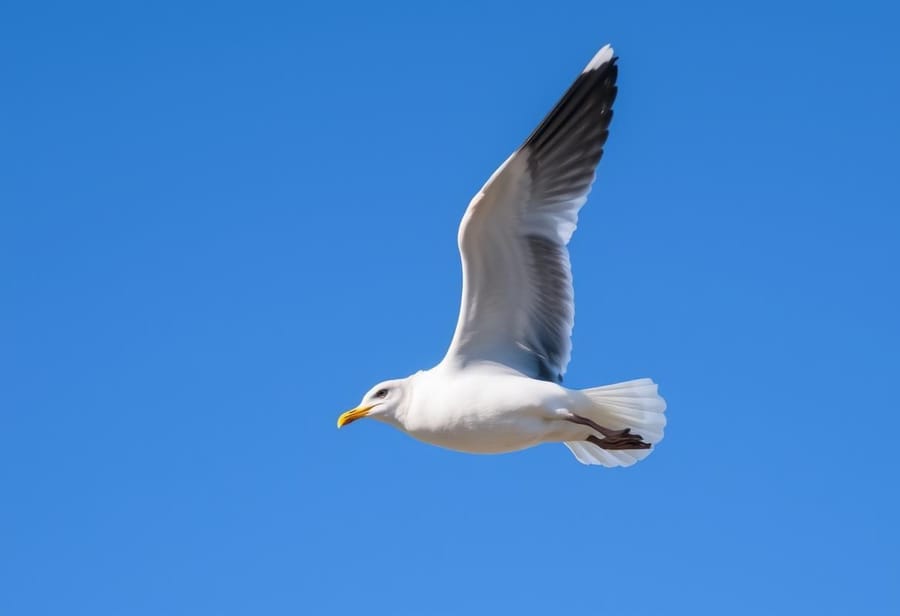



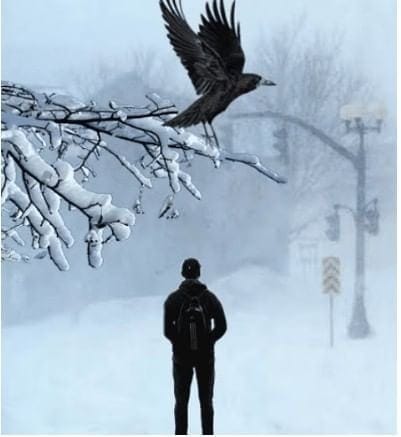


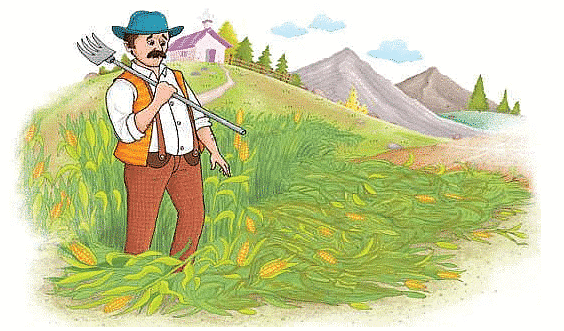





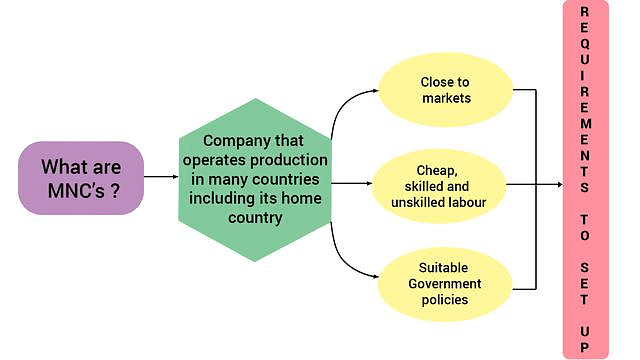
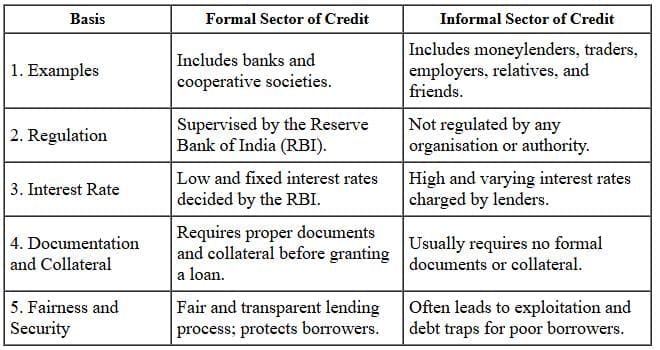 Conclusion: Formal credit is cheaper, safer, and promotes development, while informal credit often increases debt burden and inequality in rural and urban areas.