19. My Dance and Your Dance – Chapter Notes

Introduction

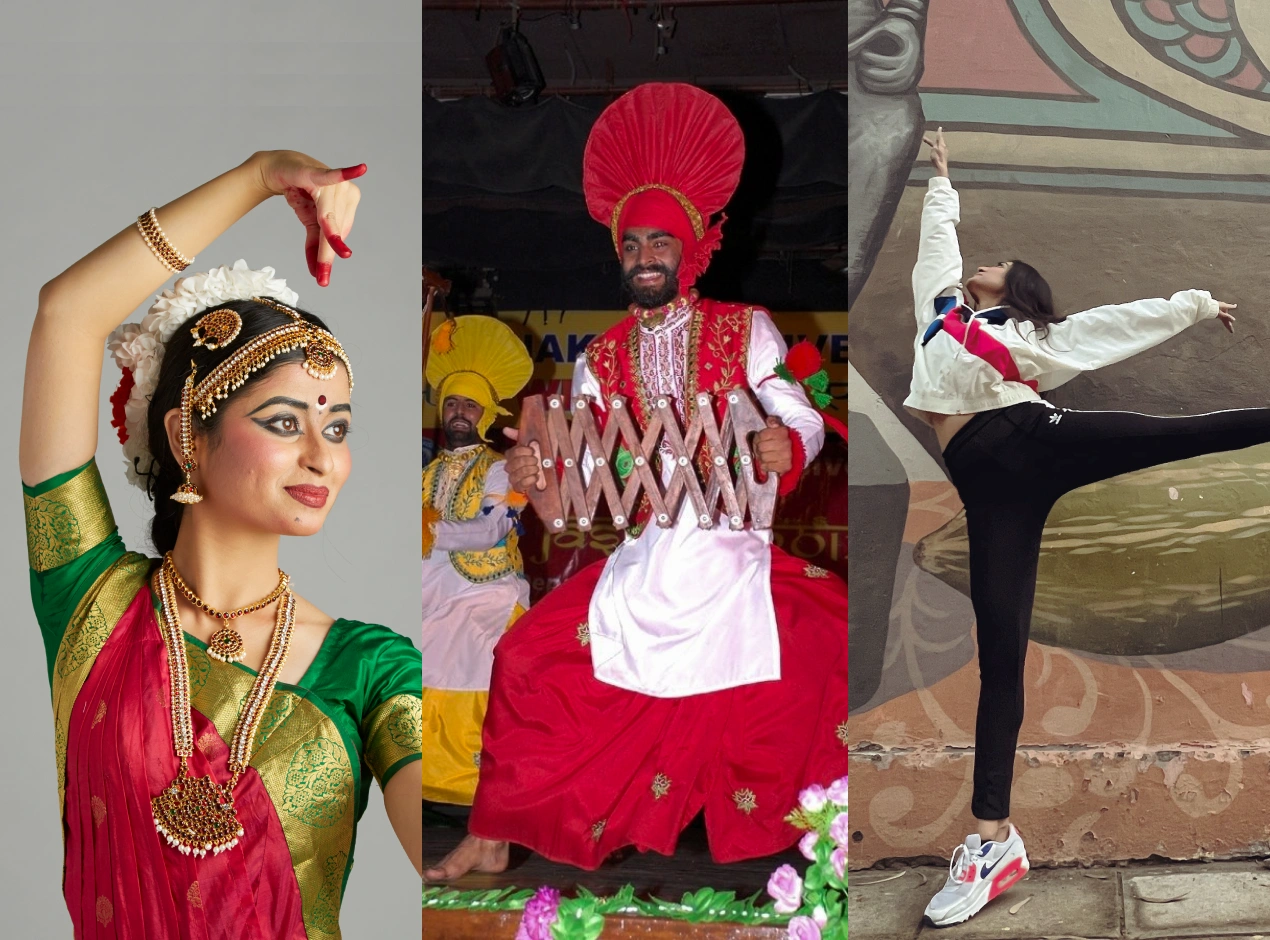
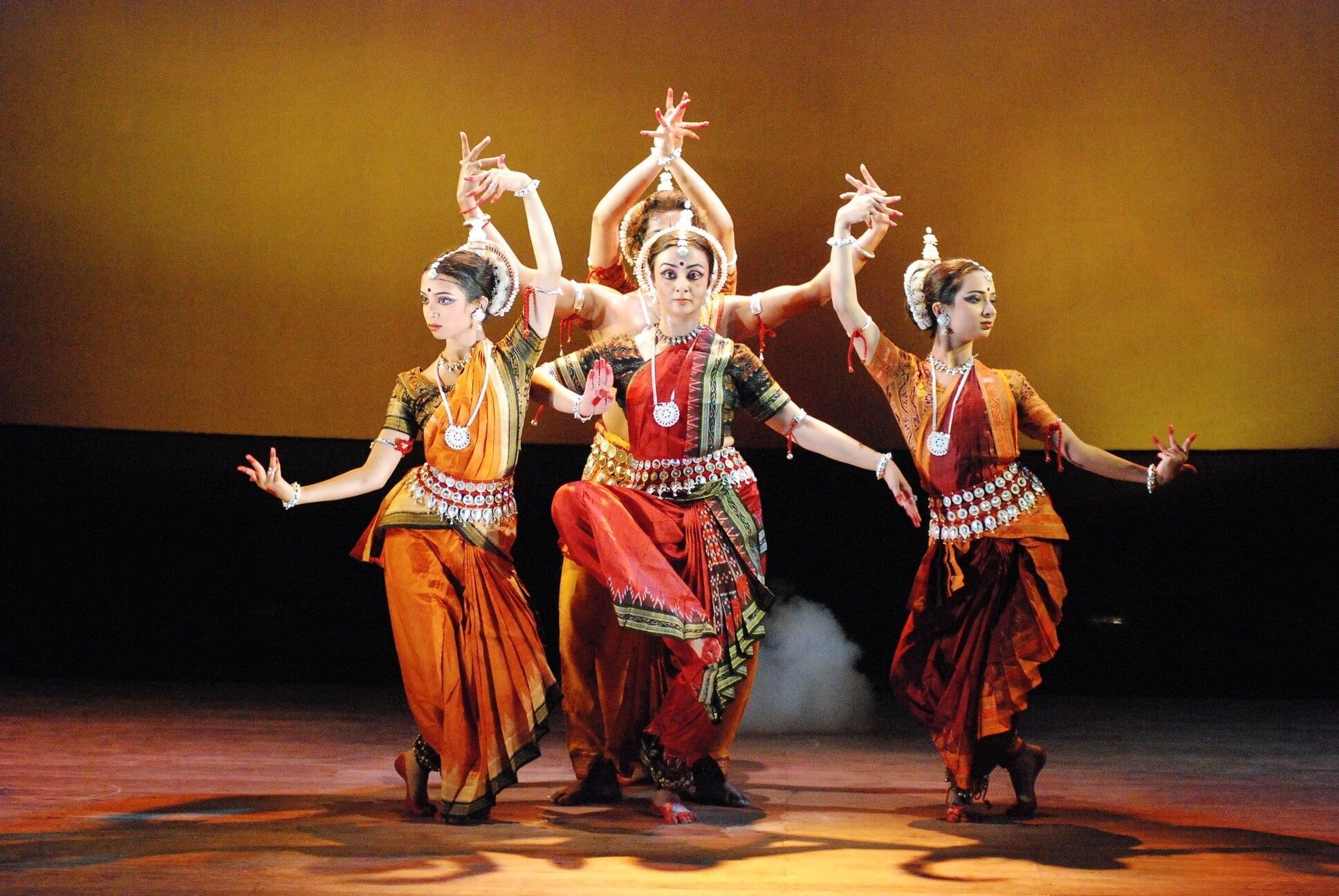
Folk DanceThis chapter helps us to understand and appreciate the folk dances of our own region and also those of neighbouring regions. Every region in India has its own unique dance that is performed during festivals, celebrations, and special occasions. By learning about these dances, we celebrate our culture and also respect the traditions of others. The chapter also shows how costumes, props, and instruments make each dance special and colourful.

Dance in My Region

  • Every region has one or more folk dances that are connected to its culture and tradition.
  • These dances are performed during festivalsharvest timereligious occasions, or celebrations.
  • Each dance has special features like:
    • Name of the dance
    • Costume worn during performance
    • Props used in the dance
    • Occasion when it is performed
    • Musical instruments that give rhythm and tune

Try yourself:

What do folk dances in a region often celebrate?

  • A.School events
  • B.Work meetings
  • C.Daily chores
  • D.Harvest time

View SolutionDances of Neighbouring Regions

  • Neighbouring regions also have folk dances that are similar or different from our own.
  • By learning about these dances, we understand the diversity of Indian culture.
  • Dances can be compared based on:
    • Name of the dance
    • Costumes worn
    • Main instruments used
    • Props used during the dance

This comparison helps us see how each region keeps its own identity but also shares similarities with others.

Presenting Dances

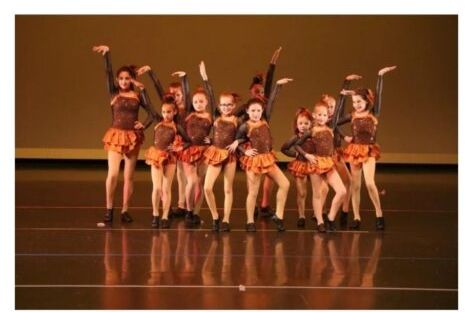
  • Students can present their own regional dance or a dance from a neighbouring region.
  • Performances show the variety of movements, costumes, and music in India.
  • Working together in groups helps in teamwork and collaboration.

ConclusionFolk dances are an important part of our heritage. They show the joybeliefs, and traditions of the people. By learning both our own dance and the dances of our neighbours, we respect and celebrate unity in diversity. These dances bring happiness, connect communities, and remind us of the beauty of our nation’s culture.
18. My Dance Expresses Emotions and Narrates Stories – Chapter Notes

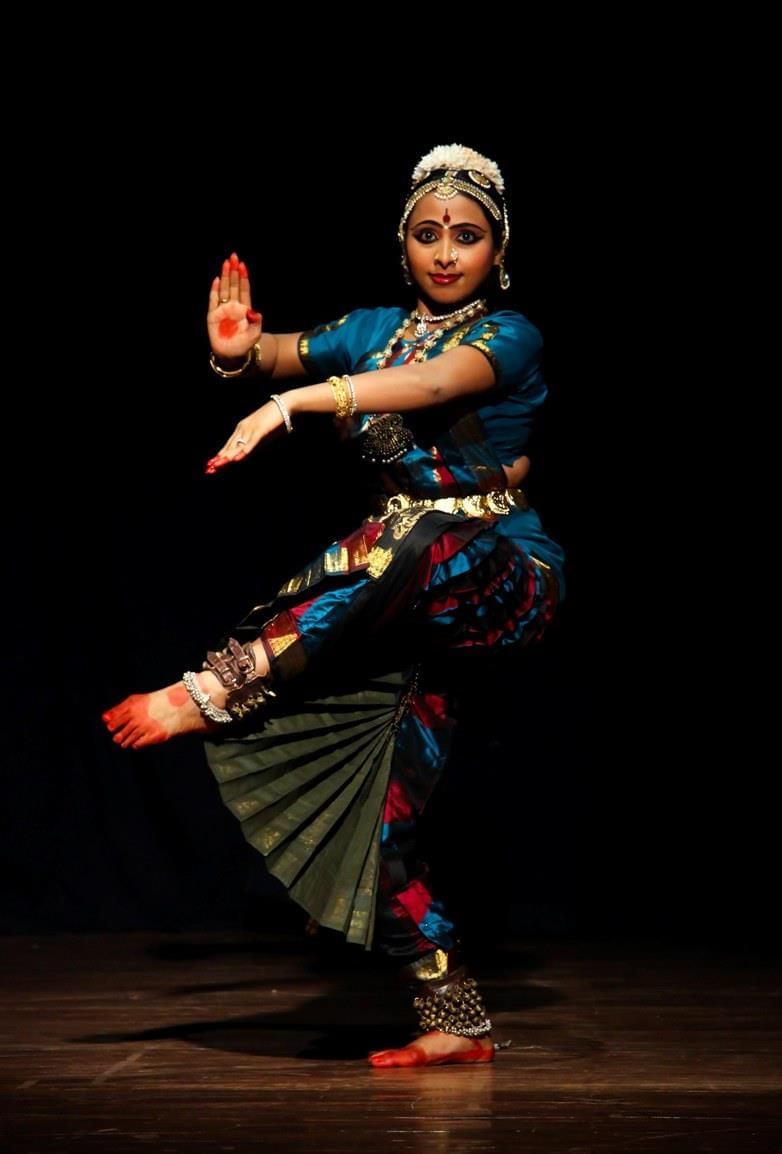
Introduction.                                                           This chapter teaches us how dance can be used to show emotions and tell stories. Every person feels different emotions in daily life like joy, sadness, anger, or fear. Dance gives us a way to express these feelings through gesturesmovementseyes, and expressions. It also shows us how to use propsimagination, and even our five senses to narrate stories and create performances.

Dance Expresses Emotions and Narrates Stories

Emotions in Dance

  • We experience many emotions in different situations – sometimes happy, sometimes sad or angry.
  • Dance allows us to show these emotions clearly to others.
  • Through body movements and gestures, dancers can make the audience feel what they are showing.

Try yourself:

What do dancers use to express their emotions?

  • A.Colors
  • B.Instruments
  • C.Words
  • D.Body movements

View SolutionEyes and Eyebrows in Emotions

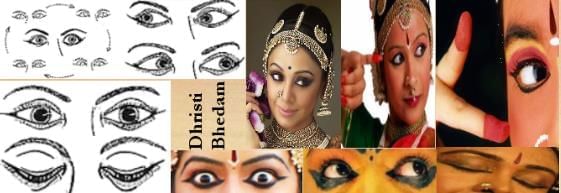
  • Eyes are often called the mirror of our feelings.
  • By moving eyes and eyebrows in different ways, we can show many emotions:
    • Anger – eyes expand, shown with the suchi hasta hand gesture to say “go away.”
    • Joy – eyes twinkle, shown while holding flowers with the pushpaputa hasta.
    • Sadness – eyes contract, shown with the utsanga hasta as if wanting comfort.
    • Hiding something – eyes look to the corner, shown with the samputa hasta.

Opposite Emotions

  • In dance, we can also show two opposite emotions together.
  • For example:
    • Bravery and fear
    • Happiness and anger

This makes the dance more expressive and helps in storytelling.

Props in Dance

  • Props make dances more creative and colourful.

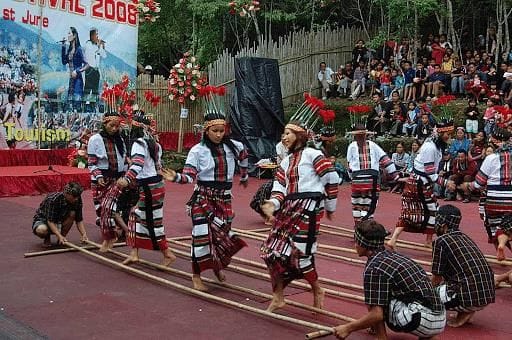
Cheraw Dance

  • Examples of props:
    • Sticks in Garba dance from Gujarat.
    • Bamboo poles in Cheraw dance from Mizoram.
    • dupatta used as a peacock feather.
    • Rubber bands used like dancing puppets.

Try yourself:

What are props used for in dance?

  • A.To change the lights
  • B.To play music
  • C.To enhance the performance
  • D.To help with costumes

View SolutionImaginary Props

  • Dancers also use imaginary props to show actions.
  • Example: showing a ball without having one.
  • In Mohiniattam (Panthattam) and Manipuri (Kanduk Khel), dancers show playing with an imaginary ball.
  • Stories like Krishna playing with friends can be expressed using these props.

Five Senses in Dance

  • We use our five senses in daily life: seeing, hearing, smelling, tasting, and feeling.
  • These senses can be shown in dance by matching them with movements and expressions.
  • For example:
    • Eyes and hands can show what we see.
    • Gestures and ear movements can show what we hear.
    • Nose movements can show what we smell.
    • Mouth actions can show what we taste.
    • Body and hand movements can show what we feel.

Storytelling Through Dance

  • Dance can be used to tell a complete story.
  • We can use emotions, eye movements, hand gestures, jumps, spins, and steps to narrate the story.
  • Music, beats, or songs can be added to make the story more lively.

Try yourself:

What does storytelling through dance involve?

  • A.Using words
  • B.Expressing emotions
  • C.Drawing pictures
  • D.Playing music

View SolutionConclusionDance is not only about steps but also about feelings and stories. By using eyes, gestures, props, imagination, and the five senses, dancers can express many emotions. This makes the audience understand the story and connect with the performance. Dance becomes a powerful way of showing what we feel and sharing stories with others.

17. Dances of My Nation – Chapter Notes

Introduction

This chapter helps us to learn about the different dances of India. Each state and region has its own special dances. Some are folk dances, some are classical dances, and some are done during festivals or rituals. These dances show the culture and traditions of our country. They also bring people together and spread joy during celebrations. Through this chapter, we also connect dances with regions, songs, and festivals of India.

Dance Forms Across India

  • Every part of India has more than one dance form.
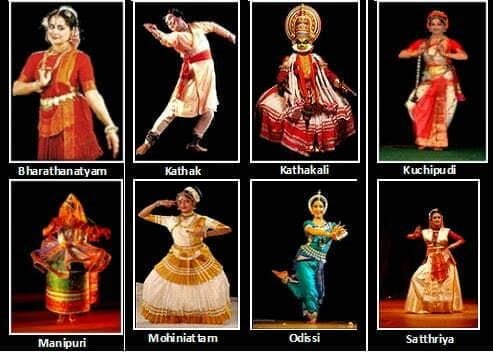
  • Some dances are very old and are called classical dances, like KathakaliBharatanatyam, and Kathak.
  • Some are folk dances that people perform in villages and towns, like BihuGarbaBhangra, and Ghumar.
  • Dances can also be ritualistic, connected with traditions, beliefs, and festivals.
  • Dance is one of the best ways to express feelings through movements, steps, and gestures.

Try yourself:

Which type of dance is Kathakali?

  • A.Folk dance
  • B.Classical dance
  • C.Ritualistic dance
  • D.Modern dance

View SolutionDances and Their States

  • Bihu – Assam
  • Bhangra – Punjab
  • Ghumar – Rajasthan
  • Garba – Gujarat
  • Lavni – Maharashtra
  • Jhumar – Haryana
  • Chapeli – Uttarakhand
  • Rauf – Jammu & Kashmir
  • Kathakali – Kerala
  • Yakshagana – Karnataka
  • Chhau – Odisha, Jharkhand, West Bengal

Uniting with Dance

  • Dance brings people from different regions and languages together.
  • It helps us celebrate unity in diversity.
  • For example, the song “Mile Sur Mera Tumhara” shows the dances, movements, and styles of different states of India.
  • By combining steps and gestures from many dances, we can create one performance that shows national unity.

Dance in Celebrations

  • Dance makes every celebration joyful and lively.
  • National festivals like Independence Day and Republic Day are celebrated with patriotic dances.
  • Through dance, we can show our love and respect for the nation.
  • Patriotic songs like Vande Mataram or regional patriotic songs are performed with matching steps and movements.
  • Such dances bring together children, families, and communities in celebration.

Try yourself:

What is often a part of celebrations?

  • A.Sleeping
  • B.Dancing
  • C.Studying
  • D.Cleaning

View SolutionConclusionThe dances of India show the rich culture and unity of our nation. Each dance tells a story of the people and their traditions. Whether classical or folk, every dance is full of joy, colour, and energy. Dance also teaches us teamwork and helps us celebrate important moments together. It is a beautiful way to express our feelings and show our pride in being part of one nation with many cultures.

16. Dancing with Rhythm and Tempos – Chapter Notes

Introduction

This chapter explains the importance of rhythm and tempo in dance. It teaches how rhythm keeps a steady beat and how tempo changes the speed of movements. It also shows how to combine arms, feet, jumps, and spins with rhythm and tempo to make dance more creative and joyful.

What is Rhythm?

  • Rhythm means keeping a steady and constant beat.
  • A steady rhythm helps us keep time in dance and music.
  • In class, students practise dancing to a four-beat rhythm.
  • Even when the music stops, rhythm can be continued by clapping, snapping, or stamping feet.
  • Rhythm keeps movements regular and connected to the beat.

Try yourself:

What does rhythm help us keep in dance?

  • A.A loud sound
  • B.A high jump
  • C.A fast pace
  • D.A steady beat

                        View Solution.   

    What is Tempo?

  • Tempo is the speed of rhythm.
  • If rhythm is played faster, the tempo is fast. If it is played slower, the tempo is slow.
  • For example:
    • Walking slowly to eight beats shows slow tempo.
    • Walking quickly to the same eight beats shows fast tempo.
  • Tempo changes the energy and feeling of a dance.

Dance with Rhythm and Tempo

  • Counting eight beats with claps or snaps sets the rhythm.
  • Tempo 1: Move with normal steps to each beat, using known dance steps.
  • Tempo 2: Double the steps – 16 quick steps in the same eight beats. This creates faster energy.
  • Dancers must stay in sync with the beat while changing tempos.
  • Music with four steady beats, like folk songs, can be used to practise slow and fast tempos.

Arms and Feet Together

  • Dancers can combine arm movements with footwork to create sequences.
  • Use Sa Re Ga Ma Pa Da Ni Sa as beats for movement practice.
  • Tempo 1: Move arms in a circular motion up and down with the sargam.
  • Tempo 2: Change the direction of arms with every four notes of the sargam to show variety.
  • Combining arm and footwork makes the dance more expressive.

Try yourself:

What body parts are mentioned together in the text?

  • A.Fingers and Hands
  • B.Feet and Toes
  • C.Arms and Feet
  • D.Hands and Arms

                                View Solution.                                                      Jumps and Spins

  • Jumps and spins make dance lively and fun.
  • Jumps are done on a four-beat rhythm using right and left legs in turns.
  • Different combinations of jump, stamp, and cross steps can be tried in four beats.
  • After jumps, spins can be added to the four-beat rhythm.
  • Right and left leg spins are done in order to match the beats.
  • Combining jumps and spins with rhythm improves balance and creativity.

Feet Combinations with Three Beats

  • Dancers can also try movements in a three-beat pattern.
  • Combination 1: Steps include cross, stamp, and stamp with right and left legs.
  • Combination 2: Steps include heel front, stamp, and stamp with both legs in turns.
  • Three-beat steps give variety to dance and help in learning different rhythmic patterns.

ConclusionRhythm and tempo are very important in dance. Rhythm gives us a steady beat, and tempo changes the speed of that beat. By learning how to dance with rhythm and tempo, we can make our movements lively and expressive. Using arms, feet, jumps, and spins along with different tempos makes dance creative and fun. Understanding rhythm and tempo helps us enjoy dance more and express our feelings through it.

15. My Everyday Activities in Modes of Dance – Chapter Notes

Introduction

Everyday Actions in DanceThis chapter teaches us how our everyday actions are connected to dance. We learn how movement and stillness, hand gestures, arm movements, and even eyes and eyebrows are important in dance. Dance helps us express our emotions, use our body creatively, and enjoy the art form in our daily life.

Moving and Standing Still

Moving & Standing Still

  • In daily life, sometimes we move and sometimes we stay still.
  • Dance also uses both movement and stillness together.
  • We start from a still position, then move, and finally return to a still posture.
  • This balance of movement and stillness makes dance expressive and beautiful.

Try yourself:

What does dance combine to be expressive?

  • A.Light and shadow
  • B.Music and sound
  • C.Movement and stillness
  • D.Movement and color

View SolutionHand Gestures

Hand Gestures in Dance

  • Hand gestures are an important part of dance.
  • They are used to show objects, ideas, emotions, and even animals.
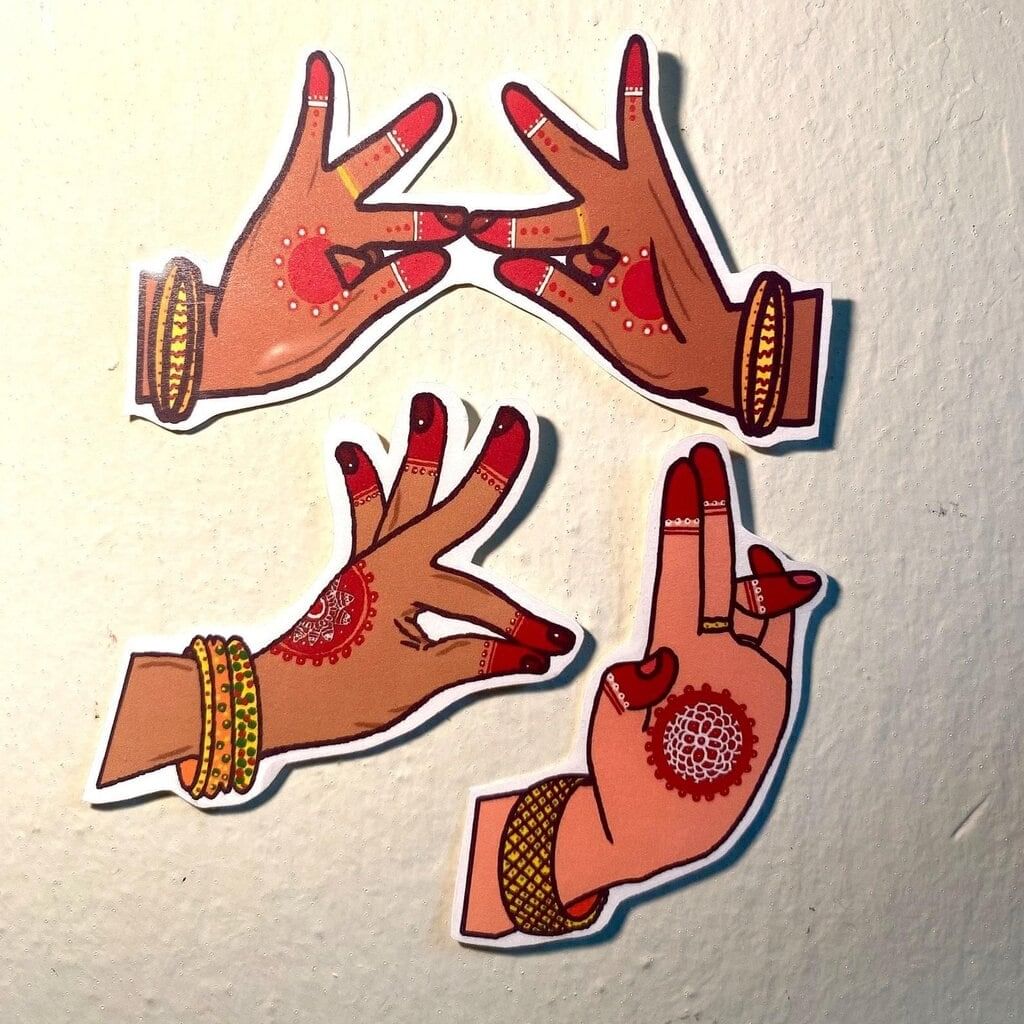
  • Some common hand gestures used in dance:
    • Tripataka: used as a flag
    • Kartarimukha: used as scissors
    • Trishula: used to show a trident or the number three
    • Katakamukha: used as wearing earrings
    • Karkata: used as stretching the limbs
    • Dola: used as standing in equal posture
    • Utsanga: used as hugging
    • Swastika: used as an alligator
  • Hand gestures are powerful because they can tell a story without words.
  • They can be used while dancing, playing, or even in daily life actions.

My Arms in Dance

Arms Activity during Dance

  • Arms can move in many different directions in dance.
  • Types of arm movements:
    • Circular movement: move both arms in a big circle.
    • Semi-circular movement: move one arm like writing the letter “C”.
    • Horizontal movement: stretch arms sidewards in a curve or straight line.
    • Diagonal movement: one arm up and one arm down in a slanting line.
    • Vertical movement: move arms straight up and down.
  • These movements create different shapes and patterns in dance.
  • Students can also create their own special arm movements.

Eyes and Eyebrows

  • Eyes and eyebrows are also very important in dance.
  • They help to show emotions like happiness, sadness, surprise, or anger.
  • Different eye movements:
    • Parallel movement
    • Horizontal movement
    • Diagonal movement
    • Circular movement
  • Practicing eye movements also makes eye muscles strong.
  • In dance, eyes are combined with arms and feet to make expressions more powerful.

Try yourself:

What is the main focus of the text?

  • A.Nose and Lips
  • B.Eyes and Eyebrows
  • C.Ears and Cheeks
  • D.Hair and Skin

View SolutionConclusionDance is not separate from life, it is part of our daily actions. Simple things like standing, moving, using hands, arms, eyes, and eyebrows are all part of dance. By practicing, we can express feelings, tell stories, and enjoy creativity through dance. Dance helps us to celebrate both movement and stillness in life.

14. Ideas and Inspiration – Chapter Notes

Introduction

This chapter tells us how music gives us new ideas and inspires us in many ways. It explains how we naturally respond to music, how music can show different emotions, and how great musicians of India inspire us with their hard work and dedication. The chapter also shares stories, songs, and examples that teach us the true power of music.

Responding to Music

  • Everyone reacts to music in their own way.
  • When we listen to music, we may tap our feet, nod our head, move our fingers, or sway our body.
  • These movements show how our body naturally enjoys the rhythm and melody.
  • Listening to music can also change how we feel – it can make us happy, calm, or emotional.

Try yourself:

How can music affect our feelings?

  • A.It can make us bored.
  • B.It can make us hungry.
  • C.It can make us happy.
  • D.It can make us sleepy.

View SolutionChoosing MusicMusic is used to express different feelings in a story.

  • A story from the Panchatantra explains this – The Monkey and the Crocodile:
    • A monkey and crocodile became friends, but the crocodile’s wife wanted the monkey’s heart.
    • The crocodile tried to trick the monkey, but the monkey was clever and escaped.
    • This story shows emotions like happiness, sadness, fear, and surprise.

Different parts of a story can have different kinds of music:

  • Happy music for joy 
  • Soft music for sadness
  • Fast beats for excitement.

Analysing MusicMusic can create different emotions depending on its tune, speed, and instruments.

  • Two songs help us understand this:
    • Aakash Ganga (Gujarati) – tells us that nature like the sun, moon, rivers, and oceans belong to everyone, not just one person.
    • Kodagana Koli Nungitta (Kannada) – a famous folk song written by Shishunala Sharifa.
  • When we compare songs, we can notice differences:
    • One may be faster, the other slower.
    • One may use more drums or instruments.
    • Each song gives a special feeling through its rhythm, words, and music style.

Inspiring MusiciansGreat musicians inspire us with their talent, hard work, and courage.

DK Pattammal

  • DK Pattammal:
    • A famous Carnatic singer born in 1919.
    • She used her music to spread patriotism during India’s freedom struggle.
    • Sang many patriotic songs in films and was invited to sing on All India Radio on August 15, 1947.
    • She was the first woman to sing Ragam Thanam Pallavi, a very complex music form, on stage.

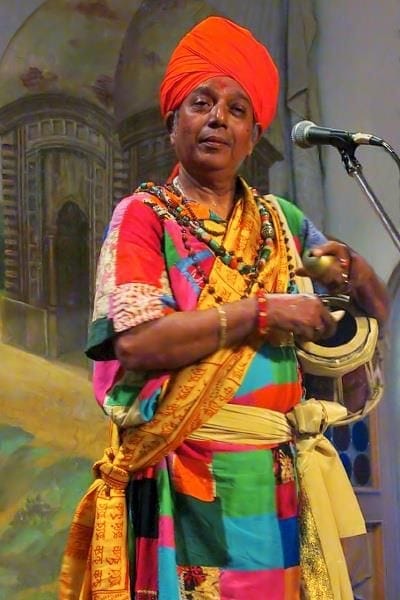
Purna Das Baul

  • Purna Das Baul:
    • Born in 1933, he was the eighth generation of Baul musicians from Bengal.
    • Bauls believe that music is the best way to connect with the spirit.
    • He performed in more than 168 countries, sharing Baul music worldwide.
    • He also sang in children’s organisations and hospitals to give comfort and happiness through music.

The lives of such musicians teach us that music can inspire people and bring joy even in difficult times.

Try yourself:

What do inspiring musicians often encourage others to do?

  • A.Give up
  • B.Create music
  • C.Stop practicing
  • D.Ignore their dreams

View SolutionConclusionMusic touches our hearts and minds in many ways. It can make us feel emotions, tell stories, and inspire us. The lives of great musicians remind us that hard work and love for music bring success and joy. Music is not just for listening, it is for learning, sharing, and inspiring others.

13. Building Blocks – Chapter Notes

Introduction

The “Building Blocks” chapter is all about learning the basics of music! It teaches us how to breathe properly to sing better and explains what sounds and musical notes are. We also learn about two special types of Indian music called Carnatic and Hindustani. The chapter shows us simple songs to practice and tells us why practicing every day is important to become good at music.Breathing for Singing

  • Singing needs calm and steady breathing, like how a car needs a good engine to work well.
  • If you run or jump, your breathing gets fast, and it’s hard to sing or hold a note.
  • A breathing trick called box breathing helps you control your breath for singing and can make you feel calm when you’re upset.
  • In box breathing, you breathe in for four counts (1, 2, 3, 4), hold for four counts, breathe out for four counts, and hold again for four counts. Do this 4–5 times.

Try yourself:What does box breathing help you do?A.Jump higherB.Sing louderC.Control your breathD.Run fasterView SolutionDo You Know? Where Indian Music Notes Came From

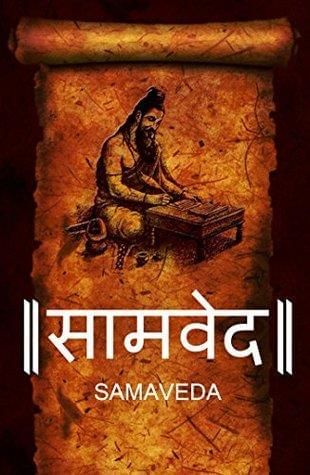
  • The notes in Indian music started from an old book called the Samaveda, where people chanted special words.
  • Long ago, they used three notes: Udatta (normal tone), Anudatta (low tone), and Svarita (high tone).
  • These three notes slowly turned into the seven notes we use in Indian music today, called sapta swara.

What is Dhwani?

  • Dhwani means sound, and we hear lots of sounds every day!
  • We hear our friends talking, birds chirping, or noises from cars, buses, trains, and aeroplanes.
  • These sounds help us know what’s happening around us.

What is Naada?

  • Naada is a special kind of sound that is musical and nice to hear.
  • Noisy sounds, like traffic or loud horns, are not musical, but sounds from instruments or singing voices are musical because they have a steady pattern.
  • This pattern makes the sound pleasant and fun to listen to.

Try yourself:What kind of sounds are considered musical?A.Loud hornsB.Noisy soundsC.Traffic soundsD.Sounds from instrumentsView SolutionSargam/Swara Patterns

Sargam Pattern

  • Singing sargam or swara patterns is a fun way to warm up your voice and get better at singing the right notes.
  • These patterns help you practice different note combinations before singing songs.

Patterns in Art

  • Patterns are not just in music but also in art, like in paintings or wall designs, where shapes repeat.
  • In rangoli, a traditional art, people make pretty patterns with dots, lines, and curves to decorate floors and walls at home.

Carnatic Music

  • Carnatic music is one of the two main kinds of Indian classical music, and we learn a bit more about it every year.
  • Geethams are easy Carnatic songs that help kids practice singing.

Vara Vina (Geetham)

  • Raga: Mohana (a type of tune)
  • Tala: Rupaka (a rhythm pattern)
  • Arohanam (going up notes): S R2 G3 P D2 Ś
  • Avarohanam (going down notes): Ś D2 P G3 R2 S

Song Words and Notes:

  • The song talks about playing the veena (a musical instrument) with soft hands and giving blessings.
  • It has lines like “Vara veena mridu paani” (soft hands on the veena) and “Vanarchita phala daayaki” (gives what you wish for).
  • It also praises music and devotion with words like “Sura nuta kala” (art loved by gods) and “Sara seejaa sana jana nee” (loved by everyone).

Padumanabha (Geetham)

  • Raga: Malahari (another type of tune)
  • Tala: Tishra Jathi Triputa Tala (a special rhythm)
  • Composer: Purandara Dasa (a famous music maker)
  • Arohanam (going up notes): S R1 M1 P D1 S
  • Avarohanam (going down notes): S D1 P M3 G3 R1 S

Try yourself:What does the song ‘Vara Vina’ talk about?A.Traveling to new placesB.Cooking delicious foodC.Dancing in the rainD.Playing the veena with soft handsView SolutionHindustani Music

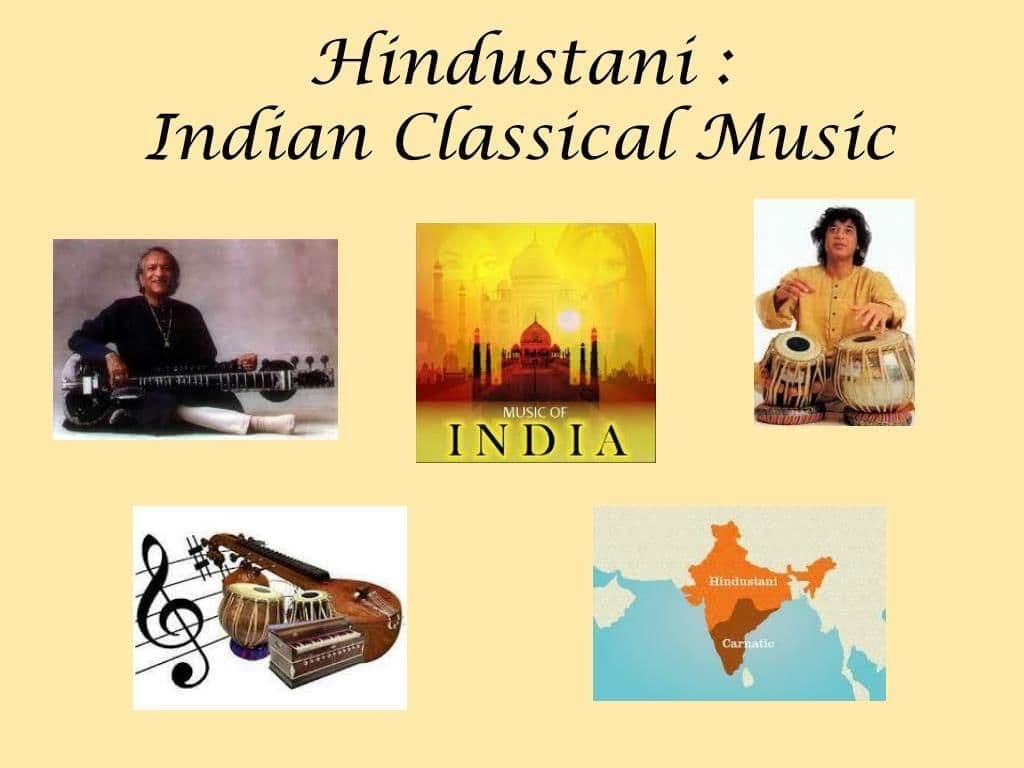
The second style of Indian music is Hindustani music. We learn it through Raag Khamaj and a Bandish (song).
Raag Khamaj

  • Aroh (going up notes): S G M P D N Ś
  • Avroh (going down notes): Ś N D P M G R S
  • Pakad (main tune): N D, M P D, M G

Bandish: Namana Karu Mai Sada Guru Charana

  • This Bandish has two parts:
    • Sthayi – main part of the song
    • Antara – second part, where the song grows

Why Practice is Important

  • To become good in music, we must practice daily.
  • Practice is called Riyaaz, Abhyaasa, or Saadhakam.
  • Great singers practiced 6–8 hours every day from childhood.
  • Regular practice makes singing easy and better.

Watching Classical Music Shows

  • Going to a classical music show or watching one online helps you learn more about music.
  • You can see the stage, the instruments, and learn the names of the songs, including their raga (tune) or tala (rhythm).
  • Watching how musicians talk to each other and the audience teaches you about how music performances work.

Try yourself:What can you learn from watching a classical music show?A.Names of songsB.Cooking recipesC.Sports rulesD.Math formulasView SolutionConclusion

The “Building Blocks” chapter helps us understand the basics of music in a fun and easy way. We learned how to breathe properly to sing better, what sounds and musical notes are, and about the two main types of Indian music: Carnatic and Hindustani. By practicing simple songs like geethams and bandish, we can improve our singing. The chapter also shows us that practicing every day and watching music shows can make us better musicians. Keep practicing and enjoying music!

12. Sounds and Instruments – Chapter Notes

Introduction.                                                        Music is more fun with instruments because they make different sounds. This chapter teaches us about instruments like the sitar and tabla. We learn how they make songs sound nice and special. We also find out about four types of instruments and two special ones called the rudraveena and santoor. By learning how they sound and how they are played, we can enjoy music more and learn about our culture.

Musical Instruments

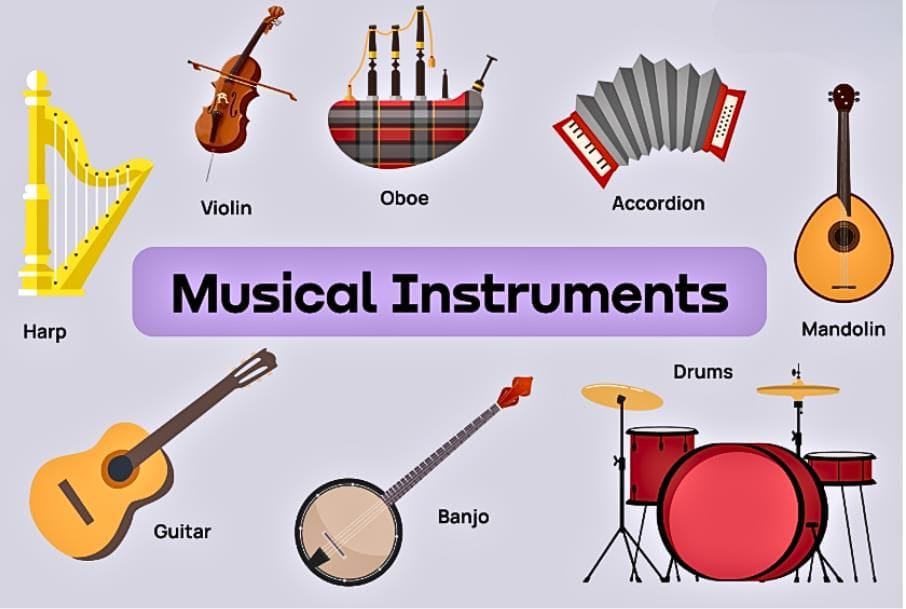
  • Musical instruments make music fun by adding different sounds to songs.
  • There are many kinds of instruments, some easy and some tricky to play.
  • Instruments are put into four groups:
    • String (tata vadya): Played by pulling or touching strings, like a sitar.
    • Wind (sushira vadya): Played by blowing air, like a flute.
    • Percussion (avanaddha vadya): Played by hitting, like a tabla or mridangam.
    • Solid (ghana vadya): Played by hitting solid parts, like cymbals.
  • We can listen to instrument sounds to know their names and what group they belong to.
  • We can look at pictures of instruments to guess how they are played.
  • Some instruments are used in special kinds of music or come from different places in India.

Try yourself:

What group of instruments is played by blowing air?

  • A.Wind
  • B.String
  • C.Percussion
  • D.Solid

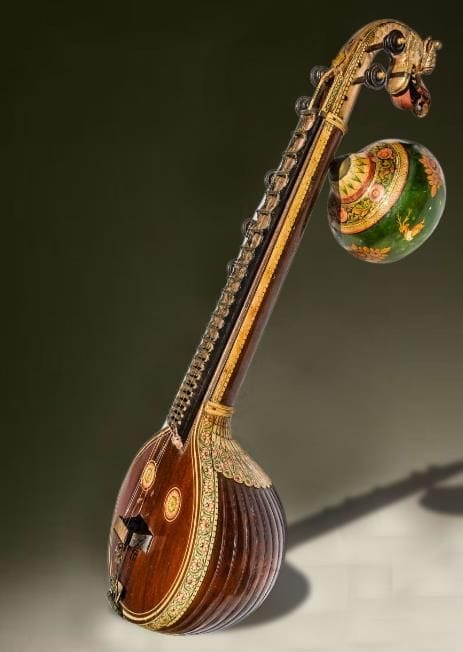
View SolutionRudraveenaThe rudraveena is a big string instrument.

Rudraveena

  • It is used in old classical music called dhrupad.
  • It has two big round parts called thumba which help in making sound.
  • The sound is deep and strong.
  • It is often decorated with designs of flowers or shapes.

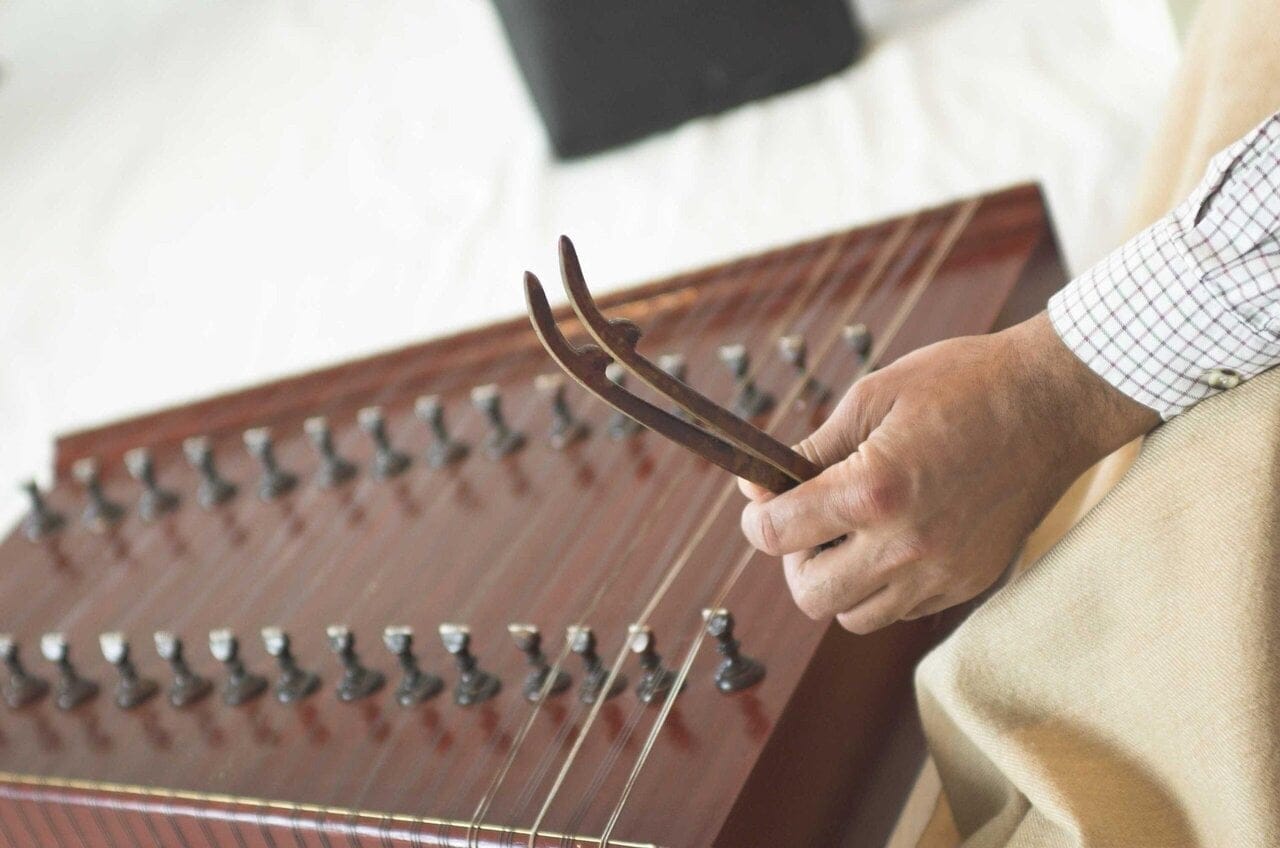
Story of SantoorSantoor

  • The santoor is a string instrument played with two small sticks called mallets.
  • It has about 100 strings and is made of walnut or maple wood.
  • Long ago, in Sanskrit, it was called Shatatantri Veena which means “hundred-stringed veena.”
  • It comes from Kashmir and was also played in Sufi music.
  • Famous players like Pandit Shivkumar Sharma made it very popular in classical music.
  • The sound of the santoor is soft and peaceful, like the valleys of Kashmir.

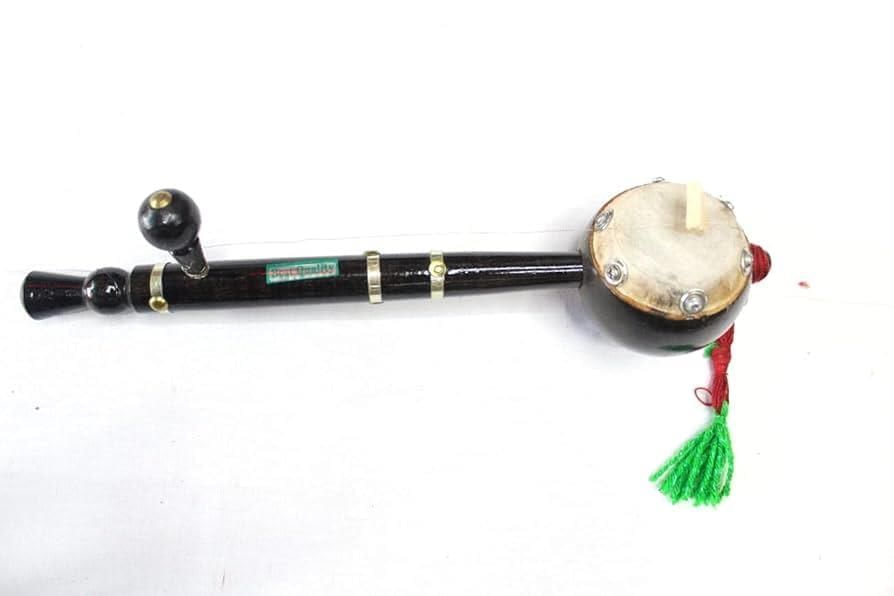
One-String Instrument – Ektara

Ektara

  • The ektara has only one string.
  • It is made from a coconut shell and bamboo stick.
  • The sound changes when the string is made tight or loose.
  • It is used to make a steady sound (drone) or small tunes.

Song: Baadol Baaul Baajay Re Ektaara

  • Language: Bengali
  • Theme: The song talks about the sound of the ektara and the beauty of nature.

Stanza 1:
Baadol baaul baajay re ektaara,
Saara bela dhore jharojharo jharo dhaara.
Meaning: A singer plays the ektara while rain keeps falling all day.

Stanza 2:
Jaamer bone dhaaner khete aapon taane aapni mete,
Neche neche holo saara.
Meaning: In the fields and gardens, nature becomes happy and starts to dance.

Stanza 3:
Ghano jatar ghata ghanaya aandharo aakash maajhe,
Paatay paatay tupur tupur nupur modhur baaje.
Meaning: Under the dark cloudy sky, raindrops fall on leaves, sounding like sweet anklets.

Stanza 4:
Ghar-chhaarano aakul sure udaas hoye beray ghure,
Pube haawa grihohaara.
Meaning: The wind moves like a sad tune, wandering like someone without a home.

Try yourself:

What type of instrument is an Ektara?

  • A.Percussion instrument
  • B.Wind instrument
  • C.String instrument
  • D.Keyboard instrument

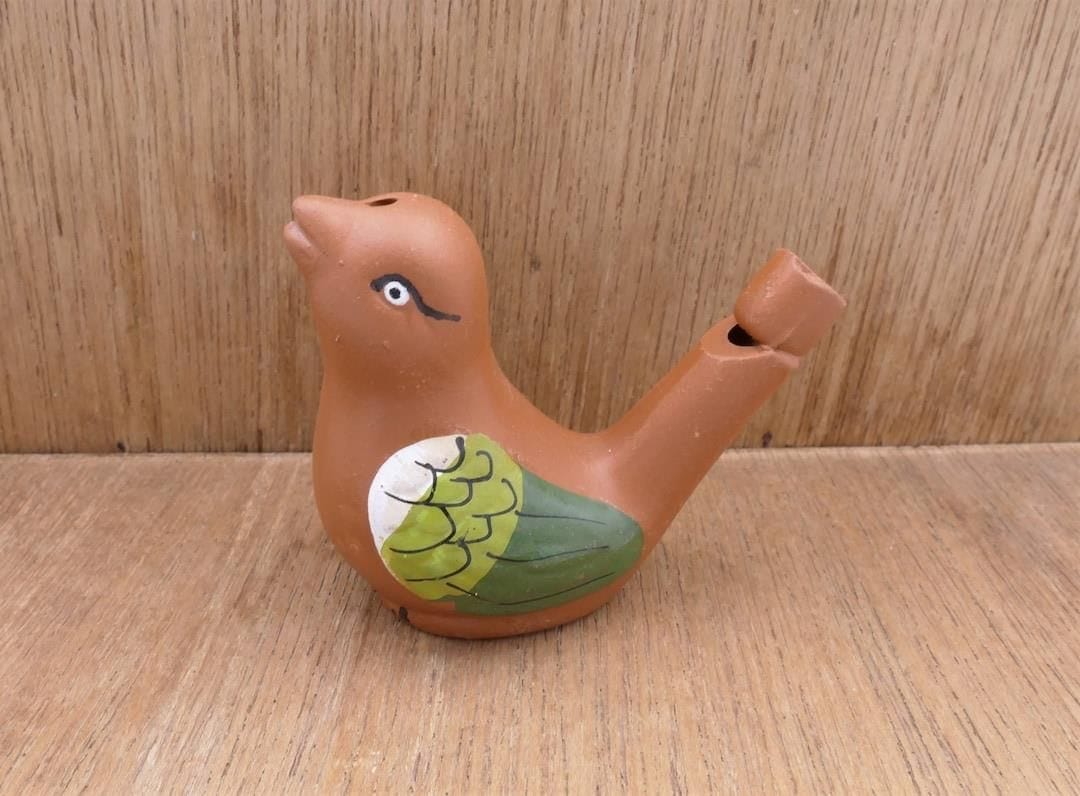
View SolutionBird WhistleBird Whistle Clay Toy

  • bird whistle is a clay toy shaped like a bird.
  • When water is put inside and air is blown, it sounds like a real bird’s chirp.
  • It is one of the oldest simple instruments, found in many parts of India.

ConclusionThis chapter shows us how musical instruments make music exciting. We learn about the four groups of instruments—string, wind, percussion, and solid—and special ones like the rudraveena and santoor. By finding out how they sound and how they are played, we see how they make songs beautiful and connect us to our culture. Even though some information is missing, this chapter helps us love music more by exploring different instruments.

11. Music Around Me – Chapter Notes

Introduction

Music Around UsMusic is all around us every day, from the songs we hear to the sounds in our surroundings. This chapter helps us notice how music and sounds are part of our daily lives, like when we hear an alarm in the morning or prayers on the radio. We learn special words to describe music and explore two songs from different parts of India. By understanding these, we can appreciate how music makes us feel and connects us to different cultures and traditions.

Music in Everyday Life

  • Music and sounds are part of our daily activities, like alarms, radio songs, or other noises around us.
  • Noticing where and when we hear music helps us understand its role in our lives.
  • We can think about places where we might want to hear more music to make our day better.

Try yourself:

What are some examples of music in our daily life?

  • A.Alarms
  • B.Books
  • C.Games
  • D.Movies

View SolutionDescribing Music

  • Pitch: Tells us if a sound is high or low.
  • Melody: The tune made by a pattern of notes in a song.
  • Rhythm: The beat and pattern of sounds and silence in music.
  • Tempo: How fast or slow the music is, measured in beats per minute.
  • Harmony: The sound when two or more notes are played together.
  • Timbre: The special quality that makes one voice or instrument sound different from another.
  • Dynamics: How loud or soft the music is and whether it gets louder or softer.

Note: These words help us describe the music and sounds we hear around us.

Songs for ThemesFlag Song – ‘Poraa Poraa’

  • Composer: Mahakavi Vallathol Narayana Menon
  • Language: Malayalam
  • Theme: The song is about the national flag. The poet wishes for the flag to always rise higher and shine bright.
  • Message: Vallathol, a patriot, inspired thousands of Indians to join the freedom struggle through his nationalistic poems.

Chamba Kitni Door

  • Type: Traditional folk song
  • Language: Himachali
  • Theme: The song is about nature and love.
  • Message: It describes the beauty of the journey to Chamba and the emotions of love and longing.

ConclusionMusic is a special part of our daily lives, from morning alarms to songs on the radio. This chapter helps us notice music and sounds around us and use words like pitchmelody, and rhythm to describe them. We also learn two beautiful songs from India—Flag Song in Malayalam and Chamba Kitni Door in Himachali—that show us how music connects to culturenature, and patriotism. By exploring these, we understand how music makes us feel and brings joy to our lives.

10. Sing and Play – Chapter Notes

Introduction

Sing and Play

This chapter motivates students to enjoy music by singing and playing together. Music helps in building rhythm, melody, teamwork, and expression. It also develops confidence and creativity. In this chapter, we learn prayer songsfolk songs, ways to sing in groups or solo, and creative forms like beatboxing and a cappella. These activities make learning music joyful and meaningful.Prayer Song: Itni Shakti Hame Dena Daata

  • Language: Hindi
  • Theme: A prayer asking for strength and wisdom so that faith never becomes weak and we always follow the path of goodness.

Lyrics with Meaning

Stanza 1:
Itni shakti hame dena daata, man ka vishwas kamzor ho na
Hum chale nek raste pe hamse, bhool kar bhi koi bhool ho na
Meaning: O God, give us so much strength that our faith never becomes weak. Help us to walk only on the right path and never make mistakes, even by accident.

Stanza 2:
Door agyaan ke ho andhere, tu hamein gyaan ki roshni de
Har buraai se bach ke rahen hum, jitni bhi de bhali zindagi de\
Meaning: Keep us away from the darkness of ignorance and give us the light of knowledge. Protect us from all evil and bless us with a good life.

Stanza 3:
Bair ho na kisi ka kisi se, bhavana man mein badle ki ho na
Hum na sochen hamen kya mila hai, hum yeh sochen kiya kya hai arpan
Meaning: Let there be no hatred between people, and may there be no feelings of revenge in our hearts. Instead of thinking about what we got, let us think about what we gave to others.

Stanza 4:
Phool khushiyon ke baate sabhi ko, sabka jeevan hi ban jaaye madhuban
Apni karuna ka jal tu baha ke, kar de paavan har ek man ka kona
Meaning: May we spread flowers of happiness to everyone, so that every life becomes a beautiful garden. Shower us with your mercy, God, and purify every corner of our hearts.

Message: This prayer inspires us to be positive, kind, and helpful. It teaches us to share joy, avoid hatred, and live a pure and peaceful life.

Try yourself:

What does the prayer ask for?

  • A.Strength and wisdom
  • B.Wealth and success
  • C.Health and beauty
  • D.Fame and power

View SolutionSong: Mi Dolkara

  • Language: Marathi
  • Theme: A folk song that celebrates the fisherfolk as “Kings of the Sea.”

Lyrics with Meaning

Stanza 1:
Mi dolkara dolkarya cha raja, majhi nauka samudrat vaje
Meaning: I am a fisherman, the king of the seas. My boat sails proudly on the ocean.

Stanza 2:
Majhi dongari kinari cha gaav, majha samundra majhi daulat bhaav
Meaning: My village is on the shore near the mountains. The sea is my true wealth and pride.

Stanza 3:
Jeevan majhe samundrat jave, majha abhimaan majhe svatantrave
Meaning: My life is always with the sea. My pride is my freedom and my deep bond with the ocean.

Message: The song shows the pride and courage of fishermen. It reflects their freedom, their strength, and their close connection with the ocean.

ConclusionThis chapter invites us to enjoy singing together and start our musical journey with a beautiful prayer song in Hindi. The song “Itni Shakti Hame Dena Daata” teaches us to pray for strength, kindness, and a good life. By singing it, we learn how music can make us feel happy and connected to our culture. Even with just one song, this chapter shows us how special music is in bringing joy and meaning to our lives.