1. We the Travellers — I            – Worksheet Solutions

Q1: Multiple Choice Questions (MCQs)

(i) What is the place value of 5 in 1536?
(a)
 5
(b) 50
(c) 500
(d) 5000

Ans: (c) 500
 The place value of 5 is 500. (Hundred)

Here are the values of each number:

(ii) Which number comes first in ascending order?  
7308, 7038, 7348, 7304
(a) 7308
(b) 7038
(c) 7348
(d) 7304 

Ans: (b) 7038

(iii) What is the short form of 8,00,000 + 2,000 + 30 + 6?
(a)
 80,236
(b) 8,20,036
(c) 8,02,036
(d) 8,20,306

Ans: (c) 8,02,036
8,00,000 + 2,000 + 30 + 6 = 8,02,036
We start by adding the place values together:

  • 8,00,000 (Lakhs place)
  • 2,000 (Thousands place)
  • 30 (Tens place)
  • 6 (Ones place)
  • When we put these values together in one number, we get 8,02,036.


(iv) Which is the largest number in this group? 7,20,163; 7,20,136; 7,02,163; 7,02,613
(a) 
7,20,136
(b) 7,02,613
(c) 7,02,163
(d) 7,20,163

Ans: (d) 7,20,163

(v) Which is the smallest 4-digit number amongst the following?

(a) 1303

(b) 1234

(c) 0132

(d) 0142

Ans: (b) 1234


Q2: True or False

(i) The place value of 4 in 3,49,026 is 4,000.
Ans:
 False

(ii) In the number 8036, 3 is in the hundreds place.
Ans: False

(iii) The number 1,25,471 is smaller than 61,832.
Ans: 
False

(iv) The smallest whole number is 0.
Ans:
 True

(v) 7,36,000 is the predecessor of 7,35,999.
Ans:
 False


Q3: Fill in the Blanks

(i) In 1042, 2 is at the _____ place.
Ans:
 Ones

(ii) The place value of 6 in 6,00,087 is _____.
Ans: 6,00,000 (Lakhs)

(iii) The first six multiples of 4 are ____, ____, ____, ____, ____, and ____.
Ans: 
4, 8, 12, 16, 20, 24

(iv) Arrange the numbers 62,917; 1,00,008; 45,132; 36,472 in descending order:
Ans:
 1,00,008; 62,917; 45,132; 36,472

(v) The predecessor of the smallest 6-digit number is ____.
Ans:
 99,999


Q4: Answer the Following Questions

(i) Write the place value of 2 in 7,52,693.
Ans: 2,000 (Thousands)

(ii) Which is greater: 3,69,501 or 3,69,510?
Ans: 
3,69,510

(iii) Write the short form of: 9,00,000 + 4,000 + 200.
Ans: 
9,04,200

(iv) Arrange the numbers 4526, 4256, 4569, 4325 in ascending order.
Ans: 
4256, 4325, 4526, 4569

(v) Write the number name for 4,65,009.
Ans:
 Four lakh sixty-five thousand and nine


Q5: Find the place-value of 6 in each of the following numbers:

(a) 19,356 
Ans: The place value of 6 is 6 (ones)

(b) 6,00,087
Ans: The place value of 6 is 600000 (lakhs)


Q6:  Write the number names for each of the following numbers: 

(a) 2,50,006 
Ans: Two lakh fifty thousand and six.

(b) 4,65,009 
Ans: Four lakh sixty five thousand and nine.

12. Racing Seconds – Textbook Worksheet

Q1: Answer the following questions:
(i) Which month comes just after May?
(ii) How much time does the minute hand take to go from one number to the next number?
(iii) How many minutes are there in 1 hour?

Q2: Check if it is a leap year.
(i) 2012
(ii) 2009

Q3: Draw the hands of the clocks to show the time:
(i) 10:05
(ii) 5:15
(iii) 11:40
(iv) 1:40
(v) 4:45

Q4: Represent the times shown below on clocks:
(i) 1:15
(ii) 10:25
(ii) 4:00

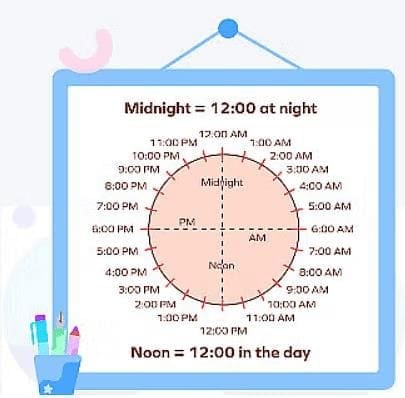
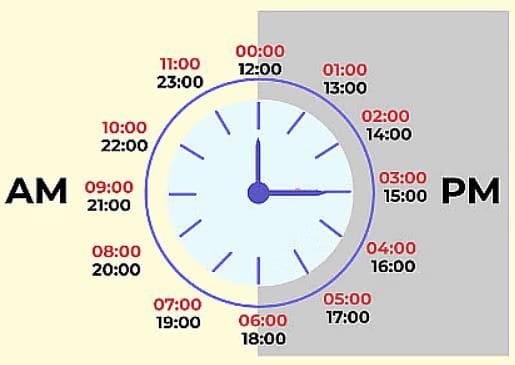
Q5: Write the time using a.m. or p.m.:(i) 10 minutes after midnight
(ii) 5:45 in the evening
(iii) 12:10 in the afternoon
(iv) 11:50 in the morning
(v) 5:35 in the morning
(vi) 12:05 during the night
(vii) 8:15 in the morning
(viii) 4:10  in the evening

Q6: Write a.m. or p.m. in the given blank spaces to make the sentences correct:
(i) Piyush comes back from school at 2:00
(ii) Shilpa cleans her teeth at 6:30
(iii) You take your lunch at 1: 00
(iv) Divya goes to school at 7:30

Q7: What time will it be:
(i) 3 hours after 11:10 p.m.?
(ii) 2 hours after 10:00 p.m.?
(iii) 2 hours before 1:30 p.m.?
(iv) 2 hours after 7:35 a.m.?
(v) 4 hours before 3:00 a.m.?

Q8: Convert the following into weeks:
(i) 364 days
(ii) 100 days
(iii) 85 days

Q9: Convert the following into seconds:
(i) 32 minutes
(ii) 12 minutes

Q10: Convert the following into days:
(i) 10 months 12 days.
(ii) 8 months

Q11: Answer the following questions:
(i) Manvar started dreaming at 11:50 p.m. His dream lasted for 40 minutes. When did his dream end?
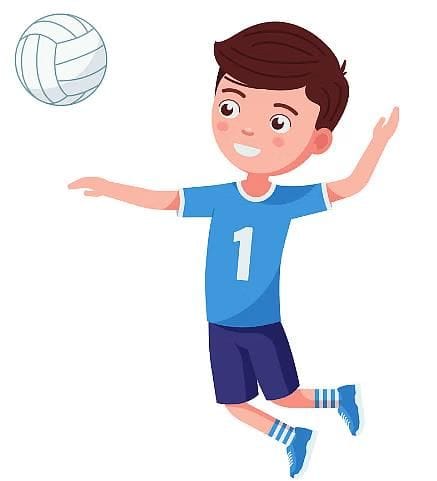
(ii) Shinde started playing volleyball at 4:45 p.m. He played for 1 hour 15 minutes. When did he stop playing?

(iii) A ferry boat started to sail at 11:30 a.m. It completed the journey at 3:10 p.m. How long did it sail?
(iv) Ragini started her dance practice at 5:40 p.m. and stopped it at 7:10 p.m. How long did she practice?

Q12: Kavita’s school was closed from 15 December onwards for 28 days. On what date did the school reopen?

Q13: What date is 23 days before 8th June?

Q14: How many days are there from 8th August to 9th September?

Q:15 Salman’s half-yearly exams begin on 18th October. He starts his revision 35 days earlier. When did he start his revision?

Q16: How many minutes are in 1 hour?
(a) 60
(b) 120
(c) 50
(d) 30

Q17: How many days are there in 6 weeks?
(a) 42 days
(b) 41 days
(c) 40 days
(d) 44 days

Q18: How many days are there in July and August?
(a) 31 days
(b) 30 days
(c) 29 days
(d) 28 days

Q19: The first month of the year
(a) January
(b) March
(c) April
(d) February

Q20: In which month Independence Day will come?
(a) August
(b) January
(c) March
(d) September


You can find Worksheets Solutions here: Worksheet Solutions: Time and Calendar 

11. Grandmother’s Quilt – Textbook Worksheet

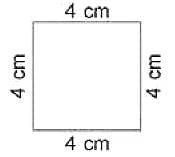
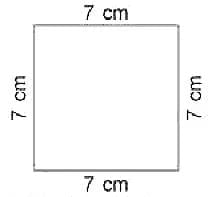
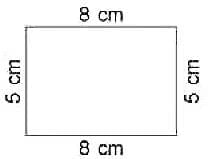
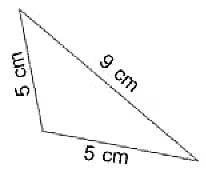
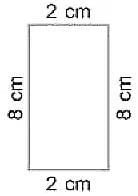
Q1: Find the perimeter of each of the following figures:
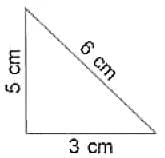
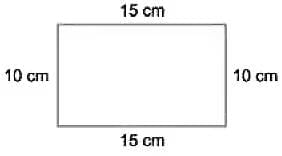
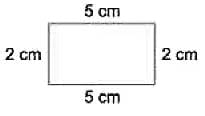
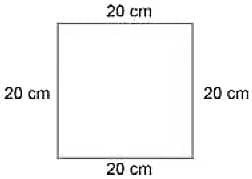
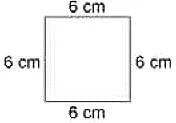
(i) Perimeter of the triangle is ______ cm.
(ii) Perimeter of the square is ______ cm.
(iii) Perimeter of the square is ______ cm.

(iv) Perimeter of the rectangle is ______ cm.

(v) Perimeter of the triangle is ______ cm.

(vi) The perimeter of the rectangle is ______ cm.


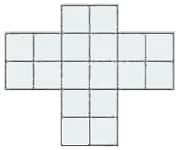
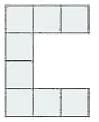
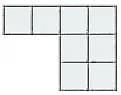
Q2: In the following figures, assume that each small square is 1 sq cm. Count the squares and find the area:
(i) Area = ______ sq cm.

(ii) Area = ______ sq cm.
(iii) Area = ______ sq cm.
(iv) Area = ______ sq cm.

(v) Area = ______ sq cm.


Q3: Find the area of the rectangle, whose:
(i) length = 5 m 8 cm, breadth = 3 m 75 cm
(ii) length = 4 m 50 cm, breadth = 2 m 7 cm
(iii) length = 1 m 5 cm, breadth = 90 cm
(iv) length = 125 m, breadth = 84 m
(v) length = 80 cm, breadth = 24 cm

Q4: Find the perimeter of:
(i) The triangle whose sides are 8 em, 9 cm, and 12 cm.
(ii) The square whose side is 14 cm.

Q5: Find the area of the following rectangles:
(i)

(ii)


Q6: Find the area of the square, whose:
(i) side = 256 dm
(ii) side = 92 dm
(iii) side = 18m
(iv) side = 7 cm
(v) side = 20 cm

Q7: Find the area of the following squares:
Area of square = side x side
(i)

(ii)


Q8: Find the area of a square whose perimeter is 4 cm.

Q9: Area of a rectangle = ______ x ______.

Q10: Area of a square of side 1 cm = ______.

Q11: Area of a rectangle of dimensions 1 m and 2 m is ______ sq m.

Q12: Area of a square = ______.


You can find Worksheets Solutions here: Worksheet Solutions: Perimeter and Area 

9. Coconut Farm – Textbook Worksheet

Multiple Choice Questions

Q1: What is the number to be divided called?

(a) Divisor
(b) 
Quotient
(c) 
Dividend
(d) 
Remainder

Q2: What is the result of the division called?

(a) Dividend
(b) 
Divisor
(c) 
Quotient
(d) 
Remainder

Q3: Which of the following statements is true about dividing a number by itself?

(a) The result is the number itself.
(b) 
The result is always 1.
(c) 
The result is zero.
(d) 
The result is the dividend.

Q4: What happens when you divide zero by a non-zero number?

(a) The result is 1.
(b) 
The result is 0.
(c) 
The result is undefined.
(d) 
The result is the divisor.

Q5: What is the remainder when 10 is divided by 3?

(a) 1
(b) 
2
(c) 
3
(d) 
0

Fill in the Blanks

Q1: The number left after division is called __________.

Q2: When dividing a number by 1, the quotient is __________.

Q3: The formula to verify division is __________.

Q4: The quotient of any number divided by itself is __________.

Q5: If you divide zero by a number, the result is __________.

True or False

Q1: Division by zero is defined.

Q2: The remainder can be equal to the divisor.

Q3: Division of a number by 1 always results in the number itself.

Q4: The quotient of any number divided by itself is always greater than one.

Q5: To divide by 10, you remove the last digit.

Answer the following questions

Q1: I want to distribute Rs 3,600 among 8 persons. How many rupees will each person get?

Q2: In a division, divisor = 100, quotient = 25 and remainder = 75, find the dividend.

Q3: In a division, remainder is always ______ than the divisor.

Q4: 6308 ÷ 100 gives quotient = ______ and remainder = ______.

Q5: Manish has Rs 84. The cost of one pencil box is Rs 14 How many pencil boxes can Manish buy for Rs 84?

You can find Worksheets Solutions here: Worksheet Solutions: Division 

6. The Dairy Farm – Textbook Worksheet

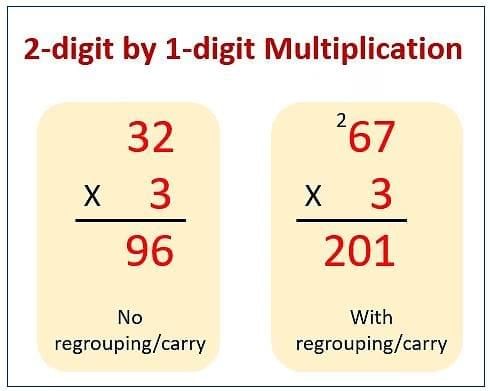
Q1: Find the following products

(i) 38 x 9 ______.

(ii) 80 x 5 ______.

(iii) 53 x 8 ______.
Take the help of this example to solve the questions above:

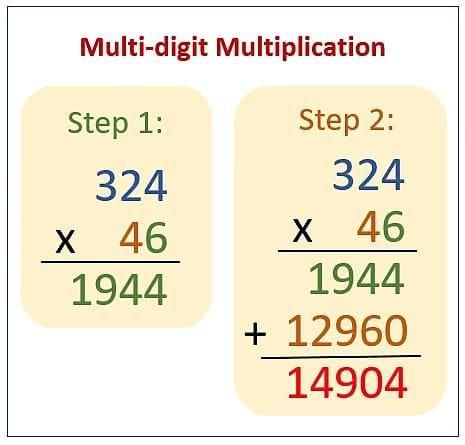
Q2: Multiply

(i) 4,032 by 198

(ii) 3,647 by 245

(iii) 501 by 123

Take the help of this example to solve the questions above:

Q3: Fill in the blanks

(i) 2,586 x ______ = 2,586

(ii) 624 x ______ = 38 x 624

(iii) 600 x ______ = 0.

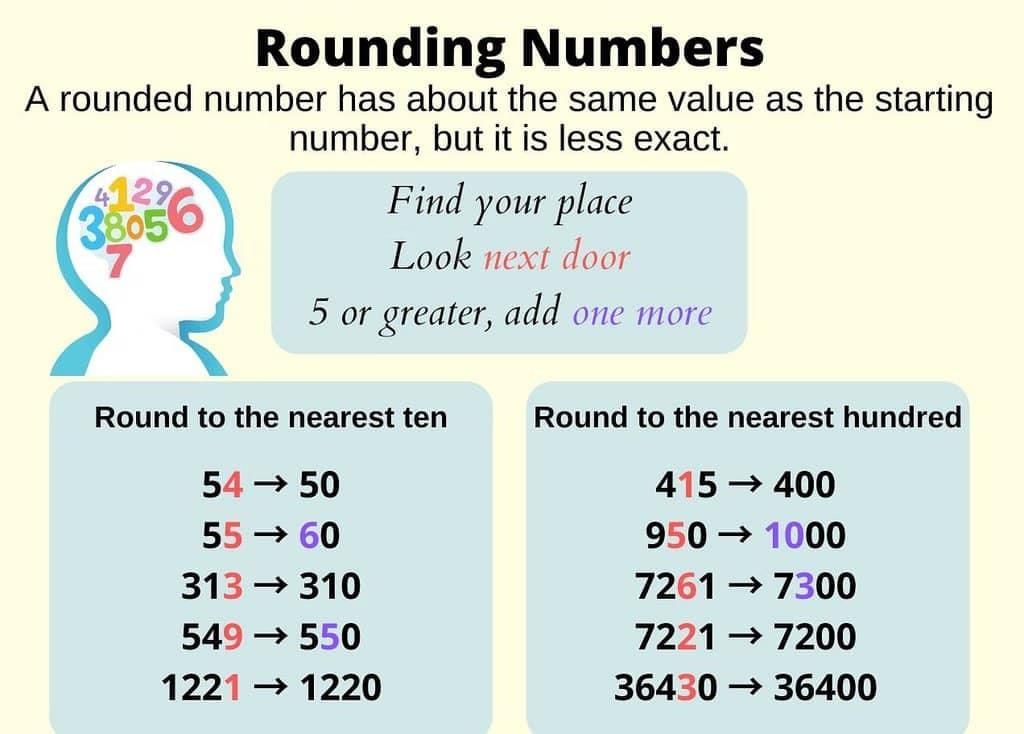
Q4: Round off the following numbers to the nearest tens

(i) 13,528

(ii) 3,542

(iii) 174
You can solve the questions of rounding off with the help of these examples: 

Q5: Estimate Products by rounding each number to the nearest TensInstruction: Find an approximate answer for each multiplication problem by rounding both numbers to the nearest tens place first, then multiplying the rounded numbers.
(i) 52 x 43
(ii) 63 x 52

Q6: Answer the following Questions(I) Calculate the product of the place values of the two 6s in the number 6,965.

(ii) Find the product of the greatest 2-digit number and the smallest 4-digit number ______.

(iii) A transistor costs Rs. 1,642. Find the cost of 95 such transistors.

(iv) A candle factory produced 814 candles in a day. How many candles will this factory produce in one year?

(v) A farmer produced 735 quintals of rice. He sold it at the rate of Rs. 1525 per quintal. How much money did he get?

(vi) The cost of a pack of Ghee is Rs. 308 Find the cost of 97 such packs.

You can find Worksheets Solutions here: Worksheet Solutions: Multiplication 

1. We the Travellers — I            – Textbook Worksheet

Table of contentsQ1: Multiple Choice Questions (MCQs)

(i) What is the place value of 5 in 1536?
(a)
 5
(b) 50
(c) 500
(d) 5000

(ii) Which number comes first in ascending order?  
7308, 7038, 7348, 7304
(a) 7308
(b) 7038
(c) 7348
(d) 7304 

(iii) What is the short form of 8,00,000 + 2,000 + 30 + 6?
(a)
 80,236
(b) 8,20,036
(c) 8,02,036
(d) 8,20,306

(iv) Which is the largest number in this group? 7,20,163; 7,20,136; 7,02,163; 7,02,613
(a) 
7,20,136
(b) 7,02,613
(c) 7,02,163
(d) 7,20,163

(v) Which is the smallest 4-digit number using all different digits other than 0?

(a) 1303

(b) 1234

(c) 0132

(d) 0142Q2: True or False

(i) The place value of 4 in 3,49,026 is 4,000.

(ii) In the number 8036, 3 is in the hundreds place.

(iii) The number 1,25,471 is smaller than 61,832.

(iv) The smallest whole number is 0.

(v) 7,36,000 is the predecessor of 7,35,999.
Q3: Fill in the Blanks

(i) In 1042, 2 is at the _____ place.

(ii) The place value of 6 in 6,00,087 is _____.

(iii) The first six multiples of 4 are ____, ____, ____, ____, ____, and ____.

(iv) Arrange the numbers 62,917; 1,00,008; 45,132; 36,472 in descending order.

(v) The predecessor of the smallest 6-digit number is ____.

Q4: Answer the Following Questions

(i) Write the place value of 2 in 7,52,693.

(ii) Which is greater: 3,69,501 or 3,69,510?

(iii) Write the short form of: 9,00,000 + 4,000 + 200.

(iv) Arrange the numbers 4526, 4256, 4569, 4325 in ascending order.

(v) Write the number name for 4,65,009.


Q5: Find the place-value of 6 in each of the following numbers:

(a) 19,356 

(b) 6,00,087


Q6:  Write the number names for each of the following numbers: 

(a) 2,50,006 

(b) 4,65,009 


You can find Worksheets Solutions here: Worksheet Solutions: Introduction to Numbers – 1 

3. Health: The Ultimate Treasure – Chapter Notes

Have you ever wondered what it really means to be healthy—is it just not being sick, or is there more to it? This chapter will help you discover how good health includes not only your body, but also your mind, your habits, and your relationships with others. Let’s explore how to stay healthy and keep diseases away in simple, practical ways!

Health: Is It More Than Not Falling Sick?

Health is not just about not being sick. It means feeling good in your bodymind, and social life. According to the World Health Organization (WHO), health is a state of complete physical, mental, and social well-being, not just the absence of disease.

A healthy person can:

  • Do tasks efficiently.
  • Handle tough situations well.
  • Get along with friends and others in society.

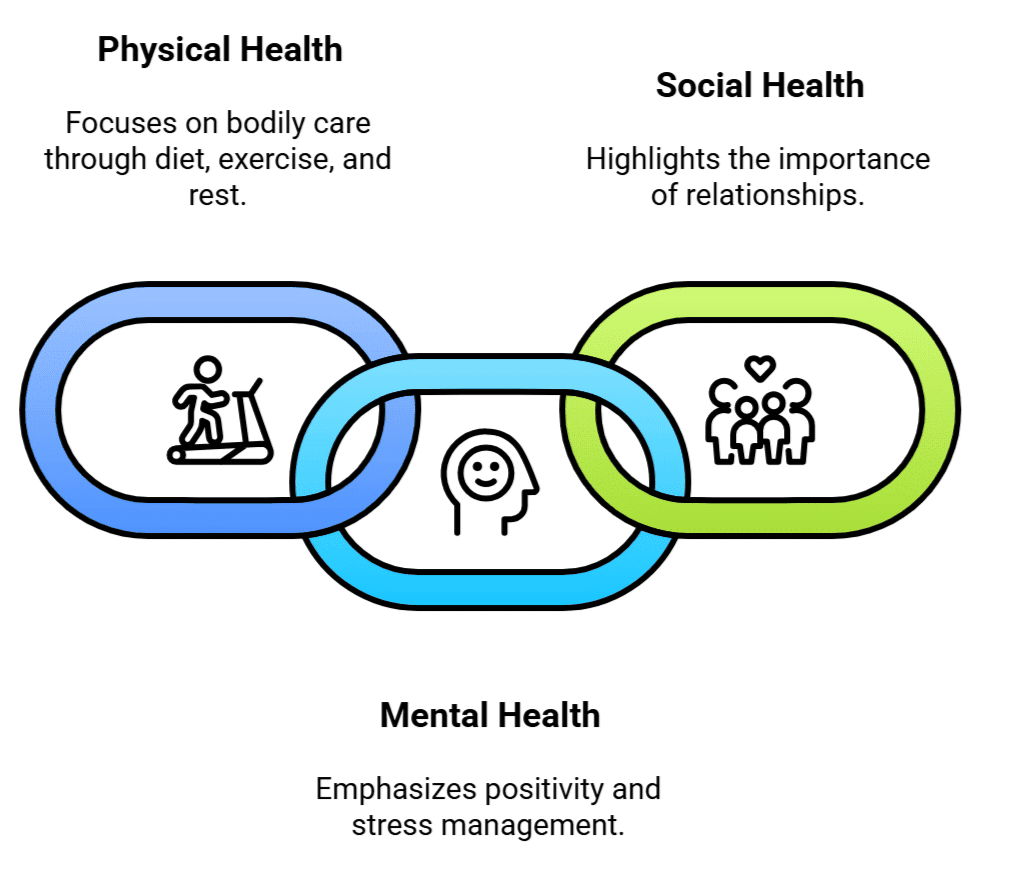
Key Aspects of Health

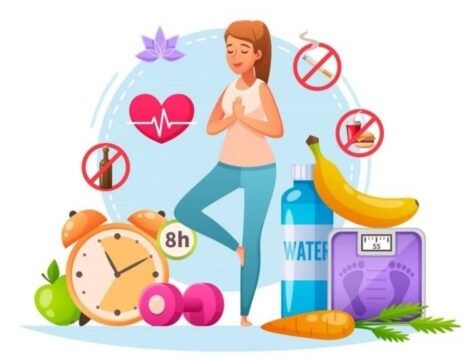
  • Physical Health: Taking care of your body through proper food, exercise, and sleep.
  • Mental Health: Staying positive and managing stress.
  • Social Health: Having good relationships with friends and others.

A Student’s Story

A Class 8 boy moved to a new city and school. He felt lonely with no friends and busy parents. He spent more time on his phone and social media, which made him feel worse and caused: 

  • Headaches.
  • Weight loss.
  • Trouble sleeping.

Cause and Solution 
A doctor suggested less screen time and seeing a counsellor. The counsellor helped him make friends, and his health improved.

  • Loneliness and too much screen time caused both physical and mental health problems.
  • Making new friends and support from adults helped him feel better.

Ayurveda and Health

  • Ayurveda teaches that health is a balance of body, mind, and surroundings.
  • Follow a daily routine (dinacharya) and seasonal routine (ritucharya).
  • Eat fresh, wholesome food suited to your prakriti (body type).
  • Practice regular exercise, cleanliness, restful sleep, and a calm mind through yogameditation, and mindfulness.

How Can We Stay Healthy?

Staying healthy involves:

  • Eating nutritious food.
  • Keeping clean (personal hygiene and surroundings).
  • Exercising regularly.
  • Getting enough sleep.
  • Spending time with family and friends.
  • Having a positive attitude.

Good and Bad Habits

Good Habits:

  • Keep yourself clean and maintain personal hygiene.
  • Eat a healthy and balanced diet.
  • Exercise regularly.
  • Make time to relax or meditate every day.

Bad Habits (harmful to health):

  • Spending too much time on mobile phones or screens.
  • Eating fast food or junk food every day.
  • Sleeping very late or not getting enough sleep.
  • Skipping meals, especially breakfast.

Maintain a Healthy Lifestyle

Our health depends on many factors. These factors include our lifestyle (how we live) and our environment (our surroundings).

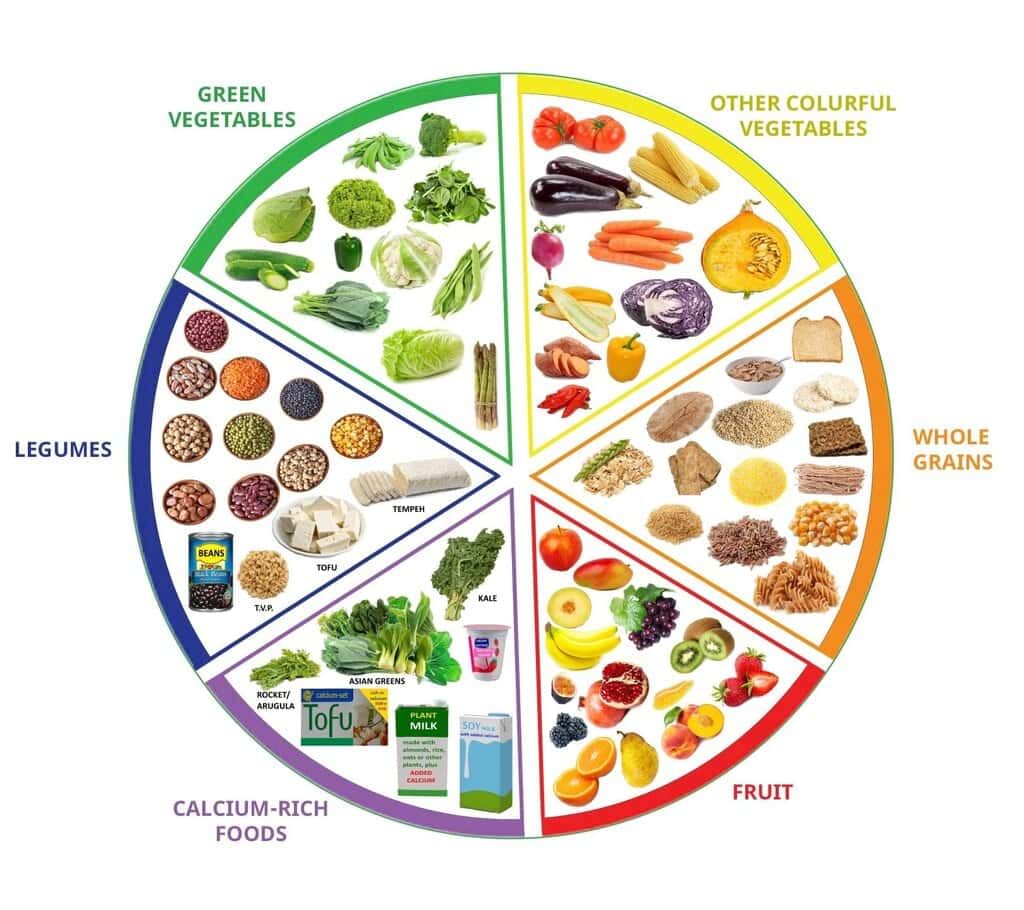
  • We should Eat a balanced diet with: Plenty of fruits, vegetables, and whole grains.
    Balanced Diet
  • Avoid processed, fatty, or sugary foods and drinks.
  • Stay physically active and Play outdoors, walk, run, cycle, or exercise.
  • Limit screen time and spend more time in nature.
  • Get enough sleep to help our body and mind rest.
  • Practice yoga or pranayama (simple breathing exercises) regularly.
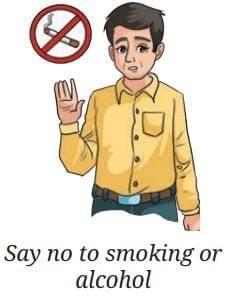
  • Say ‘NO’ to harmful substances like tobacco, alcohol, and addictive drugs.

Keep the Environment Clean

  • A clean, well-maintained playground is better for playing because it’s safe and healthy.
  • A dirty, polluted playground has flies, mosquitoes, and can make you sick.

Why Clean Surroundings Matter:

  • Clean air and water are important for health.
  • Pollution from vehicles or factories can cause coughing or asthma.
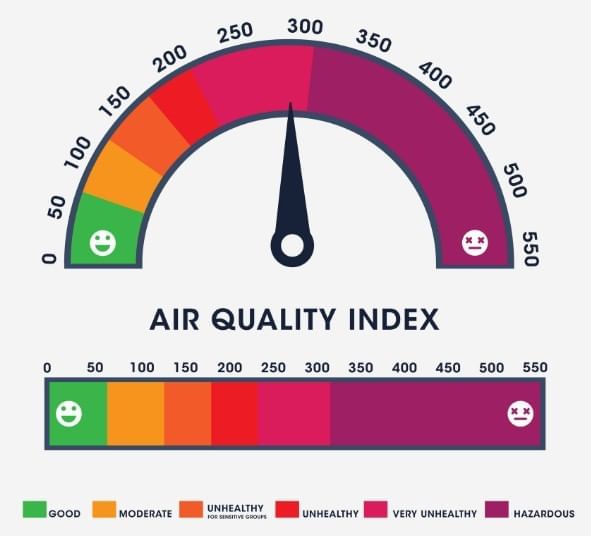
  • The Air Quality Index (AQI) shows how clean or polluted the air is.
  • A clean environment helps you stay healthy and feel good.

Keeping Surroundings Clean:

  • Avoid littering and keep your area tidy.
  • A clean environment reduces the risk of diseases.

Importance of Feelings and Relationships

  • Health is not just about the body; feelings and relationships matter too.
  • Even with good food and a clean place, you may feel bad if you’re lonely or upset.
  • Spend time with friends and family, talk, laugh, and have fun to keep your mind healthy.

Try yourself:

What is one way to maintain a healthy lifestyle?

  • A.Skip breakfast often
  • B.Stay indoors all day
  • C.Exercise regularly
  • D.Eat fast food every day

View SolutionHow Do We Know That We Are Unwell?

Our body usually works in a specific way to keep us healthy.

  • When we feel unwell, something inside our body may not be working properly.
  • We experience symptoms and signs that show we are not healthy.

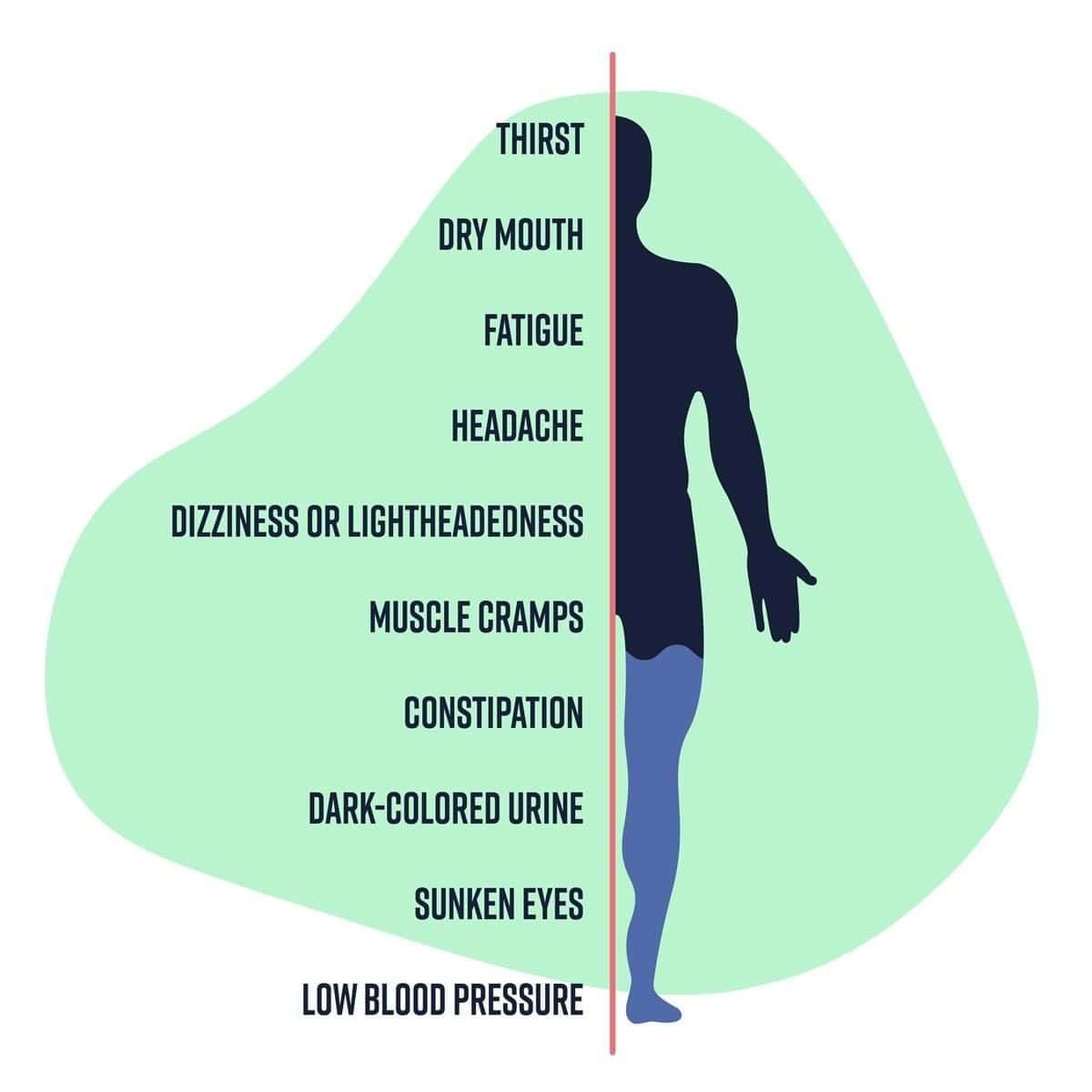
Symptoms of Dehydration

Symptoms and Signs

  • They act as clues to show that our body is not working as it should.
  • Doctors use these clues to understand the cause of our illness and suggest treatment.

Symptoms:

  • What we feel when we are unwell.
  • Examples: Pain, tiredness, dizziness.

Signs:

  • Things that can be seen or measured by others, like a doctor.
  • Examples: Fever (high body temperature), rash, high blood pressure, swelling.

Diseases – What Are the Causes and Types?

  • A disease is a condition that stops the body or mind from working normally.
  • It happens when one or more organs or organ systems do not function properly.

Causes of Diseases

  • Pathogens: Germs like bacteria, viruses, fungi, worms, or protozoa (single-celled organisms) that cause diseases.
  • Poor Nutrition: Not eating enough healthy food can lead to diseases.
  • Unhealthy Lifestyle: Bad habits like lack of exercise or poor diet can cause diseases.

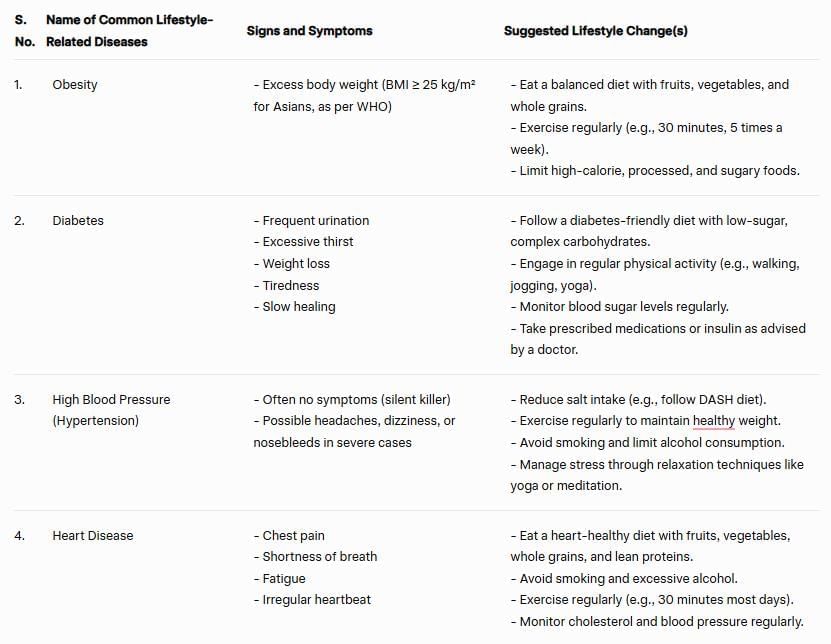
Types of Diseases

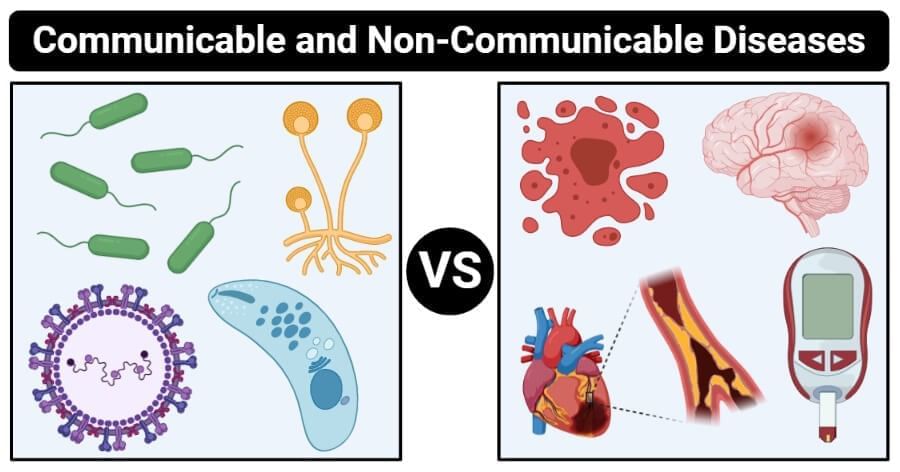
Diseases can be grouped into two major types based on their causes and how they spread:

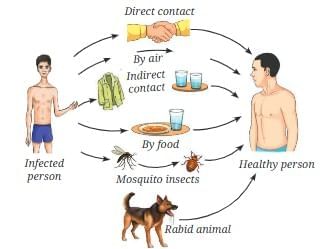
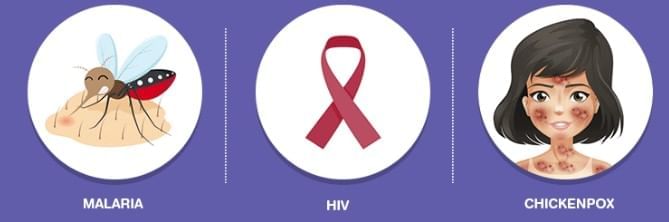
1. Communicable Diseases: Can spread from one person to another. Caused by pathogensExamples: Typhoid, dengue, flu, chickenpox, COVID-19.
Spread through:
Communicable Diseases

  • Air: Coughing or sneezing (e.g., flu, tuberculosis).
  • Direct contact: Touching an infected person (e.g., shaking hands).
  • Indirect contact: Sharing items like towels or handkerchiefs.
  • Contaminated food or water: Eating or drinking unsafe food/water (e.g., cholera, typhoid).
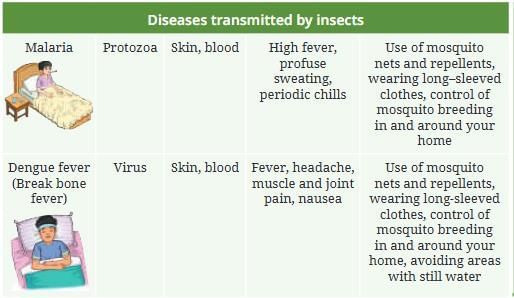
  • Vectors: Insects like mosquitoes or houseflies (e.g., malaria, dengue).

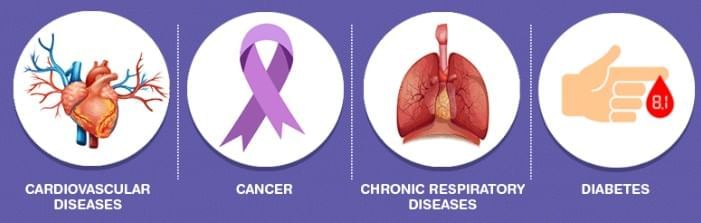
2. Non-Communicable Diseases (NCDs): Not caused by pathogens and do not spread from person to person.Linked to lifestylediet, or environment.Examples: Cancer, diabetes, asthma, heart disease.
Non- Communicable Diseases

  • Deficiency diseases: Caused by lack of nutrients (e.g., scurvy, anaemia, goitre).
  • Often chronic (last more than 3 months).
  • NCDs are Common in India due to: 
    Eating more processed food. 
    Less physical activity. 
    Longer lifespans.

How Are Communicable Diseases Caused and Spread?

All communicable diseases are caused by pathogens. These pathogens can enter our body through the air we breathe or by consuming contaminated food or water and more.

  • Diseases Spread Through Air: Diseases that are transmitted when pathogens in tiny droplets are released into the air by coughing, sneezing, or talking, and then breathed in by others. 
  • Diseases Spread Through Contaminated Water/Food: Diseases that occur when people consume water or food contaminated with pathogens like bacteria, viruses, or parasites.
  • Diseases Spread by Insects (Vectors): Diseases that are passed on when insects such as mosquitoes or flies carry pathogens from one host to another, causing infection.
Prevention of Communicable Diseases

  • Keep yourself and surroundings clean.
  • Practice good hygiene (e.g., wash hands with soap).
  • Cover mouth and nose when coughing or sneezing.
  • Wear a mask in crowded places.
  • Avoid sharing personal items (e.g., towels, handkerchiefs).
  • Keep food and water clean.
  • Stay home and rest when unwell to recover and avoid spreading disease.
  • Use mosquito nets/repellents and control insect breeding.

How Are Non-Communicable Diseases Caused?

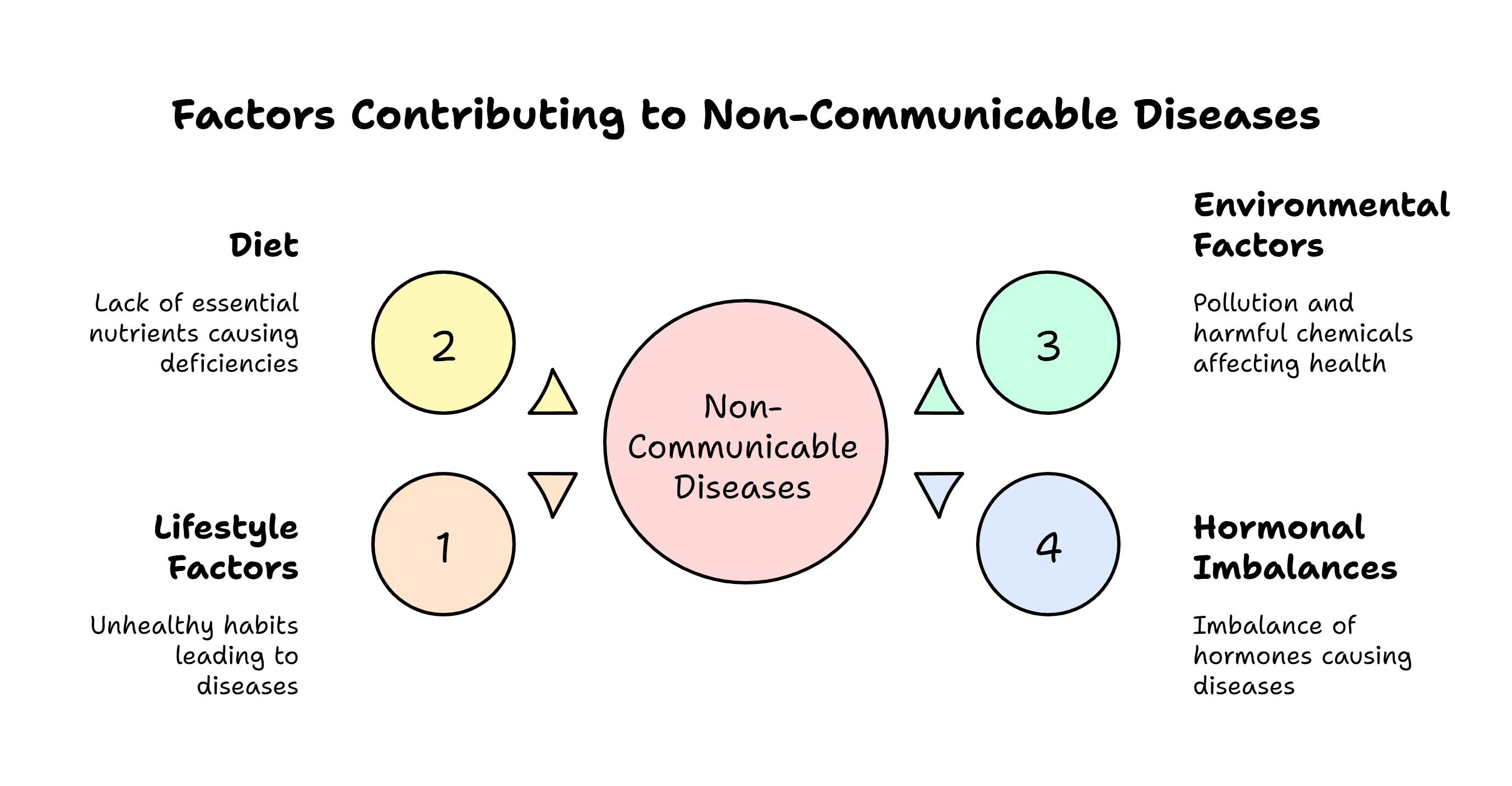
Non-communicable diseases (NCDs) like cancer, diabetes, and asthma are not caused by infections. Instead, they are linked to factors such as lifestyle, diet, environment, and body functions:

  • Lifestyle Factors: Unhealthy habits like eating too much junk food, not exercising, smoking, or excessive stress can lead to diseases such as diabetes, heart disease, or some cancers.
  • Diet: Not getting enough essential nutrients can cause deficiency diseases (e.g., scurvy from lack of vitamin C, anaemia from lack of iron, goitre from lack of iodine). These are also non-communicable.
  • Environmental Factors: Pollution, exposure to harmful chemicals, or living in unhealthy surroundings can contribute to diseases like asthma or cancer.
  • Hormonal Imbalances: Sometimes, diseases like diabetes happen due to imbalance of hormones in the body.
  • Chronic Nature: NCDs usually last a long time (more than 3 months) and need ongoing care.

How to Prevent and Control Diseases?

You may have heard the saying: “Prevention is better than cure.” This means it’s easier and wiser to stop a disease from happening than to try to cure it after you get sick.

Good sanitation and cleanliness are some of the simplest and most effective ways to reduce the spread of diseases, especially those that spread from person to person or through contaminated water and food. Example: 

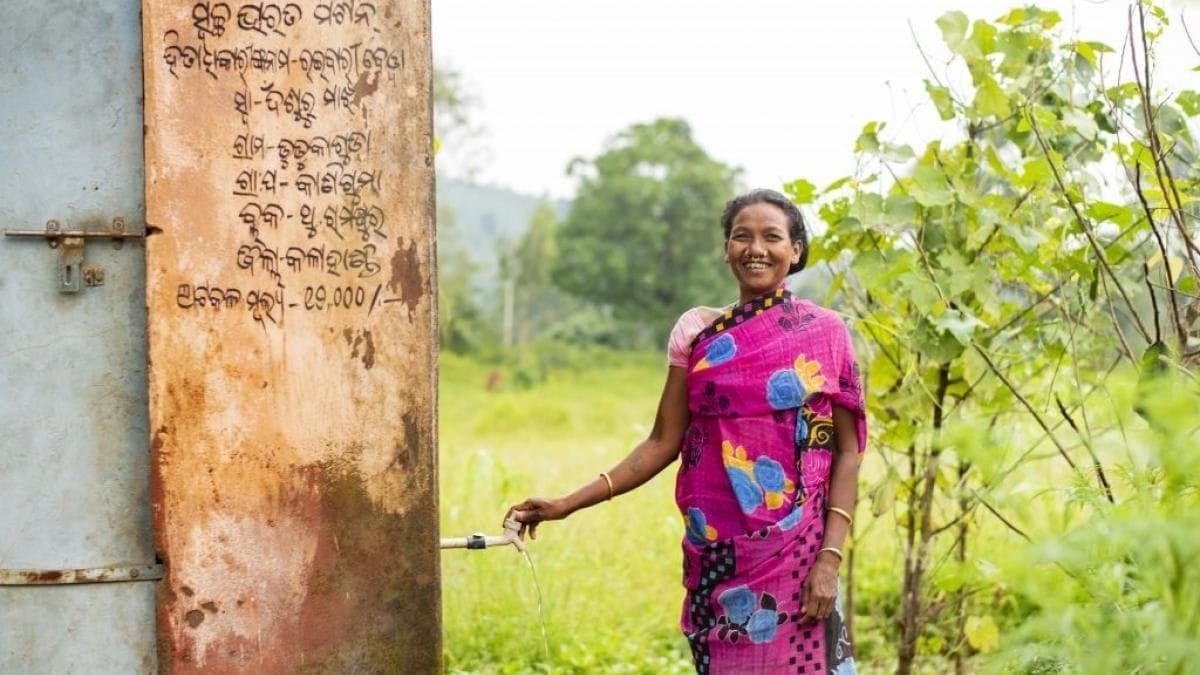
Odisha — community-led sanitation campaign

  • In Bhadrak district, Odisha, a community campaign encouraged people to build and use toilets.
  • As more families stopped open defecation, child health improved, and diseases like diarrhoea and infections greatly reduced.
  • Simple steps like building and using toilets, keeping surroundings clean, and good waste disposal prevent germs from spreading.
  • Community action can have a big impact on public health—when people work together, the whole area becomes healthier.

Ability of the body to fight diseases

Why do some people get sick more often than others, even in the same environment?

  • The ability of the body to fight diseases is called immunity.
  • Our immune system is a group of special cells, tissues, and organs that recognise and fight off harmful germs (pathogens) that can make us sick.

Role of Vaccines

  • Vaccines are special injections or drops that help your immune system become stronger against specific diseases.
  • They do this by “teaching” your body how to recognise and destroy certain germs before they can make you sick. This is called acquired immunity.
  • Some vaccines use tiny, harmless parts of the germ (or a dead/weakened germ) to “train” your immune system.
  • If you’re exposed to the real germ in future, your body is ready and can fight off the disease quickly.
  • Tetanus shot: Contains a safe (inactive) form of a bacterial toxin, which helps your immune system learn how to fight tetanus without making you actually sick.
  • Other common vaccines: Polio, measles, hepatitis, and more—many are given in childhood.

Edward Jenner and the smallpox vaccine 

  • Edward Jenner and smallpox vaccine: In the late 1700s, Jenner realized that people who got cowpox didn’t get smallpox. He created the first vaccine by using material from cowpox sores. This discovery eventually helped eradicate smallpox worldwide.
  • In olden days, India also had a method called variolation, where a bit of material from a mild smallpox infection was used to protect healthy people.

Why are vaccines important?

  • Vaccines prevent diseases: They are used before you get sick, to stop serious illnesses from starting at all.
  • Community protection: When more people get vaccinated, diseases have less chance to spread—so even those who can’t get vaccinated are protected.
  • Vaccines are safe and tested: Scientists and doctors check them carefully before use.

India’s Role in Vaccines

  • India is a major global vaccine producer, supplying vaccines to many countries.
  • Indian vaccine companies played a key role during the COVID-19 pandemic and continue to support global health efforts

Try yourself:

What is the main focus of the text?

  • A.Improving technology
  • B.Studying animal behavior
  • C.Developing new medicines
  • D.Preventing and controlling diseases

View SolutionTreatment of Diseases

If our immune system cannot fight off infection, we fall ill and need help from a doctor. The doctor gives us medicines, and sometimes these are called antibiotics.

What are antibiotics?

  • Antibiotics are special medicines that kill bacteria in our body.
  • They help cure diseases caused by bacteria, such as tuberculosis and typhoid.
  • Important: Antibiotics do NOT work against diseases caused by viruses (like colds, flu, or COVID-19) or protozoa.

Discovery of Antibiotics

  • In 1928, Alexander Fleming, a scientist in London, discovered the first antibiotic called penicillin.
  • He found that a mould on a petri dish killed harmful bacteria growing there. This mould made a substance (penicillin) that stopped bacteria from growing.
  • Since then, antibiotics have saved millions of lives.

What is Antibiotic Resistance?

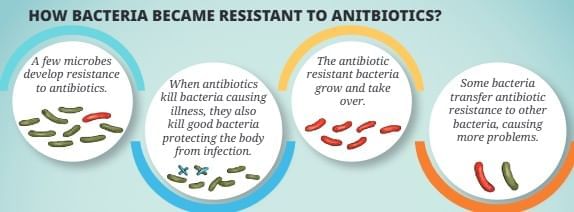
  • Antibiotic resistance happens when bacteria change and stop being killed by antibiotics that used to work.
  • This makes infections much harder to treat and can cause longer illnesses and more complications.

How does antibiotic resistance develop and spread?

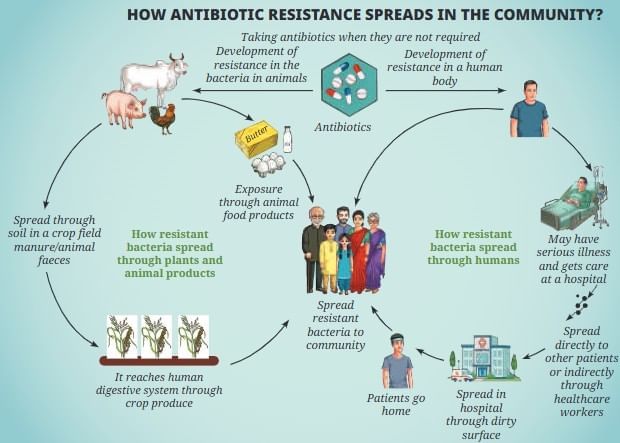
  • Taking antibiotics when we don’t need them (like for viral infections).
  • Not finishing all the doses as prescribed by the doctor.
  • Overuse of antibiotics in animals and plants.
  • Spread can happen through people, animals, food, water, and soil.
  • If you take antibiotics for a sore throat caused by a virus, bacteria in your body may become resistant to antibiotics.
  • When farmers give antibiotics unnecessarily to animals (like cows), resistant bacteria can spread through meat, milk, or even through the soil.

How to Prevent Antibiotic Resistance?

  • Take antibiotics only when prescribed by a doctor.
  • Always finish the full course of medicine, even if you feel better.
  • Never use leftover antibiotics or someone else’s prescription.
  • Avoid buying antibiotics without a doctor’s prescription.
  • Farmers should avoid giving antibiotics unnecessarily to animals.

Remember: Using antibiotics wisely keeps them working for everyone!

Traditional Medicine Systems

  • Systems like Ayurveda, Siddha, and Unani use natural remedies (herbs, oils, minerals) and focus on good food, exercise, and overall healthy living.
  • They can be helpful in treating simple health problems and for everyday wellness.
  • However, for some serious or advanced diseases, modern medicine may work better.

Managing Non-Communicable Diseases
Diseases like diabetes, cancer, and heart disease are managed by:

  • Taking medicines (as advised by doctors)
  • Making healthy lifestyle changes (diet, exercise)
  • Rehabilitation (special help to get better)
  • Early diagnosis and regular check-ups are very important.

Key Points to Remember

  • Health means complete physical, mental, and social well-being—not just being free from diseases.
  • Happiness and health go together: Being happy can help you stay active and healthy, and good health can improve your mood.
  • A disease is any condition that stops the body or mind from working normally.
  • Symptoms are feelings we notice ourselves (like pain or tiredness); signs are visible or measurable changes (like fever, rash, or swelling).
  • Non-communicable diseases (like diabetes, cancer, and heart disease) are not caused by germs, but by lifestyle factors and environment. They can be prevented by eating healthy, staying active, and avoiding harmful habits.
  • Communicable (Infectious) diseases are caused by pathogens—germs such as bacteria, viruses, fungi, or worms—and can spread from person to person.
  • Good hygiene and clean surroundings are essential to prevent many diseases.
  • Our immune system is the body’s natural defense that fights harmful germs and keeps us safe.
  • Vaccines help our immune system “learn” how to fight certain diseases and provide protection before we actually get sick.
  • Early diagnosis and proper treatment help manage, control, or cure many diseases.
  • Healthy habits—like regular exercise, balanced diet, enough sleep, and positive relationships—keep both our body and mind strong.
  • Antibiotics treat bacterial infections only, not viral ones. Overuse can cause antibiotic resistance—so take them only as prescribed.
  • Prevention is better than cure: Practising good habits, getting vaccinated, and staying informed are the best ways to maintain health.

03. पहली बूँद – Textbook Solutions

पाठ से
मेरी समझ से

(क) नीचे दिए गए प्रश्नों का सटीक उत्तर कौन-सा है? उसके सामने तारा (★) बनाइए:

1. कविता में ‘नव-जीवन की ले अगँडाई’ किसके लिए प्रयुक्त हुआ है?

  • बादल
  • अंकुर
  • बूँद
  • पावस

उत्तर:  अंकुर ★

2. ‘नीले नयनों-सा यह अंबर, काली पतुली- से ये जलधर’ में ‘काली पतुली’ है—

  • बारिश की बूँदें
  • वृद्ध धरती
  • नगाड़ा
  • बादल

उत्तर: बारिश की बूँदें ★ 

(ख) अब अपने मित्रों के साथ चर्चा कीजिए कि आपने ये उत्तर क्यों चुने?
उत्तर:  “अंकुर फूट पड़ा धरती से, नव-जीवन की ले अँगड़ाई” – यह पंक्ति स्पष्ट रूप से अंकुर के बारे में बात करती है।
“काली पुतली-से ये जलधर” – यहाँ जलधर का अर्थ बादल है, जो काली आँखों की पुतली के समान दिखते हैं।

मिलान करें

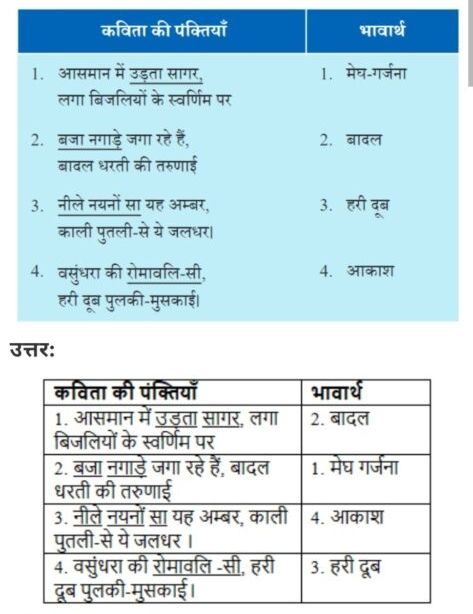
कविता की कुछ पंक्तियाँ नीचे दी गई हैं। इन पंक्तियों में कुछ शब्द रेखांकित हैं। दाहिनी ओर रेखांकित शब्दों के भावार्थ दिए गए हैं। इनका मिलान किजिये


पंक्तियों पर चर्चा

कविता में से चुनकर कुछ पंक्तियाँ नीचे दी गई हैं। इन्हें ध्यान से पढ़िए और इन पर विचार कीजिए। आपको इनका क्या अर्थ समझ में आया? अपने विचार कक्षा में अपने समूह में साझा कीजिए और अपनी लेखन पुस्तक में लिखिए:

“आसमान में उड़ता सागर, लगा बदलियों के स्वर्णिम पर, 
बजा नगाड़े जगा रहे हैं, बाली धरती की तरुणाई।”
उत्तर:  इस पंक्ति का अर्थ है कि आकाश में जल से भरे बादलों के बीच बिजली इस तरह चमक रही है जैसे सागर ने सुनहरे पंख लगाकर उड़ान भर ली हो। बादलों की गड़गड़ाहट नगाड़ों की तरह प्रतीत होती है, जो धरती की युवा शक्ति और सुंदरता को जाग्रत कर रही है।

“नीले नयनों-सा यह अंबर, काली पुतली-से ये जलधर। 
करुणा-द्रवित अश्रु बहाकर, धरती की जड़-प्यास बुझाई।”
उत्तर:  इस पंक्ति का अर्थ है कि नीला आकाश नीली आँखों जैसा दिखाई देता है और काले बादल उन आँखों की काली पुतलियों जैसे लगते हैं। ऐसा प्रतीत होता है मानो ये बादल धरती के दुःखों को देखकर द्रवित हो गए हों और करुणा के आँसू बनकर वर्षा के रूप में बह पड़े हों। इन आँसुओं ने धरती की सूखी और प्यासी जड़ों को तृप्त कर दिया।

सोच-विचार के लिए

कविता को एक बार फिर से पढ़िए और निम्नलिखित के बारे में पता लगाकर अपनी लेखन पुस्तक में लिखिए:

बारिश की पहली बूँद से धरती का हरित रूप कैसे प्रकट होता है?
उत्तर: बारिश की पहली बूँद धरती पर गिरते ही, धरती हरी-भरी और नई-जीवन का प्रतीक बन जाती है। यह बूँदें धरती को तरोताजा कर देती हैं और उसमें नयी ऊर्जा भर देती हैं।

कविता में आकाश और बादलों को किनके समान बताया गया है?
उत्तर: प्रस्तुत कविता के अनुसार, नीले आकाश को नीली आँखों के समान और काले बादल को उन नीली-नीली आँखों की काली पुतली के समान बताया गया है।

कविता की रचना

‘आसमान में उड़ता सागर, लगा बिजलियों के स्वर्णिम पर कविता की इस पंक्ति का सामान्य अर्थ देखें तो समुद्र का आकाश में उड़ना असंभव होता है। लेकिन जब हम इस पंक्तिका भावार्थ समझते हैं तो अर्थ इस प्रकार निकलता है— समुद्र का जल बिजलियों के सुनहरे पंख लगाकर आकाश में उड़ रहा है। ऐसे प्रयोग न केवल कविता की सुंदरता बढ़ाते हैं बल्कि उसे आनंददायक भी बनाते हैं।
इस कविता में ऐसे दृश्यों को पहचानें और उन पर चर्चा करें।

उत्तर: ‘अंकुर फूट पड़ा धरती से, नव-जीवन की ले अँगड़ाई”
धरती से अंकुर का निकलना और उसे नव-जीवन की अंगड़ाई लेते हुए दिखाया गया है। यह दृश्य प्रकृति में नए जीवन के जन्म और विकास को मानवीय क्रियाओं के माध्यम से दर्शाता है।
“हरी दूब पुलकी-मुसकाई”
हरी घास को मुस्कुराते हुए दिखाया गया है। यह दृश्य प्रकृति के जीवंत होने और खुशी व्यक्त करने का भाव प्रस्तुत करता है।
“नीले नयनों-सा यह अंबर, काली पुतली-से ये जलधर”
आकाश को नीली आँखों के रूप में और बादलों को काली पुतलियों के रूप में चित्रित किया गया है। यह दृश्य प्राकृतिक तत्वों को मानवीय अंगों से जोड़कर एक अनूठा और कल्पनाशील चित्र प्रस्तुत करता है।
“करुणा-विगलित ‘अश्रु बहाकर”
बारिश की बूँदों को करुणा से भरे आँसुओं के रूप में दर्शाया गया है। यह दृश्य बारिश को एक भावनात्मक रूप देता है, जो धरती के प्रति सहानुभूति दर्शाता है।
“बूढ़ी धरती शस्य-श्यामला बनने को फिर से ललचाई”
धरती को एक बूढ़ी महिला के रूप में दर्शाया गया है जो फिर से युवा और हरी-भरी होने के लिए लालायित है। यह दृश्य प्रकृति के पुनर्जन्म और नवीनीकरण की प्रक्रिया को मानवीय इच्छाओं के रूप में प्रस्तुत करता है।

शब्द एक अर्थ अनेक

‘अंकुर फूट पड़ा धरती से, नव-जीवन की ले अँगड़ाई’ कविता की इस पंक्ति में ‘फूटने’ का अर्थ पौधे का अंकुरण है। ‘फूट’ का प्रयोग अलग-अलग अर्थों में किया जाता है, जैसे— फूट डालना, घड़ा फूटना आदि। अब फूट शब्द का प्रयोग ऐसे वाक्यों में कीजिए जहाँ इसके भिन्न-भिन्न अर्थ निकलते हों, जैसे— अंग्रेज़ों की नीति थी फूट डालो और राज करो।
उत्तर:

  • दोस्तों में फूट पड़ गई।
  • उसका सिर फूट गया।
  • धरती से जल की धारा फूट पड़ी।
  • दीवार से टकराते ही उसकी एक आँख फूट गई।

अनेक शब्दों के लिए एक शब्द

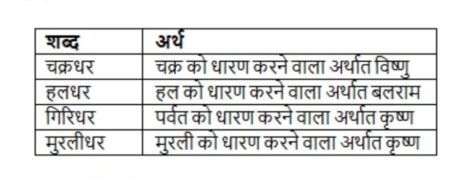
‘नीले नयनों-सा यह अंबर, काली पुतली से ये जलधर’ कविता की इस पंक्ति में ‘जलधर’ शब्द आया है। ‘जलधर’ दो शब्दों से बना है, जल और धर इस प्रकार जलधर का शाब्दिक अर्थ हुआ जल को धारण करने वाला। बादल और समुद्र; दोनों ही जल धारण करते हैं। इसलिए दोनों जलधर हैं। वाक्य के संदर्भ या प्रयोग से हम जान सकेंगे कि जलधर का अर्थ समुद्र है या बादल।
शब्दकोश या इंटरनेट की सहायता से ‘धर’ से मिलकर बने कुछ शब्द और उनके अर्थ ढूँढ़कर लिखिए।
उत्तर:

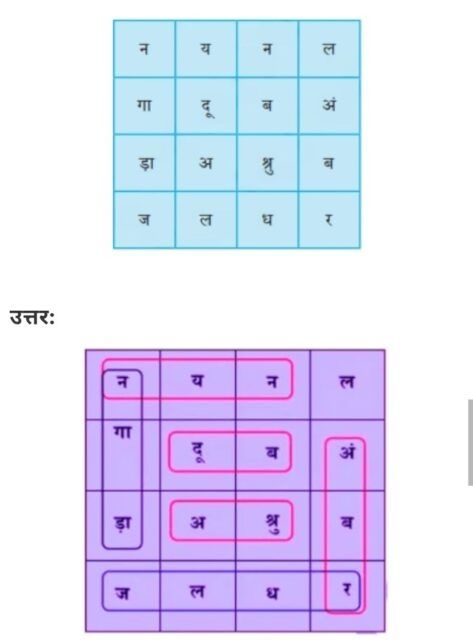
शब्द पहेली

दिए गए शब्द-जाल में प्रश्नों के उत्तर खोजें

क. एक प्रकार का वाद्य यंत्र
नगाड़ा

ख. आँख के लिए एक अन्य शब्द
नयन

ग. जल को धारण करने वाला
जलधर

घ. एक प्रकार की घास
दूब

ङ. आँसू का समानार्थी
अश्रु

च. आसमान का समानार्थी शब्द
अंबर

पाठ से आगे

आपकी बात

(क)  बारिश को लेकर हर व्यक्ति का अनुभव अलग होता है। बारिश आने पर आपको कैसा लगता है? बताइए।
उत्तर: बारिश आने पर मुझे बहुत अच्छा लगता है। ठंडी-ठंडी बूँदों का स्पर्श बहुत सुखदायक होता है और मुझे यह समय बहुत आनंददायक लगता है। 

(ख)  आपको कौन-सी ऋतु सबसे अधिक प्रिय है और क्यों? बताइए।
उत्तर: मुझे सर्दी की ऋतु सबसे अधिक प्रिय है क्योंकि इस समय मौसम ठंडा और सुहावना होता है। गर्म कपड़े पहनने का मजा आता है और कई प्रकार के गर्म व्यंजन खाने को मिलते हैं।

समाचार माध्यमों से

(क) प्रत्येक मौसम समाचार के विभिन्न माध्यमों (इलेक्ट्रॉनिक या प्रिंट या सोशल मीडिया) के प्रमुख समाचारों में रहता है। संवाददाता कभी बाढ़ तो कभी सूखे या भीषण ठंड के समाचार देते दिखाई देते हैं। आप भी बन सकते हैं संवाददाता या लिख सकते हैं समाचार।

  • अत्यधिक गर्मी, सर्दी या बारिश में आपने जो स्थिति देखी है उसका आँखों देखा हाल अपनी कक्षा में प्रस्तुत कीजिए।

उत्तर: अत्यधिक गर्मी के समय मैंने देखा कि लोग छाया की तलाश में रहते हैं और ठंडे पेय पदार्थों का सेवन करते हैं। सर्दी के समय लोग आग के पास बैठकर खुद को गर्म रखते हैं। बारिश के समय लोग छतरी लेकर चलते हैं और बारिश से बचने के लिए शेल्टर की तलाश करते हैं।

सृजन

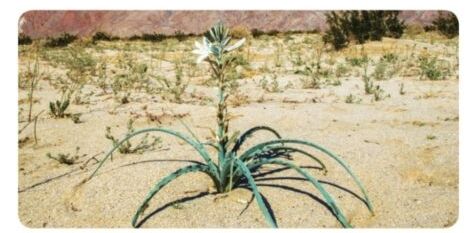
नाम देना भी सृजन है। ऊपर दिए गए चित्र को ध्यान से देखिए और इसे एक नाम दीजिए।


उत्तर: रेगिस्तानी लिली या मरुस्थल का जीवन

खोजबीन

आपके यहाँ उत्सवों में कौन-से वाद्ययंत्र बजाए जाते हैं? उनके बारे में जानकारी एकत्र करें और अपने समूह में उस पर चर्चा करें।
उत्तर:
 ढोलक, नगाड़ा, डमरू, डफली, तबला, हारमोनियम, गिटार आदि।

आइए इंद्रधनुष बनाएँ

बारिश की बूँदें न केवल जीव-जंतुओं को राहत पहुँचाती हैं बल्कि धरती को हरा-भरा भी बनाती हैं। कभी-कभी ये बूँदें आकाश में बहुरंगी छटा बिखेरती हैं जिसे ‘इंद्रधनुष’ कहा जाता है। आप भी एक सुंदर इंद्रधनुष बनाइए और उस पर एक छोटी-सी कविता लिखिए | इसे कोई प्यारा सा नाम भी दीजिए।
उत्तर:

कितना प्यारा है इंद्रधनुष

आशाओं का संचार करता है
खुशियों का विस्तार करता है
कितना प्यारा है इंद्रधनुष,
जो प्रेम की पुकार बनता है।

वर्षा के बाद आकाश को सजाता है
बचपन के किस्सों को फिर से दोहराता है
रंग-बिरंगे रंगों से रंगकर सारा संसार,
इंद्रधनुष समृद्धि के गीत गुनगुनाता है,

प्रकृति का महिमामंडन करता है
निराशाओं का खंडन करता है
कितना प्यारा है इंद्रधनुष,
जो जीवन के हर पल का उत्सव बनाता है।

वीरता के किस्सों को सुनाता है
प्रेम का उत्सव मनाता है
कितना प्यारा है इंद्रधनुष
जो हमें आशावादी रहना सिखाता है।

06. Animals Around Us – Chapter Notes

Introduction

  • Look around, and you will see animals everywhere!
  • Some animals live in our homes, some roam in the streets, and some stay in forests.
  • Dogscatscows, and squirrels are animals we see often.
  • Birds fly in the sky, and fishes swim in the water.
  • Some animals are big like elephants, while others are tiny like ants.
  • Animals make our world lively and exciting!
  • They help us in many ways—some give us milk, some carry heavy things, and some are our friends.
  • Let’s learn more about the wonderful animals around us!

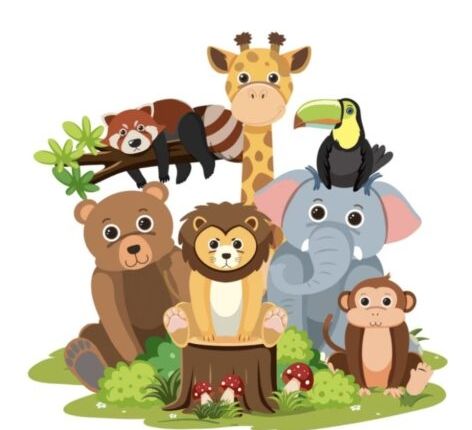
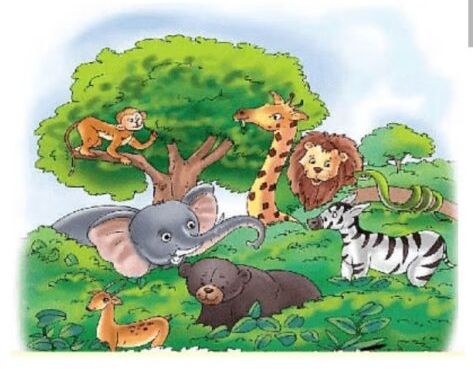
Can You Name the Animals?

Look at the pictures of animals and try to name them. Here’s a clue: the first letter of each animal’s name is given below!

  1. M__nk__y
  2. L__o__
  3. E__eph__n__
  4. Z__br__
  5. B__a__
  6. D__e__
  7. G__r__f__e
  8. S__ak__

Animals are of different sizes and shapes. Some are big while others are small. 

Answers:

1. Monkey
2. Lion
3. Elephant
4. Zebra
5. Bear
6. Deer
7. Giraffe
8. Snake

Try yourself:Which animal is known for its long neck and spots on its body?

  • A.Monkey
  • B.Elephant
  • C.Giraffe
  • D.Lion

View Solution

Animals Come in Different Sizes

  • Have you ever seen a big elephant or a tiny ant? Animals come in all sizes!
  • Some animals are huge, like giraffes, whales, and elephants. They need lots of space and food.
  • Some animals are tiny, like ants, butterflies, and mice. They can fit into small places and move quickly.
  • Then there are animals that are just the right size, like dogs, cats, and rabbits—not too big, not too small!
  • No matter their size, every animal is special! Let’s learn more about them!

1. Big Animals 

  • Some animals are very big! They are strong and need a lot of space to live.
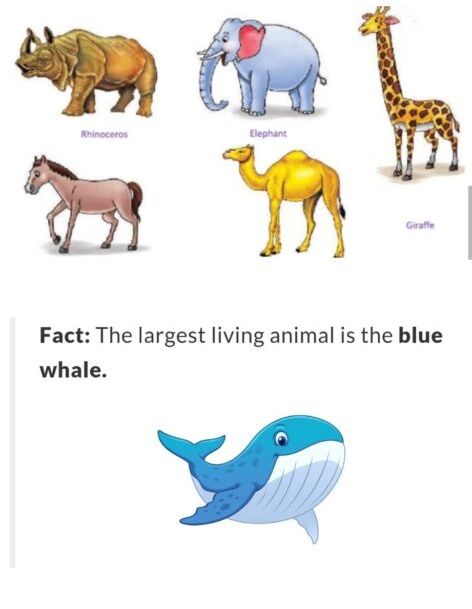
  • Elephants, giraffes, camels, and whales are some of the biggest animals.
  • Elephants have big ears and long trunks, while giraffes have long necks to reach tall trees.
  • Whales are the biggest animals in the world, but they live in the ocean!
  • Big animals can help humans too—camels carry heavy things, and elephants are used for work in some places.

Some animals are large, like the Rhinoceros, Giraffe, Elephant, Horse, and Camel.


2. Small Animals

  • Some animals are small, but they are fast, smart, and active! They live in forests, grasslands, and even near humans.
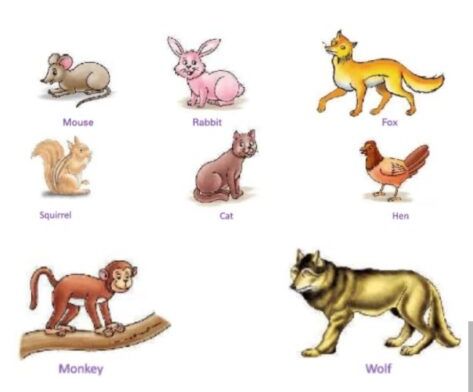
  • Mice and rats run around quickly and can fit into tiny spaces to find food.
  • Squirrels jump from tree to tree and store nuts to eat later.
  • Wolves are smaller than lions and tigers, but they are strong and live in groups called packs.
  • Monkeys are playful and clever—they can climb trees, swing on branches, and love to eat fruits.

3. Very Small Animals

  • Some animals are even smaller and are often hard to spot!
  • Ants are tiny but strong, carrying food much bigger than their own bodies.
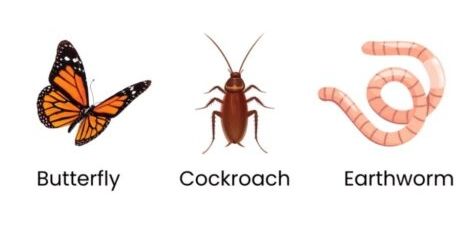
  • Earthworms live under the soil and help keep the soil soft and rich.
  • Butterflies have colourful wings and flutter from flower to flower, making gardens beautiful.
  • Cockroaches move quickly and hide in dark places, making them hard to catch!

Types of Animals

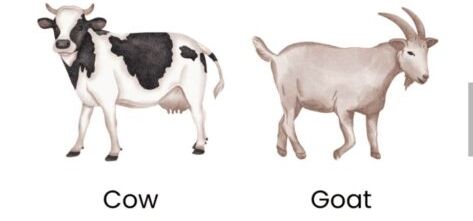
1. Domestic Animals

They are tamed by us because they are useful to us. They are kept by us around our homes. 
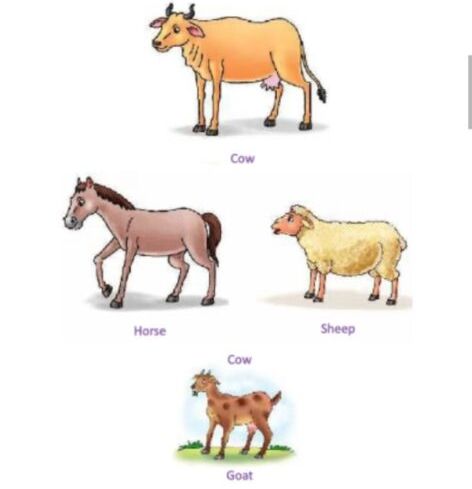
Examples: Cow, Goat, Sheep, Horse etc.

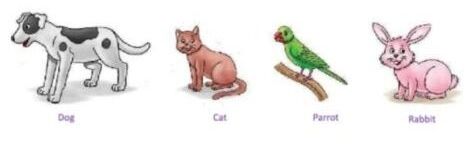
2. Pet Animals

Those animals which we keep in our homes. We love them and play with them. 
Examples: Dog, Cat, Parrot, Rabbit.

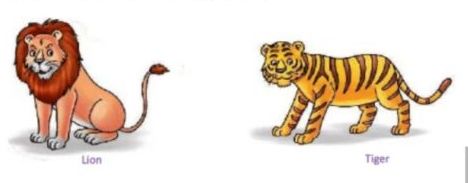
3. Wild Animals

Wild animals move freely in jungles. They are difficult to tame. They are seen in zoo or national parks.
Examples: Lions, Tigers, etc.

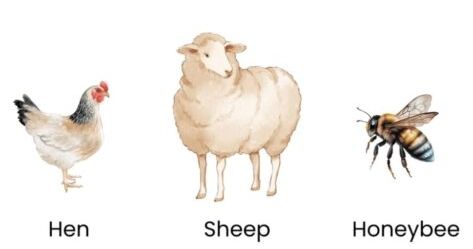
4. Farm Animals

Some useful animals like horses, camels, hens, cows and goats are kept on farms.

Uses: 

  • We get food from them. 
  • We get milk, eggs and meat from them. 
  • Some animals work for us. They carry heavy things, pull carts and dig the soil in our fields. 
  • We get wool from sheep.
  • Honeybees collect honey for us.

5. Milch Animals

Animals that give us milk are called milch animals. Cow, goat and buffalo are milch animals.

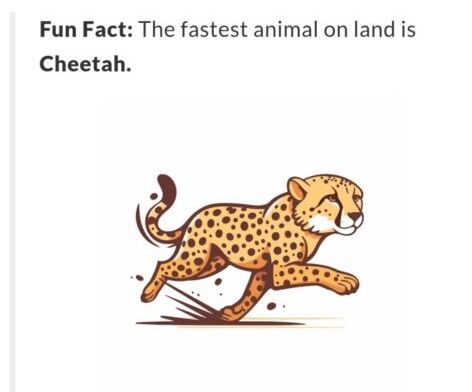
Fun Fact: The fastest animal on land is Cheetah.

Birds 

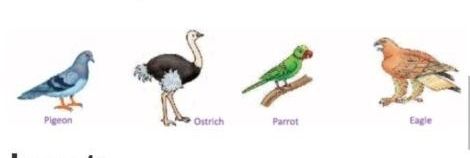
  • Birds have two legs to walk and have wings and feathers to fly.
  • They have beaks but no teeth.
  • Note: PenguinsKiwi and Ostrich cannot fly.

Insects 

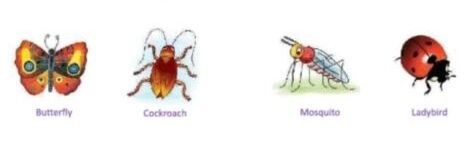
  • They are very small animals.
  • They have six legs.
  • Some insects do not have wings like Ants and Spiders. All others have wings.

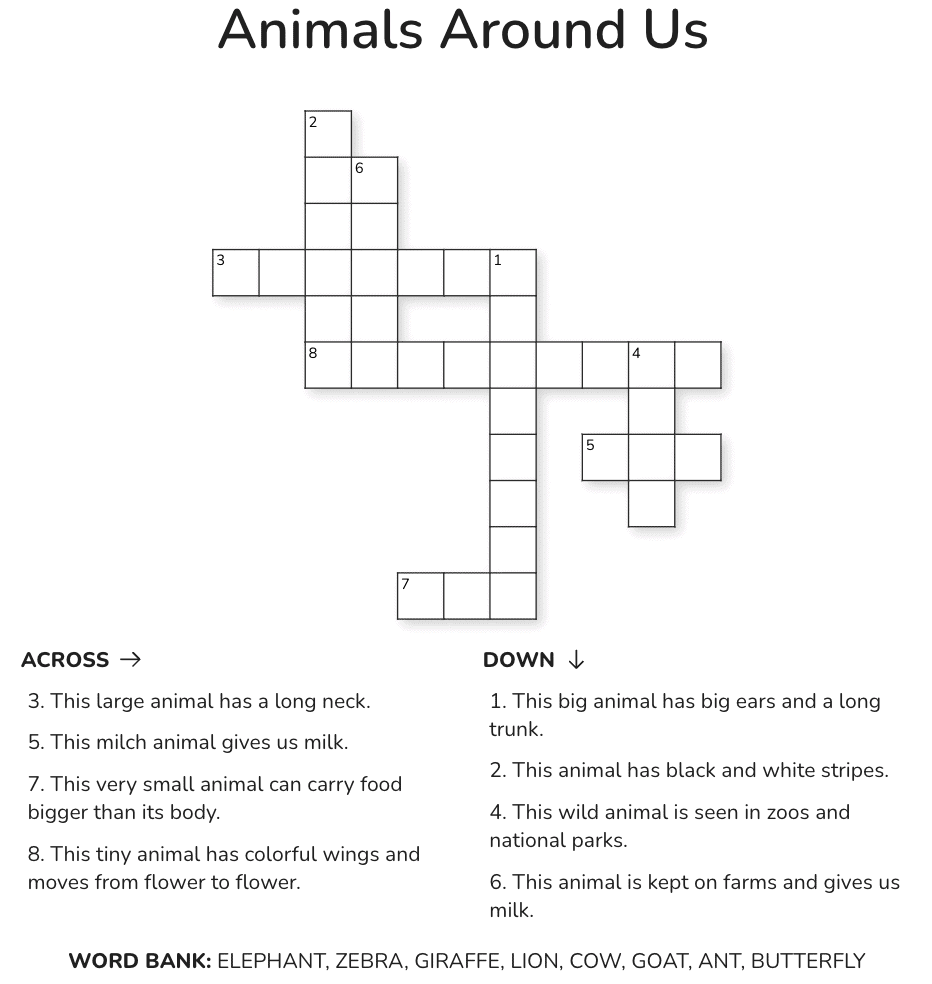
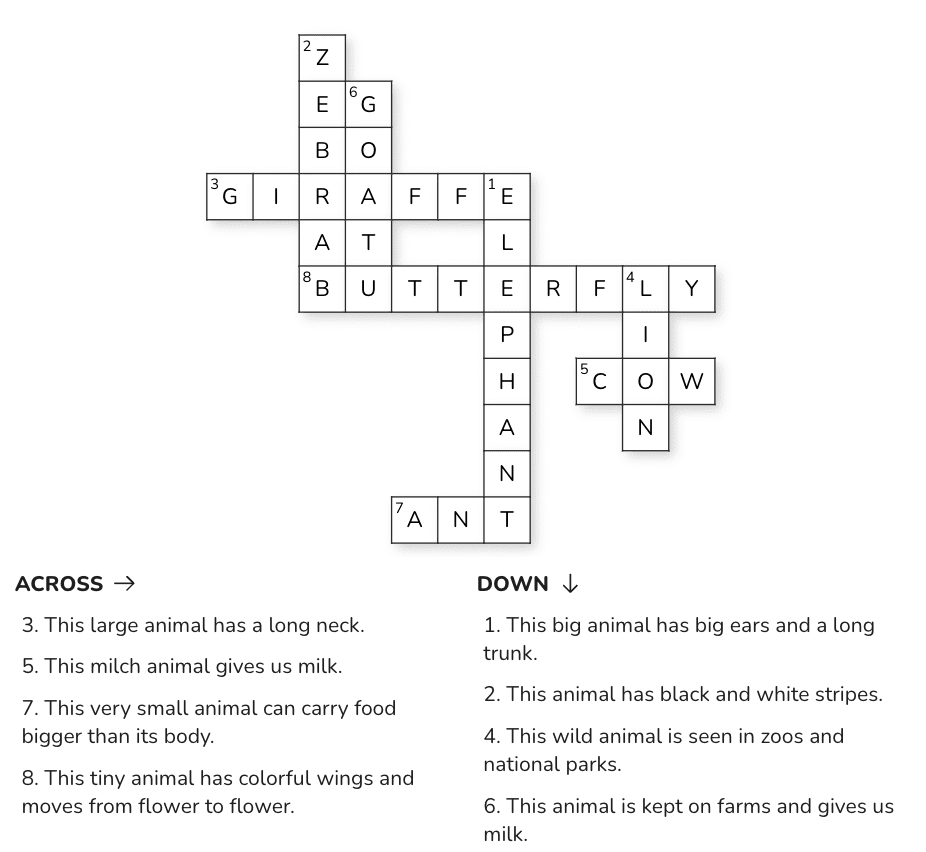
Crossword Puzzle: Can You Guess the Animal? 

Now, let’s play a fun game. Try to guess the animal based on the given hints below:

Solution: 

02. My Family – Chapter Notes

Table of contents

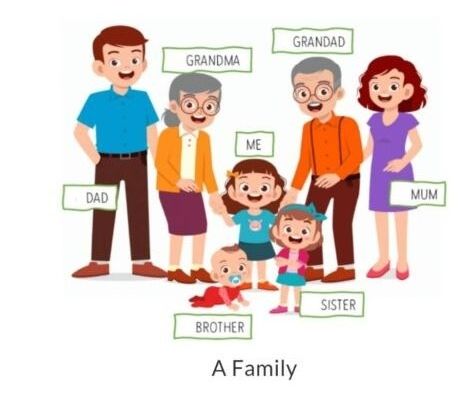
What is a Family?

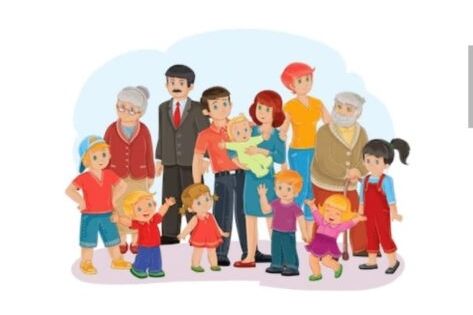
A family is a special group of people who love and take care of each other. Families can be big or small, but they are always full of love and warmth.

  • In a family, we have parents, grandparents, brothers, sisters, and sometimes cousins, uncles, and aunts.
  • Families live together, share meals, and help one another.
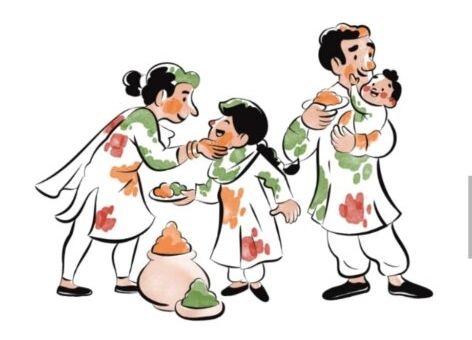
  • They celebrate birthdays, festivals, and happy moments together!
  • A family also teaches us kindness, respect, and how to take care of each other.A Fami

Who lives in a Family?

  • People of a family are called family members.
  • Family members go out together and have fun.
  • Family members include those who live together like a mother, father, brother, sister, or any other person.
  • Family members also include those who may or may not live together, like a grandfather, grandmother, or any other person.

Family Members include:

  • Parents: The mother and father in a family are known as parents.
  • Siblings: A Brother and sister in a family are known as siblings.
  • Grandparents: Grandparents are the parents of our parents. 
    Grandfather is the father of our mother or father. 
    Grandmother is the mother of our mother or father. 
  • A family also consists of uncles and aunts. Every member of a family has a role to play.

Try yourself:Who among the following is not your Family Member?

  • A.Mother
  • B.Father
  • C.Grandmother
  • D.School Teacher

View Solution

What are the types of Families?

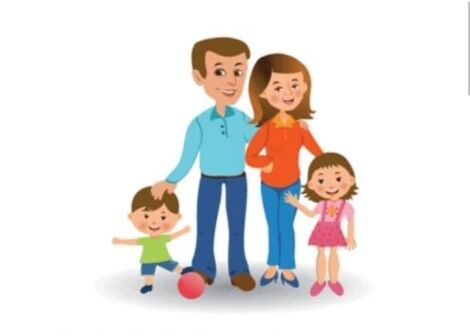
  • Small family / Nuclear family
    A family consisting of a pair of adults and their children is called a small family or nuclear family.
  • Big family / Joint family
    A joint family or big family is large in size consisting of members of 3 or more such as grandparents, parents, siblings, uncles, aunts, and cousins living in one home.

What does a family do?

A family is not just people living together—it is a team that cares for each other! Families do many things that make life happy and special.

  • Love and Support – Families love, help, and protect one another. They cheer us up when we are sad and celebrate when we are happy.
  • Teach and Guide – Parents and grandparents teach good habits, manners, and values to children.
  • Share Meals and Stories – Families eat together, talk, and share stories, making every day special.
  • Celebrate Festivals and Special Days – Birthdays, festivals, and important days are fun when celebrated with family!
  • Help Each Other – Family members work together—parents take care of children, children help with small tasks, and everyone looks after one another.

A family is like a big hug that keeps us safe, happy, and loved!

Why is Family Important?

A family is one of the most important parts of our lives. It gives us love, support, and happiness every day!

  • Gives Love and Care – A family makes us feel safe and loved no matter what.
  • Teaches Good Values – Families teach us kindness, honesty, and respect, helping us become good people.
  • Supports in Every Situation – Whether we are happy or sad, our family is always there to help and cheer us up.
  • Helps Us Grow – Parents and elders teach us new things and help us learn important life lessons.
  • Creates Happy Memories – Festivals, birthdays, and small moments spent together make life fun and special!

A family is like a strong tree that keeps us safe and helps us grow!

What is a Family Tree?

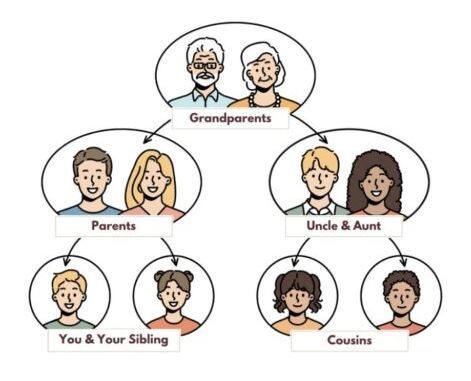
family tree is a special way to show how family members are connected. It looks like a tree, where each branch represents a different part of the family.

  • At the top, we have grandparents, who are the oldest in the family.
  • Below them are parents, uncles, and aunts.
  • Then come children, like you, your siblings, and cousins!

A family tree helps us understand our family better—who our grandparents, parents, aunts, uncles, and cousins are. It is like a big picture of our family’s past and present!

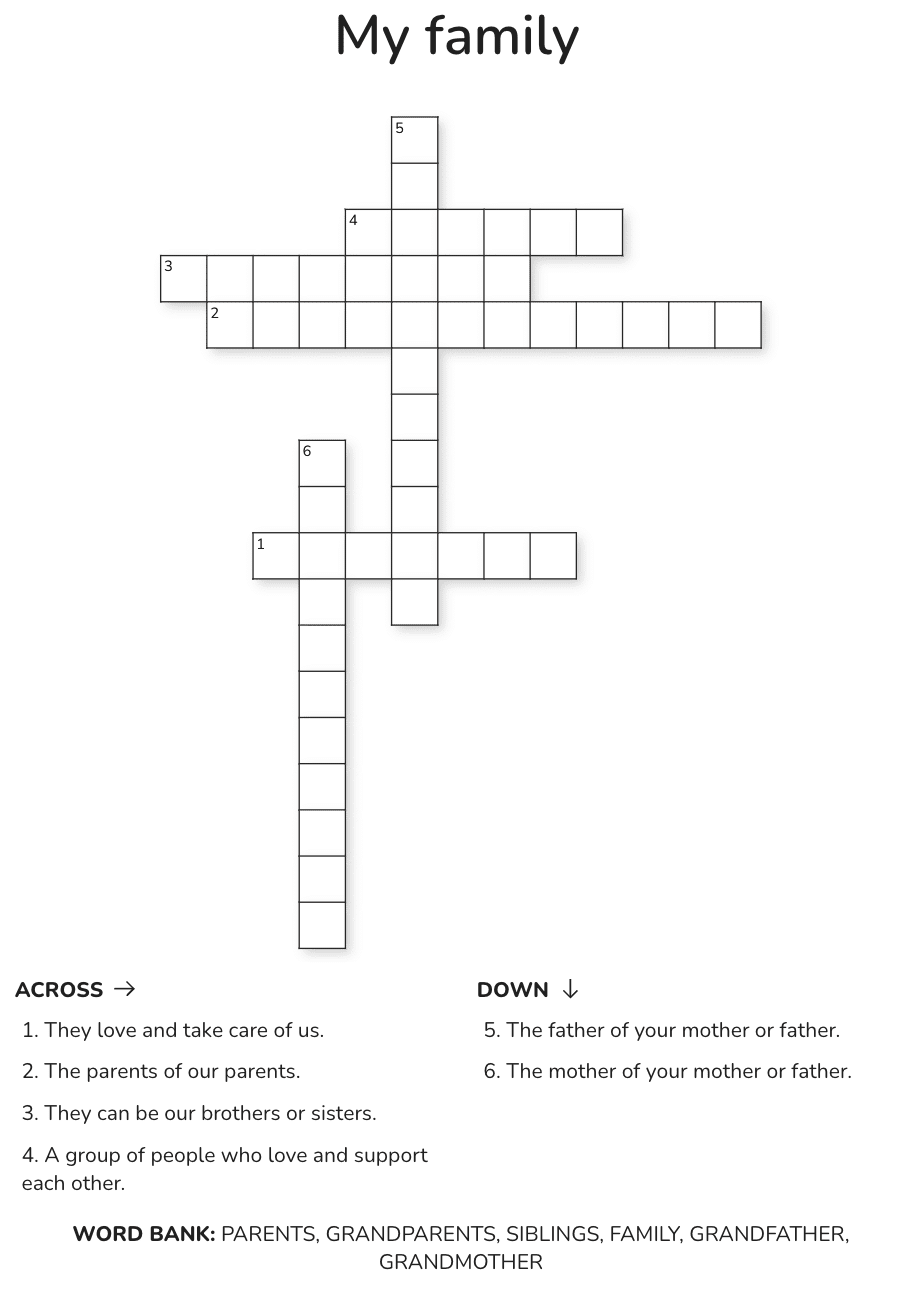
​Fun Activity: Crossword Puzzle

  • In this crossword puzzle, you will find words related to family members and their roles
  • Read the clues carefully and fill in the correct family-related words. Let’s see how many you can solve!

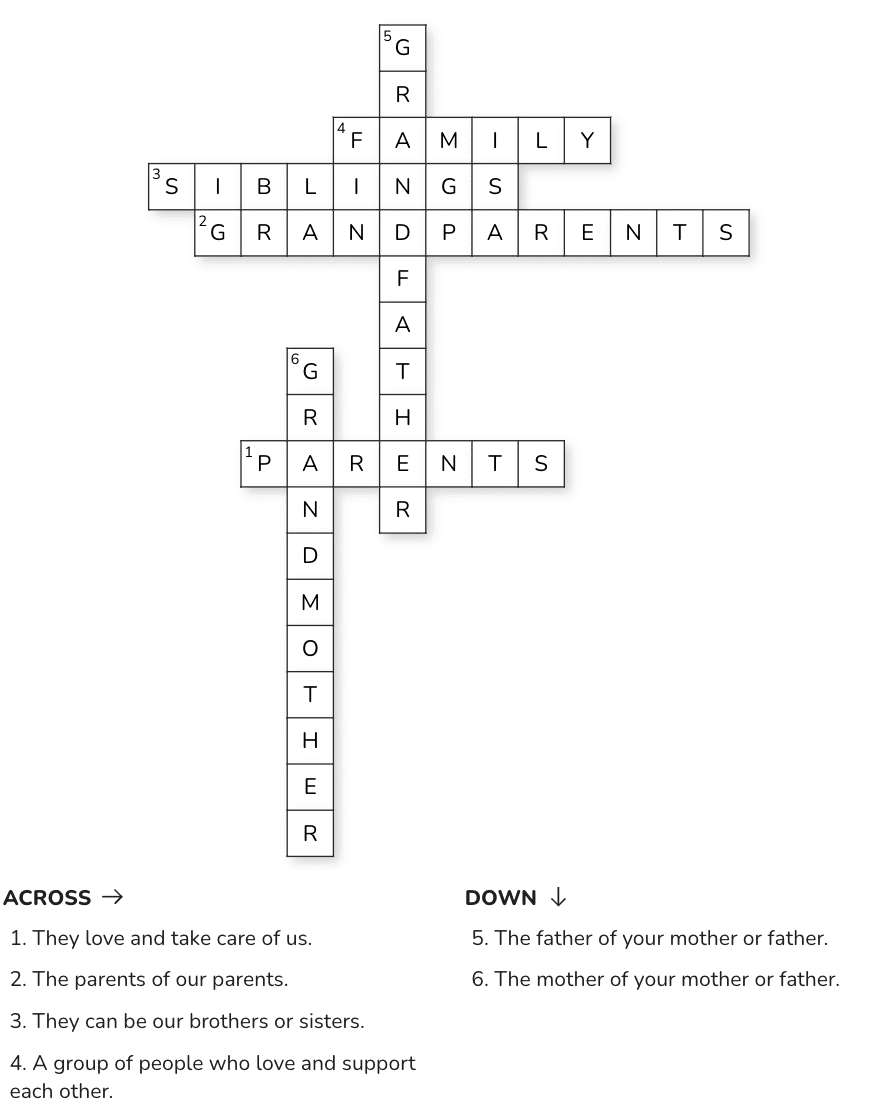
Solution: