07. Life Lines of National Economy- Textbooks Solutions

Q1: Multiple choice questions
(i) Which two of the following extreme locations are connected by the east-west corridor?
(a) Mumbai and Nagpur
(b) Silcher and Porbandar
(c) Mumbai and Kolkata
(d) Nagpur and Siliguri 
Ans: (b) Silcher and Porbandar

The East-West Corridor, one of the Super Highways being implemented by the National Highway Authority of India, connects Silcher (Assam) and Porbander (Gujarat). 

(ii) Which mode of transportation reduces trans-shipment losses and delays?
(a) Railways
(b) Roadways
(c) Pipeline
(d) Waterways
Ans: (c) Pipeline

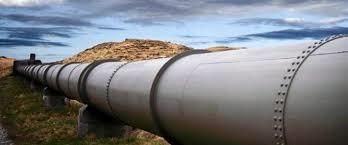
Pipeline transport eliminates the risk of trans-shipment losses or delays because it provides a direct and continuous flow of materials, such as oil, gas, or other fluids, from the source to the destination.
Pipeline(iii) Which one of the following states is not connected with the H.V.J. pipeline?
(a) Madhya Pradesh
(b) Maharashtra
(c) Gujarat
(d) Uttar Pradesh
Ans: (b) Maharashtra

Maharashtra is not connected with the H.V.J. (Hazira-Vijaipur-Jagdishpur) pipeline. The pipeline mainly passes through Gujarat, Madhya Pradesh, and Uttar Pradesh.

(iv) Which one of the following ports are the deepest land-locked and well-protected port along with the east cost?
(a) Chennai
(b) Paradwip
(c) Tuticorin
(d) Vishakhapatnam
Ans: (d) Vishakhapatnam

Visakhapatnam Port, located on the east coast of India in the state of Andhra Pradesh, is one of the country’s major ports and is renowned for being the deepest land-locked and well-protected port.

(v) Which one of the following are the most important modes of transportation in India?
(a) Pipeline
(b) Railways
(c) Roadways
(d) Airways
Ans: (b) Railways

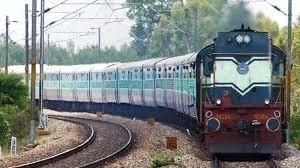
Railways are the main mode of transportation for both freight and passengers in India. They enable people to engage in various activities such as business, sightseeing, and pilgrimage, while also facilitating the transport of goods over long distances.
Railways(vi) Which one of the following terms is used to describe trade between two or more countries?
(a) Internal trade
(b) International trade
(c) External trade
(d) Local trade
Ans: (b) International trade

International trade involves the buying and selling of goods, services, and capital across international borders. This type of trade allows countries to expand their markets, access goods and services that are not available domestically, and benefit from the competitive advantages of other nations.

Q2: Answer the following questions in about 30 words.

(i) State any three merits of roadways.
Ans: Merits of roadways:
(a) They are cheaper than railways in terms of construction costs.
(b) Roads can go through dissected and undulating land areas and through steep mountains.
(c) They are economical as loading costs are low and door-to-door service can be availed of.

Roadways(ii) Where and why is rail transport the most convenient means of transportation?
Ans: In the northern plains, rail transport is the most convenient mode of transportation. This is because this region has vast level lands that are good for laying tracks, and huge population and high agricultural productivity, making rail transport a profitable venture.

(iii) What is the significance of the border roads?
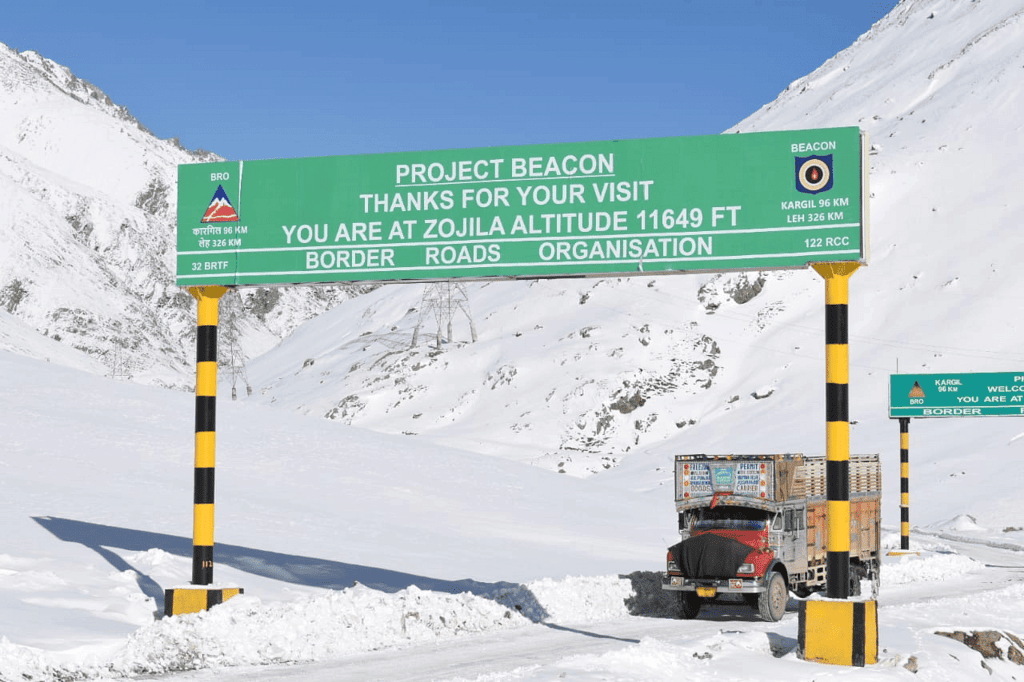
Ans: The Border Roads Organisation, established by the Government of India in 1960, builds and maintains roads in border areas, especially in the northern and northeastern regions. These roads improve access in tough terrains and aid in the economic development of these areas. 
(iv) What is meant by trade? What is the difference between international and local trade?
 Ans: Trade is the movement of goods and services between regions for economic gain. Trade between two or more countries is termed international trade. It may take place through sea, air or land routes. Trade occurring in a region within the same country is called local trade. Local trade is carried in cities, towns and villages.


Q3: Answer the following questions in about 120 words.
(i) Why are the means of transportation and communication called the lifelines of a nation and its economy?
Ans:  Lifelines of a nation and its economy:

  • Transport system helps in the movement of goods and services from their supply locations to demand locations.
  • The means of transport provide an important link between the producers and consumers of goods/products.
  • They help in the development of agriculture and industry by providing raw materials and distributing finished goods.
  • A well-built transport system brings people from different regions within the country and world closer to one another.
  • With the advancement in the system of communication, each country is connected with the rest of the world. As a result, international trade adds vitality to its economy and enriches the lives of the people by raising their living standards.
  • Transport – Railways etc., helps in business sightseeing, pilgrimage and transportation of goods. Similarly pipelines, air transport are also very useful in the development of a country. Thus, means of transportation and communication are rightly called the lifelines of a nation and its economy.

(ii) Write a note on the changing nature of international trade in the last fifteen years.
Ans: Changing nature of international trade:

  • Before globalisation, generally, bilateral agreements were made to integrate national economies with the world economy.
  • Now producers from outside the country can sell their goods and services in other countries.
  • Globalisation includes the movement of capital as well as workers from one country to other countries. The restrictions on the import of goods have been removed.
  • Under World Trade Organisation (WTO), efforts are being made to have multi-lateral agreements for international trade. WTO is regulating the international trade of goods as well as services.
  • Nature of international trade has thus changed. The export of agricultural products, minerals etc., have increased.
  • The import of petroleum products has too increased.
  • Exchange of commodities and goods have been superseded by the exchange of information and knowledge. 
  • India has emerged as a software giant at the international level. It is earning large foreign exchange through the export of information technology because of its fast-growing Business Process Outsourcing (BPO) sector.
06. Manufacturing Industries- Textbooks Solutions

Q1: Multiple choice questions
(i) Which one of the following industries uses bauxite as a raw material?
(a) Aluminium
(b) Cement
(c) Jute
(d) Steel
Ans: (a) Aluminium

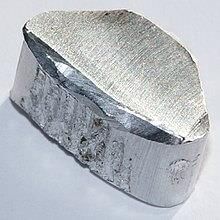
Bauxite is the raw material, which is crushed to dissolve out alumina. Alumina is then sent to the site of aluminium smelter.

Aluminium

(ii) Which one of the following industries manufactures telephones, computer, etc?
(a) Steel
(b) Electronic
(c) Aluminium
(d) Information Technology
Ans: (b) Electronic

The electronics industry includes a broad range of products, such as transistor sets, televisions, telephones, cellular telecom equipment, telephone exchanges, radars, computers, and other devices needed for telecommunications. 


Q2: Answer the following briefly in not more than 30 words.
(i) What is manufacturing?
(ii) What are basic industries? Give an example.
Ans: 
(i) Production of goods in large quantities after processing from raw materials to more valuable products is called manufacturing. For example, paper is manufactured from wood.
(ii) Basic industries are those industries which supply their products or raw materials to manufacture other goods e.g., iron and steel and copper smelting, aluminium smelting industries.


Q3: Write the answers to the following questions in 120 words.
(i) How do industries pollute the environment?
Ans: Industries pollute the environment in four ways as given below:
(a) Air pollution: 

  • It is caused by sulphur dioxide and carbon monoxide.
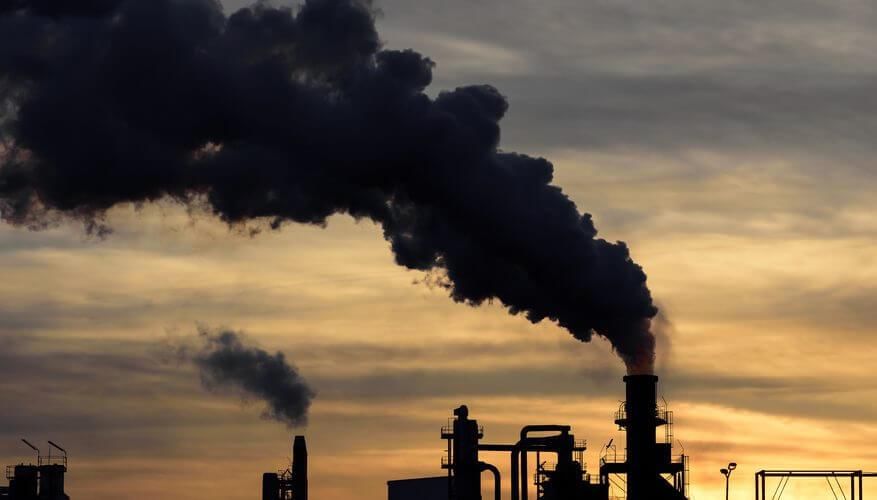
  • Smoke is emitted by chemical and paper factories, brick kilns and burning of fossil fuels in big and small factories.

(b) Water pollution: 

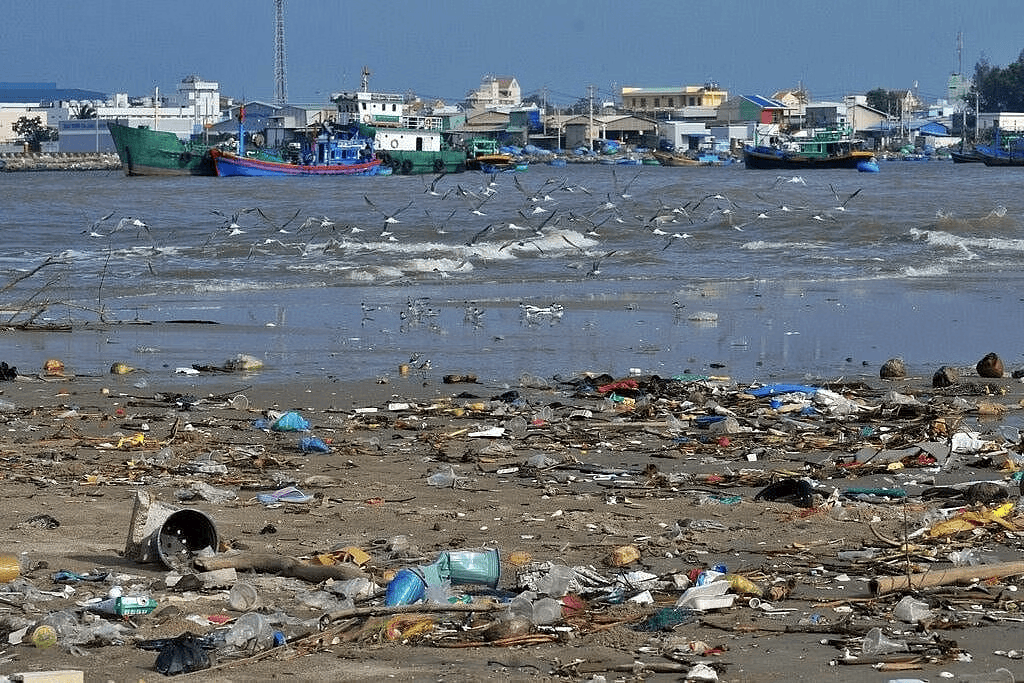
  • The industrial effluents are discharged into rivers and pollute the water.
  • The major industries responsible for this are paper, pulp, chemical, textile, dyeing and petroleum refineries and tanneries.

Water Pollution

(c) Thermal pollution: 

  • Thermal pollution of water occurs when hot water from factories and thermal plants is drained into the rivers and ponds before cooling.

(d) Noise pollution: 

  • Industrial and construction activities, machinery, factory equipment, generators, saws and other equipment make a lot of noise which have bad effects on human beings.
  • It can cause hearing impairment, increased heart rate and blood pressure among other physiological effects.

Industries Pollute the Environment


(ii) Discuss the steps to be taken to minimise environmental degradation by industry?

Ans: Steps to minimise environmental degradation: 

  • Minimising use of water for processing by reusing and recycling it in two or more successive stages.
    Harvesting of rainwater to meet water requirements.
  • Treating hot water and effluents before releasing them in rivers and ponds.
    1. Primary treatment is done by mechanical means, which includes processes like screening, grinding, flocculation, and sedimentation to remove large particles and solids.
    2. Secondary treatment involves a biological process where microorganisms are used to break down organic matter and pollutants in the water.
    3. Tertiary treatment uses a combination of biological, chemical, and physical processes to further purify the water, including recycling wastewater to make it suitable for reuse.
  • Particulate matter in the air can be reduced by fitting smokestacks to factories with electrostatic precipitators, fabric filters, scrubbers, and inertial separators.
  • Smoke can be reduced by using oil or gas instead of coal in factories. Machinery and equipment can be used, and generators should be fitted with silencers.

05. Minerals and Energy Resources- Textbooks Solutions

Q1: Multiple choice questions
(i) Which one of the following minerals are formed by the decomposition of rocks, leaving a residual mass of weathered material?
(a) coal
(b) bauxite
(c) gold
(d) zinc
Ans: (b) bauxite

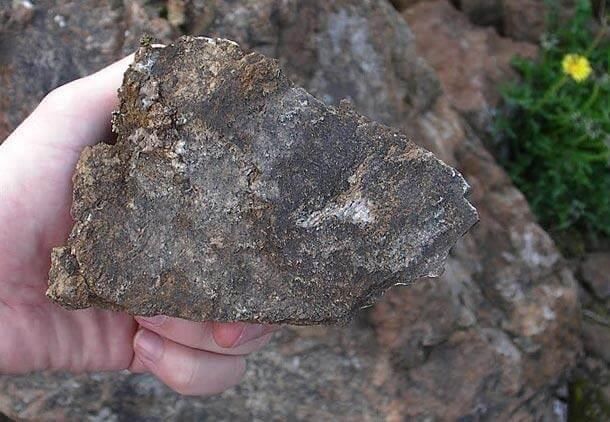
Bauxite forms through the decomposition of surface rocks. This process removes soluble elements, leaving behind a residual mass of weathered material that contains bauxite.

Bauxite

(ii) Koderma, in Jharkhand, is the leading producer of which one of the following minerals?
(a) Bauxite
(b) Mica
(c) Iron ore
(d) Copper

Ans: (b) mica

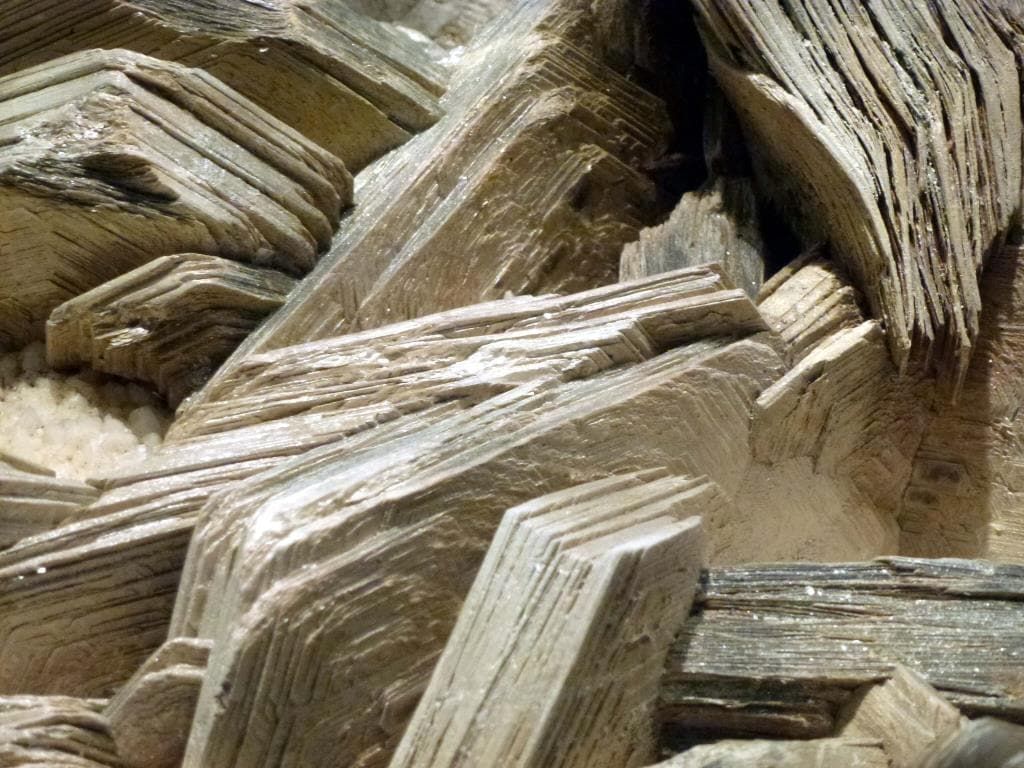
Mica deposits are primarily found in the northern Chota Nagpur plateau, with Jharkhand’s Koderma-Gaya-Hazaribagh belt as the top producer. It is also found in parts of Rajasthan and Andhra Pradesh.

Mica

(iii) Minerals are deposited and accumulated in the strata of which of the following rocks?
(a) sedimentary rocks
(b) metamorphic rocks
(c) igneous rocks
(d) none of the above

Ans: (a) sedimentary rocks

Sedimentary rocks contain various minerals arranged in beds or layers. These minerals form through deposition, accumulation, and concentration within horizontal layers.

(iv) Which one of the following minerals is contained in the Monazite sand?
(a) oil
(b) uranium
(c) thorium
(d) coal

Ans: (c) Thorium

Thorium, found in Jharkhand, the Aravalli ranges of Rajasthan, and the monazite sands of Kerala, is used for generating nuclear power.

Thorium

Q2: Answer the following questions in about 30 words.
(i) Distinguish between the following in not more than 30 words.
(a) Ferrous and non-ferrous minerals
(b) Conventional and non-conventional sources of energy.
(ii) What is a mineral?
(iii) How are minerals formed in igneous and metamorphic rocks?
(iv) Why do we need to conserve mineral resources?
Ans: (i) 

(a) Ferrous minerals are in the category of metallic minerals that contain iron (Fe). The composition of iron varies from mineral to mineral. Pyrite is an example of a ferrous mineral. Non-ferrous minerals are the metallic minerals that do not contain iron (Fe). Gold (Au) is an example of a non-ferrous mineral.

Minerals

(b) Sources of Energy:ConventionalNon-conventional(i) They make use of non-renewable sources of energy.They make use of renewable sources of energy.(ii) They are expensive.They are cheaper.(iii) They can cause pollution; e.g., coal, petroleum, natural gas, electricity, etc.No pollution is caused by them; e.g., the solar, wind, tidal, geothermal, biogas, etc.

(ii) Minerals are defined as solid, inorganic, naturally occurring substances with a definite chemical formula and general atomic structure. Minerals are found in varied forms in nature, ranging from the hardest diamond to the softest talc.

(iii) Minerals generally occur in igneous and metamorphic rocks. In most cases, they are formed when minerals in liquid or molten and gaseous forms are forced upward through cavities towards the earth’s surface, they cool and solidify as they rise in the cracks, crevices, faults or joints. The smaller occurrences are called veins and the larger is called lodes.

(iv) We need to conserve mineral resources because of following reasons:

(i) Mineral resources require millions of years to form and, therefore are finite and non-renewable in nature.
(ii) The continued extraction of ores will lead to increase in cost as extraction comes from greater depths.
(iii) There is also a decrease in quality along lower depths.

Q3: Answer the following questions in about 120 words.
(a) Describe the distribution of coal in India.
Ans:  Coal Distribution in India

  • Coal is the most abundant fossil fuel in India, crucial for commercial energy needs.
  • There are three main types of coal:
    • Lignite: Low-grade brown coal, mainly found in Neyveli, Tamil Nadu.
    • Bituminous: Most widely used, suitable for energy and metallurgical purposes.
    • Anthracite: Highest quality hard coal.
  • Coal is primarily found in two geological ages:
    • Gondwana coal: Over 200 million years old, located in the Damodar Valley (West Bengal and Jharkhand), with key coalfields in Jharia, Raniganj, and Bokaro.
    • Tertiary coal: About 55 million years old, found in northeastern states like Meghalaya, Assam, Arunachal Pradesh, and Nagaland.
  • Coal is bulky and loses weight when burned, leading to heavy industries and thermal power stations being located near coalfields.

(b) Why do you think that solar energy has a bright future in India?
Ans:
 India has a bright future for solar energy due to several key factors:

  • Abundant sunlight: Being a tropical country, India receives a large amount of sunlight, making it ideal for solar energy generation.
  • Rural electrification: Solar energy is increasingly popular in rural areas, providing reliable power to regions with limited access to traditional electricity.
  • Environmental benefits: By reducing reliance on firewood and dung cakes, solar energy helps decrease deforestation and environmental degradation.
  • Agricultural advantages: Less use of dung cakes for fuel ensures a better supply of manure for farming, which enhances soil fertility.

04. Agriculture- Textbooks Solutions

Multiple Choice Questions

Q1. Which one of the following describes an agriculture system where a single crop is grown on a large area?
(a) Shifting Agriculture
(b) Plantation Agriculture
(c) Horticulture
(d) Intensive Agriculture

Ans: (b) Plantation Agriculture

Plantation is a type of commercial farming where a single crop is grown over a large area. It combines agriculture and industry, using capital-intensive methods and migrant labor, with the produce serving as raw material for industries.

Plantation Agriculture

Q2. Which one of the following is a rabi crop?
(a) Rice
(b) Gram
(c) Millets
(d) Cotton

Ans: (b) Gram

Rice, millets and cotton are kharif crops, while gram is a rabi crop.

Q3. Which one of the following is a leguminous crop?
(a) Pulses
(b) Jawar
(c) Millets
(d) Sesamum

Ans: (a) Pulses

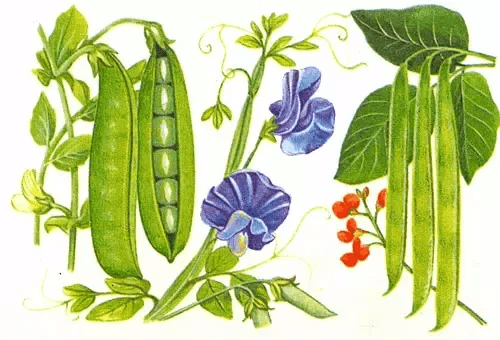
Pulses belong to the legume family, and are able to survive in dry conditions. They help in restoring soil fertility by fixing nitrogen from the air (except arhar).

Leguminous Crops

Answer the Following Questions in 30 words

Q1. Name one important beverage crop and specify the geographical conditions required for its growth.
Ans: Tea is an important beverage crop. Geographical conditions: 

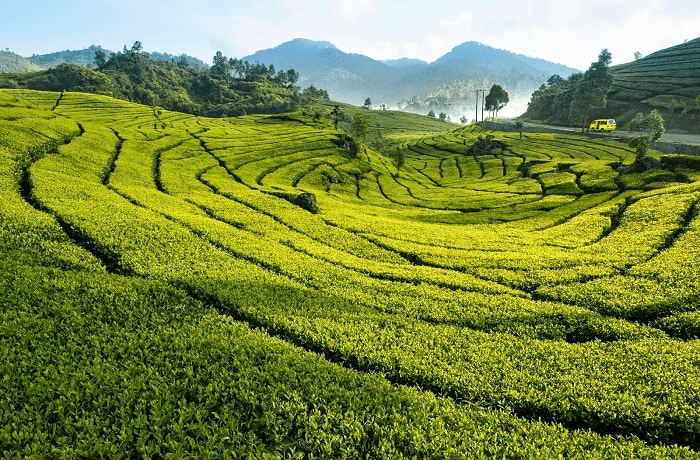
  • Tropical and sub-tropical climates endowed with deep and fertile well-drained soil so rich in humus and organic matter.
  • Temperature: 20°C -30°C.
  • Annual rainfall: 150-300 cm.
  • Frequent showers evenly distributed over the year.

Q2. Name one staple crop of India and the regions where it is produced.
Ans:

  • Rice is a staple crop of India.
  • Regions, where it is produced, are plains of north and north-eastern India, coastal areas and deltaic regions, i.e., West Bengal, Uttar Pradesh, Andhra Pradesh, Punjab and Tamil Nadu.

Q3. Enlist the various institutional reform programmes introduced by the government in the interest of farmers.
Ans: Institutional reforms: 

  1. Minimum Support Price (MSP)
  2. Subsidies on fertilisers
  3. Crop insurance against draught, flood, etc.
  4. Establishment of Grameen banks, cooperative societies and banks to provide loans at lower rates of interest. 
  5. Kissan credit cards

Answer the following questions in about 120 words

Q1. Suggest the initiative taken by the government to ensure the increase in agricultural production.
Ans:

  • To ensure an increase in agricultural production, the government prioritised collectivisation, consolidation of holdings, cooperation and abolition of the zamindari system. 
  • ‘Land reform’ was the main focus of the First Five Year Plans. In the 1960s and 1970s, agricultural reforms were the order of the day. 
  • The Green Revolution and the White Revolution (Operation Flood) were aimed at improving Indian agricultural productivity.
  • During the 1980s and 1990s, a comprehensive land development programme was initiated. 
  • Under this, various technical and institutional reforms were introduced by the government for the benefit of farmers.
    Example: Minimum Support Price policy, provision for crop insurance, subsidy on agricultural inputs and resources, Grameen banks, Personal Accident Insurance Scheme, and special weather bulletins and agricultural programmes like ‘Krishi Darshan’ on national television.

Q2. Describe the geographical conditions required for the growth of rice.
Ans:

  • Rice is a Kharif crop grown in the onset of monsoon and harvested in September-October.
  • It is grown in plains of north and north-eastern India, coastal areas and deltaic regions. 
  • In India, important rice growing regions are Assam, West Bengal, coastal regions of Odisha, Andhra Pradesh, Telangana, Tamil Nadu, Kerala and Maharashtra, particularly the (Konkan coast) along with Uttar Pradesh and Bihar.
  • It requires high temperatures (above 25°C) and high humidity with annual rainfall above 100 cm. 
  • In areas with less rainfall, it grows with the help of irrigation via canals and tube-wells. This has made production of rice possible in areas such as Punjab, Haryana and western Uttar Pradesh, and parts of Rajasthan.

03. Water Resources- Textbooks Solutions

Q1. Multiple choice questions.
(i) Based on the information given below classify each of the situations as ‘suffering from water scarcity’ or ‘not suffering from water scarcity’.
(a) Region with high annual rainfall.
(b) Region having high annual rainfall and large population.
(c) Region having high annual rainfall but water is highly polluted.
(d) Region having low rainfall and low population.
Ans:
(a) Not suffering from water scarcity. This is because the freshwater and groundwater are replenished with the annual rainfall.
(b) Suffering from water scarcity. Even though the annual rainfall is high, the large population results in a high demand for water, resulting in scarcity.
(c) Suffering from water scarcity. If there is high rainfall and the water is polluted, then there will be scarcity as the water is unfit for domestic, industrial or agricultural use.
(d) Not suffering from water scarcity. In this case, the rainfall is low, but the population is also low. In such cases, the demand for water by the population is met. As the usage is not much, water scarcity will not prevail.

(ii) Which one of the following statements is not an argument in favour of multi-purpose river projects?

Multi-purpose River Valley Projects(a) Multi-purpose projects bring water to those areas which suffer from water scarcity.
(b) Multi-purpose projects by regulating water flow help to control floods.
(c) Multi-purpose projects lead to large scale displacements and loss of livelihood.
(d) Multi-purpose projects generate electricity for our industries and our homes.
Ans: (c) Multi-purpose projects lead to large-scale displacements and loss of livelihood.

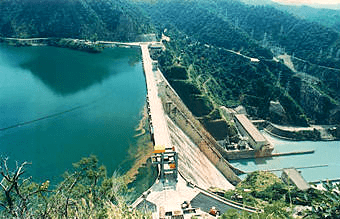
This is not an argument in favour of multi-purpose river projects. Dams require a large area of land to be built, and local people living in that area are forced to move to another area, causing loss of livelihood and displacement. For various reasons, multi-purpose projects and huge dams have come under intense scrutiny and resistance in recent years. River regulation and construction of dams alter their natural flow, resulting in poor sediment flow and heavy sedimentation at the reservoir’s bottom. Dams split rivers, making migration difficult for aquatic animals.

(iii) Here are some false statements. Identify the mistakes and rewrite them correctly.
(a) Multiplying urban centres with large and dense populations and urban lifestyles have helped in proper utilisation of water resources.
(b) Regulating and damming of rivers does not affect the river’s natural flow and its sediment flow.
(c) In Gujarat, the Sabarmati basin farmers were not agitated when higher priority was given to water supply in urban areas, particularly during droughts.
(d) Today in Rajasthan, the practice of rooftop rainwater water harvesting has gained popularity despite high water availability due to the Indira Gandhi Canal.
Ans: 
(a) Multiplying urban centres with large and dense populations and urban lifestyles have caused over-exploitation of water resources.
(b) Regulating and damming of rivers affect their natural flow, causing poor sediment flow and excessive sedimentation at the bottom of the reservoir.
(c) In Gujarat, the Sabarmati basin farmers were agitated and almost caused a riot over the higher priority given to water supply in urban areas, particularly during droughts.
(d) Today in Western Rajasthan, the practice of rooftop rainwater harvesting is on the decline as plenty of water is available due to the perennial Indira Gandhi Canal.

Q2. Answer the following questions in about 30 words.
(i) Explain how water becomes a renewable resource.
Ans: Water is a renewable resource due to the hydrological cycle, which continually renews freshwater from surface runoff and groundwater. The processes of this cycle include evaporations, condensation and precipitation.

(ii) What is water scarcity and what are its main causes?
Ans: Water scarcity implies water shortage in low-rainfall regions or drought-prone areas. It is related to the availability and the bad quality of water as well.

Water ScarcityCauses:

  • The increase in population leads to more water for domestic use and to the production of more food. 
  • Intensive industrialisation means more water and hydroelectric power to run them. 
  • Urbanisation leads to more use of water.

(iii) Compare the advantages and disadvantages of multi-purpose river projects.
Ans: 
Advantages: 

  • These help irrigate agricultural fields. 
  • Helps in the generation of electricity.
  • It helps to control floods.
  • Provides water supply for industry.

Disadvantages: 

  • It affects the natural flow of the river causing excessive sedimentation.
  • Projects lead to large-scale displacement of local communities.
  • Sometimes these projects lead to interstate water disputes.


Q3. Answer the following questions in about 120 words.
(i) Discuss how rainwater harvesting in semi-arid regions of Rajasthan is carried out.
Ans: 

  • In the semi-arid and arid regions of Rajasthan, particularly in Bikaner, Phalodi and Barmer, almost all the houses traditionally had underground tanks or tankas for storing drinking water.
  • The tanks could be as large as a big room.
  • These tankas were part of the well-developed rooftop rainwater harvesting system.
  • These were built inside the main house or the courtyard. They were connected to the sloping roofs of the houses through a pipe.
  • Rain falling on the rooftops would travel down the pipe and be stored in these underground ‘tankas’.
  • The first spell of rain was usually not collected, as this would clean the roofs and the pipes. The rainwater from the subsequent showers was then collected.
  • The rainwater is stored in the tanks till the next rainfall.

(ii) Describe how modern adaptations of traditional rainwater harvesting methods are being carried out to conserve and store water.
Ans: In many parts of rural and urban India, rooftop rainwater harvesting is being successfully adapted to store and conserve water.

  • In Gendathur village in Mysore, Karnataka, nearly 200 households have installed a system of rainwater harvesting to meet their water needs.
  • Gendathur receives annual precipitation of 1,000 mm, and with 80 per cent of collection efficiency and about 10 fillings, every house can collect and use 50,000 litres of water annually.
  • From the 20 houses, the net amount of rainwater harvested annually comes to 1,00,000 litres. Thus, the rainwater harvesting system is being carried out successfully in Gendathur, which has earned the rare distinction of being rich in rainwater.
  • In addition to Gendathur, Tamil Nadu is the first and the only state in India which had made the rooftop rainwater harvesting structure compulsory for all houses across the state. There are legal provisions to punish defaulters.

02. Forest and Wildlife Resources- Textbooks Solutions

Q1. Multiple choice questions
(i) Which of the following conservation strategies do not directly involve community participation?
(a) Joint forest management
(b) Beej Bachao Andolan
(c) Chipko Movement

(d) Demarcation of Wildlife sanctuaries
Ans: (d) Demarcation of Wildlife sanctuaries

Wildlife sanctuaries are established and maintained by the government, while all other options are examples of community participation.

Q2. Match the following.

Ans:


Q3. Answer the following questions in about 30 words.
(i) What is biodiversity? Why is biodiversity important for human lives?
(ii) How have human activities affected the depletion of flora and fauna? Explain.
Ans: 
(i) Biodiversity refers to the variety and variability of life on earth. Biodiversity is typically a measure of variation at the genetic, species and ecosystem levels. Biodiversity is abundant in tropical areas, which cover about 10 per cent of the earth’s surface but host about 90 per cent of the world’s species.
(ii) Habitat destruction, hunting, poaching, overexploitation, environmental pollution, poisoning and forest fires are factors that led to the decline of biodiversity.

Q4. Answer the following questions in about 120 words.
(i) Describe how communities have conserved and protected forests and wildlife in India.
(ii) Write a note on good practices towards conserving forests and wildlife.
Ans: 

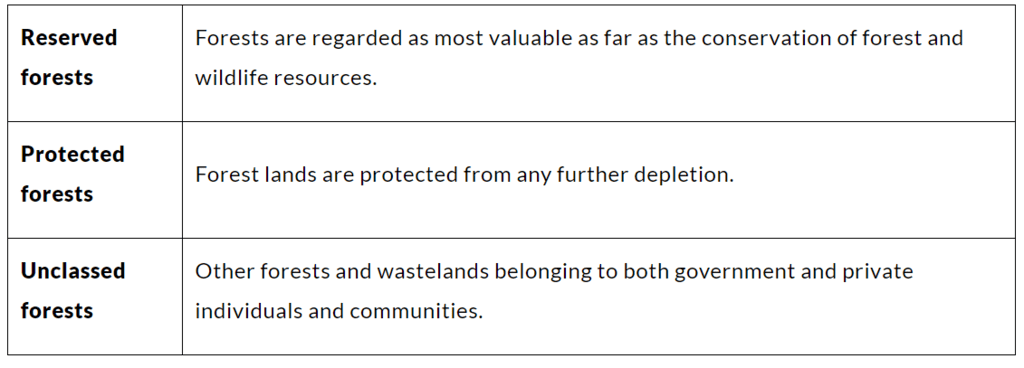
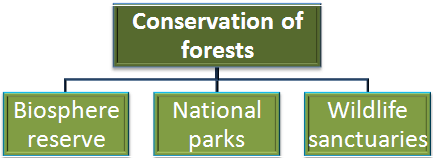
Conservation of Forest

(i) 

  • In the Sariska Tiger Reserve in Rajasthan, villagers have fought against mining by citing the Wildlife Protection Act.
  • The inhabitants of five villages in the Alwar district have declared 1,200 hectares of forest as Bhairodev Dakav ‘Sonchuri’, declaring their own set of rules and regulations disallowing hunting and protecting the wildlife against outside encroachments.
  • The Mundas and Santhals of the Chota Nagpur region worship Mahua and Kadamba trees.
  • Tribals of Odisha and Bihar worship the tamarind and mango trees during weddings.
  • Langurs and macaques around temples are fed daily and treated as part of the temple devotees.
  • In and around Bishnoi villages in Rajasthan, herds of blackbuck, nilgai and peacocks can be seen as an integral part of the community, and nobody can harm them.

(ii) 

  • In the conservation of forests and wildlife, many good practices have evolved over the years, which are socio-cultural on one hand and legal on the other hand, such as the making of National Parks, Wildlife Sanctuaries and Bio-Reserves to protect endangered species of plants and animals.
  • Mundas and the Santhals of the Chota Nagpur region worship Mahua and Kadamba.
  • Bishnoi people protect blackbuck, nilgai and peacocks, and no one can harm them.
  • Attempts to revive the traditional conservation methods or develop new methods of ecological farming are widespread.
  • Beej Bachao Andolan in Tehri and Navdanya have shown that adequate levels of diversified crop production without the use of synthetic chemicals are possible and economically viable.
  • Programmes such as Van Mahotsav are for creating awareness among people.

01. Resources and Development- Textbooks Solutions

Q1. Multiple-Choice Questions

(i) Which one of the following is the main cause of land degradation in Punjab?
(a) Intensive cultivation
(b) Deforestation
(c) Over irrigation
(d) Overgrazing
Ans: (c) Over irrigation

In Punjab, Haryana, and western Uttar Pradesh, excessive irrigation is causing land degradation. This happens because too much water is causing waterlogging, which increases the soil’s salinity and alkalinity.

(ii) In which one of the following states is terrace cultivation practised?
(a) Punjab
(b) Plains of Uttar Pradesh
(c) Haryana
(d) Uttarakhand
Ans: (d) Uttarakhand

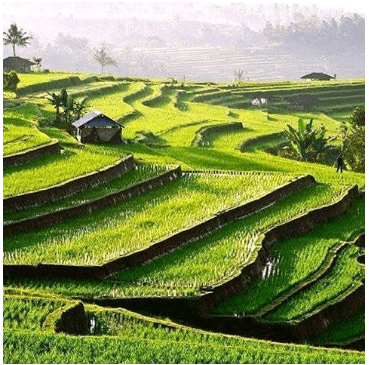
Step farming or terrace cultivation is practiced in hilly areas to decrease the flow of water down the slopes. Here, Uttarakhand is the only region with hills.

Terrace Cultivation

(iii) In which of the following states black soil is predominantly found?
(a) Uttar Pradesh
(b) Rajasthan
(c) Maharashtra
(d) Jharkhand
Ans: (c) Maharashtra

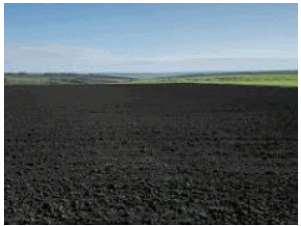
Black soil is found in Maharashtra, Saurashtra, Malwa, Madhya Pradesh and Chhattisgarh and extend in the south east direction along the Godavari and the Krishna valleys. 

Q2. Answer the following questions in about 30 words.

(i) Name three states having black soil and the crop which is mainly grown in it.
Ans: The three states are

  • Maharashtra
  • Madhya Pradesh
  • Gujarat

And the crop which is mainly grown on black soil is cotton.

Black Soil

(ii) What type of soil is found in the river deltas of the eastern coast? Give three main features of this type of soil.
Ans: Alluvial soil is formed in the river deltas of the eastern coast. Its main features are- 

  • Alluvial soil is rich in potassium and phosphoric acid and lime.
  • It has a high water retention capacity.
  • It is highly fertile soil.

Alluvial Soil

(iii) What steps can be taken to control soil erosion in the hilly areas?
Ans: Some steps that can be followed to prevent soil erosion in hilly areas include:

  1. Contour ploughing
  2. Terrace farming
  3. Strips cropping

Q3. Answer the following questions in about 120 words.

(i) Explain the land use pattern in India and why has the land under forest not increased much since 1960-61?
Ans: 
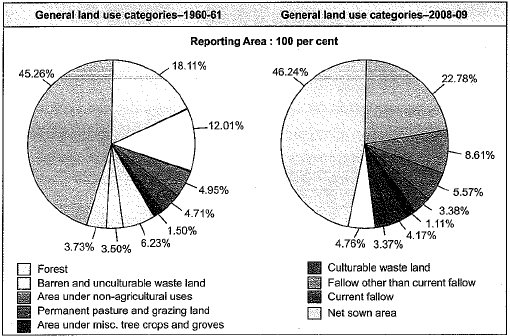
(a) The land use pattern in India in 1960-61 and 2008-09 is given in the figure given below:

Source: Directorate of Economics and Statistics, Ministry of Agriculture, 2008 – 09

(b) From above it is clear that in 2008-09, the main uses are as mentioned below:

  1. Net sown area – 46.24%
  2. Forest – 22.78%
  3. The rest is used for other purposes such as non-agricultural uses, tree crops, groves etc.

(c) The land under forest has shown only marginal increase (0.98%). This is due to increasing population, industrialization and urbanization.

(ii) How have technical and economic development led to more consumption of resources?

Ans:  (a) As technology improves with development, more resources are needed for production.
(b) According to Gandhi, the misuse of modern technology is a major cause of resource depletion worldwide.
(c) The advanced technology of colonial powers allowed them to exploit resources and dominate the countries they colonized.
(d) Resources only help in development if there is suitable technology and the right changes in institutions of the country. India went through these stages during colonization.
Example: In Punjab and Haryana, water resources are heavily used to increase irrigation and farming during dry seasons. This has led to a drop in water levels, causing problems for farmers.