08. Paper Boats Chapter short and Long Answer Questions

Short Answer Questions

Q1: What does the child do with their paper boats every day?
Ans: Every day, the child floats paper boats one by one down a running stream. This simple, joyful routine is a cherished part of their daily life, like a special ritual. The act of sending boats down the stream shows the child’s love for play and their excitement about where the boats might travel, sparking their sense of adventure.

Q2: Why does the child write their name and village on the boats?
Ans: The child writes their name and village in big black letters on the boats, hoping someone in a faraway “strange land” will find them and know who they are. This act is like sending a message, showing their curiosity about the world and desire to connect with others, making the boats a personal way to reach out.

Q3: What does the child put in the paper boats?
Ans: The child places shiuli flowers from the garden into the paper boats. These tiny, sweet-smelling flowers that bloom early in the morning are special, representing beauty and innocence. The child wishes that the stream will take the flowers safely to a distant place by night, spreading happiness to someone far away.

Q4: How does the child imagine the clouds in the sky?
Ans: The child imagines the clouds in the sky as little boats with “white bulging sails,” racing with their paper boats. They think an unseen “playmate” in the sky sends these clouds to join in a playful game, making the activity feel like a magical adventure connecting their boats with nature’s beauty.

Q5: What does the child dream about at night?
Ans: At night, the child dreams that their paper boats float on under the midnight stars, sailed by “fairies of sleep” carrying baskets full of dreams. This magical vision blends their real boats with a fantasy world, suggesting their hopes and imagination continue to travel, bringing wonder even in their sleep.Long Answer Questions

Q1: How does the child’s act of floating paper boats reflect their sense of adventure and hope?
Ans: The child’s habit of floating paper boats down the stream shows their adventurous spirit and hopeful heart. What seems like a simple game becomes a magical journey for the child. Each day, they carefully send off the boats, excited to imagine where the stream might take them. Writing their name and village on the boats shows their wish for someone in a faraway land to find them and feel a connection. By placing shiuli flowers inside, the child adds beauty and care, hoping these will reach someone and bring joy. The stream becomes a symbol of endless possibilities, carrying the child’s dreams into the unknown. Even at night, the child imagines the boats sailing under the stars, guided by fairies, showing how strong their hope and imagination are. This act shows that even small actions, like floating a paper boat, can hold big dreams, a deep sense of wonder, and a wish to connect with the wider world.

Q2: Why is the child’s use of shiuli flowers in the paper boats significant in the poem?
Ans: The child’s use of shiuli flowers in the paper boats is meaningful because it turns a simple game into a thoughtful and caring gesture. These flowers, small and sweet-smelling, bloom early in the morning and stand for beauty, freshness, and purity. By placing them gently in the boats, the child shows love and hope that someone far away might receive them. The flowers make the boats feel special, like little gifts from nature. This small act shows the child’s wish to share something beautiful and connect with others, even if they’ve never met. In the gentle, dreamy mood of the poem, the shiuli flowers add a feeling of kindness and wonder, reminding us that even simple actions can carry big hopes and dreams.

Q3: How does the child’s imagination connect their paper boats to the clouds in the sky?
Ans: The child’s imagination links their paper boats to the clouds by turning a simple game into a magical adventure between the earth and the sky. As they float the boats down the stream, they look up and see small white clouds with bulging shapes, which they imagine are boats sailing through the air. These clouds become like friendly companions, sent by a hidden playmate in the sky to join their boats in a cheerful race. This playful idea makes the clouds feel like part of the child’s game, connecting the stream below with the sky above. By imagining the clouds as boats with sails, the child adds a dreamy, fun feeling to the scene. This shows how their imagination helps them find beauty and excitement in everyday moments. It also fits with the poem’s message that even small actions, like floating paper boats, can feel magical when seen through the eyes of wonder and creativity.

Q4: What role do the child’s dreams play in the poem’s message about hope and connection?
Ans: The child’s dreams in the final stanza highlight the poem’s message of hope and connection by showing how their simple paper boats take on a magical life of their own. As night comes, the child falls asleep and dreams that the boats keep floating under the stars, now sailed by “fairies of sleep” who carry baskets full of dreams. This dream turns the boats into messengers of imagination, spreading joy and wonder far beyond the stream. The fairies and their dream-baskets show that the child’s hopes continue even in sleep, suggesting that their small act of floating boats can reach others in special, unseen ways. This mix of reality and fantasy shows the child’s deep belief that their boats matter, even if they don’t see where they go. It supports the poem’s message that imagination and small actions can have a big, lasting impact, encouraging readers to value their dreams and the power of simple, hopeful gestures.

Q5: What lessons about childhood imagination can we learn from the child’s actions in the poem?
Ans: The child’s actions in the poem show how powerful childhood imagination can be in finding happiness, building connections, and spreading hope through simple things. By sending paper boats down a stream each day, the child turns a small activity into an exciting adventure, writing their name and village in hopes that someone far away might see it. Adding shiuli flowers to the boats shows their wish to share something beautiful. When the child sees clouds in the sky as boats with “white bulging sails,” they imagine a fun race with a hidden friend above, blending nature with play. At night, the child dreams that fairies are sailing the boats under the stars, carrying dreams to far-off places. These small, thoughtful actions show the wonder and curiosity of childhood, where even tiny boats carry big hopes. The poem reminds us to keep that childlike spirit alive — finding joy in simple moments, using our imagination, and believing that our small efforts can bring people together and make a difference.

07. My Brother’s Great Invention Chapter short and Long Answer Questions

Short Answer Questions

Q1: Why was Anita’s father soaked at the doorstep?
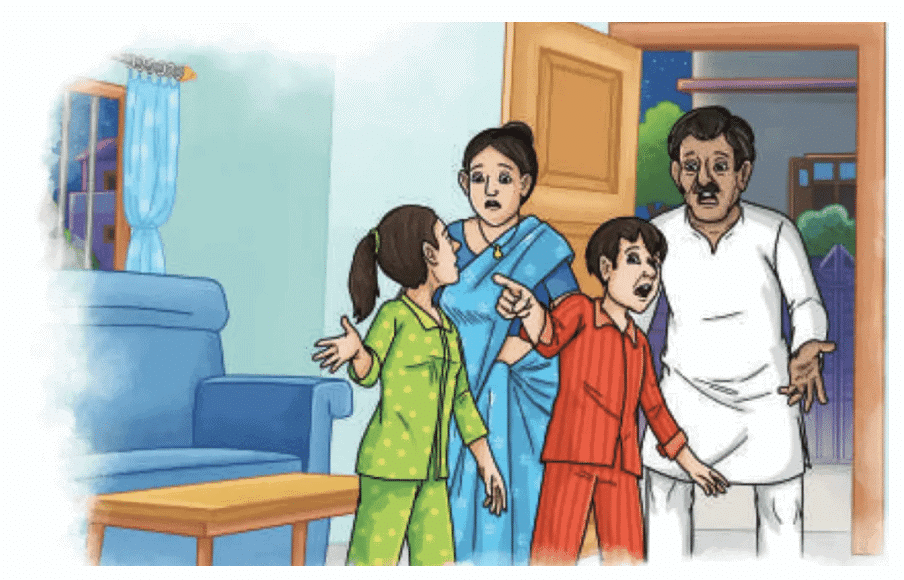
Ans: Anita’s father was soaked because Anand’s burglar alarm, designed to drop a bag of water on a thief when the door opened, accidentally targeted him. Due to recent thefts in the neighbourhood, Anand had rigged the alarm, but it couldn’t distinguish between a thief and a family member, leading to the funny mishap that left their father furious and dripping wet.

Q2: What inspired Anand to build a time machine?
Ans: Anand was inspired to build a time machine after watching the movie Back to the Future. Excited by the idea of time travel, he turned his room into a chaotic lab with wires and bulbs, despite his parents’ attempts to stop him by locking the toolbox and guarding appliances. His passion for inventing drove him to create this ambitious gadget.

Q3: What happened to Boppa in Anand’s room?
Ans: Boppa, the intruder, entered Anand’s room, where the time machine was. Strange crashes, humming, and eerie sounds followed. When neighbours arrived, they found only Boppa’s green scarf on the floor, with no sign of him. Anand believed the time machine sent Boppa back in time, though adults thought he escaped, leaving the outcome mysterious.

Q4: What did Anand work on after the time machine was dismantled?
Ans: After his father dismantled the time machine, Anand moved on to a new project: building a device to contact aliens. Convinced his time machine had worked, he remained undeterred by the setback and quickly channeled his creative energy into another imaginative invention, showing his relentless passion for experimenting.Long Answer Questions

Q1: How does Anand’s burglar alarm reflect his creative spirit, and what problems does it cause?
Ans: Anand’s burglar alarm reflects his creative spirit by showcasing his ability to invent gadgets from simple materials, driven by a desire to solve real problems like neighbourhood thefts. As a 13-year-old who sees himself as a scientist, he designs the alarm to drop a bag of water on a thief when the door opens, demonstrating his imaginative problem-solving and enthusiasm for tinkering. However, the invention’s flaw—it cannot distinguish between a thief and a family member—causes a humorous disaster when it soaks his father, leaving him sopping wet and furious at the doorstep. This mishap embarrasses Anand and Anita, who whisper about the failed gadget, and frustrates their mother, who quickly identifies Anand as the culprit. The incident temporarily halts Anand’s inventing for a week, highlighting the risks of his experiments going awry. Despite the trouble, the alarm’s failure underscores Anand’s bold creativity, as he learns from mistakes and moves on to new projects, aligning with the story’s moral that imagination is valuable even when plans don’t work out perfectly.

Q2: Why does Anand’s time machine experiment cause tension in the family, and how does it lead to the burglary incident?
Ans: Anand’s time machine experiment causes tension in the family because his parents view it as a dangerous and impractical project, fearing it could lead to more trouble like his previous inventions. Inspired by Back to the Future, Anand’s determination to build the machine turns his room into a chaotic lab of wires and bulbs, ignoring his parents’ attempts to stop him by locking the toolbox and guarding appliances. Their scepticism and efforts to control his tinkering create friction, as Anand persists despite their disapproval. His mother eventually convinces his father to at least look at the machine, showing a mix of indulgence and concern. This tension indirectly leads to the burglary incident, as Anand’s parents agree to let him and Anita stay home alone one night, possibly to avoid further arguments about his projects. That night, Boppa, a rough-looking sweeper, breaks in, and Anand directs him to the time machine’s room, resulting in mysterious noises and Boppa’s disappearance. The experiment’s fallout—both the family’s unease and the burglary—highlights Anand’s bold creativity and the unexpected consequences of his inventions, reinforcing the story’s theme of imagination’s risks and rewards.

Q3: How does Anand’s quick thinking during the burglary show his resourcefulness, and what is the outcome?
Ans: Anand’s quick thinking during the burglary shows how resourceful he is by using his time machine to trick the intruder, Boppa, and possibly protect his family. When Anita hears strange noises and wakes Anand, they find Boppa holding a stick and asking where their father’s room is. Instead of panicking, Anand smartly sends Boppa to his own room, where the time machine is, instead of the real room. This quick decision keeps his family safe and uses his invention in a critical moment. Soon, strange sounds come from the room, and when the neighbours arrive, they only find Boppa’s green scarf, with no sign of him. Anand believes the time machine sent Boppa back in time, but the adults think he just ran away. The strange outcome—Boppa’s disappearance and the machine still humming—makes it seem like Anand’s invention worked. This moment highlights the story’s lesson that creativity, even if not perfect, can lead to surprising solutions and proves Anand is a clever inventor, even though his projects often cause trouble.

Q4: Why is the mystery of Boppa’s disappearance important to the story’s humour and excitement?
Ans: The mystery of Boppa’s disappearance adds both humour and excitement to the story by blending Anand’s quirky invention with an unexpected, thrilling twist that keeps readers engaged. When Boppa, the rough-looking intruder, enters Anand’s room with the time machine, the ensuing crashes, humming, and eerie sounds create a tense, suspenseful atmosphere. The discovery of only Boppa’s green scarf, with no sign of him, deepens the mystery—did the time machine really send him back in time, as Anand believes, or did he escape, as the adults think? This uncertainty fuels the humour, as Anand’s firm belief in his machine’s success contrasts with the adults’ scepticism, highlighting the funny image of a young inventor convinced of his own genius. The excitement comes from the unexpected shift from a dangerous burglary to the wild idea of time travel, amplified by the chaotic noises and the neighbours’ frantic arrival. This mysterious turn of events heightens the story’s playful tone, showcasing Anand’s creative spirit and making the story memorable, while reinforcing the moral that imagination, even when uncertain, can lead to surprising outcomes.

Q5: What lessons about creativity and mistakes can we learn from Anand’s inventions in the story?
Ans: Anand’s inventions in the story offer valuable lessons about the power of creativity and the importance of learning from mistakes. His burglar alarm, which accidentally soaks his father, and his time machine, which might have sent an intruder back in time, showcase his vivid imagination and his eagerness to solve problems like theft prevention and time travel. Even though his alarm fails and the time machine causes chaos, Anand’s decision to quickly start a new project—contacting aliens—shows that mistakes don’t stop his creative drive. The humour of his father getting soaked and the mystery of Boppa’s disappearance highlight how errors can lead to unexpected outcomes, such as outsmarting a burglar. The story suggests that creativity is valuable, even when plans don’t work out, as Anand’s quick thinking during the burglary demonstrates resourcefulness born from his inventive nature. The moral encourages embracing new ideas and viewing mistakes as opportunities for growth rather than failures. Anand’s adventures inspire readers to experiment fearlessly, learn from setbacks, and enjoy the unpredictable outcomes of imagination, knowing that even imperfect inventions can lead to surprising solutions.

06. Say the Right Thing Chapter short and Long Answer Questions

Short Answer Questions

Q1: Why does Mrs. Shaw want the house to be tidy for the guests?
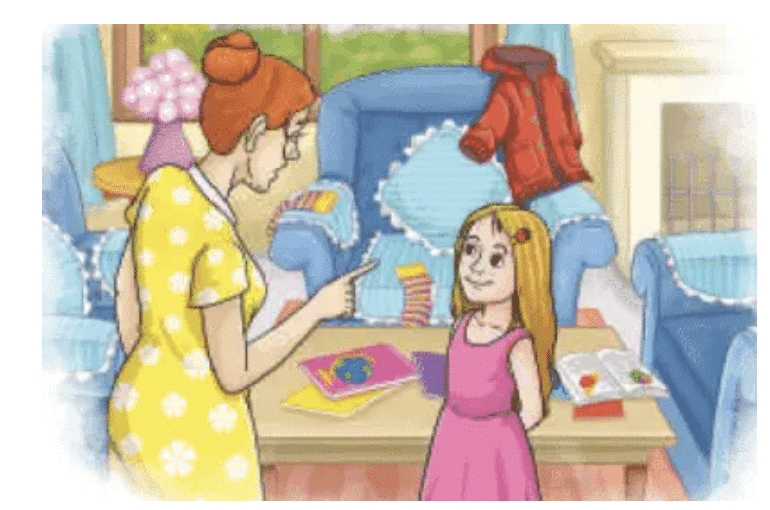
Ans: Mrs. Shaw wants the house to be tidy to make a good impression on Mrs. Harding and Mrs. Lee. She asks Mary to put away a coat to keep the room neat, as Mrs. Harding is the wife of a wealthy man, and Mrs. Shaw hopes to become friends with her. A tidy house shows respect and helps create a welcoming atmosphere for the visit.

Q2: What advice does Mrs. Shaw give Mary about talking to guests?
Ans: Mrs. Shaw advises Mary to be kind, say things that make people happy, laugh to keep the mood light, and start conversations if it’s quiet. She also tells Mary to ask guests to stay longer when they want to leave, using phrases like “Must you go? Can’t you stay?” This advice is meant to help Mary be polite and make the guests feel welcome.

Q3: What mistake does Mary make about Mrs. Harding’s children?
Ans: Mary mistakenly compliments Mrs. Harding’s “beautiful children,” saying she saw them on the road. However, Mrs. Harding, looking upset, says she has no children. Mary insists she saw a boy and a girl, making the situation awkward and embarrassing, as her assumption is wrong and upsets Mrs. Harding during the visit.

Q4: How does Mary insult the guests’ hobbies?
Ans: Mary insults the guests’ hobbies by mocking horse riding and shooting, unaware that the Harding family moved to Lanfield for these activities. She also criticises dogs, not knowing Mrs. Harding owns the dog she dislikes. These comments, meant to be casual, offend Mrs. Harding and Mrs. Lee, making the visit uncomfortable and showing Mary’s lack of care in speaking.

Q5: What does Mary say when the guests try to leave?
Ans: When Mrs. Harding and Mrs. Lee prepare to leave, Mary forgets her mother’s advice to politely ask them to stay longer. Instead, she says, “Oh, must you stay? Can’t you go?” This rude remark, the opposite of what she was taught, shocks the guests and ends the visit awkwardly, highlighting her failure to speak thoughtfully.

Long Answer Questions

Q1: How does Mrs. Shaw prepare Mary for the guests’ visit, and why is she hesitant to let her stay?
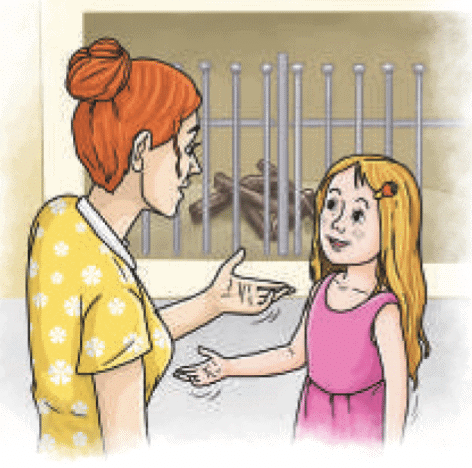
Ans: Mrs. Shaw prepares Mary for the guests’ visit by teaching her how to be polite and make the guests feel welcome, but she is hesitant because she fears Mary might say the wrong things. She explains that Mrs. Harding is the wife of a wealthy man and Mrs. Lee is his sister, emphasising the importance of making a good impression to build a friendship. Mrs. Shaw instructs Mary to be kind, say things that make people happy, laugh to keep the mood light, start conversations during silences, and ask guests to stay longer with phrases like “Must you go? Can’t you stay?” She also asks Mary to tidy the house, like putting away a coat, to show respect. However, Mrs. Shaw hesitates to let Mary stay because she worries Mary’s tendency to speak without thinking could embarrass them or offend the guests, ruining her chance to connect with Mrs. Harding. Despite Mary’s confidence in her polite phrases like “Good afternoon,” Mrs. Shaw’s caution proves correct when Mary’s blunders upset the guests, highlighting the importance of careful speech in social settings.

Q2: What mistakes does Mary make during the guests’ visit that upset Mrs. Harding and Mrs. Lee?
Ans: Mary makes many mistakes during the guests’ visit, which upset Mrs. Harding and Mrs. Lee and turn the meeting into an uncomfortable mess. First, she compliments Mrs. Harding on her “beautiful children,” not knowing she has none, and insists she saw them, which embarrasses Mrs. Harding. Then, she makes fun of bankers without realising Mrs. Harding’s brother is one, offending her even more. While trying to fix things, Mary ends up insulting their clothes, criticising habits like staying in bed or calling doctors—things the guests themselves do—and saying that women talk too much, only to find out she’s talking about their family. She also complains about dogs, not knowing Mrs. Harding owns the one she dislikes, and makes fun of horse riding and shooting, which the Harding family enjoys. At the end, instead of politely asking them to stay, Mary blurts out, “Oh, must you stay? Can’t you go?” These mistakes happen because Mary doesn’t speak carefully, ignoring her mother’s advice to be kind and thoughtful. Her careless words hurt the guests and teach the lesson that we should think before we speak.

Q3: How does Mary’s final comment to the guests show her failure to follow her mother’s advice?
Ans: Mary’s final comment to the guests, “Oh, must you stay? Can’t you go?” clearly shows that she has not followed her mother’s advice. Instead of being polite and making the guests feel welcome, she says something rude that makes the situation worse. Her mother, Mrs. Shaw, had told her to be kind and use warm words like “Must you go? Can’t you stay?” to show good manners and hospitality. But Mary, feeling embarrassed by all the earlier mistakes she made, says the opposite, as if she wants the guests to leave quickly. This shocks Mrs. Harding and Mrs. Lee, who are already upset because Mary has unknowingly insulted their family, habits, and interests. Her final words make the visit end badly and show that she wasn’t careful with her speech. This moment teaches the main lesson of the play—that we must think before we speak, and always be kind and respectful to others to avoid hurting their feelings.

Q4: Why do Mary’s mistakes during the visit create humour in the play?
Ans: Mary’s mistakes during the visit create humour in the play by being unexpected and clashing with her confident attitude and her mother’s careful guidance. At first, Mary proudly claims she knows how to be polite, using phrases like “Good afternoon,” but things quickly go wrong. She accidentally praises Mrs. Harding’s imaginary children, criticises bankers without knowing Mrs. Harding’s brother is one, and makes fun of things the guests care about—like their clothes, habits, and hobbies. These innocent but awkward comments pile up, making the visit more and more uncomfortable for the guests, which is funny for the audience. The humour increases when Mary complains about a dog, only to find out it belongs to Mrs. Harding, and mocks horse riding and shooting, which the Harding family actually enjoys. The most comical moment comes when she says, “Oh, must you stay? Can’t you go?”—a complete mix-up of the polite phrase her mother told her to say. Mary’s series of well-meaning but badly timed mistakes makes the scene both funny and meaningful, showing that kind words must also be spoken thoughtfully.

Q5: What lessons about polite conversation can we learn from Mary’s mistakes in the play?
Ans: Mary’s mistakes in the play teach us that polite conversation means more than just using nice words—it requires thinking before speaking and being kind and respectful. She makes several careless comments, like saying Mrs. Harding has children (when she doesn’t), insulting bankers (not knowing Mrs. Harding’s brother is one), and mocking hobbies the guests enjoy. These mistakes show how wrong assumptions or careless jokes can upset others, even if we don’t mean to hurt them. Mary forgets her mother’s advice—to speak in a way that makes people happy—and instead makes the visit awkward. Her biggest mistake comes at the end when she mixes up a polite phrase and says, “Must you stay? Can’t you go?”—which sounds rude instead of welcoming. Through humour, the play reminds us that being polite takes effort. We should think about how our words might affect others and try to speak with care and kindness in social situations.

05. A Funny Man Chapter short and Long Answer Questions

Short Answer Questions

Q1: What does the funny man wear on his head and feet?
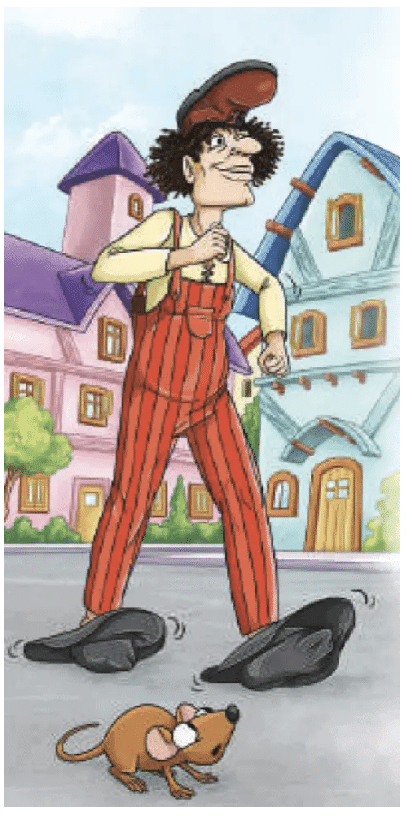
Ans: The funny man puts a shoe on his head and hats on his feet, making him look very strange. This unusual outfit catches the poet’s attention as he walks down the street. It shows he likes to be different and doesn’t follow the usual rules.

Q2: How does the funny man greet the poet politely?
Ans: The funny man greets the poet politely by raising the shoe on his head, as if tipping a hat, and smiling at her. Even though he looks odd, he is kind and respectful, which surprises the poet. The mix of his polite action and strange appearance adds humour and makes the moment funny.

Q3: What does the funny man offer the poet instead of a rose?
Ans: Instead of a rose, the funny man offers the poet a currant bun, holding it to her nose like a flower. He jokingly calls the bun a rose, surprising her with his playful humor. This silly act shows how much he enjoys fun and surprising others, making the moment feel light-hearted.

Q4: How does the poet react to the currant bun?
Ans: The poet reacts to the currant bun by staggering back against the wall in surprise. She then cleverly responds, saying she’s never seen a “rose” with such a “funny looking smell.” By playing along with the man’s joke, she shows her amusement and quick wit, enjoying the silly interaction with him.

Q5: What does the funny man do when asked about his hats?
Ans: When the poet asks why he wears hats on his feet, the funny man doesn’t answer directly. Instead, he turns around and hops home on his head, a ridiculous and funny action. This unexpected response adds to his quirky character, showing his playful nature and leaving the poet with a sense of delight.

Long Answer Questions

Q1: How does the funny man’s appearance and actions create a humorous tone in the poem?
Ans: The funny man’s appearance and actions make the poem funny because they are so silly and break the usual rules of behaviour. From the beginning, his choice to wear a shoe on his head and hats on his feet is a funny twist on normal clothing, catching attention and creating a playful feeling. His polite gesture of raising the shoe to greet the poet adds to the humour, mixing respect with silliness. Offering a currant bun as a “rose” and holding it up to the poet’s nose is a surprise, mixing the idea of a flower with bread. His actions get even sillier when he sits on the ground to sing a song with a “funny feeling sound” and later hops home on his head. These funny behaviours, described with playful words like “funny sounding sight” and “funny looking smell,” keep the tone light and fun. The poet’s reactions, like staggering back and joking about the bun, add to the humour, making readers laugh at the man’s playful imagination.

Q2: Why does the poet find the funny man’s behaviour surprising, and how does she respond to it?
Ans: The poet is surprised by the funny man’s behaviour because it breaks all expectations of normal behaviour, mixing politeness with ridiculous actions. His appearance—wearing a shoe on his head and hats on his feet—shocks her and is unlike anything she has ever seen, described as a “funny sounding sight.” Despite this, his polite manners, like raising his shoe and smiling, stand in contrast, catching her off guard. When he offers her a currant bun as a “rose,” holding it to her nose, it’s another unexpected twist, as she was expecting a flower but gets bread instead. His singing on the ground and hopping home on his head leave her even more surprised by his randomness. The poet responds with a mix of surprise and playfulness, staggering back when given the bun and joking that she’s never smelled a “rose” quite like that. Her curiosity about his hats and his absurd answer—hopping on his head—delighted her. She enjoys his silliness and adds her own humour, making the interaction fun and reinforcing the poem’s playful tone.

Q3: How does the funny man’s interaction with the poet show his playful personality?
Ans: The funny man’s interaction with the poet shows his playful personality through his silly actions and humorous gestures that focus on fun rather than following rules. He greets her politely by raising the shoe on his head and smiling, mixing respect with absurdity in a way that makes her laugh. Calling her “Your Highness” and offering a “rose” that turns out to be a currant bun held to her nose shows his love for surprising others with playful twists, turning a formal gesture into something quirky. His exaggerated politeness and unusual gift highlight his desire to entertain. When he sits on the ground to sing a song with a “funny feeling sound,” he shows he’s carefree and doesn’t care about what others think. When asked about his hats, he gives a silly answer and hops home on his head, sealing his playful character. Each of his actions is meant to entertain and bring joy, reflecting a personality full of imagination and happiness, inviting the poet and readers to join in his fun world.

Q4: What role does the poet’s clever response to the currant bun play in the poem’s humour?
Ans: The poet’s clever response to the currant bun adds to the poem’s humour by showing her quick wit and keeping the playful exchange going. When the funny man offers the bun as a “rose” and holds it to her nose, she’s initially shocked but doesn’t reject his odd gesture. Instead, she humorously comments that she’s never seen a “rose” with such a “funny looking smell.” This clever reply plays along with his joke, blending senses by mentioning a smell that can’t be “seen.” Her playful language mirrors the man’s quirky style, creating a shared moment of fun. The poet’s response shows she’s open to his imaginative world, making the interaction a two-way exchange of humour. By matching his absurdity with her own wit, the poet enhances the comedic effect and invites readers to enjoy the light-hearted banter, reinforcing the poem’s message to embrace life’s playful moments.

Q5: What lessons about imagination and joy can we learn from the funny man’s actions in the poem?
Ans: The funny man’s actions in the poem teach important lessons about embracing creativity and finding joy in being different. His choice to wear a shoe on his head and hats on his feet shows he’s not afraid to break the rules, encouraging readers to express themselves in unique ways. His playful acts, like offering a currant bun as a “rose” and hopping home on his head, show that imagination can turn ordinary moments into fun surprises that make people smile, as seen in the poet’s amused reactions. Singing a song on the ground and calling the poet “Your Highness” reflects his carefree attitude, suggesting that true happiness comes from not taking life too seriously. The funny man’s ability to make the poet laugh with his silliness shows how imaginative actions can spread joy. The poem’s message—that it’s okay to be different and have fun—encourages readers to embrace their own quirky ideas and share the joy with others. By celebrating the man’s whimsical behaviour, the poem inspires us to use imagination to bring lightness into life and to approach the world with a playful, open spirit.

04. Animals, Birds, and Dr. Dolittle Chapter short and Long Answer Questions

Short Answer Questions
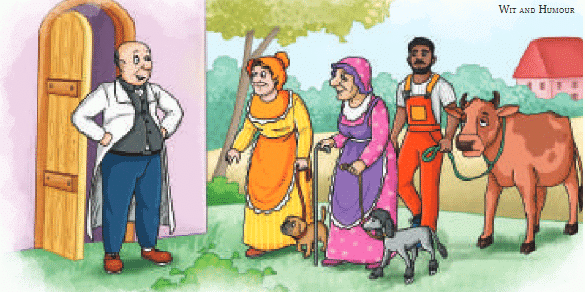
Q1: Why does the Cat’s-food-Man suggest Dolittle become an animal doctor?
Ans: The Cat’s-food-Man suggests Dolittle become an animal doctor because he believes Dolittle knows a lot about animals and would be great at treating them. While visiting Dolittle with a stomach ache, he notices Dolittle’s love for animals and thinks animals would appreciate his care more than people do. This idea excites Dolittle and starts his journey to change his career.

Q2: How does Polynesia help Dolittle learn animal languages?
Ans: Polynesia, the parrot, helps Dolittle learn animal languages by teaching him the basics of bird speech on a rainy afternoon. She explains how animals communicate using their ears, tails, feet, and noses. With her guidance and Dolittle’s practice, he learns to understand and speak to animals fluently, enabling him to become an animal doctor who can communicate with his patients.

Q3: What problem does the plough horse have, and how does Dolittle solve it?
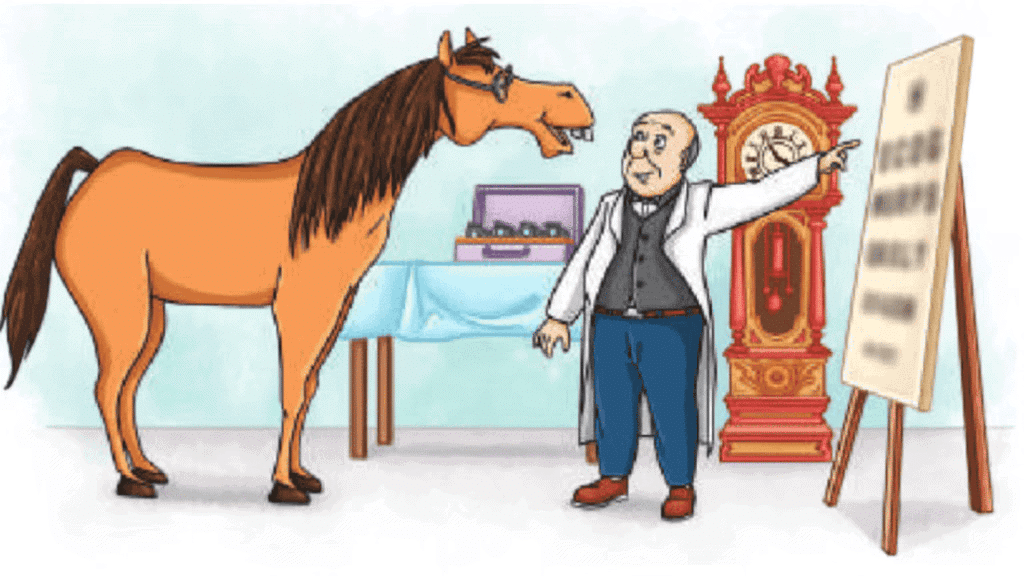
Ans: The plough horse complains that he is going blind in one eye, which the local vet cannot understand. Dolittle listens carefully and diagnoses the problem. Instead of medicine, he prescribes green spectacles for the horse. This solution helps the horse see better and work comfortably again, showing Dolittle’s ability to understand and solve animal problems effectively.

Q4: How does Dolittle manage the large number of animals visiting him?
Ans: To manage the large number of animals visiting him, Dolittle builds special labelled doors and tunnels for different animals, like mice, badgers, and bats. This organises the crowd in his garden, making it easier for animals to reach him. His creative solution ensures he can help many animals efficiently as his reputation grows.

Q5: Why do animals worldwide know about Doctor Dolittle?
Ans: Animals worldwide know about Doctor Dolittle because birds spread the news of his ability to talk to and help animals across countries. As his reputation grows, more animals, from pets to farm animals, visit him for treatment. His success in curing animals like the plough horse makes him famous, and in a few years, he is well-known among creatures globally.

Long Answer Questions

Q1: How does the suggestion from the Cat’s-food-Man and Polynesia change Doctor Dolittle’s life?
Ans: The suggestion from the Cat’s-food-Man and Polynesia transforms Doctor Dolittle’s life by inspiring him to shift from being a people’s doctor to an animal doctor. Initially, Dolittle treats humans, but the Cat’s-food-Man, impressed by Dolittle’s knowledge of animals, suggests he focus on them instead, believing animals would value his care. Polynesia, the parrot, supports this idea and reveals that animals have their own languages, which she teaches Dolittle to understand. Excited by this new possibility, Dolittle learns bird speech and other animal communication methods, becoming fluent with Polynesia’s guidance. This change allows him to diagnose and treat animals effectively, like prescribing spectacles for a plough horse. His success attracts animals from far and wide, making him famous among creatures globally. By embracing this new path, Dolittle finds contentment in a life dedicated to understanding and helping animals, showing how openness to new ideas can lead to a fulfilling career and widespread impact.

Q2: What role does Polynesia play in helping Dolittle become a successful animal doctor?
Ans: Polynesia, the parrot, plays a crucial role in Doctor Dolittle’s transformation into a successful animal doctor by sparking the idea and teaching him animal languages. Overhearing the Cat’s-food-Man’s suggestion, she encourages Dolittle to treat animals, assuring him they would appreciate his care more than humans. She reveals the secret that animals have their own languages, exciting Dolittle with the possibility of learning them. That rainy afternoon, Polynesia begins teaching him bird speech and explains how animals communicate through movements like twitching ears or tails. Her patient guidance helps Dolittle become fluent in animal languages, enabling him to understand their needs directly, such as diagnosing a plough horse’s blindness. This skill set sets him apart from other veterinarians and builds his reputation as animals spread the word. Polynesia’s wisdom and teaching not only inspire Dolittle’s career change but also equip him with the tools to connect with animals, leading to his global fame and a life of meaningful work helping creatures big and small.

Q3: How does Dolittle’s ability to talk to animals make him different from other veterinarians?
Ans: Dolittle’s ability to talk to animals sets him apart from other veterinarians because he can understand their issues directly, leading to accurate diagnoses and effective treatments. While typical vets rely on observation or guesswork, Dolittle learns animal languages from Polynesia, allowing him to communicate through sounds, ear movements, tail flicks, and more. This skill lets him hear animals’ concerns, like the plough horse who explains his blindness, a condition the local vet missed. By prescribing green spectacles instead of medicine, Dolittle solves the horse’s problem, demonstrating his unique approach. His ability to communicate builds trust with animals, drawing pets, farm animals, and even wild creatures to his garden. As birds spread the word, his fame grows globally, unlike other vets who are limited by their inability to understand animal speech. Dolittle’s fluency creates a deeper connection with his patients, making his practice both innovative and impactful, and highlighting the story’s message of caring for animals.

Q4: Why is Dolittle’s solution for the plough horse important to his success as an animal doctor?
Ans: Dolittle’s solution for the plough horse is crucial to his success as an animal doctor because it shows his exceptional ability to understand and meet animals’ needs, which helps build his reputation. The horse, struggling with blindness in one eye, is overlooked by the local vet, but Dolittle listens to the animal’s concerns using his unique skill of animal language. Instead of offering traditional medicine, he creatively provides green spectacles, allowing the horse to see and work properly again. This innovative solution highlights Dolittle’s ability to diagnose and treat animals accurately by communicating with them, setting him apart from other veterinarians. The horse’s recovery spreads word of Dolittle’s skills, attracting more animals—pets and wild creatures alike—to his practice. As his garden fills with animals, birds carry his fame worldwide, solidifying his status as a renowned animal doctor. This success story demonstrates his kindness, creativity, and problem-solving abilities, reinforcing the story’s message that understanding animals leads to meaningful results. The plough horse case marks a turning point, showing that Dolittle’s approach works and earning him trust from animals across the world.

Q5: What lessons about kindness and understanding can we learn from Doctor Dolittle’s story?
Ans: Doctor Dolittle’s story teaches valuable lessons about kindness and understanding, especially toward animals. His openness to new ideas, like listening to the Cat’s-food-Man and Polynesia, leads him to learn animal languages and become an animal doctor. This ability to communicate with animals, like the plough horse, helps him meet their needs, such as prescribing spectacles for blindness. Dolittle’s kindness toward all creatures, from mice to cows, creates a world of happy animals and earns him worldwide fame. The story highlights that listening patiently and respecting others’ perspectives—whether human or animal—fosters meaningful connections and solutions. Dolittle’s care for his animal patients, like building labelled doors and tunnels for their comfort, reflects his deep empathy. The moral encourages us to show kindness to all creatures and be open to learning from others, as these qualities can lead to happiness and success. By valuing animals as beings with their own voices, Dolittle inspires us to approach life with empathy and understanding.

03. Three Days to see Chapter short and Long Answer Questions

Short Answer Questions

Q1: How does Helen Keller enjoy nature without sight?
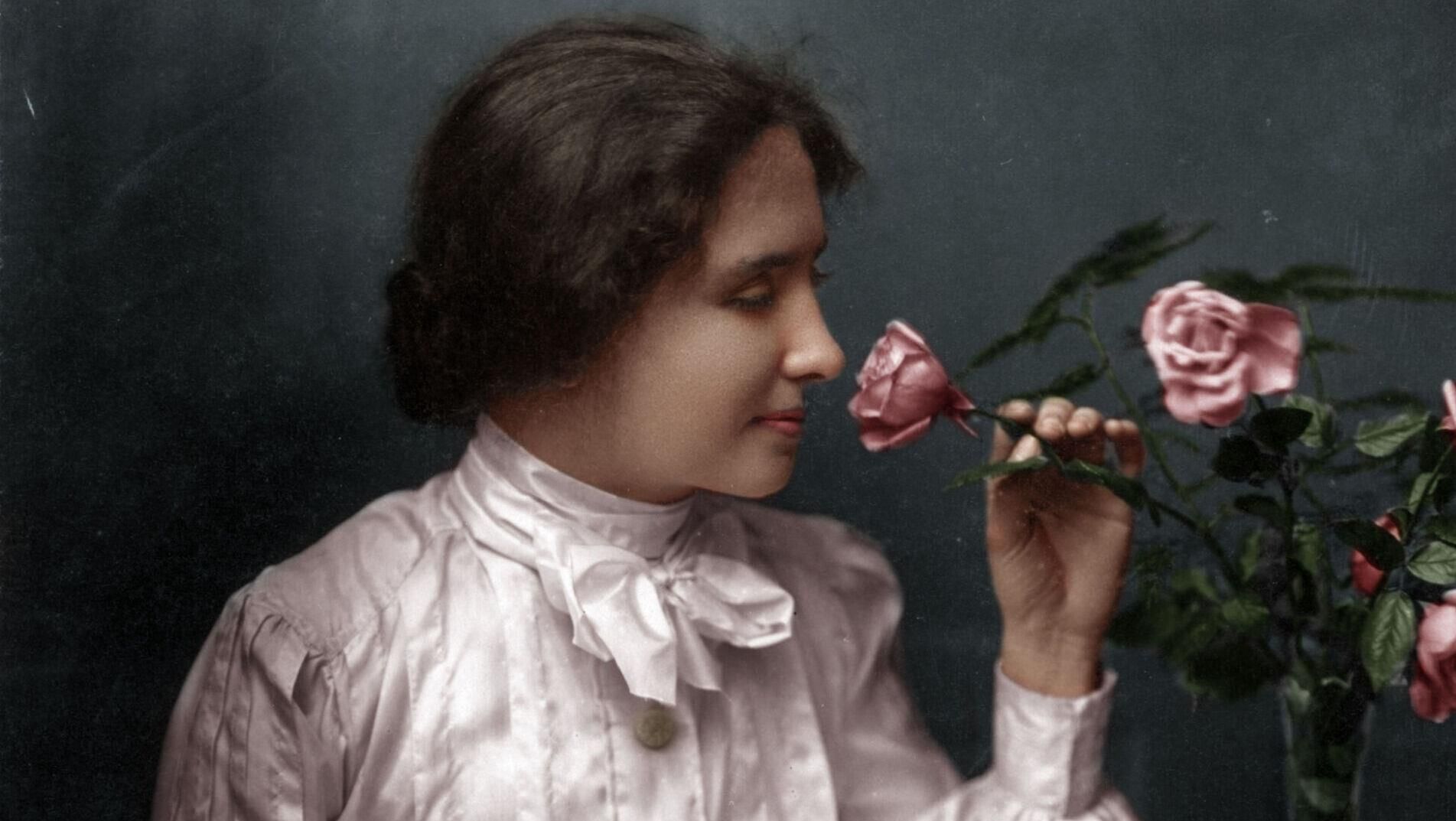
Ans: Helen Keller enjoys nature by touching things. She feels the shape of a leaf, the smooth bark of a tree, or the rough surface of a pine. In spring, she touches tree branches to find buds, sensing nature waking up. She also feels a bird quivering with song on a branch, which brings her joy. These tactile experiences allow her to connect with the natural world despite being blind.

Q2: What does Helen want to see on the first day of sight?
Ans: On the first day, Helen wants to see the people who have made her life special through kindness and friendship. She wishes to look into their eyes, which she calls the “window of the soul,” to understand their true feelings. Since she knows her friends by touching their faces, seeing them would deepen her appreciation of their importance in her life.

Q3: Why does Helen plan to visit museums on the second day?
Ans: Helen plans to visit museums on the second day to learn about the world’s past and present. She wants to see models of ancient animals like dinosaurs and understand how humans have grown smarter over time. Museums offer a condensed view of history, allowing her to explore the beauty and knowledge of life’s evolution through sight.

Q4: What does Helen observe in the city on the third day?
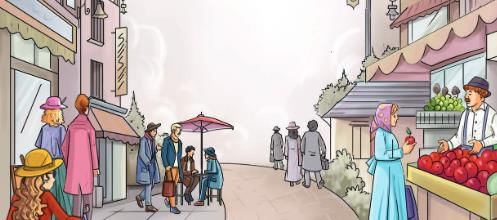
Ans: On the third day, Helen observes people in a busy city, standing at a street corner to watch their faces. She looks for smiles, serious expressions, or signs of sadness. She feels happy seeing smiles, proud of hardworking people, and kind toward those struggling, aiming to understand and connect with the daily lives of ordinary people.

Q5: What advice does Helen give to people who can see?
Ans: Helen advises people who can see to use their eyes as if they might lose their sight tomorrow. She encourages them to look at the world with wonder, noticing its beauty. She also suggests fully using other senses—listening to music, touching things, smelling flowers, and tasting food—to find happiness and appreciate life’s joys.

Long Answer Questions

Q1: How does Helen Keller describe her connection to nature through touch, and why does she long for sight?
Ans: Helen Keller describes her deep connection to nature through the sense of touch, finding joy and intimacy in it, even though she is blind. She feels the symmetry of leaves, the smoothness of tree bark, and the roughness of pine, allowing her to experience the world’s beauty. In the spring, she touches branches to discover budding leaves, sensing nature’s revival after winter. The movement of a bird singing on a branch fills her with happiness, connecting her to the liveliness of the world. While these tactile experiences are precious, she longs for sight, believing it would reveal even more, like colors and light, that touch cannot convey. She imagines how sight would allow her to fully witness the grandeur of nature, such as the beauty of a sunrise. This longing highlights her desire to experience the world more completely while appreciating the sensory experiences she already has. Her message encourages valuing all senses, as sight would only deepen her already rich connection to nature.

Q2: Why does Helen Keller focus on people during her imagined first and third days of sight?
Ans: Helen Keller emphasises people during her first and third days of sight because human connections play a central role in her understanding of the world. On her first day, she is eager to see her loved ones, whose presence has been a source of happiness and support. Having known them through touch, she now wants to look into their eyes—the “window of the soul”—to understand their emotions more deeply, strengthening her bond with them. On the third day, she turns her attention to strangers in a busy city, studying their faces to sense their emotions—whether joy, seriousness, or sadness. This observation allows her to connect with the lives of everyday people, sharing in their experiences. By focusing on both loved ones and strangers, Keller seeks to understand the emotional depth that sight can reveal, something touch alone cannot convey. Her emphasis on people reflects her belief that human experiences are profound and that sight can enhance her empathy and connections with others. This focus reinforces her message of appreciating life’s full spectrum, including the relationships that make it meaningful.


Q3: How does Helen Keller’s plan for the second day reflect her curiosity about the world?
Ans: Helen Keller’s plan for her second day shows her deep curiosity about the world by focusing on nature and human history. She begins by watching a sunrise, excited to see how night turns into day with bright light, revealing the earth’s beauty. This shows her desire to experience the visual wonders of nature that touch can’t capture. She also plans to visit museums to learn about the past, seeing models of ancient animals like mastodons and dinosaurs, and exploring how humans have progressed over time. Museums give her a way to understand life’s history and growth in a small, exciting form. Her choices show a strong desire to learn about both nature and human achievements, things she could only understand through touch before. By focusing on these experiences, she shows how much she wants to discover and appreciate the world. This plan encourages readers to be curious and value all the senses.

Q4: What does Helen Keller’s third day reveal about her empathy for others?
Ans: Helen Keller’s third day shows her deep empathy for others through her desire to connect with people in a busy city. Standing on a street corner, she watches their faces, noticing smiles, serious looks, or sadness. She feels happiness when they are happy, pride when they work hard, and kindness toward those who are struggling, showing her ability to share in their emotions. By observing strangers, she wants to understand the lives of people she doesn’t know, extending her compassion beyond her close circle. Her blindness has made her value human experiences through touch, but she believes sight would allow her to understand their emotions even better, creating a stronger connection. Her empathy is also shown in her advice to others, encouraging them to appreciate their senses and be kind to those without sight or hearing. By focusing on people’s expressions, she demonstrates a desire to relate to humanity’s joys and challenges, reinforcing her message to live with gratitude and compassion for everyone.

Q5: What lessons does Helen Keller’s essay teach about appreciating life and senses?
Ans: Helen Keller’s essay teaches valuable lessons about appreciating life and our senses, encouraging readers to value what they often take for granted. Through her imagined three days of sight, she shows that even small things—a leaf’s shape, a friend’s eyes, or a stranger’s smile—are full of wonder. Her joy in experiencing nature through touch, like feeling a bird’s quiver, emphasizes how our senses enrich life, but she also sees sight as the most amazing sense and urges readers to use it fully. By planning to see her loved ones, nature, history, and everyday life, she shows that every moment holds beauty worth cherishing. Her advice to live as if we might lose our senses tomorrow encourages gratitude and mindfulness, inspiring people to truly appreciate music, objects, flowers, and food. She also encourages empathy, advising kindness toward those who lack certain senses, like herself. Her thought that three days wouldn’t be enough highlights life’s vast beauty and motivates readers to embrace each day with wonder. The essay inspires a deeper appreciation for our senses and for life itself, encouraging a grateful and engaged approach to the world.

02. Try Again Chapter short and Long answers Questions

Short Answer Questions

Q1: Why is King Bruce feeling sad in the beginning of the poem?
Ans: King Bruce is feeling sad because he has failed multiple times to achieve an important goal that would make his people happy. Despite being a powerful king, his repeated failures make him feel hopeless and weak. The poem describes him lying down in a lonely mood, with a sinking heart, showing how his struggles weigh heavily on him, even though he wears a crown.

Q2: What does the spider do after it falls the first time?
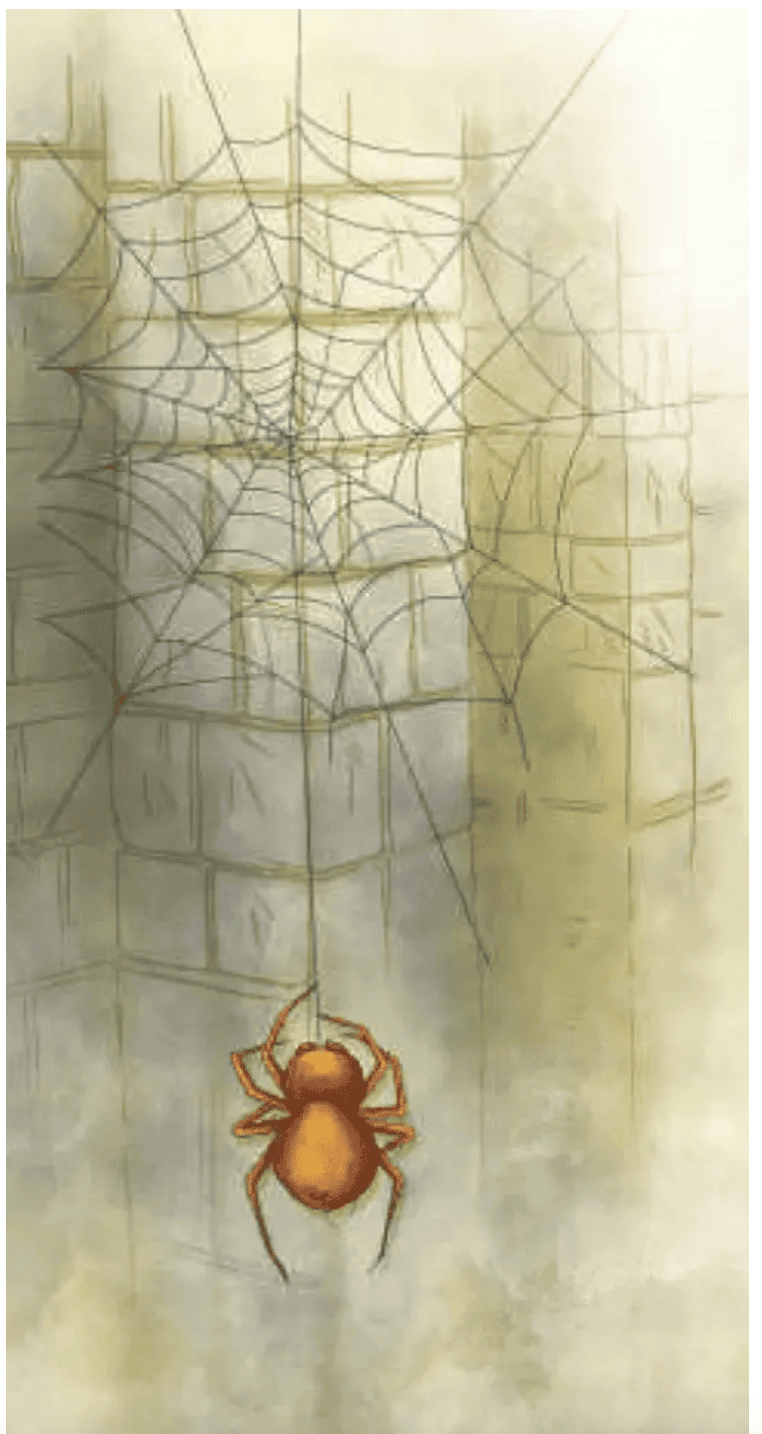
Ans: After falling the first time, the spider does not give up. It immediately tries again, clinging to the thin thread and crawling upward with strong effort. Despite slipping and falling back to the ground, it continues without complaining or resting for long. The poem highlights the spider’s determination, as it keeps attempting to reach its web despite the setback.

Q3: What does King Bruce think about the spider’s efforts?
Ans: King Bruce thinks the spider is foolish for continuing to try to climb the thread. After watching it fall multiple times, he believes it will give up because it works so hard but tumbles every time. His doubt mirrors his own feelings of hopelessness about his failed attempts, showing how he initially sees the spider’s persistence as pointless.

Q4: How does the spider finally reach its web?
Ans: The spider reaches its web by climbing steadily, inch by inch, with great care. After nine failed attempts, it gets close, just a foot from its cobweb door. With a final bold effort, described as a “bold little run at the very last pinch,” it successfully reaches its web. The poem emphasises its slow, determined progress as key to its success.

Q5: What does King Bruce say after the spider succeeds?
Ans: After the spider succeeds, King Bruce shouts, “Bravo, bravo!” He praises the spider for its courage, saying it “defied despair” by not giving up despite many falls. He declares that those who keep trying deserve honour. Inspired, he questions why he cannot succeed if a small spider can, showing how the spider’s success motivates him to try again.Long Answer Questions

Q1: How does the spider’s persistence influence King Bruce’s decision to try again?
Ans: The spider’s persistence has a big impact on King Bruce and helps him decide to try again. At first, Bruce feels very sad and wants to give up because he has failed many times. Then, he watches a spider trying to climb to its web. The spider falls nine times but doesn’t stop trying. On the tenth try, it finally reaches the web, climbing little by little. This impresses the king. He cheers, “Bravo, bravo!” and praises the spider for not giving up. Watching the spider makes Bruce realise that if a tiny creature can keep trying, so can he. It gives him hope and strength to make one more effort—and this time, he succeeds. The poet shows that even a small act of not giving up can inspire great change.

Q2: What challenges does the spider face while trying to reach its web?
Ans: The spider faces many difficulties while trying to reach its web. First, the web is high up near the ceiling, and the spider has to climb a thin, slippery thread. This thread is hard to hold, and the spider’s small feet get tired. It falls again and again—nine times in total—sometimes all the way to the ground or hanging below the thread. These falls make the spider dizzy and weak. But the spider never gives up. It doesn’t stop complaining or rest for long. With each try, it climbs again. The last part of the climb is the hardest, but the spider keeps going and finally reaches its web. These struggles are similar to what King Bruce faces. The spider’s success teaches that we should keep trying, no matter how hard things get.

Q3: Why does King Bruce feel hopeless, and how does this relate to his role as a king?
Ans: King Bruce feels hopeless because he has tried many times to do something important for his people but has failed each time. As a king, he feels a big responsibility to lead and help others, so his failures make him very sad. The poem shows him lying down in deep despair, feeling as sad as anyone can be. Even though he wears a crown and has power, he starts to doubt himself and thinks about giving up. He wants to do something great, but his failures make him feel weak. This shows that even a king can feel unsure and disappointed. Later, when he sees how the spider keeps trying without giving up, he feels inspired. The spider’s actions remind him that being a good king means not giving up, even when things are hard.

Q4: How does the poet create suspense in the spider’s journey to its web?
Ans: The poet builds suspense in the spider’s journey by using strong descriptions, careful timing, and emotional ups and downs that keep the reader interested. From the start, the spider’s task is shown as hard—it must climb a thin, fragile thread up to the high ceiling. Each time it falls, with words like “slippery sprawl” and “dizzy and faint,” the tension grows. Readers start to wonder if the spider will ever reach its web. The poet counts nine tries, making each one feel more important. In the final climb, the line “Ah me! ’tis an anxious minute” shows how nervous the moment is. Readers are left wondering if the spider will “lose or win it.” The spider’s slow and steady movement, along with earlier fast or clumsy falls, makes the ending unclear until the very last moment. Even King Bruce thinks the spider might give up, which adds to the tension. All these details come together to make the spider’s success feel exciting and well-earned.

Q5: What lessons about perseverance does the poem teach through the stories of King Bruce and the spider?
Ans: The poem teaches an important lesson about never giving up, using the stories of King Bruce and the spider. It shows that success often comes after many failures, like how the spider falls nine times but keeps trying and finally reaches its web on the tenth attempt. The spider’s bravery and effort show that persistence means working hard even when it’s tough. King Bruce learns from the spider that failure doesn’t mean the end, and he gets the courage to try again. The poem also shows that hope can come from small things, like a little spider helping a king. The message to readers is clear: keep believing in yourself and don’t give up, even when your goals seem hard. King Bruce’s final success proves that determination can lead to victory. By linking the struggles of a king and a spider, the poem teaches that anyone, no matter how big or small, can overcome problems by staying strong and trying again.

01. The Day The River Spoke Chapter short and Long Answer Questions

Short Answer Questions

Q1: Why does Jahnavi cry by the river?
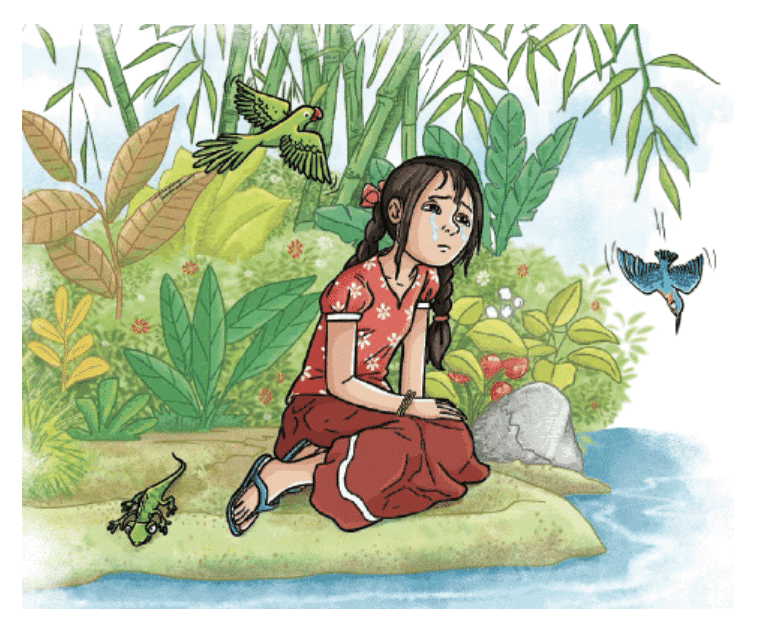
Ans: Jahnavi cries by the river because she feels hopeless about her dream of going to school. Her family does not allow her to attend, as they expect her to stay home and care for her younger siblings. She believes she might be too old to start school and fears she will never learn about the world, like spiders, bamboo, and the moon, which makes her sad and desperate.

Q2: What does the river tell Jahnavi about girls?
Ans: The river tells Jahnavi that girls are just as capable as boys. It encourages her to believe in herself and pursue her dream of going to school. The river advises her to take a small step by quietly entering the classroom and listening, suggesting that the teacher might allow her to stay if she shows determination.

Q3: How does Jahnavi first enter the classroom?
Ans: Jahnavi, carrying her youngest brother Appu, stands shyly by the classroom door, listening to a story about King Ashoka. Feeling curious and encouraged by the river’s advice, she gradually moves inside and sits quietly at the back. Her presence is noticed by the teacher, who later learns she is Gopi’s sister.

Q4: Who supports Jahnavi’s dream at home?
Ans: Jahnavi’s mother supports her dream of going to school. When the teacher visits their home to discuss Jahnavi’s wish, her mother recalls her own unfulfilled childhood dream of studying. This connection inspires her to convince Jahnavi’s father, who is initially worried, to allow Jahnavi to join school.

Q5: What does Jahnavi want to become in the future?
Ans: Jahnavi dreams of becoming a teacher in the future. After her dream of going to school comes true, she excitedly shares with the river her desire to learn to read and write. She hopes to use her education to help other girls in her village achieve their dreams, just as she did.

Long Answer Questions

Q1: How does the magical river help Jahnavi overcome her fears?
Ans: The magical river plays a crucial role in helping Jahnavi overcome her fears by offering her kindness, encouragement, and practical advice. When Jahnavi cries by the river, feeling hopeless about never attending school, the river speaks to her in a gentle, sleepy voice, surprising her but gaining her trust. It listens patiently as she shares her dreams of learning about the world and her fear of being too old to start school. The river reassures her that girls are just as capable as boys, boosting her confidence. It suggests a simple, brave step: to walk into the classroom and listen quietly, believing the teacher might let her stay. Additionally, the river shares stories of ships and the world beyond, sparking her curiosity and giving her hope. This encouragement inspires Jahnavi to take action, leading her to enter the classroom and eventually achieve her dream of attending school. The river’s support continues as it invites her back to learn more, reinforcing her determination to pursue education and her future goals.

Q2: What challenges does Jahnavi face in pursuing her dream of going to school?
Ans: Jahnavi faces several challenges in pursuing her dream of going to school. Firstly, her family’s traditional expectations prevent her from attending, as they believe her primary role is to care for her younger siblings, a responsibility assigned because she is a girl. Her mother repeatedly postpones her education, claiming Jahnavi is either too young or needed at home, which leaves Jahnavi feeling hopeless. Secondly, Jahnavi struggles with self-doubt, fearing she might be too old to start school or incapable of learning like her brothers. This lack of confidence makes her hesitant to act on her dreams. Additionally, societal norms in her coastal village prioritise boys’ education over girls’, creating an external barrier. Despite these challenges, Jahnavi’s encounter with the magical river gives her the courage to take a bold step by entering the classroom. The teacher’s support and her mother’s eventual agreement help her overcome these obstacles, allowing her to attend school and pursue her dream of learning and becoming a teacher.

Q3: How does the teacher contribute to making Jahnavi’s dream come true?
Ans: The teacher plays a pivotal role in making Jahnavi’s dream of going to school come true through her observant and supportive actions. When Jahnavi bravely enters the classroom, carrying her brother Appu, and sits quietly at the back, the teacher notices her presence. Instead of dismissing her, she recognises Jahnavi’s curiosity and learns that she is Gopi’s sister, which connects her to an existing student. This prompts the teacher to take initiative by visiting Jahnavi’s home that evening to discuss her desire to study. During the visit, the teacher advocates for Jahnavi’s education, addressing her parents’ concerns. Her presence reassures Jahnavi’s father, who is initially worried, and inspires her mother to support Jahnavi’s wish by recalling her own unfulfilled dream of studying. The teacher’s willingness to engage with the family and her understanding of Jahnavi’s potential helped shift their perspective, leading to their agreement to let Jahnavi join school. By creating this opportunity, the teacher ensures Jahnavi can begin her educational journey, setting her on the path to achieve her dream of learning and becoming a teacher.

Q4: Why is Jahnavi’s mother’s support important for her education?
Ans: Jahnavi’s mother’s support is crucial for her education because it helps overcome the family’s initial resistance and societal barriers. Initially, her mother postpones Jahnavi’s schooling, citing her responsibilities at home and traditional expectations for girls. However, when the teacher visits their home to advocate for Jahnavi, her mother’s perspective shifts. She reflects on her own childhood dream of studying, which she could not fulfil, and this personal connection makes her empathetic to Jahnavi’s aspirations. Her mother’s support is significant because it sways Jahnavi’s father, who is hesitant due to financial and cultural concerns. By agreeing to let Jahnavi attend school, her mother challenges the village’s gender norms, ensuring Jahnavi gets the opportunity to learn. This support not only allows Jahnavi to join school but also strengthens her determination to pursue her dream of becoming a teacher. Her mother’s backing, combined with the teacher’s advocacy, creates a supportive environment that empowers Jahnavi to overcome obstacles and pursue education, highlighting the importance of familial encouragement in achieving dreams, especially for girls in challenging circumstances.

Q5: What lessons can we learn from Jahnavi’s story about courage and education?
Ans: Jahnavi’s story teaches valuable lessons about courage and the importance of education, particularly for girls. Firstly, it shows that courage involves taking small, bold steps toward a goal despite fear and uncertainty. Jahnavi, encouraged by the magical river, overcomes her self-doubt and societal barriers by entering the classroom, demonstrating that determination can lead to change. Secondly, the story emphasises that education is a fundamental right for everyone, including girls, who may face unique challenges due to gender norms. Jahnavi’s persistence highlights how education can empower individuals to achieve their dreams and contribute to their communities, as she aspires to become a teacher to help others. Additionally, the story underscores the role of support from others, such as the river, the teacher, and her mother, in building courage and making dreams possible. It reminds us to believe in ourselves and seek allies who can help us navigate obstacles. Ultimately, Jahnavi’s journey inspires us to value education as a tool for personal growth and societal progress, encouraging us to support equal opportunities for all, especially those facing systemic barriers.

15. Rani Abbakaka Chapter very shorts Questions answer

Q1: Who is the main character in the story?
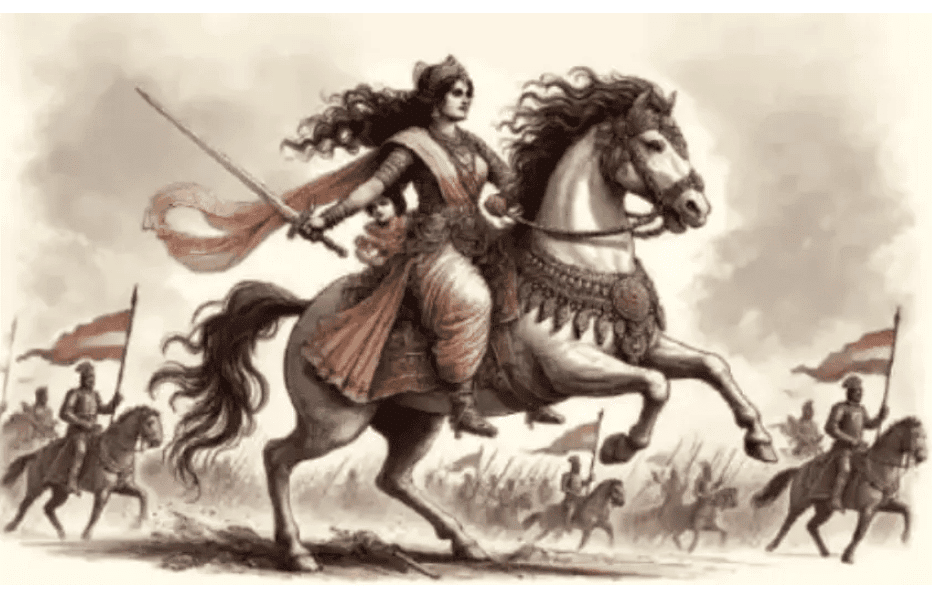
Ans: Rani Abbakka, the queen of Ullal.

Q2: Who demanded tribute from Ullal?
Ans: The Portuguese.

Q3: How did Rani Abbakka respond to the Portuguese envoy’s demand?
Ans: She refused to pay tribute, declaring Ullal sovereign.

Q4: What was Rani Abbakka’s plan after her coronation?
Ans: To resist the Portuguese and fight for Ullal’s independence.

Q5: Who was Rani Abbakka’s husband?
Ans: Veera Narasimha, the king of Bangadi.

Q6: Why was Veera Narasimha worried about Abbakka’s plan?
Ans: He feared it would anger the Portuguese and endanger his kingdom.

Q7: What did Veera Narasimha do to stop Abbakka?
Ans: Ordered his soldiers to stop her.

Q8: Who did Rani Abbakka reach out to for support?
Ans: Local rajas (kings).

Q9: What did Abbakka order to strengthen Ullal?
Ans: The building of merchant ships.

Q10: Who did Abbakka form an alliance with?
Ans: The Zamorin of Kozhikode.

Q11: How long did the battle for Ullal last?
Ans: Four days.

Q12: What happened to the Portuguese after the battle?
Ans: They were defeated and retreated.

Q13: What did Abbakka do after defeating the Portuguese?
Ans: Attacked their fort.

Q14: What is one moral of the story?
Ans: Courage and determination can lead to victory against strong enemies.

Q15: How did Abbakka’s victory affect other Indian rulers?
Ans: It inspired them to resist foreign powers.

14. My Dear soldiers Chapter very short Questions answer

Q1: Who does the poet address as “Defenders of borders”?
Ans: Soldiers who protect the country.

Q2: What does the poet call soldiers in the first stanza?
Ans: Great sons of the land.

Q3: What do soldiers do while people sleep?
Ans: Stay awake to guard the nation.

Q4: What weather conditions do soldiers face in the second stanza?
Ans: Windy, snowy, and scorching hot days.

Q5: How does the poet compare soldiers to yogis?
Ans: They tread lonely expanses with focus.

Q6: What terrains do soldiers patrol in the third stanza?
Ans: Mountains, valleys, deserts, marshes, seas, and air.

Q7: What do soldiers sacrifice according to the third stanza?
Ans: The prime of their youth.

Q8: What does the poet say the wind chimes do?
Ans: Vibrate to honour soldiers’ feats.

Q9: What does the poet pray for in the final stanza?
Ans: The soldiers’ safety and blessings.

Q10: What does the eternal flame in the poem symbolise?
Ans: Soldiers’ spirits living on.

Q11: What is one moral of the poem?
Ans: Value and respect soldiers’ sacrifices.

Q12: What does the poem encourage us to feel for soldiers?
Ans: Gratitude for their selfless service.

Q13: What do soldiers give up for the nation?
Ans: Personal comforts and safety.

Q14: What does the poet ask the Lord to do for soldiers?
Ans: Bless them all.

Q15: How does the poem describe soldiers’ dedication?
Ans: 
They guard the nation under tough conditions.