13. A Homage to our brave soldiers Chapter very short Questions answer

Q1: Who are the two friends exchanging letters in the story?
Ans: Soumya and Ananda.

Q2: Where does Soumya visit during her school trip?
Ans: The National War Memorial in New Delhi.

Q3: What does Soumya learn about the purpose of the memorial?
Ans: It honours soldiers who died in wars for India.
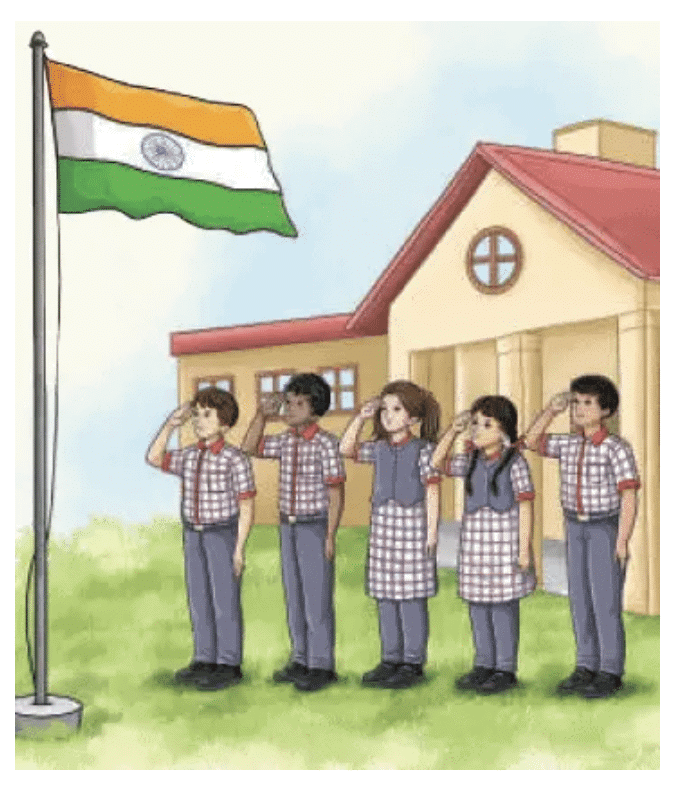
Q4: When was the National War Memorial inaugurated?
Ans: February 2019.

Q5: What is the Amar Chakra at the memorial?
Ans: The Circle of Immortality with an eternal flame.

Q6: What does the Tyag Chakra represent?
Ans: The Circle of Sacrifice with soldiers’ names.

Q7: Which bravery award does Soumya mention?
Ans: Param Vir Chakra (PVC).

Q8: Who is the first recipient of the Param Vir Chakra that Soumya mentions?
Ans: Major Somnath Sharma in 1947.

Q9: Which hero does Soumya choose for her school presentation?
Ans: Major Padmapani Acharya.

Q10: What inspires Soumya about Lance Naik Albert Ekka?
Ans: His bravery in the 1971 war despite injuries.

Q11: What does Ananda dream of doing after reading Soumya’s letter?
Ans: Joining the Armed Forces.

Q12: Where does Ananda recall visiting in Chandigarh?
Ans: A war memorial in Bougainvillaea Garden.

Q13: Which poem does Ananda mention in his letter?
Ans: Pushp ki Abhilasha by Makhanlal Chaturvedi.

Q14: Who is the Kargil War hero Ananda admires?
Ans: Captain Anuj Nayyar.

Q15: What is one moral of the story?
Ans: Be thankful for soldiers’ sacrifices for our freedom.

12. Conquering the summit Chapter very short Questions answer

Q1: Who is the main character in the story?
Ans: Arunima Sinha.

Q2: What was Arunima passionate about before her accident?
Ans: Sports, especially volleyball.

Q3: What career did Arunima plan to pursue after her law degree?
Ans: Joining the paramilitary forces.

Q4: What happened to Arunima on April 11, 2011?
Ans: She lost one leg in a train accident.

Q5: What did Arunima decide to do while recovering in the hospital?
Ans: Climb Mount Everest.

Q6: Where did Arunima train for her Everest climb?
Ans: Nehru Institute of Mountaineering in Uttarkashi.

Q7: Who guided Arunima during her training?
Ans: Bachendri Pal.

Q8: When did Arunima reach the summit of Mount Everest?
Ans: May 21, 2013.

Q9: What did Arunima place at the Everest summit?
Ans: The Indian flag and a photo of Swami Vivekananda.

Q10: What made Arunima’s Everest climb unique?
Ans: She was the first Indian woman with an artificial leg to do it.

Q11: What did Arunima achieve by July 2016?
Ans: Conquered the highest peaks of all seven continents.

Q12: Which mountain did Arunima climb in January 2019?
Ans: Mount Vinson in Antarctica.

Q13: What is one moral of the story?
Ans: Never give up on dreams, no matter how tough life gets.

Q14: What qualities helped Arunima succeed?
Ans: Determination, courage, and perseverance.

Q15: What does Arunima’s story show about challenges?
Ans: They can make us stronger if faced with determination.

11. Travel Chapter very short Questions answer

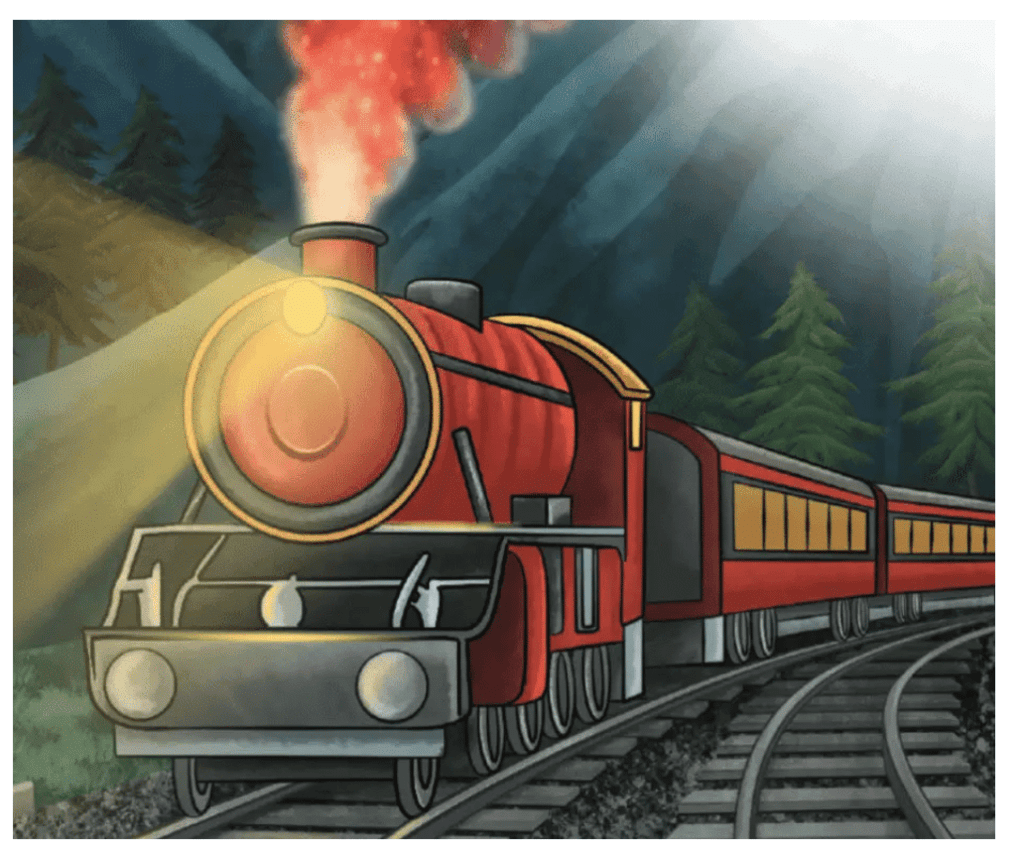
Q1: Who wrote the poem about loving trains?
Ans: Edna St. Vincent Millay.

Q2: How far are the railroad tracks from the speaker?
Ans: Miles away.

Q3: What does the speaker hear during the noisy day?
Ans: A train’s whistle shrieking.

Q4: What makes the day loud in the first stanza?
Ans: Voices of people speaking.

Q5: What time of day is described in the second stanza?
Ans: Night, meant for sleep and dreaming.

Q6: What does the speaker imagine seeing in the night sky?
Ans: Red cinders from a train’s engine.

Q7: What sound does the speaker hear at night?
Ans: The train’s engine steaming.

Q8: How does the speaker feel about their friends?
Ans: Their heart is warm with affection.

Q9: What does the speaker say about their friends’ quality?
Ans: They couldn’t find better friends.

Q10: What would the speaker do with any train?
Ans: Take it, no matter where it’s going.

Q11: What does the phrase “no matter where it’s going” show?
Ans: The speaker’s adventurous spirit.

Q12: What does the speaker balance in the third stanza?
Ans: Love for friends and a desire for travel.

Q13: What is one moral of the poem?
Ans: Adventure can coexist with strong friendships.

Q14: What does the poem encourage us to embrace?
Ans: Curiosity and new experiences.

Q15: What does the speaker’s love for trains represent?
Ans: A passion for exploration and a fuller life.

10. The Tunnel Chapter very short Questions answer

Q1: Who is the main character in the story?
Ans: Suraj, a young boy who loves adventure.

Q2: What does Suraj love to watch near the jungle tunnel?
Ans: The steam train bursting out.

Q3: How does Suraj reach the tunnel’s exit?
Ans: He cycles from town and walks over a hill.

Q4: What does Suraj compare the train to when it emerges?
Ans: A green, black, and gold dragon.

Q5: What does Suraj see on the hillside after exiting the tunnel?
Ans: A flash of orange and gold, a leopard’s tail.

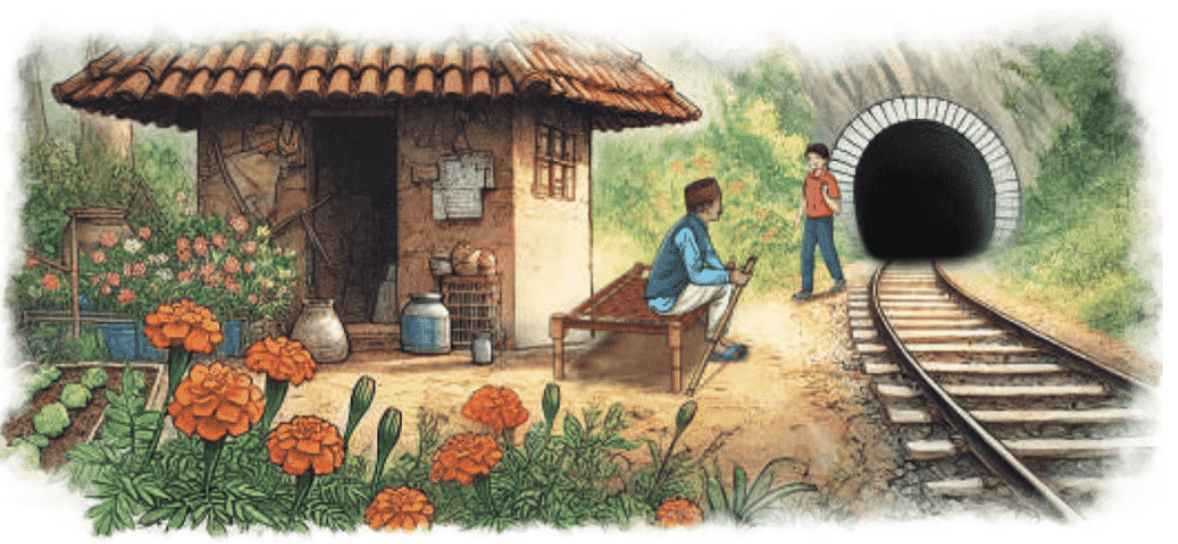
Q6: Who is Sunder Singh in the story?
Ans: The watchman who looks after the tunnel.

Q7: What is Sunder Singh’s job?
Ans: To inspect the tunnel and signal trains.

Q8: What does Sunder Singh call the leopard?
Ans: “His” leopard, a familiar visitor.

Q9: When does Suraj return to the tunnel?
Ans: The next evening for the night train.

Q10: What sound alerts Suraj and Sunder Singh in the tunnel?
Ans: A sawing sound from the leopard.

Q11: How do they scare the leopard away?
Ans: With shouts and an oil lamp.

Q12: What happens just after the leopard flees?
Ans: The night train roars through the tunnel.

Q13: How does Suraj see Sunder Singh again?
Ans: From the train, spotting his oil lamp.

Q14: What is one moral of the story?
Ans: Courage and curiosity lead to exciting adventures.

Q15: What does the story highlight about Suraj and Sunder Singh?
Ans: Their kindness and trust form a special friendship.

09. North, south, East, West Chapter very short Questions answer

Q1: Who is the main character in the story?
Ans: Shaana, a young girl from Rameswaram.

Q2: How does Shaana share her travel experiences?
Ans: Through postcards to her friends.

Q3: Where does Shaana’s journey begin?
Ans: At the Thajiwas Glacier in Kashmir.

Q4: What does Shaana notice about the snow in Kashmir?
Ans: There is less snow than the previous year.

Q5: Where does Shaana stay in Himachal Pradesh?
Ans: In a cabin surrounded by mountains.

Q6: What animal does Shaana imagine meeting in Himachal Pradesh?
Ans: A bear, which she wants to hug.

Q7: What is Shaana’s favourite stop on her journey?
Ans: Arunachal Pradesh.

Q8: What animal does Shaana hope to see in Arunachal Pradesh?
Ans: Red pandas.

Q9: How does Shaana describe the Rann of Kutch in Gujarat?
Ans: Hot, dry, and sandy.

Q10: What activity does Shaana enjoy on the Narmada River?
Ans: Rafting and watching fish.

Q11: What unique trees does Shaana see in the Sundarbans?
Ans: Mangroves that grow in seawater.

SundarbansQ12: What makes Shaana nervous in the Sundarbans?
Ans: Seeing crocodiles and a snake.

Q13: What does Shaana overcome in Goa?
Ans: Her fear of tunnels.

Q14: Where does Shaana’s journey end?
Ans: In Chennai.

Q15: What is one moral of the story?
Ans: Appreciate the beauty and diversity of our country.

08. Paper Boats Chapter very short Questions answer

Q1: Who wrote the poem about paper boats?
Ans: Rabindranath Tagore.

Q2: What does the child do with paper boats every day?
Ans: Floats them down a stream one by one.

Q3: What does the child write on the paper boats?
Ans: Their name and village in big black letters.

Q4: Why does the child write their name on the boats?
Ans: To let someone in a strange land know who they are.

Q5: What does the child put in the paper boats?
Ans: Shiuli flowers from their garden.

Q6: What does the child hope happens to the shiuli flowers?
Ans: They reach another land safely by night.

Q7: What does the child see in the sky while launching boats?
Ans: Clouds with white bulging sails.

Q8: Who does the child imagine sends the clouds?
Ans: A playmate in the sky.

Q9: What does the child compare the clouds to?
Ans: Boats racing with their paper boats.

Q10: What does the child do when night comes?
Ans: Buries their face in their arms and dreams.

Q11: What does the child dream about their boats?
Ans: They float under the midnight stars.

Q12: Who sails in the boats in the child’s dream?
Ans: Fairies of sleep.

Q13: What do the fairies carry in the boats?
Ans: Baskets full of dreams.

Q14: What is one moral of the poem?
Ans: Small actions can carry big dreams and hopes.

Q15: What does the poem encourage us to stay?
Ans: Curious and joyful in simple things.

07. My Brother’s Great Invention Chapter very short Questions answer

Q1: Who is the narrator of the story?
Ans: Anita, a 14-year-old girl.

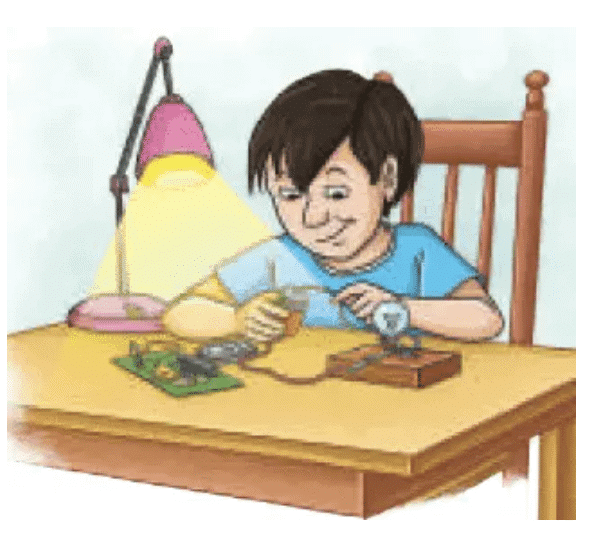
Q2: What does Anand love to do?
Ans: Invent gadgets and think he’s a scientist.

Q3: What happens to Anita’s father with Anand’s burglar alarm?
Ans: He gets soaked by a bag of water.

Q4: Why did Anand create the burglar alarm?
Ans: To catch thieves due to recent neighbourhood thefts.

Q5: What movie inspires Anand’s next invention?
Ans: “Back to the Future.”

Q6: What does Anand try to build after the burglar alarm?
Ans: A time machine.

Q7: How do Anand’s parents react to his time machine idea?
Ans: They lock up tools and guard appliances.

Q8: What do Anita and Anand convince their parents to do?
Ans: Let them stay home alone for one night.

Q9: Who breaks into the house that night?
Ans: Boppa, a rough-looking sweeper.

Q10: Where does Anand send Boppa during the burglary?
Ans: To his room with the time machine.

Q11: What strange sounds come from Anand’s room?
Ans: Crashes, humming, and eerie noises.

Q12: What do the neighbours find in Anand’s room?
Ans: They found Boppa’s green scarf but not Boppa.

Q13: What does Anand believe happened to Boppa?
Ans: The time machine sent him back in time.

Q14: What does Anand’s father do with the time machine?
Ans: Dismantles it, thinking it’s too dangerous.

Q15: What is one moral of the story?
Ans: Creativity is valuable, even if inventions don’t always work.

06. Say the Right Thing Chapter very short Questions answer

Q1: Who wrote the humorous play about Mary Shaw?
Ans: G.C. Thornley.

Q2: What does Mary want to do when guests visit?
Ans: Talk to them and be polite.

Q3: Who teaches Mary how to speak politely?
Ans: Her mother, Mrs. Shaw.

Q4: What does Mrs. Shaw ask Mary to do before the guests arrive?
Ans: Put away a coat to keep the room tidy.

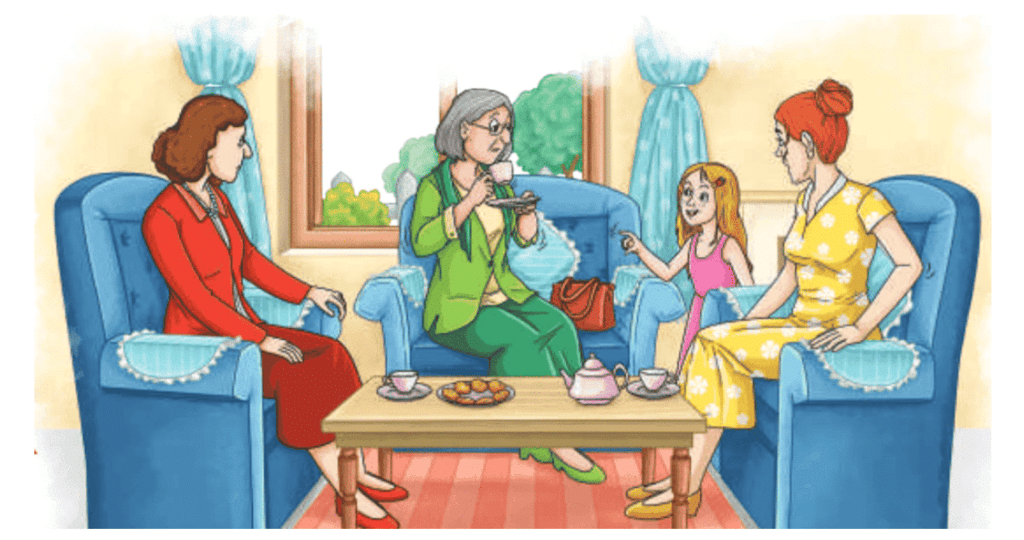
Q5: Who are the two guests visiting the Shaw family?
Ans: Mrs. Harding and Mrs. Lee.

Q6: What advice does Mrs. Shaw give Mary about talking to guests?
Ans: Be kind, say happy things, laugh, and start conversations.

Q7: What mistake does Mary make about Mrs. Harding’s children?
Ans: She says they’re beautiful, but Mrs. Harding has no children.

Q8: What profession does Mary accidentally mock?
Ans: Bankers, not knowing Mrs. Harding’s brother is one.

Q9: How does Mary insult the guests’ clothing?
Ans: She accidentally criticises their clothing choices.

Q10: What habits does Mary criticise that match the guests’ behaviours?
Ans: Staying in bed and calling doctors.

Q11: What does Mary say about dogs that upsets Mrs. Harding?
Ans: She criticises a dog that belongs to Mrs. Harding.

Q12: What hobbies does Mary mock that the Harding family enjoys?
Ans: Horse riding and shooting.

Q13: What does Mrs. Shaw teach Mary to say when the guests start to leave?
Ans: “Must you go? Can’t you stay?”

Q14: What does Mary say when the guests are leaving?
Ans: “Oh, must you stay? Can’t you go?”

Q15: What is one moral of the play?
Ans: Think before speaking to avoid hurting others’ feelings.

05. A Funny Man Chapter very short Questions answer

Q1: Who wrote the poem about the funny man?
Ans: Natalie Joan.

Q2: What does the funny man wear on his head?
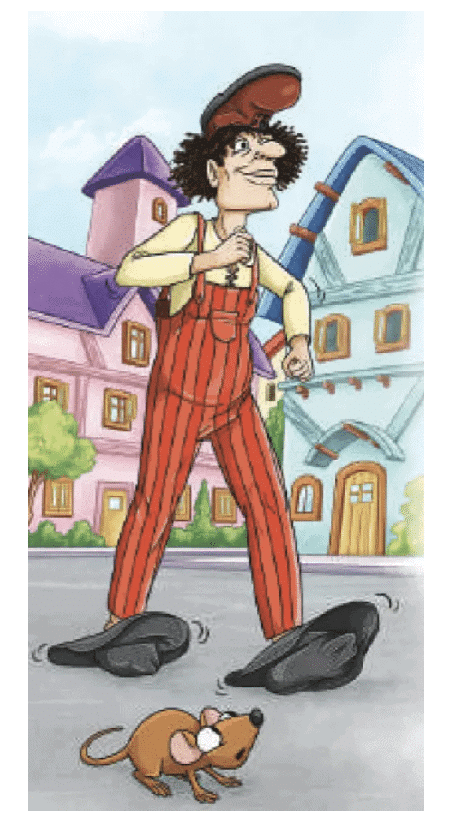
Ans: A shoe.

Q3: What does the funny man wear on his feet?
Ans: Hats.

Q4: How does the funny man greet the poet?
Ans: He raises the shoe and smiles.

Q5: What does the poet call the man’s appearance?
Ans: A funny sounding sight.

Q6: What does the funny man offer the poet as a rose?
Ans: A currant bun.

Q7: How does the funny man address the poet?
Ans: As “Your Highness.”

Q8: How does the poet react to the currant bun?
Ans: She staggers back against the wall.

Q9: What does the poet say about the bun’s smell?
Ans: It’s a funny looking smell.

Q10: What does the funny man do after offering the bun?
Ans: He sings a song.

Q11: Where does the funny man sit while singing?
Ans: On the ground.

Q12: How does the poet describe the man’s song?
Ans: A funny feeling sound.

Q13: What does the poet ask the funny man about his hats?
Ans: Why he wears them on his feet.

Q14: How does the funny man leave the scene?
Ans: He hops home on his head.

Q15: What is one moral of the poem?
Ans: It’s okay to be different and have fun.

04. Animals, birds,  and Dr. Dolittle Chapter very short Questions answer

Q1: Who is the main character in the story?
Ans: Doctor John Dolittle.

Q2: What job does Dolittle have at the start?
Ans: He is a doctor for people.

Q3: Who suggests Dolittle become an animal doctor?
Ans: The Cat’s-food-Man.

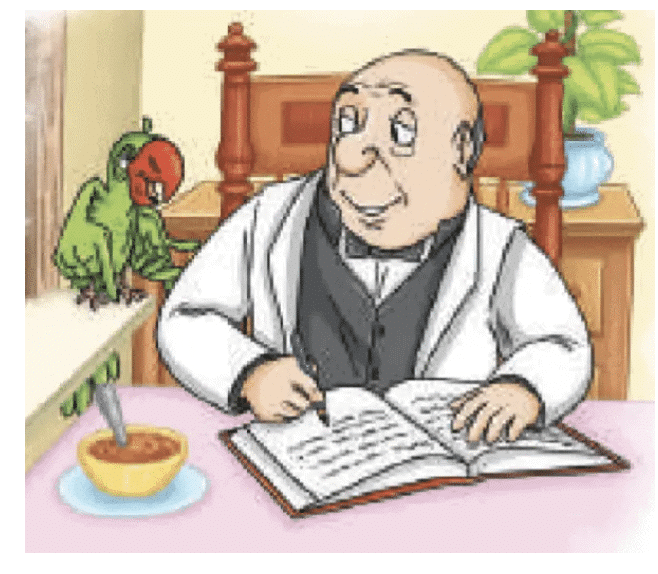
Q4: What is the name of Dolittle’s parrot?
Ans: Polynesia.

Q5: What secret does Polynesia share with Dolittle?
Ans: Animals can talk in their own languages.

Q6: What does Polynesia teach Dolittle first?
Ans: The basics of bird language.

Q7: How do animals communicate, according to Polynesia?
Ans: Through ears, tails, feet, and noses.

Q8: What happens when people hear Dolittle can talk to animals?
Ans: They bring him sick pets and farm animals.

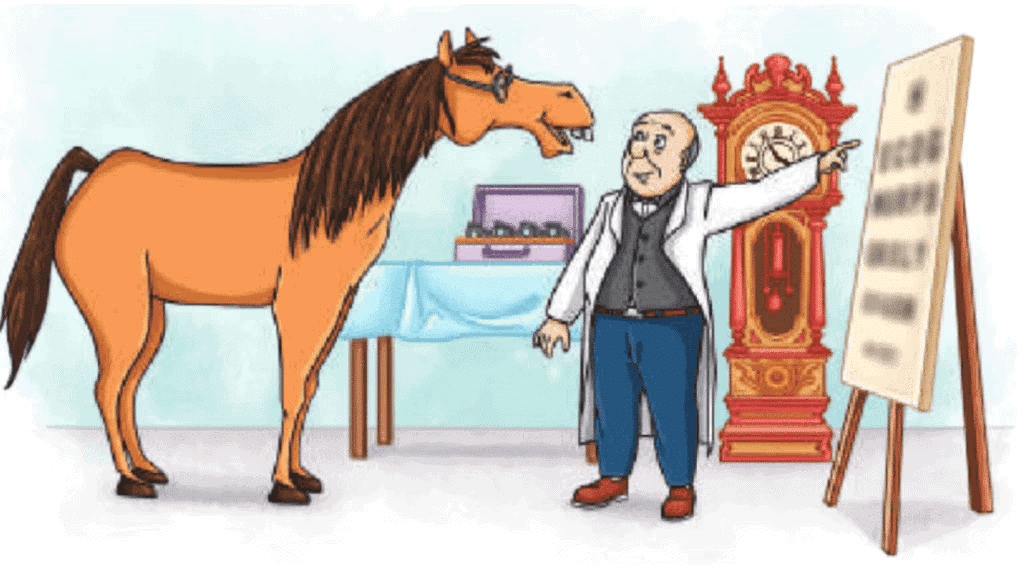
Q9: What problem does the plough horse have?
Ans: He is going blind in one eye.

Q10: How does Dolittle help the plough horse?
Ans: He provides green spectacles.

Q11: What does Dolittle build to manage the animals?
Ans: Special doors and tunnels for different animals.

Q12: How do animals worldwide learn about Dolittle?
Ans: Birds spread the news across countries.

Q13: What makes Dolittle content in the end?
Ans: Understanding and helping animals.

Q14: What is one moral of the story?
Ans: Listen to new ideas, even if they seem unusual.

Q15: What does the story show about kindness?
Ans: Kindness to animals leads to happiness and success.