Q1: What is the main reason for the development of pimples during adolescence?
a) Lack of sleep
b) Increase in oily secretions from the skin
c) Excessive washing of the face
d) Change in diet
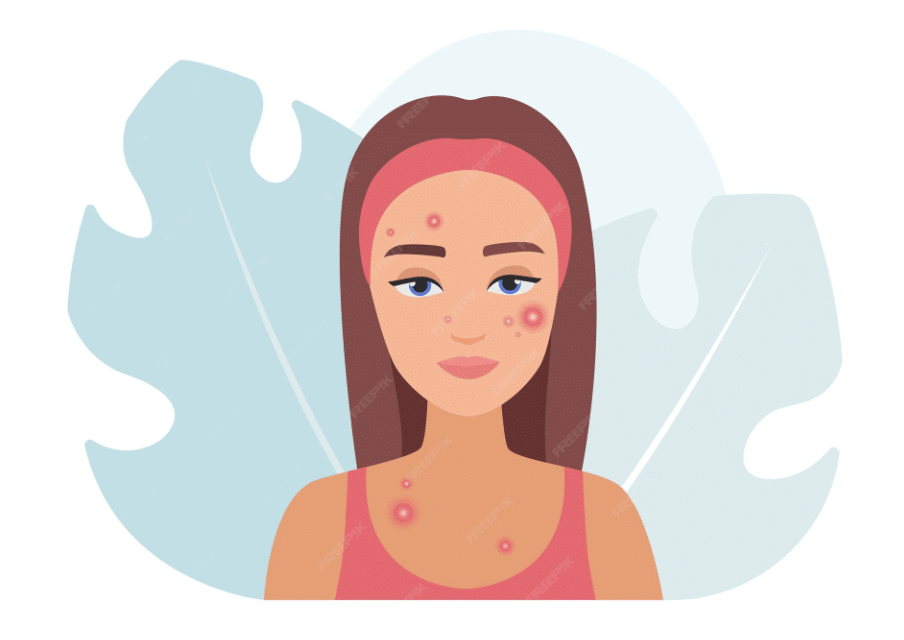
Answer: b) Increase in oily secretions from the skin
Q2: What is the term used to describe the natural signs that the body is preparing for adulthood?
a) Puberty
b) Maturity
c) Secondary sexual characteristics
d) Adolescence
Answer: c) Secondary sexual characteristics
Q3: At what age does adolescence typically begin?
a) 5–6 years
b) 10–12 years
c) 13–14 years
d) 19–20 years
Answer: b) 10–12 years
Q4: What does the onset of the menstrual cycle in girls indicate?
a) Beginning of adolescence
b) The start of puberty
c) Both a and b
d) End of childhood
Answer: c) Both a and b
Q5: Which of the following is a secondary sexual characteristic in boys?
a) Development of breasts
b) Voice deepening
c) Menstruation
d) None of the above
Answer: b) Voice deepeningFill in the Blanks:
Q1: The stage of life when the body undergoes changes to prepare for adulthood is called __________.
Answer: adolescence
Q2: The growth of facial hair in boys is one of the __________ sexual characteristics that occur during adolescence.
Answer: secondary
Q3: The natural process in adolescent girls that involves the release of blood is called __________.
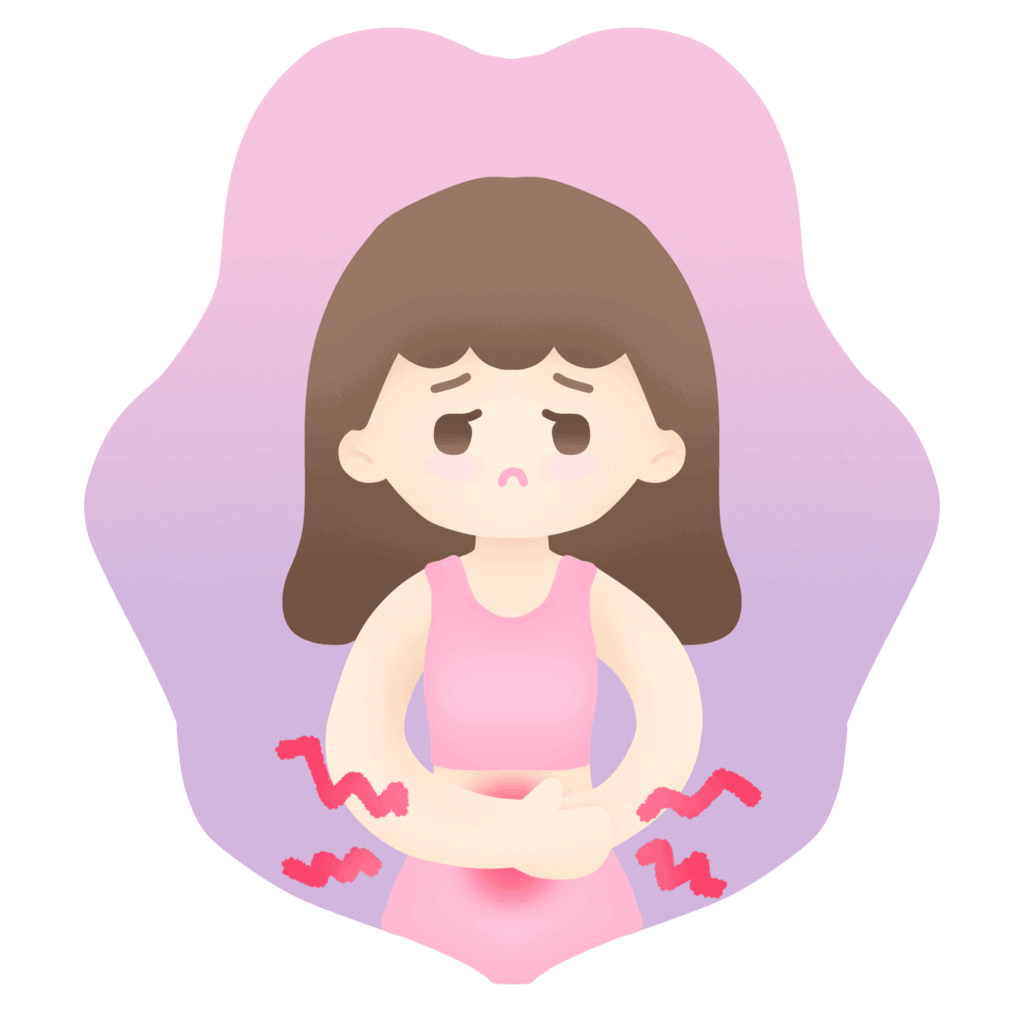
Answer: menstruation
Q4: During adolescence, boys and girls experience growth in __________ in the pubic region and underarms.
Answer: hair
Q5: __________ refers to the time period when the body undergoes internal and external changes to reach reproductive capability.
Answer: PubertyTrue/False Questions:
Q1: Adolescence is marked only by physical changes in the body.
Answer: False
Q2: The onset of menstruation is an important internal change in adolescent girls.
Answer: True
Q3: Acne is a common skin condition that may develop due to increased oily secretions during adolescence.
Answer: True
Q4: Boys and girls develop the same type of secondary sexual characteristics during adolescence.
Answer: False
Q5: The menstrual cycle is an indicator of a girl’s reproductive health.
Answer: TrueVery Short Answer Questions:
Q1: What are secondary sexual characteristics?
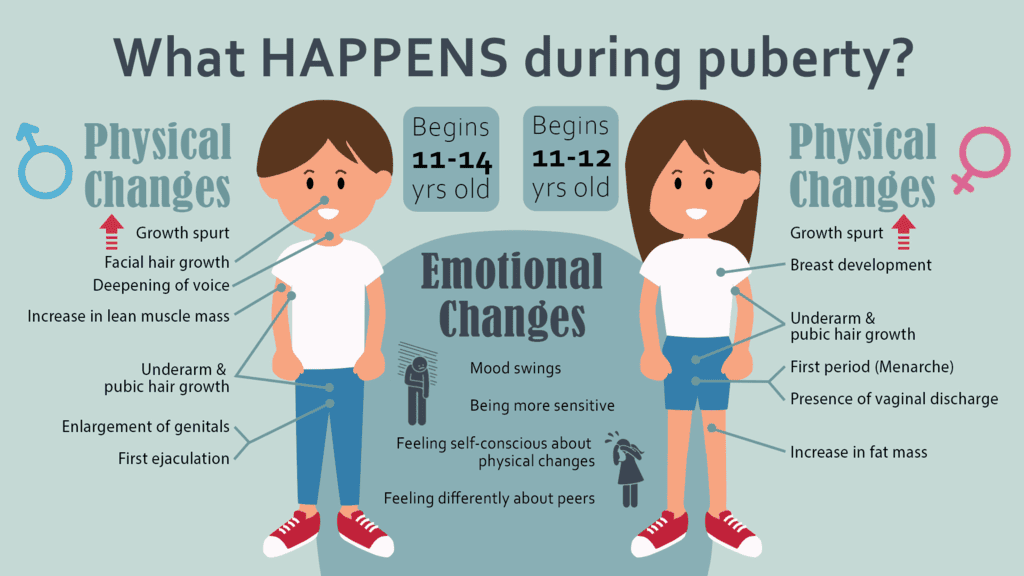
Answer: Secondary sexual characteristics are features that distinguish males from females and mark the onset of puberty, such as voice changes in boys and breast development in girls.
Q2: What is menstruation?
Answer: Menstruation is the monthly discharge of blood from the uterus of a non-pregnant female, marking the beginning of reproductive health.
Q3: Why do boys experience voice changes during adolescence?

Answer: The voice box grows, leading to a deeper, hoarser voice, which is one of the secondary sexual characteristics in boys.
Q4: How does physical activity help adolescents?
Answer: Physical activity helps in developing strength, building stamina, and maintaining a healthy body during adolescence.
Q5: What is the role of hormones during adolescence?
Answer: Hormones regulate growth, development, and emotional changes during adolescence and are crucial for reproductive maturity.Long Answer Questions:
Q1: Explain the physical and emotional changes that occur during adolescence.
Answer: Adolescence is marked by rapid physical growth, including changes in height, weight, and the development of secondary sexual characteristics. Boys experience deepening of the voice, growth of facial hair, and increased muscle mass. Girls experience breast development, wider hips, and the onset of menstruation. Emotional changes include mood swings, increased sensitivity, and a desire for independence, as adolescents explore their identities and relationships with others.
Q2: How can adolescents manage emotional changes effectively?
Answer: Adolescents can manage emotional changes by engaging in activities like sports, music, or art to channel their emotions positively. Talking to trusted adults, practicing mindfulness, and maintaining a balanced lifestyle can also help manage mood swings and emotional stress.
Q3: What are the key nutritional needs of adolescents, and why are they important?

Answer: Adolescents need a balanced diet rich in proteins, carbohydrates, fats, vitamins, and minerals to support their rapid growth and development. Nutrients like calcium are essential for bone growth, while iron is important for the formation of blood. A healthy diet helps adolescents perform well physically and mentally.
Q4: What is the significance of the menstrual cycle in adolescent girls?
Answer: The menstrual cycle marks the onset of reproductive health in adolescent girls. It indicates the body’s readiness for reproduction and is a natural process that occurs roughly every 28-30 days. The cycle also helps maintain overall hormonal balance and contributes to the girl’s growth and development.
Q5: Discuss the impact of substance abuse during adolescence and the importance of saying ‘NO’ to harmful substances.
Answer: Substance abuse during adolescence can have long-term physical, mental, and emotional consequences, including addiction, damage to organs, and impaired cognitive development. It is crucial for adolescents to resist peer pressure and make healthy choices, as avoiding harmful substances promotes better health and well-being.










 View Answer