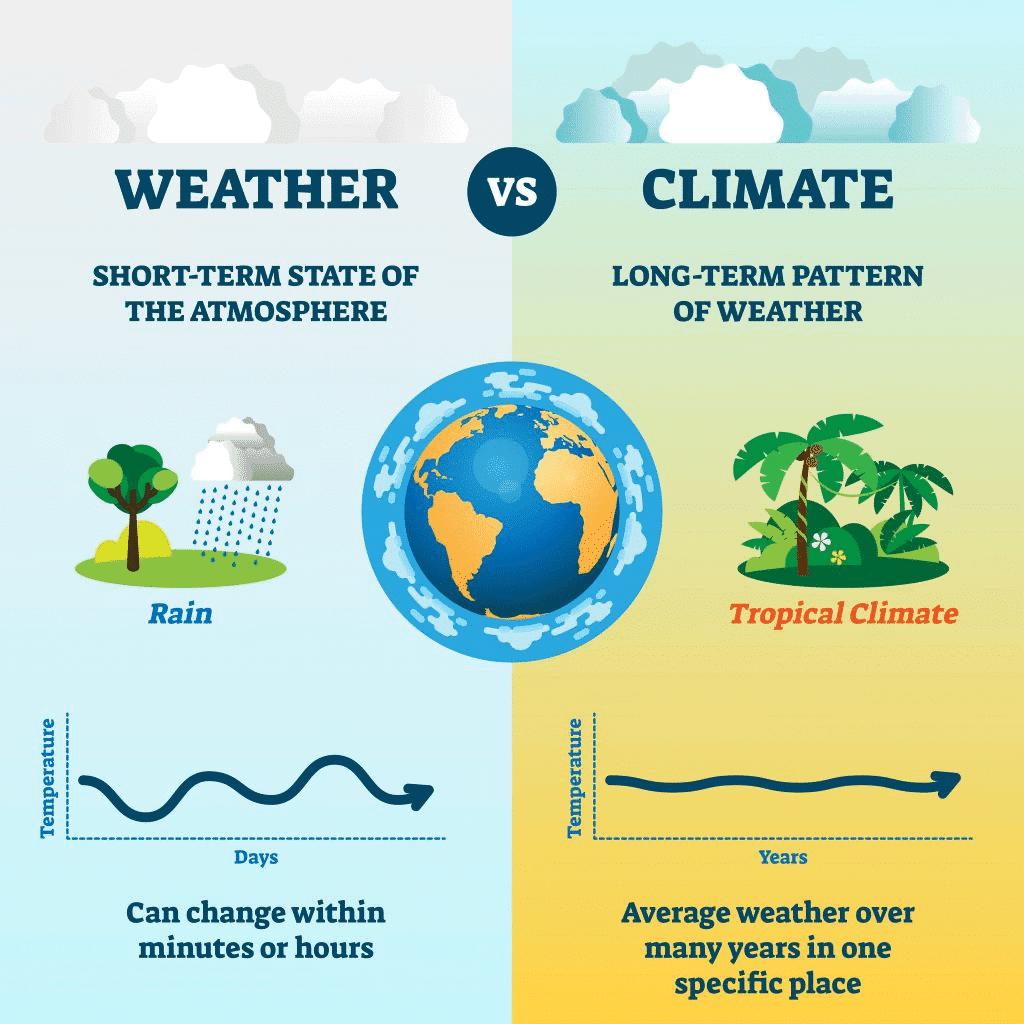
Q1: What is weather? Ans: Weather is the condition of the Earth’s atmosphere at a specific time and place.
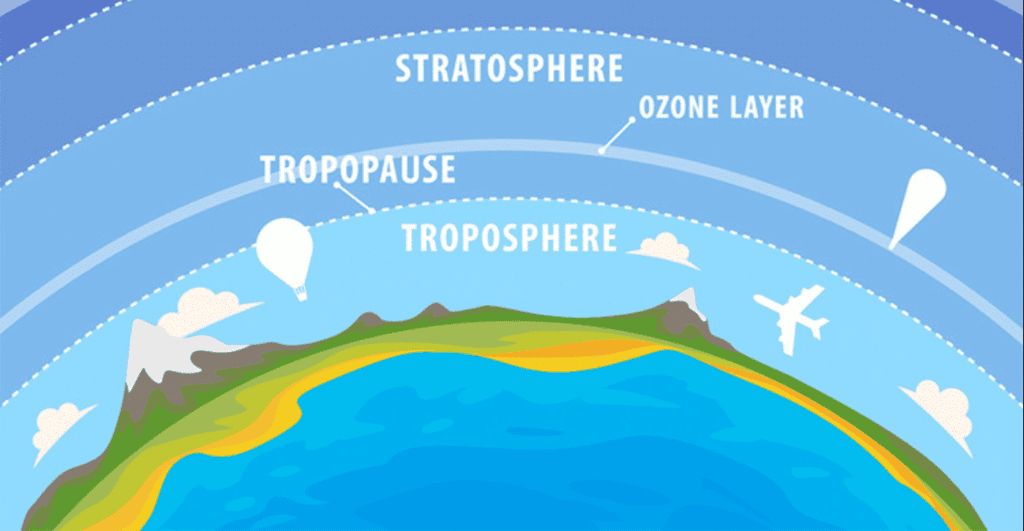
Q2: Which layer of the atmosphere is responsible for all weather changes? Ans: The troposphere is the layer where all weather changes occur.
Q3: How thick is the troposphere at the poles? Ans: The troposphere is about 6 kilometers thick at the poles.
Troposphere
Q4: Why do people in different regions experience weather differently? Ans: People feel weather differently based on their regional climate and adaptation.
Q5: What type of clothes do people wear in winter? Ans: People wear warm clothes during winter to protect themselves from the cold.
Q6: How did people in earlier times predict rain using nature? Ans: People observed signs like pine cones closing to predict rain.
Q7: Which instrument is used to measure temperature? Ans: A thermometer is used to measure how hot or cold the air is.
Q8: What does a rain gauge measure? Ans: A rain gauge measures the amount of rainfall in millimeters.
Q9: What does atmospheric pressure mean? Ans: Atmospheric pressure is the weight of air pressing down on the Earth’s surface.
Q10: Where is atmospheric pressure lower: mountains or sea coasts? Ans: Atmospheric pressure is lower in mountains compared to sea coasts.
Q11: Which instrument is used to measure atmospheric pressure? Ans: A barometer is used to measure atmospheric pressure in millibars.
Q12: What causes breathlessness at high altitudes? Ans: Breathlessness at high altitudes is caused by thin air and low oxygen levels.
Q13: What is the normal atmospheric pressure at sea level? Ans: The normal atmospheric pressure at sea level is about 1013 millibars.
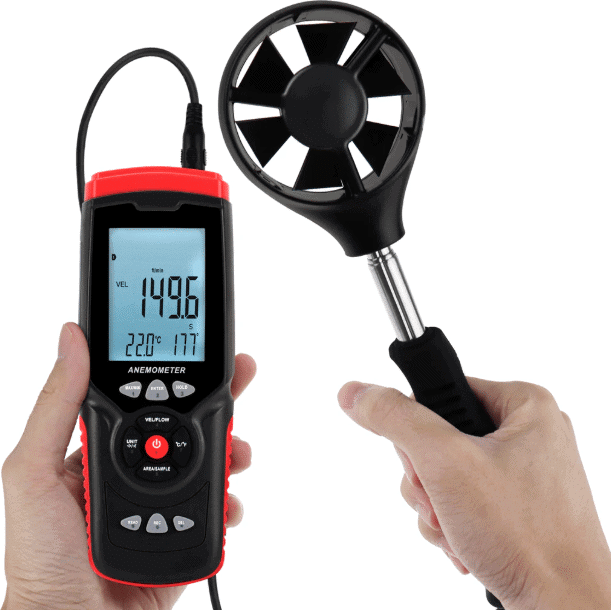
Q14: What does an anemometer measure? Ans: An anemometer measures the speed of the wind in kilometers per hour. Anemometer
Q15: Which instrument tells the direction of the wind? Ans: A wind vane shows the direction from which the wind is blowing.
Q16: Where is a wind sock commonly used? Ans: A wind sock is commonly used at airports and industrial areas.
Q17: What is humidity? Ans: Humidity is the amount of water vapor present in the air.
Q18: Which city has higher humidity, Kochi or Jaipur? Ans: Kochi has higher humidity compared to Jaipur.
Q19: What happens to evaporation when humidity is high? Ans: High humidity slows down the rate of evaporation.
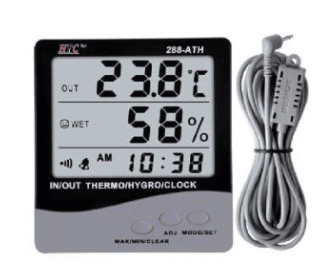
Q20: Which instrument is used to measure humidity? Ans: A hygrometer is used to measure the amount of humidity in the air.
Hygrometer
Q21: What is the range of relative humidity in dry weather? Ans: Dry weather has relative humidity between 20% and 40%.
Q22: How is snowfall measured in terms of precipitation? Ans: Snowfall is melted before measuring it with a rain gauge.
Q23: What is the mean daily temperature formula? Ans: Mean daily temperature is calculated by adding maximum and minimum temperature and dividing by two.
Q24: What is an Automated Weather Station (AWS)? Ans: An Automated Weather Station is a system that measures weather data using sensors without human help.
Q25: Who is responsible for issuing weather warnings in India? Ans: The India Meteorological Department (IMD) is responsible for issuing weather warnings in India.
Q1: Which countries form the Indian Subcontinent along with India? Ans: The Indian Subcontinent includes India, Pakistan, Bangladesh, Nepal, Bhutan, Sri Lanka, and Myanmar.
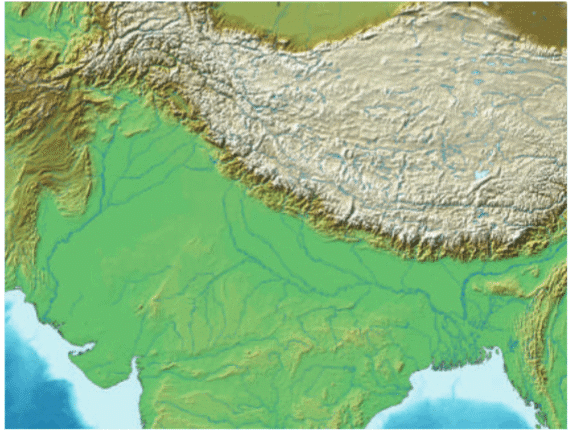
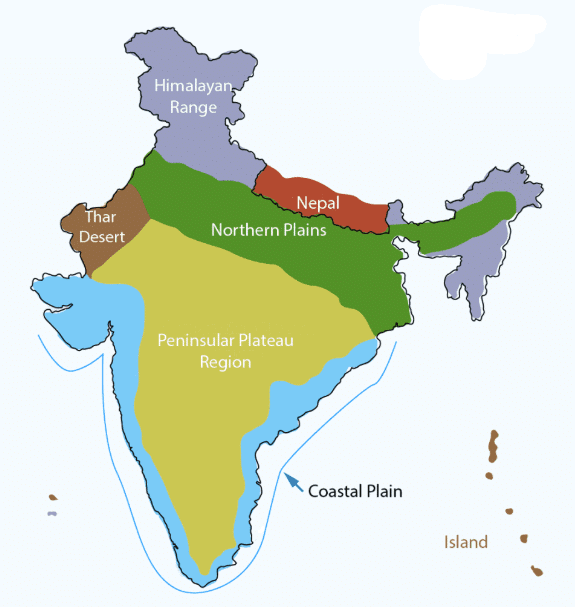
Q2: What are the five main physical regions of India? Ans: The five main physical regions of India are the Himalayas, the Gangetic Plains, the Thar Desert, the Southern Peninsula, and the Islands. Physical features of India
Q3: Which natural feature protects India from the north? Ans: The Himalayas protect India from the north.
Q4: What is the total length of the Himalayan range? Ans: The Himalayan range stretches for about 2,500 kilometers.
Q5: Which major rivers originate from the Himalayas? Ans: The Ganga, Indus, and Brahmaputra rivers originate from the Himalayas.
Q6: What is the highest part of the Himalayan range called? Ans: The highest part of the Himalayan range is called the Himadri or Greater Himalayas.
Q7: Which Himalayan range is known for hill stations like Shimla and Darjeeling? Ans: The Himachal or Lower Himalayas are known for hill stations like Shimla and Darjeeling.
Q8: What is the outermost Himalayan range called? Ans: The outermost range is called the Shivalik Hills.
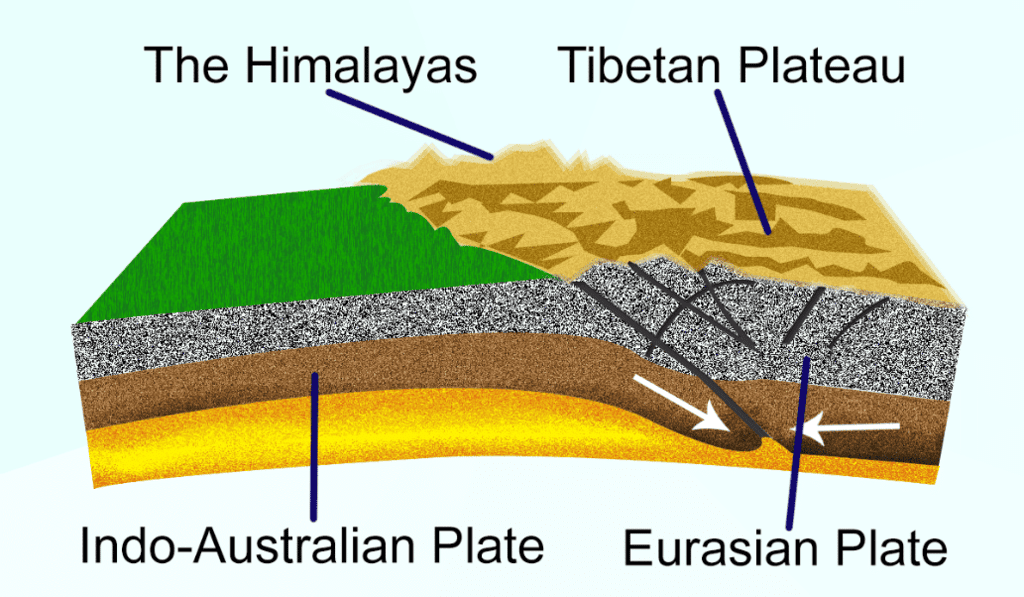
Q9: How were the Himalayas formed? Ans: The Himalayas were formed when the Indian plate collided with the Eurasian plate around 50 million years ago.
Formation of Himalayas
Q10: Why are the Himalayas called the “Water Tower of Asia”? Ans: They are called the “Water Tower of Asia” because they feed many major rivers that supply water to millions.
Q11: What kind of desert is Ladakh? Ans: Ladakh is a cold desert in India.
Q12: Name a famous salty lake in Ladakh. Ans: Pangong Tso is a famous salty lake in Ladakh.
Q13: Which animal is very useful for the people of Ladakh? Ans: The yak is very useful for the people of Ladakh.
Q14: Which festivals are celebrated in Ladakh? Ans: Festivals like Losar and Hemis are celebrated in Ladakh.
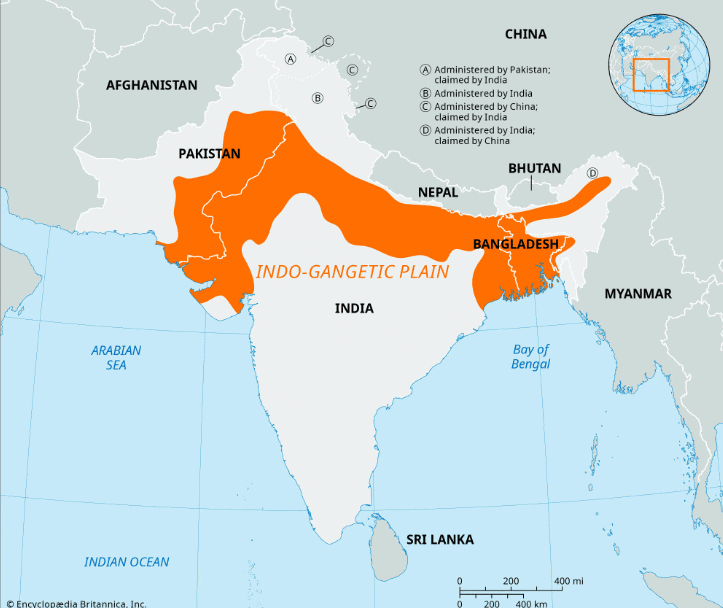
Q15: What makes the soil of the Gangetic Plains fertile? Ans: Minerals carried by rivers from the Himalayas make the soil fertile.
Q16: Which crops are mainly grown in the Gangetic Plains? Ans: Rice and wheat are the main crops grown in the Gangetic Plains.
Gangetic Plain
Q17: What is the national bird of India found in the Gangetic Plains? Ans: The peacock is the national bird of India found in the Gangetic Plains.
Q18: Which desert covers parts of Rajasthan, Gujarat, Punjab, and Haryana? Ans: The Thar Desert covers parts of Rajasthan, Gujarat, Punjab, and Haryana.
Q19: What is a taanka used for in desert areas? Ans: A taanka is used for harvesting and storing rainwater in desert areas.
Q20: What is the highest peak in the Aravalli Hills? Ans: Mount Abu is the highest peak in the Aravalli Hills.
Q21: Name two minerals found in the Aravalli Hills. Ans: Marble and zinc are two minerals found in the Aravalli Hills.
Q22: Which two rivers flow westward into the Arabian Sea? Ans: The Narmada and Tapti rivers flow westward into the Arabian Sea.
Q23: What is the name of India’s only active volcano? Ans: Barren Island is the name of India’s only active volcano.
Q24: Which delta is home to the Sundarbans mangrove forest? Ans: The delta formed by the Ganga and Brahmaputra rivers is home to the Sundarbans.
Q25: Which village in Meghalaya is known as the cleanest village in Asia? Ans: Mawlynnong Village in the East Khasi Hills is known as the cleanest village in Asia.
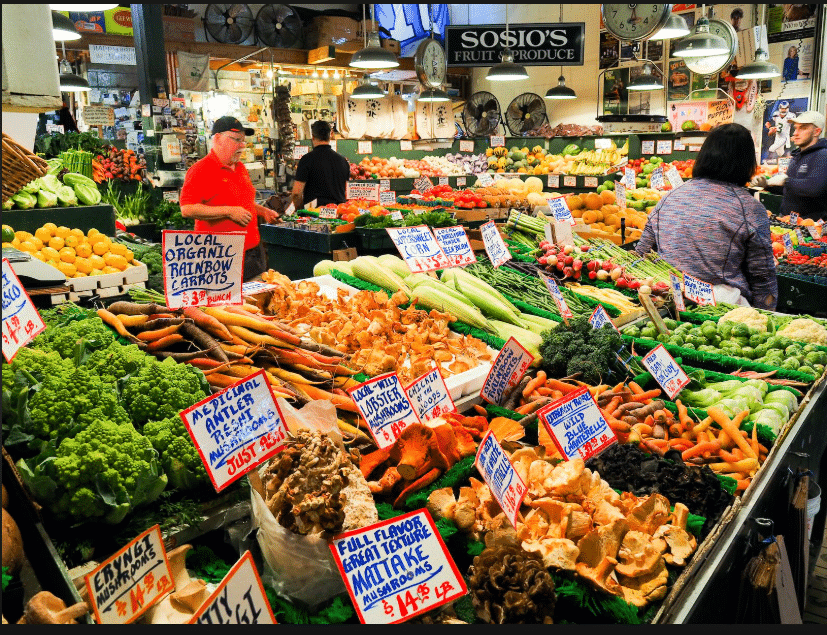
Q1:What is the primary function of a market? a) To provide education b) To buy and sell goods and services c) To offer loans d) To promote traditions Ans: b) To buy and sell goods and services
A market is primarily a place for buying and selling goods and services between buyers and sellers.
Market
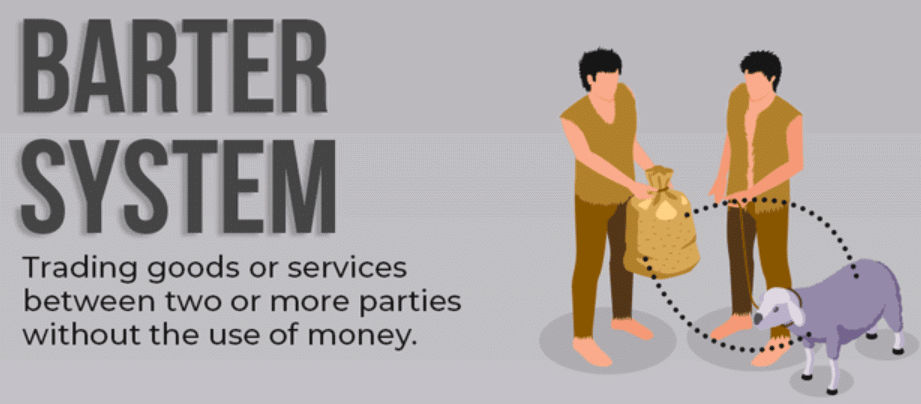
Q2:What is one of the main problems with the barter system? a) Difficulty in measuring value b) High transportation costs c) Lack of demand for goods d) Limited goods to exchange Ans: a) Difficulty in measuring value
In the barter system, determining the value of goods being exchanged was challenging without a standard measure.
Q3:Which of the following is an example of an online market? a) Haat b) A local grocery store c) An app for shopping d) A farmer’s market Ans: c) An app for shopping
Online markets allow buyers and sellers to transact through apps or websites, making shopping convenient from anywhere.
Online Shopping
Q4:Which market is used for exchanging large quantities of goods? a) Retail market b) Online market c) Wholesale market d) Digital market Ans: c) Wholesale market
Wholesale markets deal with large quantities of goods, typically sold in bulk to retailers.
Q5:What term refers to the amount of goods and services that sellers are willing to offer at different prices? a) Demand b) Supply c) Transaction d) Price Ans: b) Supply
Supply refers to the quantity of goods and services that sellers are ready to provide in the market at different price points.
Q6:Which of these products is commonly traded in domestic markets? a) Aircraft b) Gold c) Fruits and vegetables d) Electronics Ans: c) Fruits and vegetables
Domestic markets typically deal with goods produced and consumed within the country, like fruits and vegetables.
Domestic Market
Q7:What is the role of government in markets? a) To ensure fair pricing and quality b) To limit the supply of goods c) To increase demand d) To make all decisions for sellers Ans: a) To ensure fair pricing and quality
Governments regulate markets to ensure fair prices, product quality, and consumer safety.
Q8:What is one of the benefits of a market for society? a) It decreases competition among sellers b) It encourages innovation and better products c) It reduces the availability of goods d) It promotes only local products Ans: b) It encourages innovation and better products
Markets respond to consumer needs and encourage innovation, leading to better products and services.
Q9:Which type of market allows goods to be bought from international sellers? a) Domestic market b) Wholesale market c) International market d) Retail market Ans: c) International market
International markets involve the trade of goods and services between countries, with exports and imports.
Q10:Which of these is an example of a public good? a) A private restaurant b) A public park c) A commercial store d) A private gym Ans: b) A public park
Public goods, like parks, are provided by the government for everyone’s use and do not generate profit.
Fill in the Blanks
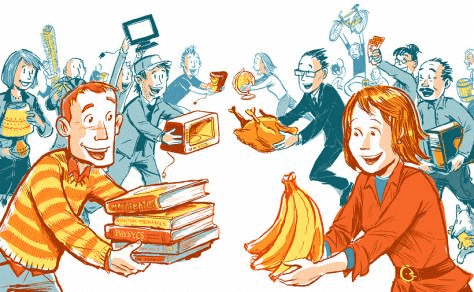
Q1:The barter system had the problem of ________, where both parties had to want what the other had. Ans: Double coincidence
In the barter system, both parties had to want what the other had, which was rarely the case.
Barter System
Q2:A market where buyers and sellers meet in person to exchange goods is called a ________ market. Ans: Physical
Physical markets require face-to-face transactions, such as weekly bazaars and local shops.
Q3:A market where transactions happen over apps or websites is known as an ________ market. Ans: Online
Online markets allow for transactions without physical presence, like shopping on e-commerce websites or apps.
Q4: ________ refers to the quantity of goods that buyers want to buy at different prices. Ans: Demand
Demand represents how much of a product consumers are willing to buy at varying prices.
Q5:The process of ________ involves setting rules to ensure fair pricing, quality, and safety in markets. Ans: Regulation
Governments regulate markets to ensure that consumers are protected and that fair practices are maintained.
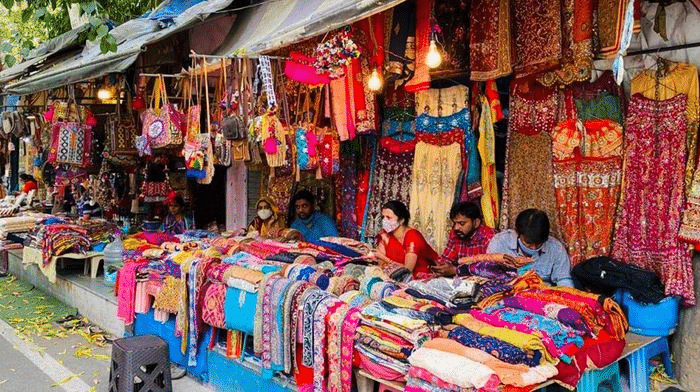
Q6:A market where goods are bought in large quantities and sold to smaller retailers is called a ________ market. Ans: Wholesale
In wholesale markets, goods are traded in bulk, typically sold to retailers who then sell to consumers.
Wholesale Market of Cloth
Q7:The ________ is a mark that ensures the quality of agricultural products like honey and vegetables. Ans: AGMARK
AGMARK is a certification for agricultural products to ensure their quality and safety for consumers.
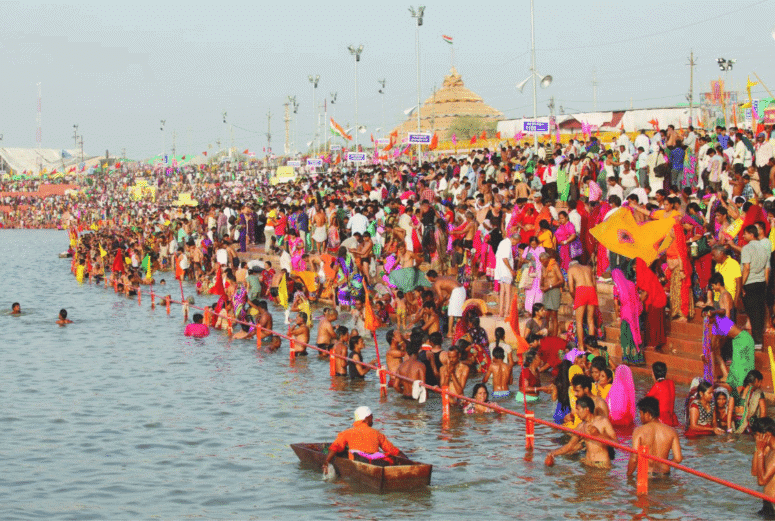
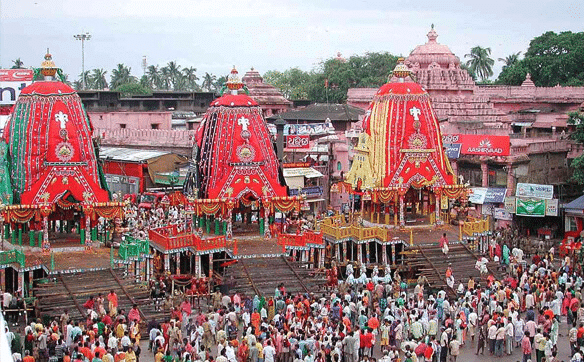
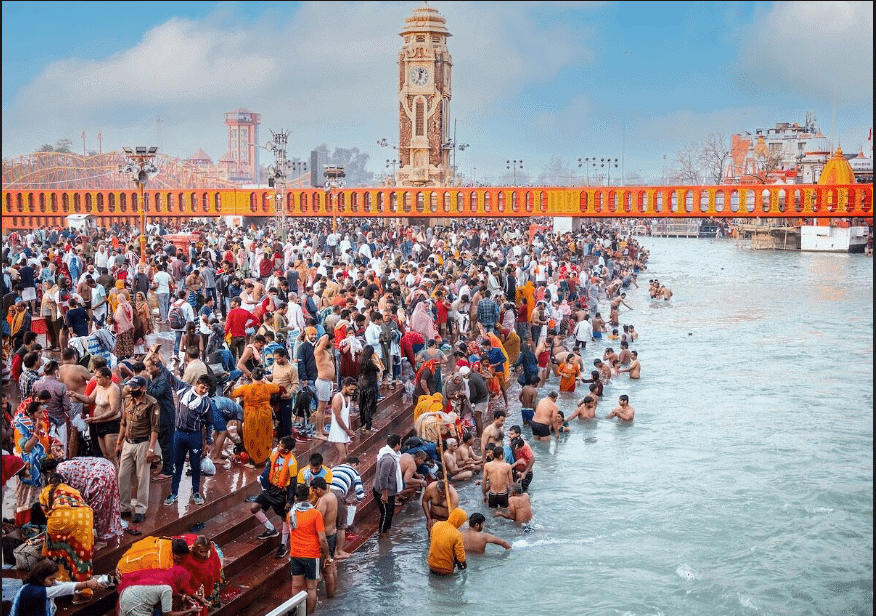
Q8:The ________ Mela is a major pilgrimage event that takes place every six years at four river sites in India. Ans: Kumbh
The Kumbh Mela is a large religious gathering held at four sites in India, where millions of people gather for a holy dip.
Kumbh Mela
Q9:________ is a method of assessing the quality of goods by looking at reviews, certifications, and personal experience. Ans: Quality assessment
Consumers assess the quality of products through reviews, labels like FSSAI, and personal experiences.
Q10:The ________ market refers to the buying and selling of goods within a country’s boundaries. Ans: Domestic
Domestic markets involve trade within the same country, such as local grocery stores or regional shops.
Very Short Answer Questions
Q1:What is a physical market? Ans: A market where buyers and sellers meet in person to exchange goods and services.
Q2:What does “demand” mean in the context of markets? Ans: Demand refers to the amount of goods that buyers want to purchase at different prices.
Q3: What is an online market? Ans: An online market is a platform where transactions happen through apps or websites.
Q4:What is the role of a wholesaler in the market? Ans: A wholesaler buys goods in bulk from producers and sells them to retailers.
Q5:What is AGMARK? Ans: AGMARK is a certification mark for ensuring the quality of agricultural products.
IGI Mark
Short Answer Questions
Q1: Explain the role of the government in regulating markets. Ans: The government regulates markets by controlling prices, ensuring product quality, and setting safety standards to protect consumers and maintain fair trade practices.
Q2: How does demand affect prices in a market? Ans: If demand for a product is high, prices tend to increase. If demand is low, prices may decrease to attract buyers.
Q3:What are the key features of a wholesale market? Ans: Wholesale markets deal with large quantities of goods, sold in bulk to retailers. They help in efficient distribution and lower prices compared to retail.
Q4:What is the significance of the Kumbh Mela in India? Ans: The Kumbh Mela is a significant religious event that brings millions of people together for a holy dip in the rivers, symbolizing spirituality and unity.
Q5: How does the online market differ from the physical market? Ans: In online markets, transactions happen via websites or apps, offering convenience but lacking physical interaction, unlike in physical markets where goods can be seen and touched)
Match the Following
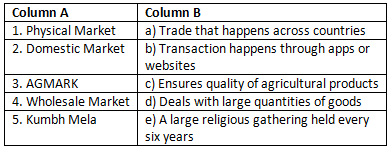
(Match Column A with the correct option in Column B)
Ans: Matched Pairs and Explanations:
1 → b: Physical markets involve in-person transactions where buyers and sellers meet directly.
2 → a: Domestic markets refer to trade within a country’s borders.
3 → c: AGMARK is a certification mark ensuring the quality of agricultural products.
4 → d: Wholesale markets deal with large quantities of goods sold in bulk.
5 → e: Kumbh Mela is a major religious gathering held every six years at four sacred river sites.
Q1:What was the main problem with the barter system? a) Lack of variety of goods b) Double coincidence of wants c) Lack of trust between traders d) Inability to measure value Ans: b) Double coincidence of wants
In the barter system, both parties had to have what the other wanted, which made trade difficult and rare.
Barter System
Q2:What is money primarily used for? a) To save for future use b) To measure value c) To buy and sell goods and services d) To store commodities Ans: c) To buy and sell goods and services
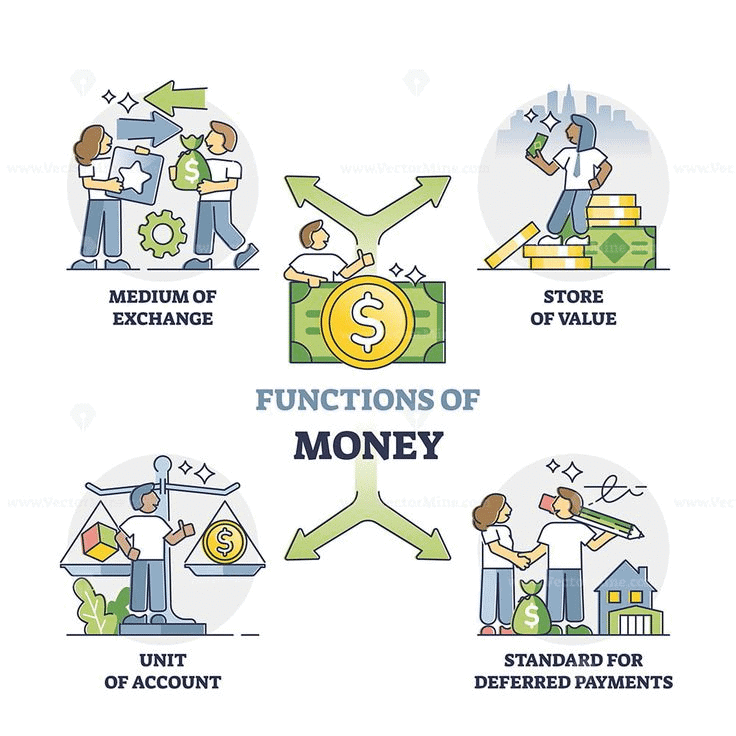
Money is primarily used as a medium of exchange, allowing goods and services to be bought and sold easily.
Q3:Which of these is an example of modern digital money? a) Cowrie shells b) Wheat c) UPI d) Paper notes Ans: c) UPI
UPI (Unified Payments Interface) is a form of digital money used for instant bank transactions.
Q4:What is the main reason why money is more efficient than the barter system? a) Money can be saved and used later b) Money is harder to carry c) Money only works with coins d) Money has no value Ans: a) Money can be saved and used later
Money allows for transactions over time, as it can be stored and used for future purchases, unlike goods in barter.
Q5:Which of the following was one of the earliest forms of money? a) Digital currency b) Cowrie shells c) Coins with currency symbols d) Banknotes Ans: b) Cowrie shells
Cowrie shells were used in ancient times as a form of money for trade.
Q6:What does the term “medium of exchange” refer to? a) A tool used to measure trade b) A method to store wealth c) Something that is accepted for buying and selling d) A product for trade Ans: c) Something that is accepted for buying and selling
A medium of exchange is something widely accepted for buying and selling goods and services.
Q7:Which item was commonly used as money in ancient India? a) Cattle b) Paper notes c) Digital codes d) Credit cards Ans: a) Cattle
In the barter system, cattle were commonly used as a form of trade for goods and services.
Digital Currency
Q8:What is the main advantage of money over bartering goods like wheat or cattle? a) Money is portable, divisible, and durable b) Money can be eaten c) Money is easier to store than goods d) Money does not need to be traded Ans: a) Money is portable, divisible, and durable
Money is easy to carry, can be divided into smaller units, and does not spoil or rot like perishable goods.
Q9:What did John Maynard Keynes say about money? a) Money is only useful for buying goods b) Money connects the present to the future c) Money is not important for trade d) Money should only be used in the form of coins Ans: b) Money connects the present to the future
Keynes emphasized that money helps us save for future needs and plan for later use.
Q10:What was one problem with using cattle in the barter system? a) Cattle were not accepted by all traders b) Cattle could be divided into smaller parts c) Cattle rotted quickly d) Cattle were difficult to transport Ans: d) Cattle were difficult to transport
Cattle were large and difficult to move over long distances, making them inefficient for trade.
Fill in the Blanks
Q1:The barter system was inefficient because it required a ________ of wants. Ans: Double coincidence
In the barter system, both parties had to want what the other had, which made successful exchanges rare.
Q2:Money solves the problems of the barter system by being ________, meaning it can be carried easily. Ans: Portable
Money is portable, unlike large goods like cattle, making it easier to carry and use in trade.
Q3:In the barter system, a farmer could not split an ________ into smaller units for trade. Ans: Ox
Items like oxen were not divisible, which made them unsuitable for smaller trades in the barter system.
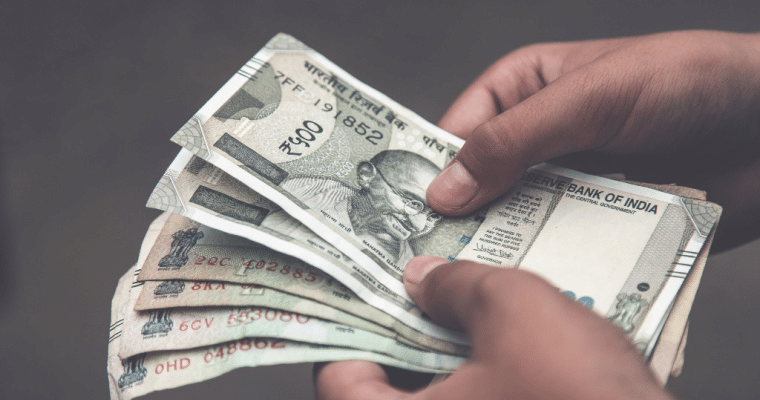
Q4:The modern form of money used in transactions is ________ currency. Ans: Paper
Paper currency is widely used today for transactions, unlike the ancient forms of money like coins or shells.
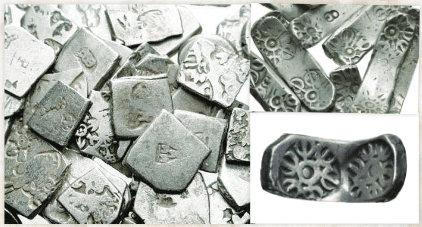
Q5:One early form of money used in ancient India was called ________ or panas. Ans: Kārshāpanas
Ancient Indian coins, known as kārshāpanas or panas, were used in trade and often had symbols like animals and gods.
Q6:________ is an example of digital money that allows users to transfer money between accounts. Ans: UPI
UPI (Unified Payments Interface) is a form of digital money that allows seamless transactions between bank accounts.
Q7:The ________ is the symbol used on Indian banknotes, designed in 2010. Ans: ₹
The ₹ symbol represents the Indian Rupee and was designed in 2010 to symbolize India’s currency.
Q8:The ________ system, introduced in ancient China, was the first use of paper money. Ans: Paper currency
Paper currency was first introduced in China and later in India by the Bank of Bengal in the late 18th century.
Q9:A major disadvantage of using the barter system was that goods like ________ could spoil quickly. Ans: Wheat
Perishable goods like wheat could spoil or get eaten by pests, making them unsuitable for long-term trade.
Q10:The modern form of payment involving scanning a ________ code is called digital money. Ans: QR
QR codes are used for digital money transactions, making it easier for consumers to pay without physical money.
Very Short Answer Questions
Q1:What was the primary problem with the barter system? Ans: The main problem was the double coincidence of wants.
Q2:What does “money as a store of value” mean? Ans: Money can be saved and used later, unlike perishable goods.
Q3:How did the invention of money help in trade? Ans: Money made trade easier by solving the issues of portability, divisibility, and value measurement.
Q4:What is the modern equivalent of money used in daily transactions? Ans: Modern money includes coins, notes, and digital payments like UPI.
Q5:What does “durability” mean in the context of money? Ans: Money can last for a long time without spoiling, unlike perishable goods in the barter system.
Paper Currency
Short Answer Questions
Q1:Why was the barter system not effective for long-distance trade? Ans: The barter system was ineffective for long-distance trade because goods like cattle were hard to transport, and the double coincidence of wants was difficult to find.
Q2:Explain the difference between the barter system and money. Ans: The barter system required a mutual need for goods, while money is a common, portable, and divisible medium of exchange, making trade more efficient.
Q3:What was the first form of paper currency used in India? Ans: Paper currency was introduced in India in the late 18th century by banks like the Bank of Bengal and Bank of Bombay.
Q4:How did money evolve from coins to digital money? Ans: Money evolved from coins made of precious metals to paper currency and now to digital money like UPI and mobile payments for easier transactions.
Q5:How did John Maynard Keynes describe the role of money? Ans: John Maynard Keynes described money as a means to connect the present with the future, helping people save and spend later.
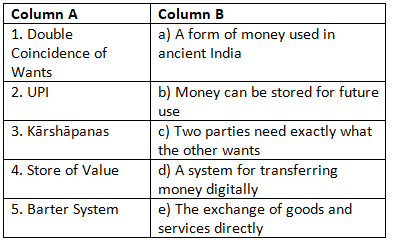
Match the Following
(Match Column A with the correct option in Column B)
Ans: Matched Pairs and Explanations:
1 → c: Double Coincidence of Wants means both parties need what the other offers.
2 → d: UPI is a system for transferring money digitally.
3 → a: Kārshāpanas were coins used in ancient India for transactions.
4 → b: Store of value means money can be saved for future use.
5 → e: Barter system is the direct exchange of goods and services.
Q1:What is the primary role of the Constitution of India? a) To make laws b) To protect citizens’ rights and outline the rules of government c) To ensure religious harmony d) To create a system of elections Ans: b) To protect citizens’ rights and outline the rules of government
The Constitution of India serves as a rulebook that outlines how the government works, protects citizens’ rights, and defines duties.
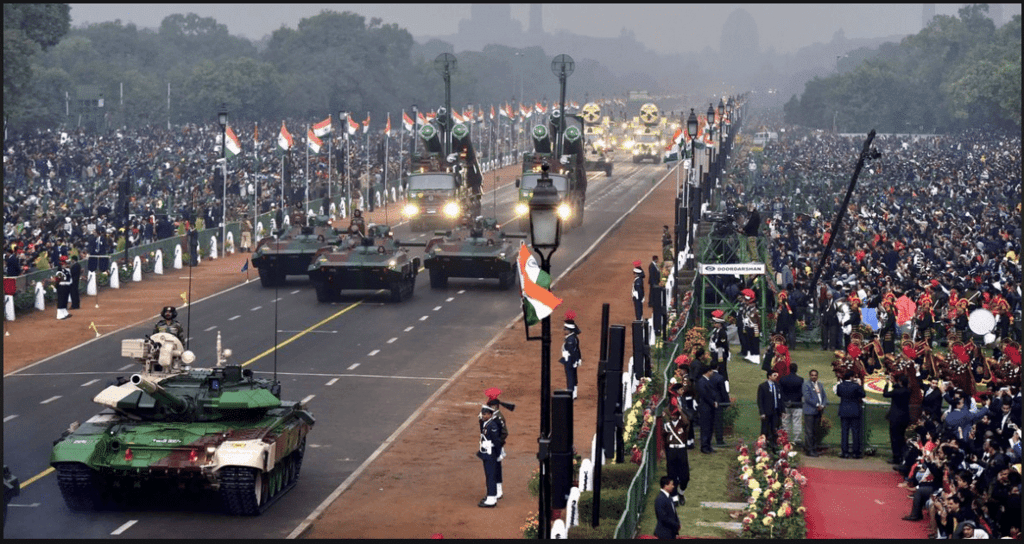
Republic Day Parade
Q2:When did the Constitution of India come into effect? a) 15th August 1947 b) 26th January 1950 c) 15th August 1948 d) 26th November 1949 Ans: b) 26th January 1950
The Constitution of India came into effect on 26th January 1950, which is celebrated as Republic Day.
Q3:What does the term “Sovereign” in the Preamble of the Constitution refer to? a) India is governed by religious leaders b) India has the authority to make its own decisions without external interference c) India is a monarchy d) India’s leaders are elected Ans: b) India has the authority to make its own decisions without external interference
“Sovereign” means India has full control over its own decisions without being controlled by other countries.
Q4:Which document lists the rules and laws for governing India? a) The Preamble b) The Constitution c) The Bill of Rights d) The Declaration of Independence Ans: b) The Constitution
The Constitution of India is the primary document that lists the rules, laws, and rights for governing India.
Q5:Who was the Chairman of the Constituent Assembly? a) Dr. B.R. Ambedkar b) Dr. Rajendra Prasad c) Jawaharlal Nehru d) Dr. Sachidananda Sinha Ans: b) Dr. Rajendra Prasad
Dr. Rajendra Prasad was the Chairman of the Constituent Assembly and played a significant role in the formation of the Constitution.
Q6:Which of the following is NOT a source of influence for the Indian Constitution? a) The Indian Freedom Movement b) France’s Constitution c) USA’s Constitution d) Russia’s Revolution Ans: d) Russia’s Revolution
The Indian Constitution was influenced by various sources, including the Indian Freedom Movement, the USA’s Constitution, and France’s Constitution, but not Russia’s Revolution.
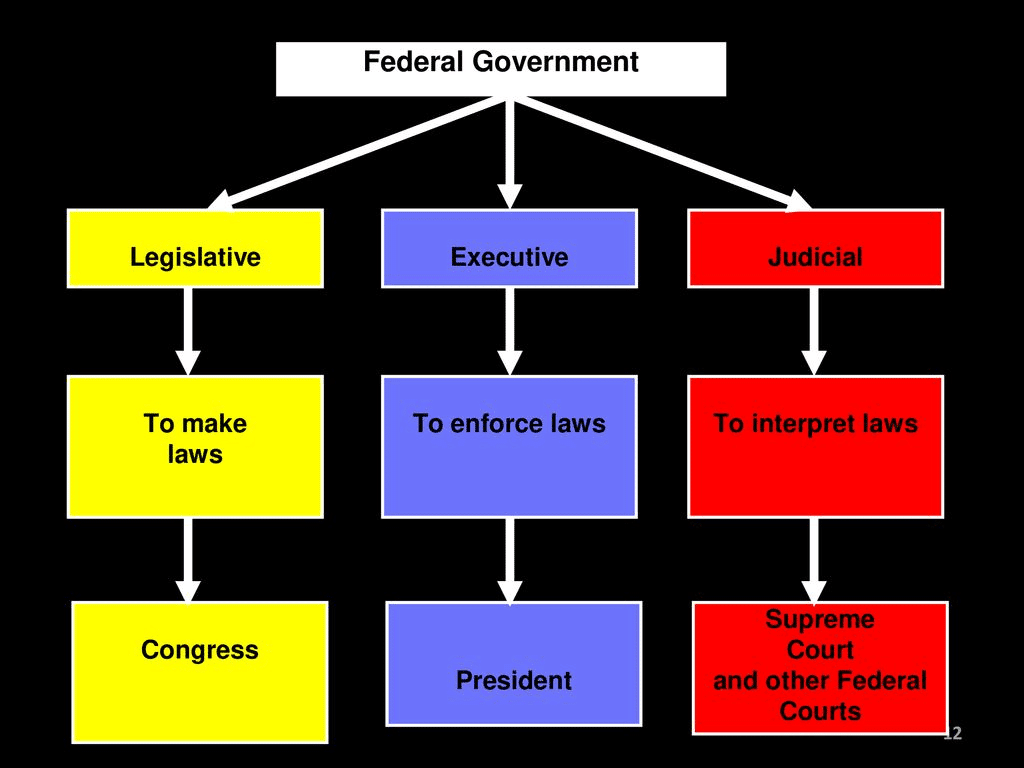
Q7:What does the “separation of powers” in the Constitution mean? a) The executive controls the legislative and judicial powers b) The legislature, executive, and judiciary function independently without interfering with each other c) The legislature is more powerful than the executive d) The judiciary makes laws Ans: b) The legislature, executive, and judiciary function independently without interfering with each other
The separation of powers ensures that the three branches of government—legislature, executive, and judiciary—work independently and fairly.
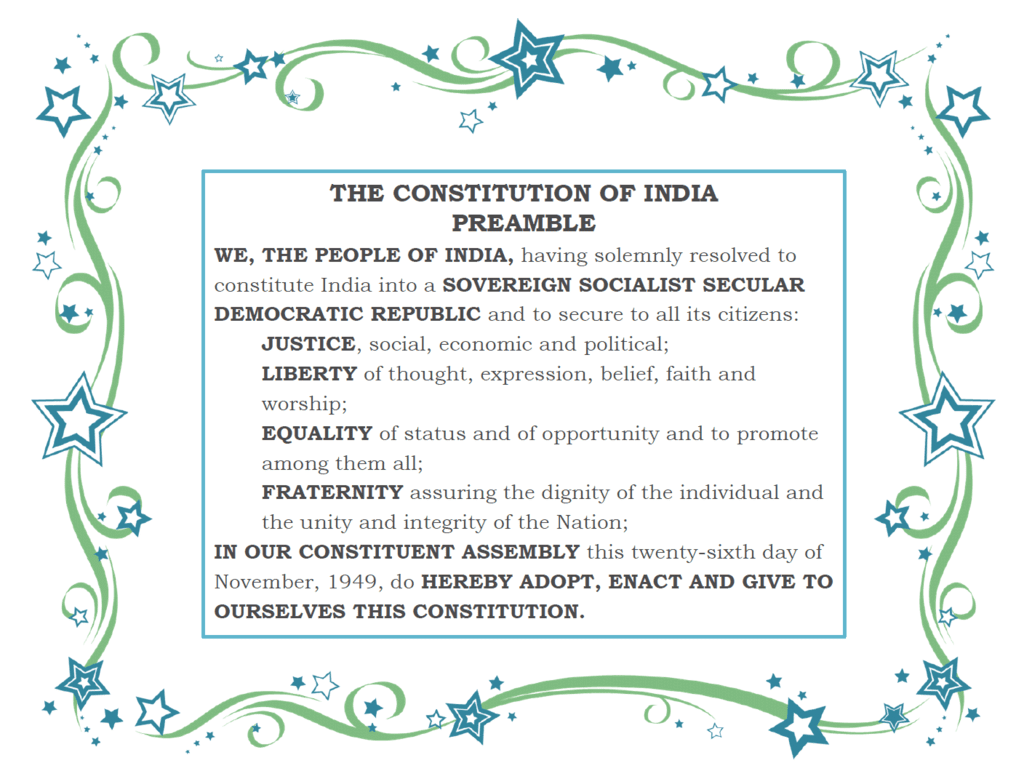
Q8:What is the Preamble of the Indian Constitution? a) A list of laws b) A summary of the Constitution’s main values c) The introduction to the Parliament d) A legal document for voting Ans: b) A summary of the Constitution’s main values
The Preamble is the introduction to the Constitution that summarizes its core values, including justice, liberty, and equality.
Q9:Which of these was included in the Indian Constitution after it was adopted? a) Universal adult franchise b) Democracy c) Separation of powers d) All of the above Ans: d) All of the above
The Indian Constitution includes principles like universal adult franchise, democracy, and separation of powers.
Q10:Who was the Chairman of the Drafting Committee that prepared the Constitution? a) Jawaharlal Nehru b) Dr. Rajendra Prasad c) Dr. B.R. Ambedkar d) Mahatma Gandhi Ans: c) Dr. B.R. Ambedkar
Dr. B.R. Ambedkar was the Chairman of the Drafting Committee and played a key role in shaping the Constitution of India.
Preamble
Fill in the Blanks
Q1:The Constitution of India was adopted on ________ and came into effect on ________. Ans: 26th November 1949; 26th January 1950
The Constitution was adopted on 26th November 1949 and came into effect on 26th January 1950, which is celebrated as Republic Day.
Q2:The Constitution of India is stored in a ________-filled glass case in Parliament. Ans: Helium
The Constitution is kept in a helium-filled glass case in Parliament to preserve its integrity.
Q3:The Constitution’s main features include fundamental rights, fundamental duties, and ________. Ans: Directive Principles of State Policy
The Directive Principles of State Policy guide the government’s actions but are not enforceable in court.
Q4: India’s Constitution is shaped by the ________ struggle, which inspired the values of equality, freedom, and justice. Ans: Freedom
The Indian Freedom Movement contributed significantly to the values included in the Constitution.
Q5:Dr. ________ was the first Law and Justice Minister of India and is called the Architect of the Indian Constitution. Ans: B.R. Ambedkar
Dr. B.R. Ambedkar, as the Law and Justice Minister, played a key role in drafting the Indian Constitution.
Q6:The ________ of India includes values like justice, liberty, and equality. Ans: Preamble
The Preamble summarizes the core values that guide the Constitution and government.
Q7:The Constitution provides for the ________ system, dividing power among the central, state, and local governments. Ans: Three-tier
The three-tier system refers to the division of government powers into Central, State, and Local levels.
Q8:________ is the part of the government that makes laws. Ans: Legislature
The legislature is responsible for creating and passing laws.
Q9:________ are basic rights that protect citizens against discrimination and exploitation. Ans: Fundamental Rights
Fundamental Rights are guaranteed to all citizens and ensure equality, freedom, and protection.
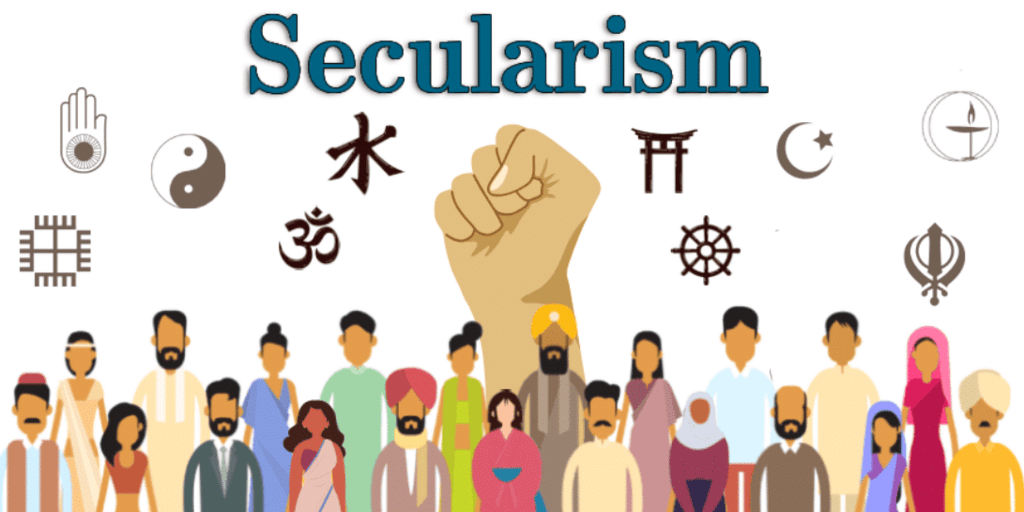
Q10: ________ refers to the principle of shared values and mutual respect among different communities. Ans: Secularism
Secularism in the Indian Constitution ensures that all religions are treated equally.
Secularism
Very Short Answer Questions
Q1:When was the Indian Constitution adopted? Ans: The Indian Constitution was adopted on 26th November 1949.
Q2:What is the Preamble to the Indian Constitution? Ans: The Preamble is the introduction to the Constitution, outlining its core values and goals.
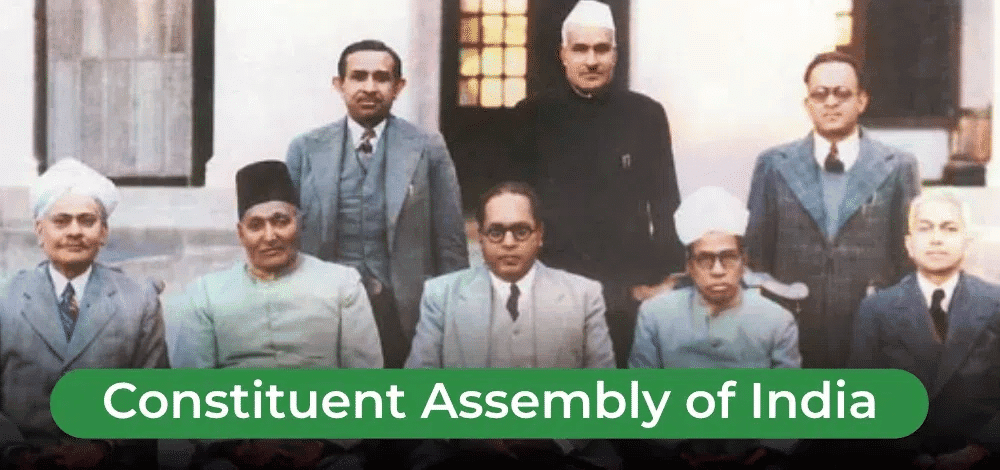
Q3:Who was the first President of the Constituent Assembly? Ans: Dr. Sachidananda Sinha was the first President of the Constituent Assembly.
Q4:Who played a key role in drafting the Indian Constitution? Ans: Dr. B.R. Ambedkar played a key role in drafting the Indian Constitution.
Q5: What does the term “sovereign” in the Constitution mean? Ans: “Sovereign” means India has the right to make its own decisions without outside control.
Short Answer Questions
Q1:What are the main parts of the government as outlined in the Constitution? Ans: The three main parts of the government are the legislature, executive, and judiciary. They each have separate functions to ensure fairness and accountability.
Q2:How is the Constitution of India a “living document”? Ans: The Constitution is a living document because it can be amended to meet the changing needs of society, as seen in the addition of Fundamental Duties and other changes over time.
Q3:Why is the Constitution important for the citizens of India? Ans: The Constitution protects citizens’ rights, outlines their duties, and ensures fairness by setting rules for governance, making it essential for maintaining justice and equality.
Q4:What role did the freedom struggle play in shaping the Indian Constitution? Ans: The freedom struggle influenced the Constitution by promoting values like equality, justice, freedom, and fraternity, which were key principles in the document.
Q5:How did the Indian Constitution borrow ideas from other countries? Ans: The Indian Constitution incorporated ideas from various countries, like the USA’s independent judiciary, France’s liberty, equality, and fraternity, and Ireland’s Directive Principles.Match the Following
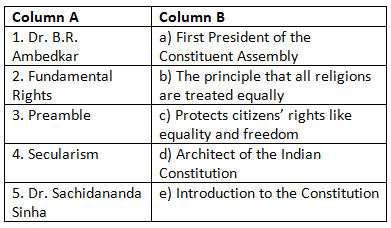
(Match Column A with the correct option in Column B)
Ans: Matched Pairs and Explanations:
1 → d: Dr. B.R. Ambedkar was the Architect of the Indian Constitution.
2 → c: Fundamental Rights protect citizens’ rights such as equality and freedom.
3 → e: The Preamble introduces the Constitution and outlines its values.
4 → b: Secularism means that all religions are treated equally.
5 → a: Dr. Sachidananda Sinha was the first President of the Constituent Assembly.
Q1:What does the term ‘democracy’ mean? a) A government where one person has all the power b) A government run by religious leaders c) A government run by the people d) A government controlled by military force Ans: c) A government run by the people
Democracy means “rule of the people,” where the people are the source of power, and they elect representatives to make decisions.
Q2:What is the main function of a democratic government? a) To provide a king with wealth b) To ensure people’s safety and welfare c) To limit people’s freedoms d) To create military power Ans: b) To ensure people’s safety and welfare
A democratic government’s primary function is to ensure law, order, and the well-being of all citizens.
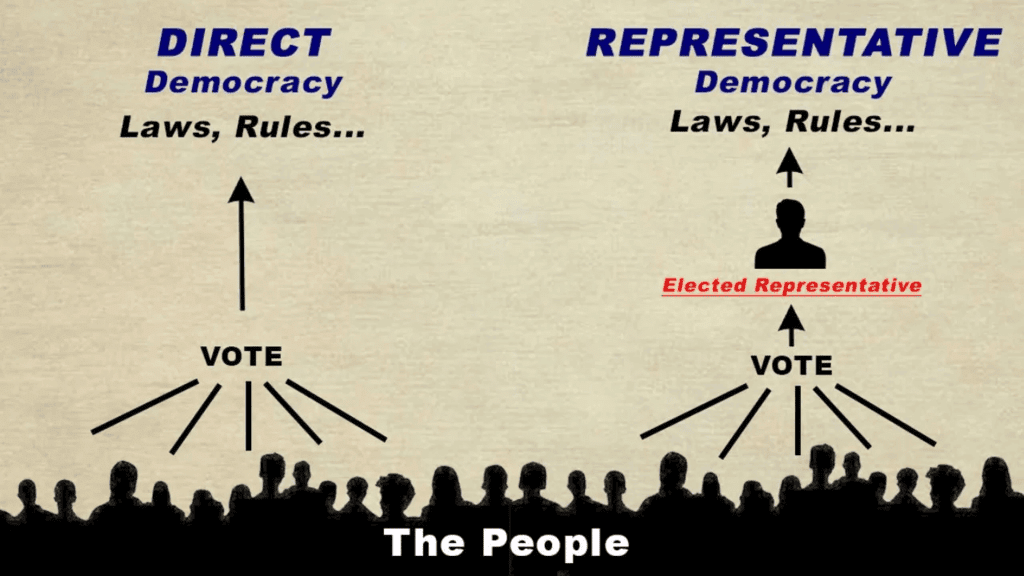
Q3:Which is a characteristic of a representative democracy? a) Every citizen directly makes laws b) Citizens elect representatives to govern c) A king or queen makes all the decisions d) The government has no interaction with citizens Ans: b) Citizens elect representatives to govern
In a representative democracy, citizens vote for representatives who then make decisions on their behalf.
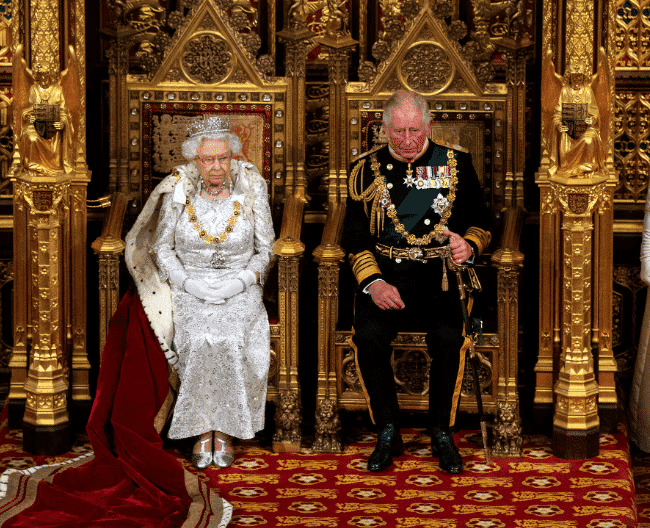
Q4:In which type of government does the king or queen have complete control? a) Democracy b) Monarchy c) Theocracy d) Dictatorship Ans: b) Monarchy
In a monarchy, the king or queen rules the country, often with absolute power, especially in an absolute monarchy.
Monarchy
Q5:What is the primary role of the judiciary in a democracy? a) To create laws b) To enforce laws c) To ensure that laws are followed and settle disputes d) To make military decisions Ans: c) To ensure that laws are followed and settle disputes
The judiciary ensures that laws are followed and resolves disputes according to the law.
Q6:In which type of government are rulers chosen by religious leaders? a) Democracy b) Monarchy c) Theocracy d) Dictatorship Ans: c) Theocracy
A theocracy is a government ruled by religious leaders or based on religious laws.
Q7:Which of the following is NOT a principle of democracy? a) Equality b) Freedom of speech c) Separation of powers d) Rule by one leader Ans: d) Rule by one leader
In a democracy, power is shared, and it does not rely on one person ruling alone.
Q8:What is the main difference between parliamentary and presidential democracy? a) In parliamentary democracy, the president is elected b) In presidential democracy, the president is elected separately c) In parliamentary democracy, there is no separation of powers d) In presidential democracy, the prime minister is the head of the state Ans: b) In presidential democracy, the president is elected separately
In presidential democracy, the president is elected independently of the legislature, whereas in parliamentary democracy, the executive (prime minister) is part of the legislature.
Q9:Which system of government has a ruler who has absolute power? a) Democracy b) Monarchy c) Dictatorship d) Oligarchy Ans: c) Dictatorship
In a dictatorship, one person or a small group holds all the power, often not bound by laws.
Q10:What is the role of citizens in a representative democracy? a) To create laws b) To elect representatives who make decisions for them c) To follow orders from a king d) To control the economy Ans: b) To elect representatives who make decisions for them
In a representative democracy, citizens elect leaders to represent them in government.
Fill in the Blanks
Q1: In a __________, the people elect representatives to make decisions on their behalf. Ans: Representative democracy
In representative democracy, people elect representatives to make laws and decisions for them.
Difference: Direct and Representative Democracy
Q2:A __________ government is ruled by religious leaders or based on religious laws. Ans: Theocracy
Theocracy is a system of government where religious leaders hold political power.
Q3:The __________ is the branch of government responsible for enforcing laws. Ans: Executive
The executive branch of government is responsible for implementing and enforcing laws.
Q4: In a __________ monarchy, the king’s power is limited by a constitution or laws. Ans: Constitutional
A constitutional monarchy limits the power of the monarch, giving more control to elected officials.
Q5:__________ is a form of government where power is held by one person or a small group. Ans: Oligarchy
Oligarchy is a government system where a small group of wealthy or powerful people control the country.
Q6: __________ is a system of government where the king or queen has complete control. Ans: Absolute monarchy
An absolute monarchy is a form of government where the monarch holds complete control and power.
Q7: __________ refers to the right of every adult to vote in elections. Ans: Universal adult franchise
Universal adult franchise ensures that every adult citizen has the right to vote in elections.
Q8:The __________ is the group responsible for making laws in a democracy. Ans: Legislature
The legislature is the body responsible for creating laws in a democracy.
Q9:In a __________ democracy, all citizens directly participate in making laws and decisions. Ans: Direct
In direct democracy, all citizens actively participate in making decisions and laws.
Q10: The __________ ensures that laws are followed and resolves legal disputes in a democracy. Ans: Judiciary
The judiciary interprets and applies laws, ensuring fairness in the legal system.
Very Short Answer Questions
Q1:What is democracy? Ans: Democracy is a system of government where the people have the power to elect their leaders.
Q2:What is the role of the executive in a democracy? Ans: The executive enforces the laws and manages the day-to-day functions of the government.
Q3:Which type of government allows the people to vote for their leaders? Ans: Democracy.
Q4:What is the purpose of the judiciary in a democracy? Ans: The judiciary ensures that laws are followed and resolves disputes.
Q5:What is an oligarchy? Ans: An oligarchy is a form of government where a small, powerful group controls the government.
Short Answer Questions
Q1:What are the three main functions of government in a democracy? Ans: The three main functions are legislative (making laws), executive (enforcing laws), and judicial (ensuring laws are followed and resolving disputes).
Q2:How does a monarchy differ from a democracy? Ans: In a monarchy, a king or queen rules the country, often with hereditary power, while in a democracy, leaders are elected by the people.
Q3:What is the difference between direct and representative democracy? Ans: In direct democracy, citizens directly make decisions and laws, while in representative democracy, citizens elect representatives to make decisions on their behalf.
Q4:What is meant by “universal adult franchise”? Ans: Universal adult franchise means that every adult citizen has the right to vote in elections, regardless of their social or economic status.
Q5:How did the Chola period influence democracy in ancient India? Ans: The Chola period included a system where local assemblies and councils were elected by citizens, influencing the development of democratic governance in India.
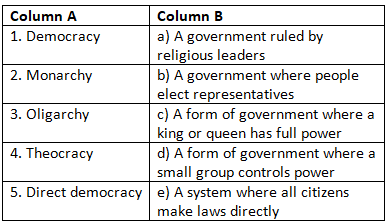
Match the Following
(Match Column A with the correct option in Column B)
Ans: Matched Pairs and Explanations:
1 → b: Democracy is a government where people elect representatives.
2 → c: Monarchy is a government ruled by a king or queen, sometimes with absolute power.
3 → d: Oligarchy is a government controlled by a small, powerful group of people.
4 → a: Theocracy is a government ruled by religious leaders and based on religious principles.
5 → e: Direct democracy is where all citizens directly make decisions and laws.
Q1:What does ‘sacredness’ mean in religious or spiritual contexts? a) Something holy or deeply respected b) A journey to a distant land c) A place for ordinary activities d) Something that belongs to a specific religion Ans: a) Something holy or deeply respected
Sacredness refers to something that is considered holy or highly respected in religious or spiritual contexts.
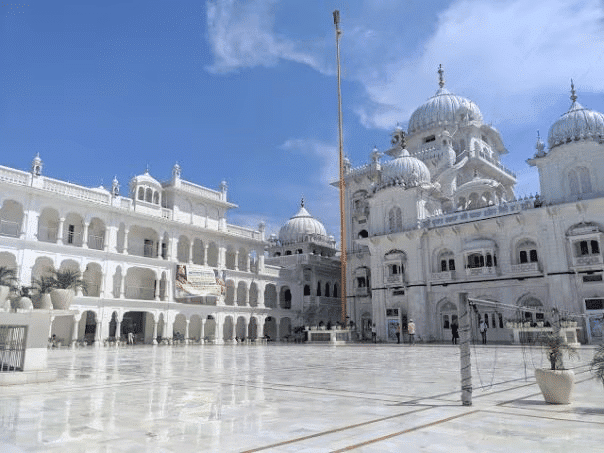
Q2:Which of the following is a sacred site for Sikhs? a) Takht Sri Patna Sahib b) Mahabodhi Stūpa c) Dargah Sharif d) Velankanni Church Ans: a) Takht Sri Patna Sahib
Takht Sri Patna Sahib is one of the holiest places for Sikhs, linked to Guru Nanak.
Takht Sri Patna Sahib
Q3:What is a pilgrimage in Indian culture known as?
a) Yātrā b) Tīrthayātrā c) Kumbh Mela d) Dham
Ans: b) Tīrthayātrā
A pilgrimage in India is called a tīrthayātrā, meaning a journey to a sacred site.
Q4:Which river is considered a goddess in Hinduism? a) Ganga b) Nile c) Thames d) Amazon Ans: a) Ganga
In Hinduism, the Ganga (Ganges) is worshipped as a goddess, symbolizing purity and divinity.
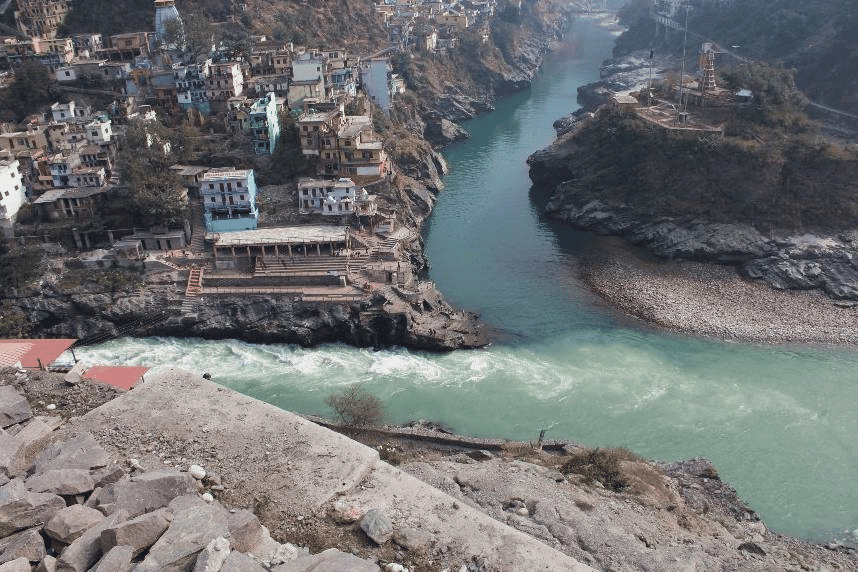
Q5:What is the significance of Sangams in Indian sacred geography? a) Where rivers meet, considered sacred b) Places for religious rituals c) Ancient trade routes d) Monasteries for monks Ans: a) Where rivers meet, considered sacred
Sangams, or confluences of rivers, are considered especially holy in Hindu tradition, such as at Prayagraj.
Sangam of Rivers
Q6:What does the Char Dhām Yātrā include? a) Four sacred temples in the Himalayas b) Pilgrimage to four sacred sites in north, south, east, and west India c) A journey to the famous monasteries of India d) Visits to the 12 Jyotirlingas Ans: b) Pilgrimage to four sacred sites in north, south, east, and west India
The Char Dhām Yātrā is a pilgrimage that includes four sacred sites: Badrinath, Dwarka, Puri, and Rameswaram.
Q7:Which tree is considered sacred in Hinduism, Buddhism, Jainism, and Sikhism? a) Banyan tree b) Peepul tree c) Mango tree d) Neem tree Ans: b) Peepul tree
The Peepul tree, especially the one under which Buddha attained enlightenment, is considered sacred in multiple religions.
Q8:Which tribe holds the Niyam Dongar hill sacred? a) Bhils b) Dongria Khond c) Gonds d) Konds Ans: b) Dongria Khond
The Dongria Khond tribe in Jharkhand considers Niyam Dongar hill sacred, as it is home to their deity, Niyam Raja.
Q9:Which sacred site is related to the myth of the body parts of Sati? a) Char Dhām b) Jyotirlingas c) Shakti Pithas d) Kumbh Mela Ans: c) Shakti Pithas
The Shakti Pithas are sacred sites where parts of the goddess Sati’s body are believed to have fallen, marking them as holy.
Q10:What is the significance of the Kumbh Mela? a) A major Hindu festival celebrating the harvest b) A pilgrimage marking the meeting of rivers c) A festival held every six years in four locations d) A tribute to ancient kings Ans: c) A festival held every six years in four locations
The Kumbh Mela is a major pilgrimage that takes place every six years at four locations, attracting millions of devotees.
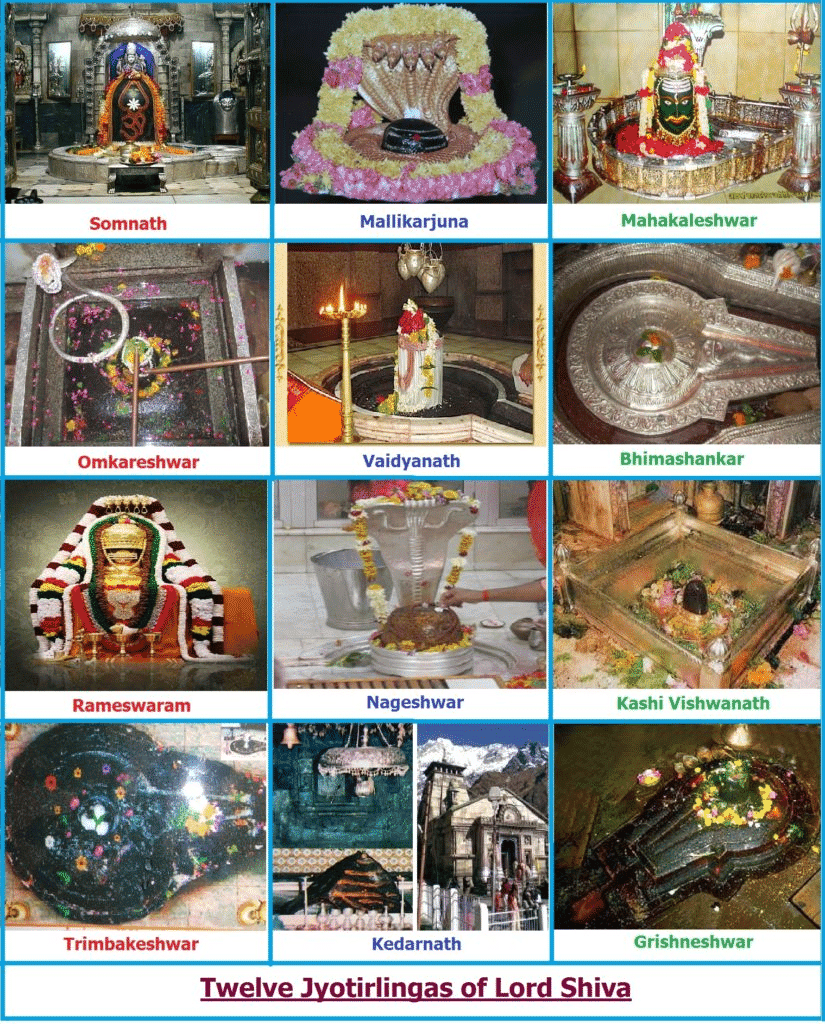
Jyotirlingas
Fill in the Blanks
Q1: Sacredness in India is linked to places like temples, rivers, mountains, and __________. Ans: Pilgrimages
Pilgrimages are journeys to sacred places that are part of India’s cultural and spiritual heritage.
Q2:The Char Dhām Yātrā connects __________ sacred sites in India. Ans: Four
The Char Dhām Yātrā connects four sacred sites in India: Badrinath, Dwarka, Puri, and Rameswaram.
Q3:The __________ River is considered a goddess in Hinduism. Ans: Ganga
The Ganga River is worshipped as a goddess and is central to many religious rituals in Hinduism.
Q4:__________ is an important pilgrimage site for followers of Jainism in Gujarat. Ans: Shatruñjaya hill
Shatruñjaya hill in Gujarat is a significant sacred site in Jainism, associated with Tirthankaras.
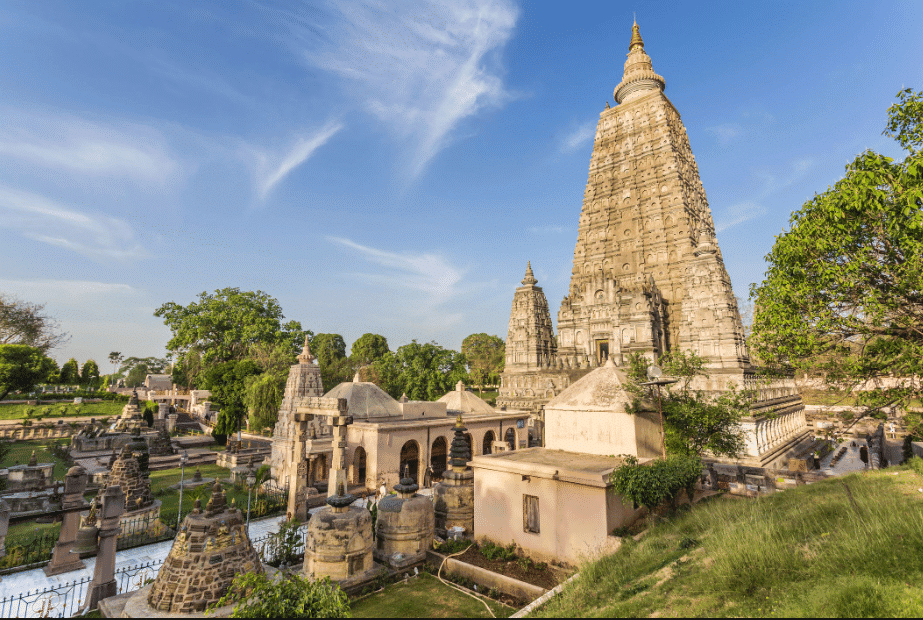
Q5:__________ is the sacred site in Bodh Gaya where Buddha attained enlightenment. Ans: Mahabodhi Stūpa
The Mahabodhi Stūpa in Bodh Gaya marks the place where Buddha attained enlightenment.
Mahabodhi Stupa
Q6:In India, the confluence of rivers is called a __________. Ans: Sangam
Sangams, or confluences of rivers, are considered sacred in Hinduism, like the one in Prayagraj.
Q7:__________ was the major pilgrimage site for Sikhs, connected to Guru Nanak. Ans: Takht Sri Patna Sahib
Takht Sri Patna Sahib is an important sacred site for Sikhs, associated with Guru Nanak.
Q8:__________ are sacred sites linked to the goddess Shakti in India. Ans: Shakti Pithas
Shakti Pithas are sacred sites where parts of the goddess Sati’s body are believed to have fallen.
Q9:__________ is the sacred tree under which Buddha attained enlightenment. Ans: Peepul tree
The Peepul tree at Bodh Gaya is sacred because it is believed to be the tree under which Buddha attained enlightenment.
Q10:The Kumbh Mela is held every __________ years at four sacred river sites. Ans: Six
The Kumbh Mela is a major pilgrimage that occurs every six years at four sacred river sites in India.
Tirth Yatra
Very Short Answer Questions
Q1:What is a tīrthayātrā? Ans: A tīrthayātrā is a pilgrimage to a sacred site in India.
Q2: Which river is known as “Ganga ji” by many Indians? Ans: The Ganga (Ganges) River.
Q3: What is a Sangam in Indian sacred geography? Ans: A Sangam is the confluence of rivers, considered holy.
Q4: Who is associated with the Takht Sri Patna Sahib? Ans: Guru Nanak, the founder of Sikhism.
Q5: Which tribe considers Niyam Dongar hill sacred? Ans: The Dongria Khond tribe.
Short Answer Questions
Q1:How does sacred geography help unite India? Ans: Sacred geography unites India by connecting diverse regions through shared pilgrimage routes and sacred sites, fostering cultural exchange and unity.
Q2:What is the significance of the Kumbh Mela in Indian culture? Ans: The Kumbh Mela is a major pilgrimage that brings millions of people together every six years, symbolizing the unity of diverse communities and the importance of sacred rituals.
Kumbh Mela
Q3:How does sacred ecology contribute to environmental protection? Ans: Sacred ecology promotes the protection of nature by treating rivers, mountains, and forests as sacred spaces, encouraging people to protect them from pollution and exploitation.
Q4:Why are rivers considered sacred in India? Ans: Rivers like the Ganga and Yamuna are worshipped as goddesses and considered sacred in Hinduism due to their life-giving properties and spiritual significance.
Q5:How does sacred geography influence trade in India? Ans: Pilgrimage routes often overlap with trade routes, facilitating the exchange of goods, ideas, and cultures, thereby enriching both spiritual and economic life.
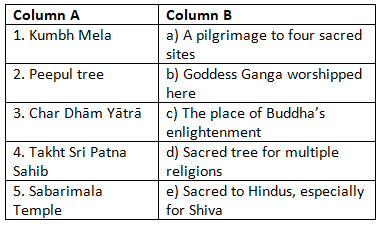
Match the Following
(Match Column A with the correct option in Column B)
Ans: Matched Pairs and Explanations:
1 → a: The Kumbh Mela is a pilgrimage to four sacred river sites held every six years.
2 → d: The Peepul tree is sacred in multiple religions, especially Buddhism and Hinduism.
3 → c: The Char Dhām Yātrā connects four sacred sites, including Bodh Gaya, where Buddha attained enlightenment.
4 → b: Takht Sri Patna Sahib is an important Sikh site dedicated to Guru Nanak, located on the banks of the Ganga.
5 → e: The Sabarimala Temple is sacred to Hindus, especially for devotees of Lord Ayyappa.
Q1:What is the Gupta Era known for? a) The rise of the Maurya Empire b) Achievements in art, literature, and science c) The fall of the Harappan civilization d) The start of Islamic rule in India Ans: b) Achievements in art, literature, and science
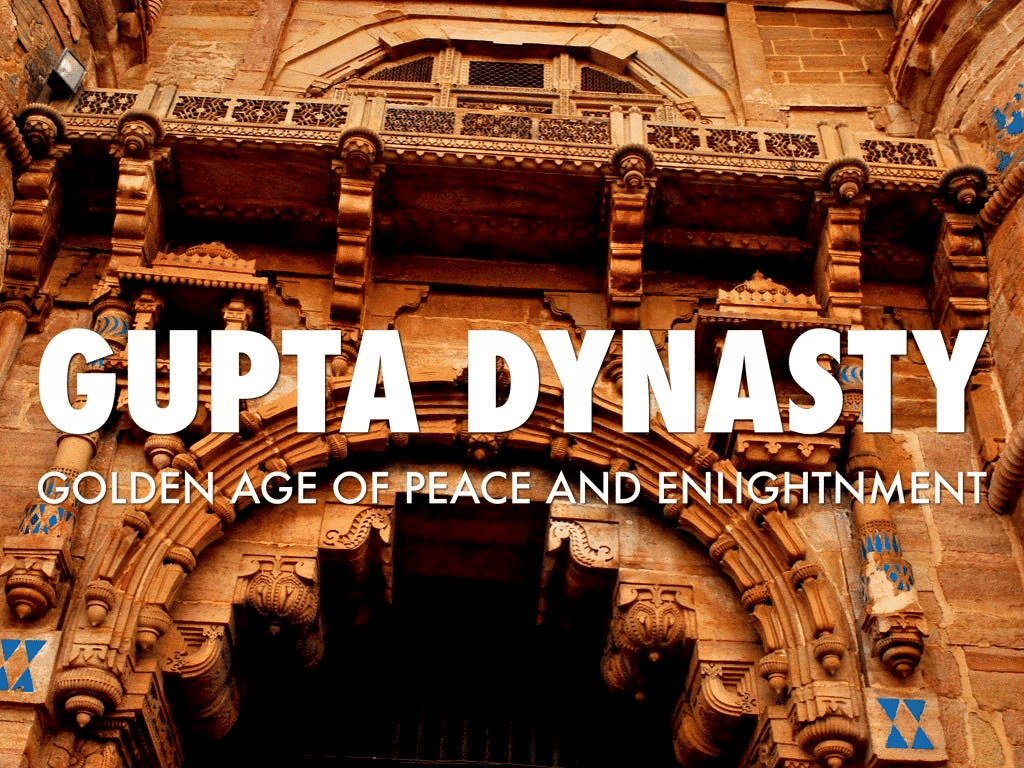
The Gupta Era is known for significant advancements in art, literature, science, and governance, marking a period of cultural flourishing.
Q2:Who was the father of Chandragupta II? a) Samudragupta b) Samudraka c) Ashoka d) Dhanananda Ans: a) Samudragupta
Samudragupta, a powerful warrior king, was the father of Chandragupta II, who expanded the Gupta Empire.
Q3:What was the name of the Gupta ruler who performed the Ashvamedha Yajña? a) Chandragupta II b) Samudragupta c) Ashoka d) Harisena Ans: b) Samudragupta
Samudragupta performed the Ashvamedha Yajña, a Vedic ritual to assert his sovereignty.
Q4:Which foreign traveler visited India during the Gupta period? a) Hiuen Tsang b) Faxian c) Marco Polo d) Ibn Battuta Ans: b) Faxian
Faxian, a Chinese traveler, visited India in the early 5th century CE and documented his observations of Indian society during the Gupta period.
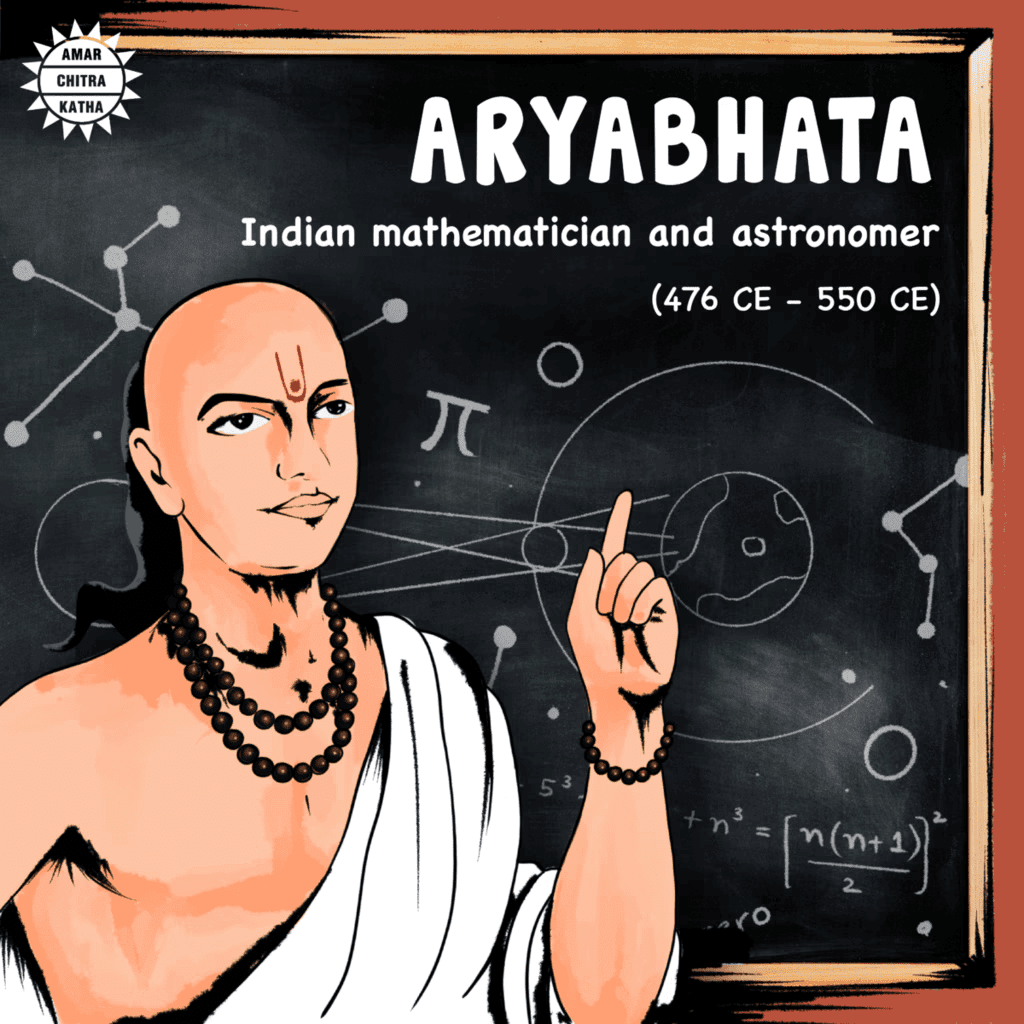
Q5:What was a significant contribution of Āryabhaṭa in the Gupta period? a) He wrote about architecture and sculpture. b) He made advances in mathematics and astronomy. c) He created the first coinage system. d) He founded the Nalanda University. Ans: b) He made advances in mathematics and astronomy.
Āryabhaṭa is known for his work in mathematics and astronomy, including his theories on the Earth’s rotation and the calculation of pi.
Q6:What was the main trade commodity of the Gupta Empire? a) Spices and textiles b) Coins and gold c) Iron and steel d) Silk and porcelain Ans: a) Spices and textiles
The Gupta Empire was known for its trade in spices, textiles, gemstones, and other goods, with active trade routes extending to other parts of the world.
Gupta Coins
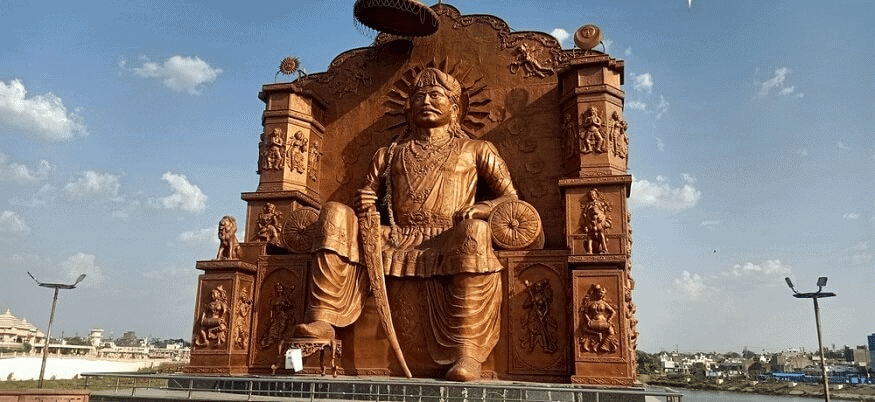
Q7:Which Gupta king is known for promoting the arts and literature, and for ruling over the empire at its height? a) Chandragupta I b) Samudragupta c) Chandragupta II d) Harisena Ans: c) Chandragupta II
Chandragupta II, also known as Vikramaditya, ruled during the peak of the Gupta Empire, promoting arts, literature, and scientific advancements.
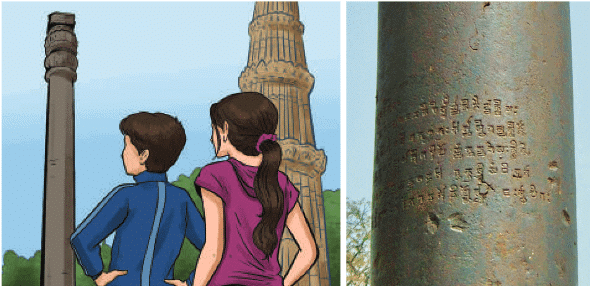
Q8:What was the primary purpose of the Iron Pillar in Delhi? a) To honor the Mauryan Empire b) To commemorate military victories c) To demonstrate Gupta advancements in metallurgy d) To mark the boundaries of the Gupta Empire Ans: c) To demonstrate Gupta advancements in metallurgy
The Iron Pillar in Delhi is famous for its rust-resistant iron, showcasing the Gupta’s advanced knowledge of metallurgy.
Q9:Which language flourished during the Gupta period and became central to literature and philosophy? a) Prakrit b) Sanskrit c) Pali d) Tamil Ans: b) Sanskrit
Sanskrit became the primary language for literature, philosophy, and religious texts during the Gupta period, with many famous works being written in it.
Q10:Which Gupta ruler was particularly noted for his patronage of scholars and artists? a) Samudragupta b) Chandragupta II c) Harisena d) Kumaragupta Ans: b) Chandragupta II
Chandragupta II, also known as Vikramaditya, was famous for his patronage of scholars and artists, and his court was home to many renowned intellectuals.
King Vikramaditya
Fill in the Blanks
Q1:The Gupta Empire is often referred to as the __________ Age due to its cultural and intellectual achievements. Ans: Classical
The Gupta period is called the Classical Age because of the significant progress made in various fields, including art, literature, and science.
Q2:The Gupta rulers used __________ to expand their empire, combining military conquests and alliances. Ans: Diplomacy
Gupta rulers used a combination of military power and diplomatic alliances to expand their empire.
Q3:The __________ Pillar in Delhi, dating back to the Gupta period, showcases the empire’s achievements in metallurgy. Ans: Iron
The Iron Pillar in Delhi demonstrates the Gupta Empire’s advanced knowledge of ironworking, as it resists rust even after centuries.
Iron Pillar, Mehraulli, Delhi
Q4:__________ was a famous Chinese traveler who visited India during the Gupta period and wrote about his experiences. Ans: Faxian
Faxian, a Chinese monk, traveled to India in the early 5th century CE, documenting his observations of Gupta society.
Q5:The Gupta period is noted for advancements in __________, with scholars like Āryabhaṭa making significant contributions. Ans: Mathematics and astronomy
Āryabhaṭa made major contributions to mathematics and astronomy, including his theories on the Earth’s rotation.
Q6:The Gupta rulers were also known for their patronage of __________, with scholars like Kālidāsa writing famous literary works. Ans: Literature
The Gupta rulers, particularly Chandragupta II, supported literature, and Kālidāsa became one of the most famous poets of this period)
Q7:Gupta administration was efficient, with local leaders receiving __________ to manage their territories. Ans: Land grants
The Guptas used land grants to allow local rulers to govern territories while ensuring they paid tribute and supported the empire.
Q8:__________, a famous work by Varāhamihira, covers topics like astrology, weather forecasting, and architecture. Ans: Brihat Samhita
Varāhamihira’s Brihat Samhita was a comprehensive work that covered various topics, including astrology and architecture.
Q9:The Gupta rulers supported __________ by funding institutions like Nālandā University. Ans: Education
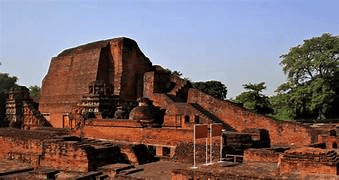
The Gupta rulers promoted education by supporting centers of learning such as Nālandā University, which attracted scholars from across Asia.
Q10:The Gupta period saw significant progress in __________, with the development of beautiful sculptures and paintings in places like Ajanta and Udayagiri. Ans: Art
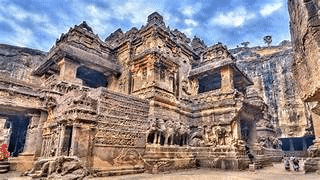
The Gupta period was a golden age for Indian art, with advancements in sculpture and painting, particularly in places like Ajanta and Udayagiri Caves.
Ajanta Caves
Very Short Answer Questions
Q1:What was the capital of the Gupta Empire? Ans: Pataliputra.
Q2:What is the significance of the Iron Pillar in Delhi? Ans: It demonstrates Gupta advances in metallurgy as it resists rust.
Q3:Who was Faxian? Ans: A Chinese traveler who visited India during the Gupta period and wrote about it.
Q4:What was the primary language used for literature during the Gupta period? Ans: Sanskrit.
Nalanda University
Short Answer Questions
Q1:How did the Gupta Empire support art and culture? Ans: The Gupta rulers, especially Chandragupta II, supported art and culture by patronizing artists, poets, and scholars, leading to advancements in literature, sculpture, and architecture.
Q2:What was the role of diplomacy in the Gupta Empire? Ans: The Gupta Empire used diplomacy to form alliances with other kingdoms, ensuring stability and helping expand their influence across India.
Q3:How did the Gupta Empire impact mathematics and astronomy? Ans: Scholars like Āryabhaṭa made significant contributions, including calculations on the Earth’s size, motions of celestial bodies, and the concept of zero.
Q4:Why is the Gupta period called the Classical Age? Ans: It is called the Classical Age because of the remarkable achievements in art, literature, science, and governance that shaped the future of India.
Q5:What was the significance of Nālandā University? Ans: Nālandā University was a major center of learning supported by the Guptas, attracting scholars from around the world and contributing to the spread of knowledge.
Match the Following
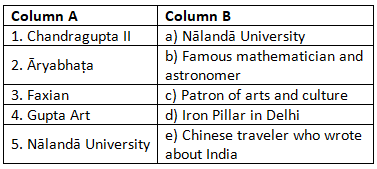
(Match Column A with the correct option in Column B)
Ans: Matched Pairs and Explanations:
1 → c: Chandragupta II was known for his patronage of arts and culture, which flourished during his reign.
2 → b: Āryabhaṭa made major contributions to mathematics and astronomy, particularly in the study of the Earth’s rotation.
3 → e: Faxian, the Chinese traveler, visited India and wrote about his observations of Gupta society.
4 → d: Gupta art, exemplified by the Iron Pillar, showcases their advanced skills in sculpture and metalworking.
5 → a: Nālandā University was a prominent learning center during the Gupta period, supported by Gupta rulers.