19. The Proposal –  Long Answer Questions

Introduction

The Proposal by Anton Chekhov is a comedy that focuses on the absurdity of human behavior and the superficiality of social norms. The characters in the play, LomovNatalya, and Chubukov, are involved in humorous situations that revolve around marriage, family pride, and petty arguments. Despite the central theme of marriage, the play humorously explores human vanitymiscommunication, and impulsiveness, making it an engaging yet critical look at society’s values.

Question Answers

Q1. In spite of being a good housekeeper, educated, and not bad-looking, Natalya is quarrelsome, vain, and highly impulsive. Justify your answer in 120 words.

Ans: Natalya, the 25-year-old daughter of the wealthy landlord Chubukov, seeks a marriage, particularly to impress her neighbor, Lomov. Although she is a good housekeeper, well-educated, and attractive, she exhibits significant personality flaws. Natalya is quarrelsomeimpulsive, and vain, much like her father. She frequently argues about trivial matters such as the ownership of Oxen Meadows and whose dog is superior. Despite her fine qualities, Natalya’s impulsiveness often overshadows her virtues. When she marries Lomov, their marriage begins with another argument, which underscores that her impulsive nature has not changed, highlighting the importance of deeper qualities for a successful relationship.


Q2. Write a brief character sketch of Lomov.
Ans: Lomov is a 35-year-old man who is eager to settle down, although he is anxious and nervous. His weak heart and sleeping problems make him feel rushed to find a partner. Despite his health issues, Lomov is financially stable, which makes him a good match, particularly for Chubukov’s daughter, Natalya. He seeks a marriage not out of love but because he believes it is time to settle down. His nervousness makes him hesitant to propose, and his long-winded speech prevents him from getting to the point. While Lomov has good qualities, his anxiety and tendency to overthink make it difficult for him to express them clearly.

Q3. Describe how Chubukov got Natalya married to Lomov.
Ans: At first, Chubukov thinks Lomov has come to ask for a loan. However, when Lomov expresses his desire to marry NatalyaChubukov is overjoyed and even cries with happiness. He hugs Lomov, calling him a son, as he sees this as a great opportunity. Chubukov secretly desires Lomov to marry his daughter because of his wealth and the comfortable life it would ensure for her. His excitement at Lomov’s proposal shows how much he values status and security over emotional connections, which is why he eagerly agrees to the marriage.

Q4. Describe the incidents of humour in the play, ‘The Proposal’?
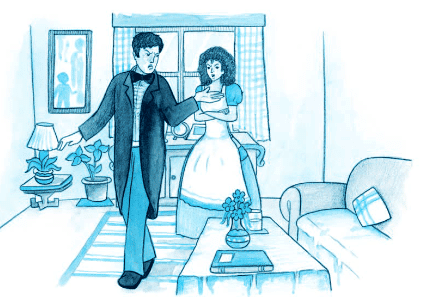
Ans: The Proposal is full of humorous incidents. The play begins with Lomov entering in formal clothes and Chubukov greeting him affectionately, calling him “darling” and “my treasure,” which is a funny and exaggerated way of addressing a potential suitor. The central part of the humor is the ridiculous argument between Lomov and Natalya over trivial matters like Oxen Meadows and their dogs. They call each other “scarecrow” and “stuffed sausage,” which highlights the absurdity of their fight. Natalya’s dramatic reaction to Lomov fainting and her placing his hand on hers during their argument is also a humorous twist. The humor in the play is driven by the characters’ exaggerated emotions and the silly nature of their arguments.

Q5. Give a brief character sketch of Natalya.
Ans: Natalya is a 25-year-old woman, the daughter of Chubukov. She is a good housekeeper, well-educated, and attractive, making her a suitable match for Lomov. Despite her virtues, Natalya is impulsive, quarrelsome, and vain. She has a deep affection for Lomov, but her pride and quick temper lead to frequent arguments. She is stubborn and easily offended, often embroiled in arguments over things like Oxen Meadows and whose dog is better. Natalya is determined to get married, but she struggles with being emotionally controlled and rational, as demonstrated by her impulsive reactions to situations.


Q6. What is the theme of the play ‘The Proposal’?
Ans: The central theme of The Proposal is the absurdity of social expectations and the superficiality in relationships. The play explores the trivial nature of landlord culture in 19th-century Russia, where wealth and social status are more important than genuine connection. The characters’ petty arguments about land and dogs overshadow the primary purpose of their meeting, which is a marriage proposal. The play also examines the social pressure on unmarried women and how marriage is often seen as a means of securing a comfortable life. Ultimately, the theme revolves around human egopride, and the ridiculousness of small arguments that prevent people from seeing what truly matters in relationships.

Q7. How and why does Lomov go to Chubukov’s house? How does Chubukov react to his visit?
Ans: Lomov, a 35-year-old neighbor, decides it’s time to propose to Natalya after feeling the pressure to settle down. He believes Natalya is an ideal match, being educated and a good housekeeper. Lomov visits Chubukov’s house in formal clothes, intending to propose. At first, Chubukov thinks Lomov is there for a loan and reacts coldly. However, when Lomov reveals he wants to marry NatalyaChubukov is overjoyed and enthusiastically embraces him, calling him his son. Chubukov, eager for his daughter to marry a wealthy neighbor, is thrilled and immediately approves of the proposal.


Q8. Describe how does Natalya react before and after knowing the real purpose of Lomov’s visit. Does she act sensibly in this regard?
Ans: Natalya initially does not know that Lomov intends to propose. Instead, she argues with him about the Oxen Meadows and accuses him of trying to steal their land. Lomov attempts to prove the land belongs to him, but the argument escalates. However, when she learns that Lomov came to propose, she suddenly shifts her attitude and calls for him to return. She even threatens to die if he does not come back. When Lomov returns, they begin to argue about their dogs instead of discussing the proposal. Their argument gets so heated that Lomov faintsChubukov then encourages them to marry quickly, which they do. However, their marriage starts with another argument, showing that Natalya’s impulsiveness and quick temper remain unchanged.

Q9. Do you think that Lomov and Natalya make a good match? Justify your answer.

Ans: Lomov and Natalya may not seem like a perfect match at first. Both are highly emotional and impulsive, which is demonstrated through their constant bickering over trivial matters. Lomov is nervous and anxious, while Natalya is quick-tempered and stubborn. They lack deep emotional compatibility, but their marriage is driven by social and financial considerations. Chubukov, Natalya’s father, supports the union for the sake of wealth and social standing. Though the couple’s personality conflicts are evident, they ultimately settle into marriage, driven more by social pressures than genuine affection. However, their compatibility seems to be based more on convenience than true love.

Q10. How does the humor in the play highlight the characters’ flaws?

Ans: The humor in The Proposal serves to highlight the absurdity of the characters’ flaws and the triviality of their concerns. The petty squabbles over land, dogs, and family pride expose the shallow nature of their characters. Lomov’s nervousnessNatalya’s quick temper, and Chubukov’s emotional volatility create a farcical atmosphere. Instead of a romantic proposal, the characters engage in ridiculous arguments, showcasing their insecuritypride, and impulsiveness. The humor accentuates the play’s satirical critique of human nature, revealing how pride and ego often overshadow more important matters in life, such as love and mutual respect.

18. Poem – For Anne Gregory – Long Answer Questions

Introduction

For Anne Gregory by William Butler Yeats is a conversation between a young man and a young woman, where they discuss the nature of love and the importance of physical beauty. The poem explores how appearance affects people’s perceptions of love and how, ultimately, true love should be for one’s inner self, not their outward appearance. The young woman, Anne, contemplates changing her hair color to prove that love should go beyond physical beauty. Through this dialogue, Yeats delves into the superficiality of beauty and the ideal of unconditional love.

Q1: What might Anne learn about true love if she dyed her hair brown, black, or carrot, based on the poem For Anne Gregory?

Ans:
If Anne dyed her hair brown, black, or carrot, she might learn that true love is not based on external appearance. By observing whether people’s feelings toward her change with her new look, she could understand that some may still love her for her personality rather than her physical beauty. This experience could help her realize how often people judge others based on their appearance, rather than valuing the true essence of a person. If someone continues to love her despite her change in appearance, it would show that real love transcends surface beauty. Anne would then understand that those who appreciate her for who she truly is are the ones worth keeping in her life.

Q2: How might the young man’s perspective on love change after his conversation with Anne, as shown in the poem For Anne Gregory?

Ans:
After talking to Anne, the young man might reconsider his views on love and beauty. Initially, he believes that love is driven by physical beauty, but Anne’s willingness to change her hair color could make him realize that love should be about inner qualities, not just appearances. He may start to appreciate that true affection stems from personality and character, which are more important in building meaningful relationships. The conversation could help him understand that real love is based on mutual respect and deeper connections, rather than mere attraction to external features.

Q3: What values does the young man’s focus on Anne’s hair challenge in the poem For Anne Gregory? How should people respond to these ideas?

Ans:
The young man’s focus on Anne’s hair challenges the idea that people should be valued for their inner qualities rather than their outward appearance. His perspective implies that physical beauty is the most important factor in love, which can make individuals feel that their worth is tied only to their looks. This belief may harm self-esteem and lead to insecurities. To counter such values, people should emphasize qualities like kindnessintelligence, and character. Conversations about the importance of inner beauty can help shift focus away from superficial traits and encourage relationships based on mutual respect and admiration for personality.

Q4: If Anne and the young man had this conversation in today’s world, how might people react, based on the poem For Anne Gregory?

Ans:
In today’s world, Anne’s perspective might receive more support as there is a growing belief that love should not be based solely on physical appearance. People would likely admire her for advocating self-acceptance and the importance of personality over looks. Social media could amplify her message, sparking discussions about self-worth and the significance of inner qualities in relationships. Anne’s stance could inspire others to challenge the societal obsession with beauty and encourage a shift towards meaningful connections. This conversation might help foster a broader awareness that love should be grounded in mutual understandingrespect, and emotional depth.

Q5: If Anne’s friends reacted negatively to her changing her hair color, what might she learn about her friendships, based on the poem For Anne Gregory?

Ans:
If Anne’s friends reacted negatively to her changing her hair color, she might realize that some of her friendships were based primarily on appearance. This might be a painful realization, but it could help her understand which friendships are shallow and which ones are genuine. She might begin to appreciate relationships where she is valued for her personality rather than her outward look. This experience could encourage her to seek deeper, more authentic connections with people who truly value and respect her inner qualities. Ultimately, she may cherish meaningful friendships more while distancing herself from those that are based on superficial traits.

Q6: How would Anne’s story change if she lived in a society that valued unique beauty, as in the poem For Anne Gregory?

Ans:
If Anne lived in a society that celebrated unique beauty, she would likely feel more confident and accepted for who she truly is, without the pressure to change her hair color. She would not feel compelled to alter her appearance to test whether someone loves her for her true self. Her story would focus more on embracing individuality and self-expression. The emphasis would shift from proving that love transcends appearance to celebrating self-acceptance and confidence. Anne’s experience could inspire others to embrace their own distinctiveness and understand that true beauty lies in being authentic.

Q7: If Anne became a counselor, how might she use her experience to help others feel good about themselves, based on the poem For Anne Gregory?

Ans:
As a counselor, Anne could use her experience to help others build self-esteem by teaching them that their worth is not determined by their physical appearance. She could guide people to focus on their characterstrengths, and inner beauty. Anne might offer advice on building healthy relationships based on mutual respect, appreciation, and understanding of personality. By sharing her own journey of self-acceptance, Anne could inspire others to seek meaningful connections rather than relying on external validation. Her counseling could encourage people to feel confident and comfortable with who they are, regardless of how they look.

Q8: If Anne decided never to change her hair color despite the conversation, what might her reasoning be, based on the poem For Anne Gregory?

Ans:
If Anne decided never to change her hair color, it could be a statement of self-acceptance and confidence in her identity. Her decision might reflect her belief that personality and inner qualities matter more than physical appearance. By staying true to herself, she could strengthen her relationships with those who appreciate her for her authentic self. Anne’s choice might also inspire others to embrace their own individuality and reject the pressure to conform to societal beauty standards. Ultimately, Anne’s decision could encourage people to recognize that true self-worth comes from within, not from how one looks.

Q9: Do we love people because we like their appearances or we are fascinated by their physical appearances? How does Anne Gregory want to be loved?

Ans:
In today’s world, many people are often attracted to others based on their physical appearance, which can overshadow inner qualities. Anne Gregory’s golden hair, admired by many, draws attention. However, she wants to be loved for who she truly is, not just for her external beauty. Anne believes that her hair color is unimportant and could be changed easily, which would prove that love based on looks is shallow. If someone loves her only for her hair, she would reject such affection, as she longs to be loved for her inner self. The poem suggests that true love comes from valuing someone for their character, not their appearance.

Q10: People are not objects. They should be valued for being themselves. What lesson does the poet want to give to the readers through this poem?

Ans:
Through this poem, Yeats teaches that people should be loved for their true selves, not for their outward appearance. While physical beauty may attract, it fades over time, and character and personality are what truly matter. Anne’s golden hair might catch attention, but true love goes beyond superficial traits. The poet emphasizes that society often values glamour over authenticity, but true love and genuine connections come from appreciating a person for who they are inside. Ultimately, Yeats suggests that only God can love someone for their true essence, beyond the physical exterior.

Key Vocabulary Box:

  • Ramparts: High, wide walls around a castle or fort.
  • Self-acceptance: Recognizing and embracing one’s true self.
  • Superficial: Existing or occurring at or on the surface; shallow.
  • Authenticity: The quality of being genuine or true to oneself.
  • Glamour: Alluring beauty, charm, or attraction.

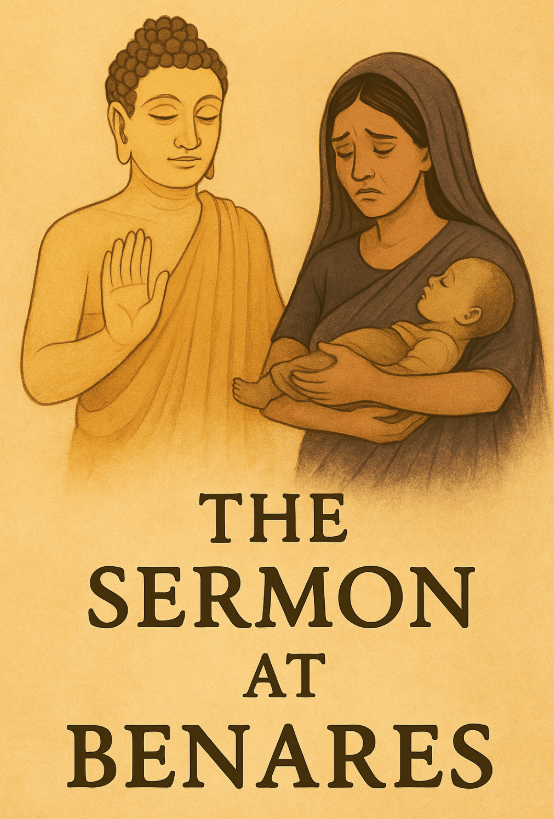
17. The Sermon at Benares – Long Answer Questions

Introduction

The Sermon at Benares by Gautama Buddha reflects his wisdom and understanding about human suffering and the impermanence of life. In this lesson, the Buddha shares profound insights with Kisa Gotami, a grief-stricken mother who learns valuable lessons about life, death, and acceptance. This chapter highlights the universal nature of death and the path to peace through acceptance.

Q1. The life of mortals in this world is troubled and brief and combined with pain. With this statement of the Buddha, we find the moral value that Kisa Gotami learned after the loss of her child.

Ans:
According to the Buddha, all humans are mortal, and death is inevitable for everyone. The Buddha teaches that life is filled with paintrouble, and sorrow, and is brief. The Buddha’s statement reflects the reality that no one, young or old, can escape death. Kisa Gotami, after losing her son, was initially consumed by grief and sought ways to bring him back to life. The Buddha instructed her to collect mustard seeds from a house where no one had died. Through her search, Kisa Gotami learned that death is a common experience for all. Her grief turned into self-awareness, and she realized that true peace comes from letting go of selfishness and accepting the inevitability of death. This was the lesson Buddha wanted her to understand.

Q2. Why did Kisa Gotami understand the message given by the Buddha only the second time? In what way did the Buddha change her understanding?

Ans:
Initially, Kisa Gotami was overwhelmed by her personal loss and could not see beyond her grief. She believed that her son’s death was an isolated tragedy. During her second visit, Buddha instructed her to collect mustard seeds from a house where no one had died. As she went from house to house, she discovered that every family had experienced the loss of a loved one. This realisation opened her eyes to the fact that grief is universal and that everyone faces loss. Buddha helped her shift her perspective, making her understand that true peace comes from accepting death as part of life, not from clinging to selfish grief.

Q3. The Buddha said, “The world is affected by death and decay, therefore the wise men do not grieve, knowing the terms of the world.” Do you think the statement is appropriate even for today’s life? Write your views in the context of the above statement.

Ans:
The Buddha’s statement remains relevant in today’s world. He teaches that death is inevitable, and it is a part of life’s natural cycle. Just like fruits that ripen and eventually fall, humans too are subject to deathGrief and mourning cannot bring back the deceased; they only lead to more pain and suffering. In the modern world, people often strive to accumulate wealth and possessions, neglecting the truth that life is temporary. If people could accept the reality of death, they would find peace. Mourning, while natural, should not lead to perpetual sorrow. We must learn to let go and embrace life with all its challenges.

Q4. Through the story of Kisa Gotami, what did the Buddha try to preach to the common man?

Ans:
Through the story of Kisa Gotami, the Buddha preached the universality of death and the importance of acceptance. He taught that death is a common fate for all living beings. Kisa Gotami, in her grief, believed that her loss was unique, but Buddha showed her that every family experiences loss. He also emphasized that selfish grief only leads to more suffering. True peace is achieved when one accepts the reality of mortality and stops mourning endlessly. Buddha’s message is clear: death is unavoidable, and we must learn to accept it to achieve freedom from sorrow.

Q5. What impression do you form of Lord Buddha after reading the lesson, The Sermon at Benares?

Ans:
After reading this lesson, Lord Buddha appears as a wise and compassionate teacher. His teachings are based on the acceptance of reality, and his approach to suffering is deeply profound. Buddha’s ability to provide solutions to deep human suffering shows his great wisdom. His message is clear: suffering is a part of life, and it can be overcome through detachmentacceptance, and self-awareness. Buddha’s first sermon at Benares outlines the Eightfold Path, which guides people toward overcoming suffering and attaining peace of mind. His teachings continue to inspire millions to live a life free from suffering.

Q6. Who was Gautama Buddha? What made him renounce his royal life and become a monk?

Ans:
Gautama Buddha, originally known as Siddhartha Gautama, was born into a royal family in northern India in 563 BCE. He lived a luxurious life with his family but was shielded from the harsh realities of the world. At the age of twenty-five, Siddhartha saw a sick man, an aged man, a funeral procession, and a begging monk during his travels. These experiences deeply affected him and made him realize the suffering present in the world. Moved by these sights, Siddhartha decided to renounce his royal life and embark on a quest for spiritual knowledge. After years of meditation, he attained enlightenment and became known as Buddha, the Enlightened One.

Q7. Why did Kisa Gotami go to every neighbour? Why did she say, ‘How selfish I am in my grief’?

Ans:
After the death of her son, Kisa Gotami was devastated and carried her child to every neighbour, asking for medicine. The neighbours, however, thought she had lost her senses. They could not offer her anything to help. When Kisa Gotami met the Buddha, he instructed her to find mustard seeds from a house that had never experienced loss. As she went from house to house, she realized that every family had faced loss. This made her understand that death is an inevitable part of life. She realized that her grief was selfish, as she was focused only on her personal loss, while death is a universal experience. This understanding shifted her perspective, and she recognized that mourning forever is futile.

Q8. What did the Buddha ask Kisa Gotami to do? Why couldn’t Kisa Gotami succeed in getting a handful of mustard seeds from any family?

Ans:
The Buddha instructed Kisa Gotami to bring him mustard seeds from a family where no one had died. She went from house to house, hoping to find such a family, but in each home, she learned that someone had passed away. This realization left her exhausted and hopeless. She understood that death is a shared experience among all living beings and that everyone, regardless of their status or wealth, faces loss. Through this lesson, Kisa Gotami learned that grieving alone does not change the reality of death. She learned to accept death as a part of life.

Q9. Describe the main teachings of the Buddha as highlighted in The Sermon at Benares.

Ans:
In his first sermon at Benares, Buddha taught that suffering is a part of human existence, and death is inevitable for all living beings. He explained that grief over the death of loved ones is natural, but it cannot change the inevitable truth of death. Buddha emphasized that the key to peace of mind is to accept death as a universal experience. Through his Eightfold Path, Buddha showed how one can overcome suffering and achieve enlightenment. He also taught that selfish grief only leads to more suffering, and true peace comes from letting go of selfish desires and embracing the natural course of life.

Q10. What does the Buddha say about the life of mortals in this world? How can one obtain peace of mind?

Ans:
The Buddha explains that mortals are subject to death, and life is often troubled and brief. Death is inevitable and is a part of the natural cycle of existence. The Buddha compares life to ripe fruit that will eventually fall, and earthen pots that are bound to break. The wise do not grieve because they accept that death is a universal reality. Grieving excessively only leads to more pain and suffering. To achieve peace of mind, one must let go of lamentation and grief. By overcoming sorrow and accepting mortality, one can attain a state of blessedness and freedom from suffering.

Key Vocabulary Box:

  • Afflicted: Suffering from illness or distress.
  • Lamentation: Expressing grief or sorrow.
  • Procure: To obtain or acquire.
  • Desolation: A state of emptiness or devastation.
  • Composed: Calm and self-controlled.
  • Selfishness: Concerned only with one’s own interests, often at the expense of others.

16. Poem – The Tale of Custard the Dragon – Long Answer Questions

Q1. Why do you think Custard, the dragon, was called a coward? How was Custard able to save all his housemates from the pirate? What values should Belinda have possessed so that custard could have been among her favourites?
Ans: The dragon was seen as a coward because he often cried for a safe cage. However, when a pirate entered the house with pistols in both hands, everyone else fled in fear, while Custard faced the pirate bravely. He attacked the pirate with his strong tail and gobbled him up completely. Belinda should have treated Custard with kindness. Instead of laughing at him with her other pets, she should have made him feel comfortable and safe in their home. Being more protective towards him would have helped Custard feel valued and appreciated.

Q2. Everyone believed that Custard was a coward, but when an opportunity came he showed exemplary courage. Based on your reading of the poem, write a paragraph on the topic: ‘Courage is a Mind, not a Muscle.’
Ans: In ‘The Tale of Custard the Dragon’, Custard is first seen as a cowardly dragon, frightened even by mice. However, when his friends are in danger, he bravely confronts the threat, demonstrating that courage is more about mindset than physical strength. This change in Custard shows that true character is revealed during crises. Thus, the poem illustrates that courage is not a muscle to be flexed, but an inner quality that can be developed through experience and self-reflection.

Q3. Why did Custard cry for a nice, safe cage? Why is the dragon called the ‘cowardly dragon’? How did he prove everyone wrong?
Ans: Custard cried for a nice, safe cage because he was afraid of the pirate who entered the house. The dragon is referred to as the ‘cowardly’ dragon because he lacks the bravery shown by the other characters in the poem, such as Belinda, Ink, Blink, and Mustard. However, Custard proves everyone wrong by bravely confronting the pirate and ultimately defeating him. This act of courage demonstrates that, despite being labelled a coward, Custard is capable of heroic actions when it truly matters.

Q4. Despite being so powerful and displaying rare bravery by killing and swallowing the pirate, why does the dragon Custard taunt as being a coward, always asking for a nice safe cage?
Ans: Custard, the dragon, is often ridiculed by Belinda’s other pets, despite his great strength and bravery. He has shown remarkable courage by defeating a pirate who attacked him. The reason for the taunting is not due to a lack of physical power but rather Custard’s low self-esteem and confidence. The other pets, particularly the kitten, belittle him, insisting he is cowardly and should remain in a safe cage. This constant mockery has led Custard to doubt his own abilities, making him feel that a cage offers him protection. Although he is physically strong, his lack of self-respect and awareness of his own capabilities causes him to seek safety in a cage. Thus, he is seen as a coward, even though his actions prove otherwise. In summary, Custard’s true strength and bravery are overshadowed by his feelings of inadequacy, resulting in his desire for a safe cage and the ridicule he faces from the other pets.

Q5. ‘Bravery is spontaneous.’ Explain concerning the poem.
Ans: Custard the dragon displayed true bravery without boasting like Belinda and her other pets. Unlike them, Custard faced real danger when he confronted the pirate. He proved his courage by not running away and ultimately defeating the pirate. This illustrates that bravery and courage are shown when someone encounters a dangerous situation. Therefore, these qualities can be seen as spontaneous, as demonstrated by Custard’s actions.

Q6. Evaluate Ogden Nash’s ‘The Tale of Custard the Dragon’ as a ballad. What message does the poet give to the readers in this poem?
Ans: Ballads are stories told in verse, often focusing on adventures and heroism. In Ogden Nash’s poem, the encounter between Custard and the pirate reflects this traditional spirit. The poem consists of four-line stanzas with a consistent aabb rhyme scheme. Through Custard’s fate, the poet conveys a subtle message: in a world filled with deceit, qualities like self-confidenceself-dependence, and self-respect are essential for earning your rightful place among peers. Physical strength alone is insufficient; it is crucial to be aware of your own strength. The poem suggests that those who are weaker should not have the right to mock or belittle you.

Q7. Custard was discriminated against, bullied, and made fun of. Such behaviour often has a disastrous impact on the victims and leaves a permanent scar on their minds. Write the opinions of Wanda and Mandela on this issue.
Ans: Wanda: I believe that the way Custard was discriminated against, bullied, and made fun of was entirely unfair and unacceptable. Such behaviour can have a severe impact on the victim’s mental health, and it is crucial to take a stand against it. The victim should never be blamed for what happened, and the bullies must be held accountable for their actions. 
Nelson Mandela: I firmly believe that no one should face discrimination, bullying, or ridicule, regardless of their appearance, abilities, or personality. It is essential to foster a culture of respect and understanding, where everyone is valued for who they are. Victims should be supported and empowered to stand up against their bullies, while the bullies should be educated and given a chance to change their behaviour.

Q8. When the pirate attacked Belinda, three of her brave friends—Ink, Blink and Mustard—ran away. Only Custard fought with the enemy. Based on your reading of the poem, write a paragraph on the topic: ‘A Friend in Need is a Friend Indeed.’
Ans: A Friend in Need is a Friend Indeed is a well-known proverb that is exemplified in the poem ‘The Tale of Custard the Dragon.’ In this poem, Belinda has several friends: Ink, Blink, Mustard, and Custard, who is a dragon. When a pirate attacks Belinda, three of her friends flee in fear, leaving only Custard to confront the enemy. This act of bravery shows that Custard is a true friend, standing by Belinda when she needs help the most. In life, many people may claim to be our friends, but true friends are those who support us through challenges. A genuine friend is always there for us, whether we need emotional support, practical assistance, or even protection. Custard exemplifies this by risking his life to defend Belinda from danger. This poem teaches us the importance of valuing true friendships and being there for our friends during difficult times. In conclusion, ‘The Tale of Custard the Dragon’ reinforces the idea that A Friend in Need is a Friend Indeed. 

15. Madam Rides the Bus – Long Answer Questions

Introduction

In Madam Rides the Bus, the author, V. S. Naipaul, beautifully portrays an eight-year-old girl, Valli, and her first bus journey to the outside world. The story explores Valli’s curiosity, her determination, and how she grows emotionally from her experiences. It also touches upon the gap between knowledge and understanding, especially when Valli witnesses the cycle of life and death.

Q1. “Never mind,” she said, “I can get on by myself.” “You don’t have to help me,” said Valli to the conductor. She shows extraordinary courage in making the bus journey all alone. Taking inspiration from Valli’s character, write how the ability and courage to take risks are essential to fulfilling one’s dream.

Ans:
Valli, an eight-year-old village girl, is fascinated by the bus that visits her village every day. With determination and independence, she decides to take the journey, saving money and making meticulous plans to ensure her success. When she boards the bus alone, refusing help, it shows her courage and self-reliance. Similarly, in life, to achieve our dreams, we must have confidenceplanning, and the ability to take risks. Without these qualities, fear can stop us from pursuing our goals, just as Valli’s courage helped her live her dream of riding the bus.

Q2. Valli was so overcome with sadness to see the dead cow that she lost all enthusiasm. Do you feel the same way? If you feel concerned about the plight of animals falling prey to fast-moving traffic, what efforts will you make to make traveling on roads a safer activity?

Ans:
On her way to town, Valli was thrilled when a cow ran in front of the bus, but on her return journey, she saw the same cow lifeless, lying in a pool of blood. This sight deeply saddened her and ruined her earlier excitement.
I also feel sad seeing animals harmed by traffic. To prevent such incidents, I believe that stray animals should be kept away from busy roads, and animal shelters should be built near urban areas. Strict traffic laws should be enforced, and awareness campaigns about animal safety on the roads should be conducted. This will ensure safer travel for both animals and humans.

Q3. Justify the statement with instances that Valli was a mature girl and ahead of her age?

Ans:
Valli, though only eight years old, displayed immense maturity and independence. Her desire to ride the bus was not impulsive but planned with precision. She calculated the bus fare, the time, and even saved money by avoiding unnecessary treats. Moreover, she demonstrated self-restraint when she resisted the temptation to buy things at the fair, instead saving sixty paise for the bus ride. She boarded the bus alonerefused help, and showed confidence in her actions, marking her as mature and self-sufficient.

Q4. Valli’s journey to the city is also her induction into the mystery of life and death. Elaborate.

Ans:
Valli’s journey to the city marks her introduction to the mystery of life and death. Initially, she is full of excitement as she enjoys the bus ride, observing the beautiful sights around her. When a cow runs in front of the bus, she finds it amusing. However, on her return, she encounters the same cow lifeless, which makes her reflect deeply on the suddenness of death. This moment marks a turning point in her emotional growth, making her realize that life is fragile and death is unavoidable. Her sadness reflects her growing understanding of the world.

Q5. Write a character sketch of Valli.

Ans:
Valli is a curiousconfident, and determined young girl. Her favorite pastime is observing the world outside her home, and this curiosity led her to dream of riding the bus. She is mature for her age, planning the trip carefully, saving money, and even managing to escape her mother’s notice. During the journey, Valli displays both boldness and independence, handling situations on her own. She enjoys the ride but is deeply affected by the sight of the dead cow, showing a sensitive side. Valli’s determination and maturity make her stand out as a character who is ahead of her age.

Q6. What did Valli notice after she boarded the bus?

Ans:
After boarding the bus, Valli observed the luxurious interior of the bus, noting the soft seats, the gleaming silver bars, and the beautiful clock above the windshield. She enjoyed the scenic view as the bus passed along a canal, with green fieldspalm trees, and distant mountains visible from the window. However, when her view was blocked by the canvas blind, she stood on the seat to peek over and enjoy the sights. Her curiosity and excitement were evident as she looked at everything with awe and enthusiasm.

Q7. What was Valli’s obsession? How did she prepare and save money for her first bus journey? Or How did Valli plan for her first bus journey?

Ans:
Valli’s obsession was to ride the bus to the town. She carefully planned her trip, learning that the fare was sixty paise for a round trip. She saved money by avoiding temptations like buying peppermintstoys, and merry-go-round rides. It was not easy for an eight-year-old to save this much, but her determination helped her. She also planned the journey around the time when her mother would be napping, allowing her the freedom to go unnoticed. Valli’s self-reliance and focus made her first bus ride a success.

Q8. Describe what Valli saw during her bus journey. How did the scenes and sights affect her?

Ans:
Valli’s first bus journey was filled with wonder and excitement. She observed the bus passing through lush fields, alongside palm trees and mountains. She saw green fields on one side and a deep ditch on the other. Valli was fascinated by everything, but when a young cow ran in front of the bus, she couldn’t help but laugh until she had tears in her eyes. However, the sight of the same cow dead on the road during her return journey deeply saddened her, making her lose her enthusiasm. The image of the dead cow haunted her, and she refused to look outside for the rest of the journey.

Key Vocabulary Box:

  • Induction: The act of introducing someone to new knowledge or experiences.
  • Haughtily: In a proud, arrogant manner.
  • Thriftily: In a careful, economical manner.
  • Repulsive: Causing strong dislike.
  • Drivel: Silly nonsense.
  • Mimicking: Copying or imitating.
  • Gape: To stare with open mouth in amazement.

Also Check at EduRev:

If you want to make the most of your studies and get the grades you deserve, thenEduRev is a perfect choice! 

14. Poem – Fog – Long Answer Questions

Q1: What metaphor has the poet used in the poem “Fog”? Do you think it is appropriate?
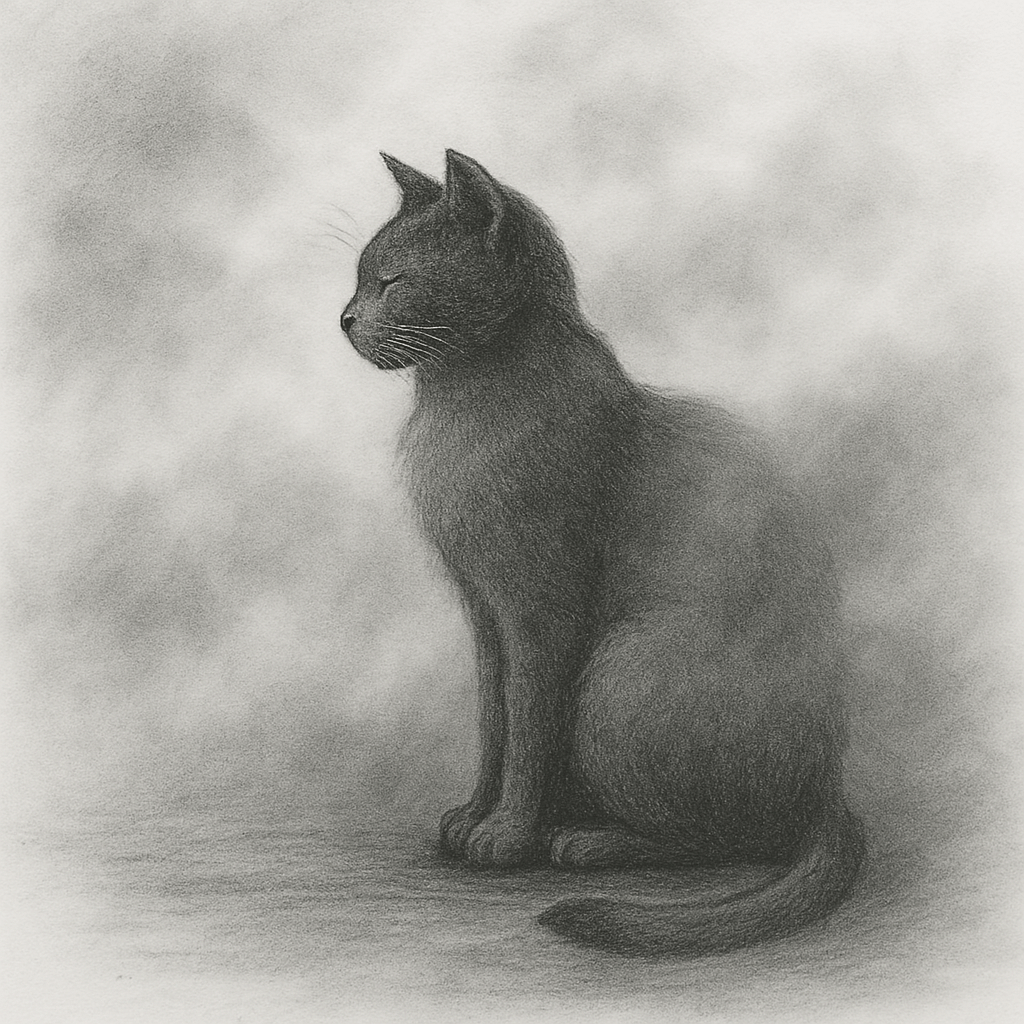
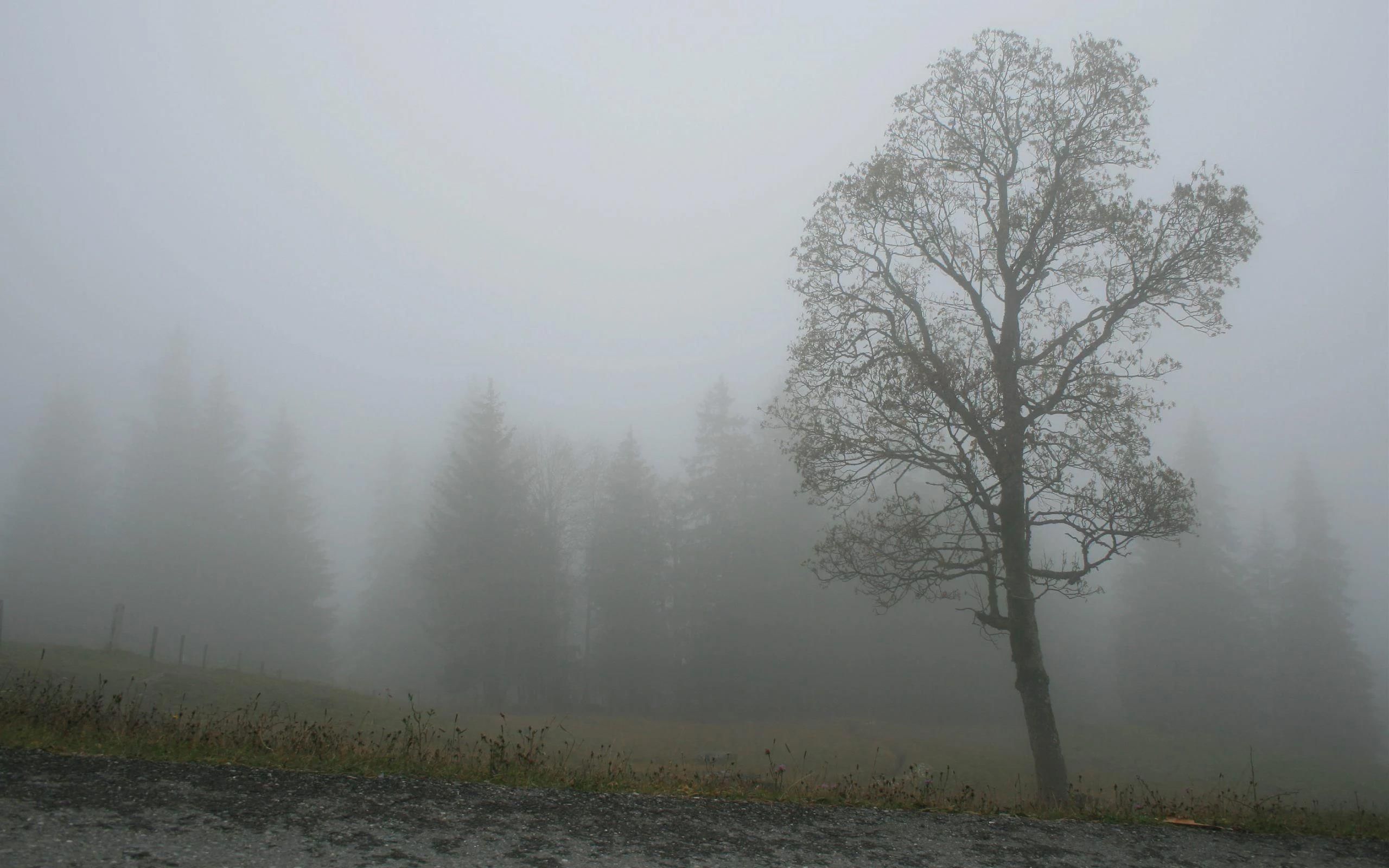
Ans: In the poem Fog, Carl Sandburg compares the fog to a cat. This metaphor is unique because it likens a natural phenomenon to a living creature. The poet likely uses this comparison to highlight the fog’s silent and mysterious nature.
Like a cat, the fog moves quietly and unnoticed, yet its presence is clearly felt. The way the fog lingers over the city and harbour is similar to a cat sitting on its haunches, watching silently before moving on. This comparison makes the fog more vivid and relatable, helping the reader picture how it arrives, stays briefly, and then disappears without warning. The metaphor is appropriate because the fog, like a cat, appears suddenly, moves gracefully, and vanishes without a sound.

FogQ2: How does Carl Sandburg use the metaphor of a cat to describe the fog in the poem? What does this comparison add to your understanding of the fog’s nature?
Ans: Sandburg compares the fog to a cat to emphasize its silent, graceful, and mysterious movement. The fog arrives without a sound, much like a cat approaching on soft feet.
A cat observes before moving, just as the fog settles over the city and harbour, pausing briefly before drifting away. This metaphor makes the fog feel alive, as if it has its own personality and purpose. The comparison helps us understand that the fog is not forceful or disruptive, but rather gentle and watchful. Like a cat, the fog moves freely, stays briefly, and departs without a trace, making it a symbol of quiet transformation in nature.


Q3: How does Carl Sandburg describe the arrival, stay, and departure of fog through the image of a cat?
Ans: Sandburg presents a dual image—the fog becomes a cat, and the cat morphs back into the fog. The fog’s arrival is quiet and sudden, just like a cat that appears without warning.
Once the fog settles, it engulfs the surroundings, covering both the harbour and the city. It stays briefly, just as a cat pauses, sitting on its haunches, watching its surroundings before moving on. Finally, the fog drifts away, just as a cat never stays in one place for long. This imagery highlights the fog’s silent power, showing that it moves on its own terms, touching everything without being noticed, yet making a lasting impression.


Q4: What can the fog’s behaviour in the poem Fog  teach us about handling uncertainties in life?
Ans: The fog in the poem teaches us to face uncertainties with patience and calmness. Just like fog comes and goes quietly, problems in life are temporary and will pass with time.
Instead of reacting with fear or frustration, we should observe, think, and adapt. The fog’s silent and brief stay reminds us that nothing lasts forever, and challenges should be met with a steady and thoughtful approach. Just as the fog moves without resistance, we should learn to accept life’s uncertainties rather than struggle against them. The poem encourages us to trust that difficult times will pass and clarity will return, just as the fog eventually lifts.


Q5: How does the setting of a harbour and city enhance the overall mood of the poem Fog?
Ans: The harbour and city setting creates a contrast between movement and stillness. Cities and harbours are usually lively and busy, but when the fog arrives, everything slows down and becomes quiet.
This contrast enhances the mysterious and peaceful mood of the poem. The fog’s presence over a normally active environment makes its silent and temporary nature stand out. It also adds a sense of reflection and stillness, making the reader pause and appreciate how nature interacts with daily life. The setting reinforces the idea that fog, like time, moves freely and changes the atmosphere, even if just for a short while.

Q6: How does the poem “Fog”  reflect the idea that life’s moments are temporary and always changing?
Ans: The poem reflects life’s fleeting nature by showing that fog, like moments in life, appears, stays briefly, and then disappears. The fog arrives silently, covers everything, and then moves on, much like different phases in life. This reminds us that both joyful and difficult times will pass, urging us to appreciate each moment while it lasts. The way the fog quietly departs teaches that change is natural and does not always happen dramatically. Just as fog lifts to reveal clarity, life’s uncertainties will also fade, making way for new experiences. The poem encourages us to accept and embrace change instead of fearing it.

Q7: What might the “fog” symbolise in terms of emotions or thoughts? How does this symbolism help you understand the poem better?
Ans: The fog can symbolize unclear emotions, confusion, or moments of doubt. Just as fog obscures vision and makes it hard to see ahead, our thoughts can sometimes be clouded by uncertainty.
This symbolism helps us relate to the poem as a reflection of times when we feel lost or uncertain. However, like fog eventually clears, confusion and difficult emotions do not last forever. The poem teaches us to be patient, knowing that clarity will return. By understanding fog in this way, we learn to trust the process of change, allowing emotions to come and go without fear, just as the fog drifts in and out of sight.


Q8; How does the poet’s use of free verse in “Fog” contribute to the overall impact of the poem?
Ans: The free verse structure makes the poem feel natural and effortless, just like the movement of fog. Without a fixed rhyme or rhythm, the poem flows smoothly, mirroring how fog moves freely and unpredictably.
This lack of structure enhances the fog’s mysterious and peaceful nature. It makes the poem feel spontaneous and real, reinforcing the idea that fog, like life, does not follow a strict pattern. The short, simple lines also reflect the brief and subtle nature of the fog, making the poem’s message more direct and impactful. The poet’s choice of free verse allows the mood and imagery to take center stage, making the poem more reflective and thought-provoking.


Q9: How does the fog’s brief stay in the poem relate to mindfulness and living in the moment?
Ans: The fog’s short presence in the poem reflects the idea of mindfulness and appreciating the present. Just like fog comes and goes quickly, life’s moments are temporary, and we should cherish them while they last.
Mindfulness teaches us to focus on the present instead of worrying about the past or future. The fog’s quiet and gentle arrival reminds us to pause, observe, and appreciate our surroundings. The poem encourages us to slow down, be present, and find peace in life’s small, fleeting moments. It reminds us that life is constantly changing, so instead of fearing change, we should embrace it with a calm and accepting mindset, just as the fog does.


Q10: How does the imagery in the poem “Fog” enhance the reader’s experience and understanding of the fog’s nature?
Ans: The imagery in the poem makes the fog feel alive and real. Words like “little cat feet” and “silent haunches” create a clear picture of the fog moving softly, like a quiet cat.

This gentle and graceful imagery helps readers visualize the fog’s slow and mysterious movement. The image of the fog sitting and watching over the city and harbour adds a feeling of calm observation. Through strong visual descriptions, the poem brings the fog to life, making it easier for readers to connect with its peaceful and fleeting nature. The poet’s choice of simple yet powerful words helps to create a sense of mystery and wonder, making the fog seem like an observer rather than just a weather phenomenon.

13. Mijbil the Otter – Long Answer Questions

Mijbil the Otter by Gavin Maxwell is a delightful recounting of his experiences with an otter named Mijbil. Maxwell’s life undergoes significant changes when he decides to adopt an otter as a pet instead of a dog, leading to a beautiful companionship full of surprising and joyful moments. The story highlights the bond between the narrator and his unique pet, as well as the challenges and joys that come with caring for an unusual animal.

Q1. Mijbil did things that demonstrated its personality. Which qualities of the narrator are shown in his care for Mijbil?

Ans:
Mijbil was an intelligentplayful, and joyful otter. He enjoyed water immensely, and when Maxwell took him to the bathroom, Mijbil became wild with joyplunging and rolling in the water. Maxwell showed his affection and care for Mijbil by treating him like his own child. He gave him toys like marbles, rubber balls, and even a terrapin shell to play with. Maxwell was also observant of Mijbil’s habits, noticing his likes and dislikes. He encouraged Mijbil to do whatever made him happy, even taking him out for exercise. Maxwell’s devotion to Mijbil’s well-being is evident when, upon seeing blood on the otter, he was horrified and immediately took action to comfort him.

Q2. Why did Maxwell want to have an otter for a pet? How did he get one?

Ans:
Maxwell wanted an unusual pet after the death of his beloved dog, Jonnie. Feeling too sad to keep another dog, he decided an otter would be a more suitable companion. While traveling to Southern Iraq, Maxwell learned from a friend that otters were abundant in the Tigris marshes, so he decided to adopt one. His friend suggested that otters were often tamed by the Arabs, and with that knowledge, Maxwell went to Basra, where he received his mail and the otter from two Arabs. The otter was a gift from his friend, and it marked the beginning of a new chapter in Maxwell’s life.

Q3. What did Maxwell do to transport Mijbil to England?

Ans:
Maxwell initially faced difficulties with transporting Mijbil to England, as British Airways refused to fly animals. He then booked a flight to Paris with another airline, which insisted that Mijbil be packed into a box not more than eighteen inches square. Maxwell prepared a box for Mijbil and placed him inside an hour before the flight. However, when Maxwell returned, he was horrified to find blood around the box’s air holes, and Mijbil was exhausted and injured. Despite the urgency, Maxwell put Mijbil back into the box and rushed to the airport. Upon boarding, the stewardess, understanding the situation, allowed Maxwell to keep Mijbil on his knee for the journey to London, where the otter traveled safely.

Q4. Describe the relationship between the otter and Maxwell in your own words.

Ans:
Maxwell and Mijbil shared a warm, affectionate bond. Maxwell treated Mijbil with great care, giving him toys and allowing him to indulge in his love for water. He was attentive to Mijbil’s needs, noticing his quirks and encouraging him to engage in activities he enjoyed. Maxwell’s relationship with Mijbil was one of mutual respect and companionship. When Mijbil was hurt, Maxwell was immediately concerned, showing his protective nature. Over time, Mijbil became more friendly, gradually moving from being aloof to sitting on Maxwell’s lap, forming a deep emotional connection between them.

Q5. How did it come to the mind of the writer that an otter can be substituted for dogs or cats?

Ans:
Maxwell had a strong emotional attachment to his pet dog, Jonnie, but after Jonnie’s death, he couldn’t imagine getting another dog. During his travels in Southern Iraq, Maxwell learned from his friend that otters were as common as mosquitoes in the Tigris marshes, and they were often trained by the Arabs. Intrigued by the idea, Maxwell thought an otter would make a unique and suitable pet for him, especially because of his home’s proximity to water. His friend’s suggestion and the availability of otters led Maxwell to adopt one, starting a new chapter of companionship with Mijbil.

Q6. When did the author decide to have an otter as a pet? How did he get an otter?

Ans:
The author, Maxwell, decided to adopt an otter as a pet after the death of his dog Jonnie in 1956. His home in Camusfearna, surrounded by water, seemed like the perfect place for an otter. Maxwell shared his idea with a friend, who suggested that otters were abundant in the Tigris marshes in Iraq. After receiving advice from his friend, Maxwell traveled to Basra and received the otter from two Arabs. The otter, which Maxwell later named Mijbil, became his new companion.

Q7. How did the otter look when the author got it? What name did he give it? How did the otter enjoy being in the bathroom?

Ans:
When Maxwell first saw Mijbil, the otter resembled a small dragon covered in mud. After cleaning off the mud, Maxwell discovered that Mijbil had soft velvet fur underneath. He named the otter Mijbil and noticed that, like all otters, Mijbil had a natural love for water. When Maxwell took him to the bathroom, Mijbil went wild with joy, splashing and rolling in the water. He spent hours playing in the tub, making enough splash for a hippopotamus. Mijbil’s love for water became one of his most endearing qualities.

Q8. How did the author make arrangements for transporting his otter to London?

Ans:
Maxwell faced challenges when arranging to transport Mijbil to London. Since the British Airways didn’t accept animals, he booked a flight to Paris with another airline, which insisted that Mijbil be placed in a box measuring no more than eighteen inches square. Maxwell ensured Mijbil became accustomed to the box before their journey. However, upon returning from a meal, Maxwell was horrified to find Mijbil injured and bloodied inside the box. Despite the situation, Maxwell rushed to the airport, where he was allowed to keep Mijbil on his lap during the flight to London.

Key Vocabulary Box:

  • Thraldom: Being under control or influenced by something.
  • Fixation: A strong attachment or preoccupation.
  • Aloof: Distant, indifferent, or not friendly.
  • Apathy: A lack of interest or enthusiasm.
  • Compulsive habits: Habits that are difficult to control.
  • Ricochetting: A bullet or object bouncing off a surface.
  • Nuzzle: To rub or push gently with the nose.

If you want to make the most of your studies and get the grades you deserve, then EduRev is a perfect choice! 

12. Poem – The Trees – Long Answer Questions

Q1: The poem ‘Trees’ appears to be about trees, environment, deforestation and afforestation. On a deeper level we discover that Adrienne Rich is expressing her concern about women and their emancipation. Elaborate with reference to the poem.
Ans: Adrienne Rich’s The Trees highlights the importance of trees and draws parallels to women’s emancipation. Trees, she notes, belong outside, thriving naturally. Indoors, they can’t grow properly, symbolizing the confinement of women in a male-dominated society. Just as trees break free and flourish in nature, women yearn for liberation and independence. The poem portrays the victorious march of trees as a metaphor for hope—just as nature resists and overcomes human control, women too cannot be permanently oppressed.

Q2: ‘Departure is painful’. So is the departure of the trees painful for the poetess. What will happen after their departure?
Ans: The departure of trees mirrors personal loss for the poetess. Initially, saplings beautify their surroundings, but as they grow, their wild nature demands more space, causing disruptions. Leaves stretch toward light, roots crack floors, and twigs stiffen. Trees are then removed to thrive outdoors, welcomed by the wind and moonlight. Post-departure, the sky loses its leafy canopy, and the poetess feels a deep sense of loneliness.

Q3: How does the poem ‘The Trees’ make a strong plea against deforestation?
Ans: In The Trees, Adrienne Rich critiques deforestation by emphasizing trees’ role in sustaining life. Without them, there’s no shade, no habitat for birds or insects, and no forests. As saplings, trees beautify, but as they grow, their removal becomes necessary for their survival. Rich metaphorically addresses human exploitation of nature, lamenting the silent destruction of forests. However, the poem offers hope, suggesting forests can regenerate if humans act responsibly.

Q4: How does Adrienne Rich use trees as a metaphor for men? Isn’t the struggle of the trees to free themselves and go to the forest the struggle of crushed men, particularly of women against the powerful and atrocious men?
Ans: Adrienne Rich uses trees as metaphors for women and their struggles against oppression. Just as humans confine trees in artificial spaces, women face societal constraints. However, trees resist confinement, breaking barriers to return to forests, symbolizing freedom. This struggle mirrors women’s fight for liberation in patriarchal societies. Rich conveys hope, illustrating that, like trees reclaiming nature, women will overcome challenges to attain equality and freedom.

Q5: The poem ‘The Trees’ presents a conflict between man and nature. Describe the struggle of the trees and their victorious march to their natural habitat—the forest.
Ans: The Trees explores man’s conflict with nature. Human greed has led to deforestation, robbing birds, insects, and even the sun of their natural harmony. Despite attempts to confine them to artificial spaces, trees resist and break free, returning victoriously to forests. Rich highlights nature’s resilience and reminds us that no amount of human interference can permanently subdue it. Nature inevitably prevails over-exploitation.

11. Glimpses of India – Long Answer Questions

Q1. Why is a “baker’s furnace” necessary in a Goan village?
Ans: In Goa, the Portuguese legacy of bread-making has persisted over time. Although the consumers of the famous loaves may have diminished, the bakers remain vital to the community. In Goan villages, the mixers, moulders, and bakers continue to thrive, along with their traditional furnaces that are essential for their craft. The bakers play a significant role, especially when the lady of the house needs to prepare sandwiches for her daughter’s engagement or bake cakes and bolinhas for Christmas and other festivals. Thus, the presence of a baker’s furnace in the village is crucial for maintaining these cultural traditions.

Q2. Describe the childhood memories of the author’s life in Goa and his fondness for bread and cakes.
Ans: The author’s childhood memories are filled with joy and nostalgia. The pader, or baker, played a significant role in both the Goan village and the author’s life. He would mix, shape, and bake loaves of bread in traditional furnaces. The pader visited twice daily: once in the morning to sell bread and again later, returning with an empty basket. His arrival was marked by the cheerful sound of his bamboo staff, “jhang, jhang.” The author and other children would eagerly run to greet him, hoping to receive bread-bangles or sweet bread made for special occasions. During these visits, they would chat and share stories, creating cherished memories.

Q3. The narrator shares, “Baking was indeed a profitable profession in the old days.” 
(a) What do you feel has changed now? Why? 
(b) State any one way, you feel, the paders can regain their lost glory.
Ans: (a) The role of the baker, or pader, was once vital in Goan life. Over time, while bakers have continued their craft, their significance has diminished. The profession of baking bread has not vanished since the end of Portuguese rule; Goa still has its mixers, moulders, and bakers. The traditional furnaces continue to produce unique loaves. Events like marriages, feasts, and Christmas remain incomplete without the sweet bread known as bol. However, the tradition is not entirely lost.

(b) The paders can reclaim their former prestige through consistent hard work and by embracing their traditional methods. The new generation of bakers is still carrying on the family legacy, which can help them regain their lost glory.
Bread Bangles

Q4. Baking was a profitable profession in the old days in Goa. Prove it by giving examples.
Ans: Baking was a profitable profession in the old days in Goa. The people of Goa enjoyed the fragrance of freshly baked bread, which was essential for various occasions and ceremonies. For instance, marriage gifts were incomplete without the sweet bread known as bol, and no party was considered complete without bread. During a daughter’s engagement, the lady of the house had to prepare sandwiches, while bolinhas were a must for Christmas and other festivals. The baker’s furnace was crucial in every village, and bakers typically collected their payments at the end of the month. Their families never went hungry, and they appeared happy and prosperous. Their plump physique served as a visible sign of their well-being and success.


Q5. How is the effect of the traditional bread bakers can still be seen in Goa of today?
Ans: The author fondly recalls his childhood in Goa, where the village baker played a vital role in daily life. Bread was a common food, especially during Christmas, weddings, and other celebrations. Although fewer people eat bread today, the village bakers, known as pader, still exist. The influence of the Portuguese, who were famous for their bread, lingers on, even though they left Goa long ago.

The traditional furnaces used for baking bread remain, and the familiar sound of the baker’s bamboo can still be heard in some areas. While some bakers may have passed away, their children continue the family tradition. After Goa’s liberation, there was a belief that the Portuguese bread had disappeared with the paders. However, these bakers have adapted by perfecting their door-to-door delivery service, ensuring their survival. In the past, the baker was a friend and guide to the community, visiting twice daily. The paders still wear their traditional long frocks, and bread and cakes remain essential to Goan life. The presence of the baker’s furnace is crucial for celebrations, as gifts and feasts are incomplete without the sweet bread known as bol.

Q6. Justify the opinion that the traditional baker and his bread play a significant role in the cultural and social fabric of Goan society.
Ans: The traditional baker and his bread hold a significant place in the cultural and social fabric of Goan society. Introduced by the Portuguese, their famous loaves became integral to Goan cuisine. The baker’s bread is not merely a food item; it symbolizes social and economic status. Bakers play a crucial role in local commerce, often selling their bread door-to-door, a practice that has been passed down through generations.

Even today, many bakers continue the family tradition, maintaining a connection to Goa’s rich culinary heritage. The presence of these bakers and their time-tested furnaces represents a cherished aspect of the community. Their craft is celebrated, as bread is essential for various occasions, from weddings to festivals. The baker’s role extends beyond mere food production; he is a vital part of village life, ensuring that traditions are upheld and that the community remains connected to its past.

Q7. Give a pen portrait of a baker in Goa.
Ans: The baker, or pader, plays a vital role in Goan village life. Traditionally, bakers wore a distinctive outfit called the kabai, a knee-length frock. Over time, they transitioned to wearing shirts and trousers that were longer than shorts but shorter than full-length pants. Generally, bakers enjoyed a prosperous lifestyle, often reflected in their plump physique, which indicated a good income. They, along with their families and staff, were never in want of food.

Bakers were considered friends and mentors by the community. They would visit homes twice daily, bringing fresh bread in their baskets. Children eagerly awaited their arrival, excited to choose bread bangles from the baker’s offerings. Even today, baking remains a cherished tradition in Goa, with traditional ovens still in use, and bakers continue to be affectionately known as paders. The presence of a baker is essential for various occasions, such as preparing sandwiches for a daughter’s engagement or serving cakes and bolinhas during Christmas and other festivals. The baker’s furnace is a staple in the village, highlighting the importance of their craft in Goan culture.

10. Poem – Amanda! – Long Answer Questions

Q1. Bringing up teenagers can be both a challenge and fun. How far do you agree? Express your views with reference to Amanda’s life.
Ans: Bringing up teenagers is truly challenging and fun. Teenagers can be rebellious and apparently hot-headed with a highly independent perspective. In such circumstances, yelling at them, and nagging them, as done in the poem with Amanda, will only make matters worse. Forcing decisions on them only make them more detached, as we see in Amanda’s case, where she wishes to be the alone mermaid, an orphan, or the lonely Rapunzel. To make things fun, one must become a friend where needed. Sometimes, one needs to just ‘chill’ with one’s kids!


Q2: What picture do you form of Amanda’s mother/parents after reading the poem ‘Amanda’?
Ans: Amanda’s mother seems to be an overprotective mother. She believes that Amanda is still a girl and must live her life as her mother wants. Being a girl, she needs constant tutoring and taking instructions from her. She should be very careful the way she sits and stands. She should not bend down but sit up straight. She forbids her eating chocolate as it would not be good for her pimples. Her constant nagging leads her daughter far away from her.Amanda escapes into the world of dreams imagining herself a mermaid, an orphan or a fairy. She doesn’t look at her mother while she is speaking to her. Amanda’s mother fails to understand why her daughter remains unhappy and moody. She only asks her to stop sulking lest people should blame her mother for nagging her.

Q3: Why does Amanda escape into the dreamy world of mermaids, fairies and orphans? Does she find any solace there?
Ans: Amanda is a teenager who, like many others her age, values her freedom. She wants to live her life on her own terms, without being overly protected or controlled by her parents. Amanda believes she should have the right to decide what she wants to do, without her mother constantly telling her what’s right or wrong.Her mother’s constant nagging pushes Amanda away, leading her to create a world of her own. This world isn’t based on reality but is an imaginary place filled with fairies and mermaids. In this fantasy, Amanda finds comfort, imagining herself as a mermaid wandering happily on a lonely island. She dreams of the freedom to roam the streets like an orphan and wishes to live in a quiet tower, like Rapunzel, enjoying a peaceful life.Amanda distances herself from her mother because she dislikes the constant nagging, even avoiding eye contact when her mother talks to her.


Q4: Amanda did not agree with the restrictions put on her. Give two reasons to support the statement.
Ans: Amanda did not agree with the restrictions put on her, and there are several reasons to support this statement:
(i) Amanda’s parents continuously nagged her about her behavior, imposing numerous restrictions on what she should or shouldn’t do. These constant reprimands made Amanda feel stifled and unhappy, as she believed she was not allowed to enjoy her freedom or make her own choices. The persistent control over her actions led her to feel trapped, unable to express herself freely or live as she wished. This longing for freedom is evident in her frustration with the never-ending list of do’s and don’ts imposed by her parents.

(ii) Amanda’s disagreement with the restrictions is further highlighted by her frequent daydreams. She imagines herself as a mermaid in a tranquil, emerald sea, where she is the only inhabitant, completely free from the burdens of the real world. In another instance, she envisions herself living in a tower like Rapunzel, where she can enjoy solitude and peace without anyone to disturb her. These fantasies reveal Amanda’s deep desire to escape from the controlling environment created by her parents. Her imagination serves as a refuge, where she can live the life she wants, free from the constant demands and expectations placed upon her.

Q5: How does the repeated use of the name ‘Amanda’ influence the overall tone of the poem?
Ans: The repeated use of the name “Amanda” in the poem contributes to a tone of authority and control, as it feels like someone in a position of power, possibly a parent, is directly addressing Amanda.
(a) The repeated use of the name ‘Amanda’ throughout the poem creates a sense of authority and control.
(b) As the name ‘Amanda’ is repeated throughout the poem, it conveys a commanding tone, as if someone in a position of authority, such as a parent, is speaking directly to Amanda.
(c) Since the name ‘Amanda’ is repeated numerous times, followed by instructions or directions, it also creates a tone of frustration or annoyance.
(d) The repetition of the name also adds a sense of familiarity to the tone. It suggests a close relationship between the speaker and Amanda, indicating that the instructions and restrictions come from a place of care and concern.


Q6. In the poem “Amanda,” what lesson do you think the adult could learn from Amanda? Write a letter from Amanda to the adult explaining her feelings.
Ans:
Dear Mother,
I understand that rules are important and you want what’s best for me. However, I feel that I also need some space to grow and explore on my own. The constant reminders and rules make me feel very limited and sometimes sad.

I wish we could find a balance where I can have some freedom to use my imagination and dream a little. This freedom helps me be happy and creative. Please consider giving me a little more space and understanding, and maybe a bit less criticism. This could help me grow and be my best self.

Thank you for understanding,
Amanda

Q7. Write a diary entry based on the poem “Amanda,” from Amanda’s perspective about how she feels after a day filled with commands and restrictions.
Ans: 
Dear Diary,
Today was really tough. It was a day full of commands and restrictions. Everyone kept telling me what to do—how to sit, how to eat, and even how to smile. I feel so misunderstood. No one seems to understand how much I need some freedom, a moment to just be myself.

In my dreams, I’m a mermaid in a big, beautiful sea or just walking freely on quiet streets, away from all these rules. These dreams are where I feel free and happy. I wish my real life could be like my dreams, free from all these rules. Maybe then I’d feel truly happy and understood.

PYours always
Amanda